How CMOS Battery Technology Is Improving E-commerce Tools?
JUL 22, 20259 MIN READ
Generate Your Research Report Instantly with AI Agent
Patsnap Eureka helps you evaluate technical feasibility & market potential.
CMOS Battery Evolution and E-commerce Goals
CMOS battery technology has undergone significant evolution since its inception, with recent advancements directly impacting the e-commerce sector. Initially developed for maintaining computer BIOS settings, CMOS batteries have expanded their role in powering various electronic devices, including those crucial for e-commerce operations.
The progression of CMOS battery technology has been marked by improvements in energy density, longevity, and reliability. Early iterations suffered from limited capacity and frequent replacement needs, which posed challenges for continuous operation of e-commerce systems. However, modern CMOS batteries boast extended lifespans, often lasting several years without replacement, ensuring uninterrupted functionality of critical e-commerce tools.
One of the key developments in CMOS battery technology has been the reduction in size while maintaining or improving power output. This miniaturization has enabled the integration of CMOS batteries into smaller, more portable e-commerce devices, such as mobile point-of-sale systems and handheld inventory scanners. The compact nature of these batteries has facilitated the creation of sleeker, more user-friendly tools that enhance the efficiency of e-commerce operations.
Another significant advancement is the improved temperature tolerance of CMOS batteries. This feature is particularly beneficial for e-commerce applications in varied environmental conditions, from warehouse storage systems to outdoor kiosks. The enhanced thermal stability ensures consistent performance across a wide range of operating temperatures, contributing to the reliability of e-commerce infrastructure.
The evolution of CMOS battery technology has also focused on environmental sustainability. Modern iterations often incorporate recyclable materials and have reduced toxic components, aligning with the growing emphasis on eco-friendly practices in e-commerce. This shift not only addresses environmental concerns but also helps e-commerce businesses comply with increasingly stringent regulations regarding electronic waste.
In terms of e-commerce goals, the advancements in CMOS battery technology directly support several key objectives. Firstly, the improved reliability and longevity of these batteries contribute to reduced downtime in e-commerce systems, ensuring continuous operation of critical tools such as inventory management software and payment processing terminals. This reliability is crucial for maintaining customer satisfaction and operational efficiency in the fast-paced e-commerce environment.
Furthermore, the enhanced power efficiency of modern CMOS batteries aligns with the e-commerce sector's drive towards energy conservation and cost reduction. By requiring less frequent replacements and consuming less power, these batteries help lower operational costs and minimize the environmental footprint of e-commerce businesses.
The evolution of CMOS battery technology also supports the trend towards mobile and flexible e-commerce solutions. As online retail increasingly blends with physical store experiences, portable and long-lasting power sources become essential for seamless omnichannel strategies. CMOS batteries enable the development of versatile, mobile-friendly e-commerce tools that can operate reliably in various settings, from pop-up stores to home delivery services.
The progression of CMOS battery technology has been marked by improvements in energy density, longevity, and reliability. Early iterations suffered from limited capacity and frequent replacement needs, which posed challenges for continuous operation of e-commerce systems. However, modern CMOS batteries boast extended lifespans, often lasting several years without replacement, ensuring uninterrupted functionality of critical e-commerce tools.
One of the key developments in CMOS battery technology has been the reduction in size while maintaining or improving power output. This miniaturization has enabled the integration of CMOS batteries into smaller, more portable e-commerce devices, such as mobile point-of-sale systems and handheld inventory scanners. The compact nature of these batteries has facilitated the creation of sleeker, more user-friendly tools that enhance the efficiency of e-commerce operations.
Another significant advancement is the improved temperature tolerance of CMOS batteries. This feature is particularly beneficial for e-commerce applications in varied environmental conditions, from warehouse storage systems to outdoor kiosks. The enhanced thermal stability ensures consistent performance across a wide range of operating temperatures, contributing to the reliability of e-commerce infrastructure.
The evolution of CMOS battery technology has also focused on environmental sustainability. Modern iterations often incorporate recyclable materials and have reduced toxic components, aligning with the growing emphasis on eco-friendly practices in e-commerce. This shift not only addresses environmental concerns but also helps e-commerce businesses comply with increasingly stringent regulations regarding electronic waste.
In terms of e-commerce goals, the advancements in CMOS battery technology directly support several key objectives. Firstly, the improved reliability and longevity of these batteries contribute to reduced downtime in e-commerce systems, ensuring continuous operation of critical tools such as inventory management software and payment processing terminals. This reliability is crucial for maintaining customer satisfaction and operational efficiency in the fast-paced e-commerce environment.
Furthermore, the enhanced power efficiency of modern CMOS batteries aligns with the e-commerce sector's drive towards energy conservation and cost reduction. By requiring less frequent replacements and consuming less power, these batteries help lower operational costs and minimize the environmental footprint of e-commerce businesses.
The evolution of CMOS battery technology also supports the trend towards mobile and flexible e-commerce solutions. As online retail increasingly blends with physical store experiences, portable and long-lasting power sources become essential for seamless omnichannel strategies. CMOS batteries enable the development of versatile, mobile-friendly e-commerce tools that can operate reliably in various settings, from pop-up stores to home delivery services.
E-commerce Tool Power Demand Analysis
The power demand analysis for e-commerce tools reveals a growing need for efficient and reliable energy sources to support the expanding digital marketplace. As online retail continues to dominate the global economy, the power requirements for e-commerce platforms, mobile applications, and supporting infrastructure have increased significantly. This surge in energy demand is driven by several factors, including the proliferation of mobile devices, the expansion of cloud computing services, and the integration of advanced technologies like artificial intelligence and machine learning into e-commerce operations.
E-commerce tools, ranging from inventory management systems to customer relationship management platforms, require constant uptime and seamless performance to meet the expectations of both businesses and consumers. The 24/7 nature of online shopping necessitates uninterrupted power supply to data centers, servers, and network equipment. Additionally, the increasing complexity of e-commerce applications, with features like real-time analytics, personalized recommendations, and augmented reality product visualizations, places a higher strain on computational resources and, consequently, power consumption.
Mobile commerce, a rapidly growing segment of e-commerce, presents unique power challenges. Smartphones and tablets used for online shopping require frequent charging, leading to increased energy consumption at the consumer level. This trend has spurred demand for more efficient battery technologies and power management solutions in mobile devices.
On the backend, e-commerce companies are investing heavily in energy-efficient data centers and server farms to manage the vast amounts of data generated by online transactions, user interactions, and inventory tracking. The push for sustainability in the tech industry has also led to a focus on renewable energy sources and improved power management systems for e-commerce infrastructure.
The integration of Internet of Things (IoT) devices in retail environments, such as smart shelves and automated warehouses, further contributes to the overall power demand of e-commerce ecosystems. These connected devices require constant power to collect and transmit data, enhancing inventory management and logistics operations.
As e-commerce continues to evolve, incorporating technologies like blockchain for secure transactions and virtual reality for immersive shopping experiences, the power requirements are expected to escalate further. This ongoing increase in energy demand underscores the critical need for advancements in battery technology, particularly in the realm of CMOS (Complementary Metal-Oxide-Semiconductor) batteries, to support the growing power needs of e-commerce tools and ensure the sustainability of digital commerce operations.
E-commerce tools, ranging from inventory management systems to customer relationship management platforms, require constant uptime and seamless performance to meet the expectations of both businesses and consumers. The 24/7 nature of online shopping necessitates uninterrupted power supply to data centers, servers, and network equipment. Additionally, the increasing complexity of e-commerce applications, with features like real-time analytics, personalized recommendations, and augmented reality product visualizations, places a higher strain on computational resources and, consequently, power consumption.
Mobile commerce, a rapidly growing segment of e-commerce, presents unique power challenges. Smartphones and tablets used for online shopping require frequent charging, leading to increased energy consumption at the consumer level. This trend has spurred demand for more efficient battery technologies and power management solutions in mobile devices.
On the backend, e-commerce companies are investing heavily in energy-efficient data centers and server farms to manage the vast amounts of data generated by online transactions, user interactions, and inventory tracking. The push for sustainability in the tech industry has also led to a focus on renewable energy sources and improved power management systems for e-commerce infrastructure.
The integration of Internet of Things (IoT) devices in retail environments, such as smart shelves and automated warehouses, further contributes to the overall power demand of e-commerce ecosystems. These connected devices require constant power to collect and transmit data, enhancing inventory management and logistics operations.
As e-commerce continues to evolve, incorporating technologies like blockchain for secure transactions and virtual reality for immersive shopping experiences, the power requirements are expected to escalate further. This ongoing increase in energy demand underscores the critical need for advancements in battery technology, particularly in the realm of CMOS (Complementary Metal-Oxide-Semiconductor) batteries, to support the growing power needs of e-commerce tools and ensure the sustainability of digital commerce operations.
CMOS Battery Tech: Current State and Challenges
CMOS battery technology has undergone significant advancements in recent years, particularly in its application to e-commerce tools. However, the current state of this technology presents both promising developments and notable challenges.
One of the primary improvements in CMOS battery technology is the increased energy density and longevity of these power sources. Modern CMOS batteries can now sustain e-commerce devices for extended periods, reducing the frequency of replacements and minimizing downtime for businesses. This enhancement has been crucial for portable point-of-sale systems and inventory management devices used in retail environments.
Despite these advancements, CMOS batteries still face limitations in their capacity to power more energy-intensive e-commerce applications. As the complexity and processing requirements of e-commerce tools continue to grow, there is an ongoing challenge to develop CMOS batteries that can keep pace with these demands without compromising on size or weight.
Another significant development is the integration of smart charging capabilities in CMOS battery systems. These innovations allow for more efficient power management, extending the operational life of e-commerce devices and reducing overall energy consumption. However, the implementation of these smart systems introduces additional complexity to battery design and can potentially increase manufacturing costs.
The environmental impact of CMOS batteries remains a pressing concern. While progress has been made in developing more eco-friendly materials and production processes, the disposal and recycling of these batteries continue to pose challenges. E-commerce companies are increasingly seeking sustainable power solutions, putting pressure on manufacturers to address these environmental issues.
Miniaturization is another key area of focus in CMOS battery technology. As e-commerce tools become more compact and mobile, there is a growing demand for smaller, yet equally powerful battery solutions. This trend has led to advancements in thin-film battery technology and the exploration of novel materials that can deliver high energy density in smaller form factors.
Security concerns have also emerged as a critical challenge in CMOS battery technology for e-commerce applications. With the increasing reliance on battery-powered devices for sensitive transactions, ensuring the integrity and tamper-resistance of these power sources has become paramount. Researchers are working on developing secure battery management systems and exploring blockchain integration to enhance the security of battery-powered e-commerce tools.
In conclusion, while CMOS battery technology has made significant strides in improving e-commerce tools, it continues to face challenges in areas such as energy capacity, environmental sustainability, and security. Ongoing research and development efforts are focused on addressing these issues to meet the evolving needs of the e-commerce sector.
One of the primary improvements in CMOS battery technology is the increased energy density and longevity of these power sources. Modern CMOS batteries can now sustain e-commerce devices for extended periods, reducing the frequency of replacements and minimizing downtime for businesses. This enhancement has been crucial for portable point-of-sale systems and inventory management devices used in retail environments.
Despite these advancements, CMOS batteries still face limitations in their capacity to power more energy-intensive e-commerce applications. As the complexity and processing requirements of e-commerce tools continue to grow, there is an ongoing challenge to develop CMOS batteries that can keep pace with these demands without compromising on size or weight.
Another significant development is the integration of smart charging capabilities in CMOS battery systems. These innovations allow for more efficient power management, extending the operational life of e-commerce devices and reducing overall energy consumption. However, the implementation of these smart systems introduces additional complexity to battery design and can potentially increase manufacturing costs.
The environmental impact of CMOS batteries remains a pressing concern. While progress has been made in developing more eco-friendly materials and production processes, the disposal and recycling of these batteries continue to pose challenges. E-commerce companies are increasingly seeking sustainable power solutions, putting pressure on manufacturers to address these environmental issues.
Miniaturization is another key area of focus in CMOS battery technology. As e-commerce tools become more compact and mobile, there is a growing demand for smaller, yet equally powerful battery solutions. This trend has led to advancements in thin-film battery technology and the exploration of novel materials that can deliver high energy density in smaller form factors.
Security concerns have also emerged as a critical challenge in CMOS battery technology for e-commerce applications. With the increasing reliance on battery-powered devices for sensitive transactions, ensuring the integrity and tamper-resistance of these power sources has become paramount. Researchers are working on developing secure battery management systems and exploring blockchain integration to enhance the security of battery-powered e-commerce tools.
In conclusion, while CMOS battery technology has made significant strides in improving e-commerce tools, it continues to face challenges in areas such as energy capacity, environmental sustainability, and security. Ongoing research and development efforts are focused on addressing these issues to meet the evolving needs of the e-commerce sector.
Current CMOS Solutions for E-commerce Tools
01 Power management in CMOS circuits
CMOS battery technology focuses on efficient power management systems for integrated circuits. This includes techniques for reducing power consumption, implementing low-power modes, and optimizing battery life in portable devices. Advanced power management circuits are designed to regulate voltage, control current flow, and manage sleep modes to extend battery life while maintaining performance.- Power management in CMOS circuits: CMOS battery technology focuses on efficient power management systems for integrated circuits. This includes techniques for reducing power consumption, implementing low-power modes, and optimizing battery life in portable devices. Advanced power management circuits are designed to regulate voltage, control current flow, and manage sleep modes to extend battery life while maintaining performance.
- CMOS battery backup systems: Battery backup systems are crucial for maintaining data integrity in CMOS circuits during power loss. These systems typically involve small lithium batteries that provide power to volatile memory components, ensuring that critical system settings and real-time clock information are preserved when the main power source is disconnected.
- CMOS battery charging circuits: Charging circuits for CMOS batteries are designed to efficiently replenish the energy of backup batteries or main power sources in portable devices. These circuits often incorporate intelligent charging algorithms, voltage regulation, and protection mechanisms to optimize charging speed, prevent overcharging, and extend battery lifespan.
- CMOS battery monitoring and management: Battery monitoring and management systems in CMOS technology involve circuits that track battery voltage, current, temperature, and state of charge. These systems provide accurate information about battery status, implement safety features, and optimize battery performance through intelligent power distribution and load balancing techniques.
- Integration of battery technology in CMOS devices: The integration of battery technology with CMOS devices focuses on developing compact, efficient power sources that can be directly incorporated into integrated circuits. This includes the design of on-chip micro-batteries, energy harvesting systems, and advanced packaging techniques that allow for seamless integration of power sources with CMOS circuitry in portable and wearable devices.
02 CMOS battery backup systems
Battery backup systems are crucial for maintaining data integrity in CMOS circuits during power loss. These systems typically involve small lithium batteries that provide power to volatile memory components, ensuring that critical information such as system settings and real-time clock data are preserved when the main power source is disconnected.Expand Specific Solutions03 CMOS battery charging circuits
Charging circuits for CMOS batteries are designed to efficiently replenish the energy of backup batteries or main power sources in portable devices. These circuits often incorporate intelligent charging algorithms, voltage regulation, and protection mechanisms to optimize charging speed, prevent overcharging, and extend battery lifespan.Expand Specific Solutions04 Low-power CMOS design techniques
Advanced design techniques are employed to minimize power consumption in CMOS circuits, particularly for battery-powered devices. These include the use of dynamic voltage scaling, clock gating, power gating, and subthreshold operation. Such techniques aim to reduce static and dynamic power dissipation while maintaining necessary performance levels.Expand Specific Solutions05 CMOS battery monitoring and management
Battery monitoring and management systems in CMOS technology involve the integration of sensors and control circuits to track battery status, estimate remaining capacity, and optimize power usage. These systems often include features such as accurate voltage measurement, temperature monitoring, and intelligent power distribution to enhance overall battery performance and longevity.Expand Specific Solutions
Key Players in CMOS Battery and E-commerce Sectors
The CMOS battery technology market in e-commerce tools is in its growth phase, with increasing adoption driven by the need for more efficient and reliable power solutions. The market size is expanding as e-commerce platforms seek to enhance their operational capabilities. Technologically, CMOS battery solutions are evolving rapidly, with companies like Taiwan Semiconductor Manufacturing Co., Ltd. and Samsung Electronics Co., Ltd. leading in semiconductor innovations. GLOBALFOUNDRIES, Inc. and United Microelectronics Corp. are also contributing to advancements in chip manufacturing processes, while companies such as EVE Energy Co., Ltd. and Panasonic Intellectual Property Management Co. Ltd. are focusing on battery technology improvements. This competitive landscape is fostering continuous innovation and driving the integration of CMOS battery technology into e-commerce tools.
Taiwan Semiconductor Manufacturing Co., Ltd.
Technical Solution: TSMC has been at the forefront of CMOS technology development, which is crucial for improving e-commerce tools. Their advanced 5nm and 3nm process nodes enable the production of more energy-efficient and powerful chips for mobile devices and servers that power e-commerce platforms[1]. TSMC's CMOS technology innovations include FinFET transistors and extreme ultraviolet (EUV) lithography, which allow for higher transistor density and lower power consumption[2]. These advancements directly contribute to the performance and battery life of smartphones and tablets used for online shopping, as well as the efficiency of data centers hosting e-commerce websites[3].
Strengths: Industry-leading process technology, high yield rates, and extensive R&D capabilities. Weaknesses: High capital expenditure requirements and potential geopolitical risks due to its location.
Samsung Electronics Co., Ltd.
Technical Solution: Samsung has made significant strides in CMOS battery technology, particularly in the realm of e-commerce tools. Their advanced CMOS image sensors, which are crucial for smartphone cameras used in mobile shopping apps, have been optimized for low power consumption[4]. Samsung's ISOCELL technology improves light sensitivity and color fidelity, enhancing product images in e-commerce applications[5]. Additionally, their development of stacked CMOS logic has led to more efficient processors that extend battery life in devices used for online transactions[6]. Samsung's integration of CMOS technology in their memory solutions also contributes to faster and more energy-efficient e-commerce servers[7].
Strengths: Vertical integration allowing for synergies between semiconductor and consumer electronics divisions. Weaknesses: Intense competition in the semiconductor market and potential oversupply issues.
Innovative CMOS Battery Technologies
System and method for integrated circuit usage tracking circuit with fast tracking time for hardware security and re-configurability
PatentActiveUS20160329897A1
Innovation
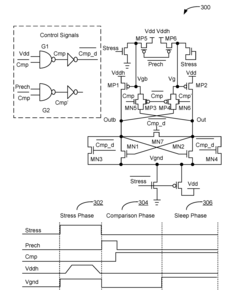
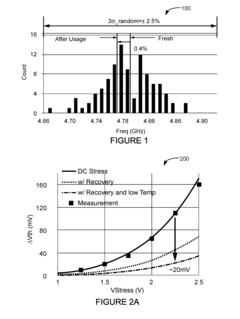
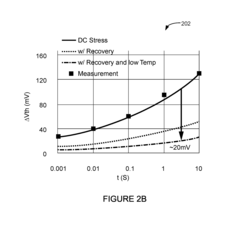
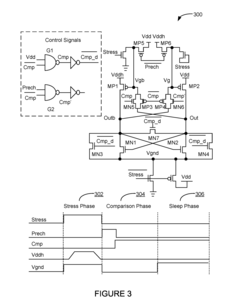
- A silicon marker technique using conventional CMOS devices with an accelerated aging circuit and stochastic processing methodology to create a reliable usage marker within seconds, leveraging NBTI effects and latch-based comparator circuits to enhance detection accuracy and tolerance to process variations.
Semiconductor device with profiled work-function metal gate electrode and method of making
PatentActiveUS11804409B2
Innovation
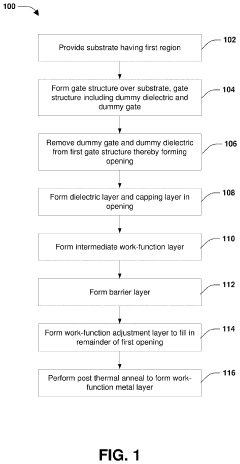
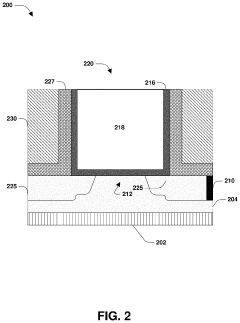
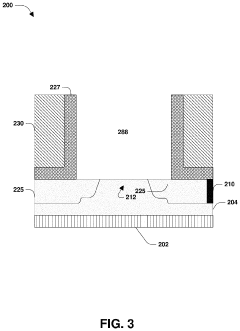
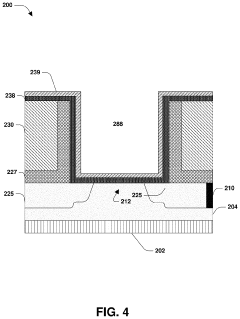
- The implementation of a semiconductor device with a metal gate electrode structure that includes a profiled work-function metal gate, comprising a high-k gate dielectric layer, a barrier layer, an intermediate work-function metal layer, and a work-function adjustment layer, formed through a series of deposition and annealing processes to achieve a crystalline work-function metal layer with ordered grain orientation.
Environmental Impact of CMOS Batteries in E-commerce
The environmental impact of CMOS batteries in e-commerce is a critical consideration as the industry continues to grow and evolve. These small but essential components play a crucial role in powering various e-commerce tools and devices, yet their production, use, and disposal have significant environmental implications.
The manufacturing process of CMOS batteries involves the extraction and processing of raw materials, including lithium, cobalt, and other metals. This process can lead to habitat destruction, water pollution, and greenhouse gas emissions. Additionally, the energy-intensive nature of battery production contributes to carbon footprint concerns.
During their operational life, CMOS batteries in e-commerce tools generally have a low environmental impact due to their long lifespan and low power consumption. However, the increasing number of devices used in e-commerce operations means that the cumulative effect of these batteries cannot be overlooked.
The end-of-life stage of CMOS batteries presents another environmental challenge. Improper disposal can lead to soil and water contamination, as these batteries contain toxic materials that can leach into the environment. Recycling efforts for CMOS batteries are often hindered by their small size and the difficulty in separating their components.
To address these environmental concerns, the e-commerce industry is exploring several solutions. One approach is the development of more eco-friendly battery technologies, such as those using organic or biodegradable materials. These alternatives aim to reduce the reliance on rare earth metals and minimize the environmental impact of battery production.
Another strategy involves improving the efficiency and lifespan of CMOS batteries, thereby reducing the frequency of replacement and disposal. This includes advancements in power management systems and the integration of energy harvesting technologies to extend battery life.
The e-commerce sector is also focusing on enhancing recycling processes for CMOS batteries. This includes developing more efficient collection systems and investing in advanced recycling technologies that can recover a higher percentage of materials from used batteries.
Furthermore, there is a growing emphasis on the circular economy within the e-commerce industry. This approach encourages the design of products with easily replaceable batteries and promotes the reuse and refurbishment of devices to extend their operational life.
As e-commerce continues to expand, the industry must prioritize sustainable practices in the use of CMOS batteries. This includes not only improving the environmental performance of the batteries themselves but also optimizing the overall energy efficiency of e-commerce tools and infrastructure. By addressing these challenges, the e-commerce sector can work towards reducing its environmental footprint while continuing to leverage the benefits of CMOS battery technology.
The manufacturing process of CMOS batteries involves the extraction and processing of raw materials, including lithium, cobalt, and other metals. This process can lead to habitat destruction, water pollution, and greenhouse gas emissions. Additionally, the energy-intensive nature of battery production contributes to carbon footprint concerns.
During their operational life, CMOS batteries in e-commerce tools generally have a low environmental impact due to their long lifespan and low power consumption. However, the increasing number of devices used in e-commerce operations means that the cumulative effect of these batteries cannot be overlooked.
The end-of-life stage of CMOS batteries presents another environmental challenge. Improper disposal can lead to soil and water contamination, as these batteries contain toxic materials that can leach into the environment. Recycling efforts for CMOS batteries are often hindered by their small size and the difficulty in separating their components.
To address these environmental concerns, the e-commerce industry is exploring several solutions. One approach is the development of more eco-friendly battery technologies, such as those using organic or biodegradable materials. These alternatives aim to reduce the reliance on rare earth metals and minimize the environmental impact of battery production.
Another strategy involves improving the efficiency and lifespan of CMOS batteries, thereby reducing the frequency of replacement and disposal. This includes advancements in power management systems and the integration of energy harvesting technologies to extend battery life.
The e-commerce sector is also focusing on enhancing recycling processes for CMOS batteries. This includes developing more efficient collection systems and investing in advanced recycling technologies that can recover a higher percentage of materials from used batteries.
Furthermore, there is a growing emphasis on the circular economy within the e-commerce industry. This approach encourages the design of products with easily replaceable batteries and promotes the reuse and refurbishment of devices to extend their operational life.
As e-commerce continues to expand, the industry must prioritize sustainable practices in the use of CMOS batteries. This includes not only improving the environmental performance of the batteries themselves but also optimizing the overall energy efficiency of e-commerce tools and infrastructure. By addressing these challenges, the e-commerce sector can work towards reducing its environmental footprint while continuing to leverage the benefits of CMOS battery technology.
Cybersecurity Implications for CMOS-Powered E-commerce
The integration of CMOS battery technology in e-commerce tools has significantly enhanced their functionality and reliability. However, this advancement also brings forth new cybersecurity challenges that must be addressed. As CMOS-powered devices become more prevalent in e-commerce operations, they present potential vulnerabilities that malicious actors could exploit.
One of the primary concerns is the potential for data breaches. CMOS batteries maintain critical system information, including time and date settings, hardware configurations, and sometimes even encryption keys. If compromised, this information could provide attackers with valuable insights into system operations or even direct access to sensitive data.
Another significant implication is the risk of supply chain attacks. As e-commerce tools increasingly rely on CMOS technology, the integrity of the supply chain becomes crucial. Malicious actors could potentially introduce compromised CMOS components during manufacturing or distribution, creating backdoors for future exploitation.
The longevity of CMOS batteries also presents unique security challenges. While their extended lifespan is beneficial for device reliability, it also means that vulnerabilities or outdated security measures may persist for longer periods. This necessitates robust update mechanisms and proactive security management to ensure long-term protection.
Furthermore, the interconnected nature of e-commerce systems amplifies the potential impact of CMOS-related vulnerabilities. A compromise in one device could potentially cascade through the network, affecting multiple systems and compromising vast amounts of sensitive customer and business data.
To mitigate these risks, e-commerce businesses must implement comprehensive security strategies. This includes regular security audits of CMOS-powered devices, implementing secure boot processes, and ensuring that all firmware and software are kept up-to-date. Additionally, encryption of CMOS data and secure key management practices are essential to protect against unauthorized access.
As the e-commerce landscape continues to evolve, so too must the approach to cybersecurity. The integration of CMOS technology in e-commerce tools necessitates a shift towards more holistic security paradigms that consider hardware-level vulnerabilities alongside traditional software and network security measures. This may include the adoption of hardware-based security modules, secure enclaves, and advanced authentication mechanisms to create a more resilient e-commerce ecosystem.
One of the primary concerns is the potential for data breaches. CMOS batteries maintain critical system information, including time and date settings, hardware configurations, and sometimes even encryption keys. If compromised, this information could provide attackers with valuable insights into system operations or even direct access to sensitive data.
Another significant implication is the risk of supply chain attacks. As e-commerce tools increasingly rely on CMOS technology, the integrity of the supply chain becomes crucial. Malicious actors could potentially introduce compromised CMOS components during manufacturing or distribution, creating backdoors for future exploitation.
The longevity of CMOS batteries also presents unique security challenges. While their extended lifespan is beneficial for device reliability, it also means that vulnerabilities or outdated security measures may persist for longer periods. This necessitates robust update mechanisms and proactive security management to ensure long-term protection.
Furthermore, the interconnected nature of e-commerce systems amplifies the potential impact of CMOS-related vulnerabilities. A compromise in one device could potentially cascade through the network, affecting multiple systems and compromising vast amounts of sensitive customer and business data.
To mitigate these risks, e-commerce businesses must implement comprehensive security strategies. This includes regular security audits of CMOS-powered devices, implementing secure boot processes, and ensuring that all firmware and software are kept up-to-date. Additionally, encryption of CMOS data and secure key management practices are essential to protect against unauthorized access.
As the e-commerce landscape continues to evolve, so too must the approach to cybersecurity. The integration of CMOS technology in e-commerce tools necessitates a shift towards more holistic security paradigms that consider hardware-level vulnerabilities alongside traditional software and network security measures. This may include the adoption of hardware-based security modules, secure enclaves, and advanced authentication mechanisms to create a more resilient e-commerce ecosystem.
Unlock deeper insights with Patsnap Eureka Quick Research — get a full tech report to explore trends and direct your research. Try now!
Generate Your Research Report Instantly with AI Agent
Supercharge your innovation with Patsnap Eureka AI Agent Platform!