How CMOS Battery Technology is Revolutionizing Robotics?
JUL 22, 20259 MIN READ
Generate Your Research Report Instantly with AI Agent
Patsnap Eureka helps you evaluate technical feasibility & market potential.
CMOS Battery Evolution
The evolution of CMOS battery technology in robotics has been a transformative journey, marked by significant advancements and breakthroughs. Initially developed for use in computer systems to maintain BIOS settings, CMOS batteries have undergone substantial improvements to meet the demanding power requirements of modern robotics.
In the early stages, CMOS batteries were primarily small, low-capacity lithium cells designed for minimal power draw. However, as robotics technology progressed, the need for more robust and efficient power sources became apparent. This led to the development of enhanced CMOS battery designs specifically tailored for robotic applications.
The first major leap in CMOS battery evolution for robotics came with the introduction of higher energy density materials. Lithium-ion and lithium-polymer technologies were adapted to create CMOS batteries with significantly increased capacity while maintaining a compact form factor. This advancement allowed robots to operate for extended periods without frequent recharging or battery replacement.
Another crucial development was the integration of smart battery management systems (BMS) into CMOS batteries. These systems enabled real-time monitoring of battery health, charge levels, and performance metrics. The BMS also implemented advanced charging algorithms and safety features, enhancing the overall reliability and longevity of CMOS batteries in robotic applications.
The miniaturization of CMOS battery technology has been a key factor in its widespread adoption in robotics. Engineers have successfully reduced the size of these batteries while improving their power output, making them ideal for use in smaller, more agile robots. This miniaturization has opened up new possibilities in fields such as micro-robotics and swarm robotics.
Recent advancements in CMOS battery technology have focused on improving charging speeds and cycle life. Fast-charging capabilities have been incorporated, allowing robots to quickly replenish their power sources and minimize downtime. Additionally, the development of high-cycle-life CMOS batteries has significantly extended the operational lifespan of robotic systems, reducing maintenance requirements and overall costs.
The integration of energy harvesting technologies with CMOS batteries represents the latest frontier in this evolution. By combining CMOS batteries with solar cells, piezoelectric generators, or other energy harvesting methods, robots can now supplement their power supply through ambient energy sources. This innovation has greatly enhanced the autonomy and self-sustainability of robotic systems, particularly in remote or challenging environments.
In the early stages, CMOS batteries were primarily small, low-capacity lithium cells designed for minimal power draw. However, as robotics technology progressed, the need for more robust and efficient power sources became apparent. This led to the development of enhanced CMOS battery designs specifically tailored for robotic applications.
The first major leap in CMOS battery evolution for robotics came with the introduction of higher energy density materials. Lithium-ion and lithium-polymer technologies were adapted to create CMOS batteries with significantly increased capacity while maintaining a compact form factor. This advancement allowed robots to operate for extended periods without frequent recharging or battery replacement.
Another crucial development was the integration of smart battery management systems (BMS) into CMOS batteries. These systems enabled real-time monitoring of battery health, charge levels, and performance metrics. The BMS also implemented advanced charging algorithms and safety features, enhancing the overall reliability and longevity of CMOS batteries in robotic applications.
The miniaturization of CMOS battery technology has been a key factor in its widespread adoption in robotics. Engineers have successfully reduced the size of these batteries while improving their power output, making them ideal for use in smaller, more agile robots. This miniaturization has opened up new possibilities in fields such as micro-robotics and swarm robotics.
Recent advancements in CMOS battery technology have focused on improving charging speeds and cycle life. Fast-charging capabilities have been incorporated, allowing robots to quickly replenish their power sources and minimize downtime. Additionally, the development of high-cycle-life CMOS batteries has significantly extended the operational lifespan of robotic systems, reducing maintenance requirements and overall costs.
The integration of energy harvesting technologies with CMOS batteries represents the latest frontier in this evolution. By combining CMOS batteries with solar cells, piezoelectric generators, or other energy harvesting methods, robots can now supplement their power supply through ambient energy sources. This innovation has greatly enhanced the autonomy and self-sustainability of robotic systems, particularly in remote or challenging environments.
Robotics Market Demand
The robotics market has experienced significant growth in recent years, driven by advancements in technology and increasing demand across various industries. The integration of CMOS battery technology is poised to further revolutionize this sector, addressing key challenges and opening up new possibilities for robotic applications.
The global robotics market is projected to reach substantial value in the coming years, with industrial and service robots leading the charge. Industrial robots continue to dominate the market, particularly in manufacturing, automotive, and electronics industries. These sectors are increasingly adopting robotics to enhance productivity, improve quality control, and reduce operational costs.
Service robots, including those used in healthcare, logistics, and domestic applications, are witnessing rapid growth. The healthcare sector, in particular, has seen a surge in demand for robotic systems for surgical procedures, patient care, and laboratory automation. The COVID-19 pandemic has further accelerated this trend, highlighting the importance of robotics in maintaining social distancing and reducing human-to-human contact in healthcare settings.
The logistics and warehousing industry is another major driver of robotics market demand. With the explosive growth of e-commerce, there is an increasing need for automated solutions in inventory management, order fulfillment, and last-mile delivery. Robotics systems equipped with advanced CMOS battery technology can offer extended operational times and improved efficiency in these applications.
Consumer robotics, including household cleaning robots and personal assistance devices, represent a growing segment of the market. As these devices become more sophisticated and affordable, their adoption in homes and offices is expected to rise significantly.
The agriculture sector is also embracing robotics technology, with applications in precision farming, crop monitoring, and harvesting. CMOS battery-powered drones and autonomous ground vehicles are being deployed to improve crop yields, reduce labor costs, and minimize environmental impact.
In the automotive industry, the development of autonomous vehicles is driving demand for advanced robotics and sensor technologies. CMOS battery systems play a crucial role in powering the complex array of sensors and computing systems required for self-driving capabilities.
The defense and security sectors are investing heavily in robotics for surveillance, reconnaissance, and combat applications. Unmanned aerial vehicles (UAVs) and ground robots equipped with long-lasting CMOS batteries are becoming increasingly important for military operations and border security.
As the robotics market continues to expand, there is a growing emphasis on energy efficiency and sustainability. CMOS battery technology addresses these concerns by offering improved power management and longer operational lifespans, reducing the environmental impact of robotic systems.
The global robotics market is projected to reach substantial value in the coming years, with industrial and service robots leading the charge. Industrial robots continue to dominate the market, particularly in manufacturing, automotive, and electronics industries. These sectors are increasingly adopting robotics to enhance productivity, improve quality control, and reduce operational costs.
Service robots, including those used in healthcare, logistics, and domestic applications, are witnessing rapid growth. The healthcare sector, in particular, has seen a surge in demand for robotic systems for surgical procedures, patient care, and laboratory automation. The COVID-19 pandemic has further accelerated this trend, highlighting the importance of robotics in maintaining social distancing and reducing human-to-human contact in healthcare settings.
The logistics and warehousing industry is another major driver of robotics market demand. With the explosive growth of e-commerce, there is an increasing need for automated solutions in inventory management, order fulfillment, and last-mile delivery. Robotics systems equipped with advanced CMOS battery technology can offer extended operational times and improved efficiency in these applications.
Consumer robotics, including household cleaning robots and personal assistance devices, represent a growing segment of the market. As these devices become more sophisticated and affordable, their adoption in homes and offices is expected to rise significantly.
The agriculture sector is also embracing robotics technology, with applications in precision farming, crop monitoring, and harvesting. CMOS battery-powered drones and autonomous ground vehicles are being deployed to improve crop yields, reduce labor costs, and minimize environmental impact.
In the automotive industry, the development of autonomous vehicles is driving demand for advanced robotics and sensor technologies. CMOS battery systems play a crucial role in powering the complex array of sensors and computing systems required for self-driving capabilities.
The defense and security sectors are investing heavily in robotics for surveillance, reconnaissance, and combat applications. Unmanned aerial vehicles (UAVs) and ground robots equipped with long-lasting CMOS batteries are becoming increasingly important for military operations and border security.
As the robotics market continues to expand, there is a growing emphasis on energy efficiency and sustainability. CMOS battery technology addresses these concerns by offering improved power management and longer operational lifespans, reducing the environmental impact of robotic systems.
CMOS Battery Challenges
Despite the promising advancements in CMOS battery technology for robotics, several significant challenges remain. One of the primary obstacles is the limited energy density of CMOS batteries compared to traditional lithium-ion batteries. While CMOS batteries offer advantages in terms of integration and miniaturization, they currently struggle to match the power output and longevity of their conventional counterparts. This limitation restricts the operational time and capabilities of robotic systems, particularly in applications requiring high power consumption or extended periods of autonomous operation.
Another critical challenge lies in the manufacturing process of CMOS batteries. The integration of battery components directly onto silicon chips demands extremely precise fabrication techniques. Achieving consistent quality and yield rates in large-scale production remains a significant hurdle. The complexity of the manufacturing process also contributes to higher production costs, potentially limiting the widespread adoption of CMOS battery technology in robotics.
Thermal management presents a unique challenge for CMOS batteries in robotic applications. As robots often operate in dynamic environments and under varying load conditions, managing heat generation and dissipation becomes crucial. The compact nature of CMOS batteries, while beneficial for miniaturization, can lead to localized heating issues that may affect both battery performance and the overall functionality of the robotic system.
Durability and lifespan concerns also pose challenges for CMOS batteries in robotics. The constant motion, vibration, and potential impacts experienced by robots can stress the delicate structures of integrated CMOS batteries. Ensuring long-term reliability and maintaining consistent performance over the robot's operational lifetime requires innovative solutions in battery design and protective measures.
Furthermore, the scalability of CMOS battery technology for larger robotic systems remains a significant challenge. While well-suited for small-scale and micro-robotic applications, scaling up CMOS batteries to power larger, more energy-demanding robots presents technical difficulties. Balancing the benefits of integration with the need for higher power output in larger systems is an ongoing area of research and development.
Lastly, the integration of CMOS batteries with existing robotic power management systems and control architectures poses compatibility challenges. Adapting current robotic designs to fully leverage the unique characteristics of CMOS batteries, such as their ability to be directly integrated into processing units, requires rethinking power distribution and control strategies. This integration challenge extends to software and firmware development, necessitating new approaches to power management algorithms and energy optimization techniques specific to CMOS battery technology.
Another critical challenge lies in the manufacturing process of CMOS batteries. The integration of battery components directly onto silicon chips demands extremely precise fabrication techniques. Achieving consistent quality and yield rates in large-scale production remains a significant hurdle. The complexity of the manufacturing process also contributes to higher production costs, potentially limiting the widespread adoption of CMOS battery technology in robotics.
Thermal management presents a unique challenge for CMOS batteries in robotic applications. As robots often operate in dynamic environments and under varying load conditions, managing heat generation and dissipation becomes crucial. The compact nature of CMOS batteries, while beneficial for miniaturization, can lead to localized heating issues that may affect both battery performance and the overall functionality of the robotic system.
Durability and lifespan concerns also pose challenges for CMOS batteries in robotics. The constant motion, vibration, and potential impacts experienced by robots can stress the delicate structures of integrated CMOS batteries. Ensuring long-term reliability and maintaining consistent performance over the robot's operational lifetime requires innovative solutions in battery design and protective measures.
Furthermore, the scalability of CMOS battery technology for larger robotic systems remains a significant challenge. While well-suited for small-scale and micro-robotic applications, scaling up CMOS batteries to power larger, more energy-demanding robots presents technical difficulties. Balancing the benefits of integration with the need for higher power output in larger systems is an ongoing area of research and development.
Lastly, the integration of CMOS batteries with existing robotic power management systems and control architectures poses compatibility challenges. Adapting current robotic designs to fully leverage the unique characteristics of CMOS batteries, such as their ability to be directly integrated into processing units, requires rethinking power distribution and control strategies. This integration challenge extends to software and firmware development, necessitating new approaches to power management algorithms and energy optimization techniques specific to CMOS battery technology.
Current CMOS Solutions
01 Power management in CMOS circuits
CMOS battery technology focuses on efficient power management in integrated circuits. This includes techniques for reducing power consumption, implementing low-power modes, and optimizing battery life in portable devices. Advanced power management systems are designed to balance performance and energy efficiency, ensuring longer operational times for battery-powered CMOS devices.- Power management in CMOS circuits: CMOS battery technology focuses on efficient power management systems for integrated circuits. This includes techniques for reducing power consumption, implementing low-power modes, and optimizing battery life in portable devices. Advanced power management circuits are designed to monitor and control the power supply to various components, ensuring optimal performance while conserving energy.
- CMOS battery backup systems: Battery backup systems are crucial for maintaining critical data and settings in CMOS circuits during main power loss. These systems typically involve small, long-lasting batteries that provide power to volatile memory and real-time clock circuits. Innovations in this area focus on improving battery life, reducing power consumption during backup mode, and ensuring seamless transitions between main and backup power sources.
- CMOS battery charging techniques: Advancements in CMOS battery charging technologies aim to improve charging efficiency and extend battery lifespan. This includes the development of smart charging circuits that can adapt to different battery chemistries, implement various charging profiles, and provide accurate battery status monitoring. These techniques often incorporate temperature compensation and overcharge protection to ensure safe and optimal charging performance.
- CMOS battery integration in semiconductor devices: Integration of battery technology directly into CMOS semiconductor devices is an emerging trend. This involves developing novel fabrication techniques to incorporate thin-film batteries or energy storage elements within the CMOS structure. Such integration can lead to more compact designs, improved power distribution, and enhanced overall system performance in applications like IoT devices and wearable technology.
- Low-voltage CMOS circuit design for battery-powered devices: Design techniques for low-voltage CMOS circuits are essential for battery-powered devices to maximize operational time and efficiency. This includes developing circuit topologies that can operate reliably at lower supply voltages, implementing voltage scaling techniques, and optimizing transistor characteristics for low-power operation. These advancements enable the creation of more energy-efficient portable electronic devices with extended battery life.
02 CMOS battery backup systems
Battery backup systems are crucial for maintaining data integrity in CMOS circuits during main power loss. These systems typically involve small, long-lasting batteries that provide power to critical components, such as real-time clocks and memory, ensuring that essential information is preserved when the primary power source is unavailable.Expand Specific Solutions03 CMOS battery charging circuits
Charging circuits for CMOS batteries are designed to efficiently replenish the energy of backup power sources. These circuits often incorporate intelligent charging algorithms, voltage regulation, and protection mechanisms to extend battery life and prevent overcharging. Advanced charging systems may also include features for monitoring battery health and optimizing charge cycles.Expand Specific Solutions04 CMOS battery integration in semiconductor devices
Integration of battery technology directly into CMOS semiconductor devices is an emerging trend. This approach involves incorporating thin-film or solid-state batteries within the chip package or on the same substrate as the CMOS circuitry. Such integration can lead to more compact designs, improved power distribution, and enhanced overall system performance in portable electronics.Expand Specific Solutions05 Low-voltage CMOS battery technologies
Development of low-voltage CMOS battery technologies aims to reduce power requirements while maintaining circuit functionality. This includes designing CMOS circuits that can operate at lower supply voltages, implementing voltage step-down converters, and utilizing advanced materials to improve energy efficiency. These technologies are particularly important for extending battery life in mobile and IoT devices.Expand Specific Solutions
Key CMOS Battery Players
The CMOS battery technology in robotics is in an early growth stage, with a rapidly expanding market driven by increasing demand for advanced robotic systems. The global market size for CMOS batteries in robotics is projected to grow significantly over the next decade. While the technology is still evolving, several key players are making substantial progress. Companies like Samsung Electronics, Texas Instruments, and DENSO Corp. are at the forefront, leveraging their expertise in semiconductor and automotive technologies to develop innovative CMOS battery solutions for robotics applications. Emerging players such as Black-I Robotics and Starship Technologies are also contributing to the field, focusing on specialized robotic platforms that utilize CMOS battery technology to enhance performance and efficiency.
DENSO Corp.
Technical Solution: DENSO is leveraging CMOS battery technology to enhance their robotics offerings, particularly in the automotive and industrial sectors. Their approach focuses on integrating CMOS-based power management systems with their existing robotics platforms to improve efficiency and reliability. DENSO's CMOS battery solutions for robotics include advanced battery monitoring systems that use CMOS sensors to provide real-time data on battery health and performance[7]. They are also developing CMOS-based power distribution units that can dynamically allocate power to different robotic subsystems based on current needs, optimizing overall energy usage[8].
Strengths: Strong presence in automotive robotics, extensive experience in industrial automation. Weaknesses: May face challenges in adapting to rapidly evolving consumer robotics market, potential limitations in software development compared to tech-focused competitors.
Samsung Electronics Co., Ltd.
Technical Solution: Samsung is applying its expertise in CMOS technology to develop advanced battery solutions for robotics. Their approach focuses on high-density energy storage combined with intelligent power management. Samsung's CMOS battery technology for robotics includes the development of solid-state batteries with CMOS-compatible manufacturing processes, potentially offering higher energy density and improved safety for robotic applications[5]. They are also working on integrating CMOS-based battery management systems directly into their battery cells, allowing for more precise control and monitoring of battery performance in real-time[6].
Strengths: Strong background in consumer electronics and battery technology, significant R&D resources. Weaknesses: Less experience in industrial robotics applications, potential challenges in adapting consumer-focused technologies to robotics requirements.
CMOS Battery Innovations
Complementary metal-oxide-semiconductor (CMOS) image sensor (CIS) package with an image buffer
PatentActiveUS9899443B2
Innovation
- A fan-out structure is implemented to translate between different sizes of CIS and DRAM dies, featuring a third IC die with a fan-out dielectric layer, through insulator vias, and redistribution layers to create a short conductive path without wire bonding, allowing high bandwidth and low power consumption, while enabling size mismatch and stacking for a compact package.


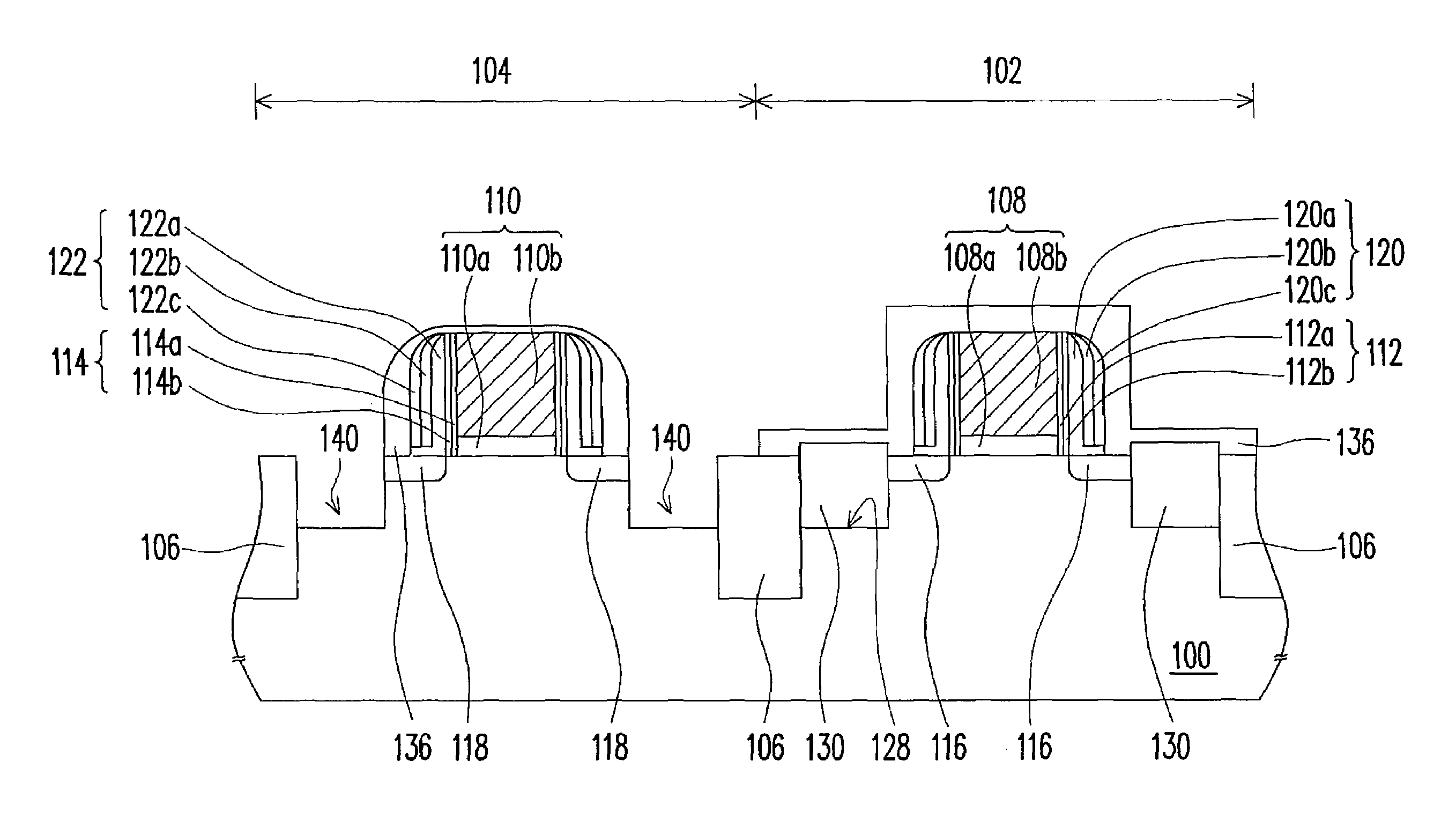
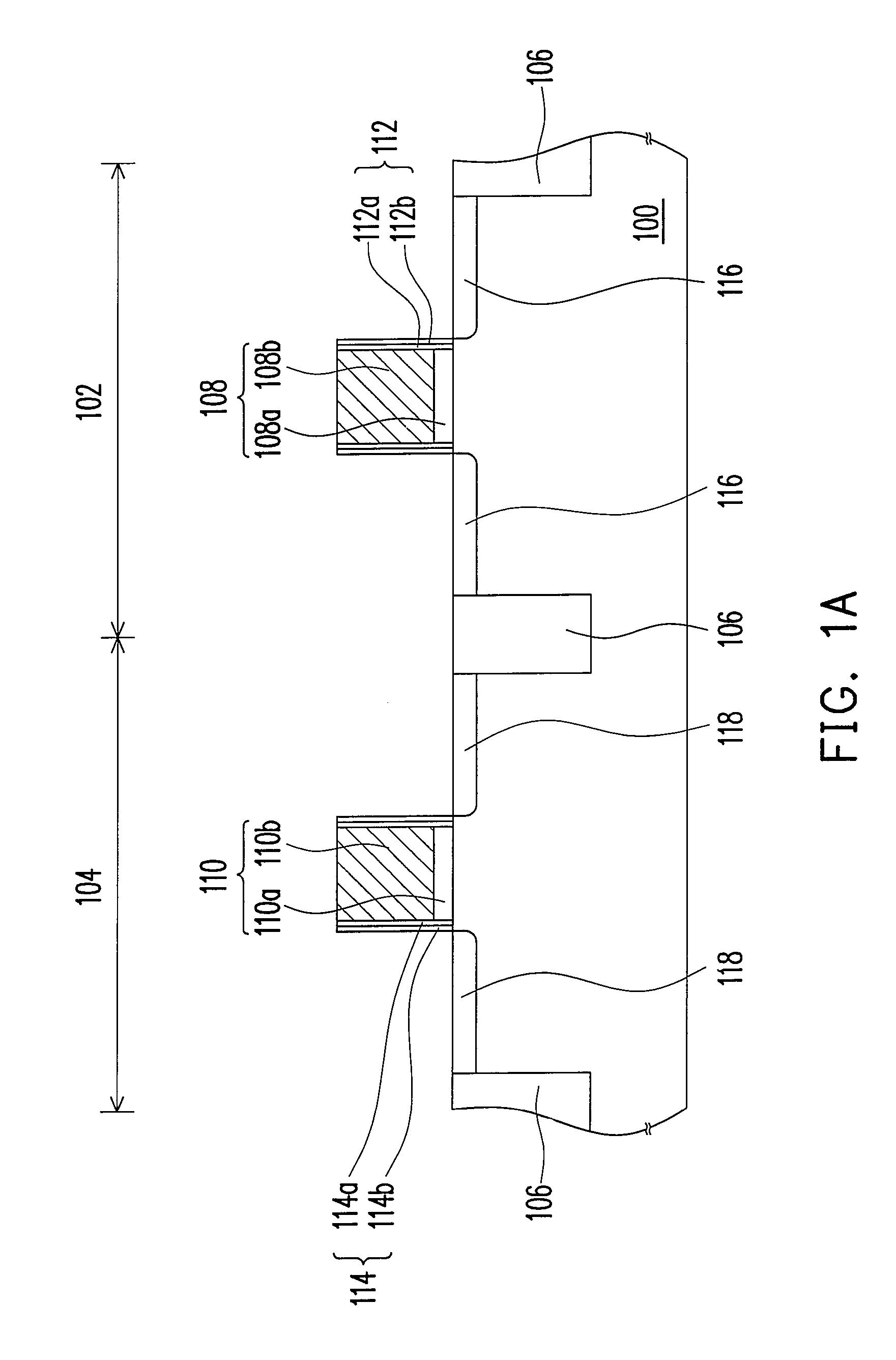
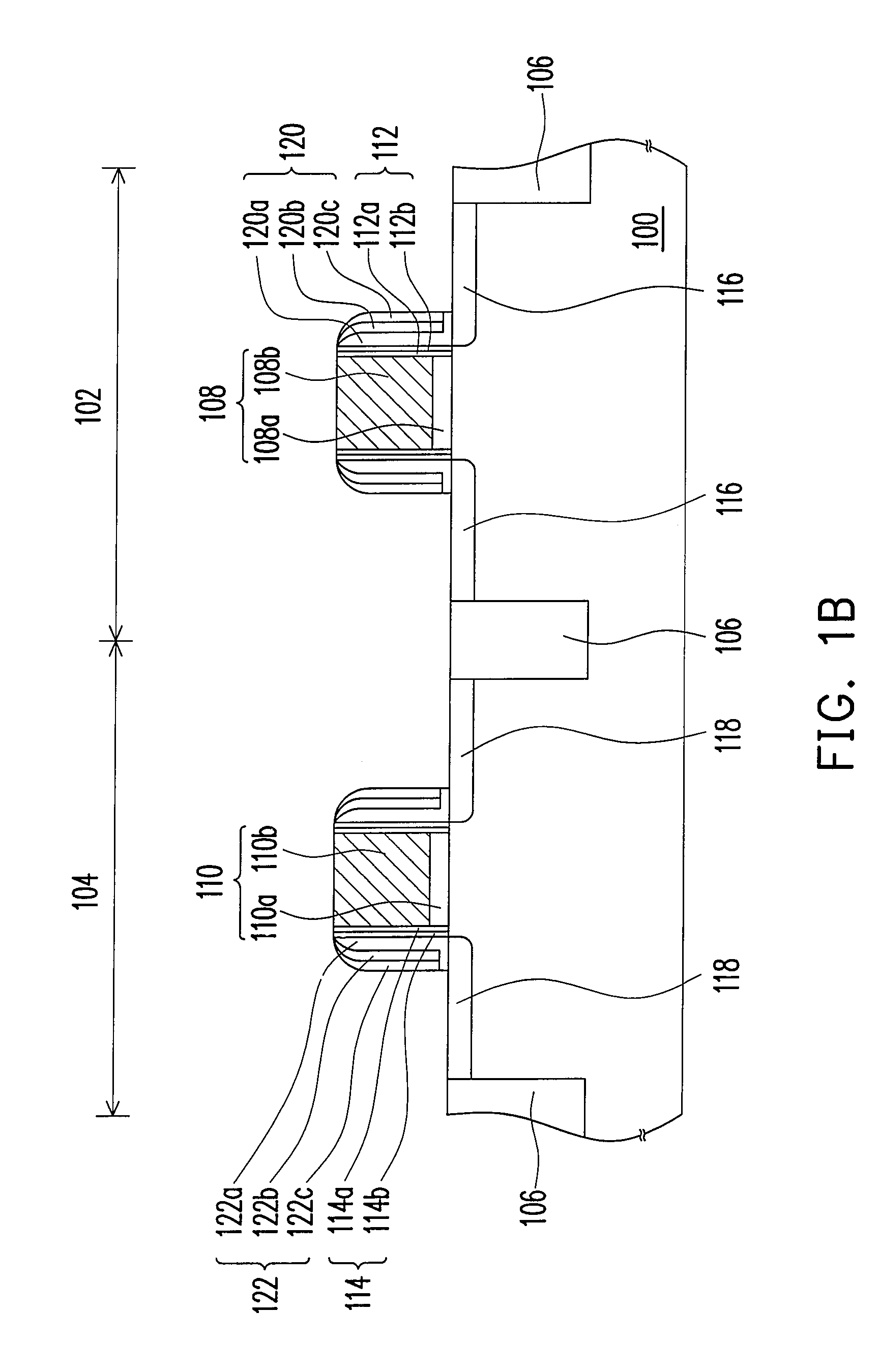
Complementary metal-oxide-semiconductor device and fabricating method thereof
PatentActiveUS7402496B2
Innovation
- A method involving the use of a carbon-containing oxynitride passivation layer with a low etching rate, formed through low-pressure chemical-vapor deposition, is employed to prevent the improper removal of the passivation layer during device manufacturing, and a thermal process is applied to densify the passivation layer, reducing the etching rate and avoiding the formation of poly bumps.
Energy Density Analysis
Energy density is a critical factor in the adoption of CMOS battery technology for robotics applications. The higher energy density of CMOS batteries compared to traditional power sources is revolutionizing the field by enabling longer operational times and reduced weight for robotic systems.
CMOS batteries typically offer energy densities ranging from 150 to 250 Wh/kg, significantly surpassing the 100-150 Wh/kg range of conventional lithium-ion batteries. This improvement allows robots to operate for extended periods without recharging, enhancing their efficiency and utility in various applications.
The increased energy density of CMOS batteries is primarily attributed to their unique chemical composition and advanced manufacturing processes. These batteries utilize complementary metal-oxide-semiconductor (CMOS) technology, which allows for more efficient energy storage at the molecular level.
One of the key advantages of higher energy density in CMOS batteries is the reduction in overall weight and size of robotic systems. This is particularly beneficial for aerial and mobile robots, where weight constraints are crucial. The lighter power source enables improved maneuverability and extended flight times for drones and other aerial robotics applications.
Furthermore, the enhanced energy density of CMOS batteries contributes to the development of more compact and versatile robotic designs. Engineers can now create smaller robots with the same operational capabilities as their larger counterparts, opening up new possibilities in fields such as medical robotics and search-and-rescue operations.
The impact of increased energy density extends beyond just operational time and weight reduction. It also enables the integration of more power-hungry components and sensors into robotic systems without compromising their overall performance. This allows for the development of more sophisticated and capable robots across various industries.
As research in CMOS battery technology continues to advance, we can expect further improvements in energy density. Current projections suggest that energy densities of up to 500 Wh/kg may be achievable in the near future, potentially doubling the current capabilities of robotic systems.
However, it is important to note that energy density is not the only factor to consider when evaluating battery performance for robotics. Other crucial aspects include charge/discharge rates, cycle life, and safety considerations. CMOS batteries generally perform well in these areas, but ongoing research aims to optimize these parameters alongside energy density improvements.
CMOS batteries typically offer energy densities ranging from 150 to 250 Wh/kg, significantly surpassing the 100-150 Wh/kg range of conventional lithium-ion batteries. This improvement allows robots to operate for extended periods without recharging, enhancing their efficiency and utility in various applications.
The increased energy density of CMOS batteries is primarily attributed to their unique chemical composition and advanced manufacturing processes. These batteries utilize complementary metal-oxide-semiconductor (CMOS) technology, which allows for more efficient energy storage at the molecular level.
One of the key advantages of higher energy density in CMOS batteries is the reduction in overall weight and size of robotic systems. This is particularly beneficial for aerial and mobile robots, where weight constraints are crucial. The lighter power source enables improved maneuverability and extended flight times for drones and other aerial robotics applications.
Furthermore, the enhanced energy density of CMOS batteries contributes to the development of more compact and versatile robotic designs. Engineers can now create smaller robots with the same operational capabilities as their larger counterparts, opening up new possibilities in fields such as medical robotics and search-and-rescue operations.
The impact of increased energy density extends beyond just operational time and weight reduction. It also enables the integration of more power-hungry components and sensors into robotic systems without compromising their overall performance. This allows for the development of more sophisticated and capable robots across various industries.
As research in CMOS battery technology continues to advance, we can expect further improvements in energy density. Current projections suggest that energy densities of up to 500 Wh/kg may be achievable in the near future, potentially doubling the current capabilities of robotic systems.
However, it is important to note that energy density is not the only factor to consider when evaluating battery performance for robotics. Other crucial aspects include charge/discharge rates, cycle life, and safety considerations. CMOS batteries generally perform well in these areas, but ongoing research aims to optimize these parameters alongside energy density improvements.
Safety Considerations
The integration of CMOS battery technology in robotics brings forth critical safety considerations that must be addressed to ensure the responsible development and deployment of these advanced systems. One primary concern is the potential for thermal runaway, a phenomenon where the battery's internal temperature rises uncontrollably, leading to fire or explosion. To mitigate this risk, robust thermal management systems and fail-safe mechanisms must be incorporated into robotic designs utilizing CMOS batteries.
Electrical safety is another crucial aspect, as the high energy density of CMOS batteries can pose risks of short circuits or electrical shocks. Proper insulation, circuit protection, and grounding techniques are essential to prevent electrical hazards, especially in environments where robots may be exposed to moisture or conductive materials. Additionally, the implementation of advanced battery management systems (BMS) is vital to monitor and control voltage, current, and temperature parameters, ensuring safe operation within specified limits.
The chemical composition of CMOS batteries also raises environmental and health concerns. In the event of damage or improper disposal, these batteries may release harmful substances. Manufacturers and end-users must establish proper handling, recycling, and disposal protocols to minimize environmental impact and protect human health. This includes developing robust enclosures to prevent battery damage during robot operation and implementing fail-safe mechanisms to isolate the battery in case of structural compromise.
As robots powered by CMOS batteries become more autonomous and interact closely with humans, safety considerations extend to the realm of human-robot interaction. Collision avoidance systems, force-limiting mechanisms, and emergency stop functions must be integrated to prevent accidental harm to humans working alongside these robots. Furthermore, cybersecurity measures are crucial to protect against potential hacking or unauthorized control of robotic systems, which could lead to safety breaches.
The long-term reliability and degradation of CMOS batteries in robotic applications also warrant attention. Regular maintenance schedules, predictive diagnostics, and clear end-of-life indicators should be established to prevent safety issues arising from aging batteries. This includes developing protocols for safe battery replacement and upgrades, ensuring that robots can be serviced without compromising safety standards.
Lastly, as the field of robotics continues to evolve rapidly, ongoing research and development in safety standards specific to CMOS battery-powered robots are essential. This includes collaborating with regulatory bodies to establish comprehensive safety guidelines, conducting rigorous testing under various operational conditions, and continuously updating safety protocols based on real-world performance data and emerging technologies.
Electrical safety is another crucial aspect, as the high energy density of CMOS batteries can pose risks of short circuits or electrical shocks. Proper insulation, circuit protection, and grounding techniques are essential to prevent electrical hazards, especially in environments where robots may be exposed to moisture or conductive materials. Additionally, the implementation of advanced battery management systems (BMS) is vital to monitor and control voltage, current, and temperature parameters, ensuring safe operation within specified limits.
The chemical composition of CMOS batteries also raises environmental and health concerns. In the event of damage or improper disposal, these batteries may release harmful substances. Manufacturers and end-users must establish proper handling, recycling, and disposal protocols to minimize environmental impact and protect human health. This includes developing robust enclosures to prevent battery damage during robot operation and implementing fail-safe mechanisms to isolate the battery in case of structural compromise.
As robots powered by CMOS batteries become more autonomous and interact closely with humans, safety considerations extend to the realm of human-robot interaction. Collision avoidance systems, force-limiting mechanisms, and emergency stop functions must be integrated to prevent accidental harm to humans working alongside these robots. Furthermore, cybersecurity measures are crucial to protect against potential hacking or unauthorized control of robotic systems, which could lead to safety breaches.
The long-term reliability and degradation of CMOS batteries in robotic applications also warrant attention. Regular maintenance schedules, predictive diagnostics, and clear end-of-life indicators should be established to prevent safety issues arising from aging batteries. This includes developing protocols for safe battery replacement and upgrades, ensuring that robots can be serviced without compromising safety standards.
Lastly, as the field of robotics continues to evolve rapidly, ongoing research and development in safety standards specific to CMOS battery-powered robots are essential. This includes collaborating with regulatory bodies to establish comprehensive safety guidelines, conducting rigorous testing under various operational conditions, and continuously updating safety protocols based on real-world performance data and emerging technologies.
Unlock deeper insights with Patsnap Eureka Quick Research — get a full tech report to explore trends and direct your research. Try now!
Generate Your Research Report Instantly with AI Agent
Supercharge your innovation with Patsnap Eureka AI Agent Platform!