

How PEMF Therapy Facilitates Healthy Cellular Function?
AUG 11, 20259 MIN READ
Generate Your Research Report Instantly with AI Agent
PatSnap Eureka helps you evaluate technical feasibility & market potential.
PEMF Therapy Background and Objectives
Pulsed Electromagnetic Field (PEMF) therapy has emerged as a promising non-invasive treatment modality in recent years, gaining attention for its potential to promote cellular health and overall well-being. The technology harnesses the power of electromagnetic fields to stimulate and support various physiological processes at the cellular level. PEMF therapy's roots can be traced back to the mid-20th century, with early applications in bone healing and pain management.
As research in this field has progressed, the understanding of PEMF's mechanisms of action and its potential applications has expanded significantly. The therapy is based on the principle that electromagnetic fields can influence cellular behavior, including membrane potential, ion transport, and metabolic processes. This interaction between electromagnetic fields and biological systems forms the foundation for PEMF's therapeutic effects.
The evolution of PEMF technology has been marked by advancements in device design, field generation techniques, and treatment protocols. Early PEMF devices were primarily used in clinical settings, but recent developments have led to the creation of more compact and user-friendly devices suitable for home use. This democratization of PEMF technology has broadened its accessibility and potential impact on public health.
The primary objective of PEMF therapy in the context of cellular function is to optimize cellular health and performance. This encompasses several key areas, including enhancing cellular energy production, improving membrane permeability, promoting cellular repair and regeneration, and modulating inflammatory responses. By targeting these fundamental aspects of cellular physiology, PEMF therapy aims to address a wide range of health concerns and support overall wellness.
Research into PEMF therapy has expanded to explore its efficacy in various medical conditions, including musculoskeletal disorders, neurological conditions, and wound healing. The therapy's non-invasive nature and relatively low risk of side effects have made it an attractive option for both medical professionals and patients seeking alternative or complementary treatment approaches.
As the field of PEMF therapy continues to evolve, ongoing research efforts are focused on elucidating the precise mechanisms by which electromagnetic fields interact with cellular structures and processes. This includes investigating the effects of different field parameters, such as frequency, intensity, and waveform, on specific cellular functions. Additionally, there is growing interest in exploring the potential synergies between PEMF therapy and other treatment modalities to enhance overall therapeutic outcomes.
The future trajectory of PEMF therapy research and development is likely to involve further refinement of treatment protocols, development of more sophisticated and targeted devices, and expansion into new therapeutic areas. As our understanding of the cellular effects of electromagnetic fields deepens, the potential applications of PEMF therapy in healthcare and wellness are expected to broaden, potentially revolutionizing approaches to cellular health and disease management.
As research in this field has progressed, the understanding of PEMF's mechanisms of action and its potential applications has expanded significantly. The therapy is based on the principle that electromagnetic fields can influence cellular behavior, including membrane potential, ion transport, and metabolic processes. This interaction between electromagnetic fields and biological systems forms the foundation for PEMF's therapeutic effects.
The evolution of PEMF technology has been marked by advancements in device design, field generation techniques, and treatment protocols. Early PEMF devices were primarily used in clinical settings, but recent developments have led to the creation of more compact and user-friendly devices suitable for home use. This democratization of PEMF technology has broadened its accessibility and potential impact on public health.
The primary objective of PEMF therapy in the context of cellular function is to optimize cellular health and performance. This encompasses several key areas, including enhancing cellular energy production, improving membrane permeability, promoting cellular repair and regeneration, and modulating inflammatory responses. By targeting these fundamental aspects of cellular physiology, PEMF therapy aims to address a wide range of health concerns and support overall wellness.
Research into PEMF therapy has expanded to explore its efficacy in various medical conditions, including musculoskeletal disorders, neurological conditions, and wound healing. The therapy's non-invasive nature and relatively low risk of side effects have made it an attractive option for both medical professionals and patients seeking alternative or complementary treatment approaches.
As the field of PEMF therapy continues to evolve, ongoing research efforts are focused on elucidating the precise mechanisms by which electromagnetic fields interact with cellular structures and processes. This includes investigating the effects of different field parameters, such as frequency, intensity, and waveform, on specific cellular functions. Additionally, there is growing interest in exploring the potential synergies between PEMF therapy and other treatment modalities to enhance overall therapeutic outcomes.
The future trajectory of PEMF therapy research and development is likely to involve further refinement of treatment protocols, development of more sophisticated and targeted devices, and expansion into new therapeutic areas. As our understanding of the cellular effects of electromagnetic fields deepens, the potential applications of PEMF therapy in healthcare and wellness are expected to broaden, potentially revolutionizing approaches to cellular health and disease management.
Market Analysis for PEMF Devices
The PEMF (Pulsed Electromagnetic Field) therapy device market has shown significant growth in recent years, driven by increasing awareness of non-invasive treatment options and the rising prevalence of chronic diseases. The global PEMF therapy device market was valued at approximately $500 million in 2020 and is projected to reach $1.2 billion by 2027, growing at a CAGR of around 12% during the forecast period.
The market for PEMF devices is segmented based on product type, application, end-user, and region. Product types include high-power devices used in clinical settings and low-power devices for home use. Applications span a wide range, including pain management, bone healing, neurological disorders, and overall wellness. The end-user segments primarily consist of hospitals, specialty clinics, and home healthcare.
North America currently dominates the PEMF device market, accounting for approximately 40% of the global market share. This is attributed to the high adoption rate of advanced medical technologies, well-established healthcare infrastructure, and increasing research activities in the region. Europe follows closely, with a market share of around 30%, driven by the growing aging population and rising incidence of chronic diseases.
The Asia-Pacific region is expected to witness the fastest growth in the PEMF device market, with a CAGR of over 15% during the forecast period. This growth is fueled by improving healthcare infrastructure, increasing disposable income, and growing awareness of alternative therapies in countries like China and India.
Key market drivers include the rising prevalence of chronic diseases such as osteoarthritis, osteoporosis, and chronic pain, which are driving demand for non-invasive treatment options. Additionally, the growing aging population worldwide is contributing to market growth, as older adults are more susceptible to conditions that can benefit from PEMF therapy.
However, the market faces challenges such as the high cost of PEMF devices, which can limit adoption in developing regions. Regulatory hurdles and the need for clinical evidence to support efficacy claims also pose challenges to market growth.
The competitive landscape of the PEMF device market is characterized by the presence of both established medical device companies and specialized PEMF therapy manufacturers. Key players in the market include Orthofix Medical Inc., OMI GmbH, Curatronic Ltd., and Bemer Group. These companies are focusing on product innovation, clinical research, and strategic partnerships to gain a competitive edge in the market.
The market for PEMF devices is segmented based on product type, application, end-user, and region. Product types include high-power devices used in clinical settings and low-power devices for home use. Applications span a wide range, including pain management, bone healing, neurological disorders, and overall wellness. The end-user segments primarily consist of hospitals, specialty clinics, and home healthcare.
North America currently dominates the PEMF device market, accounting for approximately 40% of the global market share. This is attributed to the high adoption rate of advanced medical technologies, well-established healthcare infrastructure, and increasing research activities in the region. Europe follows closely, with a market share of around 30%, driven by the growing aging population and rising incidence of chronic diseases.
The Asia-Pacific region is expected to witness the fastest growth in the PEMF device market, with a CAGR of over 15% during the forecast period. This growth is fueled by improving healthcare infrastructure, increasing disposable income, and growing awareness of alternative therapies in countries like China and India.
Key market drivers include the rising prevalence of chronic diseases such as osteoarthritis, osteoporosis, and chronic pain, which are driving demand for non-invasive treatment options. Additionally, the growing aging population worldwide is contributing to market growth, as older adults are more susceptible to conditions that can benefit from PEMF therapy.
However, the market faces challenges such as the high cost of PEMF devices, which can limit adoption in developing regions. Regulatory hurdles and the need for clinical evidence to support efficacy claims also pose challenges to market growth.
The competitive landscape of the PEMF device market is characterized by the presence of both established medical device companies and specialized PEMF therapy manufacturers. Key players in the market include Orthofix Medical Inc., OMI GmbH, Curatronic Ltd., and Bemer Group. These companies are focusing on product innovation, clinical research, and strategic partnerships to gain a competitive edge in the market.
Current PEMF Technology Landscape
The current PEMF (Pulsed Electromagnetic Field) technology landscape is characterized by a diverse range of devices and applications aimed at promoting cellular health and function. These technologies operate on the principle of delivering low-frequency electromagnetic pulses to targeted areas of the body, stimulating cellular activity and promoting various physiological processes.
PEMF devices come in various forms, including mats, pads, wands, and full-body systems. The most common frequency ranges used in PEMF therapy are between 1 Hz and 100 Hz, with some devices capable of producing frequencies up to 10,000 Hz. The intensity of the magnetic fields generated by these devices typically ranges from 1 to 100 Gauss, although some high-intensity systems can produce fields up to 2 Tesla.
One of the key advancements in PEMF technology is the development of programmable devices that can deliver specific frequency patterns tailored to different health conditions. These systems often incorporate pre-set programs designed to address issues such as pain management, bone healing, and improved circulation. Some advanced devices also offer customizable settings, allowing practitioners to fine-tune treatment parameters based on individual patient needs.
Another significant trend in the PEMF landscape is the integration of wearable technology. Portable PEMF devices, such as bracelets, patches, and even clothing with embedded PEMF generators, are gaining popularity. These wearable solutions provide continuous, low-intensity electromagnetic stimulation throughout the day, potentially offering more consistent benefits compared to intermittent high-intensity treatments.
The PEMF market has also seen the emergence of combination therapies, where PEMF technology is integrated with other modalities such as infrared light therapy, biofeedback systems, or even virtual reality applications. These multi-modal approaches aim to enhance the overall therapeutic effect and provide a more comprehensive treatment experience.
In terms of research and development, there is ongoing work to optimize PEMF parameters for specific cellular functions. This includes investigating the effects of different waveforms, pulse durations, and field intensities on various cellular processes such as ion transport, enzyme activity, and gene expression. Advanced imaging techniques, such as real-time cellular microscopy, are being employed to better understand the immediate effects of PEMF on cellular behavior.
The current PEMF technology landscape also reflects a growing emphasis on evidence-based applications. Clinical trials and research studies are increasingly focusing on specific therapeutic areas, such as orthopedics, neurology, and wound healing. This targeted approach is helping to establish PEMF therapy as a legitimate complementary treatment option in mainstream medical practice.
PEMF devices come in various forms, including mats, pads, wands, and full-body systems. The most common frequency ranges used in PEMF therapy are between 1 Hz and 100 Hz, with some devices capable of producing frequencies up to 10,000 Hz. The intensity of the magnetic fields generated by these devices typically ranges from 1 to 100 Gauss, although some high-intensity systems can produce fields up to 2 Tesla.
One of the key advancements in PEMF technology is the development of programmable devices that can deliver specific frequency patterns tailored to different health conditions. These systems often incorporate pre-set programs designed to address issues such as pain management, bone healing, and improved circulation. Some advanced devices also offer customizable settings, allowing practitioners to fine-tune treatment parameters based on individual patient needs.
Another significant trend in the PEMF landscape is the integration of wearable technology. Portable PEMF devices, such as bracelets, patches, and even clothing with embedded PEMF generators, are gaining popularity. These wearable solutions provide continuous, low-intensity electromagnetic stimulation throughout the day, potentially offering more consistent benefits compared to intermittent high-intensity treatments.
The PEMF market has also seen the emergence of combination therapies, where PEMF technology is integrated with other modalities such as infrared light therapy, biofeedback systems, or even virtual reality applications. These multi-modal approaches aim to enhance the overall therapeutic effect and provide a more comprehensive treatment experience.
In terms of research and development, there is ongoing work to optimize PEMF parameters for specific cellular functions. This includes investigating the effects of different waveforms, pulse durations, and field intensities on various cellular processes such as ion transport, enzyme activity, and gene expression. Advanced imaging techniques, such as real-time cellular microscopy, are being employed to better understand the immediate effects of PEMF on cellular behavior.
The current PEMF technology landscape also reflects a growing emphasis on evidence-based applications. Clinical trials and research studies are increasingly focusing on specific therapeutic areas, such as orthopedics, neurology, and wound healing. This targeted approach is helping to establish PEMF therapy as a legitimate complementary treatment option in mainstream medical practice.
PEMF Cellular Function Mechanisms
01 Cellular-level effects of PEMF therapy
PEMF therapy influences cellular functions by modulating ion channels, enhancing membrane permeability, and stimulating cellular metabolism. This can lead to improved energy production, increased protein synthesis, and enhanced cellular repair mechanisms, potentially benefiting various physiological processes and tissue regeneration.- Cellular-level effects of PEMF therapy: PEMF therapy influences cellular function by modulating ion channels, enhancing membrane permeability, and stimulating cellular metabolism. This can lead to improved energy production, increased protein synthesis, and enhanced cellular repair mechanisms, potentially benefiting various physiological processes and tissue regeneration.
- PEMF therapy for tissue regeneration and healing: PEMF therapy has shown potential in promoting tissue regeneration and accelerating healing processes. It can stimulate the production of growth factors, increase blood flow, and reduce inflammation, which may be beneficial in treating various conditions such as bone fractures, wound healing, and soft tissue injuries.
- PEMF therapy for pain management and inflammation reduction: PEMF therapy has been explored for its potential in managing pain and reducing inflammation. By modulating pain signaling pathways and influencing inflammatory mediators, PEMF therapy may offer a non-invasive approach to pain relief and inflammation control in various conditions, including chronic pain syndromes and inflammatory disorders.
- PEMF therapy for neurological applications: PEMF therapy has shown promise in neurological applications, potentially influencing neurotransmitter release, synaptic plasticity, and neuronal excitability. This may have implications for treating neurological disorders, improving cognitive function, and supporting neuroregeneration in conditions such as stroke or neurodegenerative diseases.
- Optimization of PEMF therapy parameters: Research focuses on optimizing PEMF therapy parameters, including frequency, intensity, and duration, to enhance its effectiveness for specific cellular functions and therapeutic applications. This involves studying the dose-response relationships and developing targeted PEMF protocols for various medical conditions and cellular processes.
02 PEMF therapy for tissue regeneration and healing
PEMF therapy has shown potential in promoting tissue regeneration and accelerating healing processes. It can stimulate the production of growth factors, increase blood flow, and reduce inflammation, which may be beneficial in treating various injuries, wounds, and degenerative conditions.Expand Specific Solutions03 PEMF therapy for pain management and inflammation reduction
PEMF therapy has been explored for its analgesic and anti-inflammatory properties. By modulating pain signaling pathways and reducing inflammatory responses at the cellular level, it may offer a non-invasive approach to managing chronic pain conditions and inflammatory disorders.Expand Specific Solutions04 Optimization of PEMF therapy parameters
Research focuses on optimizing PEMF therapy parameters such as frequency, intensity, and duration to enhance its effectiveness for specific cellular functions and therapeutic applications. This includes developing tailored PEMF protocols for various medical conditions and exploring combination therapies.Expand Specific Solutions05 PEMF therapy in combination with other treatment modalities
Integrating PEMF therapy with other treatment modalities, such as stem cell therapy, pharmacological interventions, or physical rehabilitation, is being investigated to potentially enhance overall therapeutic outcomes. This approach aims to synergize the benefits of PEMF with complementary treatments for improved cellular function and tissue repair.Expand Specific Solutions
Key PEMF Industry Players
The PEMF therapy market is in a growth phase, driven by increasing awareness of its potential benefits for cellular health. The global market size is expanding, with projections indicating significant growth in the coming years. Technologically, PEMF therapy is evolving, with companies like Venus Concept Ltd. and Regenesis Biomedical, Inc. leading innovation. These firms, along with others such as SofPulse, Inc. and Orthofix US LLC, are developing more sophisticated and targeted PEMF devices. The technology's maturity varies across applications, with some areas well-established and others still emerging. Research institutions like the National University of Singapore and Swiss Federal Institute of Technology are contributing to the scientific understanding of PEMF's cellular effects, potentially opening new avenues for therapeutic applications.
Venus Concept Ltd.
Technical Solution: Venus Concept Ltd. has developed advanced PEMF therapy devices that utilize precise electromagnetic fields to stimulate cellular repair and regeneration. Their technology employs specific frequencies and intensities tailored to different tissue types, enhancing cellular metabolism and promoting healing. The company's PEMF devices generate pulsed electromagnetic fields that penetrate deep into tissues, increasing cellular energy production through improved ATP synthesis[1]. This process facilitates better oxygen utilization, enhances nutrient absorption, and accelerates the removal of cellular waste products, collectively supporting overall cellular health and function[2].
Strengths: Customizable frequency settings for various therapeutic needs; non-invasive treatment option. Weaknesses: Potential for electromagnetic interference with other medical devices; limited long-term studies on efficacy for certain conditions.
Regenesis Biomedical, Inc.
Technical Solution: Regenesis Biomedical, Inc. has pioneered PEMF therapy solutions focusing on tissue repair and pain management. Their proprietary technology utilizes specific pulsed electromagnetic field patterns designed to mimic the body's natural bioelectric signals. This approach aims to stimulate cellular repair mechanisms, enhance blood flow, and reduce inflammation at the cellular level. The company's PEMF devices generate low-frequency electromagnetic pulses that penetrate tissues, promoting cell membrane potential normalization and improving cellular energy production[3]. By optimizing mitochondrial function, their technology supports ATP synthesis, leading to improved cellular metabolism and accelerated healing processes[4].
Strengths: FDA-cleared devices for specific indications; focus on both pain management and tissue repair. Weaknesses: May require longer treatment durations for chronic conditions; effectiveness can vary among individuals.
Core PEMF Research Breakthroughs
Treatment of conditions susceptible to pulsed electromagnetic field therapy
PatentActiveUS20170354830A1
Innovation
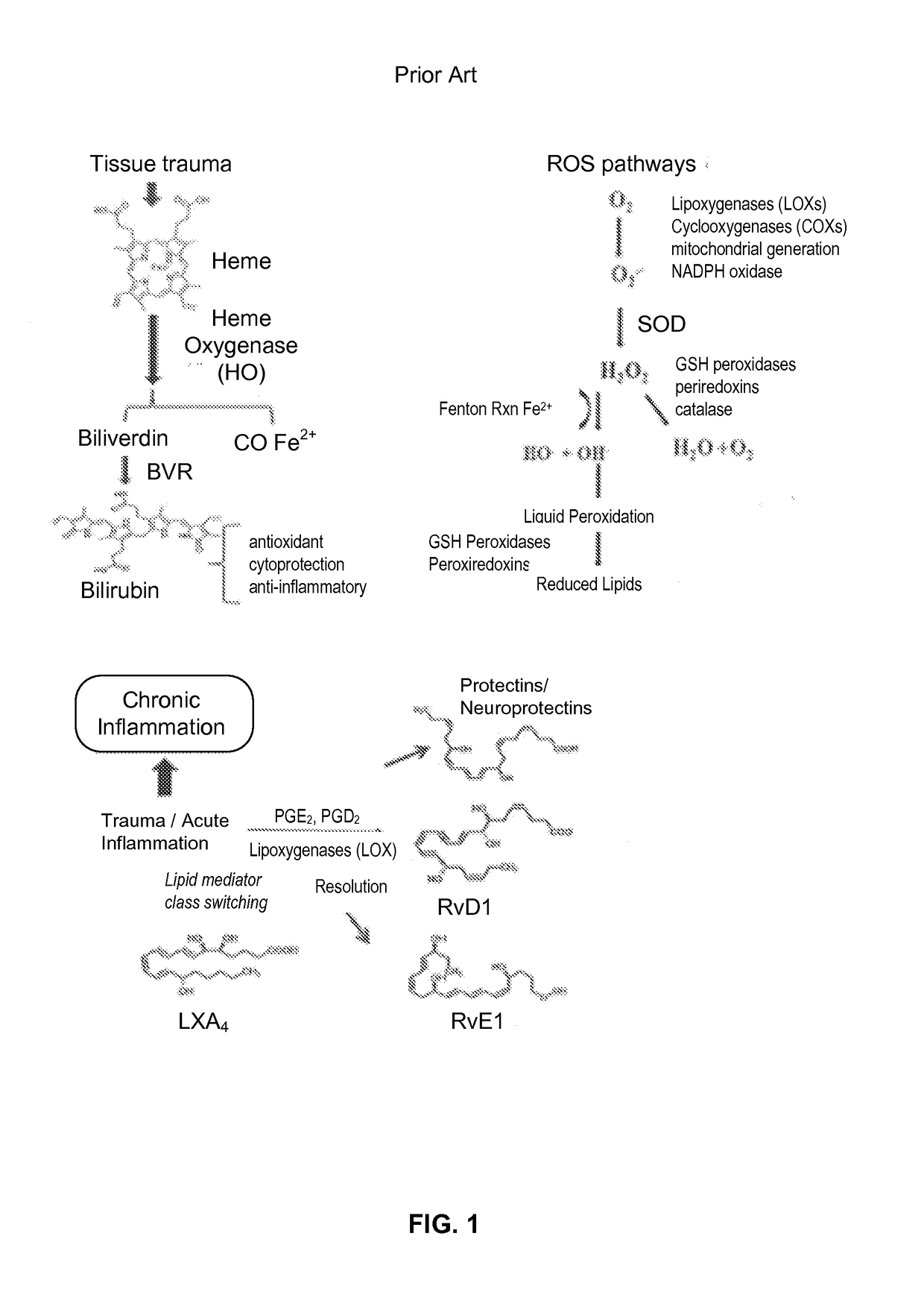
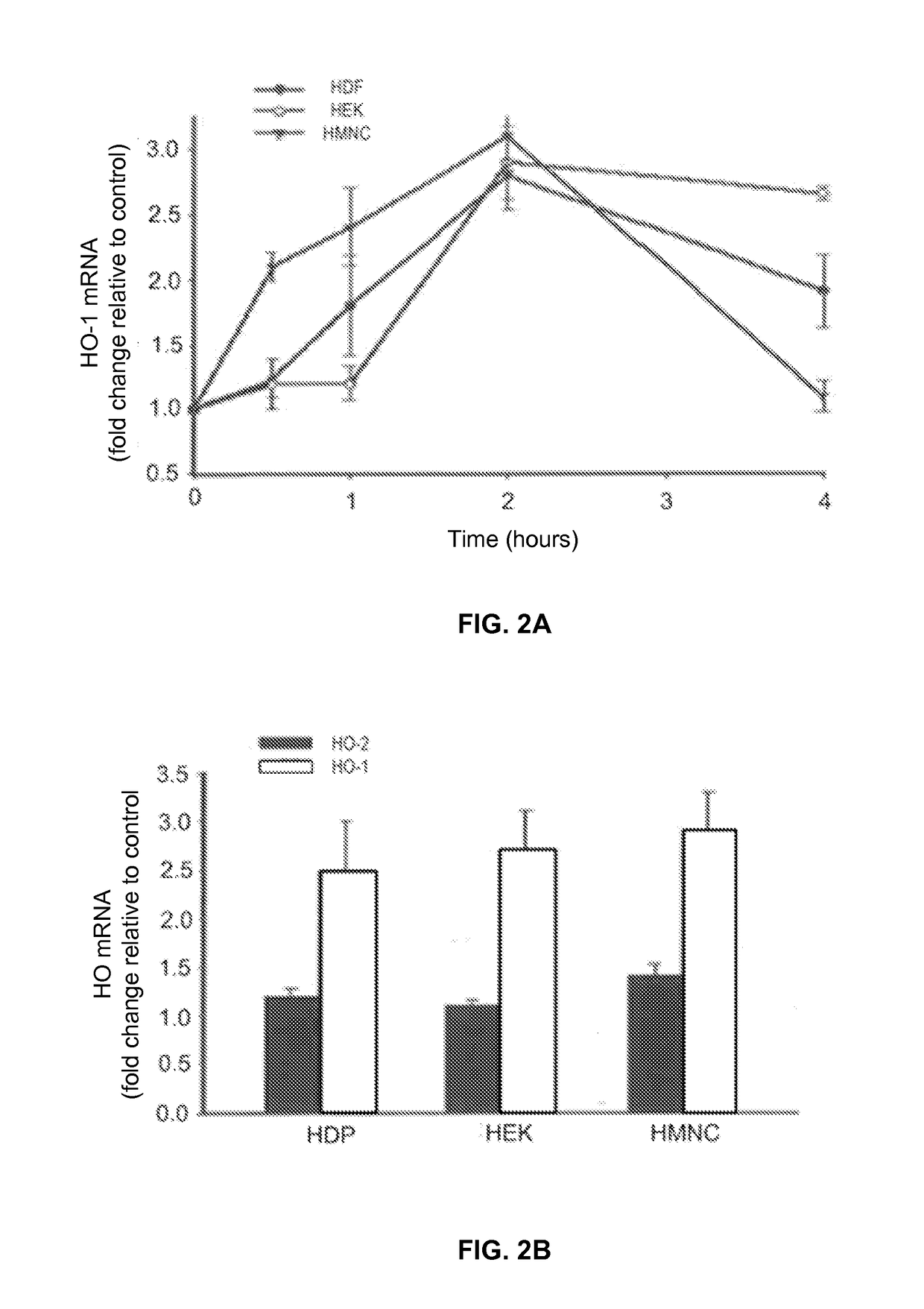
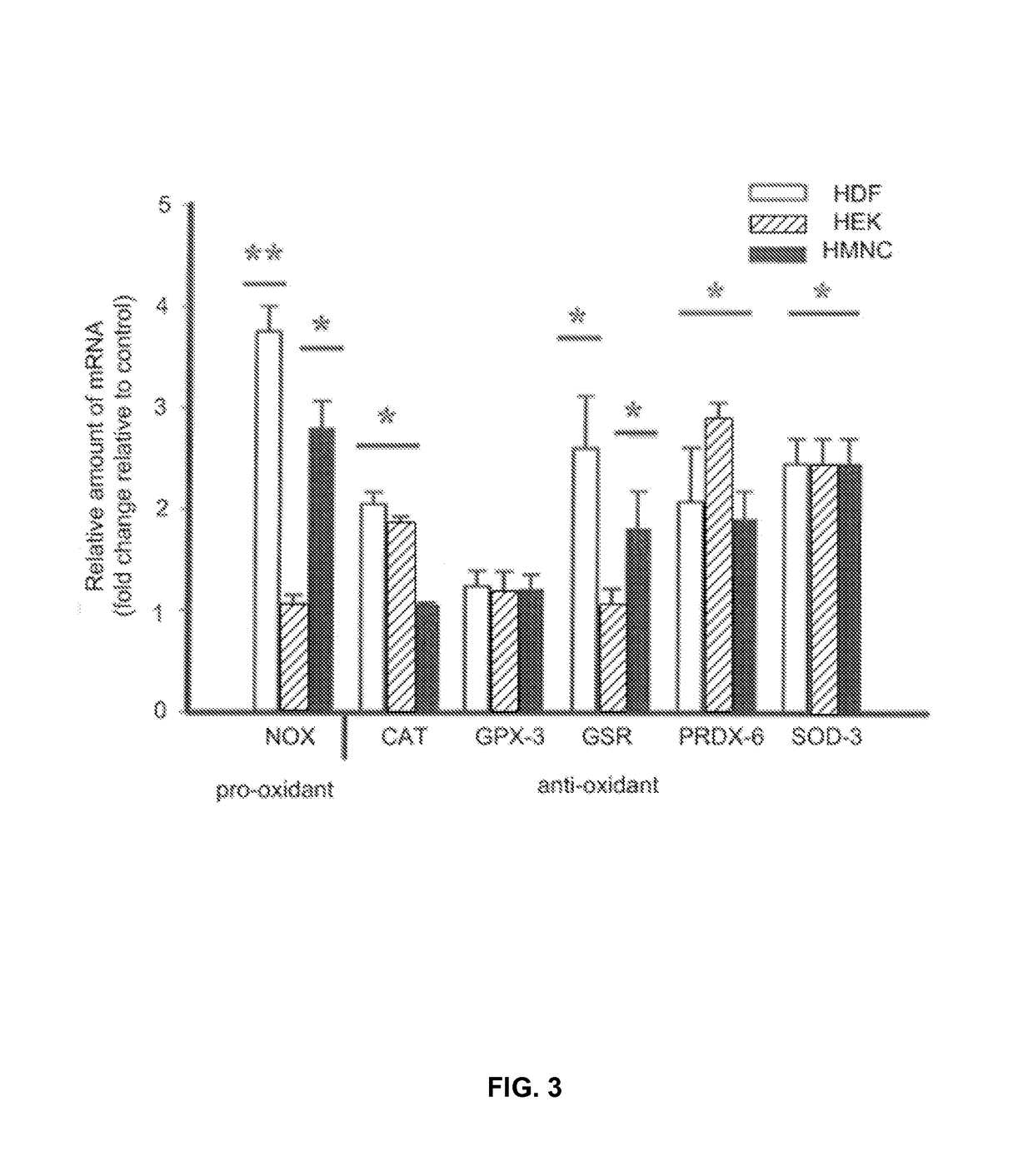
- PEMF therapy is administered to modulate gene expression associated with inflammation pathways, including heme oxygenase, antioxidant enzymes, lipid mediator biosynthesis, and cytokines, using specific parameters such as electric field strength, pulse rate, and duration to produce measurable clinical effects on pain, nerve function, and wound healing.
Pulsed electromagnetic field (PEMF) therapy whole body wellness device to increase cells energy, strengthen immune system and promote cell regeneration
PatentInactiveIN201814011740A
Innovation
- A self-contained portable PEMF device, PEMF-DS100, generates pulsed electromagnetic fields that penetrate the body through the hands and feet, utilizing Multiple-Wave Oscillation technology to synchronize cellular vibrations, enhance energy potential, and promote self-healing, while being designed to avoid adaptation and maintain effectiveness over time.
PEMF Regulatory Framework
The regulatory framework for Pulsed Electromagnetic Field (PEMF) therapy varies across different regions and countries, reflecting the diverse approaches to medical device regulation worldwide. In the United States, the Food and Drug Administration (FDA) oversees the regulation of PEMF devices. These devices are generally classified as Class II medical devices, requiring premarket notification (510(k)) clearance before they can be legally marketed. The FDA has cleared several PEMF devices for specific indications, such as bone healing and pain management.
In the European Union, PEMF devices fall under the Medical Device Regulation (MDR), which came into full effect in May 2021. Under the MDR, PEMF devices are typically classified as Class IIa or IIb medical devices, depending on their intended use and potential risks. Manufacturers must comply with the MDR requirements, including clinical evaluation, risk management, and post-market surveillance.
Other countries have their own regulatory frameworks for PEMF devices. For instance, in Canada, Health Canada regulates these devices under the Medical Devices Regulations. In Australia, the Therapeutic Goods Administration (TGA) oversees the regulation of PEMF devices as part of their medical device regulatory framework.
It's important to note that the regulatory status of PEMF devices can vary depending on their intended use and claims. Devices marketed for general wellness purposes may be subject to different regulatory requirements compared to those marketed for specific medical indications.
The regulatory landscape for PEMF therapy is continually evolving as new research emerges and technology advances. Regulatory bodies are increasingly focusing on the safety and efficacy of these devices, particularly in light of their growing popularity and expanding applications. This has led to more stringent requirements for clinical evidence and post-market surveillance.
Manufacturers and researchers in the PEMF field must navigate this complex regulatory environment to ensure compliance and market access. This often involves conducting clinical trials, gathering scientific evidence, and maintaining robust quality management systems. The regulatory framework also plays a crucial role in shaping the development and innovation of PEMF technology, as companies strive to meet regulatory requirements while advancing the capabilities of their devices.
In the European Union, PEMF devices fall under the Medical Device Regulation (MDR), which came into full effect in May 2021. Under the MDR, PEMF devices are typically classified as Class IIa or IIb medical devices, depending on their intended use and potential risks. Manufacturers must comply with the MDR requirements, including clinical evaluation, risk management, and post-market surveillance.
Other countries have their own regulatory frameworks for PEMF devices. For instance, in Canada, Health Canada regulates these devices under the Medical Devices Regulations. In Australia, the Therapeutic Goods Administration (TGA) oversees the regulation of PEMF devices as part of their medical device regulatory framework.
It's important to note that the regulatory status of PEMF devices can vary depending on their intended use and claims. Devices marketed for general wellness purposes may be subject to different regulatory requirements compared to those marketed for specific medical indications.
The regulatory landscape for PEMF therapy is continually evolving as new research emerges and technology advances. Regulatory bodies are increasingly focusing on the safety and efficacy of these devices, particularly in light of their growing popularity and expanding applications. This has led to more stringent requirements for clinical evidence and post-market surveillance.
Manufacturers and researchers in the PEMF field must navigate this complex regulatory environment to ensure compliance and market access. This often involves conducting clinical trials, gathering scientific evidence, and maintaining robust quality management systems. The regulatory framework also plays a crucial role in shaping the development and innovation of PEMF technology, as companies strive to meet regulatory requirements while advancing the capabilities of their devices.
PEMF Safety and Side Effects
Pulsed Electromagnetic Field (PEMF) therapy has gained significant attention in recent years due to its potential health benefits. However, as with any medical treatment, safety considerations and potential side effects must be thoroughly examined.
PEMF therapy is generally considered safe when used as directed. The electromagnetic fields generated by PEMF devices are typically low-intensity and non-ionizing, meaning they do not cause damage to cellular structures or DNA. Most PEMF devices used for therapeutic purposes operate at frequencies and intensities well below the safety thresholds established by regulatory bodies.
Despite its overall safety profile, some individuals may experience mild side effects during or after PEMF therapy sessions. These can include temporary discomfort, slight dizziness, or a tingling sensation in the treated area. These effects are usually short-lived and subside quickly after the treatment session ends. In rare cases, some users have reported temporary increases in pain or inflammation, which are believed to be part of the body's healing response.
It is important to note that PEMF therapy may not be suitable for everyone. Individuals with certain medical conditions or implanted electronic devices should exercise caution. For instance, those with pacemakers, defibrillators, or other implanted electronic devices should consult their healthcare provider before undergoing PEMF therapy, as the electromagnetic fields could potentially interfere with these devices.
Pregnant women are generally advised to avoid PEMF therapy as a precautionary measure, although there is limited research on its effects during pregnancy. Similarly, individuals with epilepsy or a history of seizures should seek medical advice before using PEMF devices, as the therapy may potentially trigger seizure activity in susceptible individuals.
While long-term studies on the safety of PEMF therapy are limited, the available evidence suggests that it is generally well-tolerated when used as recommended. However, it is crucial to use PEMF devices as directed by the manufacturer or healthcare provider. Overuse or improper use of PEMF therapy could potentially lead to adverse effects or reduced efficacy.
To ensure safety and maximize benefits, it is advisable to consult with a healthcare professional before starting PEMF therapy, especially for individuals with pre-existing health conditions. Healthcare providers can offer guidance on the appropriate use of PEMF devices and help monitor any potential side effects or interactions with other treatments.
In conclusion, while PEMF therapy is generally considered safe, it is essential to approach its use with caution and awareness of potential side effects. By following proper guidelines and seeking professional advice when necessary, individuals can safely explore the potential benefits of PEMF therapy for cellular health and overall well-being.
PEMF therapy is generally considered safe when used as directed. The electromagnetic fields generated by PEMF devices are typically low-intensity and non-ionizing, meaning they do not cause damage to cellular structures or DNA. Most PEMF devices used for therapeutic purposes operate at frequencies and intensities well below the safety thresholds established by regulatory bodies.
Despite its overall safety profile, some individuals may experience mild side effects during or after PEMF therapy sessions. These can include temporary discomfort, slight dizziness, or a tingling sensation in the treated area. These effects are usually short-lived and subside quickly after the treatment session ends. In rare cases, some users have reported temporary increases in pain or inflammation, which are believed to be part of the body's healing response.
It is important to note that PEMF therapy may not be suitable for everyone. Individuals with certain medical conditions or implanted electronic devices should exercise caution. For instance, those with pacemakers, defibrillators, or other implanted electronic devices should consult their healthcare provider before undergoing PEMF therapy, as the electromagnetic fields could potentially interfere with these devices.
Pregnant women are generally advised to avoid PEMF therapy as a precautionary measure, although there is limited research on its effects during pregnancy. Similarly, individuals with epilepsy or a history of seizures should seek medical advice before using PEMF devices, as the therapy may potentially trigger seizure activity in susceptible individuals.
While long-term studies on the safety of PEMF therapy are limited, the available evidence suggests that it is generally well-tolerated when used as recommended. However, it is crucial to use PEMF devices as directed by the manufacturer or healthcare provider. Overuse or improper use of PEMF therapy could potentially lead to adverse effects or reduced efficacy.
To ensure safety and maximize benefits, it is advisable to consult with a healthcare professional before starting PEMF therapy, especially for individuals with pre-existing health conditions. Healthcare providers can offer guidance on the appropriate use of PEMF devices and help monitor any potential side effects or interactions with other treatments.
In conclusion, while PEMF therapy is generally considered safe, it is essential to approach its use with caution and awareness of potential side effects. By following proper guidelines and seeking professional advice when necessary, individuals can safely explore the potential benefits of PEMF therapy for cellular health and overall well-being.
Unlock deeper insights with PatSnap Eureka Quick Research — get a full tech report to explore trends and direct your research. Try now!
Generate Your Research Report Instantly with AI Agent
Supercharge your innovation with PatSnap Eureka AI Agent Platform!