How To Analyze Ore Samples Using X-ray Diffraction
FEB 27, 20269 MIN READ
Generate Your Research Report Instantly with AI Agent
PatSnap Eureka helps you evaluate technical feasibility & market potential.
XRD Ore Analysis Background and Objectives
X-ray diffraction has emerged as one of the most powerful and widely adopted analytical techniques in mineralogy and ore characterization since its discovery in the early 20th century. The technique exploits the crystalline nature of minerals, where atoms are arranged in regular, repeating patterns that interact predictably with X-ray radiation. When X-rays encounter these ordered atomic structures, they undergo diffraction according to Bragg's law, producing characteristic patterns that serve as unique fingerprints for different mineral phases.
The evolution of XRD technology has been marked by significant milestones that have progressively enhanced its capabilities for ore analysis. Early powder diffraction cameras gave way to automated diffractometers in the 1960s, dramatically improving data quality and analysis speed. The integration of computer-controlled systems in the 1980s enabled sophisticated phase identification algorithms, while recent advances in detector technology and synchrotron radiation sources have pushed the boundaries of sensitivity and resolution to unprecedented levels.
Current technological trends in XRD ore analysis are driven by the mining industry's increasing demand for rapid, accurate, and comprehensive mineral characterization. Modern systems incorporate advanced features such as variable temperature capabilities for studying thermal behavior of ore minerals, micro-diffraction techniques for analyzing individual grains, and in-situ analysis capabilities that allow real-time monitoring of mineral processing operations. The development of portable XRD instruments has revolutionized field applications, enabling on-site ore evaluation and grade control.
The primary objective of implementing XRD technology in ore analysis centers on achieving comprehensive mineral identification and quantitative phase analysis with high precision and reliability. This encompasses determining the complete mineralogical composition of ore samples, including major ore minerals, gangue phases, and trace constituents that may impact processing efficiency or environmental considerations. Accurate quantification of mineral phases is crucial for optimizing extraction processes, predicting metallurgical behavior, and ensuring economic viability of mining operations.
Secondary objectives include establishing standardized analytical protocols that ensure reproducible results across different laboratories and operational contexts. This involves developing robust sample preparation procedures, calibration standards, and data interpretation methodologies that account for the complex nature of ore matrices and potential analytical interferences.
The evolution of XRD technology has been marked by significant milestones that have progressively enhanced its capabilities for ore analysis. Early powder diffraction cameras gave way to automated diffractometers in the 1960s, dramatically improving data quality and analysis speed. The integration of computer-controlled systems in the 1980s enabled sophisticated phase identification algorithms, while recent advances in detector technology and synchrotron radiation sources have pushed the boundaries of sensitivity and resolution to unprecedented levels.
Current technological trends in XRD ore analysis are driven by the mining industry's increasing demand for rapid, accurate, and comprehensive mineral characterization. Modern systems incorporate advanced features such as variable temperature capabilities for studying thermal behavior of ore minerals, micro-diffraction techniques for analyzing individual grains, and in-situ analysis capabilities that allow real-time monitoring of mineral processing operations. The development of portable XRD instruments has revolutionized field applications, enabling on-site ore evaluation and grade control.
The primary objective of implementing XRD technology in ore analysis centers on achieving comprehensive mineral identification and quantitative phase analysis with high precision and reliability. This encompasses determining the complete mineralogical composition of ore samples, including major ore minerals, gangue phases, and trace constituents that may impact processing efficiency or environmental considerations. Accurate quantification of mineral phases is crucial for optimizing extraction processes, predicting metallurgical behavior, and ensuring economic viability of mining operations.
Secondary objectives include establishing standardized analytical protocols that ensure reproducible results across different laboratories and operational contexts. This involves developing robust sample preparation procedures, calibration standards, and data interpretation methodologies that account for the complex nature of ore matrices and potential analytical interferences.
Market Demand for Advanced Ore Characterization
The global mining industry faces unprecedented pressure to optimize resource extraction efficiency while maintaining environmental compliance standards. Traditional ore characterization methods often prove inadequate for modern mining operations that demand rapid, accurate mineral identification and quantitative analysis. This growing gap between operational requirements and analytical capabilities has created substantial market demand for advanced ore characterization technologies.
Mining companies increasingly require real-time mineral composition data to make informed decisions about ore processing routes, equipment selection, and resource allocation. The economic impact of mischaracterized ore can be substantial, leading to processing inefficiencies, equipment damage, and suboptimal recovery rates. Advanced characterization techniques enable operators to maximize value extraction from increasingly complex ore bodies while minimizing processing costs.
Environmental regulations across major mining jurisdictions have become more stringent, requiring detailed knowledge of ore mineralogy to predict and mitigate potential environmental impacts. Regulatory compliance demands comprehensive understanding of mineral phases that could generate acid mine drainage or contain hazardous elements. This regulatory landscape drives consistent demand for sophisticated analytical capabilities that can provide detailed mineralogical information.
The trend toward processing lower-grade ores and complex polymetallic deposits has intensified the need for precise characterization methods. Traditional visual inspection and basic chemical analysis cannot adequately characterize these challenging materials. Mining operations require analytical techniques capable of identifying minor mineral phases that significantly impact processing behavior and economic viability.
Automation and digitalization initiatives within the mining sector create additional demand for characterization technologies that integrate seamlessly with modern process control systems. Operations seek analytical solutions that provide standardized, reproducible data suitable for automated decision-making processes. This technological integration requirement drives preference for advanced characterization methods that offer both accuracy and operational compatibility.
The expansion of critical mineral extraction, particularly for battery metals and rare earth elements, has created specialized characterization requirements. These materials often occur in complex mineralogical associations that require sophisticated analytical approaches to optimize extraction processes and ensure product quality specifications are met consistently.
Mining companies increasingly require real-time mineral composition data to make informed decisions about ore processing routes, equipment selection, and resource allocation. The economic impact of mischaracterized ore can be substantial, leading to processing inefficiencies, equipment damage, and suboptimal recovery rates. Advanced characterization techniques enable operators to maximize value extraction from increasingly complex ore bodies while minimizing processing costs.
Environmental regulations across major mining jurisdictions have become more stringent, requiring detailed knowledge of ore mineralogy to predict and mitigate potential environmental impacts. Regulatory compliance demands comprehensive understanding of mineral phases that could generate acid mine drainage or contain hazardous elements. This regulatory landscape drives consistent demand for sophisticated analytical capabilities that can provide detailed mineralogical information.
The trend toward processing lower-grade ores and complex polymetallic deposits has intensified the need for precise characterization methods. Traditional visual inspection and basic chemical analysis cannot adequately characterize these challenging materials. Mining operations require analytical techniques capable of identifying minor mineral phases that significantly impact processing behavior and economic viability.
Automation and digitalization initiatives within the mining sector create additional demand for characterization technologies that integrate seamlessly with modern process control systems. Operations seek analytical solutions that provide standardized, reproducible data suitable for automated decision-making processes. This technological integration requirement drives preference for advanced characterization methods that offer both accuracy and operational compatibility.
The expansion of critical mineral extraction, particularly for battery metals and rare earth elements, has created specialized characterization requirements. These materials often occur in complex mineralogical associations that require sophisticated analytical approaches to optimize extraction processes and ensure product quality specifications are met consistently.
Current XRD Ore Analysis Status and Challenges
X-ray diffraction has established itself as a fundamental analytical technique in the mining and metallurgical industries, offering unparalleled capabilities for mineral identification and quantitative analysis. The current state of XRD ore analysis represents a mature technology that has evolved significantly from its early laboratory-confined applications to sophisticated automated systems capable of handling diverse sample types and complex mineral assemblages.
Modern XRD systems employed in ore analysis typically utilize powder diffraction methods, where samples are ground to fine particles and analyzed using monochromatic X-ray beams. The technology has advanced to include high-resolution detectors, automated sample changers, and sophisticated software packages that can identify minerals from extensive databases containing thousands of reference patterns. These systems can routinely detect crystalline phases present at concentrations as low as 1-2% in favorable conditions.
The geographical distribution of advanced XRD capabilities shows concentration in major mining regions, with leading facilities located in Australia, Canada, South Africa, and Chile. European and North American research institutions continue to drive methodological innovations, while emerging mining economies are rapidly adopting these technologies to enhance their analytical capabilities.
Despite these advances, several significant challenges persist in XRD ore analysis. Sample preparation remains a critical bottleneck, as achieving representative and homogeneous powder samples from heterogeneous ore materials requires careful consideration of grinding procedures, particle size distribution, and potential preferred orientation effects. The presence of amorphous phases, which are invisible to conventional XRD, poses ongoing analytical challenges, particularly in weathered ores and clay-rich samples.
Quantitative analysis presents another layer of complexity, as accurate phase quantification requires sophisticated Rietveld refinement techniques or reference intensity ratio methods. These approaches demand extensive expertise and high-quality reference materials, which may not always be available for complex ore systems. Matrix effects and peak overlap in multiphase systems further complicate quantitative determinations.
The detection and characterization of trace minerals, often critical for processing optimization and environmental considerations, remains challenging due to sensitivity limitations and interference from major phases. Additionally, the analysis of very fine-grained materials and intergrown phases approaches the resolution limits of conventional laboratory XRD systems, necessitating synchrotron-based techniques that are not widely accessible.
Automation and standardization efforts continue to address reproducibility concerns, yet the interpretation of complex diffraction patterns from natural ore samples still requires significant expertise, limiting the widespread deployment of XRD technology in routine mining operations.
Modern XRD systems employed in ore analysis typically utilize powder diffraction methods, where samples are ground to fine particles and analyzed using monochromatic X-ray beams. The technology has advanced to include high-resolution detectors, automated sample changers, and sophisticated software packages that can identify minerals from extensive databases containing thousands of reference patterns. These systems can routinely detect crystalline phases present at concentrations as low as 1-2% in favorable conditions.
The geographical distribution of advanced XRD capabilities shows concentration in major mining regions, with leading facilities located in Australia, Canada, South Africa, and Chile. European and North American research institutions continue to drive methodological innovations, while emerging mining economies are rapidly adopting these technologies to enhance their analytical capabilities.
Despite these advances, several significant challenges persist in XRD ore analysis. Sample preparation remains a critical bottleneck, as achieving representative and homogeneous powder samples from heterogeneous ore materials requires careful consideration of grinding procedures, particle size distribution, and potential preferred orientation effects. The presence of amorphous phases, which are invisible to conventional XRD, poses ongoing analytical challenges, particularly in weathered ores and clay-rich samples.
Quantitative analysis presents another layer of complexity, as accurate phase quantification requires sophisticated Rietveld refinement techniques or reference intensity ratio methods. These approaches demand extensive expertise and high-quality reference materials, which may not always be available for complex ore systems. Matrix effects and peak overlap in multiphase systems further complicate quantitative determinations.
The detection and characterization of trace minerals, often critical for processing optimization and environmental considerations, remains challenging due to sensitivity limitations and interference from major phases. Additionally, the analysis of very fine-grained materials and intergrown phases approaches the resolution limits of conventional laboratory XRD systems, necessitating synchrotron-based techniques that are not widely accessible.
Automation and standardization efforts continue to address reproducibility concerns, yet the interpretation of complex diffraction patterns from natural ore samples still requires significant expertise, limiting the widespread deployment of XRD technology in routine mining operations.
Current XRD Methods for Ore Sample Analysis
01 X-ray diffraction apparatus and detector systems
Advanced X-ray diffraction systems incorporate specialized detector configurations and apparatus designs to improve measurement accuracy and efficiency. These systems may include multi-dimensional detectors, position-sensitive detectors, and optimized geometric arrangements for enhanced signal collection. The apparatus designs focus on reducing noise, improving resolution, and enabling faster data acquisition for crystallographic analysis.- X-ray diffraction apparatus and detector systems: Advanced X-ray diffraction systems incorporate specialized detector configurations and apparatus designs to improve measurement accuracy and efficiency. These systems may include multi-dimensional detectors, optimized geometric arrangements, and enhanced signal processing capabilities. The apparatus designs focus on reducing noise, improving resolution, and enabling faster data acquisition for crystallographic analysis.
- X-ray diffraction analysis methods for material characterization: Various analytical methods utilize X-ray diffraction techniques to characterize material properties, including crystal structure, phase composition, and crystallinity. These methods involve specific measurement protocols, data processing algorithms, and interpretation techniques to extract structural information from diffraction patterns. Applications include quality control, material identification, and structural analysis of crystalline and semi-crystalline materials.
- X-ray diffraction instrumentation with improved optical components: Enhanced optical components and beam conditioning systems are employed in X-ray diffraction instruments to optimize beam characteristics and improve measurement quality. These improvements include specialized monochromators, collimators, focusing elements, and beam shaping devices. The optical configurations are designed to enhance beam intensity, reduce background scatter, and improve angular resolution for precise diffraction measurements.
- Automated X-ray diffraction systems and control methods: Automated systems integrate computer control, motorized positioning, and intelligent algorithms to streamline X-ray diffraction measurements. These systems feature automated sample handling, alignment procedures, and data collection protocols that reduce operator intervention and improve reproducibility. Control methods include feedback mechanisms, calibration routines, and adaptive measurement strategies for various sample types.
- Specialized X-ray diffraction applications and sample preparation: Specific applications of X-ray diffraction technology address unique analytical challenges in various fields, including pharmaceutical analysis, materials science, and industrial quality control. These applications may involve specialized sample preparation techniques, environmental control during measurement, and customized analysis protocols. Methods are developed to handle challenging samples such as thin films, powders, and temperature-sensitive materials.
02 X-ray diffraction analysis methods and data processing
Sophisticated analytical methods and computational techniques are employed to process and interpret X-ray diffraction data. These approaches include algorithms for pattern recognition, phase identification, crystallographic structure determination, and quantitative analysis of materials. Advanced data processing techniques enable automated analysis, improved accuracy in crystal structure refinement, and enhanced characterization of complex materials.Expand Specific Solutions03 X-ray source and beam conditioning systems
X-ray diffraction systems utilize specialized radiation sources and beam conditioning components to generate and control X-ray beams with specific characteristics. These systems may include monochromators, collimators, focusing optics, and beam shaping elements that optimize the X-ray beam properties for different analytical applications. The technology focuses on achieving appropriate wavelength selection, beam intensity, and spatial distribution for accurate diffraction measurements.Expand Specific Solutions04 Sample preparation and positioning for X-ray diffraction
Proper sample handling, preparation techniques, and precise positioning mechanisms are critical for obtaining high-quality X-ray diffraction data. These methods include sample mounting systems, goniometers for angular positioning, environmental chambers for controlled conditions, and automated sample changers. The technology enables accurate alignment, rotation, and environmental control during measurements to ensure reproducible and reliable diffraction patterns.Expand Specific Solutions05 Applications of X-ray diffraction in material characterization
X-ray diffraction techniques are applied across various fields for comprehensive material characterization, including pharmaceutical analysis, metallurgy, mineralogy, and thin film analysis. These applications involve determining crystal structures, identifying phases, measuring crystallite sizes, analyzing strain and stress, and evaluating material purity. The technology provides non-destructive analysis capabilities for quality control, research and development, and failure analysis in diverse industries.Expand Specific Solutions
Key Players in XRD Equipment and Mining Industry
The X-ray diffraction ore analysis market represents a mature technology sector experiencing steady growth driven by increasing demand for precise mineral characterization in mining and materials science. The industry has reached technological maturity with established players like Bruker AXS GmbH and Thermo Fisher Scientific dominating instrumentation development, while companies such as Siemens AG and Carl Zeiss X-ray Microscopy provide advanced analytical solutions. The competitive landscape spans from traditional mining corporations like PetroChina and Sumitomo Metal Mining implementing XRD for resource exploration, to specialized technology firms like Xnovo Technology ApS and Orexplore AB developing innovative diffraction imaging systems. Research institutions including University of Science & Technology Beijing and Commonwealth Scientific & Industrial Research Organisation continue advancing analytical methodologies, while service providers like Photonic Knowledge and X-Ray Optical Systems offer application-specific solutions, indicating a well-established market with ongoing technological refinement.
Bruker AXS, Inc.
Technical Solution: Bruker AXS provides comprehensive X-ray diffraction solutions for ore sample analysis through their D8 ADVANCE series diffractometers equipped with specialized sample preparation systems and phase identification software. Their technology enables quantitative phase analysis of mineral compositions, crystalline structure determination, and automated measurement protocols specifically designed for geological samples. The system integrates advanced detector technology with temperature-controlled sample environments to ensure accurate mineral identification even in complex ore matrices containing multiple crystalline phases.
Strengths: Industry-leading detector sensitivity and comprehensive mineral database for accurate phase identification. Weaknesses: High equipment cost and requires specialized operator training for optimal results.
Thermo Fisher Scientific (Ecublens) SARL
Technical Solution: Thermo Fisher Scientific offers the ARL EQUINOX series X-ray diffractometers specifically engineered for mining and geological applications. Their solution combines high-resolution powder diffraction capabilities with automated sample handling systems that can process multiple ore samples simultaneously. The technology features advanced background subtraction algorithms and Rietveld refinement methods for precise quantitative analysis of mineral phases, enabling determination of ore grade and mineral liberation characteristics essential for processing optimization.
Strengths: Excellent automation capabilities and robust software for quantitative mineral analysis. Weaknesses: Limited portability for field applications and requires controlled laboratory environment.
Core XRD Technologies for Mineral Identification
process
PatentActiveUS20190203368A1
Innovation
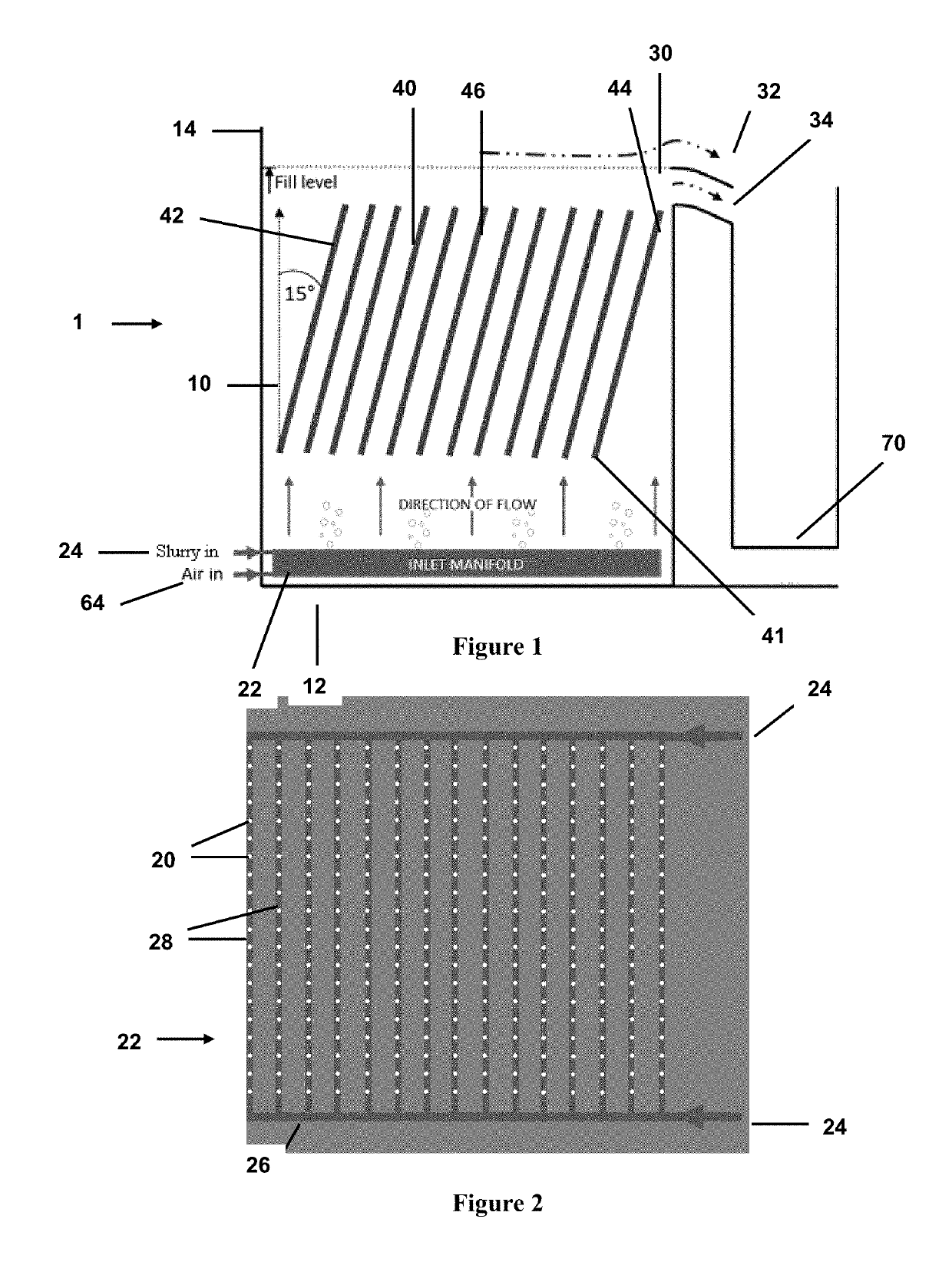
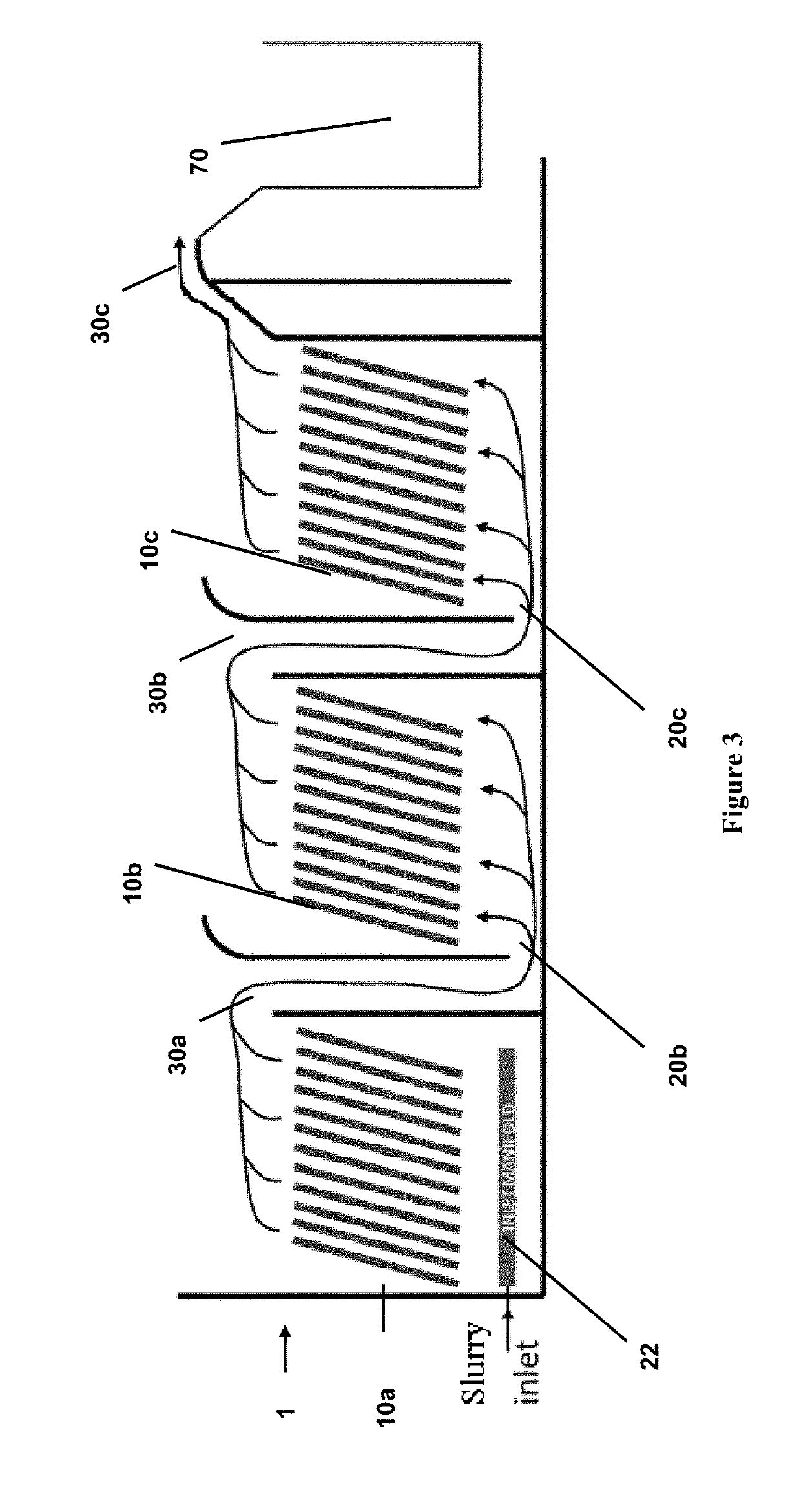
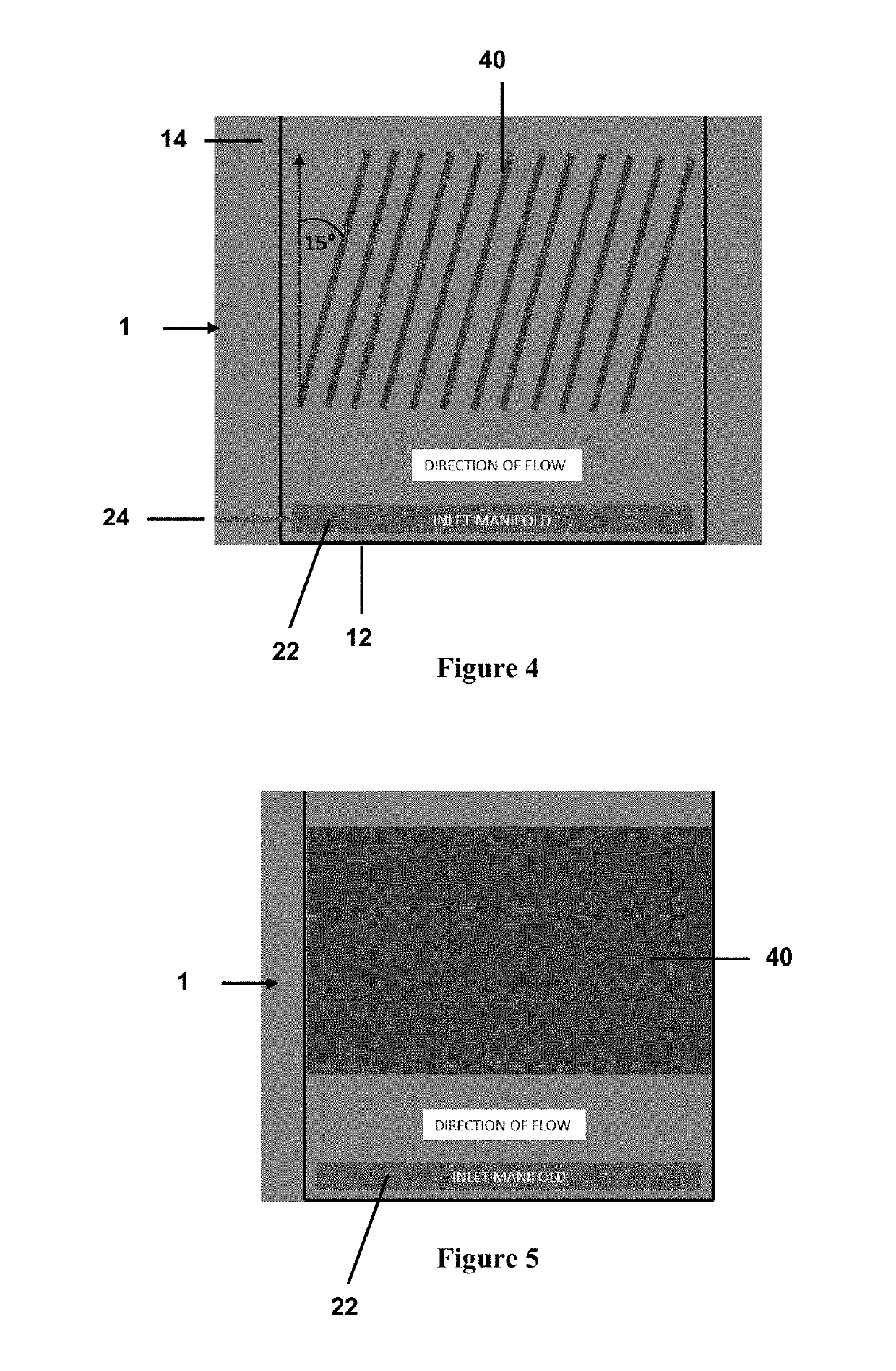
- An electrochemical treatment process is employed to improve the grade of iron in slurry by converting amorphous iron oxide hydroxides into more magnetic and separable forms like hematite, maghemite, or magnetite, allowing for magnetic separation and enhancing the recovery of iron minerals from tailings.

Methods and apparatus for x-ray diffraction
PatentWO2013156763A1
Innovation
- The method employs a beam of X-ray radiation with a range of photon energies and energy-resolved spectra to obtain diffraction information independent of fluorescence phenomena, using a back-reflection geometry with a diffraction angle of 180°, allowing for compact and portable instruments that can analyze non-prepared samples with improved signal strength.


Environmental Regulations for Mining Analysis
Environmental regulations governing mining analysis have become increasingly stringent worldwide, particularly concerning X-ray diffraction (XRD) applications in ore characterization. These regulations primarily focus on radiation safety, waste management, and environmental impact assessment protocols that mining operations must adhere to when implementing analytical procedures.
The International Atomic Energy Agency (IAEA) and national regulatory bodies such as the US Nuclear Regulatory Commission establish fundamental safety standards for X-ray equipment operation in mining environments. These standards mandate specific shielding requirements, personnel dosimetry monitoring, and equipment certification procedures. Mining companies must obtain proper licensing for XRD equipment operation and ensure compliance with occupational exposure limits, typically set at 20 mSv per year for radiation workers.
Sample preparation and waste disposal regulations constitute another critical compliance area. Environmental protection agencies require proper handling of potentially hazardous ore samples, particularly those containing radioactive minerals or heavy metals. Laboratories must implement containment protocols for sample grinding, mounting, and storage processes. Waste materials from XRD analysis, including sample holders and contaminated consumables, must be classified and disposed of according to hazardous waste regulations.
Data quality and reporting standards have evolved to support environmental monitoring requirements. Regulatory frameworks increasingly demand validated analytical methods with documented precision, accuracy, and detection limits. Mining operations must maintain comprehensive records of analytical procedures, calibration standards, and quality control measures to demonstrate compliance during environmental audits.
Recent regulatory trends emphasize real-time monitoring capabilities and automated reporting systems. Environmental agencies are implementing digital submission requirements for analytical data, necessitating integration between XRD systems and regulatory databases. These developments drive technological advancement toward automated sample handling, enhanced data management systems, and improved analytical throughput while maintaining strict environmental compliance standards.
The International Atomic Energy Agency (IAEA) and national regulatory bodies such as the US Nuclear Regulatory Commission establish fundamental safety standards for X-ray equipment operation in mining environments. These standards mandate specific shielding requirements, personnel dosimetry monitoring, and equipment certification procedures. Mining companies must obtain proper licensing for XRD equipment operation and ensure compliance with occupational exposure limits, typically set at 20 mSv per year for radiation workers.
Sample preparation and waste disposal regulations constitute another critical compliance area. Environmental protection agencies require proper handling of potentially hazardous ore samples, particularly those containing radioactive minerals or heavy metals. Laboratories must implement containment protocols for sample grinding, mounting, and storage processes. Waste materials from XRD analysis, including sample holders and contaminated consumables, must be classified and disposed of according to hazardous waste regulations.
Data quality and reporting standards have evolved to support environmental monitoring requirements. Regulatory frameworks increasingly demand validated analytical methods with documented precision, accuracy, and detection limits. Mining operations must maintain comprehensive records of analytical procedures, calibration standards, and quality control measures to demonstrate compliance during environmental audits.
Recent regulatory trends emphasize real-time monitoring capabilities and automated reporting systems. Environmental agencies are implementing digital submission requirements for analytical data, necessitating integration between XRD systems and regulatory databases. These developments drive technological advancement toward automated sample handling, enhanced data management systems, and improved analytical throughput while maintaining strict environmental compliance standards.
Sample Preparation Standards for XRD Analysis
Sample preparation represents the most critical phase in X-ray diffraction analysis of ore samples, directly influencing data quality, reproducibility, and analytical accuracy. Standardized preparation protocols ensure consistent results across different laboratories and operators while minimizing systematic errors that could compromise mineral identification and quantitative analysis.
The fundamental principle underlying XRD sample preparation involves creating a representative, homogeneous specimen that maintains the original mineralogical composition while optimizing diffraction conditions. Particle size reduction constitutes the primary preparation step, typically requiring grinding to achieve particles smaller than 10 micrometers. This size constraint prevents preferred orientation effects and ensures adequate sampling statistics for accurate phase quantification.
Grinding methodology significantly impacts analytical outcomes. Mechanical grinding using tungsten carbide or agate mills remains the standard approach, though care must be taken to avoid contamination and amorphization of crystalline phases. Wet grinding techniques using organic solvents like ethanol can minimize structural damage to sensitive minerals while preventing oxidation of sulfide phases commonly found in ore samples.
Sample mounting techniques vary depending on analytical requirements. Powder diffraction typically employs back-loading methods to minimize preferred orientation, while front-loading techniques may be acceptable for qualitative analysis. The use of internal standards, such as silicon or corundum, enables accurate lattice parameter determination and assists in quantitative phase analysis through the Rietveld refinement method.
Moisture control during preparation proves essential for hygroscopic minerals and clay-bearing ores. Controlled atmosphere preparation and immediate analysis prevent structural changes that could alter diffraction patterns. Additionally, sample thickness optimization ensures adequate diffraction intensity while avoiding excessive absorption effects that can distort peak intensities.
Quality control measures include duplicate preparation, particle size verification through laser diffraction, and validation using certified reference materials. These protocols ensure that preparation-induced variations remain within acceptable limits, typically less than 2% relative standard deviation for major phases. Documentation of preparation parameters enables traceability and facilitates troubleshooting when analytical discrepancies arise.
Modern automated preparation systems increasingly incorporate these standardized protocols, reducing operator variability while maintaining high throughput capabilities essential for routine ore analysis applications.
The fundamental principle underlying XRD sample preparation involves creating a representative, homogeneous specimen that maintains the original mineralogical composition while optimizing diffraction conditions. Particle size reduction constitutes the primary preparation step, typically requiring grinding to achieve particles smaller than 10 micrometers. This size constraint prevents preferred orientation effects and ensures adequate sampling statistics for accurate phase quantification.
Grinding methodology significantly impacts analytical outcomes. Mechanical grinding using tungsten carbide or agate mills remains the standard approach, though care must be taken to avoid contamination and amorphization of crystalline phases. Wet grinding techniques using organic solvents like ethanol can minimize structural damage to sensitive minerals while preventing oxidation of sulfide phases commonly found in ore samples.
Sample mounting techniques vary depending on analytical requirements. Powder diffraction typically employs back-loading methods to minimize preferred orientation, while front-loading techniques may be acceptable for qualitative analysis. The use of internal standards, such as silicon or corundum, enables accurate lattice parameter determination and assists in quantitative phase analysis through the Rietveld refinement method.
Moisture control during preparation proves essential for hygroscopic minerals and clay-bearing ores. Controlled atmosphere preparation and immediate analysis prevent structural changes that could alter diffraction patterns. Additionally, sample thickness optimization ensures adequate diffraction intensity while avoiding excessive absorption effects that can distort peak intensities.
Quality control measures include duplicate preparation, particle size verification through laser diffraction, and validation using certified reference materials. These protocols ensure that preparation-induced variations remain within acceptable limits, typically less than 2% relative standard deviation for major phases. Documentation of preparation parameters enables traceability and facilitates troubleshooting when analytical discrepancies arise.
Modern automated preparation systems increasingly incorporate these standardized protocols, reducing operator variability while maintaining high throughput capabilities essential for routine ore analysis applications.
Unlock deeper insights with PatSnap Eureka Quick Research — get a full tech report to explore trends and direct your research. Try now!
Generate Your Research Report Instantly with AI Agent
Supercharge your innovation with PatSnap Eureka AI Agent Platform!