

How to Deploy PCM for Temperature Spike Mitigation
FEB 26, 20269 MIN READ
Generate Your Research Report Instantly with AI Agent
PatSnap Eureka helps you evaluate technical feasibility & market potential.
PCM Thermal Management Background and Objectives
Phase Change Materials (PCM) have emerged as a critical thermal management solution in response to the escalating heat dissipation challenges faced by modern electronic systems. The exponential growth in computational power and device miniaturization has led to unprecedented thermal density concentrations, creating temperature spikes that can severely compromise system performance, reliability, and lifespan. Traditional cooling methods, including air cooling and liquid cooling systems, often struggle to address transient thermal events effectively, particularly in applications where space constraints and power limitations restrict conventional thermal management approaches.
The fundamental principle underlying PCM thermal management lies in the material's ability to absorb and release substantial amounts of latent heat during phase transitions, typically from solid to liquid states. This characteristic enables PCMs to act as thermal buffers, absorbing excess heat during temperature spikes and gradually releasing it when ambient conditions normalize. Unlike sensible heat storage methods that rely on temperature changes, PCM systems maintain relatively constant temperatures during phase transitions, providing superior thermal regulation capabilities.
Contemporary electronic applications present diverse thermal challenges that PCM technology aims to address. High-performance computing systems experience intermittent computational loads that generate sudden temperature surges, while mobile devices require lightweight thermal solutions that can handle varying operational conditions. Data centers face the dual challenge of managing both steady-state heat loads and transient thermal events across thousands of processing units. Electric vehicle battery systems demand thermal management solutions that can prevent thermal runaway while maintaining optimal operating temperatures across varying environmental conditions.
The primary objective of PCM deployment for temperature spike mitigation centers on developing adaptive thermal management systems that can respond dynamically to varying heat loads. This involves optimizing PCM selection based on melting point temperatures that align with target operating ranges, typically between 40-80°C for electronic applications. The integration strategy must consider factors such as thermal conductivity enhancement, containment methods, and heat transfer optimization to maximize the effectiveness of phase change processes.
Advanced PCM thermal management systems aim to achieve several key performance targets. These include reducing peak operating temperatures by 15-30°C during thermal transients, extending component lifespan through improved thermal cycling management, and enabling higher power density designs without compromising reliability. Additionally, the technology seeks to minimize active cooling requirements, thereby reducing overall system power consumption and noise generation while maintaining consistent performance levels across varying operational scenarios.
The fundamental principle underlying PCM thermal management lies in the material's ability to absorb and release substantial amounts of latent heat during phase transitions, typically from solid to liquid states. This characteristic enables PCMs to act as thermal buffers, absorbing excess heat during temperature spikes and gradually releasing it when ambient conditions normalize. Unlike sensible heat storage methods that rely on temperature changes, PCM systems maintain relatively constant temperatures during phase transitions, providing superior thermal regulation capabilities.
Contemporary electronic applications present diverse thermal challenges that PCM technology aims to address. High-performance computing systems experience intermittent computational loads that generate sudden temperature surges, while mobile devices require lightweight thermal solutions that can handle varying operational conditions. Data centers face the dual challenge of managing both steady-state heat loads and transient thermal events across thousands of processing units. Electric vehicle battery systems demand thermal management solutions that can prevent thermal runaway while maintaining optimal operating temperatures across varying environmental conditions.
The primary objective of PCM deployment for temperature spike mitigation centers on developing adaptive thermal management systems that can respond dynamically to varying heat loads. This involves optimizing PCM selection based on melting point temperatures that align with target operating ranges, typically between 40-80°C for electronic applications. The integration strategy must consider factors such as thermal conductivity enhancement, containment methods, and heat transfer optimization to maximize the effectiveness of phase change processes.
Advanced PCM thermal management systems aim to achieve several key performance targets. These include reducing peak operating temperatures by 15-30°C during thermal transients, extending component lifespan through improved thermal cycling management, and enabling higher power density designs without compromising reliability. Additionally, the technology seeks to minimize active cooling requirements, thereby reducing overall system power consumption and noise generation while maintaining consistent performance levels across varying operational scenarios.
Market Demand for Temperature Spike Control Solutions
The global demand for temperature spike control solutions has experienced substantial growth across multiple industries, driven by increasing thermal management challenges in modern electronic systems, industrial processes, and energy storage applications. Electronic devices continue to miniaturize while power densities increase, creating critical thermal hotspots that can compromise performance and reliability. This trend has established temperature spike mitigation as a fundamental requirement rather than an optional enhancement.
Data centers represent one of the most significant market segments for PCM-based temperature control solutions. The exponential growth in cloud computing, artificial intelligence, and cryptocurrency mining has intensified cooling demands, with traditional air conditioning systems proving insufficient for managing sudden thermal spikes. Server processors and graphics processing units generate unpredictable heat loads that require immediate thermal buffering to prevent throttling and system failures.
The automotive industry has emerged as another major driver of demand, particularly with the rapid adoption of electric vehicles and advanced driver assistance systems. Battery thermal management systems require sophisticated temperature control to prevent thermal runaway events, while power electronics in electric drivetrains generate significant heat spikes during acceleration and regenerative braking. Autonomous vehicle computing platforms further amplify these thermal challenges.
Industrial manufacturing sectors increasingly recognize the economic impact of temperature-related equipment failures and production disruptions. Process industries such as steel production, chemical processing, and semiconductor manufacturing face substantial costs when thermal spikes cause equipment damage or product quality issues. The growing emphasis on predictive maintenance and operational efficiency has elevated temperature spike control from a reactive to a proactive investment priority.
Renewable energy systems, particularly solar photovoltaic installations and wind turbine power electronics, experience significant temperature fluctuations that affect energy conversion efficiency and component longevity. The global transition toward sustainable energy sources has created substantial demand for thermal management solutions that can handle rapid temperature variations while maintaining system performance.
The telecommunications infrastructure sector faces mounting pressure to manage thermal spikes in 5G base stations and edge computing nodes. These systems operate in diverse environmental conditions while maintaining continuous service requirements, making effective temperature spike mitigation essential for network reliability and service quality assurance.
Data centers represent one of the most significant market segments for PCM-based temperature control solutions. The exponential growth in cloud computing, artificial intelligence, and cryptocurrency mining has intensified cooling demands, with traditional air conditioning systems proving insufficient for managing sudden thermal spikes. Server processors and graphics processing units generate unpredictable heat loads that require immediate thermal buffering to prevent throttling and system failures.
The automotive industry has emerged as another major driver of demand, particularly with the rapid adoption of electric vehicles and advanced driver assistance systems. Battery thermal management systems require sophisticated temperature control to prevent thermal runaway events, while power electronics in electric drivetrains generate significant heat spikes during acceleration and regenerative braking. Autonomous vehicle computing platforms further amplify these thermal challenges.
Industrial manufacturing sectors increasingly recognize the economic impact of temperature-related equipment failures and production disruptions. Process industries such as steel production, chemical processing, and semiconductor manufacturing face substantial costs when thermal spikes cause equipment damage or product quality issues. The growing emphasis on predictive maintenance and operational efficiency has elevated temperature spike control from a reactive to a proactive investment priority.
Renewable energy systems, particularly solar photovoltaic installations and wind turbine power electronics, experience significant temperature fluctuations that affect energy conversion efficiency and component longevity. The global transition toward sustainable energy sources has created substantial demand for thermal management solutions that can handle rapid temperature variations while maintaining system performance.
The telecommunications infrastructure sector faces mounting pressure to manage thermal spikes in 5G base stations and edge computing nodes. These systems operate in diverse environmental conditions while maintaining continuous service requirements, making effective temperature spike mitigation essential for network reliability and service quality assurance.
Current PCM Deployment Challenges and Limitations
Despite the promising thermal management capabilities of Phase Change Materials (PCM), several significant deployment challenges continue to limit their widespread adoption in temperature spike mitigation applications. These constraints span technical, economic, and operational dimensions, creating barriers that must be addressed for successful implementation.
Thermal conductivity limitations represent one of the most fundamental challenges in PCM deployment. Most organic PCMs exhibit inherently low thermal conductivity, typically ranging from 0.1 to 0.3 W/mK, which significantly impedes heat transfer rates during critical temperature spike events. This limitation results in delayed thermal response and reduced effectiveness in rapid cooling applications, particularly in high-power density electronic systems where immediate heat dissipation is crucial.
Encapsulation and containment issues pose substantial technical hurdles for PCM integration. Liquid leakage during phase transition can cause system contamination, electrical short circuits, and performance degradation. Current encapsulation technologies often compromise thermal performance while adding complexity and cost to the overall system design. The challenge becomes more pronounced in applications requiring long-term reliability and minimal maintenance.
Volume expansion during phase change creates mechanical stress and design constraints that complicate PCM integration into existing thermal management systems. The typical 10-15% volume change during solid-to-liquid transition requires accommodation through specialized housing designs, which can increase system complexity and reduce space efficiency in compact applications.
Temperature control precision presents another significant limitation, as many PCMs exhibit temperature hysteresis and supercooling effects that can lead to unpredictable thermal behavior. This inconsistency makes it difficult to achieve precise temperature regulation in applications requiring tight thermal control tolerances.
Cost considerations remain a major deployment barrier, particularly for high-performance PCM formulations and advanced encapsulation systems. The initial investment required for PCM-based thermal management solutions often exceeds conventional cooling methods, despite potential long-term energy savings. Manufacturing scalability issues further contribute to elevated costs, limiting adoption in cost-sensitive applications.
Integration complexity with existing thermal management infrastructure creates additional deployment challenges. Retrofitting PCM solutions into established systems often requires significant modifications to hardware, control systems, and operational procedures, increasing implementation costs and technical risks.
Thermal conductivity limitations represent one of the most fundamental challenges in PCM deployment. Most organic PCMs exhibit inherently low thermal conductivity, typically ranging from 0.1 to 0.3 W/mK, which significantly impedes heat transfer rates during critical temperature spike events. This limitation results in delayed thermal response and reduced effectiveness in rapid cooling applications, particularly in high-power density electronic systems where immediate heat dissipation is crucial.
Encapsulation and containment issues pose substantial technical hurdles for PCM integration. Liquid leakage during phase transition can cause system contamination, electrical short circuits, and performance degradation. Current encapsulation technologies often compromise thermal performance while adding complexity and cost to the overall system design. The challenge becomes more pronounced in applications requiring long-term reliability and minimal maintenance.
Volume expansion during phase change creates mechanical stress and design constraints that complicate PCM integration into existing thermal management systems. The typical 10-15% volume change during solid-to-liquid transition requires accommodation through specialized housing designs, which can increase system complexity and reduce space efficiency in compact applications.
Temperature control precision presents another significant limitation, as many PCMs exhibit temperature hysteresis and supercooling effects that can lead to unpredictable thermal behavior. This inconsistency makes it difficult to achieve precise temperature regulation in applications requiring tight thermal control tolerances.
Cost considerations remain a major deployment barrier, particularly for high-performance PCM formulations and advanced encapsulation systems. The initial investment required for PCM-based thermal management solutions often exceeds conventional cooling methods, despite potential long-term energy savings. Manufacturing scalability issues further contribute to elevated costs, limiting adoption in cost-sensitive applications.
Integration complexity with existing thermal management infrastructure creates additional deployment challenges. Retrofitting PCM solutions into established systems often requires significant modifications to hardware, control systems, and operational procedures, increasing implementation costs and technical risks.
Existing PCM Deployment Methods and Strategies
01 PCM selection and phase transition temperature optimization
Phase change materials are selected based on their specific melting and solidification temperatures to match the desired operating temperature range. The selection process involves identifying materials with appropriate phase transition temperatures that align with the thermal management requirements of the application. Different PCM compositions can be tailored to achieve optimal thermal storage and release characteristics at specific temperature ranges.- PCM selection and phase transition temperature optimization: Phase change materials are selected based on their specific melting and solidification temperatures to match the desired operating temperature range. The selection process involves identifying materials with appropriate phase transition temperatures that align with the thermal management requirements of the application. Different PCM compositions can be tailored to achieve optimal thermal storage and release characteristics at specific temperature ranges.
- PCM encapsulation and containment methods: Encapsulation techniques are employed to contain phase change materials and prevent leakage during phase transitions. Various containment structures and methods are used to maintain the integrity of the PCM while allowing efficient heat transfer. The encapsulation approach ensures the PCM remains stable and functional throughout repeated thermal cycles while maintaining its thermal properties.
- Temperature control and regulation systems using PCM: Temperature regulation systems incorporate phase change materials to maintain stable temperatures within specific ranges. These systems utilize the latent heat storage capacity of PCMs to absorb or release thermal energy during phase transitions. The integration of PCMs in temperature control applications provides passive thermal management without requiring active energy input.
- PCM composite materials and thermal conductivity enhancement: Composite materials are developed by combining phase change materials with thermally conductive additives to improve heat transfer rates. Enhancement techniques involve incorporating materials with high thermal conductivity to overcome the inherently low thermal conductivity of many PCMs. These composite formulations maintain the phase change properties while significantly improving the rate of thermal energy storage and release.
- PCM application in thermal energy storage systems: Phase change materials are integrated into thermal energy storage systems for various applications including building climate control, electronics cooling, and industrial process temperature management. These systems leverage the high energy density of PCMs during phase transitions to store and release thermal energy efficiently. The implementation of PCM-based storage provides improved energy efficiency and temperature stabilization across diverse applications.
02 PCM encapsulation and containment methods
Encapsulation techniques are employed to contain phase change materials and prevent leakage during phase transitions. Various containment structures and methods are used to maintain the integrity of the PCM while allowing efficient heat transfer. The encapsulation approach ensures the PCM remains stable and functional throughout repeated thermal cycles while maintaining its thermal properties.Expand Specific Solutions03 Temperature monitoring and control systems for PCM
Monitoring systems are integrated to track the temperature of phase change materials during operation. Control mechanisms regulate the thermal behavior of PCM by measuring temperature variations and adjusting system parameters accordingly. These systems ensure the PCM operates within optimal temperature ranges and maintains consistent thermal performance.Expand Specific Solutions04 PCM composite materials and thermal conductivity enhancement
Composite formulations combine phase change materials with additives to improve thermal conductivity and heat transfer rates. Enhancement techniques involve incorporating conductive materials or structures that facilitate more efficient thermal energy distribution. These composite approaches address the inherent low thermal conductivity limitations of many phase change materials.Expand Specific Solutions05 PCM application in thermal energy storage systems
Phase change materials are utilized in thermal energy storage applications where temperature regulation is critical. The systems leverage the latent heat capacity of PCM to store and release thermal energy at relatively constant temperatures. Integration of PCM into storage systems provides efficient temperature management for various industrial and commercial applications.Expand Specific Solutions
Key Players in PCM and Thermal Management Industry
The PCM deployment for temperature spike mitigation market is in a growth phase, driven by increasing demand across electronics cooling, building thermal management, and cold chain logistics sectors. The market demonstrates significant scale potential with applications spanning from semiconductor thermal management to pharmaceutical shipping solutions. Technology maturity varies considerably across market segments, with established players like Taiwan Semiconductor Manufacturing Co., Skyworks Solutions, and IBM leading in electronics applications, while specialized firms such as Sunamp Ltd. and American Aerogel Corp. focus on dedicated PCM solutions. Research institutions including Carnegie Mellon University, Purdue Research Foundation, and CEA contribute to advancing fundamental PCM technologies. The competitive landscape shows a mix of large technology corporations integrating PCM into existing products, specialized thermal management companies developing targeted solutions, and emerging players like Tan90 Thermal Solutions creating niche applications, indicating a maturing but still evolving technological ecosystem.
Sunamp Ltd.
Technical Solution: Sunamp has developed advanced phase change material (PCM) thermal storage systems that utilize proprietary salt-based PCMs for temperature regulation. Their technology focuses on encapsulating PCMs in modular heat batteries that can absorb and release large amounts of thermal energy during phase transitions. The system operates at temperatures ranging from 58°C to 300°C, providing effective temperature spike mitigation through rapid heat absorption. Their PCM deployment strategy includes integrated thermal management units with enhanced heat transfer surfaces and intelligent control systems that monitor temperature fluctuations and automatically activate PCM modules when thermal spikes are detected.
Advantages: High energy density storage, rapid response to temperature changes, modular scalable design. Disadvantages: Limited temperature range optimization, higher initial costs.
International Business Machines Corp.
Technical Solution: IBM has developed PCM-based thermal management solutions for data center and electronic cooling applications. Their approach integrates micro-encapsulated PCMs into heat sinks and thermal interface materials for CPU and server cooling. The technology employs paraffin-based and salt hydrate PCMs with melting points optimized for electronic component operating temperatures (45-85°C). IBM's deployment methodology includes predictive thermal analytics using AI algorithms to anticipate temperature spikes and pre-condition PCM systems. Their solution features distributed PCM arrays with enhanced thermal conductivity through graphene additives and phase change timing optimization.
Advantages: AI-driven predictive cooling, high thermal conductivity enhancement, proven data center applications. Disadvantages: Complex system integration, maintenance requirements for micro-encapsulation.
Core Innovations in PCM Temperature Mitigation
Phase change heat sink for use in electrical solenoids and motors
PatentInactiveUS7069979B2
Innovation
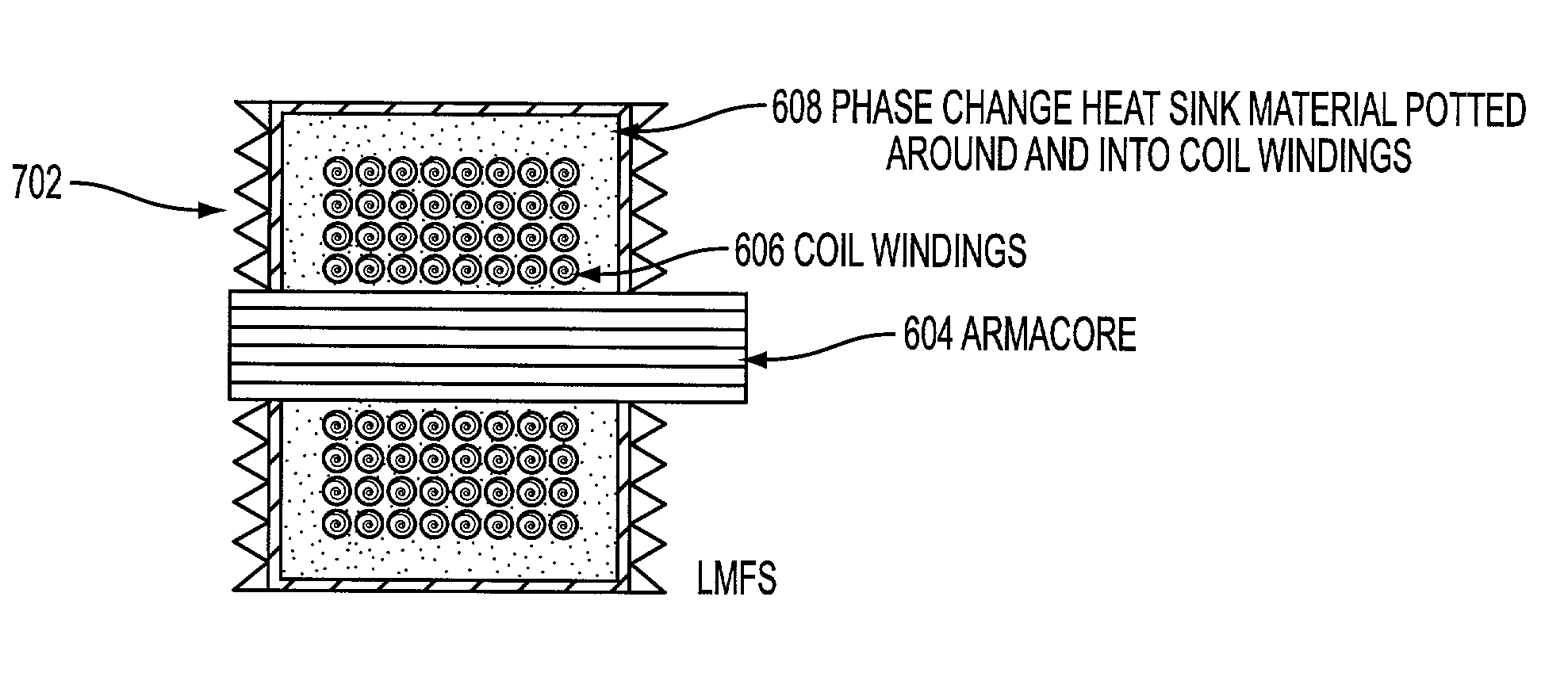
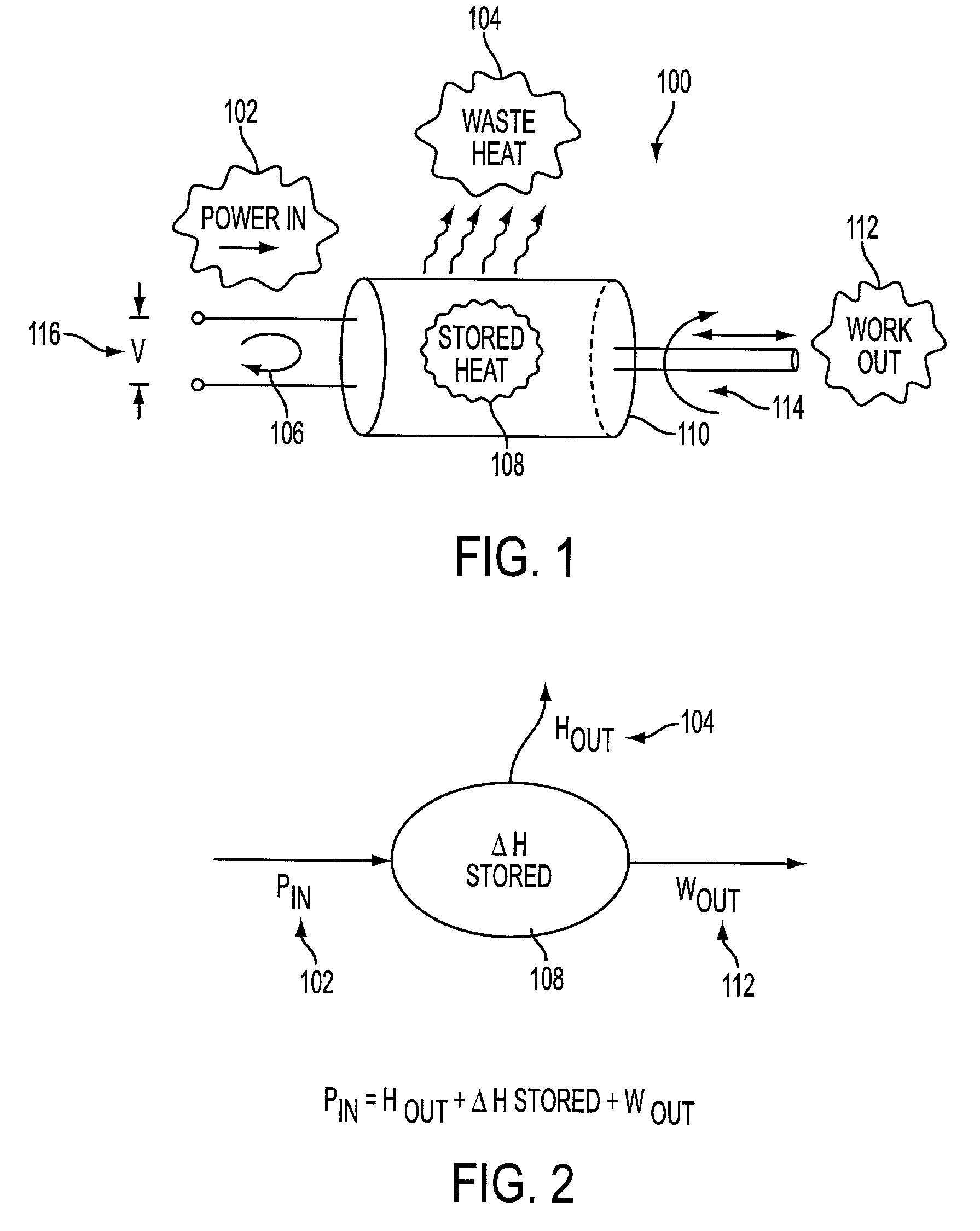
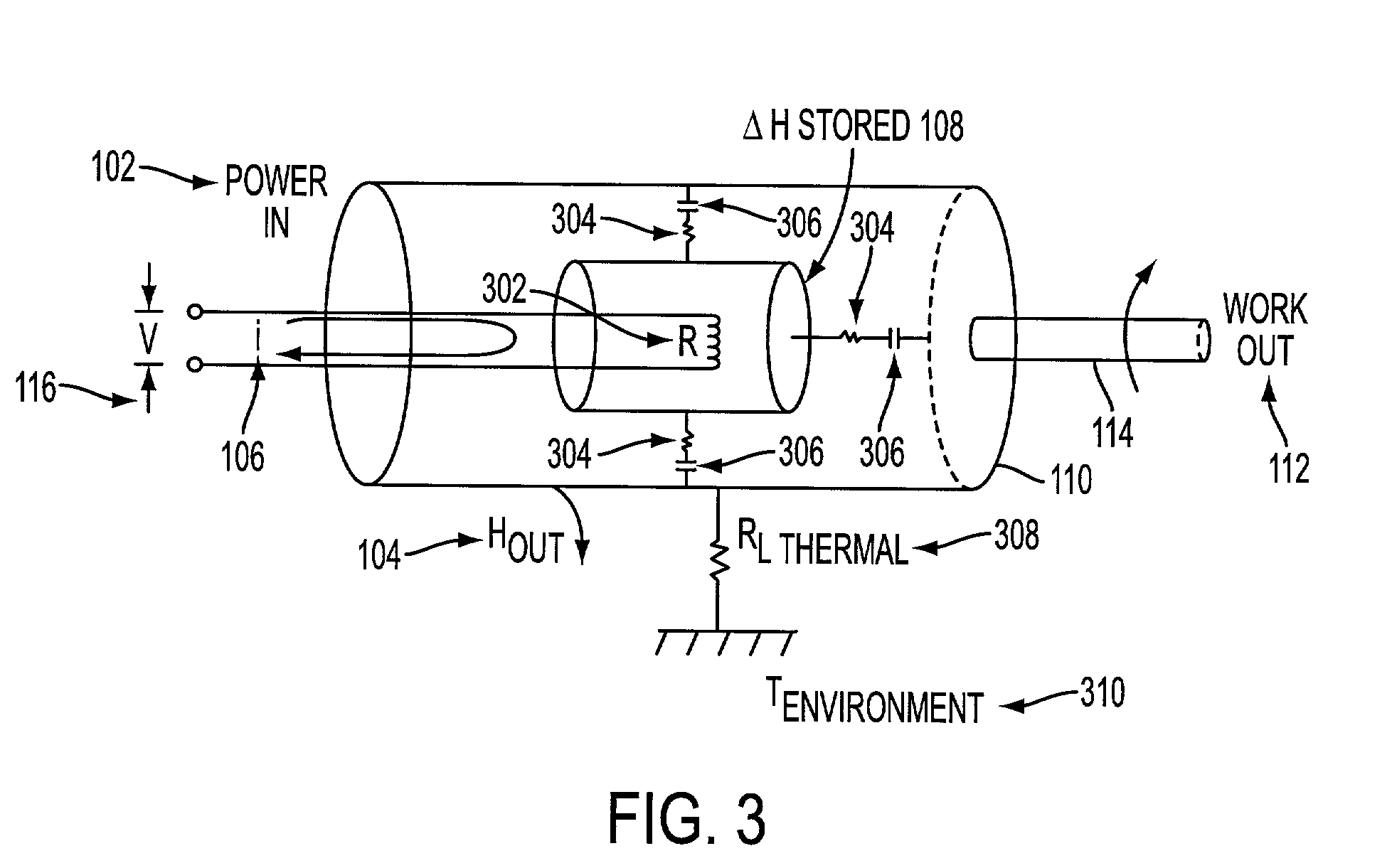
- Incorporating a heat-absorbing phase change material (PCM) in intimate contact with the device to reduce internal temperatures by undergoing an endothermic phase transition within the operational temperature range, either externally affixed or internally potted around coil windings, absorbing waste heat without further temperature rise.

Devices for Modulation of Temperature and Light Based on Phase Change Materials
PatentActiveUS20140196868A1
Innovation
- Development of containment vessels with high surface-to-area ratios and embedded conductive meshes or structures that enhance thermal conductivity, allowing PCMs to be directly exposed to air and visually observable, enabling reconfiguration and optimal thermal management within buildings.


Energy Efficiency Standards and PCM Regulations
The deployment of Phase Change Materials (PCM) for temperature spike mitigation operates within a complex regulatory framework that encompasses both energy efficiency standards and material-specific regulations. Current energy efficiency standards, including ASHRAE 90.1 in North America and the Energy Performance of Buildings Directive (EPBD) in Europe, increasingly recognize thermal energy storage systems as viable solutions for reducing peak cooling loads and overall energy consumption.
Building codes and standards are evolving to accommodate PCM integration, with organizations like ASTM International developing specific testing protocols for PCM performance evaluation. ASTM C1784 provides standardized methods for measuring thermal storage capacity, while ASTM E3012 addresses the long-term cycling stability of PCMs. These standards establish baseline requirements for PCM products used in building applications, ensuring consistent performance metrics across different manufacturers and applications.
Fire safety regulations present significant considerations for PCM deployment, particularly for organic PCMs that may pose combustibility risks. The International Building Code (IBC) and National Fire Protection Association (NFPA) standards require comprehensive fire testing and certification for PCM products used in occupied spaces. Encapsulation materials must meet flame spread and smoke development requirements, often necessitating the use of fire-retardant additives or inorganic PCM alternatives.
Environmental regulations increasingly favor PCM technologies due to their potential for reducing greenhouse gas emissions through decreased HVAC energy consumption. The European Union's F-Gas Regulation and similar refrigerant phase-down policies create market incentives for passive cooling solutions like PCMs. Additionally, green building certification programs such as LEED and BREEAM award credits for innovative thermal management systems that demonstrate measurable energy savings.
Material safety regulations govern the handling, installation, and disposal of PCM products. The Registration, Evaluation, Authorization and Restriction of Chemicals (REACH) regulation in Europe requires comprehensive safety data for PCM formulations, while the Toxic Substances Control Act (TSCA) provides similar oversight in the United States. These regulations ensure that PCM products meet safety standards for indoor air quality and occupant health, particularly important for applications in residential and commercial buildings where human exposure is a primary concern.
Building codes and standards are evolving to accommodate PCM integration, with organizations like ASTM International developing specific testing protocols for PCM performance evaluation. ASTM C1784 provides standardized methods for measuring thermal storage capacity, while ASTM E3012 addresses the long-term cycling stability of PCMs. These standards establish baseline requirements for PCM products used in building applications, ensuring consistent performance metrics across different manufacturers and applications.
Fire safety regulations present significant considerations for PCM deployment, particularly for organic PCMs that may pose combustibility risks. The International Building Code (IBC) and National Fire Protection Association (NFPA) standards require comprehensive fire testing and certification for PCM products used in occupied spaces. Encapsulation materials must meet flame spread and smoke development requirements, often necessitating the use of fire-retardant additives or inorganic PCM alternatives.
Environmental regulations increasingly favor PCM technologies due to their potential for reducing greenhouse gas emissions through decreased HVAC energy consumption. The European Union's F-Gas Regulation and similar refrigerant phase-down policies create market incentives for passive cooling solutions like PCMs. Additionally, green building certification programs such as LEED and BREEAM award credits for innovative thermal management systems that demonstrate measurable energy savings.
Material safety regulations govern the handling, installation, and disposal of PCM products. The Registration, Evaluation, Authorization and Restriction of Chemicals (REACH) regulation in Europe requires comprehensive safety data for PCM formulations, while the Toxic Substances Control Act (TSCA) provides similar oversight in the United States. These regulations ensure that PCM products meet safety standards for indoor air quality and occupant health, particularly important for applications in residential and commercial buildings where human exposure is a primary concern.
Environmental Impact of PCM Material Selection
The environmental implications of PCM material selection for temperature spike mitigation applications represent a critical consideration that extends far beyond immediate thermal performance metrics. The lifecycle environmental impact varies dramatically across different PCM categories, with organic, inorganic, and eutectic materials each presenting distinct ecological footprints during production, deployment, and end-of-life phases.
Organic PCMs, particularly paraffin-based materials, derive from petroleum sources and carry substantial carbon footprints during extraction and refinement processes. However, their relatively stable chemical composition and potential for recycling through remelting processes can offset initial environmental costs over extended operational periods. Bio-based organic PCMs, such as fatty acids and plant-derived esters, offer significantly reduced environmental impact during production but may present challenges in terms of material consistency and long-term stability.
Inorganic PCMs, including salt hydrates and metallic alloys, typically require energy-intensive manufacturing processes involving high-temperature synthesis and purification steps. The mining and processing of raw materials for these compounds often result in significant environmental disruption and greenhouse gas emissions. Nevertheless, their exceptional durability and thermal cycling stability can justify the initial environmental investment through decades of reliable operation without material degradation.
The manufacturing phase environmental impact encompasses energy consumption during synthesis, chemical processing waste generation, and transportation emissions from raw material sourcing. Salt hydrates generally demonstrate lower production energy requirements compared to engineered organic compounds, while eutectic mixtures may require additional processing steps that increase overall environmental burden.
End-of-life considerations reveal stark differences between PCM categories. Organic materials face challenges related to hydrocarbon waste management and potential soil contamination, while inorganic PCMs may contribute to heavy metal accumulation in disposal sites. However, many inorganic PCMs offer superior recyclability through standard metallurgical processes, enabling material recovery and reuse in subsequent applications.
Packaging and encapsulation materials significantly amplify the environmental impact of PCM deployment systems. Polymer containers, metallic housings, and composite encapsulation systems each contribute additional environmental burdens that must be evaluated alongside the core PCM material selection. The integration of sustainable packaging solutions becomes essential for minimizing the overall ecological footprint of temperature spike mitigation systems.
Organic PCMs, particularly paraffin-based materials, derive from petroleum sources and carry substantial carbon footprints during extraction and refinement processes. However, their relatively stable chemical composition and potential for recycling through remelting processes can offset initial environmental costs over extended operational periods. Bio-based organic PCMs, such as fatty acids and plant-derived esters, offer significantly reduced environmental impact during production but may present challenges in terms of material consistency and long-term stability.
Inorganic PCMs, including salt hydrates and metallic alloys, typically require energy-intensive manufacturing processes involving high-temperature synthesis and purification steps. The mining and processing of raw materials for these compounds often result in significant environmental disruption and greenhouse gas emissions. Nevertheless, their exceptional durability and thermal cycling stability can justify the initial environmental investment through decades of reliable operation without material degradation.
The manufacturing phase environmental impact encompasses energy consumption during synthesis, chemical processing waste generation, and transportation emissions from raw material sourcing. Salt hydrates generally demonstrate lower production energy requirements compared to engineered organic compounds, while eutectic mixtures may require additional processing steps that increase overall environmental burden.
End-of-life considerations reveal stark differences between PCM categories. Organic materials face challenges related to hydrocarbon waste management and potential soil contamination, while inorganic PCMs may contribute to heavy metal accumulation in disposal sites. However, many inorganic PCMs offer superior recyclability through standard metallurgical processes, enabling material recovery and reuse in subsequent applications.
Packaging and encapsulation materials significantly amplify the environmental impact of PCM deployment systems. Polymer containers, metallic housings, and composite encapsulation systems each contribute additional environmental burdens that must be evaluated alongside the core PCM material selection. The integration of sustainable packaging solutions becomes essential for minimizing the overall ecological footprint of temperature spike mitigation systems.
Unlock deeper insights with PatSnap Eureka Quick Research — get a full tech report to explore trends and direct your research. Try now!
Generate Your Research Report Instantly with AI Agent
Supercharge your innovation with PatSnap Eureka AI Agent Platform!