

How to Scale PCM Solutions For Large-Scale Implementations
FEB 26, 20269 MIN READ
Generate Your Research Report Instantly with AI Agent
PatSnap Eureka helps you evaluate technical feasibility & market potential.
PCM Technology Background and Scaling Objectives
Phase Change Materials (PCM) technology represents a sophisticated thermal energy storage solution that leverages the latent heat absorption and release properties during material phase transitions. Originally developed for aerospace applications in the 1960s, PCM technology has evolved significantly over the past six decades, transitioning from specialized military and space applications to broader commercial and industrial implementations. The fundamental principle relies on materials that can store and release substantial amounts of thermal energy during melting and solidification processes, typically operating within specific temperature ranges that align with target applications.
The evolution of PCM technology has progressed through distinct phases, beginning with paraffin-based organic compounds, advancing to salt hydrates and eutectic mixtures, and recently incorporating advanced microencapsulation techniques and composite materials. Early implementations focused primarily on small-scale applications such as thermal regulation in electronics and building materials. However, the growing emphasis on energy efficiency and renewable energy integration has catalyzed demand for large-scale PCM deployments across industrial processes, district cooling systems, and grid-scale energy storage facilities.
Contemporary PCM applications face unprecedented scaling challenges as market demands shift toward megawatt-hour storage capacities and industrial-grade thermal management systems. Traditional small-scale PCM solutions, while technically proven, encounter significant obstacles when scaled to large implementations including heat transfer limitations, material containment complexities, and economic viability concerns. The transition from laboratory-scale demonstrations to commercial-scale deployments requires fundamental reconsideration of material selection, system architecture, and integration methodologies.
Current scaling objectives center on achieving cost-effective thermal energy storage densities exceeding 100 kWh per cubic meter while maintaining cycle stability over 10,000 charge-discharge cycles. Industry targets include reducing installed costs below $50 per kWh of thermal storage capacity and developing modular systems capable of seamless capacity expansion from hundreds of kilowatts to multiple megawatts. Additionally, scaling objectives encompass improving heat transfer rates through advanced heat exchanger designs and developing standardized PCM modules that enable rapid deployment across diverse applications.
The strategic importance of PCM scaling extends beyond individual project economics to broader energy system transformation goals. Large-scale PCM implementations are positioned to enable greater renewable energy penetration by providing thermal storage for concentrated solar power plants, industrial waste heat recovery systems, and seasonal energy storage applications that complement existing battery storage technologies.
The evolution of PCM technology has progressed through distinct phases, beginning with paraffin-based organic compounds, advancing to salt hydrates and eutectic mixtures, and recently incorporating advanced microencapsulation techniques and composite materials. Early implementations focused primarily on small-scale applications such as thermal regulation in electronics and building materials. However, the growing emphasis on energy efficiency and renewable energy integration has catalyzed demand for large-scale PCM deployments across industrial processes, district cooling systems, and grid-scale energy storage facilities.
Contemporary PCM applications face unprecedented scaling challenges as market demands shift toward megawatt-hour storage capacities and industrial-grade thermal management systems. Traditional small-scale PCM solutions, while technically proven, encounter significant obstacles when scaled to large implementations including heat transfer limitations, material containment complexities, and economic viability concerns. The transition from laboratory-scale demonstrations to commercial-scale deployments requires fundamental reconsideration of material selection, system architecture, and integration methodologies.
Current scaling objectives center on achieving cost-effective thermal energy storage densities exceeding 100 kWh per cubic meter while maintaining cycle stability over 10,000 charge-discharge cycles. Industry targets include reducing installed costs below $50 per kWh of thermal storage capacity and developing modular systems capable of seamless capacity expansion from hundreds of kilowatts to multiple megawatts. Additionally, scaling objectives encompass improving heat transfer rates through advanced heat exchanger designs and developing standardized PCM modules that enable rapid deployment across diverse applications.
The strategic importance of PCM scaling extends beyond individual project economics to broader energy system transformation goals. Large-scale PCM implementations are positioned to enable greater renewable energy penetration by providing thermal storage for concentrated solar power plants, industrial waste heat recovery systems, and seasonal energy storage applications that complement existing battery storage technologies.
Market Demand for Large-Scale PCM Applications
The global demand for large-scale Phase Change Material (PCM) applications has experienced substantial growth across multiple industrial sectors, driven by increasing energy efficiency requirements and sustainability mandates. Building and construction industries represent the largest market segment, where PCM solutions are integrated into thermal management systems for commercial buildings, data centers, and industrial facilities. The growing emphasis on reducing HVAC energy consumption and achieving net-zero building certifications has created significant market pull for scalable PCM technologies.
Industrial process cooling and thermal regulation applications constitute another major demand driver. Manufacturing facilities, particularly in electronics, pharmaceuticals, and chemical processing, require consistent temperature control at scale. Traditional cooling systems face efficiency limitations and high operational costs, creating opportunities for PCM-based thermal management solutions that can operate across large industrial installations.
The renewable energy sector presents emerging demand for large-scale PCM implementations, particularly in solar thermal energy storage and grid-scale thermal management systems. As renewable energy deployment accelerates globally, the need for efficient thermal storage solutions that can be scaled to utility-level applications continues to expand. This market segment requires PCM solutions capable of handling massive thermal loads while maintaining cost-effectiveness.
Data center cooling represents a rapidly growing application area, where PCM solutions address the challenge of managing heat loads from high-density server configurations. The exponential growth in cloud computing and edge computing infrastructure has created demand for scalable thermal management solutions that can be deployed across multiple facility locations while reducing energy consumption.
Transportation and logistics sectors are increasingly adopting large-scale PCM applications for temperature-controlled storage and transport. Cold chain management for pharmaceuticals, food products, and other temperature-sensitive goods requires scalable PCM solutions that can maintain consistent thermal performance across extensive distribution networks.
Market demand is further amplified by regulatory pressures and energy efficiency standards that mandate reduced carbon footprints across industries. Government incentives for energy-efficient technologies and building codes requiring advanced thermal management systems continue to drive adoption of large-scale PCM implementations across various sectors.
Industrial process cooling and thermal regulation applications constitute another major demand driver. Manufacturing facilities, particularly in electronics, pharmaceuticals, and chemical processing, require consistent temperature control at scale. Traditional cooling systems face efficiency limitations and high operational costs, creating opportunities for PCM-based thermal management solutions that can operate across large industrial installations.
The renewable energy sector presents emerging demand for large-scale PCM implementations, particularly in solar thermal energy storage and grid-scale thermal management systems. As renewable energy deployment accelerates globally, the need for efficient thermal storage solutions that can be scaled to utility-level applications continues to expand. This market segment requires PCM solutions capable of handling massive thermal loads while maintaining cost-effectiveness.
Data center cooling represents a rapidly growing application area, where PCM solutions address the challenge of managing heat loads from high-density server configurations. The exponential growth in cloud computing and edge computing infrastructure has created demand for scalable thermal management solutions that can be deployed across multiple facility locations while reducing energy consumption.
Transportation and logistics sectors are increasingly adopting large-scale PCM applications for temperature-controlled storage and transport. Cold chain management for pharmaceuticals, food products, and other temperature-sensitive goods requires scalable PCM solutions that can maintain consistent thermal performance across extensive distribution networks.
Market demand is further amplified by regulatory pressures and energy efficiency standards that mandate reduced carbon footprints across industries. Government incentives for energy-efficient technologies and building codes requiring advanced thermal management systems continue to drive adoption of large-scale PCM implementations across various sectors.
Current PCM Implementation Status and Scaling Challenges
Phase Change Material (PCM) technology has experienced significant growth in recent years, with implementations spanning from small-scale residential applications to medium-sized commercial projects. Current deployment patterns reveal a fragmented landscape where most PCM solutions operate at relatively modest scales, typically ranging from individual building applications to district-level energy storage systems. The technology has demonstrated proven effectiveness in thermal energy storage, temperature regulation, and peak load management across various sectors including construction, electronics cooling, and renewable energy integration.
The predominant implementation approach currently relies on modular PCM units that can be incrementally deployed based on specific capacity requirements. Most existing installations utilize encapsulated PCM materials in standardized containers or integrated building components, allowing for controlled thermal cycling and maintenance accessibility. However, these implementations typically serve localized applications with thermal storage capacities ranging from kilowatt-hours to low megawatt-hour scales.
Large-scale PCM deployment faces several critical technical challenges that significantly impact scalability potential. Material degradation over extended thermal cycling represents a primary concern, as PCM performance deterioration accelerates when systems operate continuously at industrial scales. The thermal cycling stability becomes increasingly problematic when managing thousands of charge-discharge cycles annually, leading to reduced phase change efficiency and thermal capacity loss over time.
Heat transfer optimization presents another substantial scaling barrier. While small-scale PCM systems can rely on natural convection and basic heat exchanger designs, large-scale implementations require sophisticated thermal management architectures to ensure uniform temperature distribution across extensive PCM volumes. Inadequate heat transfer design results in thermal stratification, incomplete phase transitions, and significantly reduced overall system efficiency.
System integration complexity escalates dramatically with scale expansion. Large-scale PCM installations must interface with existing industrial thermal systems, power generation facilities, or district energy networks, requiring advanced control systems and real-time monitoring capabilities. The coordination of multiple PCM modules, thermal distribution networks, and load management systems demands sophisticated automation and predictive control algorithms that current implementations often lack.
Economic scaling challenges further complicate large-scale deployment strategies. While PCM material costs have decreased, the infrastructure requirements for large-scale installations including specialized containment systems, heat exchangers, and control equipment create significant capital expenditure barriers. Additionally, the lack of standardized large-scale PCM system designs increases project development costs and extends implementation timelines, limiting commercial viability for many potential applications.
The predominant implementation approach currently relies on modular PCM units that can be incrementally deployed based on specific capacity requirements. Most existing installations utilize encapsulated PCM materials in standardized containers or integrated building components, allowing for controlled thermal cycling and maintenance accessibility. However, these implementations typically serve localized applications with thermal storage capacities ranging from kilowatt-hours to low megawatt-hour scales.
Large-scale PCM deployment faces several critical technical challenges that significantly impact scalability potential. Material degradation over extended thermal cycling represents a primary concern, as PCM performance deterioration accelerates when systems operate continuously at industrial scales. The thermal cycling stability becomes increasingly problematic when managing thousands of charge-discharge cycles annually, leading to reduced phase change efficiency and thermal capacity loss over time.
Heat transfer optimization presents another substantial scaling barrier. While small-scale PCM systems can rely on natural convection and basic heat exchanger designs, large-scale implementations require sophisticated thermal management architectures to ensure uniform temperature distribution across extensive PCM volumes. Inadequate heat transfer design results in thermal stratification, incomplete phase transitions, and significantly reduced overall system efficiency.
System integration complexity escalates dramatically with scale expansion. Large-scale PCM installations must interface with existing industrial thermal systems, power generation facilities, or district energy networks, requiring advanced control systems and real-time monitoring capabilities. The coordination of multiple PCM modules, thermal distribution networks, and load management systems demands sophisticated automation and predictive control algorithms that current implementations often lack.
Economic scaling challenges further complicate large-scale deployment strategies. While PCM material costs have decreased, the infrastructure requirements for large-scale installations including specialized containment systems, heat exchangers, and control equipment create significant capital expenditure barriers. Additionally, the lack of standardized large-scale PCM system designs increases project development costs and extends implementation timelines, limiting commercial viability for many potential applications.
Existing Large-Scale PCM Deployment Solutions
01 Chemical treatment methods for scale prevention in PCM systems
Various chemical treatment approaches can be employed to prevent scale formation in phase change material (PCM) solutions. These methods involve the use of scale inhibitors, dispersants, and chelating agents that prevent mineral precipitation and crystal growth. Chemical additives can modify the crystal structure of scale-forming compounds, keeping them in suspension and preventing adherence to heat transfer surfaces. The treatment can be applied continuously or intermittently depending on the system requirements and water chemistry.- Chemical treatment methods for scale prevention in PCM systems: Various chemical treatment approaches can be employed to prevent scale formation in phase change material (PCM) solutions. These methods involve the addition of scale inhibitors, dispersants, or chelating agents that interfere with crystal nucleation and growth processes. Chemical additives can modify the surface properties of heat transfer equipment and prevent mineral deposits from adhering to system components. The treatment formulations are designed to maintain system efficiency while preventing the accumulation of calcium, magnesium, and other scale-forming compounds.
- Physical and mechanical scale removal techniques: Physical methods for addressing scale buildup include mechanical cleaning, ultrasonic treatment, and electromagnetic water conditioning systems. These approaches work by physically disrupting scale deposits or altering the crystallization behavior of dissolved minerals without introducing chemical additives. Mechanical techniques may involve periodic cleaning cycles, while electromagnetic methods apply fields to modify mineral precipitation patterns. These solutions are particularly useful in systems where chemical treatment is undesirable or where existing scale deposits need to be removed.
- Thermal management and temperature control for scale mitigation: Controlling operating temperatures and thermal cycling patterns can significantly reduce scale formation in PCM systems. By maintaining optimal temperature ranges and avoiding conditions that promote rapid crystallization, scale deposition can be minimized. Temperature management strategies include controlled heating and cooling rates, maintaining uniform temperature distribution, and avoiding temperature extremes that accelerate mineral precipitation. These approaches are often integrated with monitoring systems to detect early signs of scale formation.
- Water treatment and filtration systems: Pre-treatment of water or heat transfer fluids used in PCM systems can prevent scale-forming minerals from entering the system. Filtration, ion exchange, reverse osmosis, and softening processes remove or reduce concentrations of calcium, magnesium, and other hardness-causing ions. These preventive measures address the root cause of scale formation by treating the fluid before it circulates through the PCM system. Multi-stage treatment processes can be customized based on water quality and system requirements.
- Coating and surface modification technologies: Application of specialized coatings or surface treatments to heat exchanger surfaces and system components can create non-stick or scale-resistant surfaces. These modifications alter surface energy, roughness, and chemical properties to prevent scale adhesion and facilitate easier cleaning. Surface treatments may include polymer coatings, ceramic layers, or chemical passivation processes that create barriers between the substrate and scale-forming solutions. Such approaches provide long-term protection and reduce maintenance frequency.
02 Physical and mechanical scale removal techniques
Physical methods for addressing scale buildup include mechanical cleaning, ultrasonic treatment, and electromagnetic water conditioning. These approaches work by physically disrupting scale deposits or preventing their formation through energy application. Mechanical methods may involve periodic cleaning cycles, while electromagnetic and ultrasonic techniques provide continuous scale prevention without chemical addition. These methods are particularly useful in closed-loop PCM systems where chemical treatment may be limited.Expand Specific Solutions03 Heat exchanger design modifications for scale mitigation
Specialized heat exchanger configurations and surface treatments can minimize scale formation in PCM applications. Design modifications include optimized flow patterns, enhanced surface finishes, and materials selection that reduce scale adhesion. Surface coatings and treatments can create hydrophobic or low-energy surfaces that inhibit scale deposition. These design approaches focus on preventing scale accumulation through engineering solutions rather than chemical or mechanical intervention.Expand Specific Solutions04 Water treatment and filtration systems for PCM applications
Pre-treatment of water or heat transfer fluids used in PCM systems can significantly reduce scale formation potential. Filtration systems, ion exchange, reverse osmosis, and softening processes remove scale-forming minerals before they enter the PCM system. These preventive measures address the root cause of scaling by controlling water chemistry and removing problematic ions. Multi-stage treatment processes can be customized based on feed water quality and system requirements.Expand Specific Solutions05 Monitoring and control systems for scale management
Advanced monitoring technologies enable real-time detection and management of scale formation in PCM systems. Sensors and analytical instruments track key parameters such as conductivity, pH, temperature, and turbidity to predict and prevent scaling events. Automated control systems can adjust chemical dosing, flow rates, or cleaning cycles based on monitored conditions. Predictive algorithms and data analytics help optimize maintenance schedules and extend system operational life while minimizing scale-related performance degradation.Expand Specific Solutions
Major PCM Industry Players and Market Leaders
The PCM (Phase Change Memory) solutions market for large-scale implementations is currently in a transitional phase between emerging and growth stages, with significant market potential driven by increasing demand for high-performance, non-volatile memory solutions in data centers and enterprise applications. The technology demonstrates varying maturity levels across different players, with established semiconductor giants like Intel Corp. and IBM leading in advanced PCM development and commercialization efforts. Technology companies such as Huawei Technologies, Google LLC, and Alibaba Group are actively integrating PCM solutions into their cloud infrastructure platforms. Meanwhile, research institutions including Katholieke Universiteit Leuven and Interuniversitair Micro-Electronica Centrum are advancing fundamental PCM technologies. Chinese players like Inspur and various technology firms are rapidly developing competitive solutions, while traditional electronics manufacturers such as Sony Group Corp. and Panasonic Holdings Corp. are exploring PCM applications in consumer and industrial segments, creating a diverse competitive landscape with accelerating technological maturation.
Intel Corp.
Technical Solution: Intel has developed comprehensive PCM scaling solutions through their 3D XPoint technology and Optane memory products. Their approach focuses on multi-level cell architectures that can store multiple bits per cell, significantly increasing storage density for large-scale implementations. Intel's PCM solutions incorporate advanced error correction algorithms and wear leveling techniques to ensure reliability across massive deployments. They have implemented hierarchical memory architectures that combine PCM with traditional DRAM and storage, optimizing performance and cost for enterprise-scale applications. Their manufacturing process leverages existing semiconductor fabrication infrastructure, enabling cost-effective scaling to meet large-volume requirements.
Strengths: Proven manufacturing capabilities and established supply chain infrastructure. Weaknesses: Higher power consumption compared to some emerging alternatives and limited endurance cycles.
Huawei Technologies Co., Ltd.
Technical Solution: Huawei has developed distributed PCM architectures specifically designed for large-scale cloud computing and data center implementations. Their solution integrates PCM modules with advanced thermal management systems and intelligent workload distribution algorithms to optimize performance across massive server farms. The company's approach includes proprietary memory controllers that can dynamically adjust access patterns based on application requirements, ensuring consistent performance even under heavy concurrent loads. Huawei's PCM scaling strategy incorporates machine learning-based predictive maintenance and automated resource allocation, enabling efficient management of thousands of PCM devices simultaneously across their cloud infrastructure platforms.
Strengths: Strong integration with cloud infrastructure and AI-driven optimization capabilities. Weaknesses: Limited global market access due to geopolitical restrictions and dependency on third-party manufacturing.
Core PCM Scaling Technologies and Innovations
Phase change microcapsule having high blending fluidity and high latent heat of phase change, and preparation method thereof
PatentInactiveUS20220134302A1
Innovation
- A method to prepare phase change microcapsules with high blending fluidity and latent heat involves heating an organic phase change material, dispersing agents, and pH adjustment to create an oil-in-water emulsion, followed by filtration and drying, resulting in microcapsules with improved fluidity and latent heat.


Multilayer structure comprising a phase change material layer and method of producing the same
PatentActiveUS20100276657A1
Innovation
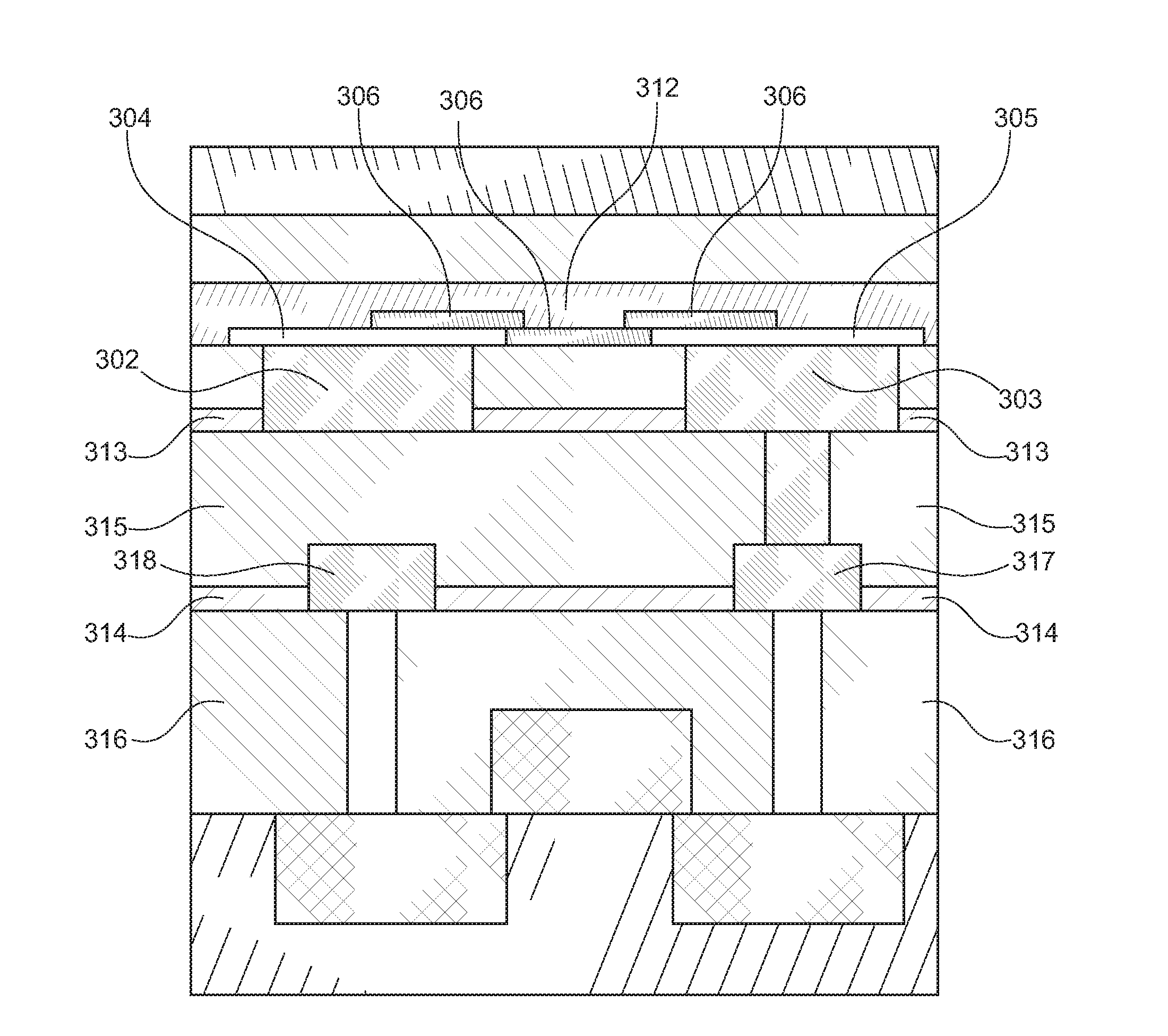
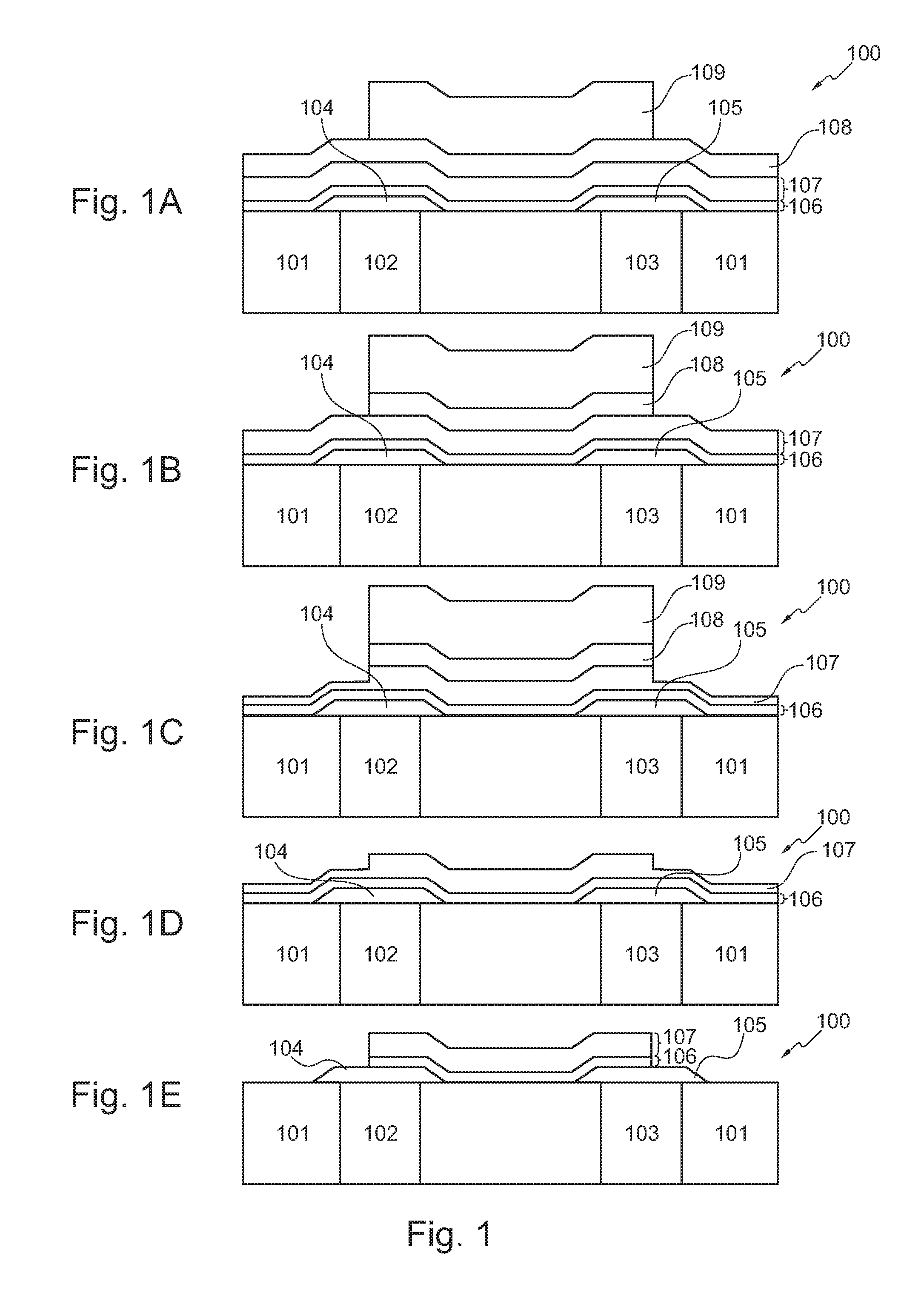
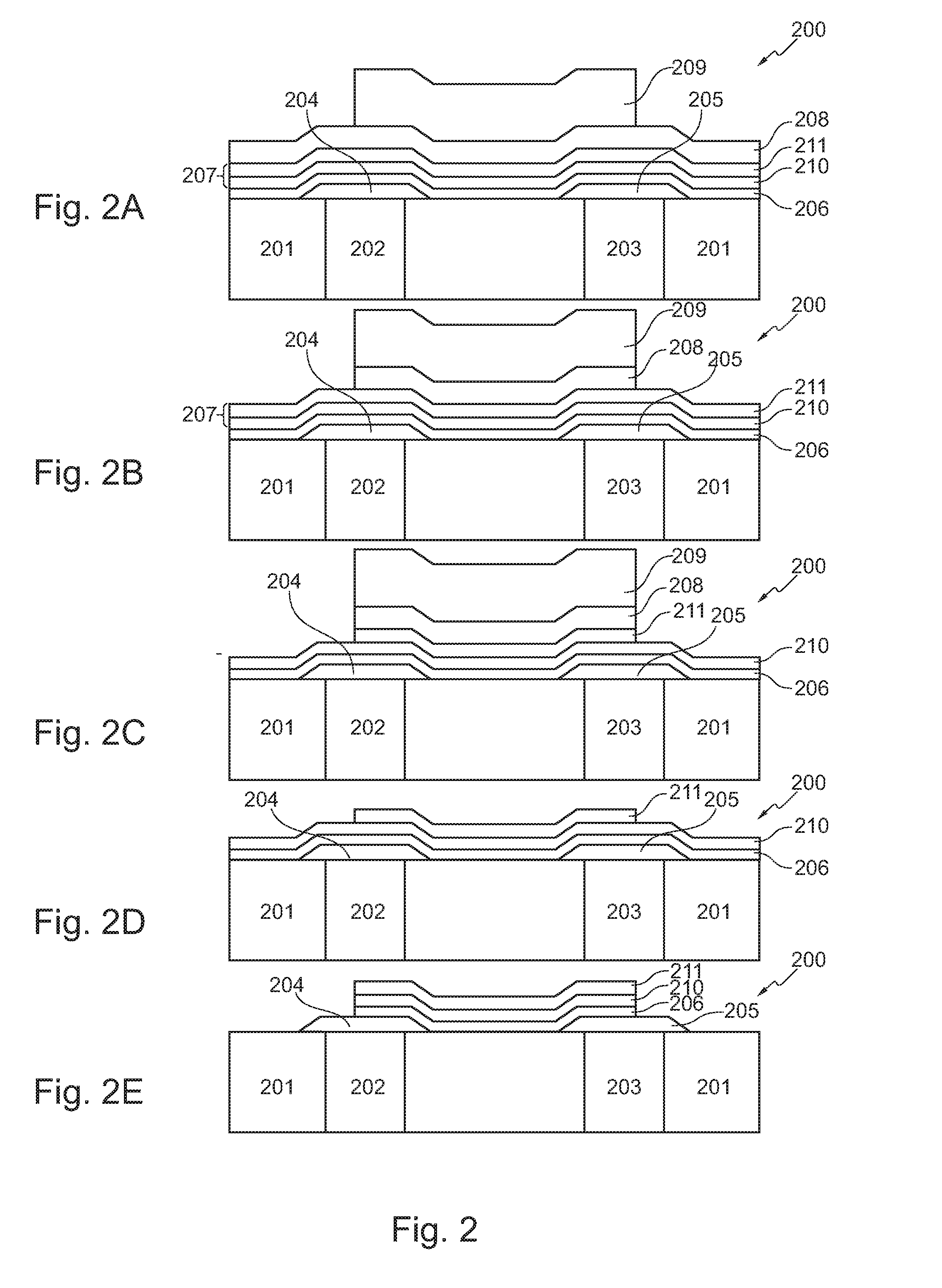
- A multilayer structure comprising a phase change material layer and a protective insulating layer, where the protective layer is used to shield the phase change material from etching chemistries and serves as a mask during patterning, allowing for the use of standard CMOS processes without deteriorating the phase change material, employing a combination of chemical etching and sputter dominated processes for precise patterning.

Manufacturing Standards for Industrial PCM Systems
The establishment of comprehensive manufacturing standards for industrial PCM systems represents a critical foundation for achieving large-scale implementation success. Current industry practices reveal significant variations in production methodologies, quality control protocols, and performance specifications across different manufacturers, creating barriers to widespread adoption and system interoperability.
International standardization bodies, including ISO and ASTM, have begun developing specific guidelines for PCM manufacturing processes. These emerging standards address critical aspects such as material purity requirements, encapsulation techniques, thermal cycling durability, and long-term stability testing protocols. The ISO 23584 series specifically targets phase change materials for thermal energy storage applications, establishing baseline requirements for industrial-grade systems.
Manufacturing quality control presents unique challenges for PCM systems due to the materials' temperature-sensitive nature and complex thermal behavior. Standard protocols now mandate rigorous testing procedures including differential scanning calorimetry validation, thermal conductivity measurements, and accelerated aging tests. These requirements ensure consistent performance characteristics across production batches and different manufacturing facilities.
Encapsulation standardization has emerged as a particularly crucial area, with specifications covering container materials, wall thickness tolerances, and sealing integrity requirements. Standards define acceptable leakage rates, typically below 0.1% annually, and establish testing methodologies for evaluating long-term containment performance under operational thermal cycling conditions.
Production scalability standards address manufacturing process consistency, requiring documented procedures for material handling, mixing protocols, and quality assurance checkpoints. These standards ensure that PCM systems maintain performance specifications when production scales from laboratory quantities to industrial volumes, addressing common issues such as material segregation and thermal property degradation during large-batch processing.
Certification frameworks are being developed to validate compliance with manufacturing standards, providing third-party verification of system performance and reliability. These certification processes include factory audits, batch testing requirements, and ongoing quality monitoring protocols that support large-scale deployment confidence among industrial users and system integrators.
International standardization bodies, including ISO and ASTM, have begun developing specific guidelines for PCM manufacturing processes. These emerging standards address critical aspects such as material purity requirements, encapsulation techniques, thermal cycling durability, and long-term stability testing protocols. The ISO 23584 series specifically targets phase change materials for thermal energy storage applications, establishing baseline requirements for industrial-grade systems.
Manufacturing quality control presents unique challenges for PCM systems due to the materials' temperature-sensitive nature and complex thermal behavior. Standard protocols now mandate rigorous testing procedures including differential scanning calorimetry validation, thermal conductivity measurements, and accelerated aging tests. These requirements ensure consistent performance characteristics across production batches and different manufacturing facilities.
Encapsulation standardization has emerged as a particularly crucial area, with specifications covering container materials, wall thickness tolerances, and sealing integrity requirements. Standards define acceptable leakage rates, typically below 0.1% annually, and establish testing methodologies for evaluating long-term containment performance under operational thermal cycling conditions.
Production scalability standards address manufacturing process consistency, requiring documented procedures for material handling, mixing protocols, and quality assurance checkpoints. These standards ensure that PCM systems maintain performance specifications when production scales from laboratory quantities to industrial volumes, addressing common issues such as material segregation and thermal property degradation during large-batch processing.
Certification frameworks are being developed to validate compliance with manufacturing standards, providing third-party verification of system performance and reliability. These certification processes include factory audits, batch testing requirements, and ongoing quality monitoring protocols that support large-scale deployment confidence among industrial users and system integrators.
Cost-Benefit Analysis of Large-Scale PCM Deployment
The economic viability of large-scale PCM deployment hinges on comprehensive cost-benefit analysis that encompasses both direct and indirect financial implications. Initial capital expenditure represents the most significant barrier, with PCM materials typically costing 2-5 times more than conventional thermal storage solutions. However, this premium must be evaluated against the extended operational lifespan of PCM systems, which can exceed 20-25 years with minimal degradation when properly implemented.
Installation costs scale non-linearly with project size, creating economies of scale that favor large implementations. Projects exceeding 10 MW thermal capacity demonstrate cost reductions of 30-40% per unit compared to smaller installations. This scaling advantage stems from reduced per-unit engineering costs, bulk material procurement benefits, and optimized installation processes that leverage specialized equipment across larger volumes.
Operational benefits manifest through multiple revenue streams and cost savings mechanisms. Energy arbitrage opportunities allow facilities to store thermal energy during off-peak periods and release it during peak demand, potentially generating savings of $50-150 per MWh depending on regional electricity pricing structures. Additionally, demand charge reductions can yield annual savings of $100,000-500,000 for industrial facilities through peak load shaving capabilities.
Maintenance costs remain relatively low throughout the system lifecycle, typically representing 1-2% of initial capital investment annually. PCM systems require minimal mechanical maintenance due to their passive operation characteristics, contrasting favorably with active cooling systems that demand regular servicing and component replacement.
The payback period for large-scale PCM implementations typically ranges from 5-8 years, influenced by local energy costs, regulatory incentives, and application-specific factors. Government incentives and carbon credit programs can accelerate payback timelines by 18-24 months, particularly in jurisdictions with aggressive decarbonization targets.
Risk mitigation benefits provide additional economic value through improved system reliability and reduced insurance premiums. PCM systems enhance thermal stability, reducing equipment stress and extending asset lifespans by 15-25%. This reliability improvement translates to reduced downtime costs and maintenance expenses across connected systems.
Installation costs scale non-linearly with project size, creating economies of scale that favor large implementations. Projects exceeding 10 MW thermal capacity demonstrate cost reductions of 30-40% per unit compared to smaller installations. This scaling advantage stems from reduced per-unit engineering costs, bulk material procurement benefits, and optimized installation processes that leverage specialized equipment across larger volumes.
Operational benefits manifest through multiple revenue streams and cost savings mechanisms. Energy arbitrage opportunities allow facilities to store thermal energy during off-peak periods and release it during peak demand, potentially generating savings of $50-150 per MWh depending on regional electricity pricing structures. Additionally, demand charge reductions can yield annual savings of $100,000-500,000 for industrial facilities through peak load shaving capabilities.
Maintenance costs remain relatively low throughout the system lifecycle, typically representing 1-2% of initial capital investment annually. PCM systems require minimal mechanical maintenance due to their passive operation characteristics, contrasting favorably with active cooling systems that demand regular servicing and component replacement.
The payback period for large-scale PCM implementations typically ranges from 5-8 years, influenced by local energy costs, regulatory incentives, and application-specific factors. Government incentives and carbon credit programs can accelerate payback timelines by 18-24 months, particularly in jurisdictions with aggressive decarbonization targets.
Risk mitigation benefits provide additional economic value through improved system reliability and reduced insurance premiums. PCM systems enhance thermal stability, reducing equipment stress and extending asset lifespans by 15-25%. This reliability improvement translates to reduced downtime costs and maintenance expenses across connected systems.
Unlock deeper insights with PatSnap Eureka Quick Research — get a full tech report to explore trends and direct your research. Try now!
Generate Your Research Report Instantly with AI Agent
Supercharge your innovation with PatSnap Eureka AI Agent Platform!