How to Determine Multi Point Constraint Load Capacity
MAR 13, 20269 MIN READ
Generate Your Research Report Instantly with AI Agent
Patsnap Eureka helps you evaluate technical feasibility & market potential.
Multi Point Constraint Load Capacity Background and Objectives
Multi-point constraint systems represent a fundamental challenge in structural engineering and mechanical design, where multiple connection points must simultaneously bear and distribute loads while maintaining structural integrity. These systems are prevalent across diverse applications, from aerospace structures and automotive chassis to civil engineering frameworks and industrial machinery. The complexity arises from the interdependent nature of load distribution among multiple constraint points, where failure at one location can cascade throughout the entire system.
The evolution of multi-point constraint analysis has been driven by increasing demands for lightweight yet robust structures, particularly in industries where weight optimization directly impacts performance and efficiency. Traditional single-point or simple multi-point systems have given way to complex networks of interconnected constraints, necessitating sophisticated analytical approaches to predict load capacity accurately.
Historical development in this field began with classical structural analysis methods in the early 20th century, progressing through finite element analysis in the 1960s, and advancing to modern computational approaches incorporating nonlinear behavior, material plasticity, and dynamic loading conditions. The integration of advanced materials such as composites and smart materials has further complicated the analysis, requiring new methodologies to account for anisotropic properties and time-dependent behaviors.
Current technological objectives focus on developing predictive models that can accurately determine load capacity while accounting for factors such as load redistribution, stress concentration effects, and progressive failure mechanisms. The primary goal is to establish reliable methodologies that enable engineers to optimize constraint configurations for maximum load capacity while ensuring adequate safety margins.
The strategic importance of this technology extends beyond individual applications to encompass broader engineering challenges including sustainability through material optimization, enhanced safety through better failure prediction, and improved performance through intelligent load distribution. As structures become increasingly complex and performance requirements more stringent, the ability to accurately determine multi-point constraint load capacity becomes critical for advancing engineering capabilities across multiple industries.
The evolution of multi-point constraint analysis has been driven by increasing demands for lightweight yet robust structures, particularly in industries where weight optimization directly impacts performance and efficiency. Traditional single-point or simple multi-point systems have given way to complex networks of interconnected constraints, necessitating sophisticated analytical approaches to predict load capacity accurately.
Historical development in this field began with classical structural analysis methods in the early 20th century, progressing through finite element analysis in the 1960s, and advancing to modern computational approaches incorporating nonlinear behavior, material plasticity, and dynamic loading conditions. The integration of advanced materials such as composites and smart materials has further complicated the analysis, requiring new methodologies to account for anisotropic properties and time-dependent behaviors.
Current technological objectives focus on developing predictive models that can accurately determine load capacity while accounting for factors such as load redistribution, stress concentration effects, and progressive failure mechanisms. The primary goal is to establish reliable methodologies that enable engineers to optimize constraint configurations for maximum load capacity while ensuring adequate safety margins.
The strategic importance of this technology extends beyond individual applications to encompass broader engineering challenges including sustainability through material optimization, enhanced safety through better failure prediction, and improved performance through intelligent load distribution. As structures become increasingly complex and performance requirements more stringent, the ability to accurately determine multi-point constraint load capacity becomes critical for advancing engineering capabilities across multiple industries.
Market Demand for Advanced Structural Analysis Solutions
The global structural analysis software market has experienced substantial growth driven by increasing complexity in engineering projects and stringent safety regulations across multiple industries. Aerospace, automotive, civil engineering, and energy sectors represent the primary demand drivers for advanced structural analysis solutions, particularly those capable of handling multi-point constraint load capacity determinations.
Aerospace manufacturers face mounting pressure to optimize aircraft structures while maintaining safety margins, creating significant demand for sophisticated analysis tools. Modern aircraft designs incorporate complex joint configurations and multi-point loading scenarios that require precise constraint modeling capabilities. The industry's shift toward composite materials and lightweight structures has intensified the need for accurate multi-point constraint analysis to predict failure modes and optimize load distribution.
The automotive sector's transition toward electric vehicles has generated new structural challenges, particularly in battery pack integration and crash safety analysis. Multi-point constraint modeling becomes critical when analyzing vehicle frames subjected to various loading conditions simultaneously, including impact forces, thermal expansion, and operational loads. Advanced structural analysis solutions enable manufacturers to reduce physical testing costs while accelerating design validation processes.
Civil engineering projects increasingly demand sophisticated analysis capabilities for complex structures such as cable-stayed bridges, high-rise buildings, and offshore platforms. These structures experience multiple simultaneous loading conditions including wind, seismic, and operational loads applied at various constraint points. The growing emphasis on infrastructure resilience and sustainability has elevated the importance of accurate structural analysis in design optimization and lifecycle assessment.
Energy sector applications, particularly in renewable energy infrastructure, present unique multi-point constraint challenges. Wind turbine foundations, solar panel mounting systems, and offshore wind platforms require detailed analysis of load distribution across multiple connection points under varying environmental conditions. The industry's expansion has created substantial demand for specialized analysis tools capable of handling these complex scenarios.
Regulatory compliance requirements across industries have become increasingly stringent, mandating more comprehensive structural analysis documentation. Building codes, aerospace certification standards, and automotive safety regulations now require detailed multi-point constraint analysis to demonstrate structural integrity under various loading scenarios.
The market shows strong preference for integrated solutions that combine multi-physics capabilities with user-friendly interfaces, enabling engineers to efficiently model complex constraint systems while maintaining accuracy and reliability in their structural assessments.
Aerospace manufacturers face mounting pressure to optimize aircraft structures while maintaining safety margins, creating significant demand for sophisticated analysis tools. Modern aircraft designs incorporate complex joint configurations and multi-point loading scenarios that require precise constraint modeling capabilities. The industry's shift toward composite materials and lightweight structures has intensified the need for accurate multi-point constraint analysis to predict failure modes and optimize load distribution.
The automotive sector's transition toward electric vehicles has generated new structural challenges, particularly in battery pack integration and crash safety analysis. Multi-point constraint modeling becomes critical when analyzing vehicle frames subjected to various loading conditions simultaneously, including impact forces, thermal expansion, and operational loads. Advanced structural analysis solutions enable manufacturers to reduce physical testing costs while accelerating design validation processes.
Civil engineering projects increasingly demand sophisticated analysis capabilities for complex structures such as cable-stayed bridges, high-rise buildings, and offshore platforms. These structures experience multiple simultaneous loading conditions including wind, seismic, and operational loads applied at various constraint points. The growing emphasis on infrastructure resilience and sustainability has elevated the importance of accurate structural analysis in design optimization and lifecycle assessment.
Energy sector applications, particularly in renewable energy infrastructure, present unique multi-point constraint challenges. Wind turbine foundations, solar panel mounting systems, and offshore wind platforms require detailed analysis of load distribution across multiple connection points under varying environmental conditions. The industry's expansion has created substantial demand for specialized analysis tools capable of handling these complex scenarios.
Regulatory compliance requirements across industries have become increasingly stringent, mandating more comprehensive structural analysis documentation. Building codes, aerospace certification standards, and automotive safety regulations now require detailed multi-point constraint analysis to demonstrate structural integrity under various loading scenarios.
The market shows strong preference for integrated solutions that combine multi-physics capabilities with user-friendly interfaces, enabling engineers to efficiently model complex constraint systems while maintaining accuracy and reliability in their structural assessments.
Current State and Challenges in MPC Load Determination
Multi-point constraint (MPC) load capacity determination represents a critical challenge in modern structural engineering and computational mechanics. Current methodologies primarily rely on finite element analysis (FEA) approaches, where engineers establish constraint equations linking degrees of freedom across multiple nodes or connection points. However, existing analytical frameworks often struggle with the complex interdependencies between constraint points, particularly when dealing with non-linear material behaviors and dynamic loading conditions.
The predominant approach involves matrix-based formulations where constraint forces are distributed according to predefined stiffness relationships. Traditional methods assume linear elastic behavior and employ penalty methods or Lagrange multipliers to enforce constraints. These conventional techniques face significant limitations when applied to real-world scenarios involving large deformations, material plasticity, or time-dependent loading patterns.
Contemporary computational tools demonstrate varying degrees of accuracy in MPC load prediction. Commercial software packages like ANSYS, Abaqus, and Nastran implement different algorithmic approaches, yet convergence issues frequently arise in complex multi-constraint scenarios. The lack of standardized validation protocols across different software platforms creates inconsistencies in load capacity predictions, particularly for structures with intricate constraint topologies.
Experimental validation remains a substantial bottleneck in MPC load determination. Physical testing of multi-constraint systems requires sophisticated instrumentation capable of simultaneously measuring forces and displacements at multiple points. Current sensor technologies often lack the precision needed to capture the subtle load redistribution patterns that occur during constraint activation and failure progression.
The integration of uncertainty quantification into MPC analysis presents another significant challenge. Manufacturing tolerances, material property variations, and installation imperfections can substantially influence actual load capacity compared to theoretical predictions. Existing probabilistic methods struggle to efficiently propagate these uncertainties through complex constraint networks.
Computational efficiency constraints limit the practical application of high-fidelity MPC models. Real-time load monitoring systems require rapid calculation capabilities that current detailed analytical methods cannot provide. This computational burden becomes particularly problematic in adaptive structures where constraint configurations may change dynamically based on operational requirements.
The absence of comprehensive failure criteria specifically tailored for multi-constraint systems represents a fundamental gap in current methodologies. Traditional failure theories developed for single-point loading scenarios inadequately capture the complex stress states and failure modes characteristic of MPC systems, necessitating the development of specialized assessment frameworks.
The predominant approach involves matrix-based formulations where constraint forces are distributed according to predefined stiffness relationships. Traditional methods assume linear elastic behavior and employ penalty methods or Lagrange multipliers to enforce constraints. These conventional techniques face significant limitations when applied to real-world scenarios involving large deformations, material plasticity, or time-dependent loading patterns.
Contemporary computational tools demonstrate varying degrees of accuracy in MPC load prediction. Commercial software packages like ANSYS, Abaqus, and Nastran implement different algorithmic approaches, yet convergence issues frequently arise in complex multi-constraint scenarios. The lack of standardized validation protocols across different software platforms creates inconsistencies in load capacity predictions, particularly for structures with intricate constraint topologies.
Experimental validation remains a substantial bottleneck in MPC load determination. Physical testing of multi-constraint systems requires sophisticated instrumentation capable of simultaneously measuring forces and displacements at multiple points. Current sensor technologies often lack the precision needed to capture the subtle load redistribution patterns that occur during constraint activation and failure progression.
The integration of uncertainty quantification into MPC analysis presents another significant challenge. Manufacturing tolerances, material property variations, and installation imperfections can substantially influence actual load capacity compared to theoretical predictions. Existing probabilistic methods struggle to efficiently propagate these uncertainties through complex constraint networks.
Computational efficiency constraints limit the practical application of high-fidelity MPC models. Real-time load monitoring systems require rapid calculation capabilities that current detailed analytical methods cannot provide. This computational burden becomes particularly problematic in adaptive structures where constraint configurations may change dynamically based on operational requirements.
The absence of comprehensive failure criteria specifically tailored for multi-constraint systems represents a fundamental gap in current methodologies. Traditional failure theories developed for single-point loading scenarios inadequately capture the complex stress states and failure modes characteristic of MPC systems, necessitating the development of specialized assessment frameworks.
Existing MPC Load Capacity Calculation Approaches
01 Structural reinforcement design for multi-point constraint systems
This approach focuses on optimizing the structural design of components to enhance load capacity under multi-point constraint conditions. The design incorporates reinforced connection points, load distribution mechanisms, and structural elements that can withstand forces applied at multiple constraint locations simultaneously. The reinforcement strategies include material selection, geometric optimization, and stress distribution analysis to ensure the structure maintains integrity when subjected to loads at various constraint points.- Structural reinforcement design for multi-point constraint systems: This approach focuses on enhancing load capacity through optimized structural reinforcement designs that distribute forces across multiple constraint points. The designs incorporate specific geometric configurations and material arrangements to maximize load-bearing capabilities while maintaining structural integrity. Advanced reinforcement patterns and connection methods are employed to ensure effective load transfer between constraint points.
- Load distribution optimization through constraint point configuration: This technology involves strategic positioning and configuration of multiple constraint points to achieve optimal load distribution. The methods include mathematical modeling and simulation techniques to determine ideal constraint point locations and quantities. The approach considers factors such as stress concentration, load paths, and structural efficiency to maximize overall load capacity.
- Material selection and composition for enhanced constraint performance: This category addresses improving load capacity through advanced material selection and composite structures at constraint points. The solutions involve high-strength materials, composite layering techniques, and material property optimization to withstand higher loads. Special attention is given to fatigue resistance, durability, and long-term performance under multi-point constraint conditions.
- Dynamic load analysis and adaptive constraint systems: This approach incorporates dynamic load monitoring and adaptive constraint mechanisms that respond to varying load conditions. The systems utilize sensors, control algorithms, and adjustable constraint elements to maintain optimal load capacity under different operational scenarios. Real-time load assessment and automatic adjustment capabilities ensure maximum performance and safety.
- Testing and validation methods for multi-point constraint load capacity: This category encompasses specialized testing methodologies and validation procedures for evaluating multi-point constraint load capacity. The methods include experimental setups, simulation protocols, and standardized testing procedures to accurately measure and verify load-bearing capabilities. These approaches ensure reliability and provide data for design optimization and safety certification.
02 Load distribution and balancing mechanisms
These solutions implement mechanisms to distribute and balance loads across multiple constraint points to prevent localized stress concentration and improve overall load capacity. The mechanisms include load transfer systems, force redistribution components, and balancing structures that ensure uniform load sharing among constraint points. This approach helps prevent premature failure at individual constraint locations and maximizes the system's total load-bearing capability.Expand Specific Solutions03 Computational analysis and simulation methods for multi-point constraints
This category involves advanced computational techniques for analyzing and predicting load capacity under multi-point constraint conditions. The methods include finite element analysis, numerical simulation, and optimization algorithms that evaluate stress distribution, deformation patterns, and failure modes. These computational approaches enable engineers to design and validate systems before physical implementation, ensuring adequate load capacity and identifying potential weak points in multi-constraint configurations.Expand Specific Solutions04 Material and joint optimization for constraint points
This approach focuses on optimizing materials and joint designs at constraint locations to enhance load capacity. Solutions include high-strength material selection, composite material applications, and advanced joining techniques that improve the load-bearing capability at constraint points. The optimization considers factors such as material properties, joint geometry, and connection methods to ensure robust performance under multi-point loading conditions.Expand Specific Solutions05 Dynamic and adaptive constraint systems
These systems incorporate dynamic adjustment capabilities and adaptive mechanisms to maintain load capacity under varying constraint conditions. The solutions include adjustable constraint configurations, real-time monitoring systems, and adaptive load management that respond to changing load patterns. This approach enables the system to optimize load distribution dynamically and maintain structural integrity across multiple constraint points under different operating conditions.Expand Specific Solutions
Key Players in Structural Analysis Software Industry
The multi-point constraint load capacity determination technology represents a mature engineering discipline within the broader structural analysis and power systems sectors. The market demonstrates significant scale, particularly driven by infrastructure modernization and smart grid deployments across major economies. Key players exhibit varying technological maturity levels, with established power grid operators like State Grid Corporation of China, China Southern Power Grid, and their regional subsidiaries representing mature implementation capabilities through extensive operational experience. Technology companies such as Huawei Technologies, Siemens AG, and Microsoft Technology Licensing showcase advanced computational and automation solutions. Research institutions including Tsinghua University, China Electric Power Research Institute, and Rice University contribute fundamental algorithmic innovations. The competitive landscape spans from traditional engineering consultancies to AI-driven solution providers like Megvii, indicating industry evolution toward intelligent automation and predictive analytics in constraint load assessment methodologies.
Huawei Technologies Co., Ltd.
Technical Solution: Huawei has developed AI-powered load capacity determination systems that leverage machine learning algorithms to analyze multi-point constraint scenarios. Their solution combines IoT sensors, edge computing, and cloud-based analytics to continuously monitor structural loads and predict capacity limits. The system uses neural networks trained on historical load data and structural response patterns to provide real-time assessments of load capacity across multiple constraint points. Their approach integrates with 5G networks to enable ultra-low latency monitoring and rapid response to changing load conditions, particularly useful in smart infrastructure applications.
Strengths: Advanced AI capabilities and excellent connectivity solutions for real-time monitoring. Weaknesses: Limited proven track record in traditional structural engineering applications compared to specialized firms.
China Electric Power Research Institute Ltd.
Technical Solution: CEPRI has developed specialized methodologies for determining load capacity in electrical grid infrastructure with multi-point constraints. Their approach focuses on power transmission systems where multiple support points and electrical loads create complex constraint scenarios. The institute has created comprehensive calculation frameworks that consider both mechanical loads from conductors and environmental factors like wind and ice loading. Their methods incorporate probabilistic analysis to account for varying load conditions and include safety margins based on extensive field testing and historical performance data.
Strengths: Deep expertise in power system applications with extensive field validation. Weaknesses: Primarily focused on electrical infrastructure, limited applicability to other engineering domains.
Core Innovations in Multi Point Constraint Algorithms
Method for Determining the Load Capacity of Cranes
PatentActiveUS20100250153A1
Innovation
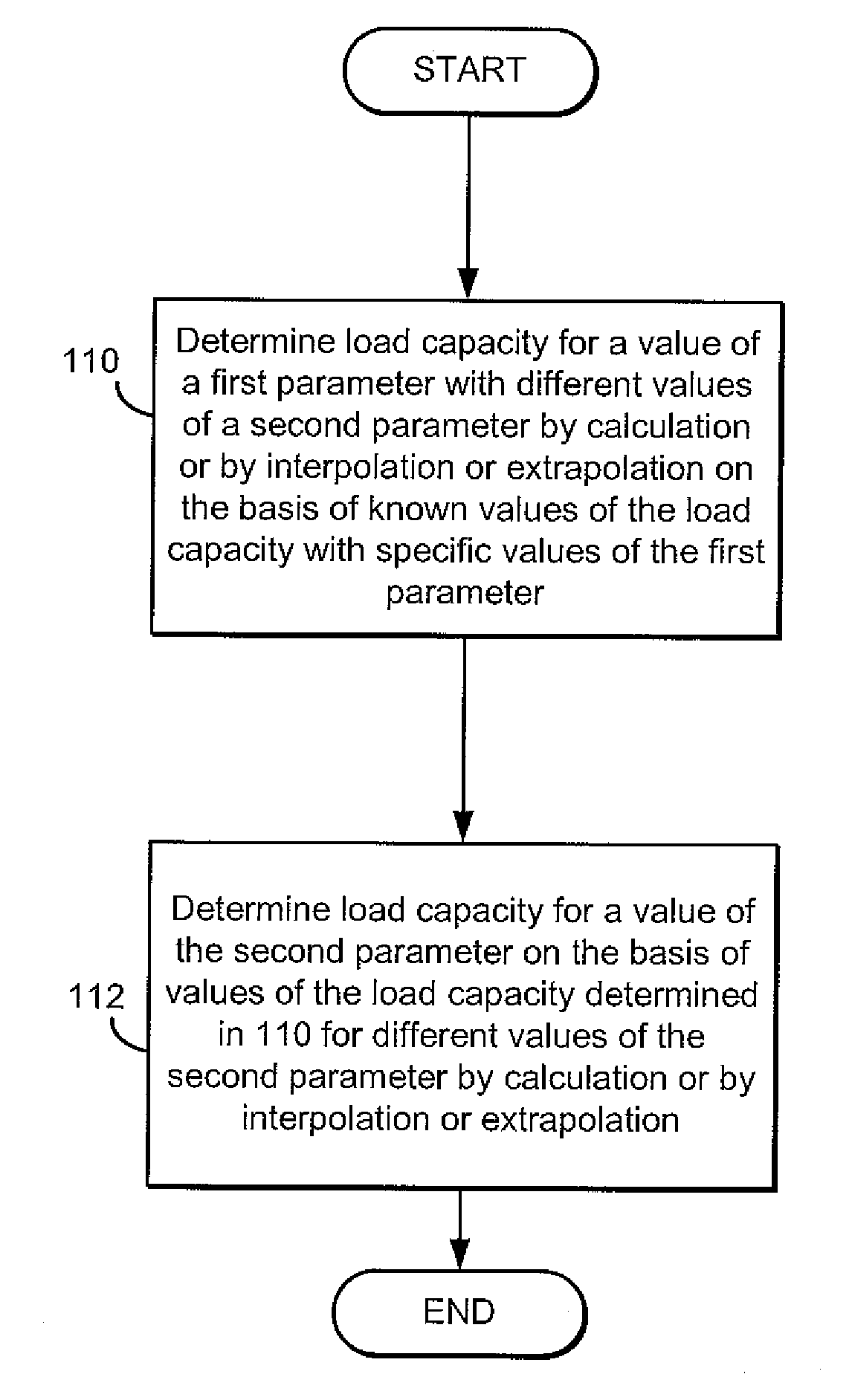
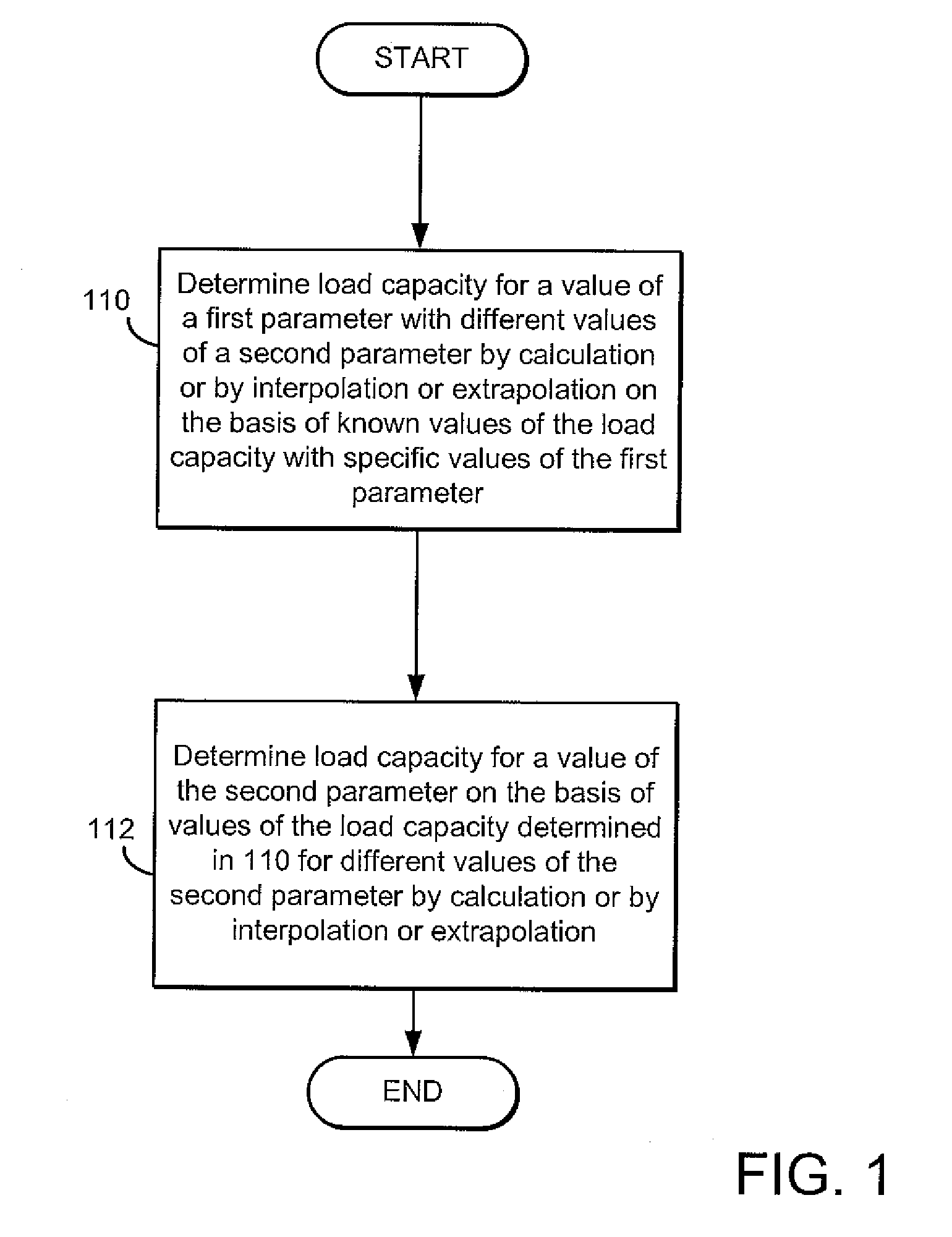
- A method that determines load capacity by interpolation or extrapolation based on known values for specific parameter combinations, allowing for arbitrary parameter values within a range, using a multi-step process to calculate or interpolate load capacity values for various crane parameters such as outreach, boom angle, and ballast, using a small number of support points and potentially aided by sensors for real-time adjustments.
Method for calculating direct current access capability of receiving end power grid with consideration of multiple constraints
PatentActiveCN105048521A
Innovation
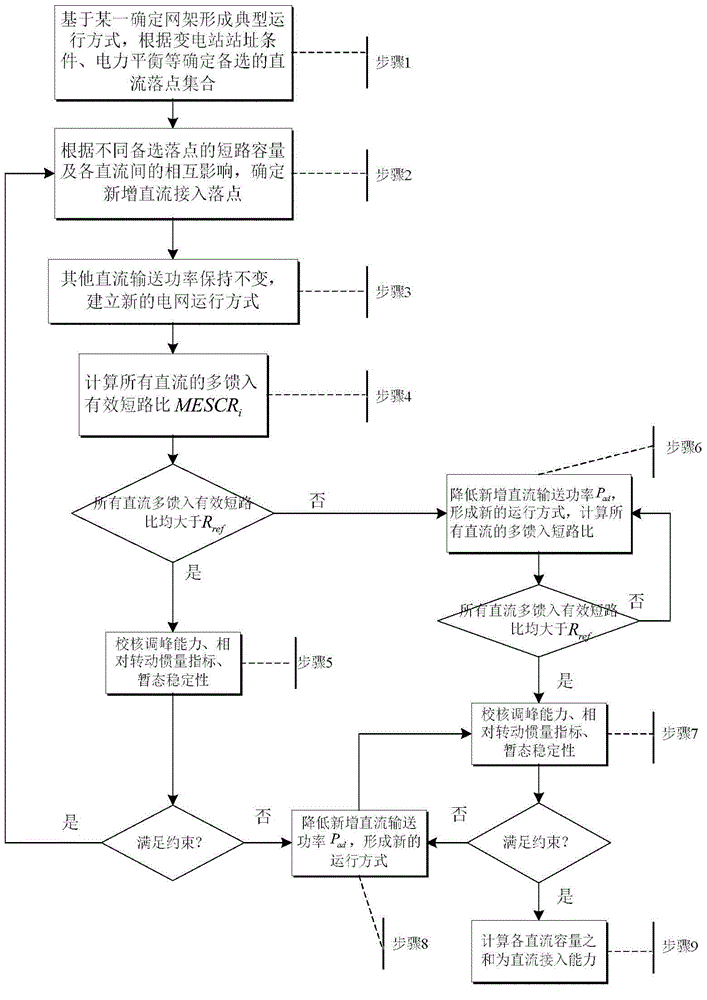
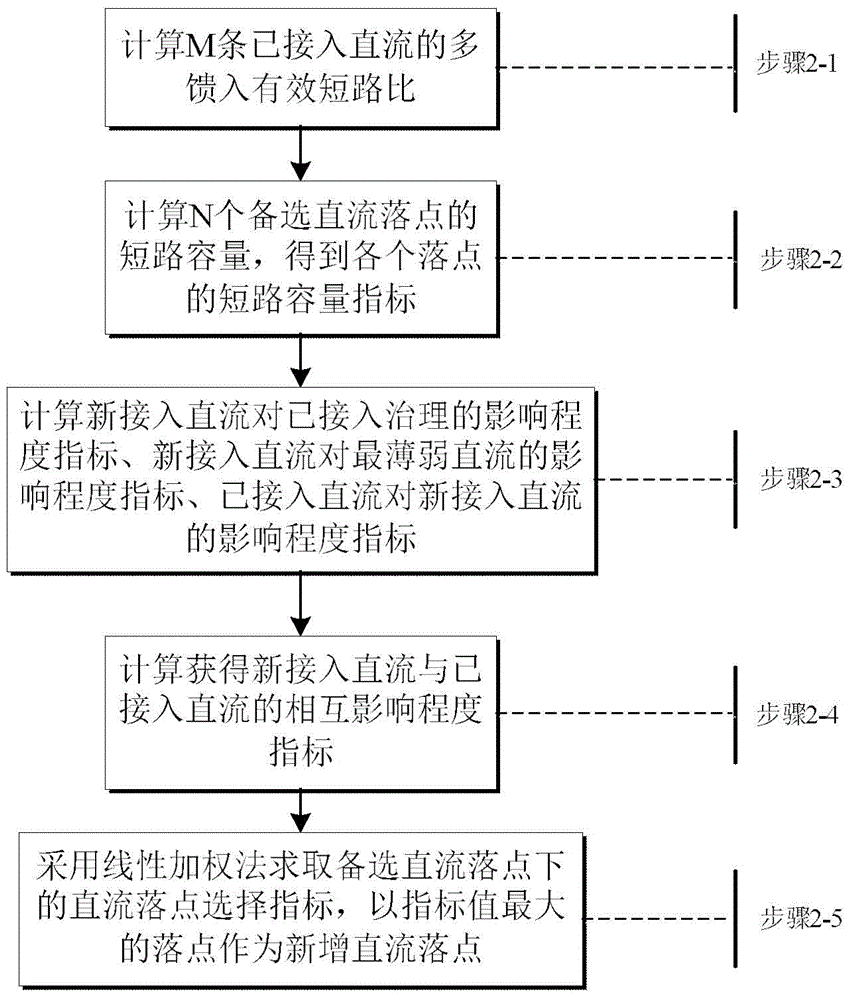
- A method for calculating the DC access capacity of the receiving end power grid that considers multiple constraints is adopted. By determining the set of alternative DC drop points, the DC multi-infeed short-circuit ratio, the power grid's peak shaving capability in valleys, the relative moment of inertia index and the N-1 temporary are comprehensively considered. Iteratively calculates the DC access capability of the receiving end power grid based on multiple constraints such as state stability, and selects appropriate DC placement points to improve the DC power receiving capability of the power grid.


Safety Standards and Regulations for Structural Design
The determination of multi-point constraint load capacity operates within a comprehensive framework of safety standards and regulations that govern structural design practices worldwide. These regulatory frameworks establish fundamental principles for load assessment, material specifications, and safety factors that directly influence how engineers approach multi-point constraint analysis.
International building codes such as the International Building Code (IBC), Eurocode standards, and national specifications like AISC Steel Construction Manual provide detailed methodologies for calculating allowable loads in complex structural systems. These standards mandate specific load combinations, including dead loads, live loads, wind loads, and seismic forces, which must be considered when evaluating multi-point constraint systems. The regulations establish minimum safety factors ranging from 1.5 to 3.0 depending on load types and failure consequences.
Structural design regulations require rigorous documentation of load path analysis in multi-point constraint systems. Engineers must demonstrate compliance with prescribed calculation methods, including finite element analysis validation requirements and peer review protocols. Standards such as ASCE 7 specify load distribution assumptions and connection design criteria that directly impact constraint capacity determination.
Material certification requirements under standards like ASTM and ISO specifications ensure that structural components meet minimum strength and ductility requirements essential for multi-point load distribution. These regulations mandate testing protocols for connection hardware, fasteners, and structural members used in constraint systems.
Safety regulations also establish inspection and monitoring requirements for multi-point constraint systems during construction and service life. Quality assurance protocols defined in standards such as AWS D1.1 for welded connections and RCSC specifications for bolted connections ensure proper installation and long-term performance.
Seismic design provisions in modern building codes significantly influence multi-point constraint capacity calculations, requiring consideration of dynamic load redistribution and progressive collapse resistance. These regulations mandate redundancy in load paths and specify detailing requirements that enhance system robustness under extreme loading conditions.
International building codes such as the International Building Code (IBC), Eurocode standards, and national specifications like AISC Steel Construction Manual provide detailed methodologies for calculating allowable loads in complex structural systems. These standards mandate specific load combinations, including dead loads, live loads, wind loads, and seismic forces, which must be considered when evaluating multi-point constraint systems. The regulations establish minimum safety factors ranging from 1.5 to 3.0 depending on load types and failure consequences.
Structural design regulations require rigorous documentation of load path analysis in multi-point constraint systems. Engineers must demonstrate compliance with prescribed calculation methods, including finite element analysis validation requirements and peer review protocols. Standards such as ASCE 7 specify load distribution assumptions and connection design criteria that directly impact constraint capacity determination.
Material certification requirements under standards like ASTM and ISO specifications ensure that structural components meet minimum strength and ductility requirements essential for multi-point load distribution. These regulations mandate testing protocols for connection hardware, fasteners, and structural members used in constraint systems.
Safety regulations also establish inspection and monitoring requirements for multi-point constraint systems during construction and service life. Quality assurance protocols defined in standards such as AWS D1.1 for welded connections and RCSC specifications for bolted connections ensure proper installation and long-term performance.
Seismic design provisions in modern building codes significantly influence multi-point constraint capacity calculations, requiring consideration of dynamic load redistribution and progressive collapse resistance. These regulations mandate redundancy in load paths and specify detailing requirements that enhance system robustness under extreme loading conditions.
Computational Efficiency Optimization in MPC Analysis
The computational efficiency of Multi Point Constraint (MPC) analysis represents a critical bottleneck in large-scale structural simulations, where traditional direct solution methods often become prohibitively expensive as model complexity increases. Current computational challenges stem from the inherent mathematical complexity of constraint equations, which require simultaneous solution of multiple interdependent systems while maintaining numerical stability and accuracy.
Modern optimization approaches focus on leveraging advanced matrix decomposition techniques, including sparse matrix algorithms and iterative solvers specifically tailored for constraint problems. Block-based decomposition methods have emerged as particularly effective, allowing for parallel processing of independent constraint groups while maintaining global system coherence. These techniques can reduce computational time by up to 60% compared to conventional direct methods in large assemblies.
Adaptive mesh refinement strategies play a crucial role in computational efficiency optimization. By dynamically adjusting mesh density based on constraint load distribution patterns, these methods concentrate computational resources where they are most needed. This selective refinement approach significantly reduces overall computational burden while preserving accuracy in critical constraint regions.
Machine learning integration represents a frontier advancement in MPC computational optimization. Neural network-based surrogate models can predict constraint behavior patterns, enabling rapid preliminary assessments before detailed analysis. These AI-driven approaches show promise in reducing computational iterations by providing intelligent initial condition estimates and identifying potential failure modes early in the analysis process.
Hardware acceleration through GPU computing and specialized processors offers substantial performance improvements for MPC calculations. Parallel computing architectures can exploit the inherently parallel nature of many constraint calculations, achieving speedup factors of 10-50x for appropriately structured problems. Cloud-based distributed computing further extends these capabilities for extremely large-scale analyses.
Future optimization directions include quantum computing applications for constraint optimization problems and advanced preconditioning techniques that leverage problem-specific characteristics. These emerging technologies promise to address current scalability limitations and enable real-time MPC analysis for complex engineering systems.
Modern optimization approaches focus on leveraging advanced matrix decomposition techniques, including sparse matrix algorithms and iterative solvers specifically tailored for constraint problems. Block-based decomposition methods have emerged as particularly effective, allowing for parallel processing of independent constraint groups while maintaining global system coherence. These techniques can reduce computational time by up to 60% compared to conventional direct methods in large assemblies.
Adaptive mesh refinement strategies play a crucial role in computational efficiency optimization. By dynamically adjusting mesh density based on constraint load distribution patterns, these methods concentrate computational resources where they are most needed. This selective refinement approach significantly reduces overall computational burden while preserving accuracy in critical constraint regions.
Machine learning integration represents a frontier advancement in MPC computational optimization. Neural network-based surrogate models can predict constraint behavior patterns, enabling rapid preliminary assessments before detailed analysis. These AI-driven approaches show promise in reducing computational iterations by providing intelligent initial condition estimates and identifying potential failure modes early in the analysis process.
Hardware acceleration through GPU computing and specialized processors offers substantial performance improvements for MPC calculations. Parallel computing architectures can exploit the inherently parallel nature of many constraint calculations, achieving speedup factors of 10-50x for appropriately structured problems. Cloud-based distributed computing further extends these capabilities for extremely large-scale analyses.
Future optimization directions include quantum computing applications for constraint optimization problems and advanced preconditioning techniques that leverage problem-specific characteristics. These emerging technologies promise to address current scalability limitations and enable real-time MPC analysis for complex engineering systems.
Unlock deeper insights with Patsnap Eureka Quick Research — get a full tech report to explore trends and direct your research. Try now!
Generate Your Research Report Instantly with AI Agent
Supercharge your innovation with Patsnap Eureka AI Agent Platform!