How to Implement PEMF Therapy for Workplace Wellness Programs?
AUG 11, 20259 MIN READ
Generate Your Research Report Instantly with AI Agent
Patsnap Eureka helps you evaluate technical feasibility & market potential.
PEMF Therapy Background and Objectives
Pulsed Electromagnetic Field (PEMF) therapy has emerged as a promising non-invasive treatment modality with a rich history dating back to the mid-20th century. Initially developed for bone healing, PEMF therapy has since expanded its applications to various health and wellness domains. The technology leverages the principle that electromagnetic fields can influence cellular behavior and physiological processes within the human body.
In recent years, there has been a growing interest in implementing PEMF therapy within workplace wellness programs. This trend aligns with the increasing focus on employee health and productivity in corporate environments. The primary objective of integrating PEMF therapy into workplace wellness initiatives is to enhance overall employee well-being, reduce stress-related issues, and potentially decrease absenteeism due to health concerns.
The evolution of PEMF technology has seen significant advancements, from bulky, hospital-grade equipment to more compact, user-friendly devices suitable for office environments. This progression has made it increasingly feasible to consider PEMF therapy as a viable component of workplace wellness programs. The technology aims to address a range of common workplace health issues, including musculoskeletal pain, stress-related disorders, and fatigue.
Current research in PEMF therapy indicates potential benefits in improving circulation, reducing inflammation, accelerating tissue repair, and enhancing cellular energy production. These effects could translate into tangible improvements in employee health and productivity. However, it is crucial to note that while PEMF therapy shows promise, its efficacy in workplace settings requires further investigation and validation through rigorous scientific studies.
The implementation of PEMF therapy in workplace wellness programs faces several challenges and considerations. These include the need for proper training of wellness program administrators, ensuring compliance with health and safety regulations, and addressing potential concerns about electromagnetic field exposure in the workplace. Additionally, there is a need to develop standardized protocols for PEMF therapy application that are specifically tailored to office environments and can be easily integrated into existing wellness initiatives.
As the field of workplace wellness continues to evolve, the potential of PEMF therapy to contribute to employee health and organizational productivity becomes increasingly relevant. The technology's non-invasive nature and the growing body of evidence supporting its benefits make it an attractive option for forward-thinking companies looking to enhance their wellness offerings. However, successful implementation will require a careful balance of technological innovation, scientific validation, and practical considerations specific to the workplace environment.
In recent years, there has been a growing interest in implementing PEMF therapy within workplace wellness programs. This trend aligns with the increasing focus on employee health and productivity in corporate environments. The primary objective of integrating PEMF therapy into workplace wellness initiatives is to enhance overall employee well-being, reduce stress-related issues, and potentially decrease absenteeism due to health concerns.
The evolution of PEMF technology has seen significant advancements, from bulky, hospital-grade equipment to more compact, user-friendly devices suitable for office environments. This progression has made it increasingly feasible to consider PEMF therapy as a viable component of workplace wellness programs. The technology aims to address a range of common workplace health issues, including musculoskeletal pain, stress-related disorders, and fatigue.
Current research in PEMF therapy indicates potential benefits in improving circulation, reducing inflammation, accelerating tissue repair, and enhancing cellular energy production. These effects could translate into tangible improvements in employee health and productivity. However, it is crucial to note that while PEMF therapy shows promise, its efficacy in workplace settings requires further investigation and validation through rigorous scientific studies.
The implementation of PEMF therapy in workplace wellness programs faces several challenges and considerations. These include the need for proper training of wellness program administrators, ensuring compliance with health and safety regulations, and addressing potential concerns about electromagnetic field exposure in the workplace. Additionally, there is a need to develop standardized protocols for PEMF therapy application that are specifically tailored to office environments and can be easily integrated into existing wellness initiatives.
As the field of workplace wellness continues to evolve, the potential of PEMF therapy to contribute to employee health and organizational productivity becomes increasingly relevant. The technology's non-invasive nature and the growing body of evidence supporting its benefits make it an attractive option for forward-thinking companies looking to enhance their wellness offerings. However, successful implementation will require a careful balance of technological innovation, scientific validation, and practical considerations specific to the workplace environment.
Workplace Wellness Market Analysis
The workplace wellness market has experienced significant growth in recent years, driven by increasing awareness of employee health and well-being's impact on productivity and overall business performance. As organizations seek innovative solutions to enhance their wellness programs, Pulsed Electromagnetic Field (PEMF) therapy emerges as a promising technology with potential applications in workplace settings.
The global workplace wellness market was valued at $49.8 billion in 2021 and is projected to reach $74.0 billion by 2026, growing at a CAGR of 8.3% during the forecast period. This growth is attributed to factors such as rising healthcare costs, increasing chronic diseases, and a growing emphasis on preventive healthcare measures. North America currently dominates the market, accounting for approximately 37% of the global share, followed by Europe and Asia-Pacific regions.
Within the workplace wellness market, stress management and mental health programs have gained significant traction, especially in the wake of the COVID-19 pandemic. These segments are expected to witness the highest growth rates in the coming years. PEMF therapy, with its potential benefits in stress reduction and overall well-being, aligns well with this trend and could capture a substantial portion of this growing market segment.
Corporate wellness programs are increasingly adopting technology-driven solutions to improve engagement and effectiveness. Wearable devices, mobile apps, and digital platforms have become integral components of many workplace wellness initiatives. The integration of PEMF therapy into these existing technological ecosystems presents an opportunity for market penetration and growth.
The adoption of PEMF therapy in workplace wellness programs varies across industries. Sectors with high-stress environments, such as finance, healthcare, and technology, are more likely to invest in advanced wellness solutions like PEMF therapy. Additionally, companies with a strong focus on employee retention and talent acquisition are more inclined to incorporate innovative wellness technologies to differentiate themselves in the competitive job market.
Challenges in the workplace wellness market include demonstrating clear ROI, ensuring employee privacy, and maintaining long-term engagement. PEMF therapy providers must address these concerns by offering robust data analytics, adhering to strict privacy standards, and developing user-friendly, engaging interfaces for their devices and programs.
As the workplace wellness market continues to evolve, PEMF therapy has the potential to carve out a significant niche. Its non-invasive nature, potential health benefits, and alignment with current market trends position it as an attractive option for organizations looking to enhance their wellness offerings. However, success in this market will depend on factors such as clinical evidence, ease of implementation, and the ability to integrate with existing wellness platforms and corporate cultures.
The global workplace wellness market was valued at $49.8 billion in 2021 and is projected to reach $74.0 billion by 2026, growing at a CAGR of 8.3% during the forecast period. This growth is attributed to factors such as rising healthcare costs, increasing chronic diseases, and a growing emphasis on preventive healthcare measures. North America currently dominates the market, accounting for approximately 37% of the global share, followed by Europe and Asia-Pacific regions.
Within the workplace wellness market, stress management and mental health programs have gained significant traction, especially in the wake of the COVID-19 pandemic. These segments are expected to witness the highest growth rates in the coming years. PEMF therapy, with its potential benefits in stress reduction and overall well-being, aligns well with this trend and could capture a substantial portion of this growing market segment.
Corporate wellness programs are increasingly adopting technology-driven solutions to improve engagement and effectiveness. Wearable devices, mobile apps, and digital platforms have become integral components of many workplace wellness initiatives. The integration of PEMF therapy into these existing technological ecosystems presents an opportunity for market penetration and growth.
The adoption of PEMF therapy in workplace wellness programs varies across industries. Sectors with high-stress environments, such as finance, healthcare, and technology, are more likely to invest in advanced wellness solutions like PEMF therapy. Additionally, companies with a strong focus on employee retention and talent acquisition are more inclined to incorporate innovative wellness technologies to differentiate themselves in the competitive job market.
Challenges in the workplace wellness market include demonstrating clear ROI, ensuring employee privacy, and maintaining long-term engagement. PEMF therapy providers must address these concerns by offering robust data analytics, adhering to strict privacy standards, and developing user-friendly, engaging interfaces for their devices and programs.
As the workplace wellness market continues to evolve, PEMF therapy has the potential to carve out a significant niche. Its non-invasive nature, potential health benefits, and alignment with current market trends position it as an attractive option for organizations looking to enhance their wellness offerings. However, success in this market will depend on factors such as clinical evidence, ease of implementation, and the ability to integrate with existing wellness platforms and corporate cultures.
PEMF Technology Status and Challenges
Pulsed Electromagnetic Field (PEMF) therapy has gained significant attention in recent years as a non-invasive treatment for various health conditions. However, its implementation in workplace wellness programs faces several challenges and opportunities.
The current status of PEMF technology in workplace settings is still in its early stages. While PEMF devices are widely available for personal use, their integration into corporate wellness programs remains limited. This is partly due to the lack of standardized protocols and guidelines for workplace implementation.
One of the primary challenges is the variability in PEMF devices and treatment protocols. Different manufacturers offer a wide range of devices with varying frequencies, intensities, and application methods. This diversity makes it difficult for employers to choose the most appropriate system for their workforce.
Another significant challenge is the need for more robust scientific evidence supporting PEMF's efficacy in improving workplace wellness. While numerous studies have shown positive results for specific health conditions, research specifically targeting workplace applications is still limited. This lack of targeted research makes it challenging for companies to justify the investment in PEMF technology.
The regulatory landscape surrounding PEMF therapy in workplace settings is also a concern. Currently, there are no specific regulations governing the use of PEMF devices in corporate wellness programs. This regulatory uncertainty can make some employers hesitant to adopt the technology.
Despite these challenges, PEMF technology shows promising potential for workplace wellness programs. The non-invasive nature of PEMF therapy and its ability to address various health issues make it an attractive option for employers looking to improve employee well-being.
Advancements in PEMF technology are addressing some of these challenges. Newer devices are becoming more portable and user-friendly, making them more suitable for office environments. Some manufacturers are also developing specialized protocols for workplace use, focusing on issues like stress reduction, improved focus, and musculoskeletal health.
The integration of PEMF therapy with other wellness technologies is another area of development. Some companies are exploring ways to combine PEMF with biofeedback systems, wearable devices, and mobile apps to create more comprehensive and personalized wellness solutions.
As the technology evolves, there is a growing need for standardization in PEMF protocols for workplace use. This includes establishing guidelines for treatment duration, frequency, and intensity based on specific workplace needs and employee health profiles.
Education and training for both employers and employees remain crucial challenges. Many are unfamiliar with PEMF therapy and its potential benefits, necessitating comprehensive educational programs to ensure proper understanding and utilization of the technology in workplace settings.
The current status of PEMF technology in workplace settings is still in its early stages. While PEMF devices are widely available for personal use, their integration into corporate wellness programs remains limited. This is partly due to the lack of standardized protocols and guidelines for workplace implementation.
One of the primary challenges is the variability in PEMF devices and treatment protocols. Different manufacturers offer a wide range of devices with varying frequencies, intensities, and application methods. This diversity makes it difficult for employers to choose the most appropriate system for their workforce.
Another significant challenge is the need for more robust scientific evidence supporting PEMF's efficacy in improving workplace wellness. While numerous studies have shown positive results for specific health conditions, research specifically targeting workplace applications is still limited. This lack of targeted research makes it challenging for companies to justify the investment in PEMF technology.
The regulatory landscape surrounding PEMF therapy in workplace settings is also a concern. Currently, there are no specific regulations governing the use of PEMF devices in corporate wellness programs. This regulatory uncertainty can make some employers hesitant to adopt the technology.
Despite these challenges, PEMF technology shows promising potential for workplace wellness programs. The non-invasive nature of PEMF therapy and its ability to address various health issues make it an attractive option for employers looking to improve employee well-being.
Advancements in PEMF technology are addressing some of these challenges. Newer devices are becoming more portable and user-friendly, making them more suitable for office environments. Some manufacturers are also developing specialized protocols for workplace use, focusing on issues like stress reduction, improved focus, and musculoskeletal health.
The integration of PEMF therapy with other wellness technologies is another area of development. Some companies are exploring ways to combine PEMF with biofeedback systems, wearable devices, and mobile apps to create more comprehensive and personalized wellness solutions.
As the technology evolves, there is a growing need for standardization in PEMF protocols for workplace use. This includes establishing guidelines for treatment duration, frequency, and intensity based on specific workplace needs and employee health profiles.
Education and training for both employers and employees remain crucial challenges. Many are unfamiliar with PEMF therapy and its potential benefits, necessitating comprehensive educational programs to ensure proper understanding and utilization of the technology in workplace settings.
Current PEMF Workplace Solutions
01 PEMF devices for therapeutic applications
Pulsed Electromagnetic Field (PEMF) therapy devices are designed for various therapeutic applications. These devices generate electromagnetic fields to stimulate cellular activity and promote healing. They can be used for pain management, tissue repair, and improving overall well-being.- PEMF devices for therapeutic applications: Pulsed Electromagnetic Field (PEMF) therapy devices are designed for various therapeutic applications. These devices generate electromagnetic fields to stimulate cellular repair and regeneration, potentially alleviating pain and promoting healing in different parts of the body.
- PEMF therapy for pain management and tissue healing: PEMF therapy is utilized for managing pain and accelerating tissue healing. The electromagnetic pulses can reduce inflammation, improve blood circulation, and stimulate cellular repair processes, making it effective for conditions such as chronic pain, arthritis, and wound healing.
- Innovative PEMF delivery systems: Advanced PEMF delivery systems are being developed to enhance the effectiveness and convenience of therapy. These innovations include wearable devices, targeted applicators, and systems that can be integrated into everyday objects like furniture or bedding for continuous treatment.
- PEMF therapy in veterinary and agricultural applications: PEMF therapy is expanding into veterinary medicine and agriculture. It is being used to treat animals for various conditions and to enhance plant growth and crop yield. These applications demonstrate the versatility of PEMF technology beyond human medical use.
- Combination of PEMF with other therapies: Research is ongoing into combining PEMF therapy with other treatment modalities to enhance overall therapeutic outcomes. This includes integration with light therapy, heat therapy, or traditional medical treatments to create more comprehensive and effective healing protocols.
02 PEMF therapy for specific medical conditions
PEMF therapy is utilized to treat specific medical conditions. It has shown efficacy in managing chronic pain, reducing inflammation, accelerating bone healing, and improving circulation. The therapy can be tailored to address various health issues by adjusting the frequency and intensity of the electromagnetic fields.Expand Specific Solutions03 Portable and wearable PEMF devices
Advancements in PEMF technology have led to the development of portable and wearable devices. These compact units allow for convenient at-home use or on-the-go treatments. Wearable PEMF devices can be integrated into clothing or accessories, enabling continuous therapy throughout the day.Expand Specific Solutions04 Combination of PEMF with other therapies
PEMF therapy is often combined with other treatment modalities to enhance therapeutic outcomes. This may include integration with light therapy, heat therapy, or other forms of electromagnetic stimulation. The synergistic effects of combined therapies can potentially improve treatment efficacy for various conditions.Expand Specific Solutions05 PEMF technology advancements and control systems
Ongoing research focuses on improving PEMF technology and control systems. This includes developing more precise field generation methods, optimizing treatment protocols, and creating user-friendly interfaces. Advanced control systems allow for personalized therapy settings and better monitoring of treatment progress.Expand Specific Solutions
Key PEMF Device Manufacturers
The implementation of PEMF therapy for workplace wellness programs is in a nascent stage, with the market showing significant growth potential. The industry is transitioning from early adoption to broader acceptance, driven by increasing awareness of non-invasive wellness solutions. Market size is expanding, fueled by corporate interest in employee health and productivity. Technologically, PEMF therapy is evolving rapidly, with companies like Venus Concept Ltd. and Regenesis Biomedical, Inc. leading innovation. These firms, along with emerging players such as SofPulse, Inc. and Neuroenhancement Lab LLC, are advancing the technology's application in workplace settings. Research institutions like the National University of Singapore and Swiss Federal Institute of Technology are contributing to the scientific validation of PEMF therapy, further enhancing its credibility and potential for widespread adoption in corporate wellness initiatives.
Venus Concept Ltd.
Technical Solution: Venus Concept Ltd. has developed a comprehensive PEMF therapy solution for workplace wellness programs. Their system utilizes low-frequency pulsed electromagnetic fields to stimulate cellular repair and regeneration. The therapy is delivered through portable devices that can be easily integrated into office environments. These devices emit precisely calibrated electromagnetic pulses that penetrate deep into tissues, promoting improved circulation, reduced inflammation, and enhanced cellular energy production[1][3]. The company's PEMF technology is designed to address common workplace health issues such as stress, muscle tension, and fatigue. Venus Concept's approach includes customizable treatment protocols that can be tailored to individual employee needs and workplace schedules, ensuring minimal disruption to productivity[2].
Strengths: Portable and easily integrated into office settings; Customizable treatment protocols; Addresses multiple workplace health issues. Weaknesses: May require initial employee training for proper use; Effectiveness can vary among individuals.
Regenesis Biomedical, Inc.
Technical Solution: Regenesis Biomedical, Inc. has pioneered a PEMF therapy system specifically designed for workplace wellness programs. Their technology utilizes targeted pulsed electromagnetic fields to promote cellular health and tissue regeneration. The company's PEMF devices are engineered to deliver precise, low-intensity electromagnetic pulses that stimulate the body's natural healing processes. These pulses are optimized to enhance mitochondrial function, improve cellular energy production, and reduce oxidative stress[4]. Regenesis Biomedical's PEMF therapy is particularly effective in addressing musculoskeletal issues common in office environments, such as back pain and repetitive strain injuries. The company's approach includes a comprehensive wellness program that integrates PEMF therapy with ergonomic assessments and personalized treatment plans[5].
Strengths: Targeted therapy for common workplace injuries; Comprehensive wellness program approach; Focus on cellular-level healing. Weaknesses: May require dedicated space for therapy sessions; Initial cost of equipment may be high for smaller businesses.
PEMF Therapy Research Breakthroughs
Pulsed electromagnetic field (PEMF) therapy whole body wellness device to increase cells energy, strengthen immune system and promote cell regeneration
PatentInactiveIN201814011740A
Innovation
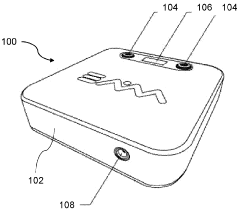
- A self-contained portable PEMF device, PEMF-DS100, generates pulsed electromagnetic fields that penetrate the body through the hands and feet, utilizing Multiple-Wave Oscillation technology to synchronize cellular vibrations, enhance energy potential, and promote self-healing, while being designed to avoid adaptation and maintain effectiveness over time.
A pulsed electromagnetic field apparatus and method for generating frequencies
PatentWO2024127242A1
Innovation
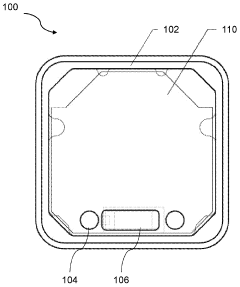
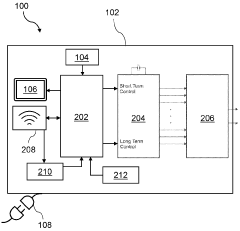
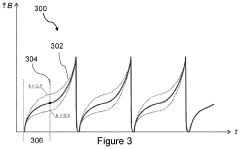
- A PEMF apparatus with a pulse generator and electromagnetic field generation means that uses modified sawtooth waveforms with pre-stress and relaxation periods, and quasi-sine signals with pulse width modulation, along with a feedback circuit for frequency stability and precision, and a bifilar antenna for scalar wave generation.
PEMF Safety and Regulations
The implementation of Pulsed Electromagnetic Field (PEMF) therapy in workplace wellness programs necessitates a thorough understanding of safety considerations and regulatory compliance. PEMF devices are classified as medical devices in many jurisdictions, subject to stringent regulations to ensure user safety and efficacy.
In the United States, the Food and Drug Administration (FDA) oversees the regulation of PEMF devices. These devices are typically classified as Class II medical devices, requiring premarket notification (510(k)) clearance before they can be legally marketed. The FDA evaluates the safety and effectiveness of PEMF devices based on their intended use, technological characteristics, and performance data.
The International Commission on Non-Ionizing Radiation Protection (ICNIRP) provides guidelines for limiting exposure to electromagnetic fields. These guidelines are widely recognized and adopted by many countries. PEMF devices used in workplace wellness programs should adhere to these exposure limits to ensure employee safety.
Electromagnetic compatibility (EMC) is another crucial aspect of PEMF safety. Devices must comply with EMC standards to prevent interference with other electronic equipment in the workplace. In the European Union, the CE marking indicates compliance with EMC directives and other relevant safety standards.
Workplace implementation of PEMF therapy should include comprehensive risk assessments. This involves identifying potential hazards associated with the use of PEMF devices, such as electromagnetic interference with medical implants or electronic devices. Employers must establish clear protocols for device usage, including contraindications and precautions for certain medical conditions.
Training and education are essential components of ensuring PEMF safety in the workplace. Employees should be informed about the proper use of PEMF devices, potential risks, and safety procedures. This includes guidance on treatment duration, frequency, and intensity settings appropriate for workplace wellness applications.
Regular maintenance and calibration of PEMF devices are crucial for maintaining safety standards. Employers should establish a schedule for device inspections and ensure that only qualified personnel perform maintenance and repairs. Documentation of these procedures is important for regulatory compliance and liability protection.
Privacy considerations are also relevant when implementing PEMF therapy in workplace wellness programs. Employers must ensure that the use of PEMF devices complies with data protection regulations, particularly if the devices collect or transmit any health-related information.
As PEMF technology continues to evolve, staying informed about regulatory updates and emerging safety guidelines is crucial. Employers should maintain open communication channels with regulatory bodies and industry associations to ensure ongoing compliance and adaptation to new safety standards in PEMF therapy implementation.
In the United States, the Food and Drug Administration (FDA) oversees the regulation of PEMF devices. These devices are typically classified as Class II medical devices, requiring premarket notification (510(k)) clearance before they can be legally marketed. The FDA evaluates the safety and effectiveness of PEMF devices based on their intended use, technological characteristics, and performance data.
The International Commission on Non-Ionizing Radiation Protection (ICNIRP) provides guidelines for limiting exposure to electromagnetic fields. These guidelines are widely recognized and adopted by many countries. PEMF devices used in workplace wellness programs should adhere to these exposure limits to ensure employee safety.
Electromagnetic compatibility (EMC) is another crucial aspect of PEMF safety. Devices must comply with EMC standards to prevent interference with other electronic equipment in the workplace. In the European Union, the CE marking indicates compliance with EMC directives and other relevant safety standards.
Workplace implementation of PEMF therapy should include comprehensive risk assessments. This involves identifying potential hazards associated with the use of PEMF devices, such as electromagnetic interference with medical implants or electronic devices. Employers must establish clear protocols for device usage, including contraindications and precautions for certain medical conditions.
Training and education are essential components of ensuring PEMF safety in the workplace. Employees should be informed about the proper use of PEMF devices, potential risks, and safety procedures. This includes guidance on treatment duration, frequency, and intensity settings appropriate for workplace wellness applications.
Regular maintenance and calibration of PEMF devices are crucial for maintaining safety standards. Employers should establish a schedule for device inspections and ensure that only qualified personnel perform maintenance and repairs. Documentation of these procedures is important for regulatory compliance and liability protection.
Privacy considerations are also relevant when implementing PEMF therapy in workplace wellness programs. Employers must ensure that the use of PEMF devices complies with data protection regulations, particularly if the devices collect or transmit any health-related information.
As PEMF technology continues to evolve, staying informed about regulatory updates and emerging safety guidelines is crucial. Employers should maintain open communication channels with regulatory bodies and industry associations to ensure ongoing compliance and adaptation to new safety standards in PEMF therapy implementation.
Cost-Benefit Analysis of PEMF Programs
Implementing PEMF (Pulsed Electromagnetic Field) therapy in workplace wellness programs requires a thorough cost-benefit analysis to determine its viability and potential return on investment. This analysis should consider both the direct and indirect costs associated with implementing PEMF programs, as well as the potential benefits to employee health, productivity, and overall workplace wellness.
The initial costs of implementing a PEMF program include the purchase of PEMF devices, which can range from portable units to more sophisticated systems designed for office use. Depending on the size of the organization and the extent of the program, these costs can vary significantly. Additional expenses may include training for staff members who will oversee the program, maintenance of the equipment, and any necessary modifications to the workspace to accommodate PEMF therapy sessions.
Ongoing costs should also be factored into the analysis, such as regular maintenance, replacement of parts or entire units, and potential increases in energy consumption. Furthermore, there may be indirect costs associated with the time employees spend using PEMF therapy during work hours, which could temporarily reduce productivity.
On the benefits side, PEMF therapy has been shown to offer various health improvements that could positively impact the workplace. These include reduced pain and inflammation, improved sleep quality, enhanced mental clarity, and faster recovery from physical exertion. Such benefits could lead to decreased absenteeism, increased productivity, and improved overall employee satisfaction and well-being.
The potential reduction in healthcare costs is a significant factor to consider. If PEMF therapy effectively manages chronic conditions or prevents the development of health issues, it could lead to lower insurance premiums and reduced healthcare expenditures for both the company and its employees. This long-term savings could offset the initial investment in PEMF technology.
Employee retention and attraction should also be considered in the cost-benefit analysis. A comprehensive wellness program that includes cutting-edge therapies like PEMF could be a differentiating factor in the job market, potentially reducing recruitment costs and improving the company's ability to retain top talent.
To quantify these benefits, organizations should establish metrics for measuring the impact of PEMF therapy on employee health, productivity, and satisfaction. This may include tracking sick days, conducting regular health assessments, and surveying employees on their perceived well-being and job satisfaction before and after implementing the PEMF program.
Ultimately, the cost-benefit analysis should project the expected return on investment over several years, taking into account the initial setup costs, ongoing expenses, and the cumulative benefits to employee health and productivity. This analysis will help organizations make informed decisions about whether to implement PEMF therapy as part of their workplace wellness initiatives and how to structure such programs for maximum benefit.
The initial costs of implementing a PEMF program include the purchase of PEMF devices, which can range from portable units to more sophisticated systems designed for office use. Depending on the size of the organization and the extent of the program, these costs can vary significantly. Additional expenses may include training for staff members who will oversee the program, maintenance of the equipment, and any necessary modifications to the workspace to accommodate PEMF therapy sessions.
Ongoing costs should also be factored into the analysis, such as regular maintenance, replacement of parts or entire units, and potential increases in energy consumption. Furthermore, there may be indirect costs associated with the time employees spend using PEMF therapy during work hours, which could temporarily reduce productivity.
On the benefits side, PEMF therapy has been shown to offer various health improvements that could positively impact the workplace. These include reduced pain and inflammation, improved sleep quality, enhanced mental clarity, and faster recovery from physical exertion. Such benefits could lead to decreased absenteeism, increased productivity, and improved overall employee satisfaction and well-being.
The potential reduction in healthcare costs is a significant factor to consider. If PEMF therapy effectively manages chronic conditions or prevents the development of health issues, it could lead to lower insurance premiums and reduced healthcare expenditures for both the company and its employees. This long-term savings could offset the initial investment in PEMF technology.
Employee retention and attraction should also be considered in the cost-benefit analysis. A comprehensive wellness program that includes cutting-edge therapies like PEMF could be a differentiating factor in the job market, potentially reducing recruitment costs and improving the company's ability to retain top talent.
To quantify these benefits, organizations should establish metrics for measuring the impact of PEMF therapy on employee health, productivity, and satisfaction. This may include tracking sick days, conducting regular health assessments, and surveying employees on their perceived well-being and job satisfaction before and after implementing the PEMF program.
Ultimately, the cost-benefit analysis should project the expected return on investment over several years, taking into account the initial setup costs, ongoing expenses, and the cumulative benefits to employee health and productivity. This analysis will help organizations make informed decisions about whether to implement PEMF therapy as part of their workplace wellness initiatives and how to structure such programs for maximum benefit.
Unlock deeper insights with Patsnap Eureka Quick Research — get a full tech report to explore trends and direct your research. Try now!
Generate Your Research Report Instantly with AI Agent
Supercharge your innovation with Patsnap Eureka AI Agent Platform!