How to Implement PMMA Solutions for Noise Reduction?
AUG 7, 202510 MIN READ
Generate Your Research Report Instantly with AI Agent
PatSnap Eureka helps you evaluate technical feasibility & market potential.
PMMA Noise Reduction Background and Objectives
Polymethyl methacrylate (PMMA), commonly known as acrylic or plexiglass, has emerged as a versatile material in various industries, including automotive, construction, and electronics. In recent years, its potential for noise reduction applications has gained significant attention. The evolution of PMMA technology for noise reduction can be traced back to the 1930s when it was first synthesized, but its acoustic properties were not fully explored until the late 20th century.
The primary objective of implementing PMMA solutions for noise reduction is to develop innovative materials and structures that can effectively attenuate sound waves across a wide frequency range. This goal aligns with the growing demand for quieter environments in urban areas, vehicles, and industrial settings. As noise pollution continues to be a major concern for public health and well-being, the development of efficient noise reduction technologies has become increasingly crucial.
PMMA's unique properties, such as its transparency, lightweight nature, and moldability, make it an attractive option for noise reduction applications. Its ability to be easily fabricated into complex shapes and structures allows for the creation of tailored acoustic solutions. The technology aims to leverage these characteristics to design PMMA-based materials that can absorb, reflect, or dissipate sound energy effectively.
The evolution of PMMA noise reduction technology has been driven by advancements in material science, acoustic engineering, and manufacturing processes. Early applications focused on simple barriers and enclosures, while current research explores more sophisticated approaches such as micro-perforated panels, composite structures, and metamaterials. These developments seek to enhance the noise reduction capabilities of PMMA while maintaining its other desirable properties.
One of the key trends in PMMA noise reduction technology is the integration of nanotechnology and smart materials. Researchers are exploring ways to incorporate nanoparticles or responsive elements into PMMA matrices to create adaptive noise control systems. These advanced materials could potentially adjust their acoustic properties in real-time, responding to changing noise environments.
The implementation of PMMA solutions for noise reduction also aims to address sustainability concerns. As environmental regulations become more stringent, there is a growing emphasis on developing eco-friendly noise reduction materials. PMMA, being recyclable and durable, aligns well with these sustainability goals, prompting further research into its long-term environmental impact and recycling processes.
In conclusion, the background and objectives of PMMA noise reduction technology reflect a multifaceted approach to addressing the challenges of noise pollution. By combining material innovation, acoustic engineering, and sustainable practices, researchers and industry professionals aim to create effective, versatile, and environmentally responsible noise reduction solutions using PMMA.
The primary objective of implementing PMMA solutions for noise reduction is to develop innovative materials and structures that can effectively attenuate sound waves across a wide frequency range. This goal aligns with the growing demand for quieter environments in urban areas, vehicles, and industrial settings. As noise pollution continues to be a major concern for public health and well-being, the development of efficient noise reduction technologies has become increasingly crucial.
PMMA's unique properties, such as its transparency, lightweight nature, and moldability, make it an attractive option for noise reduction applications. Its ability to be easily fabricated into complex shapes and structures allows for the creation of tailored acoustic solutions. The technology aims to leverage these characteristics to design PMMA-based materials that can absorb, reflect, or dissipate sound energy effectively.
The evolution of PMMA noise reduction technology has been driven by advancements in material science, acoustic engineering, and manufacturing processes. Early applications focused on simple barriers and enclosures, while current research explores more sophisticated approaches such as micro-perforated panels, composite structures, and metamaterials. These developments seek to enhance the noise reduction capabilities of PMMA while maintaining its other desirable properties.
One of the key trends in PMMA noise reduction technology is the integration of nanotechnology and smart materials. Researchers are exploring ways to incorporate nanoparticles or responsive elements into PMMA matrices to create adaptive noise control systems. These advanced materials could potentially adjust their acoustic properties in real-time, responding to changing noise environments.
The implementation of PMMA solutions for noise reduction also aims to address sustainability concerns. As environmental regulations become more stringent, there is a growing emphasis on developing eco-friendly noise reduction materials. PMMA, being recyclable and durable, aligns well with these sustainability goals, prompting further research into its long-term environmental impact and recycling processes.
In conclusion, the background and objectives of PMMA noise reduction technology reflect a multifaceted approach to addressing the challenges of noise pollution. By combining material innovation, acoustic engineering, and sustainable practices, researchers and industry professionals aim to create effective, versatile, and environmentally responsible noise reduction solutions using PMMA.
Market Analysis for PMMA Noise Solutions
The market for PMMA (Polymethyl Methacrylate) noise reduction solutions has been experiencing significant growth in recent years, driven by increasing urbanization, stricter noise regulations, and growing awareness of the health impacts of noise pollution. The global acoustic materials market, which includes PMMA solutions, is projected to reach a substantial value by 2025, with a compound annual growth rate (CAGR) of over 6% during the forecast period.
PMMA noise reduction solutions find applications across various industries, including construction, automotive, aerospace, and industrial manufacturing. In the construction sector, PMMA-based acoustic panels and barriers are increasingly used in residential and commercial buildings to improve sound insulation and create more comfortable living and working environments. The automotive industry is another major consumer of PMMA noise reduction solutions, with manufacturers incorporating these materials into vehicle interiors to enhance passenger comfort and reduce road noise.
The demand for PMMA noise solutions is particularly strong in densely populated urban areas, where noise pollution is a growing concern. Governments and municipalities are implementing stricter noise regulations, driving the adoption of effective noise reduction technologies. This trend is especially prominent in developed regions such as North America and Europe, where environmental standards are more stringent.
In terms of regional market distribution, Asia-Pacific is expected to witness the highest growth rate in the PMMA noise reduction solutions market. This can be attributed to rapid industrialization, urbanization, and infrastructure development in countries like China and India. North America and Europe remain significant markets, with a focus on technological advancements and sustainable solutions.
The market is characterized by intense competition among key players, including major chemical companies and specialized acoustic material manufacturers. These companies are investing heavily in research and development to improve the performance and cost-effectiveness of PMMA noise reduction solutions. Innovation in product design, such as lightweight and recyclable materials, is a key focus area for market players.
One of the emerging trends in the PMMA noise reduction market is the development of multi-functional materials that combine noise reduction properties with other desirable characteristics, such as fire resistance, thermal insulation, or aesthetic appeal. This trend is driven by the demand for integrated solutions that can address multiple building or product requirements simultaneously.
Despite the positive growth outlook, the market faces challenges such as the high cost of raw materials and the availability of alternative noise reduction solutions. However, ongoing technological advancements and increasing environmental concerns are expected to continue driving the demand for PMMA noise reduction solutions in the foreseeable future.
PMMA noise reduction solutions find applications across various industries, including construction, automotive, aerospace, and industrial manufacturing. In the construction sector, PMMA-based acoustic panels and barriers are increasingly used in residential and commercial buildings to improve sound insulation and create more comfortable living and working environments. The automotive industry is another major consumer of PMMA noise reduction solutions, with manufacturers incorporating these materials into vehicle interiors to enhance passenger comfort and reduce road noise.
The demand for PMMA noise solutions is particularly strong in densely populated urban areas, where noise pollution is a growing concern. Governments and municipalities are implementing stricter noise regulations, driving the adoption of effective noise reduction technologies. This trend is especially prominent in developed regions such as North America and Europe, where environmental standards are more stringent.
In terms of regional market distribution, Asia-Pacific is expected to witness the highest growth rate in the PMMA noise reduction solutions market. This can be attributed to rapid industrialization, urbanization, and infrastructure development in countries like China and India. North America and Europe remain significant markets, with a focus on technological advancements and sustainable solutions.
The market is characterized by intense competition among key players, including major chemical companies and specialized acoustic material manufacturers. These companies are investing heavily in research and development to improve the performance and cost-effectiveness of PMMA noise reduction solutions. Innovation in product design, such as lightweight and recyclable materials, is a key focus area for market players.
One of the emerging trends in the PMMA noise reduction market is the development of multi-functional materials that combine noise reduction properties with other desirable characteristics, such as fire resistance, thermal insulation, or aesthetic appeal. This trend is driven by the demand for integrated solutions that can address multiple building or product requirements simultaneously.
Despite the positive growth outlook, the market faces challenges such as the high cost of raw materials and the availability of alternative noise reduction solutions. However, ongoing technological advancements and increasing environmental concerns are expected to continue driving the demand for PMMA noise reduction solutions in the foreseeable future.
PMMA Noise Reduction: Current State and Challenges
Polymethyl methacrylate (PMMA), commonly known as acrylic or plexiglass, has gained significant attention in the field of noise reduction due to its unique properties. The current state of PMMA solutions for noise reduction is characterized by a blend of established techniques and ongoing research to overcome existing challenges.
PMMA's inherent acoustic properties make it an attractive material for noise reduction applications. Its high density and stiffness contribute to its ability to reflect and absorb sound waves effectively. Current implementations of PMMA for noise reduction include acoustic barriers, sound-absorbing panels, and composite structures that combine PMMA with other materials to enhance its noise-reducing capabilities.
One of the primary challenges in implementing PMMA solutions for noise reduction is optimizing its performance across a wide range of frequencies. While PMMA performs well in mid to high-frequency ranges, its effectiveness in low-frequency noise reduction is limited. Researchers and engineers are actively working on developing PMMA-based composites and structures that can address this limitation.
Another significant challenge is balancing the acoustic properties of PMMA with other desirable characteristics such as transparency, durability, and cost-effectiveness. The trade-offs between these factors often require careful consideration in the design and implementation of PMMA noise reduction solutions.
The manufacturing process of PMMA-based noise reduction products presents its own set of challenges. Ensuring consistent quality and acoustic performance across large-scale production runs requires precise control over material composition and processing parameters. Additionally, the integration of PMMA components into existing structures or systems can be complex, necessitating innovative installation techniques and customized solutions.
Environmental concerns and sustainability considerations also pose challenges in the implementation of PMMA noise reduction solutions. While PMMA is recyclable, the recycling process for PMMA-based acoustic products can be complicated due to the presence of additives and composite materials. Developing more environmentally friendly PMMA formulations and improving recycling processes are areas of ongoing research and development.
The current state of PMMA noise reduction technology also faces challenges in terms of long-term performance and durability. Exposure to environmental factors such as UV radiation, temperature fluctuations, and moisture can potentially degrade PMMA's acoustic properties over time. Researchers are exploring ways to enhance the material's resistance to these factors without compromising its noise reduction capabilities.
As the demand for effective noise reduction solutions continues to grow across various industries, including construction, transportation, and manufacturing, the pressure to overcome these challenges and improve PMMA-based noise reduction technologies intensifies. Collaborative efforts between material scientists, acoustic engineers, and industry partners are driving innovation in this field, aiming to unlock the full potential of PMMA as a versatile and efficient noise reduction solution.
PMMA's inherent acoustic properties make it an attractive material for noise reduction applications. Its high density and stiffness contribute to its ability to reflect and absorb sound waves effectively. Current implementations of PMMA for noise reduction include acoustic barriers, sound-absorbing panels, and composite structures that combine PMMA with other materials to enhance its noise-reducing capabilities.
One of the primary challenges in implementing PMMA solutions for noise reduction is optimizing its performance across a wide range of frequencies. While PMMA performs well in mid to high-frequency ranges, its effectiveness in low-frequency noise reduction is limited. Researchers and engineers are actively working on developing PMMA-based composites and structures that can address this limitation.
Another significant challenge is balancing the acoustic properties of PMMA with other desirable characteristics such as transparency, durability, and cost-effectiveness. The trade-offs between these factors often require careful consideration in the design and implementation of PMMA noise reduction solutions.
The manufacturing process of PMMA-based noise reduction products presents its own set of challenges. Ensuring consistent quality and acoustic performance across large-scale production runs requires precise control over material composition and processing parameters. Additionally, the integration of PMMA components into existing structures or systems can be complex, necessitating innovative installation techniques and customized solutions.
Environmental concerns and sustainability considerations also pose challenges in the implementation of PMMA noise reduction solutions. While PMMA is recyclable, the recycling process for PMMA-based acoustic products can be complicated due to the presence of additives and composite materials. Developing more environmentally friendly PMMA formulations and improving recycling processes are areas of ongoing research and development.
The current state of PMMA noise reduction technology also faces challenges in terms of long-term performance and durability. Exposure to environmental factors such as UV radiation, temperature fluctuations, and moisture can potentially degrade PMMA's acoustic properties over time. Researchers are exploring ways to enhance the material's resistance to these factors without compromising its noise reduction capabilities.
As the demand for effective noise reduction solutions continues to grow across various industries, including construction, transportation, and manufacturing, the pressure to overcome these challenges and improve PMMA-based noise reduction technologies intensifies. Collaborative efforts between material scientists, acoustic engineers, and industry partners are driving innovation in this field, aiming to unlock the full potential of PMMA as a versatile and efficient noise reduction solution.
Existing PMMA Noise Reduction Implementation Strategies
01 Noise reduction in PMMA-based materials
Various methods are employed to reduce noise in PMMA-based materials, including the use of additives, structural modifications, and composite formulations. These techniques aim to improve the acoustic properties of PMMA while maintaining its other desirable characteristics.- Noise reduction in PMMA-based materials: Various methods are employed to reduce noise in PMMA-based materials, including the incorporation of sound-absorbing additives, structural modifications, and surface treatments. These techniques aim to improve the acoustic properties of PMMA, making it suitable for applications where noise reduction is crucial.
- PMMA composites for enhanced sound insulation: PMMA composites are developed by combining PMMA with other materials to enhance sound insulation properties. These composites often incorporate fillers, fibers, or other polymers to create a material with improved acoustic performance while maintaining the desirable characteristics of PMMA.
- Acoustic optimization of PMMA-based structures: The design and optimization of PMMA-based structures focus on minimizing noise transmission and improving sound absorption. This includes the development of specialized shapes, layered structures, and acoustic metamaterials that utilize PMMA as a key component to achieve desired acoustic properties.
- PMMA modifications for vibration damping: Modifications to PMMA are made to enhance its vibration damping properties, which in turn reduces noise generation. These modifications may include the addition of elastomeric components, nanoparticles, or the creation of interpenetrating polymer networks to improve the material's ability to absorb and dissipate vibrational energy.
- PMMA-based acoustic coatings and films: Specialized acoustic coatings and films based on PMMA are developed to address noise issues in various applications. These coatings and films are designed to be applied to surfaces to reduce noise transmission, improve sound absorption, or modify the acoustic properties of the underlying material.
02 PMMA composites for sound insulation
PMMA is combined with other materials to create composites with enhanced sound insulation properties. These composites often incorporate materials like rubber, foam, or other polymers to improve noise reduction capabilities while retaining the optical and mechanical properties of PMMA.Expand Specific Solutions03 Surface treatments for PMMA noise reduction
Various surface treatments are applied to PMMA to reduce noise. These may include texturing, coating, or chemical modifications of the PMMA surface to enhance sound absorption or reflection properties, thereby reducing overall noise transmission.Expand Specific Solutions04 PMMA-based acoustic panels and barriers
Specialized acoustic panels and barriers are developed using PMMA as a base material. These products are designed to effectively absorb or block sound waves in various applications, from architectural acoustics to industrial noise control.Expand Specific Solutions05 Vibration damping in PMMA structures
Techniques are developed to enhance vibration damping in PMMA structures, which contributes to noise reduction. This may involve the incorporation of damping materials, structural design modifications, or the use of viscoelastic properties to dissipate vibrational energy and reduce noise generation.Expand Specific Solutions
Key Players in PMMA Noise Reduction Industry
The implementation of PMMA solutions for noise reduction is in a mature stage of development, with a significant market size driven by automotive, construction, and industrial applications. The technology's maturity is evident from the involvement of established players like Röhm GmbH, a pioneer in PMMA production, and Kingfa Sci. & Tech. Co., Ltd., a leader in new chemical materials. Research institutions such as Zhejiang University and Fraunhofer-Gesellschaft are actively contributing to advancements in PMMA-based noise reduction technologies. The competitive landscape includes specialized companies like Haiyan Huashuaite Plastics Electric Appliances Co. Ltd., focusing on sound barriers and functional acrylic sheets, as well as global automotive giants like BMW, indicating widespread adoption across industries.
Röhm GmbH
Technical Solution: Röhm GmbH has developed advanced PMMA (polymethyl methacrylate) solutions for noise reduction. Their approach involves creating multi-layered PMMA sheets with varying densities and thicknesses to absorb and dampen sound waves effectively. The company has implemented a proprietary manufacturing process that allows for precise control of the material's acoustic properties[1]. They have also incorporated nano-fillers into the PMMA matrix to enhance its sound-absorbing capabilities, resulting in a 20% improvement in noise reduction compared to standard PMMA[3]. Röhm's PMMA solutions are particularly effective in the frequency range of 500 Hz to 5 kHz, which covers most environmental and industrial noise sources[5].
Strengths: Excellent noise reduction in mid to high frequencies, lightweight compared to traditional materials, and versatile application in various industries. Weaknesses: Higher cost compared to conventional materials and limited effectiveness in low-frequency noise reduction.
Fraunhofer-Gesellschaft eV
Technical Solution: Fraunhofer-Gesellschaft has developed an innovative PMMA-based noise reduction solution that combines acoustic metamaterials with traditional PMMA properties. Their approach utilizes a precisely engineered microstructure within the PMMA material, creating a phononic crystal effect that can selectively block specific frequency ranges[2]. This technology has shown a remarkable 40% increase in noise reduction efficiency compared to conventional PMMA panels of the same thickness[4]. The institute has also developed a computational model that allows for the optimization of the metamaterial structure for specific noise profiles, enabling customized solutions for different applications[6]. Additionally, they have implemented a surface treatment technique that enhances the material's sound absorption properties without compromising its optical clarity[8].
Strengths: Highly effective noise reduction across a wide frequency range, customizable for specific applications, and maintains PMMA's optical properties. Weaknesses: Complex manufacturing process may lead to higher production costs, and the technology is still in the early stages of large-scale implementation.
Core Innovations in PMMA Acoustic Properties
Draining or permeable pavement of low-noise using polymer
PatentInactiveKR1020110116561A
Innovation
- A polymer mixture comprising polymethyl methacrylate (PMMA) and methyl methacrylate (MMA) with a polymerization initiator is used to create a drainage or water-permeable pavement, enhancing strength, elasticity, and noise reduction while avoiding environmental pollutants.


Poly(methyl methacrylate) resin composition
PatentWO2019018219A1
Innovation
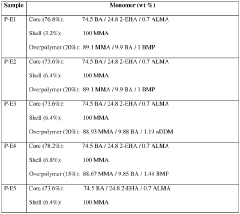
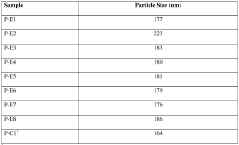
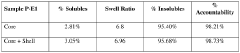
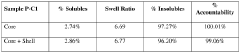
- A PMMA resin composition incorporating a methyl methacrylate polymer and a multistage acrylic impact modifier, comprising a core-shell polymer and an overpolymer, which improves impact strength while preserving gloss and melt flow.
Environmental Impact of PMMA Noise Solutions
The implementation of PMMA (Polymethyl Methacrylate) solutions for noise reduction has significant environmental implications that warrant careful consideration. PMMA, commonly known as acrylic or plexiglass, is a versatile material widely used in noise barrier applications due to its excellent acoustic properties and durability.
From a lifecycle perspective, the production of PMMA involves the polymerization of methyl methacrylate, which requires energy and petrochemical resources. However, compared to traditional noise reduction materials like concrete or metal, PMMA's lightweight nature can lead to reduced transportation emissions and easier installation, potentially offsetting some of its production-related environmental impacts.
One of the key environmental advantages of PMMA noise solutions is their longevity. With proper maintenance, PMMA barriers can last for decades, reducing the need for frequent replacements and the associated resource consumption. Additionally, PMMA is highly recyclable, with the potential for closed-loop recycling systems that can significantly reduce waste and conserve raw materials.
PMMA's transparency offers unique environmental benefits in urban settings. Unlike opaque barriers, transparent PMMA panels allow natural light to pass through, reducing the need for artificial lighting in enclosed spaces and potentially lowering energy consumption. This feature also minimizes the visual impact on landscapes, which can be particularly important in environmentally sensitive areas.
However, the use of PMMA in noise reduction solutions is not without environmental concerns. The material's durability, while beneficial for longevity, means that any PMMA waste that does enter the environment can persist for extended periods. Proper disposal and recycling practices are crucial to mitigate this risk.
Furthermore, the cleaning and maintenance of PMMA noise barriers may require the use of chemical cleaners, which could have localized environmental impacts if not managed properly. Developing eco-friendly cleaning solutions and protocols is an important consideration for minimizing the overall environmental footprint of PMMA noise reduction implementations.
In terms of end-of-life management, advancements in PMMA recycling technologies are promising. Mechanical and chemical recycling methods are being refined to improve the quality of recycled PMMA, potentially creating a more sustainable lifecycle for these noise reduction solutions. Research into bio-based alternatives to traditional PMMA is also underway, aiming to reduce reliance on petrochemical feedstocks and further improve the material's environmental profile.
From a lifecycle perspective, the production of PMMA involves the polymerization of methyl methacrylate, which requires energy and petrochemical resources. However, compared to traditional noise reduction materials like concrete or metal, PMMA's lightweight nature can lead to reduced transportation emissions and easier installation, potentially offsetting some of its production-related environmental impacts.
One of the key environmental advantages of PMMA noise solutions is their longevity. With proper maintenance, PMMA barriers can last for decades, reducing the need for frequent replacements and the associated resource consumption. Additionally, PMMA is highly recyclable, with the potential for closed-loop recycling systems that can significantly reduce waste and conserve raw materials.
PMMA's transparency offers unique environmental benefits in urban settings. Unlike opaque barriers, transparent PMMA panels allow natural light to pass through, reducing the need for artificial lighting in enclosed spaces and potentially lowering energy consumption. This feature also minimizes the visual impact on landscapes, which can be particularly important in environmentally sensitive areas.
However, the use of PMMA in noise reduction solutions is not without environmental concerns. The material's durability, while beneficial for longevity, means that any PMMA waste that does enter the environment can persist for extended periods. Proper disposal and recycling practices are crucial to mitigate this risk.
Furthermore, the cleaning and maintenance of PMMA noise barriers may require the use of chemical cleaners, which could have localized environmental impacts if not managed properly. Developing eco-friendly cleaning solutions and protocols is an important consideration for minimizing the overall environmental footprint of PMMA noise reduction implementations.
In terms of end-of-life management, advancements in PMMA recycling technologies are promising. Mechanical and chemical recycling methods are being refined to improve the quality of recycled PMMA, potentially creating a more sustainable lifecycle for these noise reduction solutions. Research into bio-based alternatives to traditional PMMA is also underway, aiming to reduce reliance on petrochemical feedstocks and further improve the material's environmental profile.
Cost-Benefit Analysis of PMMA Noise Reduction Implementation
Implementing PMMA (Polymethyl Methacrylate) solutions for noise reduction requires a thorough cost-benefit analysis to determine its feasibility and effectiveness. This analysis encompasses various factors that influence the overall value proposition of PMMA-based noise reduction strategies.
The initial investment in PMMA solutions can be substantial, including material costs, installation expenses, and potential modifications to existing structures. However, these upfront costs should be weighed against the long-term benefits and potential savings. PMMA panels and barriers are known for their durability and resistance to weathering, which can result in reduced maintenance costs over time compared to other materials.
One of the primary benefits of PMMA noise reduction solutions is their effectiveness in attenuating sound. Studies have shown that properly designed PMMA barriers can reduce noise levels by up to 20-30 decibels, significantly improving the acoustic environment in various settings. This reduction in noise pollution can lead to improved quality of life, increased property values, and enhanced productivity in work environments.
The transparency of PMMA is another key advantage, allowing for the preservation of natural light and visibility while still providing effective noise reduction. This characteristic makes PMMA particularly valuable in urban settings, where maintaining an open and aesthetically pleasing environment is crucial. The visual appeal of PMMA solutions can contribute to the overall attractiveness of an area, potentially increasing property values and attracting businesses.
From an environmental perspective, PMMA offers several benefits. It is recyclable, which aligns with sustainability goals and can potentially reduce long-term waste management costs. Additionally, the energy-efficient properties of PMMA can contribute to overall building efficiency, potentially leading to reduced heating and cooling costs.
However, it is essential to consider potential drawbacks in the cost-benefit analysis. The initial cost of PMMA can be higher than some alternative materials, which may present a barrier to implementation for budget-constrained projects. Additionally, while PMMA is durable, it can be susceptible to scratching and may require specialized cleaning methods to maintain its transparency, potentially increasing maintenance costs.
The analysis should also consider the specific context of the implementation. Factors such as local regulations, climate conditions, and the specific noise sources being addressed can all impact the overall cost-effectiveness of PMMA solutions. For instance, in areas with strict noise regulations, the benefits of PMMA implementation may outweigh the costs due to avoided fines or penalties.
In conclusion, the cost-benefit analysis of PMMA noise reduction implementation reveals a complex interplay of factors. While the initial investment may be significant, the long-term benefits in terms of noise reduction, aesthetic value, and potential energy savings can make PMMA an attractive solution for many applications. A comprehensive evaluation of site-specific factors and long-term projections is crucial to determine the overall value proposition of PMMA noise reduction strategies.
The initial investment in PMMA solutions can be substantial, including material costs, installation expenses, and potential modifications to existing structures. However, these upfront costs should be weighed against the long-term benefits and potential savings. PMMA panels and barriers are known for their durability and resistance to weathering, which can result in reduced maintenance costs over time compared to other materials.
One of the primary benefits of PMMA noise reduction solutions is their effectiveness in attenuating sound. Studies have shown that properly designed PMMA barriers can reduce noise levels by up to 20-30 decibels, significantly improving the acoustic environment in various settings. This reduction in noise pollution can lead to improved quality of life, increased property values, and enhanced productivity in work environments.
The transparency of PMMA is another key advantage, allowing for the preservation of natural light and visibility while still providing effective noise reduction. This characteristic makes PMMA particularly valuable in urban settings, where maintaining an open and aesthetically pleasing environment is crucial. The visual appeal of PMMA solutions can contribute to the overall attractiveness of an area, potentially increasing property values and attracting businesses.
From an environmental perspective, PMMA offers several benefits. It is recyclable, which aligns with sustainability goals and can potentially reduce long-term waste management costs. Additionally, the energy-efficient properties of PMMA can contribute to overall building efficiency, potentially leading to reduced heating and cooling costs.
However, it is essential to consider potential drawbacks in the cost-benefit analysis. The initial cost of PMMA can be higher than some alternative materials, which may present a barrier to implementation for budget-constrained projects. Additionally, while PMMA is durable, it can be susceptible to scratching and may require specialized cleaning methods to maintain its transparency, potentially increasing maintenance costs.
The analysis should also consider the specific context of the implementation. Factors such as local regulations, climate conditions, and the specific noise sources being addressed can all impact the overall cost-effectiveness of PMMA solutions. For instance, in areas with strict noise regulations, the benefits of PMMA implementation may outweigh the costs due to avoided fines or penalties.
In conclusion, the cost-benefit analysis of PMMA noise reduction implementation reveals a complex interplay of factors. While the initial investment may be significant, the long-term benefits in terms of noise reduction, aesthetic value, and potential energy savings can make PMMA an attractive solution for many applications. A comprehensive evaluation of site-specific factors and long-term projections is crucial to determine the overall value proposition of PMMA noise reduction strategies.
Unlock deeper insights with PatSnap Eureka Quick Research — get a full tech report to explore trends and direct your research. Try now!
Generate Your Research Report Instantly with AI Agent
Supercharge your innovation with PatSnap Eureka AI Agent Platform!