

How to Improve User Experience through PNP Transistor Applications?
JUL 28, 20259 MIN READ
Generate Your Research Report Instantly with AI Agent
PatSnap Eureka helps you evaluate technical feasibility & market potential.
PNP Transistor UX Goals
The primary goal of improving user experience through PNP transistor applications is to enhance the overall performance, reliability, and functionality of electronic devices. PNP transistors, when strategically implemented, can significantly contribute to creating more user-friendly and efficient products. One key objective is to optimize power management in portable devices, leveraging the PNP transistor's ability to control current flow effectively. This can lead to extended battery life and improved device longevity, directly impacting user satisfaction.
Another crucial aim is to enhance signal processing capabilities in audio and communication systems. PNP transistors can be utilized to amplify weak signals with minimal distortion, resulting in clearer sound quality and more reliable data transmission. This improvement in signal integrity is particularly valuable in consumer electronics, where user experience heavily relies on audio and communication performance.
Miniaturization of electronic components is an ongoing trend, and PNP transistors play a vital role in this aspect. By incorporating these transistors into compact circuit designs, manufacturers can create smaller, lighter, and more portable devices without compromising functionality. This aligns with user preferences for sleek, easy-to-carry gadgets that offer powerful performance.
Temperature stability is another critical factor in user experience enhancement. PNP transistors can be employed in temperature compensation circuits, ensuring consistent device performance across various environmental conditions. This stability translates to improved reliability and user confidence in the product's operation, regardless of external factors.
Furthermore, PNP transistors can contribute to noise reduction in electronic circuits. By implementing these transistors in strategic locations within the circuit design, engineers can minimize electromagnetic interference and improve the overall signal-to-noise ratio. This results in cleaner audio output, reduced visual artifacts in displays, and enhanced sensitivity in sensor applications, all of which directly impact the user's interaction with the device.
Lastly, the integration of PNP transistors in user interface elements can lead to more responsive and intuitive controls. By utilizing these transistors in touch-sensitive circuits or adaptive lighting systems, developers can create dynamic and context-aware interfaces that respond quickly and accurately to user inputs, enhancing the overall interactive experience.
Another crucial aim is to enhance signal processing capabilities in audio and communication systems. PNP transistors can be utilized to amplify weak signals with minimal distortion, resulting in clearer sound quality and more reliable data transmission. This improvement in signal integrity is particularly valuable in consumer electronics, where user experience heavily relies on audio and communication performance.
Miniaturization of electronic components is an ongoing trend, and PNP transistors play a vital role in this aspect. By incorporating these transistors into compact circuit designs, manufacturers can create smaller, lighter, and more portable devices without compromising functionality. This aligns with user preferences for sleek, easy-to-carry gadgets that offer powerful performance.
Temperature stability is another critical factor in user experience enhancement. PNP transistors can be employed in temperature compensation circuits, ensuring consistent device performance across various environmental conditions. This stability translates to improved reliability and user confidence in the product's operation, regardless of external factors.
Furthermore, PNP transistors can contribute to noise reduction in electronic circuits. By implementing these transistors in strategic locations within the circuit design, engineers can minimize electromagnetic interference and improve the overall signal-to-noise ratio. This results in cleaner audio output, reduced visual artifacts in displays, and enhanced sensitivity in sensor applications, all of which directly impact the user's interaction with the device.
Lastly, the integration of PNP transistors in user interface elements can lead to more responsive and intuitive controls. By utilizing these transistors in touch-sensitive circuits or adaptive lighting systems, developers can create dynamic and context-aware interfaces that respond quickly and accurately to user inputs, enhancing the overall interactive experience.
Market Demand Analysis
The market demand for improved user experience through PNP transistor applications has been steadily growing in recent years. This trend is driven by the increasing complexity of electronic devices and the rising expectations of consumers for seamless, intuitive interactions with technology.
In the consumer electronics sector, there is a significant demand for devices that offer enhanced responsiveness and energy efficiency. PNP transistors, when strategically applied, can contribute to faster switching speeds and lower power consumption in various applications such as smartphones, tablets, and wearable devices. Market research indicates that consumers are willing to pay a premium for devices that offer longer battery life and quicker response times, highlighting the potential for PNP transistor-based solutions.
The automotive industry represents another key market for PNP transistor applications aimed at improving user experience. As vehicles become more technologically advanced, there is a growing need for sophisticated sensor systems and user interfaces. PNP transistors can play a crucial role in developing more responsive touch screens, precise environmental controls, and advanced driver assistance systems. The global automotive electronics market is projected to expand significantly in the coming years, with a substantial portion of this growth attributed to enhanced user experience features.
In the industrial sector, the demand for improved human-machine interfaces (HMI) is driving the adoption of PNP transistor-based solutions. Factory automation, process control systems, and industrial IoT devices all require reliable, high-performance components that can withstand harsh environments while delivering superior user experiences. The industrial automation market is expected to grow substantially, with a focus on intuitive interfaces and responsive controls that leverage advanced transistor technologies.
The healthcare industry is another area where PNP transistor applications can significantly enhance user experience. Medical devices, diagnostic equipment, and patient monitoring systems all benefit from improved responsiveness and reliability. There is a growing demand for portable, user-friendly medical devices that provide accurate readings and seamless data transmission. PNP transistors can contribute to the development of more compact, energy-efficient, and user-centric healthcare technologies.
The smart home market presents additional opportunities for PNP transistor applications in improving user experience. As consumers increasingly adopt connected devices and home automation systems, there is a demand for responsive, energy-efficient solutions that seamlessly integrate into daily life. PNP transistors can enhance the performance of smart thermostats, lighting controls, and security systems, contributing to a more intuitive and user-friendly smart home ecosystem.
Overall, the market demand for improved user experience through PNP transistor applications spans multiple industries and is driven by consumer expectations for more responsive, efficient, and intuitive technologies. As electronic devices continue to evolve and become more integrated into various aspects of daily life, the demand for advanced transistor solutions that enhance user experience is expected to grow significantly in the coming years.
In the consumer electronics sector, there is a significant demand for devices that offer enhanced responsiveness and energy efficiency. PNP transistors, when strategically applied, can contribute to faster switching speeds and lower power consumption in various applications such as smartphones, tablets, and wearable devices. Market research indicates that consumers are willing to pay a premium for devices that offer longer battery life and quicker response times, highlighting the potential for PNP transistor-based solutions.
The automotive industry represents another key market for PNP transistor applications aimed at improving user experience. As vehicles become more technologically advanced, there is a growing need for sophisticated sensor systems and user interfaces. PNP transistors can play a crucial role in developing more responsive touch screens, precise environmental controls, and advanced driver assistance systems. The global automotive electronics market is projected to expand significantly in the coming years, with a substantial portion of this growth attributed to enhanced user experience features.
In the industrial sector, the demand for improved human-machine interfaces (HMI) is driving the adoption of PNP transistor-based solutions. Factory automation, process control systems, and industrial IoT devices all require reliable, high-performance components that can withstand harsh environments while delivering superior user experiences. The industrial automation market is expected to grow substantially, with a focus on intuitive interfaces and responsive controls that leverage advanced transistor technologies.
The healthcare industry is another area where PNP transistor applications can significantly enhance user experience. Medical devices, diagnostic equipment, and patient monitoring systems all benefit from improved responsiveness and reliability. There is a growing demand for portable, user-friendly medical devices that provide accurate readings and seamless data transmission. PNP transistors can contribute to the development of more compact, energy-efficient, and user-centric healthcare technologies.
The smart home market presents additional opportunities for PNP transistor applications in improving user experience. As consumers increasingly adopt connected devices and home automation systems, there is a demand for responsive, energy-efficient solutions that seamlessly integrate into daily life. PNP transistors can enhance the performance of smart thermostats, lighting controls, and security systems, contributing to a more intuitive and user-friendly smart home ecosystem.
Overall, the market demand for improved user experience through PNP transistor applications spans multiple industries and is driven by consumer expectations for more responsive, efficient, and intuitive technologies. As electronic devices continue to evolve and become more integrated into various aspects of daily life, the demand for advanced transistor solutions that enhance user experience is expected to grow significantly in the coming years.
PNP Tech Challenges
PNP transistors, while fundamental to electronic circuit design, present several technical challenges when it comes to improving user experience in modern applications. One of the primary issues is the inherent slower switching speed compared to their NPN counterparts. This limitation can impact the responsiveness of user interfaces, particularly in high-frequency applications where rapid state changes are crucial for seamless interaction.
Another significant challenge lies in the voltage drop across the emitter-base junction of PNP transistors. This voltage drop, typically around 0.7 volts, can lead to power inefficiencies in low-voltage circuits, which is particularly problematic in battery-powered devices where energy conservation is paramount for extending user operation time.
The temperature sensitivity of PNP transistors also poses a challenge in maintaining consistent performance across varying environmental conditions. As temperature fluctuates, the transistor's characteristics can change, potentially affecting the stability and reliability of user-facing features. This necessitates complex compensation mechanisms to ensure a uniform user experience regardless of external factors.
Furthermore, the larger physical size of PNP transistors compared to equivalent NPN devices can be a hindrance in the ongoing trend towards miniaturization of consumer electronics. This size difference limits the ability to create ultra-compact designs, which is often a key factor in enhancing the portability and ergonomics of user devices.
The manufacturing process for PNP transistors also presents challenges. The lower hole mobility in the P-type material used for PNP transistors results in higher on-resistance and reduced current-carrying capacity compared to NPN transistors. This can limit the power handling capabilities of circuits, potentially affecting the performance of high-power applications that directly impact user experience, such as audio amplifiers or motor drivers in haptic feedback systems.
Additionally, the asymmetry between PNP and NPN transistors in complementary circuits can lead to design complexities. Achieving perfect symmetry in push-pull configurations, often used in audio amplifiers and other analog circuits, becomes more challenging, potentially introducing distortions that can degrade the quality of user-perceived outputs.
Lastly, the higher susceptibility of PNP transistors to noise and interference can compromise signal integrity in sensitive applications. This is particularly problematic in scenarios where clean signal processing is crucial for accurate user input detection or high-fidelity output generation, such as in touch-sensitive interfaces or precision measurement devices.
Another significant challenge lies in the voltage drop across the emitter-base junction of PNP transistors. This voltage drop, typically around 0.7 volts, can lead to power inefficiencies in low-voltage circuits, which is particularly problematic in battery-powered devices where energy conservation is paramount for extending user operation time.
The temperature sensitivity of PNP transistors also poses a challenge in maintaining consistent performance across varying environmental conditions. As temperature fluctuates, the transistor's characteristics can change, potentially affecting the stability and reliability of user-facing features. This necessitates complex compensation mechanisms to ensure a uniform user experience regardless of external factors.
Furthermore, the larger physical size of PNP transistors compared to equivalent NPN devices can be a hindrance in the ongoing trend towards miniaturization of consumer electronics. This size difference limits the ability to create ultra-compact designs, which is often a key factor in enhancing the portability and ergonomics of user devices.
The manufacturing process for PNP transistors also presents challenges. The lower hole mobility in the P-type material used for PNP transistors results in higher on-resistance and reduced current-carrying capacity compared to NPN transistors. This can limit the power handling capabilities of circuits, potentially affecting the performance of high-power applications that directly impact user experience, such as audio amplifiers or motor drivers in haptic feedback systems.
Additionally, the asymmetry between PNP and NPN transistors in complementary circuits can lead to design complexities. Achieving perfect symmetry in push-pull configurations, often used in audio amplifiers and other analog circuits, becomes more challenging, potentially introducing distortions that can degrade the quality of user-perceived outputs.
Lastly, the higher susceptibility of PNP transistors to noise and interference can compromise signal integrity in sensitive applications. This is particularly problematic in scenarios where clean signal processing is crucial for accurate user input detection or high-fidelity output generation, such as in touch-sensitive interfaces or precision measurement devices.
Current PNP Solutions
01 User interface design for PNP transistor applications
Improved user experience in PNP transistor applications through intuitive interface design, incorporating visual feedback and interactive elements to simplify circuit configuration and parameter adjustment. This approach enhances user engagement and understanding of transistor behavior in various electronic designs.- User interface design for PNP transistor applications: Improved user experience in PNP transistor applications through intuitive interface design. This includes graphical representations, interactive controls, and simplified parameter adjustments to make transistor configuration more accessible to users of varying expertise levels.
- Performance optimization techniques for PNP transistors: Methods to enhance PNP transistor performance from a user perspective, focusing on real-time adjustments, automatic calibration, and feedback systems. These techniques aim to improve efficiency and reliability while minimizing user intervention.
- Integration of PNP transistors in IoT and smart devices: Enhancing user experience by incorporating PNP transistors into Internet of Things (IoT) and smart device applications. This integration enables improved connectivity, power management, and device responsiveness, leading to more efficient and user-friendly smart systems.
- Educational tools and simulations for PNP transistor understanding: Development of interactive educational tools and simulations to improve user understanding of PNP transistor behavior and applications. These resources aim to bridge the knowledge gap between theory and practical implementation, enhancing the overall user experience with transistor technology.
- Fault detection and diagnostics in PNP transistor circuits: Implementation of user-friendly fault detection and diagnostic systems for PNP transistor circuits. These systems provide clear indicators, troubleshooting guides, and automated error reporting to help users quickly identify and resolve issues, improving overall reliability and user satisfaction.
02 Performance optimization techniques for PNP transistors
Methods to enhance PNP transistor performance in user applications, focusing on reducing noise, improving thermal management, and increasing switching speed. These techniques aim to provide a better overall experience for users working with PNP transistor-based circuits.Expand Specific Solutions03 Integration of PNP transistors in IoT and smart devices
Strategies for incorporating PNP transistors into Internet of Things (IoT) and smart device applications, emphasizing user-friendly configuration and seamless connectivity. This integration focuses on improving device responsiveness and energy efficiency, enhancing the overall user experience in smart ecosystems.Expand Specific Solutions04 Educational tools and simulations for PNP transistor understanding
Development of interactive educational tools and simulations to help users better understand PNP transistor behavior and applications. These resources aim to improve the learning experience for students, hobbyists, and professionals working with transistor-based circuits.Expand Specific Solutions05 Automated testing and diagnostics for PNP transistor circuits
Implementation of automated testing and diagnostic systems for PNP transistor-based circuits, designed to simplify troubleshooting and maintenance processes. These systems aim to improve user experience by reducing downtime and enhancing the reliability of transistor applications.Expand Specific Solutions
Key Industry Players
The PNP transistor application market for improving user experience is in a growth phase, driven by increasing demand for enhanced electronic devices. The market size is expanding, with a projected CAGR of 5-7% over the next five years. Technologically, PNP transistors are mature but continue to evolve, with companies like Texas Instruments, Infineon Technologies, and STMicroelectronics leading innovation. These firms are developing advanced PNP transistors with improved performance, efficiency, and miniaturization to meet the growing needs of consumer electronics, automotive, and industrial applications, thereby enhancing overall user experience across various sectors.
Infineon Technologies AG
Technical Solution: Infineon has developed advanced PNP transistor technologies to improve user experience in various applications. Their BiCMOS process integrates high-performance PNP transistors with optimized vertical structures, enabling improved analog and power management capabilities[9]. Infineon's PNP transistors feature reduced base resistance and enhanced current gain, contributing to better energy efficiency and signal integrity in automotive and industrial applications[10]. The company has also implemented specialized PNP designs for sensor interfaces, resulting in improved accuracy and responsiveness in touch and proximity sensing systems[11]. These advancements lead to more intuitive user interfaces and enhanced safety features in vehicles and smart home devices.
Strengths: Expertise in automotive and industrial applications, focus on reliability and robustness. Weaknesses: May have less presence in consumer electronics compared to some competitors.
Texas Instruments Incorporated
Technical Solution: Texas Instruments (TI) has made significant strides in PNP transistor applications to enhance user experience. Their BiCMOS technology incorporates high-performance PNP transistors with optimized current gain and frequency response[6]. TI's advanced PNP designs feature reduced base resistance and improved emitter efficiency, enabling better analog signal processing and power management in various consumer electronics[7]. The company has also developed specialized PNP structures for audio amplifiers, resulting in improved sound quality and reduced distortion in portable devices[8]. TI's PNP transistors are widely used in touchscreen controllers, enhancing the responsiveness and accuracy of user inputs in smartphones and tablets.
Strengths: Strong focus on analog and mixed-signal applications, wide range of specialized PNP designs for different use cases. Weaknesses: May face challenges in scaling production for high-volume consumer markets.
PNP Innovation Focus
Method and apparatus for improving user experience with an application across multiple devices
PatentInactiveUS9646315B2
Innovation
- A system that determines user experience ratings for applications and their subcomponents across different device types, processing this data to identify differential information and generate recommendations for enhancing user experience by suggesting optimal device types for application usage.


Human-computer interaction user experience evaluation and optimization method and system, and storage medium
PatentPendingUS20250165067A1
Innovation
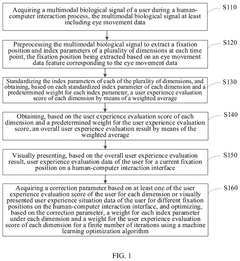
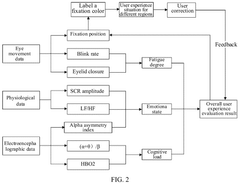
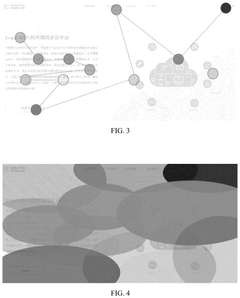
- A method and system that acquire multimodal biological signals, including eye movement data, to evaluate user experience by extracting fixation positions and index parameters, standardizing and weighting these parameters to generate user experience scores, and optimizing weights using machine learning for iterative improvement.
Power Efficiency Impact
The impact of PNP transistor applications on power efficiency in user experience improvement is significant and multifaceted. PNP transistors, when strategically implemented, can substantially enhance the energy efficiency of electronic devices, leading to improved battery life and overall user satisfaction.
One of the primary ways PNP transistors contribute to power efficiency is through their ability to control current flow with minimal power loss. In mobile devices, where battery life is crucial, PNP transistors can be used in power management circuits to regulate voltage and current more efficiently. This results in reduced power consumption during both active use and standby modes, extending the device's operational time between charges.
In audio applications, PNP transistors can be employed in amplifier circuits to achieve high-quality sound output with lower power consumption. By optimizing the biasing and operating points of these transistors, designers can create audio systems that deliver excellent performance while minimizing energy waste. This is particularly beneficial in portable audio devices, where power efficiency directly translates to longer playback times.
PNP transistors also play a vital role in improving the efficiency of display technologies. In OLED displays, for instance, PNP transistors can be used in pixel driving circuits to provide precise current control. This enables more accurate color reproduction and brightness adjustment while reducing power consumption, resulting in vibrant, energy-efficient displays that enhance the visual experience for users.
Furthermore, PNP transistors contribute to power efficiency in thermal management systems. By incorporating these transistors into temperature sensing and control circuits, devices can maintain optimal operating temperatures with minimal energy expenditure. This not only improves overall system efficiency but also enhances user comfort by preventing overheating issues.
In the realm of wireless communication, PNP transistors can be utilized in RF power amplifiers to improve the efficiency of signal transmission. By optimizing the transistor's characteristics and implementing advanced circuit designs, power amplifiers can achieve higher output power with reduced energy consumption. This translates to improved battery life in mobile devices and enhanced range for wireless peripherals, both of which significantly impact user experience.
The integration of PNP transistors in voltage regulation circuits also contributes to power efficiency. These transistors can be used to create low-dropout regulators (LDOs) that maintain stable output voltages with minimal voltage drop across the regulator. This results in reduced power dissipation and improved overall system efficiency, particularly in battery-powered devices where every milliwatt of power savings counts.
One of the primary ways PNP transistors contribute to power efficiency is through their ability to control current flow with minimal power loss. In mobile devices, where battery life is crucial, PNP transistors can be used in power management circuits to regulate voltage and current more efficiently. This results in reduced power consumption during both active use and standby modes, extending the device's operational time between charges.
In audio applications, PNP transistors can be employed in amplifier circuits to achieve high-quality sound output with lower power consumption. By optimizing the biasing and operating points of these transistors, designers can create audio systems that deliver excellent performance while minimizing energy waste. This is particularly beneficial in portable audio devices, where power efficiency directly translates to longer playback times.
PNP transistors also play a vital role in improving the efficiency of display technologies. In OLED displays, for instance, PNP transistors can be used in pixel driving circuits to provide precise current control. This enables more accurate color reproduction and brightness adjustment while reducing power consumption, resulting in vibrant, energy-efficient displays that enhance the visual experience for users.
Furthermore, PNP transistors contribute to power efficiency in thermal management systems. By incorporating these transistors into temperature sensing and control circuits, devices can maintain optimal operating temperatures with minimal energy expenditure. This not only improves overall system efficiency but also enhances user comfort by preventing overheating issues.
In the realm of wireless communication, PNP transistors can be utilized in RF power amplifiers to improve the efficiency of signal transmission. By optimizing the transistor's characteristics and implementing advanced circuit designs, power amplifiers can achieve higher output power with reduced energy consumption. This translates to improved battery life in mobile devices and enhanced range for wireless peripherals, both of which significantly impact user experience.
The integration of PNP transistors in voltage regulation circuits also contributes to power efficiency. These transistors can be used to create low-dropout regulators (LDOs) that maintain stable output voltages with minimal voltage drop across the regulator. This results in reduced power dissipation and improved overall system efficiency, particularly in battery-powered devices where every milliwatt of power savings counts.
Thermal Management
Thermal management is a critical aspect of PNP transistor applications that directly impacts user experience. Effective heat dissipation ensures optimal performance, reliability, and longevity of electronic devices. In the context of PNP transistors, thermal management involves controlling the temperature rise caused by power dissipation during operation.
One of the primary thermal management techniques for PNP transistors is the use of heat sinks. These passive cooling devices increase the surface area available for heat dissipation, allowing for more efficient transfer of thermal energy to the surrounding environment. The selection of an appropriate heat sink depends on factors such as the transistor's power rating, ambient temperature, and available space within the device.
Active cooling methods, such as forced-air cooling or liquid cooling systems, can be employed for high-power applications or in environments with elevated ambient temperatures. These systems provide enhanced heat removal capabilities, enabling PNP transistors to operate at higher power levels without compromising performance or reliability.
Thermal interface materials (TIMs) play a crucial role in improving heat transfer between the transistor and the heat sink. These materials, such as thermal greases, pads, or adhesives, fill microscopic air gaps and enhance thermal conductivity. Proper selection and application of TIMs can significantly reduce thermal resistance and improve overall cooling efficiency.
Circuit board design also plays a vital role in thermal management. Implementing thermal vias, which are plated through-holes that conduct heat from one PCB layer to another, can help dissipate heat more effectively. Additionally, strategic placement of PNP transistors away from other heat-generating components and utilizing copper pour areas can aid in heat distribution across the board.
Thermal modeling and simulation tools are invaluable for optimizing thermal management strategies. These tools allow engineers to predict temperature distributions, identify hotspots, and evaluate the effectiveness of various cooling solutions before physical prototyping. By leveraging these tools, designers can iterate and refine their thermal management approaches more efficiently.
Implementing temperature monitoring and protection circuits can further enhance user experience by preventing thermal runaway and ensuring safe operation. These circuits can trigger protective measures such as reducing power output or shutting down the device when temperature thresholds are exceeded, safeguarding both the transistor and the overall system.
By addressing thermal management challenges in PNP transistor applications, designers can significantly improve user experience through enhanced device performance, increased reliability, and extended product lifespan. Effective thermal management strategies not only optimize the transistor's operation but also contribute to the overall efficiency and safety of electronic devices, ultimately leading to greater user satisfaction.
One of the primary thermal management techniques for PNP transistors is the use of heat sinks. These passive cooling devices increase the surface area available for heat dissipation, allowing for more efficient transfer of thermal energy to the surrounding environment. The selection of an appropriate heat sink depends on factors such as the transistor's power rating, ambient temperature, and available space within the device.
Active cooling methods, such as forced-air cooling or liquid cooling systems, can be employed for high-power applications or in environments with elevated ambient temperatures. These systems provide enhanced heat removal capabilities, enabling PNP transistors to operate at higher power levels without compromising performance or reliability.
Thermal interface materials (TIMs) play a crucial role in improving heat transfer between the transistor and the heat sink. These materials, such as thermal greases, pads, or adhesives, fill microscopic air gaps and enhance thermal conductivity. Proper selection and application of TIMs can significantly reduce thermal resistance and improve overall cooling efficiency.
Circuit board design also plays a vital role in thermal management. Implementing thermal vias, which are plated through-holes that conduct heat from one PCB layer to another, can help dissipate heat more effectively. Additionally, strategic placement of PNP transistors away from other heat-generating components and utilizing copper pour areas can aid in heat distribution across the board.
Thermal modeling and simulation tools are invaluable for optimizing thermal management strategies. These tools allow engineers to predict temperature distributions, identify hotspots, and evaluate the effectiveness of various cooling solutions before physical prototyping. By leveraging these tools, designers can iterate and refine their thermal management approaches more efficiently.
Implementing temperature monitoring and protection circuits can further enhance user experience by preventing thermal runaway and ensuring safe operation. These circuits can trigger protective measures such as reducing power output or shutting down the device when temperature thresholds are exceeded, safeguarding both the transistor and the overall system.
By addressing thermal management challenges in PNP transistor applications, designers can significantly improve user experience through enhanced device performance, increased reliability, and extended product lifespan. Effective thermal management strategies not only optimize the transistor's operation but also contribute to the overall efficiency and safety of electronic devices, ultimately leading to greater user satisfaction.
Unlock deeper insights with PatSnap Eureka Quick Research — get a full tech report to explore trends and direct your research. Try now!
Generate Your Research Report Instantly with AI Agent
Supercharge your innovation with PatSnap Eureka AI Agent Platform!