

How to Solve Cracking in PMMA Structural Components?
AUG 7, 20259 MIN READ
Generate Your Research Report Instantly with AI Agent
PatSnap Eureka helps you evaluate technical feasibility & market potential.
PMMA Cracking Background and Objectives
Poly(methyl methacrylate) (PMMA), commonly known as acrylic or plexiglass, has been widely used in various structural applications due to its excellent optical properties, weatherability, and ease of processing. However, the inherent brittleness of PMMA has long been a significant challenge, particularly in structural components where cracking can lead to catastrophic failure.
The development of PMMA as a structural material dates back to the 1930s when it was first commercialized. Since then, its use has expanded across industries, including aerospace, automotive, construction, and medical devices. The evolution of PMMA technology has been driven by the need for improved mechanical properties, especially in terms of crack resistance and impact strength.
Over the years, researchers and engineers have made significant strides in understanding the mechanisms of crack initiation and propagation in PMMA. This knowledge has been crucial in developing strategies to mitigate cracking issues. The primary factors contributing to PMMA cracking include stress concentration, environmental factors such as UV exposure and chemical attack, and thermal cycling.
Current technological trends in addressing PMMA cracking focus on several key areas. These include the development of advanced polymer blends and composites, surface modification techniques, and innovative structural designs that minimize stress concentrations. Additionally, there is growing interest in self-healing PMMA materials that can autonomously repair microcracks before they propagate into larger, more damaging fractures.
The objectives of ongoing research and development in this field are multifaceted. Firstly, there is a push to enhance the intrinsic toughness of PMMA without compromising its desirable properties such as transparency and processability. Secondly, researchers aim to develop more effective methods for predicting and preventing crack formation under various loading conditions and environmental stresses. Thirdly, there is a focus on creating sustainable solutions that align with the growing demand for environmentally friendly materials.
As we look to the future, the goal is to achieve PMMA structural components that exhibit superior crack resistance while maintaining or improving upon the material's other advantageous properties. This involves not only material science advancements but also innovations in manufacturing processes and design methodologies. The ultimate aim is to expand the application range of PMMA in high-performance structural applications, potentially opening up new markets and revolutionizing existing ones.
The development of PMMA as a structural material dates back to the 1930s when it was first commercialized. Since then, its use has expanded across industries, including aerospace, automotive, construction, and medical devices. The evolution of PMMA technology has been driven by the need for improved mechanical properties, especially in terms of crack resistance and impact strength.
Over the years, researchers and engineers have made significant strides in understanding the mechanisms of crack initiation and propagation in PMMA. This knowledge has been crucial in developing strategies to mitigate cracking issues. The primary factors contributing to PMMA cracking include stress concentration, environmental factors such as UV exposure and chemical attack, and thermal cycling.
Current technological trends in addressing PMMA cracking focus on several key areas. These include the development of advanced polymer blends and composites, surface modification techniques, and innovative structural designs that minimize stress concentrations. Additionally, there is growing interest in self-healing PMMA materials that can autonomously repair microcracks before they propagate into larger, more damaging fractures.
The objectives of ongoing research and development in this field are multifaceted. Firstly, there is a push to enhance the intrinsic toughness of PMMA without compromising its desirable properties such as transparency and processability. Secondly, researchers aim to develop more effective methods for predicting and preventing crack formation under various loading conditions and environmental stresses. Thirdly, there is a focus on creating sustainable solutions that align with the growing demand for environmentally friendly materials.
As we look to the future, the goal is to achieve PMMA structural components that exhibit superior crack resistance while maintaining or improving upon the material's other advantageous properties. This involves not only material science advancements but also innovations in manufacturing processes and design methodologies. The ultimate aim is to expand the application range of PMMA in high-performance structural applications, potentially opening up new markets and revolutionizing existing ones.
Market Analysis for PMMA Structural Applications
The market for PMMA structural applications has been experiencing steady growth, driven by the material's unique properties and versatility. PMMA, also known as acrylic or plexiglass, offers excellent optical clarity, weather resistance, and lightweight characteristics, making it an attractive choice for various structural applications across industries.
In the construction sector, PMMA is increasingly used for architectural glazing, skylights, and decorative elements. The material's ability to transmit light while providing insulation properties has led to its adoption in energy-efficient building designs. The global construction industry's focus on sustainable and eco-friendly materials has further boosted the demand for PMMA in structural applications.
The automotive industry represents another significant market for PMMA structural components. As vehicle manufacturers strive to reduce weight and improve fuel efficiency, PMMA is being utilized in applications such as rear lights, instrument panels, and windshields. The material's impact resistance and optical clarity make it an ideal choice for these applications, contributing to both safety and aesthetics.
The aerospace sector has also embraced PMMA for structural applications, particularly in aircraft windows and cockpit displays. The material's lightweight nature and resistance to UV radiation make it well-suited for these demanding environments. As the aerospace industry continues to grow, the demand for PMMA in structural components is expected to increase.
Market analysis indicates that the Asia-Pacific region is emerging as a key growth area for PMMA structural applications. Rapid industrialization, urbanization, and infrastructure development in countries like China and India are driving the demand for PMMA in construction and automotive applications. North America and Europe remain significant markets, with a focus on innovative applications and high-performance PMMA grades.
However, the market for PMMA structural applications faces challenges, particularly in addressing the issue of cracking. The material's susceptibility to stress cracking and environmental factors has limited its use in certain high-stress applications. This challenge presents an opportunity for innovation in PMMA formulations and processing techniques to enhance its mechanical properties and durability.
The COVID-19 pandemic has had a mixed impact on the PMMA structural applications market. While some sectors experienced a temporary slowdown, the increased demand for protective barriers and screens in public spaces has created new opportunities for PMMA usage. As economies recover and adapt to new norms, the market for PMMA structural applications is expected to regain momentum and explore new avenues for growth.
In the construction sector, PMMA is increasingly used for architectural glazing, skylights, and decorative elements. The material's ability to transmit light while providing insulation properties has led to its adoption in energy-efficient building designs. The global construction industry's focus on sustainable and eco-friendly materials has further boosted the demand for PMMA in structural applications.
The automotive industry represents another significant market for PMMA structural components. As vehicle manufacturers strive to reduce weight and improve fuel efficiency, PMMA is being utilized in applications such as rear lights, instrument panels, and windshields. The material's impact resistance and optical clarity make it an ideal choice for these applications, contributing to both safety and aesthetics.
The aerospace sector has also embraced PMMA for structural applications, particularly in aircraft windows and cockpit displays. The material's lightweight nature and resistance to UV radiation make it well-suited for these demanding environments. As the aerospace industry continues to grow, the demand for PMMA in structural components is expected to increase.
Market analysis indicates that the Asia-Pacific region is emerging as a key growth area for PMMA structural applications. Rapid industrialization, urbanization, and infrastructure development in countries like China and India are driving the demand for PMMA in construction and automotive applications. North America and Europe remain significant markets, with a focus on innovative applications and high-performance PMMA grades.
However, the market for PMMA structural applications faces challenges, particularly in addressing the issue of cracking. The material's susceptibility to stress cracking and environmental factors has limited its use in certain high-stress applications. This challenge presents an opportunity for innovation in PMMA formulations and processing techniques to enhance its mechanical properties and durability.
The COVID-19 pandemic has had a mixed impact on the PMMA structural applications market. While some sectors experienced a temporary slowdown, the increased demand for protective barriers and screens in public spaces has created new opportunities for PMMA usage. As economies recover and adapt to new norms, the market for PMMA structural applications is expected to regain momentum and explore new avenues for growth.
Current Challenges in PMMA Structural Integrity
Poly(methyl methacrylate) (PMMA), commonly known as acrylic or plexiglass, is widely used in structural applications due to its excellent optical properties, weatherability, and ease of processing. However, the inherent brittleness of PMMA poses significant challenges to its structural integrity, particularly in terms of crack formation and propagation.
One of the primary challenges in maintaining PMMA structural integrity is its low fracture toughness. PMMA exhibits a relatively low resistance to crack initiation and propagation, making it susceptible to sudden and catastrophic failure under stress. This characteristic limits its use in high-stress applications and necessitates careful design considerations to prevent cracking.
Environmental factors also play a crucial role in the structural integrity of PMMA components. Exposure to UV radiation, temperature fluctuations, and chemical agents can lead to material degradation over time. This degradation manifests as surface crazing, which can act as stress concentrators and initiate crack formation. The synergistic effects of environmental stressors and mechanical loads further exacerbate the cracking problem in PMMA structures.
The anisotropic nature of PMMA presents another challenge in maintaining structural integrity. The material's properties can vary depending on the direction of applied stress, leading to unpredictable crack propagation patterns. This anisotropy is particularly pronounced in injection-molded PMMA parts, where molecular orientation during processing can create preferential directions for crack growth.
Residual stresses introduced during manufacturing processes, such as injection molding or thermoforming, can significantly impact the structural integrity of PMMA components. These internal stresses can lower the overall strength of the material and provide additional driving forces for crack initiation and propagation. Controlling and minimizing residual stresses remains a significant challenge in PMMA manufacturing.
The brittle-to-ductile transition temperature of PMMA is another critical factor affecting its structural integrity. At temperatures below this transition point, PMMA becomes increasingly brittle and prone to cracking. This temperature sensitivity limits the use of PMMA in certain applications and environments, particularly those involving low temperatures or rapid temperature changes.
Addressing these challenges requires a multifaceted approach, combining material science, manufacturing techniques, and design strategies. Developing new PMMA formulations with improved toughness, optimizing processing parameters to minimize residual stresses, and implementing novel design concepts to redistribute stresses are all active areas of research aimed at enhancing the structural integrity of PMMA components.
One of the primary challenges in maintaining PMMA structural integrity is its low fracture toughness. PMMA exhibits a relatively low resistance to crack initiation and propagation, making it susceptible to sudden and catastrophic failure under stress. This characteristic limits its use in high-stress applications and necessitates careful design considerations to prevent cracking.
Environmental factors also play a crucial role in the structural integrity of PMMA components. Exposure to UV radiation, temperature fluctuations, and chemical agents can lead to material degradation over time. This degradation manifests as surface crazing, which can act as stress concentrators and initiate crack formation. The synergistic effects of environmental stressors and mechanical loads further exacerbate the cracking problem in PMMA structures.
The anisotropic nature of PMMA presents another challenge in maintaining structural integrity. The material's properties can vary depending on the direction of applied stress, leading to unpredictable crack propagation patterns. This anisotropy is particularly pronounced in injection-molded PMMA parts, where molecular orientation during processing can create preferential directions for crack growth.
Residual stresses introduced during manufacturing processes, such as injection molding or thermoforming, can significantly impact the structural integrity of PMMA components. These internal stresses can lower the overall strength of the material and provide additional driving forces for crack initiation and propagation. Controlling and minimizing residual stresses remains a significant challenge in PMMA manufacturing.
The brittle-to-ductile transition temperature of PMMA is another critical factor affecting its structural integrity. At temperatures below this transition point, PMMA becomes increasingly brittle and prone to cracking. This temperature sensitivity limits the use of PMMA in certain applications and environments, particularly those involving low temperatures or rapid temperature changes.
Addressing these challenges requires a multifaceted approach, combining material science, manufacturing techniques, and design strategies. Developing new PMMA formulations with improved toughness, optimizing processing parameters to minimize residual stresses, and implementing novel design concepts to redistribute stresses are all active areas of research aimed at enhancing the structural integrity of PMMA components.
Existing PMMA Crack Prevention Techniques
01 Crack detection and monitoring in PMMA structures
Various methods and systems are developed for detecting and monitoring cracks in PMMA structural components. These include advanced sensors, imaging techniques, and data analysis algorithms to identify and track crack formation and propagation. Early detection allows for timely maintenance and prevention of catastrophic failures.- Crack detection and monitoring in PMMA structures: Various methods and systems are developed for detecting and monitoring cracks in PMMA structural components. These include advanced sensors, imaging techniques, and data analysis algorithms to identify and track crack formation and propagation in real-time, enabling early intervention and maintenance.
- Reinforcement techniques for PMMA components: Innovative reinforcement methods are employed to enhance the structural integrity of PMMA components and reduce the likelihood of cracking. These techniques may involve the incorporation of fibers, nanoparticles, or other strengthening materials into the PMMA matrix, as well as novel manufacturing processes to improve overall durability.
- Surface treatment and coating for crack prevention: Surface treatments and specialized coatings are developed to protect PMMA structural components from environmental factors that can lead to cracking. These treatments may include chemical modifications, protective layers, or self-healing materials that can prevent or mitigate crack formation on the surface of PMMA structures.
- Design optimization for crack resistance: Advanced design methodologies and computational tools are utilized to optimize the geometry and structure of PMMA components, minimizing stress concentrations and reducing the likelihood of crack initiation. This approach involves finite element analysis, topology optimization, and other simulation techniques to create more resilient PMMA structures.
- Crack repair and restoration techniques: Innovative methods for repairing and restoring cracked PMMA structural components are developed. These techniques may include advanced adhesives, welding processes, or in-situ polymerization methods to effectively seal cracks and restore the structural integrity of damaged PMMA parts.
02 Reinforcement techniques for PMMA components
To improve the crack resistance of PMMA structural components, various reinforcement techniques are employed. These include the incorporation of fibers, nanoparticles, or other strengthening materials into the PMMA matrix. Such reinforcements enhance the mechanical properties and durability of the components, reducing the likelihood of cracking under stress.Expand Specific Solutions03 Surface treatment and coating methods
Surface treatments and specialized coatings are applied to PMMA structural components to enhance their resistance to cracking. These treatments may include chemical modifications, plasma treatments, or the application of protective layers that improve the surface properties and overall durability of the components.Expand Specific Solutions04 Design optimization for crack prevention
Advanced design techniques and optimization methods are used to minimize stress concentrations and reduce the likelihood of cracking in PMMA structural components. This includes computer-aided design, finite element analysis, and topology optimization to create more robust and crack-resistant structures.Expand Specific Solutions05 Environmental factors and crack mitigation
Research focuses on understanding and mitigating the effects of environmental factors on PMMA cracking. This includes studying the impact of temperature fluctuations, humidity, UV radiation, and chemical exposure on crack formation and propagation. Strategies are developed to enhance the environmental resistance of PMMA components and extend their service life.Expand Specific Solutions
Key PMMA Manufacturers and Suppliers
The competitive landscape for solving cracking in PMMA structural components is characterized by a mature market with significant potential for growth. The global PMMA market size is projected to reach $8.2 billion by 2027, driven by increasing demand in automotive, construction, and electronics industries. Technologically, the field is advancing rapidly, with companies like Röhm GmbH, Mitsubishi Electric Corp., and Koninklijke Philips NV leading innovation. These firms are developing improved formulations, manufacturing processes, and surface treatments to enhance PMMA's crack resistance. Collaboration between industry leaders and research institutions is accelerating progress, with universities like Tianjin University contributing to fundamental research in polymer science and materials engineering.
Röhm GmbH
Technical Solution: Röhm GmbH, as a leading manufacturer of PMMA (Polymethyl methacrylate), has developed advanced solutions to address cracking in PMMA structural components. Their approach involves a multi-faceted strategy: 1) Molecular weight optimization: By fine-tuning the molecular weight distribution of PMMA, they've enhanced its mechanical properties, increasing resistance to crack initiation[1]. 2) Impact modification: Incorporation of core-shell rubber particles into the PMMA matrix, improving impact strength and crack resistance[2]. 3) Thermal treatment: Implementing controlled annealing processes to relieve internal stresses, reducing the likelihood of stress cracking[3]. 4) Surface treatment: Developing specialized coatings that protect PMMA surfaces from environmental factors that can lead to crazing and subsequent cracking[4]. 5) Additives: Utilizing proprietary stabilizers and UV absorbers to enhance long-term durability and crack resistance in outdoor applications[5].
Strengths: Comprehensive approach addressing multiple aspects of PMMA cracking; Extensive experience in PMMA manufacturing; Proprietary additives and processes. Weaknesses: Potential increase in production costs; Some solutions may alter optical properties of PMMA.
General Electric Company
Technical Solution: General Electric's approach to solving cracking in PMMA structural components focuses on advanced material science and engineering solutions: 1) Nanocomposite reinforcement: Incorporating nanoscale fillers like carbon nanotubes or graphene to enhance mechanical properties and crack resistance of PMMA[1]. 2) Stress distribution optimization: Using finite element analysis to design PMMA components with optimized stress distribution, minimizing high-stress concentration areas prone to cracking[2]. 3) Hybrid material systems: Developing PMMA-based hybrid materials by combining PMMA with other polymers or reinforcing fibers to create composites with superior crack resistance[3]. 4) Additive manufacturing techniques: Utilizing 3D printing technologies to create PMMA components with complex internal structures that provide better stress distribution and crack resistance[4]. 5) Self-healing PMMA: Research into incorporating microcapsules containing healing agents that can repair microcracks before they propagate into larger structural failures[5].
Strengths: Innovative approaches leveraging GE's broad technological expertise; Focus on high-performance applications. Weaknesses: Some solutions may be cost-prohibitive for mass-market applications; Potential regulatory hurdles for novel materials.
Innovative Anti-Cracking Technologies for PMMA
Moulding compositions resistant to stress cracks based on PMMA/SAN-blends
PatentInactiveEP0627461A1
Innovation
- A molding composition comprising 49-99% of a polymer from C₁-C₂₀ alkyl esters of methacrylic or acrylic acid, 0.95-50% of a vinyl aromatic monomer copolymer with acrylonitrile, and 0.05-1% of a mixture containing triaryl phosphite, amine, and benzotriazole, which are combined to enhance stress cracking resistance and weathering stability.
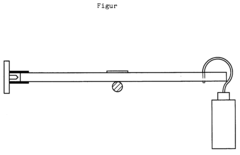
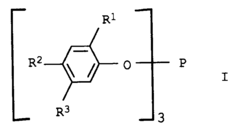
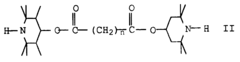
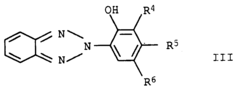
Composition with increased stress cracking resistance
PatentInactiveEP2150582A1
Innovation
- A composition comprising 50.0% to 99.5% by weight of at least one (meth)acrylate copolymer and 0.5% to 50.0% by weight of a copolymer obtained from polymerizing a monomer mixture of 70% to 92% vinyl aromatic monomers and 8% to 30% acrylonitrile, with specific properties such as high tensile modulus, Vicat softening point, and impact strength, ensuring excellent thermal stability and optical constancy.
Environmental Factors Affecting PMMA Cracking
Environmental factors play a crucial role in the cracking behavior of PMMA structural components. Temperature fluctuations are one of the primary contributors to PMMA cracking. Extreme temperature changes can cause thermal expansion and contraction, leading to stress buildup within the material. When these stresses exceed the material's strength, cracks may form and propagate. Additionally, prolonged exposure to high temperatures can cause thermal degradation of PMMA, weakening its structural integrity and making it more susceptible to cracking.
Humidity and moisture exposure are also significant factors affecting PMMA cracking. PMMA can absorb moisture from the environment, leading to swelling and dimensional changes. This absorption can create internal stresses and potentially result in crazing or cracking, especially in areas with high humidity or frequent exposure to water. Furthermore, the presence of moisture can accelerate the degradation of PMMA, particularly when combined with other environmental factors such as UV radiation or chemical exposure.
Ultraviolet (UV) radiation from sunlight is another critical environmental factor that can contribute to PMMA cracking. Prolonged exposure to UV radiation can cause photodegradation of the polymer chains, leading to embrittlement and reduced mechanical properties. This degradation process can make PMMA more susceptible to cracking under mechanical loads or thermal stresses. UV-induced degradation can also result in surface crazing, which can act as initiation points for more severe cracking.
Chemical exposure is an additional environmental factor that can significantly impact PMMA cracking. Certain solvents, acids, and other chemicals can attack the polymer structure, causing stress cracking or environmental stress cracking (ESC). These chemical interactions can weaken the material's resistance to crack initiation and propagation, even under relatively low mechanical stresses. The severity of chemical-induced cracking depends on factors such as the type of chemical, concentration, and duration of exposure.
Mechanical stresses from external sources, such as wind loads, vibrations, or impact forces, can also contribute to PMMA cracking when combined with other environmental factors. These mechanical stresses can exacerbate the effects of temperature fluctuations, moisture absorption, or UV degradation, leading to accelerated crack formation and growth. The synergistic effects of multiple environmental factors often result in more severe cracking than any single factor alone, highlighting the importance of considering the full range of environmental conditions when designing and implementing PMMA structural components.
Humidity and moisture exposure are also significant factors affecting PMMA cracking. PMMA can absorb moisture from the environment, leading to swelling and dimensional changes. This absorption can create internal stresses and potentially result in crazing or cracking, especially in areas with high humidity or frequent exposure to water. Furthermore, the presence of moisture can accelerate the degradation of PMMA, particularly when combined with other environmental factors such as UV radiation or chemical exposure.
Ultraviolet (UV) radiation from sunlight is another critical environmental factor that can contribute to PMMA cracking. Prolonged exposure to UV radiation can cause photodegradation of the polymer chains, leading to embrittlement and reduced mechanical properties. This degradation process can make PMMA more susceptible to cracking under mechanical loads or thermal stresses. UV-induced degradation can also result in surface crazing, which can act as initiation points for more severe cracking.
Chemical exposure is an additional environmental factor that can significantly impact PMMA cracking. Certain solvents, acids, and other chemicals can attack the polymer structure, causing stress cracking or environmental stress cracking (ESC). These chemical interactions can weaken the material's resistance to crack initiation and propagation, even under relatively low mechanical stresses. The severity of chemical-induced cracking depends on factors such as the type of chemical, concentration, and duration of exposure.
Mechanical stresses from external sources, such as wind loads, vibrations, or impact forces, can also contribute to PMMA cracking when combined with other environmental factors. These mechanical stresses can exacerbate the effects of temperature fluctuations, moisture absorption, or UV degradation, leading to accelerated crack formation and growth. The synergistic effects of multiple environmental factors often result in more severe cracking than any single factor alone, highlighting the importance of considering the full range of environmental conditions when designing and implementing PMMA structural components.
Regulatory Standards for PMMA Structural Use
The regulatory standards for PMMA structural use are critical in ensuring the safety and reliability of PMMA components in various applications. These standards are established by regulatory bodies and industry organizations to provide guidelines for the design, manufacture, and installation of PMMA structural elements. The American Society for Testing and Materials (ASTM) has developed several standards specifically for PMMA, including ASTM D4802 for standard specification of PMMA sheet and ASTM D638 for tensile properties testing.
In the European Union, the EN ISO 7823 series of standards governs the requirements for PMMA sheets used in construction and other applications. These standards specify the physical and mechanical properties that PMMA must meet to be considered suitable for structural use. Additionally, the European Committee for Standardization (CEN) has established guidelines for the use of PMMA in building and construction through standards such as EN 16240.
Regulatory standards also address the issue of cracking in PMMA structural components. For instance, ASTM F2184 provides guidelines for the design and testing of PMMA barriers used in ice hockey rinks, which are prone to impact-induced cracking. This standard outlines specific requirements for impact resistance and durability, helping to mitigate the risk of cracking under typical use conditions.
Building codes in various countries incorporate these standards to ensure the safe use of PMMA in construction. For example, the International Building Code (IBC) in the United States includes provisions for the use of plastic glazing materials, including PMMA, in specific applications. These codes often reference the relevant ASTM standards and provide additional requirements for fire safety, wind load resistance, and impact resistance.
To address the specific issue of cracking, regulatory standards often include requirements for stress testing and long-term durability assessments. For instance, the ISO 22007 series of standards provides methods for determining the thermal and mechanical properties of plastics, including PMMA, which can help predict and prevent cracking under various environmental conditions.
Manufacturers and designers must adhere to these regulatory standards when developing PMMA structural components. Compliance with these standards not only ensures the safety and reliability of the products but also provides a framework for quality control and product certification. As research continues to advance our understanding of PMMA behavior and failure mechanisms, regulatory standards are periodically updated to reflect new knowledge and improved testing methodologies.
In the European Union, the EN ISO 7823 series of standards governs the requirements for PMMA sheets used in construction and other applications. These standards specify the physical and mechanical properties that PMMA must meet to be considered suitable for structural use. Additionally, the European Committee for Standardization (CEN) has established guidelines for the use of PMMA in building and construction through standards such as EN 16240.
Regulatory standards also address the issue of cracking in PMMA structural components. For instance, ASTM F2184 provides guidelines for the design and testing of PMMA barriers used in ice hockey rinks, which are prone to impact-induced cracking. This standard outlines specific requirements for impact resistance and durability, helping to mitigate the risk of cracking under typical use conditions.
Building codes in various countries incorporate these standards to ensure the safe use of PMMA in construction. For example, the International Building Code (IBC) in the United States includes provisions for the use of plastic glazing materials, including PMMA, in specific applications. These codes often reference the relevant ASTM standards and provide additional requirements for fire safety, wind load resistance, and impact resistance.
To address the specific issue of cracking, regulatory standards often include requirements for stress testing and long-term durability assessments. For instance, the ISO 22007 series of standards provides methods for determining the thermal and mechanical properties of plastics, including PMMA, which can help predict and prevent cracking under various environmental conditions.
Manufacturers and designers must adhere to these regulatory standards when developing PMMA structural components. Compliance with these standards not only ensures the safety and reliability of the products but also provides a framework for quality control and product certification. As research continues to advance our understanding of PMMA behavior and failure mechanisms, regulatory standards are periodically updated to reflect new knowledge and improved testing methodologies.
Unlock deeper insights with PatSnap Eureka Quick Research — get a full tech report to explore trends and direct your research. Try now!
Generate Your Research Report Instantly with AI Agent
Supercharge your innovation with PatSnap Eureka AI Agent Platform!