Hydrochloric Acid: Essentials for Proactive Risk Management
JUL 1, 20259 MIN READ
Generate Your Research Report Instantly with AI Agent
Patsnap Eureka helps you evaluate technical feasibility & market potential.
HCl Risk Management Background and Objectives
Hydrochloric acid (HCl) is a widely used industrial chemical with significant applications across various sectors. However, its corrosive nature and potential health hazards necessitate a comprehensive approach to risk management. The background of HCl risk management stems from decades of industrial experience and evolving safety standards, driven by the need to protect workers, communities, and the environment.
The primary objective of proactive HCl risk management is to minimize the potential for accidents, spills, and exposure while maximizing the efficiency and safety of its use in industrial processes. This involves a multifaceted approach that encompasses engineering controls, administrative measures, and personal protective equipment. The evolution of risk management strategies for HCl has been influenced by advancements in materials science, process engineering, and occupational health research.
Historically, the management of HCl risks has progressed from reactive measures to more proactive and preventive approaches. Early industrial use of HCl often relied on basic containment and personal protection. However, as understanding of chemical hazards grew, so did the sophistication of risk management techniques. This progression has led to the development of specialized handling equipment, improved storage solutions, and more effective emergency response protocols.
The current landscape of HCl risk management is shaped by stringent regulatory frameworks, industry best practices, and ongoing technological innovations. Key areas of focus include the design of corrosion-resistant storage and transport systems, implementation of advanced leak detection technologies, and the development of more effective neutralization and containment strategies for potential spills.
One of the critical aspects of modern HCl risk management is the emphasis on process safety management (PSM) systems. These comprehensive frameworks integrate various elements such as hazard identification, risk assessment, operational procedures, training, and emergency preparedness. The goal is to create a holistic approach that addresses all potential risk factors throughout the lifecycle of HCl use in industrial settings.
Looking forward, the objectives of HCl risk management continue to evolve. There is an increasing focus on predictive analytics and real-time monitoring systems to anticipate and prevent incidents before they occur. Additionally, there is a growing emphasis on sustainable practices, aiming to reduce the environmental impact of HCl use and disposal while maintaining its crucial role in industrial processes.
The integration of digital technologies, such as Internet of Things (IoT) sensors and artificial intelligence, is expected to play a significant role in the future of HCl risk management. These technologies promise to enhance monitoring capabilities, improve response times, and provide more accurate risk assessments. As industries strive for greater efficiency and safety, the development of innovative risk management strategies for HCl remains a critical area of research and development.
The primary objective of proactive HCl risk management is to minimize the potential for accidents, spills, and exposure while maximizing the efficiency and safety of its use in industrial processes. This involves a multifaceted approach that encompasses engineering controls, administrative measures, and personal protective equipment. The evolution of risk management strategies for HCl has been influenced by advancements in materials science, process engineering, and occupational health research.
Historically, the management of HCl risks has progressed from reactive measures to more proactive and preventive approaches. Early industrial use of HCl often relied on basic containment and personal protection. However, as understanding of chemical hazards grew, so did the sophistication of risk management techniques. This progression has led to the development of specialized handling equipment, improved storage solutions, and more effective emergency response protocols.
The current landscape of HCl risk management is shaped by stringent regulatory frameworks, industry best practices, and ongoing technological innovations. Key areas of focus include the design of corrosion-resistant storage and transport systems, implementation of advanced leak detection technologies, and the development of more effective neutralization and containment strategies for potential spills.
One of the critical aspects of modern HCl risk management is the emphasis on process safety management (PSM) systems. These comprehensive frameworks integrate various elements such as hazard identification, risk assessment, operational procedures, training, and emergency preparedness. The goal is to create a holistic approach that addresses all potential risk factors throughout the lifecycle of HCl use in industrial settings.
Looking forward, the objectives of HCl risk management continue to evolve. There is an increasing focus on predictive analytics and real-time monitoring systems to anticipate and prevent incidents before they occur. Additionally, there is a growing emphasis on sustainable practices, aiming to reduce the environmental impact of HCl use and disposal while maintaining its crucial role in industrial processes.
The integration of digital technologies, such as Internet of Things (IoT) sensors and artificial intelligence, is expected to play a significant role in the future of HCl risk management. These technologies promise to enhance monitoring capabilities, improve response times, and provide more accurate risk assessments. As industries strive for greater efficiency and safety, the development of innovative risk management strategies for HCl remains a critical area of research and development.
Industrial Demand for HCl Safety Solutions
The industrial demand for hydrochloric acid (HCl) safety solutions has been steadily increasing due to the widespread use of this corrosive substance across various sectors. Industries such as chemical manufacturing, metal processing, oil and gas, and water treatment rely heavily on HCl for their operations, necessitating robust safety measures to protect workers and equipment.
The primary drivers of this demand include stringent regulatory requirements, growing awareness of workplace safety, and the need to mitigate potential environmental hazards. Occupational safety and health administrations worldwide have implemented strict guidelines for handling and storing HCl, compelling industries to invest in advanced safety solutions.
One of the key areas of focus is containment systems. Companies are seeking innovative storage tanks, piping, and transfer equipment designed specifically to withstand the corrosive nature of HCl. These systems often incorporate specialized materials such as high-grade plastics, fiberglass-reinforced polymers, or corrosion-resistant alloys to ensure long-term integrity and prevent leaks.
Personal protective equipment (PPE) tailored for HCl handling is another crucial segment of the safety solutions market. There is a growing demand for chemical-resistant suits, gloves, boots, and respiratory protection equipment that offer superior resistance to HCl exposure. Manufacturers are developing advanced materials and designs to enhance comfort and durability while maintaining the highest level of protection.
Detection and monitoring systems form an integral part of HCl safety solutions. Industries are investing in sophisticated gas detection devices, leak detection systems, and real-time monitoring equipment to quickly identify and respond to potential HCl releases. These technologies often incorporate IoT capabilities for remote monitoring and automated alert systems.
Emergency response and neutralization solutions are also in high demand. This includes specialized spill control kits, neutralizing agents, and emergency shower and eyewash stations designed specifically for HCl incidents. Industries are seeking comprehensive solutions that can rapidly mitigate the effects of accidental HCl exposure or spills.
Training and education programs focused on HCl safety have seen increased adoption across industries. Companies are recognizing the importance of well-trained personnel in preventing accidents and ensuring proper response in emergency situations. This has led to a rise in demand for specialized training modules, simulation software, and virtual reality-based training solutions.
As industries continue to prioritize safety and compliance, the market for HCl safety solutions is expected to expand further. Manufacturers and service providers in this space are focusing on developing integrated, cost-effective solutions that address the multifaceted challenges of HCl handling and storage. This trend is likely to drive innovation in materials science, sensor technologies, and safety management systems in the coming years.
The primary drivers of this demand include stringent regulatory requirements, growing awareness of workplace safety, and the need to mitigate potential environmental hazards. Occupational safety and health administrations worldwide have implemented strict guidelines for handling and storing HCl, compelling industries to invest in advanced safety solutions.
One of the key areas of focus is containment systems. Companies are seeking innovative storage tanks, piping, and transfer equipment designed specifically to withstand the corrosive nature of HCl. These systems often incorporate specialized materials such as high-grade plastics, fiberglass-reinforced polymers, or corrosion-resistant alloys to ensure long-term integrity and prevent leaks.
Personal protective equipment (PPE) tailored for HCl handling is another crucial segment of the safety solutions market. There is a growing demand for chemical-resistant suits, gloves, boots, and respiratory protection equipment that offer superior resistance to HCl exposure. Manufacturers are developing advanced materials and designs to enhance comfort and durability while maintaining the highest level of protection.
Detection and monitoring systems form an integral part of HCl safety solutions. Industries are investing in sophisticated gas detection devices, leak detection systems, and real-time monitoring equipment to quickly identify and respond to potential HCl releases. These technologies often incorporate IoT capabilities for remote monitoring and automated alert systems.
Emergency response and neutralization solutions are also in high demand. This includes specialized spill control kits, neutralizing agents, and emergency shower and eyewash stations designed specifically for HCl incidents. Industries are seeking comprehensive solutions that can rapidly mitigate the effects of accidental HCl exposure or spills.
Training and education programs focused on HCl safety have seen increased adoption across industries. Companies are recognizing the importance of well-trained personnel in preventing accidents and ensuring proper response in emergency situations. This has led to a rise in demand for specialized training modules, simulation software, and virtual reality-based training solutions.
As industries continue to prioritize safety and compliance, the market for HCl safety solutions is expected to expand further. Manufacturers and service providers in this space are focusing on developing integrated, cost-effective solutions that address the multifaceted challenges of HCl handling and storage. This trend is likely to drive innovation in materials science, sensor technologies, and safety management systems in the coming years.
Current Challenges in HCl Handling
Handling hydrochloric acid (HCl) presents several significant challenges that require careful consideration and proactive risk management strategies. One of the primary concerns is the highly corrosive nature of HCl, which can cause severe damage to equipment, infrastructure, and human tissue upon contact. This corrosivity necessitates the use of specialized materials and protective measures throughout the handling process, from storage to transportation and application.
The volatility of HCl poses another major challenge. At room temperature, HCl can readily form a corrosive vapor that is both toxic and potentially flammable when mixed with certain substances. This characteristic demands robust ventilation systems and stringent air quality monitoring protocols to ensure worker safety and environmental protection. The risk of accidental release or spills is a constant concern, requiring comprehensive emergency response plans and specialized containment systems.
Storage of HCl presents its own set of challenges. The acid must be kept in containers made of materials resistant to its corrosive effects, such as certain plastics or specially coated metals. These containers must also be designed to withstand pressure buildup from potential off-gassing. Long-term storage can lead to degradation of containment materials, necessitating regular inspections and maintenance protocols.
Transportation of HCl is particularly challenging due to its hazardous nature. Strict regulations govern the movement of HCl, requiring specialized vehicles, proper labeling, and trained personnel. The risk of accidents during transport is a significant concern, as even small spills can have severe environmental and safety consequences.
Worker safety is paramount when handling HCl, requiring comprehensive training programs, proper personal protective equipment (PPE), and rigorous safety protocols. The potential for chemical burns, respiratory issues, and other health hazards necessitates constant vigilance and adherence to safety guidelines.
Environmental concerns also pose significant challenges in HCl handling. Accidental releases can have devastating effects on ecosystems, particularly aquatic environments. Proper disposal of HCl and its byproducts is crucial, often requiring neutralization processes and specialized waste management procedures.
The reactive nature of HCl with many other substances presents additional challenges. Careful segregation from incompatible materials is essential to prevent dangerous chemical reactions. This requires detailed knowledge of chemical compatibilities and strict inventory management practices.
Lastly, regulatory compliance adds another layer of complexity to HCl handling. Staying abreast of evolving regulations, maintaining proper documentation, and ensuring all handling practices meet or exceed regulatory standards is an ongoing challenge for organizations working with HCl.
The volatility of HCl poses another major challenge. At room temperature, HCl can readily form a corrosive vapor that is both toxic and potentially flammable when mixed with certain substances. This characteristic demands robust ventilation systems and stringent air quality monitoring protocols to ensure worker safety and environmental protection. The risk of accidental release or spills is a constant concern, requiring comprehensive emergency response plans and specialized containment systems.
Storage of HCl presents its own set of challenges. The acid must be kept in containers made of materials resistant to its corrosive effects, such as certain plastics or specially coated metals. These containers must also be designed to withstand pressure buildup from potential off-gassing. Long-term storage can lead to degradation of containment materials, necessitating regular inspections and maintenance protocols.
Transportation of HCl is particularly challenging due to its hazardous nature. Strict regulations govern the movement of HCl, requiring specialized vehicles, proper labeling, and trained personnel. The risk of accidents during transport is a significant concern, as even small spills can have severe environmental and safety consequences.
Worker safety is paramount when handling HCl, requiring comprehensive training programs, proper personal protective equipment (PPE), and rigorous safety protocols. The potential for chemical burns, respiratory issues, and other health hazards necessitates constant vigilance and adherence to safety guidelines.
Environmental concerns also pose significant challenges in HCl handling. Accidental releases can have devastating effects on ecosystems, particularly aquatic environments. Proper disposal of HCl and its byproducts is crucial, often requiring neutralization processes and specialized waste management procedures.
The reactive nature of HCl with many other substances presents additional challenges. Careful segregation from incompatible materials is essential to prevent dangerous chemical reactions. This requires detailed knowledge of chemical compatibilities and strict inventory management practices.
Lastly, regulatory compliance adds another layer of complexity to HCl handling. Staying abreast of evolving regulations, maintaining proper documentation, and ensuring all handling practices meet or exceed regulatory standards is an ongoing challenge for organizations working with HCl.
Existing HCl Risk Mitigation Strategies
01 Corrosive nature and handling precautions
Hydrochloric acid is highly corrosive and poses significant risks to human health and equipment. Proper handling procedures, protective equipment, and storage methods are essential to mitigate these risks. This includes using acid-resistant materials, implementing safety protocols, and providing adequate ventilation in work areas.- Corrosive nature and handling precautions: Hydrochloric acid is highly corrosive and poses significant risks to human health and equipment. Proper handling procedures, protective equipment, and storage methods are essential to mitigate these risks. This includes using acid-resistant materials, implementing safety protocols, and providing adequate ventilation in work areas.
- Environmental impact and waste management: The release of hydrochloric acid into the environment can have severe consequences on ecosystems and water bodies. Proper waste management techniques, neutralization processes, and disposal methods are crucial to minimize environmental risks. This includes treatment of acid waste, recycling processes, and adherence to environmental regulations.
- Health hazards and safety measures: Exposure to hydrochloric acid can cause severe health issues, including respiratory problems, skin burns, and eye damage. Implementing comprehensive safety measures, such as emergency showers, eyewash stations, and proper personal protective equipment (PPE), is crucial for worker safety. Regular training and health monitoring programs should also be in place.
- Transportation and storage risks: Transporting and storing hydrochloric acid presents significant risks due to its corrosive nature. Specialized containers, proper labeling, and secure storage facilities are necessary to prevent accidents and spills. Risk assessment and emergency response plans should be developed for transportation routes and storage locations.
- Industrial applications and risk mitigation: Despite its hazards, hydrochloric acid is widely used in various industrial processes. Implementing engineering controls, such as closed systems, automated handling, and remote monitoring, can significantly reduce risks associated with its use. Regular maintenance, equipment inspections, and process optimization contribute to safer industrial applications.
02 Environmental impact and waste management
The release of hydrochloric acid into the environment can have severe consequences on ecosystems and water bodies. Proper waste management techniques, neutralization processes, and disposal methods are crucial to minimize environmental risks. This includes treatment of acid waste, recycling options, and compliance with environmental regulations.Expand Specific Solutions03 Industrial applications and safety measures
Hydrochloric acid is widely used in various industrial processes, including metal treatment, chemical manufacturing, and oil well acidizing. Implementing safety measures such as closed handling systems, leak detection mechanisms, and emergency response plans is essential to prevent accidents and protect workers in industrial settings.Expand Specific Solutions04 Health hazards and first aid procedures
Exposure to hydrochloric acid can cause severe burns, respiratory issues, and other health problems. Understanding the health hazards, implementing proper first aid procedures, and providing adequate medical facilities are crucial for managing risks associated with hydrochloric acid exposure in workplace environments.Expand Specific Solutions05 Risk assessment and mitigation strategies
Conducting comprehensive risk assessments and developing mitigation strategies are essential for managing hydrochloric acid risks. This includes identifying potential hazards, implementing engineering controls, providing employee training, and establishing emergency response procedures to minimize the likelihood and impact of acid-related incidents.Expand Specific Solutions
Key Players in HCl Safety Industry
The hydrochloric acid market is in a mature stage, characterized by steady growth and established applications across various industries. The global market size is substantial, driven by demand in sectors such as chemical processing, steel pickling, and oil well acidizing. Technologically, the field is well-developed, with companies like Dorf Ketal Chemicals FZE and Fluid Energy Group Ltd. focusing on innovative formulations and applications. Schlumberger, a major player in oilfield services, utilizes hydrochloric acid in its operations, indicating the technology's importance in the energy sector. The competitive landscape is diverse, with both specialized chemical manufacturers and large conglomerates like Kaneka Corp. participating, suggesting ongoing opportunities for technological advancements and market expansion.
Dorf Ketal Chemicals FZE
Technical Solution: Dorf Ketal Chemicals FZE has developed advanced corrosion inhibitors specifically designed for hydrochloric acid applications. Their proprietary formulations incorporate novel organic compounds that form a protective film on metal surfaces, significantly reducing corrosion rates even in high-temperature and high-pressure environments[1]. The company has also introduced smart dosing systems that automatically adjust inhibitor concentrations based on real-time monitoring of acid strength and flow rates, ensuring optimal protection while minimizing chemical usage[2]. Additionally, Dorf Ketal has invested in developing environmentally friendly inhibitors that are biodegradable and comply with stringent environmental regulations[3].
Strengths: Highly effective corrosion protection, smart dosing technology, and eco-friendly formulations. Weaknesses: Potentially higher initial costs compared to traditional inhibitors, and may require specialized equipment for optimal performance.
Fluid Energy Group Ltd.
Technical Solution: Fluid Energy Group Ltd. has pioneered a revolutionary approach to hydrochloric acid risk management through their HydroFLOW technology. This system utilizes a combination of electromagnetic fields and specialized fluid dynamics to reduce scale formation and bacterial growth in acid systems[1]. The company has also developed a proprietary acid neutralization process that rapidly converts hydrochloric acid into harmless salts and water, significantly reducing the risks associated with acid spills or leaks[2]. Furthermore, Fluid Energy Group has introduced a line of synthetic hydrochloric acid alternatives that offer similar performance characteristics with reduced environmental and safety risks[3].
Strengths: Innovative scale and bacteria control, rapid neutralization capabilities, and safer acid alternatives. Weaknesses: May require significant modifications to existing acid handling systems, and synthetic alternatives may not be suitable for all applications.
Innovative HCl Containment Technologies
Synthetic acid compositions alternatives to conventional acids in the oil and gas industry
PatentActiveCA2961792A1
Innovation
- A synthetic acid composition comprising urea and hydrogen chloride in a specific molar ratio, combined with an amino acid and optionally metal iodides or phosphonic acids, which reduces corrosion, is biodegradable, non-fuming, and has a controlled reaction rate, enhancing safety and environmental compatibility while maintaining effectiveness in well stimulation.
Method for flexibly controlling the use of hydrochloric acid from chemical production
PatentWO2018134239A1
Innovation
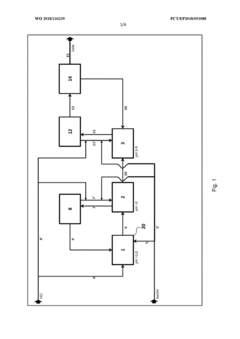
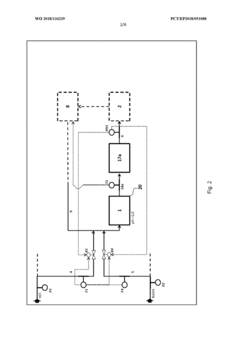
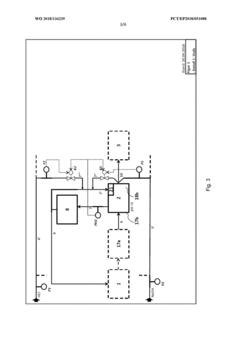
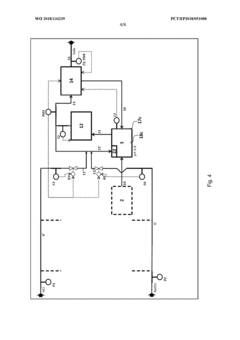
- A flexible control process for hydrochloric acid management involves neutralizing hydrochloric acid with concentrated alkali, specifically sodium hydroxide, in a multi-stage continuous process that adjusts pH values and compensates for flow and concentration variations, allowing for efficient handling and recycling of hydrochloric acid even when traditional acceptance points are unavailable.
Regulatory Framework for HCl Management
The regulatory framework for hydrochloric acid (HCl) management is a complex and multifaceted system designed to ensure the safe handling, storage, transportation, and use of this hazardous substance. At the international level, organizations such as the United Nations and the World Health Organization provide guidelines and recommendations for the management of hazardous chemicals, including HCl.
In the United States, the Occupational Safety and Health Administration (OSHA) plays a crucial role in regulating workplace exposure to HCl. OSHA has established permissible exposure limits (PELs) for HCl, setting the maximum concentration of the substance that workers can be exposed to during an 8-hour workday. The current PEL for HCl is 5 parts per million (ppm) as a ceiling limit, meaning this concentration should never be exceeded.
The Environmental Protection Agency (EPA) regulates the environmental aspects of HCl management under various statutes, including the Clean Air Act and the Resource Conservation and Recovery Act. These regulations cover emissions, waste management, and reporting requirements for facilities handling HCl.
The Department of Transportation (DOT) oversees the transportation of HCl, classifying it as a hazardous material. DOT regulations dictate specific packaging, labeling, and documentation requirements for the shipment of HCl by road, rail, air, or sea.
At the state level, additional regulations may apply, often building upon federal standards to address local concerns or specific industry needs. For instance, California's Proposition 65 requires businesses to provide warnings about significant exposures to chemicals that can cause cancer, birth defects, or other reproductive harm, which includes HCl in certain circumstances.
Internationally, the European Union's REACH (Registration, Evaluation, Authorization and Restriction of Chemicals) regulation and the Globally Harmonized System of Classification and Labelling of Chemicals (GHS) provide frameworks for chemical management that impact HCl handling and communication of hazards.
Compliance with these regulatory frameworks requires ongoing vigilance and adaptation. Companies must stay informed about changes in regulations, implement robust safety management systems, and provide comprehensive training to employees. Regular audits and assessments are essential to ensure continued compliance and to identify areas for improvement in HCl management practices.
In the United States, the Occupational Safety and Health Administration (OSHA) plays a crucial role in regulating workplace exposure to HCl. OSHA has established permissible exposure limits (PELs) for HCl, setting the maximum concentration of the substance that workers can be exposed to during an 8-hour workday. The current PEL for HCl is 5 parts per million (ppm) as a ceiling limit, meaning this concentration should never be exceeded.
The Environmental Protection Agency (EPA) regulates the environmental aspects of HCl management under various statutes, including the Clean Air Act and the Resource Conservation and Recovery Act. These regulations cover emissions, waste management, and reporting requirements for facilities handling HCl.
The Department of Transportation (DOT) oversees the transportation of HCl, classifying it as a hazardous material. DOT regulations dictate specific packaging, labeling, and documentation requirements for the shipment of HCl by road, rail, air, or sea.
At the state level, additional regulations may apply, often building upon federal standards to address local concerns or specific industry needs. For instance, California's Proposition 65 requires businesses to provide warnings about significant exposures to chemicals that can cause cancer, birth defects, or other reproductive harm, which includes HCl in certain circumstances.
Internationally, the European Union's REACH (Registration, Evaluation, Authorization and Restriction of Chemicals) regulation and the Globally Harmonized System of Classification and Labelling of Chemicals (GHS) provide frameworks for chemical management that impact HCl handling and communication of hazards.
Compliance with these regulatory frameworks requires ongoing vigilance and adaptation. Companies must stay informed about changes in regulations, implement robust safety management systems, and provide comprehensive training to employees. Regular audits and assessments are essential to ensure continued compliance and to identify areas for improvement in HCl management practices.
Environmental Impact of HCl Usage
The environmental impact of hydrochloric acid (HCl) usage is a critical concern in various industries. HCl, while essential in many processes, poses significant risks to ecosystems and human health if not properly managed. When released into the environment, HCl can cause severe damage to soil, water bodies, and air quality.
In aquatic ecosystems, HCl discharge can lead to rapid acidification of water bodies. This sudden pH change can be lethal to fish and other aquatic organisms, disrupting entire food chains. Even small concentrations can harm sensitive species and alter the delicate balance of aquatic ecosystems. The acid can also mobilize heavy metals in sediments, further contaminating water sources.
Soil contamination is another major concern. HCl spills can dramatically alter soil pH, rendering it inhospitable for plant growth and microbial activity. This can lead to long-term degradation of soil quality, affecting agricultural productivity and natural habitats. The acid can also leach nutrients and minerals from the soil, further compromising its fertility.
Air pollution resulting from HCl emissions is a significant health hazard. When released into the atmosphere, HCl forms an acidic mist that can cause respiratory issues, eye irritation, and damage to vegetation. In urban areas, these emissions can contribute to the formation of acid rain, which has far-reaching effects on both natural and built environments.
The industrial use of HCl also contributes to the carbon footprint through its production and transportation. The energy-intensive manufacturing process of HCl releases greenhouse gases, contributing to climate change. Additionally, the transportation of large quantities of HCl poses risks of accidental spills during transit, potentially affecting communities and ecosystems along transportation routes.
To mitigate these environmental impacts, industries must implement robust risk management strategies. This includes adopting closed-loop systems to minimize HCl release, improving storage and handling protocols, and investing in advanced treatment technologies for waste streams containing HCl. Regular environmental monitoring and impact assessments are crucial to detect and address potential issues promptly.
Regulatory compliance plays a vital role in managing HCl's environmental impact. Stringent regulations on emissions, disposal, and handling of HCl have been implemented in many countries. Industries must adhere to these guidelines and often go beyond compliance to ensure responsible use of HCl. This includes proper training of personnel, regular equipment maintenance, and implementation of emergency response plans.
In aquatic ecosystems, HCl discharge can lead to rapid acidification of water bodies. This sudden pH change can be lethal to fish and other aquatic organisms, disrupting entire food chains. Even small concentrations can harm sensitive species and alter the delicate balance of aquatic ecosystems. The acid can also mobilize heavy metals in sediments, further contaminating water sources.
Soil contamination is another major concern. HCl spills can dramatically alter soil pH, rendering it inhospitable for plant growth and microbial activity. This can lead to long-term degradation of soil quality, affecting agricultural productivity and natural habitats. The acid can also leach nutrients and minerals from the soil, further compromising its fertility.
Air pollution resulting from HCl emissions is a significant health hazard. When released into the atmosphere, HCl forms an acidic mist that can cause respiratory issues, eye irritation, and damage to vegetation. In urban areas, these emissions can contribute to the formation of acid rain, which has far-reaching effects on both natural and built environments.
The industrial use of HCl also contributes to the carbon footprint through its production and transportation. The energy-intensive manufacturing process of HCl releases greenhouse gases, contributing to climate change. Additionally, the transportation of large quantities of HCl poses risks of accidental spills during transit, potentially affecting communities and ecosystems along transportation routes.
To mitigate these environmental impacts, industries must implement robust risk management strategies. This includes adopting closed-loop systems to minimize HCl release, improving storage and handling protocols, and investing in advanced treatment technologies for waste streams containing HCl. Regular environmental monitoring and impact assessments are crucial to detect and address potential issues promptly.
Regulatory compliance plays a vital role in managing HCl's environmental impact. Stringent regulations on emissions, disposal, and handling of HCl have been implemented in many countries. Industries must adhere to these guidelines and often go beyond compliance to ensure responsible use of HCl. This includes proper training of personnel, regular equipment maintenance, and implementation of emergency response plans.
Unlock deeper insights with Patsnap Eureka Quick Research — get a full tech report to explore trends and direct your research. Try now!
Generate Your Research Report Instantly with AI Agent
Supercharge your innovation with Patsnap Eureka AI Agent Platform!