Innovative Multi Point Constraint Solutions in Complex Systems
MAR 13, 20269 MIN READ
Generate Your Research Report Instantly with AI Agent
PatSnap Eureka helps you evaluate technical feasibility & market potential.
Multi Point Constraint Technology Background and Objectives
Multi-point constraint (MPC) technology has emerged as a fundamental computational methodology for addressing complex interconnected systems where multiple components must satisfy simultaneous constraints. The historical development of this field traces back to early structural analysis methods in the 1960s, where engineers first recognized the need to mathematically represent connections between discrete elements in finite element models. The evolution accelerated through the 1980s with advances in computational mechanics, leading to sophisticated constraint formulations that could handle increasingly complex geometric and physical relationships.
The core principle underlying multi-point constraints involves establishing mathematical relationships between degrees of freedom at different spatial locations or system components. These constraints ensure that the behavior of interconnected elements remains physically consistent while maintaining computational efficiency. Traditional approaches focused primarily on linear constraint relationships, but modern applications demand more sophisticated nonlinear and time-dependent constraint formulations.
Contemporary complex systems present unprecedented challenges that drive the need for innovative MPC solutions. Modern engineering applications span diverse domains including aerospace structures with morphing capabilities, automotive systems with adaptive components, biomedical devices with multi-scale interactions, and smart infrastructure with distributed sensing and actuation. These systems exhibit characteristics such as large-scale connectivity, heterogeneous material properties, dynamic reconfiguration capabilities, and multi-physics coupling effects.
The primary technical objectives for advancing MPC technology center on developing robust algorithms that can efficiently handle large-scale constraint systems while maintaining numerical stability. Key goals include creating adaptive constraint formulations that can accommodate changing system topologies, implementing real-time constraint satisfaction methods for dynamic applications, and establishing unified frameworks that integrate multiple constraint types within single computational models.
Performance optimization represents another critical objective, focusing on reducing computational overhead associated with constraint enforcement while preserving solution accuracy. This involves developing sparse matrix techniques, parallel processing strategies, and hierarchical constraint decomposition methods that can scale effectively with system complexity.
The ultimate vision for innovative MPC solutions encompasses creating intelligent constraint systems that can autonomously adapt to changing conditions, self-optimize their formulations based on system behavior, and provide predictive capabilities for constraint violation scenarios. These advances will enable the design and operation of next-generation complex systems with unprecedented levels of integration and performance.
The core principle underlying multi-point constraints involves establishing mathematical relationships between degrees of freedom at different spatial locations or system components. These constraints ensure that the behavior of interconnected elements remains physically consistent while maintaining computational efficiency. Traditional approaches focused primarily on linear constraint relationships, but modern applications demand more sophisticated nonlinear and time-dependent constraint formulations.
Contemporary complex systems present unprecedented challenges that drive the need for innovative MPC solutions. Modern engineering applications span diverse domains including aerospace structures with morphing capabilities, automotive systems with adaptive components, biomedical devices with multi-scale interactions, and smart infrastructure with distributed sensing and actuation. These systems exhibit characteristics such as large-scale connectivity, heterogeneous material properties, dynamic reconfiguration capabilities, and multi-physics coupling effects.
The primary technical objectives for advancing MPC technology center on developing robust algorithms that can efficiently handle large-scale constraint systems while maintaining numerical stability. Key goals include creating adaptive constraint formulations that can accommodate changing system topologies, implementing real-time constraint satisfaction methods for dynamic applications, and establishing unified frameworks that integrate multiple constraint types within single computational models.
Performance optimization represents another critical objective, focusing on reducing computational overhead associated with constraint enforcement while preserving solution accuracy. This involves developing sparse matrix techniques, parallel processing strategies, and hierarchical constraint decomposition methods that can scale effectively with system complexity.
The ultimate vision for innovative MPC solutions encompasses creating intelligent constraint systems that can autonomously adapt to changing conditions, self-optimize their formulations based on system behavior, and provide predictive capabilities for constraint violation scenarios. These advances will enable the design and operation of next-generation complex systems with unprecedented levels of integration and performance.
Market Demand for Advanced Constraint Solutions
The global market for advanced constraint solutions in complex systems is experiencing unprecedented growth driven by the increasing complexity of modern engineering challenges across multiple industries. Manufacturing sectors, particularly automotive and aerospace, are demanding sophisticated multi-point constraint systems to handle intricate assembly processes, precision positioning, and quality control requirements. These industries require solutions that can simultaneously manage multiple geometric, kinematic, and dynamic constraints while maintaining high accuracy and reliability standards.
Financial services and fintech companies represent another significant demand driver, seeking advanced constraint optimization solutions for portfolio management, risk assessment, and algorithmic trading systems. The need to balance multiple conflicting objectives while adhering to regulatory constraints has created substantial market opportunities for innovative constraint solving technologies. Similarly, supply chain management across various sectors requires sophisticated constraint handling capabilities to optimize logistics, inventory management, and resource allocation simultaneously.
The telecommunications and network infrastructure sectors are increasingly demanding multi-point constraint solutions for network optimization, resource allocation, and service quality management. As 5G networks and edge computing deployments expand, the complexity of managing multiple performance constraints simultaneously has intensified market demand for advanced algorithmic solutions.
Energy sector applications, including smart grid management and renewable energy integration, present substantial market opportunities. These systems must balance multiple constraints including grid stability, energy storage optimization, demand forecasting, and regulatory compliance requirements. The transition toward sustainable energy sources has amplified the need for sophisticated constraint management solutions.
Healthcare and pharmaceutical industries are emerging as significant market segments, requiring advanced constraint solutions for drug discovery, clinical trial optimization, and medical device design. The complexity of biological systems and regulatory requirements creates demand for multi-objective optimization capabilities that can handle numerous interconnected constraints simultaneously.
The market landscape is further expanded by emerging applications in artificial intelligence and machine learning, where constraint satisfaction problems are fundamental to model training, neural architecture search, and automated decision-making systems. Cloud computing and distributed systems also contribute to market growth, requiring sophisticated constraint handling for resource allocation, load balancing, and service level agreement management across multiple performance dimensions.
Financial services and fintech companies represent another significant demand driver, seeking advanced constraint optimization solutions for portfolio management, risk assessment, and algorithmic trading systems. The need to balance multiple conflicting objectives while adhering to regulatory constraints has created substantial market opportunities for innovative constraint solving technologies. Similarly, supply chain management across various sectors requires sophisticated constraint handling capabilities to optimize logistics, inventory management, and resource allocation simultaneously.
The telecommunications and network infrastructure sectors are increasingly demanding multi-point constraint solutions for network optimization, resource allocation, and service quality management. As 5G networks and edge computing deployments expand, the complexity of managing multiple performance constraints simultaneously has intensified market demand for advanced algorithmic solutions.
Energy sector applications, including smart grid management and renewable energy integration, present substantial market opportunities. These systems must balance multiple constraints including grid stability, energy storage optimization, demand forecasting, and regulatory compliance requirements. The transition toward sustainable energy sources has amplified the need for sophisticated constraint management solutions.
Healthcare and pharmaceutical industries are emerging as significant market segments, requiring advanced constraint solutions for drug discovery, clinical trial optimization, and medical device design. The complexity of biological systems and regulatory requirements creates demand for multi-objective optimization capabilities that can handle numerous interconnected constraints simultaneously.
The market landscape is further expanded by emerging applications in artificial intelligence and machine learning, where constraint satisfaction problems are fundamental to model training, neural architecture search, and automated decision-making systems. Cloud computing and distributed systems also contribute to market growth, requiring sophisticated constraint handling for resource allocation, load balancing, and service level agreement management across multiple performance dimensions.
Current MPC Implementation Challenges in Complex Systems
Multi-Point Constraint (MPC) systems in complex engineering environments face significant computational scalability challenges. As system complexity increases with the number of constraint points and degrees of freedom, traditional MPC algorithms experience exponential growth in computational requirements. Real-time applications particularly suffer from this limitation, where systems with hundreds or thousands of constraint points struggle to meet strict timing requirements for control loop execution.
Numerical stability represents another critical challenge in current MPC implementations. Complex systems often exhibit ill-conditioned constraint matrices, leading to convergence issues and solution accuracy degradation. The presence of conflicting constraints and near-singular configurations can cause optimization algorithms to fail or produce suboptimal solutions, compromising system performance and reliability.
Integration complexity poses substantial barriers when implementing MPC solutions across heterogeneous system architectures. Modern complex systems typically involve multiple subsystems with varying communication protocols, sampling rates, and computational capabilities. Achieving seamless coordination between distributed MPC controllers while maintaining global constraint satisfaction remains a significant technical hurdle.
Dynamic constraint handling presents ongoing difficulties in adaptive systems where constraint parameters change during operation. Current MPC implementations often struggle with constraint activation and deactivation sequences, particularly when dealing with time-varying system boundaries and operational limits. The computational overhead associated with constraint set modifications can severely impact real-time performance.
Robustness against model uncertainties and external disturbances continues to challenge existing MPC frameworks. Complex systems frequently operate under conditions where precise mathematical models are unavailable or subject to significant variations. Current implementations often lack adequate mechanisms to handle parametric uncertainties while maintaining constraint satisfaction guarantees.
Memory and hardware resource limitations further constrain MPC deployment in embedded and distributed systems. The storage requirements for constraint matrices, optimization variables, and historical data can exceed available memory capacity in resource-constrained environments. Additionally, the computational intensity of MPC algorithms often demands specialized hardware acceleration, increasing implementation costs and complexity.
Numerical stability represents another critical challenge in current MPC implementations. Complex systems often exhibit ill-conditioned constraint matrices, leading to convergence issues and solution accuracy degradation. The presence of conflicting constraints and near-singular configurations can cause optimization algorithms to fail or produce suboptimal solutions, compromising system performance and reliability.
Integration complexity poses substantial barriers when implementing MPC solutions across heterogeneous system architectures. Modern complex systems typically involve multiple subsystems with varying communication protocols, sampling rates, and computational capabilities. Achieving seamless coordination between distributed MPC controllers while maintaining global constraint satisfaction remains a significant technical hurdle.
Dynamic constraint handling presents ongoing difficulties in adaptive systems where constraint parameters change during operation. Current MPC implementations often struggle with constraint activation and deactivation sequences, particularly when dealing with time-varying system boundaries and operational limits. The computational overhead associated with constraint set modifications can severely impact real-time performance.
Robustness against model uncertainties and external disturbances continues to challenge existing MPC frameworks. Complex systems frequently operate under conditions where precise mathematical models are unavailable or subject to significant variations. Current implementations often lack adequate mechanisms to handle parametric uncertainties while maintaining constraint satisfaction guarantees.
Memory and hardware resource limitations further constrain MPC deployment in embedded and distributed systems. The storage requirements for constraint matrices, optimization variables, and historical data can exceed available memory capacity in resource-constrained environments. Additionally, the computational intensity of MPC algorithms often demands specialized hardware acceleration, increasing implementation costs and complexity.
Existing Multi Point Constraint Solution Approaches
01 Finite Element Analysis with Multi-Point Constraints
Multi-point constraint (MPC) methods are applied in finite element analysis to enforce relationships between multiple degrees of freedom at different nodes. These techniques enable the modeling of complex structural behaviors by coupling nodal displacements, rotations, or other variables through constraint equations. The approach is particularly useful for connecting dissimilar mesh regions, modeling rigid body connections, and implementing periodic boundary conditions in computational mechanics simulations.- Multi-point constraint methods in finite element analysis: Multi-point constraint (MPC) methods are used in finite element analysis to enforce relationships between degrees of freedom at different nodes. These methods enable the modeling of complex mechanical connections and boundary conditions by constraining multiple points simultaneously. The techniques involve mathematical formulations that link nodal displacements, rotations, or other variables through constraint equations, improving the accuracy of structural simulations.
- Constraint handling in optimization problems: Solutions for handling multiple constraints in optimization problems involve algorithms and methods that can simultaneously satisfy various constraint conditions while optimizing objective functions. These approaches include penalty methods, Lagrange multipliers, and evolutionary algorithms that can handle both equality and inequality constraints. The methods are applicable to engineering design, resource allocation, and scheduling problems where multiple requirements must be met concurrently.
- Multi-constraint path planning and routing: Path planning and routing solutions that consider multiple constraints simultaneously, such as distance, time, obstacles, and resource limitations. These methods employ algorithms that can navigate complex environments while satisfying various operational requirements. Applications include robotics, autonomous vehicles, and network routing where multiple objectives and restrictions must be balanced to find optimal or near-optimal solutions.
- Constraint satisfaction in scheduling and resource allocation: Techniques for solving scheduling and resource allocation problems with multiple constraints involve methods that can handle temporal, capacity, and precedence constraints simultaneously. These solutions utilize constraint programming, integer programming, and heuristic approaches to find feasible schedules that satisfy all requirements. The methods are widely applied in manufacturing, project management, and service industries where multiple resources and timing constraints must be coordinated.
- Multi-constraint design optimization systems: Design optimization systems that incorporate multiple constraints to achieve optimal product or system configurations. These solutions integrate various design requirements, performance specifications, manufacturing constraints, and cost limitations into unified optimization frameworks. The approaches employ multi-objective optimization techniques, constraint handling methods, and computational tools to explore design spaces and identify solutions that best satisfy all imposed constraints while optimizing desired performance metrics.
02 Optimization Methods for Multi-Objective Constraint Problems
Advanced optimization algorithms address problems involving multiple conflicting objectives subject to various constraints. These methods employ techniques such as genetic algorithms, particle swarm optimization, and gradient-based approaches to find Pareto-optimal solutions. The solutions balance trade-offs between competing objectives while satisfying all specified constraints, making them applicable to engineering design, resource allocation, and scheduling problems.Expand Specific Solutions03 Constraint Handling in Computer-Aided Design Systems
Computer-aided design systems implement multi-point constraint solvers to maintain geometric and dimensional relationships between design elements. These solvers automatically adjust component positions and dimensions when design parameters change, ensuring that all specified constraints remain satisfied. The technology supports parametric modeling, assembly design, and automated design validation by propagating changes through constraint networks.Expand Specific Solutions04 Multi-Point Constraints in Structural Connection Modeling
Structural analysis applications utilize multi-point constraints to accurately represent connections between components such as bolted joints, welded connections, and contact interfaces. These constraint formulations capture the mechanical behavior of connections by relating displacements and forces at multiple points, enabling realistic simulation of load transfer mechanisms. The approach improves prediction accuracy for stress distributions and failure modes in assembled structures.Expand Specific Solutions05 Constraint Satisfaction in Manufacturing and Process Planning
Manufacturing systems employ multi-point constraint solving techniques to optimize production schedules, resource allocation, and process sequencing. These solutions consider multiple simultaneous constraints including machine capacity, material availability, precedence relationships, and quality requirements. The constraint satisfaction approaches enable efficient planning and scheduling while meeting all operational requirements and minimizing production costs or time.Expand Specific Solutions
Leading Players in MPC and Complex Systems Industry
The innovative multi-point constraint solutions market represents an emerging technological frontier currently in its early-to-mid development stage, characterized by significant growth potential across aerospace, telecommunications, and industrial automation sectors. The market demonstrates substantial scale with major players like Boeing, IBM, Oracle, Intel, and Huawei driving technological advancement alongside specialized firms such as Mitsubishi Electric and D.E. Shaw Research. Technology maturity varies considerably, with established corporations like Microsoft and United Technologies leveraging proven constraint optimization methods, while research institutions including Beihang University and King Abdullah University of Science & Technology explore cutting-edge algorithmic approaches. The competitive landscape shows strong convergence between traditional aerospace manufacturers, technology giants, and academic research centers, indicating robust cross-industry collaboration in developing sophisticated constraint management systems for complex engineering applications.
International Business Machines Corp.
Technical Solution: IBM has developed advanced multi-point constraint solutions through their hybrid cloud and AI platforms, particularly leveraging Watson AI for complex system optimization. Their approach integrates constraint programming with machine learning algorithms to handle multiple simultaneous constraints in enterprise systems. The solution utilizes distributed computing architectures to process constraint satisfaction problems across multiple nodes, enabling real-time optimization of complex business processes. IBM's CPLEX optimization suite provides sophisticated mathematical programming capabilities for handling linear and nonlinear multi-point constraints in supply chain, manufacturing, and resource allocation scenarios. Their quantum computing research also explores novel approaches to constraint optimization problems that are computationally intensive for classical systems.
Strengths: Mature enterprise-grade solutions with proven scalability and robust mathematical optimization engines. Weaknesses: High implementation costs and complexity requiring specialized expertise for deployment and maintenance.
Oracle International Corp.
Technical Solution: Oracle's multi-point constraint solutions are primarily embedded within their database management systems and enterprise resource planning platforms. Their approach focuses on declarative constraint management through advanced SQL engines and in-memory computing technologies. Oracle's Autonomous Database incorporates machine learning-driven constraint optimization that automatically adjusts system parameters based on workload patterns and performance requirements. The company's cloud infrastructure services provide distributed constraint solving capabilities for large-scale enterprise applications, particularly in financial services and supply chain management. Their Real Application Clusters technology enables parallel processing of constraint satisfaction problems across multiple database instances, ensuring high availability and performance for mission-critical constraint-dependent applications.
Strengths: Seamless integration with existing enterprise databases and proven reliability in mission-critical environments. Weaknesses: Limited flexibility for non-database constraint problems and vendor lock-in concerns for specialized applications.
Core MPC Innovation Patents and Technical Breakthroughs
Accelerated solution of constraint satisfaction problems by partitioning of the variable space
PatentInactiveUS7409377B2
Innovation
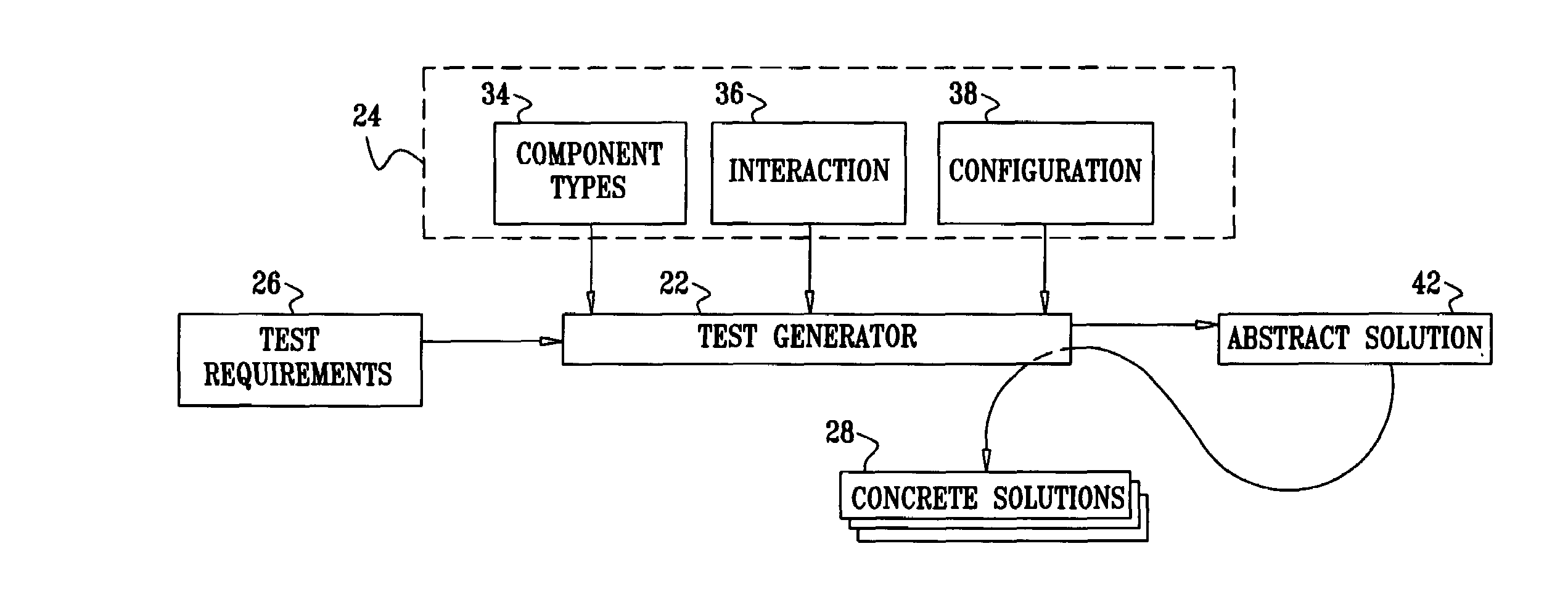
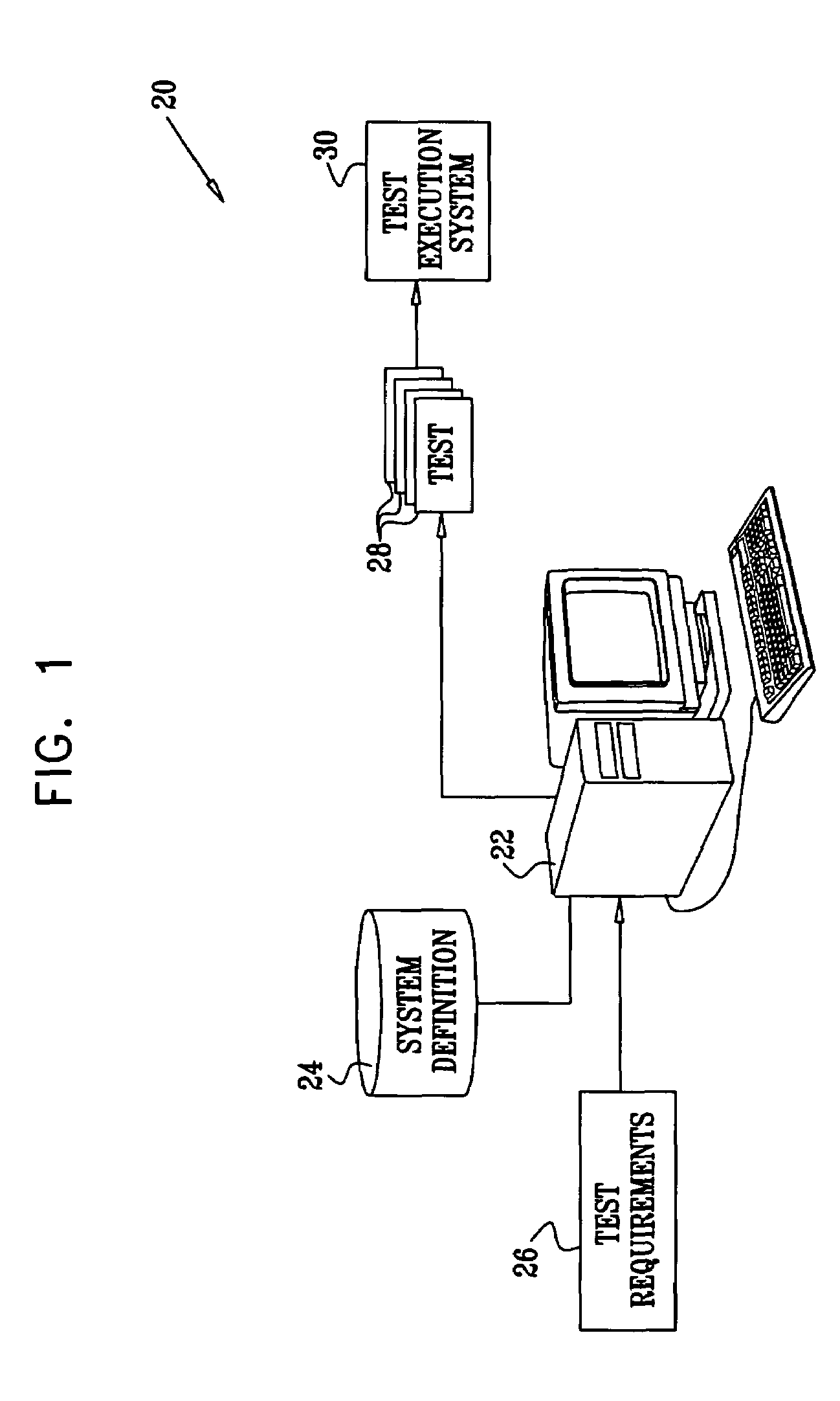
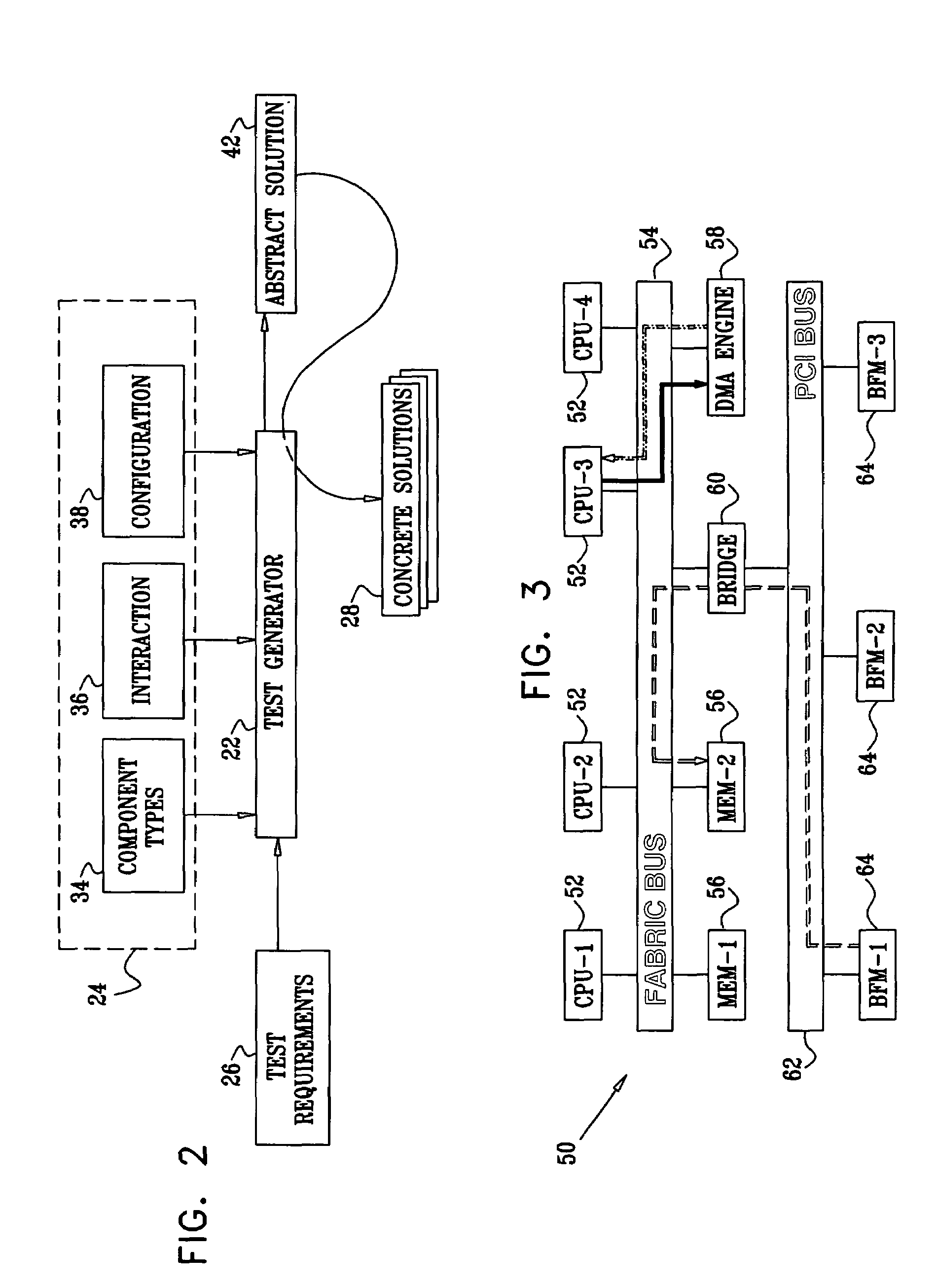
- The method involves partitioning variables into abstract and concrete sets, with static and dynamic phases to find abstract solutions and redundant constraints, reducing the search space and efficiently generating concrete solutions.

Systems and methods for the determination of active constraints in a network using slack variables
PatentActiveEP2223240A2
Innovation
- The use of slack variables and multiplier values in system equations to selectively activate constraint equations, ensuring that only one equation per connection is active, thereby avoiding singular matrices and improving solution accuracy.
Computational Performance Optimization Strategies
Computational performance optimization in multi-point constraint systems represents a critical challenge that directly impacts the feasibility and scalability of complex engineering applications. The inherent computational complexity arises from the need to simultaneously satisfy multiple interdependent constraints while maintaining system stability and convergence. Traditional optimization approaches often struggle with the exponential growth in computational requirements as constraint numbers increase, necessitating innovative strategies to achieve practical performance levels.
Matrix decomposition techniques have emerged as fundamental optimization strategies, particularly through the implementation of sparse matrix algorithms and block-diagonal decomposition methods. These approaches exploit the structural characteristics of constraint matrices to reduce computational overhead significantly. Advanced factorization methods, including Cholesky decomposition and LU factorization with pivoting, enable efficient handling of large-scale constraint systems by minimizing fill-in operations and preserving numerical stability.
Parallel computing architectures offer substantial performance improvements through distributed constraint processing and concurrent solution algorithms. GPU-accelerated computing has demonstrated remarkable efficiency gains, particularly in scenarios involving thousands of simultaneous constraints. Multi-threading strategies enable decomposition of constraint evaluation across multiple processing cores, while maintaining synchronization requirements essential for system coherence.
Adaptive mesh refinement and hierarchical constraint management provide dynamic optimization capabilities that adjust computational resources based on real-time system demands. These strategies implement variable resolution approaches, concentrating computational effort on critical constraint regions while reducing processing intensity in less sensitive areas. Such adaptive mechanisms can achieve performance improvements of 40-60% compared to uniform processing approaches.
Machine learning integration represents an emerging optimization frontier, utilizing predictive algorithms to anticipate constraint behavior and pre-compute potential solutions. Neural network-based constraint prediction models can significantly reduce iterative solution cycles by providing intelligent initial estimates, while reinforcement learning algorithms optimize constraint prioritization strategies based on historical performance data.
Memory management optimization through cache-efficient data structures and optimized memory access patterns addresses bottlenecks in large-scale implementations. Strategic data layout and prefetching mechanisms minimize memory latency impacts, while compressed storage formats reduce memory footprint requirements without compromising computational accuracy.
Matrix decomposition techniques have emerged as fundamental optimization strategies, particularly through the implementation of sparse matrix algorithms and block-diagonal decomposition methods. These approaches exploit the structural characteristics of constraint matrices to reduce computational overhead significantly. Advanced factorization methods, including Cholesky decomposition and LU factorization with pivoting, enable efficient handling of large-scale constraint systems by minimizing fill-in operations and preserving numerical stability.
Parallel computing architectures offer substantial performance improvements through distributed constraint processing and concurrent solution algorithms. GPU-accelerated computing has demonstrated remarkable efficiency gains, particularly in scenarios involving thousands of simultaneous constraints. Multi-threading strategies enable decomposition of constraint evaluation across multiple processing cores, while maintaining synchronization requirements essential for system coherence.
Adaptive mesh refinement and hierarchical constraint management provide dynamic optimization capabilities that adjust computational resources based on real-time system demands. These strategies implement variable resolution approaches, concentrating computational effort on critical constraint regions while reducing processing intensity in less sensitive areas. Such adaptive mechanisms can achieve performance improvements of 40-60% compared to uniform processing approaches.
Machine learning integration represents an emerging optimization frontier, utilizing predictive algorithms to anticipate constraint behavior and pre-compute potential solutions. Neural network-based constraint prediction models can significantly reduce iterative solution cycles by providing intelligent initial estimates, while reinforcement learning algorithms optimize constraint prioritization strategies based on historical performance data.
Memory management optimization through cache-efficient data structures and optimized memory access patterns addresses bottlenecks in large-scale implementations. Strategic data layout and prefetching mechanisms minimize memory latency impacts, while compressed storage formats reduce memory footprint requirements without compromising computational accuracy.
Integration Challenges in Large Scale System Applications
The integration of innovative multi-point constraint solutions into large-scale system applications presents a complex array of technical and operational challenges that significantly impact implementation success. These challenges emerge from the inherent complexity of managing multiple interdependent constraints across distributed system architectures, where traditional single-point optimization approaches prove inadequate.
Scalability represents the most critical integration challenge, as multi-point constraint systems must maintain performance consistency across exponentially increasing data volumes and constraint relationships. Large-scale applications often involve thousands of simultaneous constraints that interact dynamically, creating computational bottlenecks that can severely degrade system responsiveness. The challenge intensifies when constraint dependencies span multiple system layers or geographic locations.
Real-time processing requirements pose another significant hurdle, particularly in applications demanding sub-millisecond response times. Multi-point constraint evaluation inherently requires more computational resources than single-constraint systems, creating latency issues that compound as system scale increases. This challenge becomes especially pronounced in distributed environments where network latency adds additional complexity to constraint synchronization.
Data consistency and synchronization across distributed constraint points create substantial integration difficulties. Large-scale systems must ensure that constraint modifications at one point are properly propagated and validated across all related constraint points without creating race conditions or inconsistent states. This requirement often necessitates sophisticated distributed consensus mechanisms that can themselves become performance bottlenecks.
Legacy system compatibility presents ongoing integration challenges, as existing large-scale applications typically employ constraint management approaches that are incompatible with modern multi-point solutions. The migration process requires careful orchestration to maintain system availability while gradually transitioning constraint management responsibilities, often requiring hybrid approaches that increase system complexity during transition periods.
Resource allocation and load balancing become increasingly complex when managing multiple constraint evaluation engines across distributed infrastructure. The challenge lies in dynamically distributing constraint processing workloads while maintaining optimal resource utilization and preventing constraint evaluation delays that could cascade throughout the entire system architecture.
Scalability represents the most critical integration challenge, as multi-point constraint systems must maintain performance consistency across exponentially increasing data volumes and constraint relationships. Large-scale applications often involve thousands of simultaneous constraints that interact dynamically, creating computational bottlenecks that can severely degrade system responsiveness. The challenge intensifies when constraint dependencies span multiple system layers or geographic locations.
Real-time processing requirements pose another significant hurdle, particularly in applications demanding sub-millisecond response times. Multi-point constraint evaluation inherently requires more computational resources than single-constraint systems, creating latency issues that compound as system scale increases. This challenge becomes especially pronounced in distributed environments where network latency adds additional complexity to constraint synchronization.
Data consistency and synchronization across distributed constraint points create substantial integration difficulties. Large-scale systems must ensure that constraint modifications at one point are properly propagated and validated across all related constraint points without creating race conditions or inconsistent states. This requirement often necessitates sophisticated distributed consensus mechanisms that can themselves become performance bottlenecks.
Legacy system compatibility presents ongoing integration challenges, as existing large-scale applications typically employ constraint management approaches that are incompatible with modern multi-point solutions. The migration process requires careful orchestration to maintain system availability while gradually transitioning constraint management responsibilities, often requiring hybrid approaches that increase system complexity during transition periods.
Resource allocation and load balancing become increasingly complex when managing multiple constraint evaluation engines across distributed infrastructure. The challenge lies in dynamically distributing constraint processing workloads while maintaining optimal resource utilization and preventing constraint evaluation delays that could cascade throughout the entire system architecture.
Unlock deeper insights with PatSnap Eureka Quick Research — get a full tech report to explore trends and direct your research. Try now!
Generate Your Research Report Instantly with AI Agent
Supercharge your innovation with PatSnap Eureka AI Agent Platform!