Lithium Bromide vs Glycol: Cooling Performance Compared
AUG 28, 20259 MIN READ
Generate Your Research Report Instantly with AI Agent
PatSnap Eureka helps you evaluate technical feasibility & market potential.
Absorption Cooling Technology Background and Objectives
Absorption cooling technology has evolved significantly since its inception in the 1850s when Ferdinand Carré first developed an ammonia-water absorption refrigeration system. This technology represents a sustainable alternative to conventional vapor compression cooling systems, utilizing heat energy rather than mechanical energy as its primary input. The fundamental principle involves a refrigerant-absorbent pair where the refrigerant evaporates at low pressure, absorbing heat from the surroundings, and is subsequently absorbed into the absorbent solution.
Over the decades, two primary working fluid pairs have dominated the absorption cooling market: lithium bromide-water (LiBr-H2O) and water-ammonia (H2O-NH3) systems. The LiBr-H2O system, where water serves as the refrigerant and lithium bromide as the absorbent, emerged as the industry standard for air conditioning applications in the 1950s. Concurrently, glycol-based systems have been developed as an alternative approach, particularly in applications requiring lower freezing points.
The technological evolution has been driven by increasing demands for energy efficiency, environmental sustainability, and operational reliability. Early absorption systems suffered from issues such as crystallization in LiBr systems, corrosion, and limited efficiency. Modern research has focused on enhancing heat and mass transfer processes, developing advanced materials, and optimizing system configurations to overcome these limitations.
The primary objective of comparing lithium bromide and glycol-based cooling systems is to establish a comprehensive understanding of their respective performance characteristics under various operational conditions. This includes evaluating cooling capacity, coefficient of performance (COP), energy consumption patterns, and operational stability across different temperature ranges and load profiles.
Additionally, this technical research aims to identify the specific applications where each technology demonstrates optimal performance. LiBr systems traditionally excel in large-scale air conditioning applications, while glycol-based systems offer advantages in certain industrial processes and low-temperature applications. Understanding these distinctions is crucial for informed technology selection in diverse cooling scenarios.
Furthermore, this investigation seeks to explore the environmental implications of both technologies, including their global warming potential, water consumption, and overall ecological footprint. As regulatory frameworks increasingly emphasize sustainable cooling solutions, quantifying these environmental parameters becomes essential for future technology development and market positioning.
The ultimate goal is to provide a data-driven foundation for technology selection, system design optimization, and identification of potential innovation pathways that could enhance the performance of absorption cooling technologies in next-generation sustainable building and industrial applications.
Over the decades, two primary working fluid pairs have dominated the absorption cooling market: lithium bromide-water (LiBr-H2O) and water-ammonia (H2O-NH3) systems. The LiBr-H2O system, where water serves as the refrigerant and lithium bromide as the absorbent, emerged as the industry standard for air conditioning applications in the 1950s. Concurrently, glycol-based systems have been developed as an alternative approach, particularly in applications requiring lower freezing points.
The technological evolution has been driven by increasing demands for energy efficiency, environmental sustainability, and operational reliability. Early absorption systems suffered from issues such as crystallization in LiBr systems, corrosion, and limited efficiency. Modern research has focused on enhancing heat and mass transfer processes, developing advanced materials, and optimizing system configurations to overcome these limitations.
The primary objective of comparing lithium bromide and glycol-based cooling systems is to establish a comprehensive understanding of their respective performance characteristics under various operational conditions. This includes evaluating cooling capacity, coefficient of performance (COP), energy consumption patterns, and operational stability across different temperature ranges and load profiles.
Additionally, this technical research aims to identify the specific applications where each technology demonstrates optimal performance. LiBr systems traditionally excel in large-scale air conditioning applications, while glycol-based systems offer advantages in certain industrial processes and low-temperature applications. Understanding these distinctions is crucial for informed technology selection in diverse cooling scenarios.
Furthermore, this investigation seeks to explore the environmental implications of both technologies, including their global warming potential, water consumption, and overall ecological footprint. As regulatory frameworks increasingly emphasize sustainable cooling solutions, quantifying these environmental parameters becomes essential for future technology development and market positioning.
The ultimate goal is to provide a data-driven foundation for technology selection, system design optimization, and identification of potential innovation pathways that could enhance the performance of absorption cooling technologies in next-generation sustainable building and industrial applications.
Market Analysis of Industrial Cooling Solutions
The industrial cooling solutions market is experiencing significant growth, driven by increasing demand across various sectors including commercial buildings, data centers, manufacturing facilities, and healthcare institutions. Currently valued at approximately 16.5 billion USD, the market is projected to reach 22.3 billion USD by 2027, representing a compound annual growth rate of 6.2%. This expansion is primarily fueled by the rising global temperatures, stringent energy efficiency regulations, and the growing need for reliable cooling systems in critical infrastructure.
Within this market, absorption cooling systems utilizing lithium bromide and mechanical cooling systems using glycol-based solutions represent two distinct technological approaches with different market penetrations. Lithium bromide absorption chillers currently hold about 12% of the industrial cooling market, predominantly in regions with access to waste heat or solar thermal energy. These systems are particularly popular in Asia-Pacific markets, especially Japan and China, where district cooling projects have embraced this technology.
Glycol-based cooling systems, on the other hand, command approximately 35% of the market share, with strong presence in North America and Europe. The glycol segment is further divided between ethylene glycol and propylene glycol solutions, with the latter gaining preference due to lower toxicity concerns despite slightly reduced thermal efficiency.
Market segmentation analysis reveals that large-scale industrial applications favor lithium bromide systems when waste heat is available, while medium-sized commercial applications tend to opt for glycol-based solutions due to their lower initial investment costs and familiar maintenance requirements. The healthcare sector shows a preference for glycol systems at a rate of 3:1 compared to lithium bromide solutions, primarily due to reliability concerns and operational familiarity.
Customer demand patterns indicate a growing interest in hybrid systems that can leverage the advantages of both technologies. End-users increasingly prioritize total cost of ownership over initial investment, with energy efficiency becoming the primary decision factor for 68% of new installations. This shift has created a competitive landscape where manufacturers are focusing on improving the coefficient of performance (COP) of their respective technologies.
Regional market analysis shows that Middle Eastern countries are rapidly adopting lithium bromide systems for large-scale district cooling, while North American markets continue to favor glycol-based solutions due to established infrastructure and technical expertise. European markets demonstrate a more balanced adoption pattern, with stringent environmental regulations driving interest in both technologies based on specific application requirements and available energy sources.
Within this market, absorption cooling systems utilizing lithium bromide and mechanical cooling systems using glycol-based solutions represent two distinct technological approaches with different market penetrations. Lithium bromide absorption chillers currently hold about 12% of the industrial cooling market, predominantly in regions with access to waste heat or solar thermal energy. These systems are particularly popular in Asia-Pacific markets, especially Japan and China, where district cooling projects have embraced this technology.
Glycol-based cooling systems, on the other hand, command approximately 35% of the market share, with strong presence in North America and Europe. The glycol segment is further divided between ethylene glycol and propylene glycol solutions, with the latter gaining preference due to lower toxicity concerns despite slightly reduced thermal efficiency.
Market segmentation analysis reveals that large-scale industrial applications favor lithium bromide systems when waste heat is available, while medium-sized commercial applications tend to opt for glycol-based solutions due to their lower initial investment costs and familiar maintenance requirements. The healthcare sector shows a preference for glycol systems at a rate of 3:1 compared to lithium bromide solutions, primarily due to reliability concerns and operational familiarity.
Customer demand patterns indicate a growing interest in hybrid systems that can leverage the advantages of both technologies. End-users increasingly prioritize total cost of ownership over initial investment, with energy efficiency becoming the primary decision factor for 68% of new installations. This shift has created a competitive landscape where manufacturers are focusing on improving the coefficient of performance (COP) of their respective technologies.
Regional market analysis shows that Middle Eastern countries are rapidly adopting lithium bromide systems for large-scale district cooling, while North American markets continue to favor glycol-based solutions due to established infrastructure and technical expertise. European markets demonstrate a more balanced adoption pattern, with stringent environmental regulations driving interest in both technologies based on specific application requirements and available energy sources.
Current State and Challenges in Absorption Refrigeration
Absorption refrigeration technology has evolved significantly over the past decades, with lithium bromide (LiBr) and glycol-based systems representing two major approaches in commercial and industrial cooling applications. Currently, LiBr absorption chillers dominate the market for large-scale cooling systems, particularly in applications requiring temperatures above 0°C. These systems typically achieve Coefficients of Performance (COP) ranging from 0.7 to 1.2 for single-effect configurations, while advanced double-effect designs can reach COPs of 1.2 to 1.5 under optimal conditions.
Glycol-based absorption systems, primarily using water-glycol pairs, have carved out a niche in applications requiring sub-zero temperatures, though they generally demonstrate lower efficiency with COPs typically between 0.5 and 0.8. This performance gap represents one of the fundamental challenges in the field, as engineers continue to seek refrigerant-absorbent pairs that can match LiBr's efficiency while overcoming its limitations.
A significant technical challenge facing LiBr systems is crystallization risk, which occurs when the solution concentration exceeds solubility limits during operation. This phenomenon can cause system failure and requires sophisticated control mechanisms to prevent. Additionally, LiBr systems suffer from corrosion issues due to the highly corrosive nature of the solution, necessitating the use of corrosion inhibitors and specialized materials that increase system costs.
Glycol systems, while less prone to crystallization, face challenges related to higher viscosity, which reduces heat transfer efficiency and increases pumping power requirements. The lower volatility of glycol compared to water also contributes to reduced system performance, particularly at higher operating temperatures.
Both technologies currently struggle with heat rejection requirements, as they typically need cooling towers or other heat dissipation systems that increase water consumption and installation complexity. This dependency on external cooling resources limits their application in water-scarce regions and adds to operational costs.
Energy efficiency remains a paramount challenge, with researchers focusing on improving heat exchanger designs, developing enhanced surface technologies, and exploring novel working fluid combinations. Recent advancements include the integration of nanofluids to enhance thermal conductivity and heat transfer rates in both LiBr and glycol systems, though commercial implementation remains limited.
Market penetration faces obstacles from high initial capital costs compared to conventional vapor compression systems, despite the potential for operational savings through the use of low-grade thermal energy. This economic barrier is particularly pronounced in smaller-scale applications where economies of scale cannot be realized.
Technological innovation is also constrained by the inherent thermodynamic limitations of absorption cycles, which require significant temperature differentials to operate effectively. This fundamental constraint continues to challenge researchers seeking to improve system performance while maintaining practical operating conditions.
Glycol-based absorption systems, primarily using water-glycol pairs, have carved out a niche in applications requiring sub-zero temperatures, though they generally demonstrate lower efficiency with COPs typically between 0.5 and 0.8. This performance gap represents one of the fundamental challenges in the field, as engineers continue to seek refrigerant-absorbent pairs that can match LiBr's efficiency while overcoming its limitations.
A significant technical challenge facing LiBr systems is crystallization risk, which occurs when the solution concentration exceeds solubility limits during operation. This phenomenon can cause system failure and requires sophisticated control mechanisms to prevent. Additionally, LiBr systems suffer from corrosion issues due to the highly corrosive nature of the solution, necessitating the use of corrosion inhibitors and specialized materials that increase system costs.
Glycol systems, while less prone to crystallization, face challenges related to higher viscosity, which reduces heat transfer efficiency and increases pumping power requirements. The lower volatility of glycol compared to water also contributes to reduced system performance, particularly at higher operating temperatures.
Both technologies currently struggle with heat rejection requirements, as they typically need cooling towers or other heat dissipation systems that increase water consumption and installation complexity. This dependency on external cooling resources limits their application in water-scarce regions and adds to operational costs.
Energy efficiency remains a paramount challenge, with researchers focusing on improving heat exchanger designs, developing enhanced surface technologies, and exploring novel working fluid combinations. Recent advancements include the integration of nanofluids to enhance thermal conductivity and heat transfer rates in both LiBr and glycol systems, though commercial implementation remains limited.
Market penetration faces obstacles from high initial capital costs compared to conventional vapor compression systems, despite the potential for operational savings through the use of low-grade thermal energy. This economic barrier is particularly pronounced in smaller-scale applications where economies of scale cannot be realized.
Technological innovation is also constrained by the inherent thermodynamic limitations of absorption cycles, which require significant temperature differentials to operate effectively. This fundamental constraint continues to challenge researchers seeking to improve system performance while maintaining practical operating conditions.
Technical Comparison of LiBr and Glycol Cooling Systems
01 Lithium bromide absorption refrigeration system design
Lithium bromide absorption refrigeration systems utilize lithium bromide as the absorbent and water as the refrigerant. These systems are designed with specific components including generators, absorbers, condensers, and evaporators to achieve efficient cooling performance. The design focuses on optimizing heat exchange efficiency and improving the coefficient of performance (COP) through enhanced system configuration and component arrangement.- Lithium bromide absorption refrigeration systems: Lithium bromide (LiBr) is widely used as an absorbent in absorption refrigeration systems due to its excellent absorption properties. These systems utilize the ability of LiBr solution to absorb water vapor, creating a refrigeration effect. The cooling performance of LiBr systems depends on the concentration of the solution, operating temperatures, and system design. These systems are energy-efficient alternatives to conventional cooling methods, especially when waste heat or solar energy is available as the driving force.
- Glycol-based cooling systems: Glycol cooling systems utilize ethylene or propylene glycol as a heat transfer fluid due to their excellent thermal properties and low freezing points. These systems are particularly effective in applications requiring low-temperature cooling or where freeze protection is necessary. The cooling performance of glycol systems is influenced by the glycol concentration, flow rate, and heat exchanger design. Glycol-based systems are commonly used in industrial processes, HVAC applications, and data centers where reliable cooling performance is critical.
- Hybrid LiBr-glycol cooling systems: Hybrid cooling systems combining lithium bromide absorption technology with glycol-based heat transfer offer enhanced cooling performance and energy efficiency. These systems leverage the advantages of both technologies: the high coefficient of performance of LiBr absorption and the efficient heat transfer properties of glycol solutions. The hybrid approach allows for better temperature control, improved system stability, and adaptability to varying cooling loads. Such systems can be particularly effective in applications requiring both chilled water and low-temperature refrigeration.
- Performance enhancement techniques: Various techniques can enhance the cooling performance of lithium bromide and glycol systems. These include the use of advanced heat exchangers, improved system configurations, additives to prevent crystallization in LiBr solutions, and optimized control strategies. Heat recovery mechanisms, such as multi-stage absorption cycles for LiBr systems or free cooling options for glycol systems, can significantly improve energy efficiency. Additionally, the integration of renewable energy sources like solar thermal collectors can reduce operating costs while maintaining high cooling performance.
- System design and component optimization: The design of cooling system components significantly impacts the overall performance of LiBr and glycol cooling systems. Optimized absorbers, generators, and condensers in LiBr systems, or properly sized pumps, heat exchangers, and expansion tanks in glycol systems, can improve cooling capacity and efficiency. Advanced materials and manufacturing techniques have enabled more compact and efficient designs. Modular approaches allow for scalability and adaptability to different cooling requirements, while integrated monitoring and control systems ensure optimal operation under varying conditions.
02 Glycol cooling system configurations
Glycol cooling systems employ ethylene or propylene glycol as a heat transfer fluid in various cooling applications. These systems are designed with specific configurations including pumps, heat exchangers, and control mechanisms to enhance cooling efficiency. The glycol solution circulates through the system, absorbing heat from the target environment and releasing it through heat exchangers, providing effective cooling performance in various industrial and commercial applications.Expand Specific Solutions03 Hybrid lithium bromide-glycol cooling systems
Hybrid cooling systems combining lithium bromide absorption technology with glycol-based cooling offer enhanced performance and efficiency. These integrated systems leverage the advantages of both technologies, with lithium bromide providing efficient absorption cooling while glycol serves as an effective heat transfer medium. The hybrid approach allows for improved energy efficiency, reduced operating costs, and better temperature control across various cooling applications.Expand Specific Solutions04 Performance enhancement techniques for cooling systems
Various techniques can be employed to enhance the cooling performance of lithium bromide and glycol systems. These include the use of advanced heat exchangers, improved system control algorithms, enhanced fluid circulation methods, and optimized component designs. Additional performance enhancement approaches involve the use of additives to improve heat transfer properties, implementation of energy recovery systems, and application of advanced insulation materials to minimize heat losses.Expand Specific Solutions05 Energy efficiency improvements in cooling systems
Energy efficiency in lithium bromide and glycol cooling systems can be improved through various design and operational strategies. These include the implementation of variable speed drives for pumps and fans, heat recovery systems, advanced control algorithms for optimal system operation, and improved system insulation. Additional approaches involve the use of renewable energy sources to power cooling systems, optimization of fluid flow rates, and strategic system sizing to match cooling loads efficiently.Expand Specific Solutions
Key Manufacturers and Industry Competition Landscape
The lithium bromide vs glycol cooling performance comparison market is in a growth phase, with increasing demand for efficient cooling solutions driving a projected market expansion. The technology is relatively mature, with established players like LANXESS Deutschland GmbH, Bayer AG, and Air Products & Chemicals leading innovation in lithium bromide solutions, while Toyota Motor Corp. and Nissan Motor Co. are integrating advanced cooling technologies in automotive applications. CCI Corp. and Messer SE & Co. KGaA have developed specialized glycol-based cooling products, demonstrating the technology's commercial viability. The competitive landscape shows a balance between chemical conglomerates focusing on industrial applications and automotive manufacturers seeking energy-efficient cooling systems for electric vehicles and conventional powertrains.
Toyota Motor Corp.
Technical Solution: Toyota has implemented a comprehensive cooling strategy across their manufacturing facilities that leverages the strengths of both lithium bromide and glycol cooling technologies. Their approach centers on a tri-generation system where waste heat from on-site power generation drives lithium bromide absorption chillers, achieving primary cooling with minimal electrical input. Toyota's system architecture employs lithium bromide chillers for high-temperature cooling applications (>7°C) while utilizing glycol-based systems for precision cooling of production equipment requiring lower temperatures. Their engineering team has developed sophisticated control algorithms that continuously optimize the load balance between these systems based on real-time efficiency calculations, production demands, and energy costs. Toyota's data indicates their integrated approach achieves approximately 32% energy savings compared to conventional cooling methods. Their lithium bromide systems incorporate advanced crystallization prevention through continuous monitoring of solution concentration and temperature relationships, while their glycol systems utilize proprietary additives that reduce pumping energy by modifying fluid viscosity characteristics at heat transfer boundaries.
Strengths: Holistic system integration maximizing the advantages of both technologies; excellent waste heat utilization; sophisticated control systems optimizing real-time performance; reduced overall energy consumption. Weaknesses: High implementation complexity requiring specialized engineering expertise; significant initial capital investment; potential control system vulnerabilities; challenging retrofit application in existing facilities.
Air Products & Chemicals, Inc.
Technical Solution: Air Products has pioneered advanced glycol-based cooling solutions specifically engineered for industrial applications requiring precise temperature control. Their proprietary ethylene and propylene glycol formulations incorporate specialized corrosion inhibitors and stabilizers that extend system life while maintaining optimal heat transfer properties. The company's glycol cooling systems utilize a closed-loop design with sophisticated microprocessor controls that continuously monitor and adjust glycol concentration, flow rates, and temperature parameters. Their latest innovation includes a dual-pump configuration with variable frequency drives that optimize energy consumption based on actual cooling demand. Air Products' glycol solutions can achieve operating temperatures as low as -40°C with properly formulated mixtures, making them suitable for applications where lithium bromide systems cannot function. The company has also developed specialized heat exchangers designed specifically for glycol-based systems that minimize pressure drop while maximizing thermal efficiency.
Strengths: Excellent low-temperature performance (down to -40°C); simpler system design with fewer moving parts; lower initial investment costs; more compact installation footprint. Weaknesses: Higher pumping energy requirements due to glycol's viscosity; reduced heat transfer efficiency compared to water-based systems; requires regular monitoring of glycol concentration; environmental concerns with ethylene glycol formulations.
Critical Performance Parameters and Efficiency Metrics
Cooling liquid
PatentWO2015151818A1
Innovation
- A coolant composition containing 20-70% by weight of formamide and/or methylformamide, 80-30% by weight of water, and 0.1-10% by weight of rust inhibitors such as aliphatic and aromatic acids, borates, and phosphates, which maintains thermal properties equivalent to glycol-based coolants while reducing viscosity.
Operable transmission, working fluid for such a transmission, and method for commissioning the same
PatentInactiveUS20090277298A1
Innovation
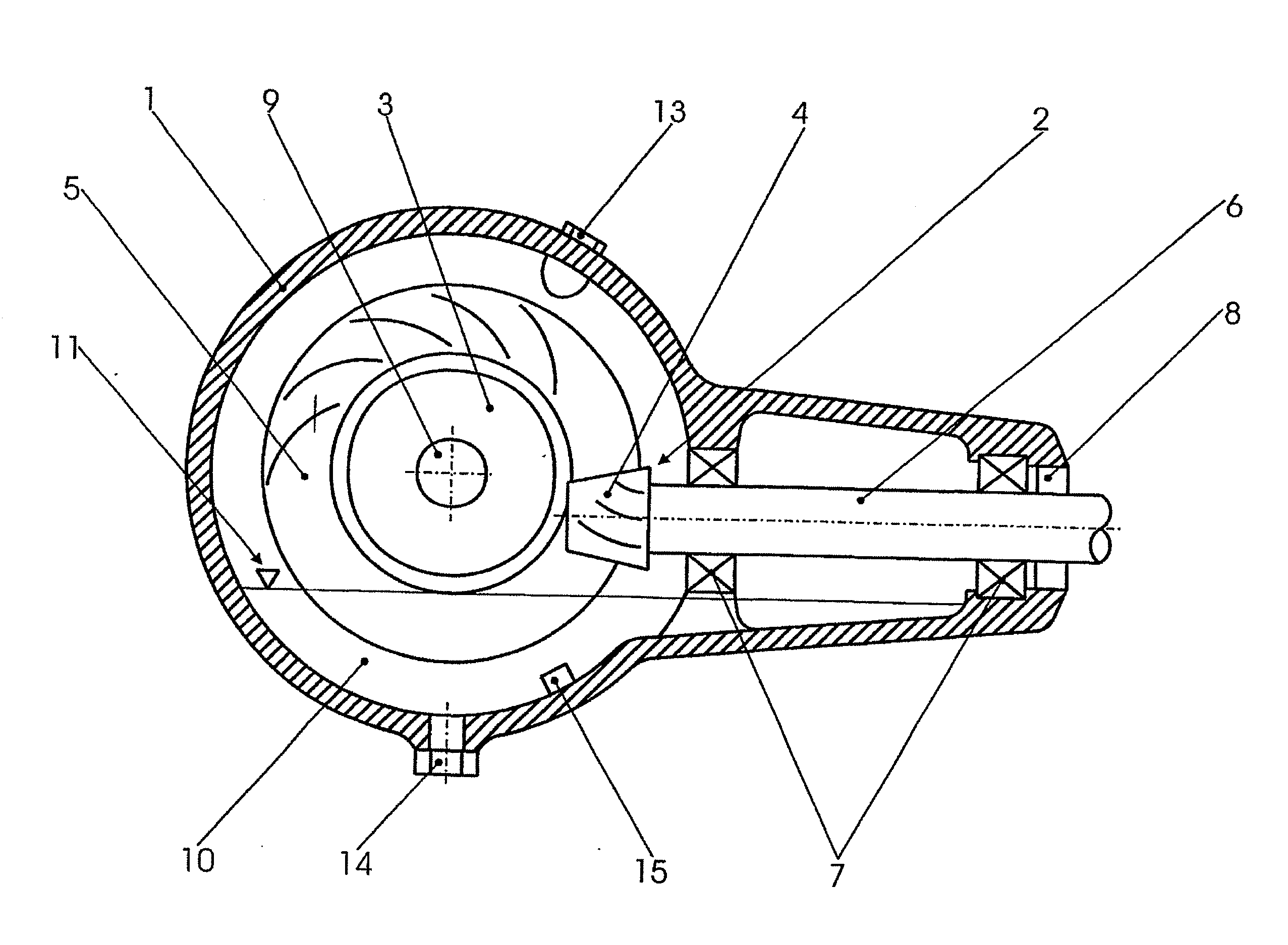
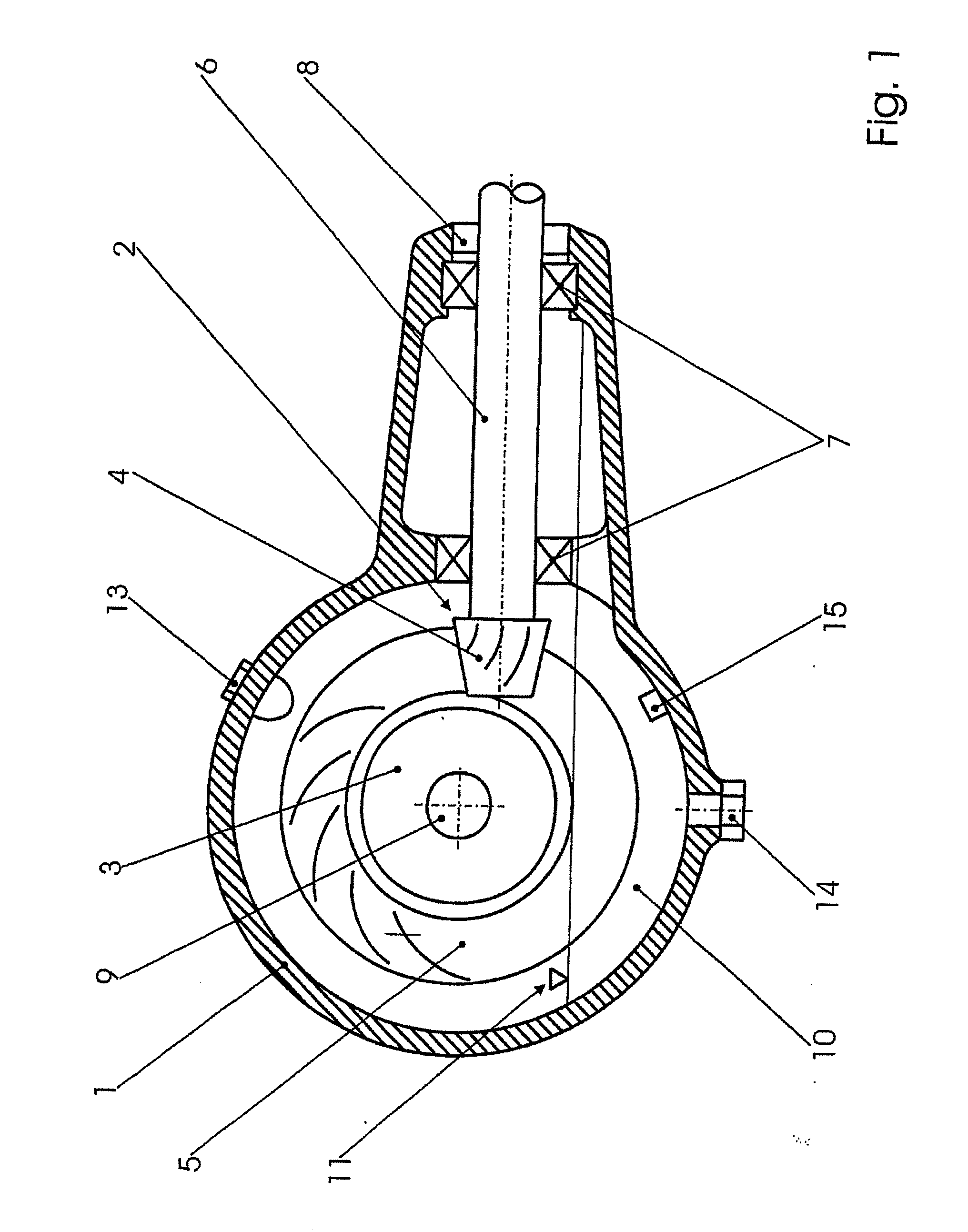
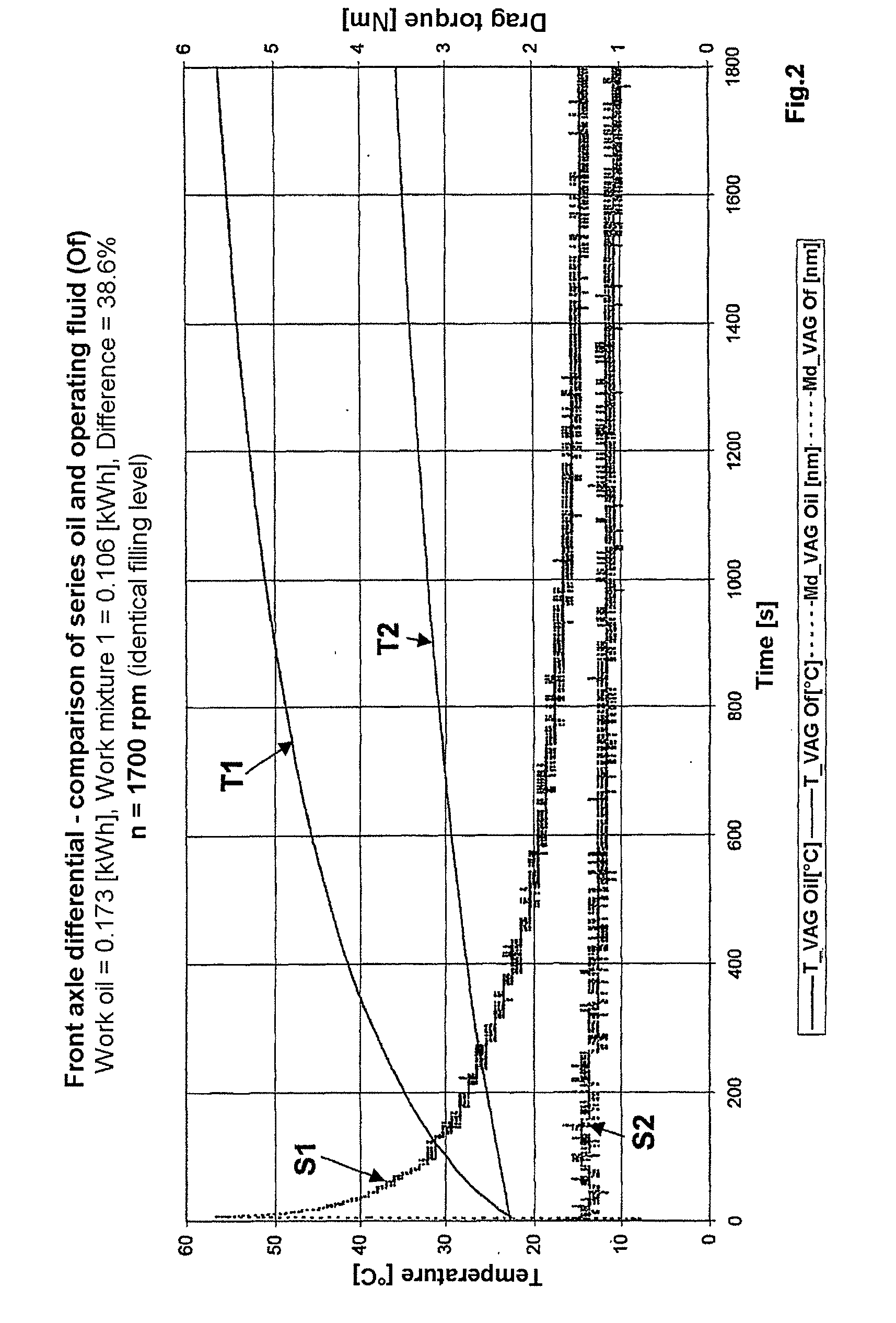
- A mixture of water and aliphatic hydrocarbons with suspended graphite particles is used as a lubricant and coolant, forming a durable coating on gearwheels that maintains lubrication under high loads and speeds, while also enhancing heat absorption and dissipation, and being environmentally friendly.
Environmental Impact and Sustainability Assessment
The environmental impact of cooling systems has become increasingly important as organizations strive to reduce their carbon footprint and meet sustainability goals. When comparing Lithium Bromide (LiBr) and Glycol-based cooling systems, several environmental factors must be considered for a comprehensive sustainability assessment.
Lithium Bromide absorption systems demonstrate significant environmental advantages in terms of energy consumption. These systems can utilize waste heat or solar energy as their primary energy source, substantially reducing reliance on electricity generated from fossil fuels. This characteristic results in lower greenhouse gas emissions during operation compared to conventional cooling technologies. However, the manufacturing process for LiBr involves mining lithium, which raises concerns regarding habitat disruption, water usage, and potential contamination of local ecosystems.
Glycol-based systems, particularly those using ethylene glycol or propylene glycol, present different environmental challenges. While propylene glycol is generally recognized as less toxic and more biodegradable than ethylene glycol, both compounds require careful handling to prevent environmental contamination. Leakage or improper disposal of glycol solutions can lead to water pollution and harm aquatic ecosystems due to their oxygen-depleting properties when they degrade in waterways.
From a life cycle perspective, LiBr systems typically have longer operational lifespans, reducing the frequency of replacement and associated manufacturing impacts. However, the disposal of LiBr solutions requires specialized handling due to their corrosive nature and potential environmental hazards. Glycol systems generally require more frequent maintenance and fluid replacement, generating more operational waste over time.
Water consumption patterns differ significantly between these technologies. LiBr absorption chillers typically require more water for cooling towers than glycol-based systems, which can be problematic in water-scarce regions. Conversely, glycol systems often incorporate closed-loop designs that minimize water consumption but require periodic fluid replacement.
Regarding refrigerant impacts, LiBr systems use water as the refrigerant, eliminating concerns about ozone depletion or global warming potential associated with synthetic refrigerants. This represents a significant environmental advantage over many conventional cooling technologies, including some glycol-based systems that may incorporate synthetic refrigerants in their design.
Energy efficiency metrics favor LiBr systems when waste heat is available, as they can achieve significant primary energy savings. However, when operating solely on direct energy inputs, glycol systems may demonstrate better coefficient of performance values in certain applications, particularly at lower cooling capacities.
Lithium Bromide absorption systems demonstrate significant environmental advantages in terms of energy consumption. These systems can utilize waste heat or solar energy as their primary energy source, substantially reducing reliance on electricity generated from fossil fuels. This characteristic results in lower greenhouse gas emissions during operation compared to conventional cooling technologies. However, the manufacturing process for LiBr involves mining lithium, which raises concerns regarding habitat disruption, water usage, and potential contamination of local ecosystems.
Glycol-based systems, particularly those using ethylene glycol or propylene glycol, present different environmental challenges. While propylene glycol is generally recognized as less toxic and more biodegradable than ethylene glycol, both compounds require careful handling to prevent environmental contamination. Leakage or improper disposal of glycol solutions can lead to water pollution and harm aquatic ecosystems due to their oxygen-depleting properties when they degrade in waterways.
From a life cycle perspective, LiBr systems typically have longer operational lifespans, reducing the frequency of replacement and associated manufacturing impacts. However, the disposal of LiBr solutions requires specialized handling due to their corrosive nature and potential environmental hazards. Glycol systems generally require more frequent maintenance and fluid replacement, generating more operational waste over time.
Water consumption patterns differ significantly between these technologies. LiBr absorption chillers typically require more water for cooling towers than glycol-based systems, which can be problematic in water-scarce regions. Conversely, glycol systems often incorporate closed-loop designs that minimize water consumption but require periodic fluid replacement.
Regarding refrigerant impacts, LiBr systems use water as the refrigerant, eliminating concerns about ozone depletion or global warming potential associated with synthetic refrigerants. This represents a significant environmental advantage over many conventional cooling technologies, including some glycol-based systems that may incorporate synthetic refrigerants in their design.
Energy efficiency metrics favor LiBr systems when waste heat is available, as they can achieve significant primary energy savings. However, when operating solely on direct energy inputs, glycol systems may demonstrate better coefficient of performance values in certain applications, particularly at lower cooling capacities.
Cost-Benefit Analysis and ROI Considerations
When evaluating cooling systems based on lithium bromide versus glycol solutions, cost-benefit analysis reveals significant differences in initial investment, operational expenses, and long-term returns. The capital expenditure for lithium bromide absorption chillers typically exceeds that of glycol-based systems by 30-40%, with installation costs ranging from $1,500-$2,000 per ton of cooling capacity compared to $1,000-$1,400 for glycol systems. This substantial upfront investment presents a significant barrier to adoption despite the technical advantages of lithium bromide systems.
Operational costs demonstrate a different pattern. Lithium bromide absorption chillers consume approximately 40-60% less electrical energy than glycol systems, translating to annual savings of $0.10-$0.15 per kWh in typical commercial applications. However, lithium bromide systems require more specialized maintenance, with annual service costs averaging 5-8% of the initial investment versus 3-5% for glycol systems. The specialized nature of lithium bromide maintenance also necessitates skilled technicians, further increasing operational expenses.
Life cycle cost analysis indicates that lithium bromide systems achieve break-even points typically between 5-7 years in high-usage scenarios where cooling demands exceed 2,000 hours annually. In contrast, facilities with intermittent cooling needs may never realize the return on investment, making glycol systems more economically viable for such applications. The ROI calculation must also factor in the longer service life of lithium bromide systems (20-25 years) compared to glycol systems (15-20 years).
Energy price volatility significantly impacts ROI projections. Markets experiencing rising electricity costs show accelerated payback periods for lithium bromide systems, potentially reducing break-even points by 1-2 years for every 15% increase in electricity rates. Conversely, facilities with access to low-cost natural gas or waste heat can dramatically improve the economics of lithium bromide absorption chillers, potentially reducing payback periods to 3-4 years.
Environmental compliance costs increasingly favor lithium bromide systems as carbon pricing mechanisms expand globally. Organizations operating in jurisdictions with carbon taxes or cap-and-trade systems can expect additional savings of $50-$150 per ton of cooling capacity annually when using lithium bromide systems, due to their lower carbon footprint. These regulatory advantages should be incorporated into comprehensive ROI calculations, particularly for forward-looking investments with 10+ year horizons.
Operational costs demonstrate a different pattern. Lithium bromide absorption chillers consume approximately 40-60% less electrical energy than glycol systems, translating to annual savings of $0.10-$0.15 per kWh in typical commercial applications. However, lithium bromide systems require more specialized maintenance, with annual service costs averaging 5-8% of the initial investment versus 3-5% for glycol systems. The specialized nature of lithium bromide maintenance also necessitates skilled technicians, further increasing operational expenses.
Life cycle cost analysis indicates that lithium bromide systems achieve break-even points typically between 5-7 years in high-usage scenarios where cooling demands exceed 2,000 hours annually. In contrast, facilities with intermittent cooling needs may never realize the return on investment, making glycol systems more economically viable for such applications. The ROI calculation must also factor in the longer service life of lithium bromide systems (20-25 years) compared to glycol systems (15-20 years).
Energy price volatility significantly impacts ROI projections. Markets experiencing rising electricity costs show accelerated payback periods for lithium bromide systems, potentially reducing break-even points by 1-2 years for every 15% increase in electricity rates. Conversely, facilities with access to low-cost natural gas or waste heat can dramatically improve the economics of lithium bromide absorption chillers, potentially reducing payback periods to 3-4 years.
Environmental compliance costs increasingly favor lithium bromide systems as carbon pricing mechanisms expand globally. Organizations operating in jurisdictions with carbon taxes or cap-and-trade systems can expect additional savings of $50-$150 per ton of cooling capacity annually when using lithium bromide systems, due to their lower carbon footprint. These regulatory advantages should be incorporated into comprehensive ROI calculations, particularly for forward-looking investments with 10+ year horizons.
Unlock deeper insights with PatSnap Eureka Quick Research — get a full tech report to explore trends and direct your research. Try now!
Generate Your Research Report Instantly with AI Agent
Supercharge your innovation with PatSnap Eureka AI Agent Platform!