Luminol in Chemistry: Emerging Fields and Techniques
AUG 19, 20259 MIN READ
Generate Your Research Report Instantly with AI Agent
PatSnap Eureka helps you evaluate technical feasibility & market potential.
Luminol Chemistry Evolution and Objectives
Luminol, a versatile chemiluminescent compound, has been a subject of scientific interest for over a century. Its journey from discovery to widespread application in various fields exemplifies the evolution of chemical research and its practical implications. The primary objective of this technical preview is to explore the emerging fields and techniques associated with luminol chemistry.
The history of luminol dates back to 1902 when it was first synthesized by Albrecht Schmidt. However, it wasn't until 1928 that its chemiluminescent properties were discovered by H. O. Albrecht. This discovery marked the beginning of luminol's significance in analytical chemistry and forensic science. Over the decades, researchers have continuously refined the understanding of luminol's chemical behavior and expanded its applications.
In recent years, the objectives of luminol research have shifted towards developing more sensitive and selective detection methods, exploring novel applications in biomedical imaging, and enhancing its role in environmental monitoring. The push for greater sensitivity has led to the development of enhanced luminol derivatives and optimized reaction conditions, allowing for the detection of trace amounts of target substances.
One of the key trends in luminol chemistry is the integration of nanotechnology. Researchers are exploring the use of nanoparticles and nanostructures to amplify luminol chemiluminescence, leading to improved detection limits and expanded application possibilities. This convergence of traditional luminol chemistry with cutting-edge nanomaterials represents a significant direction for future research and development.
Another emerging field is the application of luminol in advanced imaging techniques. Scientists are investigating its potential in bioluminescence imaging for medical diagnostics and in vivo studies. The non-toxic nature of luminol and its ability to penetrate tissues make it an attractive option for visualizing biological processes in real-time.
The environmental sector has also seen increased interest in luminol-based techniques. Researchers are developing methods to use luminol for the detection of pollutants in water and soil, leveraging its high sensitivity to certain metal ions and oxidizing agents. This application aligns with the growing global focus on environmental protection and sustainable practices.
As we look to the future, the objectives of luminol chemistry research are likely to focus on enhancing its specificity, developing more environmentally friendly formulations, and exploring its potential in emerging fields such as theranostics and smart materials. The ongoing evolution of luminol chemistry continues to open new avenues for scientific discovery and practical applications across multiple disciplines.
The history of luminol dates back to 1902 when it was first synthesized by Albrecht Schmidt. However, it wasn't until 1928 that its chemiluminescent properties were discovered by H. O. Albrecht. This discovery marked the beginning of luminol's significance in analytical chemistry and forensic science. Over the decades, researchers have continuously refined the understanding of luminol's chemical behavior and expanded its applications.
In recent years, the objectives of luminol research have shifted towards developing more sensitive and selective detection methods, exploring novel applications in biomedical imaging, and enhancing its role in environmental monitoring. The push for greater sensitivity has led to the development of enhanced luminol derivatives and optimized reaction conditions, allowing for the detection of trace amounts of target substances.
One of the key trends in luminol chemistry is the integration of nanotechnology. Researchers are exploring the use of nanoparticles and nanostructures to amplify luminol chemiluminescence, leading to improved detection limits and expanded application possibilities. This convergence of traditional luminol chemistry with cutting-edge nanomaterials represents a significant direction for future research and development.
Another emerging field is the application of luminol in advanced imaging techniques. Scientists are investigating its potential in bioluminescence imaging for medical diagnostics and in vivo studies. The non-toxic nature of luminol and its ability to penetrate tissues make it an attractive option for visualizing biological processes in real-time.
The environmental sector has also seen increased interest in luminol-based techniques. Researchers are developing methods to use luminol for the detection of pollutants in water and soil, leveraging its high sensitivity to certain metal ions and oxidizing agents. This application aligns with the growing global focus on environmental protection and sustainable practices.
As we look to the future, the objectives of luminol chemistry research are likely to focus on enhancing its specificity, developing more environmentally friendly formulations, and exploring its potential in emerging fields such as theranostics and smart materials. The ongoing evolution of luminol chemistry continues to open new avenues for scientific discovery and practical applications across multiple disciplines.
Market Applications of Luminol-Based Technologies
Luminol-based technologies have found widespread applications across various market sectors, leveraging the compound's unique chemiluminescent properties. In the forensic science industry, luminol has become an indispensable tool for crime scene investigators, enabling the detection of trace amounts of blood even after cleaning attempts. This application has significantly enhanced the ability to solve cold cases and provide crucial evidence in criminal investigations.
The healthcare sector has also embraced luminol-based technologies, particularly in diagnostic applications. Luminol derivatives are used in immunoassays and enzyme-linked immunosorbent assays (ELISA) for detecting specific proteins, hormones, and other biomarkers. These techniques offer high sensitivity and specificity, making them valuable in early disease detection and monitoring treatment efficacy.
Environmental monitoring represents another growing market for luminol-based technologies. Water quality testing applications utilize luminol's ability to detect trace amounts of metals and other contaminants. This has proven especially useful in assessing industrial effluents and monitoring drinking water sources, contributing to public health and environmental protection efforts.
In the pharmaceutical industry, luminol-based assays are employed in drug discovery and development processes. These assays help researchers screen potential drug candidates by measuring their effects on cellular processes or specific molecular targets. The high sensitivity of luminol-based detection methods allows for the identification of promising compounds at early stages of drug development, potentially accelerating the path to new therapies.
The food and beverage industry has also found applications for luminol-based technologies in quality control and safety testing. Luminol-enhanced chemiluminescence assays are used to detect food contaminants, such as bacterial toxins or pesticide residues, ensuring product safety and compliance with regulatory standards.
Emerging applications in nanotechnology and materials science are expanding the market potential of luminol-based technologies. Researchers are exploring the use of luminol-functionalized nanoparticles for targeted drug delivery and bioimaging applications. These advanced materials could revolutionize cancer treatment and diagnostic imaging techniques, opening new avenues for personalized medicine.
As luminol-based technologies continue to evolve, their market applications are likely to expand further. The development of more sensitive and specific luminol derivatives, coupled with advancements in detection instrumentation, promises to unlock new possibilities across various industries, from biotechnology to environmental science and beyond.
The healthcare sector has also embraced luminol-based technologies, particularly in diagnostic applications. Luminol derivatives are used in immunoassays and enzyme-linked immunosorbent assays (ELISA) for detecting specific proteins, hormones, and other biomarkers. These techniques offer high sensitivity and specificity, making them valuable in early disease detection and monitoring treatment efficacy.
Environmental monitoring represents another growing market for luminol-based technologies. Water quality testing applications utilize luminol's ability to detect trace amounts of metals and other contaminants. This has proven especially useful in assessing industrial effluents and monitoring drinking water sources, contributing to public health and environmental protection efforts.
In the pharmaceutical industry, luminol-based assays are employed in drug discovery and development processes. These assays help researchers screen potential drug candidates by measuring their effects on cellular processes or specific molecular targets. The high sensitivity of luminol-based detection methods allows for the identification of promising compounds at early stages of drug development, potentially accelerating the path to new therapies.
The food and beverage industry has also found applications for luminol-based technologies in quality control and safety testing. Luminol-enhanced chemiluminescence assays are used to detect food contaminants, such as bacterial toxins or pesticide residues, ensuring product safety and compliance with regulatory standards.
Emerging applications in nanotechnology and materials science are expanding the market potential of luminol-based technologies. Researchers are exploring the use of luminol-functionalized nanoparticles for targeted drug delivery and bioimaging applications. These advanced materials could revolutionize cancer treatment and diagnostic imaging techniques, opening new avenues for personalized medicine.
As luminol-based technologies continue to evolve, their market applications are likely to expand further. The development of more sensitive and specific luminol derivatives, coupled with advancements in detection instrumentation, promises to unlock new possibilities across various industries, from biotechnology to environmental science and beyond.
Current Challenges in Luminol Research
Despite the widespread use of luminol in forensic science and analytical chemistry, several challenges persist in luminol research, hindering its full potential and broader application. One of the primary issues is the sensitivity and specificity of luminol-based detection methods. While luminol is known for its ability to detect trace amounts of blood, false positives can occur due to reactions with other substances, such as certain plant materials or cleaning agents. This lack of absolute specificity can lead to misinterpretations in forensic investigations and limit its reliability in complex environmental samples.
Another significant challenge is the stability and longevity of the luminol reaction. The chemiluminescent reaction of luminol is relatively short-lived, which can make it difficult to capture and analyze in certain situations. This temporal limitation poses problems in scenarios where prolonged observation or delayed analysis is necessary. Researchers are actively seeking ways to extend the duration of the luminol glow without compromising its intensity or sensitivity.
The environmental impact of luminol use is also a growing concern. As luminol applications expand beyond forensics into environmental monitoring and industrial processes, questions arise about its potential ecological effects. The chemical's interaction with various ecosystems and its biodegradability are areas that require further investigation to ensure sustainable and responsible use.
Quantification remains a challenge in luminol-based analyses. While the presence of target substances can be detected, accurately determining their concentration is often difficult due to variations in reaction conditions and interfering factors. This limitation affects the precision of luminol-based assays in both forensic and analytical applications.
Furthermore, the development of more robust and user-friendly luminol formulations is an ongoing challenge. Current preparations can be sensitive to environmental factors such as pH, temperature, and the presence of inhibitors. Creating stable, pre-mixed solutions that maintain efficacy under various conditions would greatly enhance the practicality of luminol use in field applications.
Lastly, the integration of luminol-based detection with emerging technologies presents both opportunities and challenges. Adapting luminol chemistry to work seamlessly with advanced imaging systems, microfluidic devices, and automated analysis platforms requires overcoming issues related to compatibility, miniaturization, and signal processing. These interdisciplinary challenges demand collaborative efforts between chemists, engineers, and data scientists to fully leverage the potential of luminol in cutting-edge analytical techniques.
Another significant challenge is the stability and longevity of the luminol reaction. The chemiluminescent reaction of luminol is relatively short-lived, which can make it difficult to capture and analyze in certain situations. This temporal limitation poses problems in scenarios where prolonged observation or delayed analysis is necessary. Researchers are actively seeking ways to extend the duration of the luminol glow without compromising its intensity or sensitivity.
The environmental impact of luminol use is also a growing concern. As luminol applications expand beyond forensics into environmental monitoring and industrial processes, questions arise about its potential ecological effects. The chemical's interaction with various ecosystems and its biodegradability are areas that require further investigation to ensure sustainable and responsible use.
Quantification remains a challenge in luminol-based analyses. While the presence of target substances can be detected, accurately determining their concentration is often difficult due to variations in reaction conditions and interfering factors. This limitation affects the precision of luminol-based assays in both forensic and analytical applications.
Furthermore, the development of more robust and user-friendly luminol formulations is an ongoing challenge. Current preparations can be sensitive to environmental factors such as pH, temperature, and the presence of inhibitors. Creating stable, pre-mixed solutions that maintain efficacy under various conditions would greatly enhance the practicality of luminol use in field applications.
Lastly, the integration of luminol-based detection with emerging technologies presents both opportunities and challenges. Adapting luminol chemistry to work seamlessly with advanced imaging systems, microfluidic devices, and automated analysis platforms requires overcoming issues related to compatibility, miniaturization, and signal processing. These interdisciplinary challenges demand collaborative efforts between chemists, engineers, and data scientists to fully leverage the potential of luminol in cutting-edge analytical techniques.
State-of-the-Art Luminol Techniques
01 Luminol in forensic applications
Luminol is widely used in forensic science for detecting trace amounts of blood at crime scenes. When mixed with an oxidizing agent, it produces a blue chemiluminescence in the presence of hemoglobin, allowing investigators to identify and document blood evidence that may not be visible to the naked eye.- Luminol in chemiluminescence detection: Luminol is widely used in chemiluminescence detection methods for various applications. It produces a bright blue light when oxidized, making it useful for detecting blood traces in forensic investigations, as well as in analytical chemistry for detecting certain metals or enzymes.
- Luminol-based biosensors and immunoassays: Luminol is incorporated into biosensors and immunoassay systems for highly sensitive detection of specific biomolecules. These systems often combine luminol with enzymes or nanoparticles to enhance sensitivity and specificity in medical diagnostics and environmental monitoring.
- Luminol in environmental and water quality monitoring: Luminol-based systems are developed for monitoring environmental pollutants and assessing water quality. These applications often involve integrating luminol into portable devices or automated systems for real-time detection of contaminants or microorganisms in water sources.
- Enhanced luminol formulations: Research focuses on improving luminol formulations to enhance its chemiluminescence properties. This includes developing new derivatives, optimizing reaction conditions, and combining luminol with other compounds to increase light intensity, duration, or specificity for various detection purposes.
- Luminol in imaging and visualization techniques: Luminol is utilized in advanced imaging and visualization techniques, particularly in biological and medical research. These applications involve using luminol's chemiluminescence properties for cellular imaging, tracking biological processes, or visualizing specific structures in tissues or organisms.
02 Luminol-based detection systems
Various detection systems incorporate luminol for sensitive and specific detection of target substances. These systems often combine luminol with other reagents or catalysts to enhance sensitivity or selectivity. Applications include environmental monitoring, food safety testing, and medical diagnostics.Expand Specific Solutions03 Luminol synthesis and formulation
Improved methods for synthesizing luminol and formulating it into stable, ready-to-use solutions have been developed. These advancements aim to enhance the shelf life, sensitivity, and ease of use of luminol-based products for various applications.Expand Specific Solutions04 Luminol in biomedical research
Luminol is utilized in biomedical research for studying cellular processes, particularly those involving reactive oxygen species and oxidative stress. It serves as a sensitive probe for detecting and quantifying various oxidative events in biological systems.Expand Specific Solutions05 Luminol-based imaging techniques
Advanced imaging techniques incorporating luminol have been developed for visualizing and analyzing biological and chemical processes. These methods often combine luminol chemiluminescence with other imaging modalities to provide high-resolution, real-time visualization of specific targets or events.Expand Specific Solutions
Key Players in Luminol Research and Industry
The field of luminol in chemistry is experiencing a dynamic competitive landscape, characterized by a mix of established players and emerging innovators. The market is in a growth phase, driven by expanding applications in forensic science, biomedical research, and environmental monitoring. While the exact market size is not specified, the increasing adoption of luminol-based techniques suggests a growing demand. Technologically, the field is advancing rapidly, with companies like International Flavors & Fragrances, Novartis, and FUJIFILM Corp leading in research and development. Academic institutions such as Washington University in St. Louis and the University of Massachusetts are also contributing significantly to the field's progress, indicating a collaborative ecosystem between industry and academia.
F. Hoffmann-La Roche Ltd.
Technical Solution: Roche has developed advanced luminol-based chemiluminescence techniques for highly sensitive bioanalytical assays. Their approach utilizes enhanced luminol derivatives and optimized reaction conditions to achieve femtomolar detection limits for various biomolecules[1]. The company has also integrated this technology into automated immunoassay platforms, allowing for rapid and precise quantification of disease biomarkers in clinical settings[2]. Roche's luminol-based assays have found applications in cancer diagnostics, infectious disease testing, and drug development processes, significantly improving the speed and sensitivity of molecular detection methods[3].
Strengths: High sensitivity, automation capabilities, wide range of applications. Weaknesses: Potential for interference from complex biological matrices, reliance on specialized reagents.
Cyanagen Srl
Technical Solution: Cyanagen has pioneered the development of novel luminol derivatives with enhanced chemiluminescence properties. Their SuperSignal™ technology incorporates specially designed luminol analogs that produce stronger and longer-lasting light emission compared to traditional luminol[4]. This innovation has led to the creation of ultrasensitive Western blotting kits and ELISA systems with femtogram-level detection limits[5]. Cyanagen has also developed water-soluble luminol derivatives that enable direct application in aqueous environments, expanding the utility of luminol-based detection in environmental and forensic analyses[6].
Strengths: Improved signal intensity and duration, versatility across multiple applications. Weaknesses: Higher cost compared to standard luminol, potential patent restrictions.
Breakthrough Luminol Studies and Patents
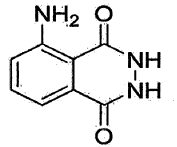
Method for producing a crystalline form of 5-amino-2,3-dihydrophthalazine-1,4-dione
PatentWO2017140422A1
Innovation
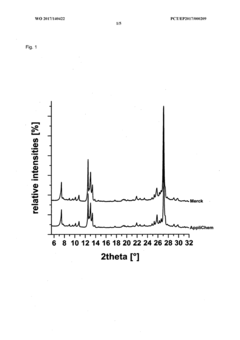
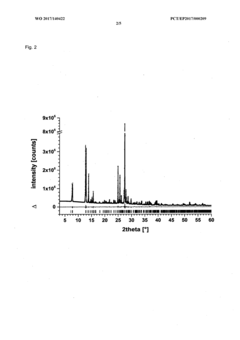
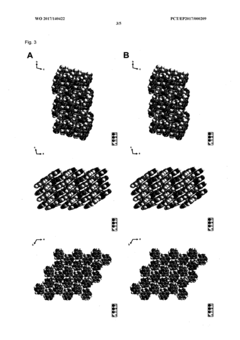
- A method involving dissolving 5-amino-2,3-dihydrophthalazine-1,4-dione in a refluxing ethanol-water solution, cooling, separating the precipitated crystals, and drying to produce a phase-pure crystalline form of luminol, which can be resuspended and washed for enhanced purity.
A CLIA kit for the detection of igg antibodies to chikungunya present in human serum or plasma
PatentInactiveIN1428KOL2010A
Innovation
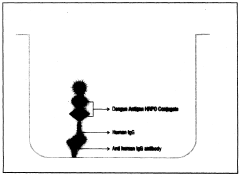
- A chemiluminescent immunoassay kit that uses microwells coated with anti-human IgG antibodies and conjugates dengue antigens with Horse Radish Peroxidase (HRPO) to detect dengue IgG antibodies in human serum or plasma, employing luminol and hydrogen peroxide for enhanced sensitivity and specificity.

Environmental Impact of Luminol Usage
The use of luminol in forensic science and other applications has raised concerns about its potential environmental impact. As luminol becomes more widely utilized, it is crucial to assess its effects on ecosystems and develop strategies for responsible usage.
Luminol is a chemiluminescent compound that produces a blue glow when oxidized. While it is generally considered to have low toxicity, the environmental consequences of its widespread use are not fully understood. One primary concern is the potential accumulation of luminol and its byproducts in soil and water systems.
Studies have shown that luminol can persist in the environment for extended periods, particularly in aquatic ecosystems. This persistence may lead to long-term exposure for various organisms, potentially affecting their behavior, reproduction, and overall health. Additionally, the breakdown products of luminol may interact with other chemicals in the environment, creating unforeseen consequences.
The impact of luminol on microbial communities is another area of concern. Some research suggests that luminol may alter the composition and function of soil microbiota, which play crucial roles in nutrient cycling and ecosystem health. Changes in microbial communities could have cascading effects throughout the food web and broader ecosystem.
To address these environmental concerns, researchers are exploring more eco-friendly alternatives to traditional luminol formulations. These include biodegradable versions of luminol and other chemiluminescent compounds that break down more readily in the environment. Such innovations aim to maintain the effectiveness of luminol in forensic and scientific applications while minimizing its ecological footprint.
Proper disposal and handling protocols for luminol-containing solutions are essential to mitigate environmental risks. Law enforcement agencies and laboratories are increasingly adopting best practices for the use and disposal of luminol, including proper dilution and containment measures. These efforts help prevent the release of concentrated luminol solutions into the environment.
As the use of luminol expands beyond forensic science into fields such as environmental monitoring and medical diagnostics, the need for comprehensive environmental impact assessments becomes more pressing. Researchers are developing methods to track the fate of luminol in various ecosystems and assess its long-term effects on biodiversity and ecosystem functions.
In conclusion, while luminol remains a valuable tool in chemistry and forensic science, its environmental impact requires careful consideration and ongoing research. Balancing the benefits of luminol usage with environmental protection will be crucial as new applications and techniques emerge in this field.
Luminol is a chemiluminescent compound that produces a blue glow when oxidized. While it is generally considered to have low toxicity, the environmental consequences of its widespread use are not fully understood. One primary concern is the potential accumulation of luminol and its byproducts in soil and water systems.
Studies have shown that luminol can persist in the environment for extended periods, particularly in aquatic ecosystems. This persistence may lead to long-term exposure for various organisms, potentially affecting their behavior, reproduction, and overall health. Additionally, the breakdown products of luminol may interact with other chemicals in the environment, creating unforeseen consequences.
The impact of luminol on microbial communities is another area of concern. Some research suggests that luminol may alter the composition and function of soil microbiota, which play crucial roles in nutrient cycling and ecosystem health. Changes in microbial communities could have cascading effects throughout the food web and broader ecosystem.
To address these environmental concerns, researchers are exploring more eco-friendly alternatives to traditional luminol formulations. These include biodegradable versions of luminol and other chemiluminescent compounds that break down more readily in the environment. Such innovations aim to maintain the effectiveness of luminol in forensic and scientific applications while minimizing its ecological footprint.
Proper disposal and handling protocols for luminol-containing solutions are essential to mitigate environmental risks. Law enforcement agencies and laboratories are increasingly adopting best practices for the use and disposal of luminol, including proper dilution and containment measures. These efforts help prevent the release of concentrated luminol solutions into the environment.
As the use of luminol expands beyond forensic science into fields such as environmental monitoring and medical diagnostics, the need for comprehensive environmental impact assessments becomes more pressing. Researchers are developing methods to track the fate of luminol in various ecosystems and assess its long-term effects on biodiversity and ecosystem functions.
In conclusion, while luminol remains a valuable tool in chemistry and forensic science, its environmental impact requires careful consideration and ongoing research. Balancing the benefits of luminol usage with environmental protection will be crucial as new applications and techniques emerge in this field.
Luminol in Forensic Science Advancements
Luminol has emerged as a powerful tool in forensic science, revolutionizing crime scene investigations and enhancing the capabilities of forensic analysts. This chemiluminescent compound has found extensive applications in the detection and visualization of blood traces, even in minute quantities or after attempts to clean or conceal evidence.
One of the most significant advancements in luminol-based forensic techniques is the development of more sensitive and specific formulations. These improved versions of luminol can detect blood traces at much lower concentrations, allowing investigators to uncover evidence that might have been previously overlooked. Additionally, these enhanced formulations have reduced false-positive reactions, increasing the reliability of blood detection in crime scene investigations.
The integration of luminol with advanced imaging technologies has further expanded its forensic applications. High-resolution cameras and specialized filters can now capture the faint luminescence produced by luminol reactions, even in challenging environmental conditions. This integration has led to the creation of sophisticated crime scene mapping techniques, where blood spatter patterns can be digitally reconstructed and analyzed with unprecedented detail.
Forensic scientists have also developed novel methods for applying luminol at crime scenes. Spray systems with controlled particle size and distribution have been engineered to ensure optimal coverage and minimize contamination. These advancements have improved the efficiency and effectiveness of luminol application, particularly in large or complex crime scenes.
The use of luminol in cold cases has seen remarkable progress. New techniques have been developed to apply luminol on aged evidence, allowing investigators to reexamine decades-old crime scenes with modern forensic tools. This has led to breakthroughs in unsolved cases, providing new leads and sometimes closure for long-standing investigations.
Researchers have also explored the potential of luminol in other forensic applications beyond blood detection. Studies have shown promising results in using luminol to detect certain types of trace evidence, such as specific chemical residues or biological fluids. These expanded applications could potentially broaden the scope of forensic investigations and provide additional avenues for evidence collection and analysis.
The advancement of luminol techniques in forensic science has not been without challenges. Efforts have been made to address concerns about the potential degradation of DNA evidence following luminol application. New protocols have been established to ensure that luminol use does not compromise subsequent DNA analysis, striking a balance between visual evidence detection and preservation of genetic material.
One of the most significant advancements in luminol-based forensic techniques is the development of more sensitive and specific formulations. These improved versions of luminol can detect blood traces at much lower concentrations, allowing investigators to uncover evidence that might have been previously overlooked. Additionally, these enhanced formulations have reduced false-positive reactions, increasing the reliability of blood detection in crime scene investigations.
The integration of luminol with advanced imaging technologies has further expanded its forensic applications. High-resolution cameras and specialized filters can now capture the faint luminescence produced by luminol reactions, even in challenging environmental conditions. This integration has led to the creation of sophisticated crime scene mapping techniques, where blood spatter patterns can be digitally reconstructed and analyzed with unprecedented detail.
Forensic scientists have also developed novel methods for applying luminol at crime scenes. Spray systems with controlled particle size and distribution have been engineered to ensure optimal coverage and minimize contamination. These advancements have improved the efficiency and effectiveness of luminol application, particularly in large or complex crime scenes.
The use of luminol in cold cases has seen remarkable progress. New techniques have been developed to apply luminol on aged evidence, allowing investigators to reexamine decades-old crime scenes with modern forensic tools. This has led to breakthroughs in unsolved cases, providing new leads and sometimes closure for long-standing investigations.
Researchers have also explored the potential of luminol in other forensic applications beyond blood detection. Studies have shown promising results in using luminol to detect certain types of trace evidence, such as specific chemical residues or biological fluids. These expanded applications could potentially broaden the scope of forensic investigations and provide additional avenues for evidence collection and analysis.
The advancement of luminol techniques in forensic science has not been without challenges. Efforts have been made to address concerns about the potential degradation of DNA evidence following luminol application. New protocols have been established to ensure that luminol use does not compromise subsequent DNA analysis, striking a balance between visual evidence detection and preservation of genetic material.
Unlock deeper insights with PatSnap Eureka Quick Research — get a full tech report to explore trends and direct your research. Try now!
Generate Your Research Report Instantly with AI Agent
Supercharge your innovation with PatSnap Eureka AI Agent Platform!