

Measuring Neodymium Magnet Force in Data Storage Solutions
SEP 12, 20259 MIN READ
Generate Your Research Report Instantly with AI Agent
PatSnap Eureka helps you evaluate technical feasibility & market potential.
Neodymium Magnet Force Measurement Background and Objectives
Neodymium magnets have revolutionized data storage technologies since their commercial introduction in the 1980s. These rare-earth magnets, composed primarily of neodymium, iron, and boron (NdFeB), possess exceptional magnetic properties that have enabled significant miniaturization and performance improvements in hard disk drives (HDDs) and other storage devices. The evolution of these magnets has closely paralleled advancements in data storage density, with each generation of storage technology demanding more precise control over magnetic force characteristics.
The measurement of neodymium magnet force in data storage applications has evolved from rudimentary pull-force tests to sophisticated quantum-level measurements. Early techniques focused primarily on gross measurements of attractive or repulsive forces, whereas contemporary methods examine magnetic field uniformity, coercivity under various conditions, and performance degradation over time. This technical progression reflects the increasing precision requirements of modern storage systems, where nanometer-scale tolerances are now standard.
Current data storage solutions demand unprecedented accuracy in magnetic force measurement, as read/write head clearances in HDDs have decreased to just a few nanometers. At these scales, even minor variations in magnetic field strength can significantly impact data integrity and device reliability. The industry has consequently developed specialized measurement protocols that account for temperature fluctuations, external field interference, and material aging characteristics.
The primary objective of this technical research is to comprehensively evaluate existing methodologies for measuring neodymium magnet force specifically within data storage applications. This includes assessing the precision, repeatability, and scalability of current measurement techniques across different storage form factors and operating environments. Additionally, we aim to identify emerging measurement technologies that may address the increasingly stringent requirements of next-generation storage systems.
A secondary goal is to establish correlations between magnetic force characteristics and key performance indicators in data storage, such as areal density, read/write reliability, and long-term data retention. By understanding these relationships more thoroughly, we can develop predictive models that inform magnet design and quality control processes for future storage technologies.
The research also seeks to address industry challenges related to measurement standardization. Despite the critical importance of magnetic force characteristics in data storage, measurement protocols vary significantly across manufacturers and research institutions. This inconsistency complicates cross-platform compatibility and technology transfer, highlighting the need for unified measurement standards that can support continued innovation in the field.
Finally, this investigation aims to explore how advancements in quantum sensing technologies might transform magnetic force measurement in data storage applications, potentially enabling atomic-level precision that could support the development of revolutionary storage paradigms beyond conventional magnetic recording.
The measurement of neodymium magnet force in data storage applications has evolved from rudimentary pull-force tests to sophisticated quantum-level measurements. Early techniques focused primarily on gross measurements of attractive or repulsive forces, whereas contemporary methods examine magnetic field uniformity, coercivity under various conditions, and performance degradation over time. This technical progression reflects the increasing precision requirements of modern storage systems, where nanometer-scale tolerances are now standard.
Current data storage solutions demand unprecedented accuracy in magnetic force measurement, as read/write head clearances in HDDs have decreased to just a few nanometers. At these scales, even minor variations in magnetic field strength can significantly impact data integrity and device reliability. The industry has consequently developed specialized measurement protocols that account for temperature fluctuations, external field interference, and material aging characteristics.
The primary objective of this technical research is to comprehensively evaluate existing methodologies for measuring neodymium magnet force specifically within data storage applications. This includes assessing the precision, repeatability, and scalability of current measurement techniques across different storage form factors and operating environments. Additionally, we aim to identify emerging measurement technologies that may address the increasingly stringent requirements of next-generation storage systems.
A secondary goal is to establish correlations between magnetic force characteristics and key performance indicators in data storage, such as areal density, read/write reliability, and long-term data retention. By understanding these relationships more thoroughly, we can develop predictive models that inform magnet design and quality control processes for future storage technologies.
The research also seeks to address industry challenges related to measurement standardization. Despite the critical importance of magnetic force characteristics in data storage, measurement protocols vary significantly across manufacturers and research institutions. This inconsistency complicates cross-platform compatibility and technology transfer, highlighting the need for unified measurement standards that can support continued innovation in the field.
Finally, this investigation aims to explore how advancements in quantum sensing technologies might transform magnetic force measurement in data storage applications, potentially enabling atomic-level precision that could support the development of revolutionary storage paradigms beyond conventional magnetic recording.
Market Analysis of Magnetic Storage Solutions
The magnetic storage solutions market has witnessed significant evolution over the past decade, driven by increasing data storage demands across various sectors. Currently valued at approximately $78 billion globally, this market continues to grow at a steady rate of 4.7% annually, with projections indicating potential acceleration as data-intensive technologies like AI and IoT become more prevalent.
Hard disk drives (HDDs) utilizing neodymium magnets remain dominant in high-capacity enterprise storage environments, commanding roughly 57% of the total market share. This persistence is primarily due to their cost efficiency for mass storage applications, averaging $0.02 per gigabyte compared to $0.10 for solid-state alternatives.
The solid-state drive (SSD) segment, while more expensive, has been experiencing faster growth at 15.3% annually, gradually eroding HDD market share in consumer devices and performance-critical applications. This shift has created a bifurcated market where magnetic storage solutions are increasingly specialized for high-capacity, lower-performance applications.
Geographically, North America leads consumption of magnetic storage solutions at 34% of global market value, followed by Asia-Pacific at 31%, with China representing the fastest-growing regional market at 9.2% annual growth. The enterprise sector accounts for 63% of magnetic storage solution purchases, with cloud service providers being the largest single customer segment.
Demand patterns reveal increasing emphasis on storage density metrics, with customers prioritizing terabytes per square inch as a key performance indicator. The average density requirements have doubled every 18 months, pushing manufacturers to enhance neodymium magnet performance in their designs.
Market research indicates that improvements in neodymium magnet force measurement techniques directly correlate with competitive advantage, as manufacturers achieving higher precision in force calibration demonstrate 7% better performance specifications on average. This technical advantage translates to premium pricing opportunities, with high-precision magnetic storage solutions commanding 12-18% price premiums.
Customer surveys reveal that reliability metrics heavily influence purchasing decisions, with 78% of enterprise customers ranking it as their top consideration. The ability to precisely measure and control neodymium magnet forces contributes significantly to reliability ratings, creating a clear market incentive for advanced measurement technologies.
Emerging market segments, particularly in edge computing applications, are creating new demand profiles for magnetic storage solutions with specific requirements for vibration resistance and thermal stability – both directly related to magnet force characteristics and measurement precision.
Hard disk drives (HDDs) utilizing neodymium magnets remain dominant in high-capacity enterprise storage environments, commanding roughly 57% of the total market share. This persistence is primarily due to their cost efficiency for mass storage applications, averaging $0.02 per gigabyte compared to $0.10 for solid-state alternatives.
The solid-state drive (SSD) segment, while more expensive, has been experiencing faster growth at 15.3% annually, gradually eroding HDD market share in consumer devices and performance-critical applications. This shift has created a bifurcated market where magnetic storage solutions are increasingly specialized for high-capacity, lower-performance applications.
Geographically, North America leads consumption of magnetic storage solutions at 34% of global market value, followed by Asia-Pacific at 31%, with China representing the fastest-growing regional market at 9.2% annual growth. The enterprise sector accounts for 63% of magnetic storage solution purchases, with cloud service providers being the largest single customer segment.
Demand patterns reveal increasing emphasis on storage density metrics, with customers prioritizing terabytes per square inch as a key performance indicator. The average density requirements have doubled every 18 months, pushing manufacturers to enhance neodymium magnet performance in their designs.
Market research indicates that improvements in neodymium magnet force measurement techniques directly correlate with competitive advantage, as manufacturers achieving higher precision in force calibration demonstrate 7% better performance specifications on average. This technical advantage translates to premium pricing opportunities, with high-precision magnetic storage solutions commanding 12-18% price premiums.
Customer surveys reveal that reliability metrics heavily influence purchasing decisions, with 78% of enterprise customers ranking it as their top consideration. The ability to precisely measure and control neodymium magnet forces contributes significantly to reliability ratings, creating a clear market incentive for advanced measurement technologies.
Emerging market segments, particularly in edge computing applications, are creating new demand profiles for magnetic storage solutions with specific requirements for vibration resistance and thermal stability – both directly related to magnet force characteristics and measurement precision.
Current Challenges in Magnetic Force Measurement Technologies
Despite significant advancements in magnetic force measurement technologies, the field faces several persistent challenges that impede precise quantification of neodymium magnet forces in data storage applications. One fundamental challenge is measurement accuracy at the microscale and nanoscale levels required for modern high-density storage devices. Conventional measurement tools struggle to provide consistent readings when dealing with the extremely small magnetic domains present in advanced storage media, where force variations of even a few micronewtons can significantly impact performance.
Environmental interference presents another major obstacle. External magnetic fields, temperature fluctuations, and mechanical vibrations can substantially distort measurements, particularly in industrial settings where multiple electronic components operate in proximity. Current shielding technologies remain inadequate for completely isolating measurement systems from these environmental factors, leading to inconsistent results across different testing environments.
The dynamic nature of magnetic forces in operational data storage systems creates additional complexity. Static force measurements often fail to capture the behavior of magnets under the rapid movement conditions typical in hard disk drives or other storage devices. Real-time measurement technologies that can accurately track force changes during operation remain limited in their temporal resolution and precision.
Calibration standardization across the industry represents a significant challenge. Different measurement methodologies and equipment produce varying results for identical magnetic components, making cross-comparison between manufacturers and research institutions problematic. The lack of universally accepted calibration standards hampers collaborative research and slows industry-wide innovation.
Material degradation assessment poses another difficulty. Neodymium magnets experience force degradation over time due to temperature exposure, oxidation, and mechanical stress. Current technologies struggle to accurately predict this degradation trajectory or measure subtle changes in magnetic force before they reach critical thresholds affecting data storage reliability.
Non-uniform field distribution within neodymium magnets further complicates measurement efforts. Modern measurement tools often provide averaged readings that mask important localized variations in magnetic force. These variations can create unpredictable "hot spots" that affect data integrity in storage applications, yet remain difficult to map with precision using current technologies.
Cost and accessibility barriers also limit advancement in this field. High-precision magnetic force measurement equipment remains prohibitively expensive for many smaller research institutions and companies, creating an innovation gap between well-funded organizations and smaller market participants. This economic disparity slows the overall pace of technological improvement in magnetic force measurement methodologies.
Environmental interference presents another major obstacle. External magnetic fields, temperature fluctuations, and mechanical vibrations can substantially distort measurements, particularly in industrial settings where multiple electronic components operate in proximity. Current shielding technologies remain inadequate for completely isolating measurement systems from these environmental factors, leading to inconsistent results across different testing environments.
The dynamic nature of magnetic forces in operational data storage systems creates additional complexity. Static force measurements often fail to capture the behavior of magnets under the rapid movement conditions typical in hard disk drives or other storage devices. Real-time measurement technologies that can accurately track force changes during operation remain limited in their temporal resolution and precision.
Calibration standardization across the industry represents a significant challenge. Different measurement methodologies and equipment produce varying results for identical magnetic components, making cross-comparison between manufacturers and research institutions problematic. The lack of universally accepted calibration standards hampers collaborative research and slows industry-wide innovation.
Material degradation assessment poses another difficulty. Neodymium magnets experience force degradation over time due to temperature exposure, oxidation, and mechanical stress. Current technologies struggle to accurately predict this degradation trajectory or measure subtle changes in magnetic force before they reach critical thresholds affecting data storage reliability.
Non-uniform field distribution within neodymium magnets further complicates measurement efforts. Modern measurement tools often provide averaged readings that mask important localized variations in magnetic force. These variations can create unpredictable "hot spots" that affect data integrity in storage applications, yet remain difficult to map with precision using current technologies.
Cost and accessibility barriers also limit advancement in this field. High-precision magnetic force measurement equipment remains prohibitively expensive for many smaller research institutions and companies, creating an innovation gap between well-funded organizations and smaller market participants. This economic disparity slows the overall pace of technological improvement in magnetic force measurement methodologies.
Existing Methodologies for Neodymium Magnet Force Measurement
01 Magnetic force enhancement techniques
Various techniques can be employed to enhance the magnetic force of neodymium magnets, including specific arrangements, compositions, and manufacturing processes. These enhancements can involve optimizing the neodymium-iron-boron alloy composition, applying special coatings, or using specific heat treatments. The enhanced magnetic force allows for stronger attraction or repulsion in various applications while maintaining compact size.- Magnetic force enhancement techniques: Various methods are employed to enhance the magnetic force of neodymium magnets, including specific arrangements, compositions, and manufacturing processes. These techniques can involve optimizing the neodymium-iron-boron alloy composition, applying special coatings, or using specific heat treatments to maximize magnetic field strength and stability. Enhanced magnetic force is particularly valuable in applications requiring strong holding power or precise magnetic field control.
- Magnetic assemblies and arrays: Neodymium magnets can be arranged in specific configurations or arrays to create customized magnetic field patterns and force distributions. These assemblies may involve alternating polarities, Halbach arrays, or other geometric arrangements to concentrate, direct, or shape magnetic fields. Such configurations allow for enhanced magnetic force in targeted directions while minimizing field strength elsewhere, enabling applications in motors, generators, sensors, and magnetic separation systems.
- Measurement and characterization of magnetic forces: Specialized methods and devices are used to measure and characterize the force produced by neodymium magnets. These techniques include force gauges, magnetic field sensors, computer simulations, and testing apparatus designed to quantify magnetic attraction, repulsion, and field strength under various conditions. Accurate measurement is essential for quality control in manufacturing, ensuring consistent performance in applications, and developing new magnetic systems with precise force requirements.
- Applications utilizing neodymium magnet force: The powerful force of neodymium magnets enables numerous practical applications across various industries. These include magnetic fastening systems, magnetic levitation devices, magnetic couplings and clutches, medical devices, consumer electronics, and renewable energy systems. The strong magnetic force allows for compact designs, contactless power transmission, secure attachments, and efficient energy conversion in motors and generators, making neodymium magnets essential components in modern technology.
- Force control and safety considerations: Methods for controlling and managing the strong forces produced by neodymium magnets are critical for safety and practical use. These include mechanical systems for controlled engagement and disengagement, shielding techniques to contain magnetic fields, and design features to prevent accidental attraction or repulsion. Safety considerations are particularly important due to the risk of pinching injuries, damage to electronic devices, and interference with medical implants that can occur with powerful neodymium magnets.
02 Magnetic force measurement and testing methods
Methods and devices for measuring and testing the force of neodymium magnets are essential for quality control and application design. These include specialized equipment for determining magnetic field strength, pull force testing apparatus, and non-destructive evaluation techniques. Accurate measurement ensures that magnets meet required specifications and perform reliably in their intended applications.Expand Specific Solutions03 Force-based applications in mechanical systems
Neodymium magnets are utilized in various mechanical systems where their strong magnetic force enables specific functionalities. Applications include magnetic couplings, latching mechanisms, magnetic bearings, and force transmission systems. The high magnetic force-to-size ratio of neodymium magnets allows for compact designs while delivering significant mechanical advantages in these systems.Expand Specific Solutions04 Force control and magnetic field shaping
Techniques for controlling and directing the magnetic force of neodymium magnets involve specific arrangements, shielding materials, and field-shaping components. These methods allow for precise manipulation of magnetic fields, creating focused attraction or repulsion in desired directions while minimizing unwanted magnetic interactions. Such control is crucial for applications requiring specific force patterns or magnetic isolation.Expand Specific Solutions05 Temperature effects on magnetic force
The magnetic force of neodymium magnets is significantly affected by temperature variations. Research focuses on understanding and mitigating these effects through special compositions, coatings, or operational designs. Techniques include developing temperature-stabilized alloys, implementing cooling systems, and creating compensation mechanisms to maintain consistent magnetic force across varying temperature conditions.Expand Specific Solutions
Leading Companies in Magnetic Storage and Measurement Industry
The neodymium magnet force measurement market in data storage solutions is currently in a growth phase, with increasing demand driven by advancements in high-density storage technologies. The market is characterized by a blend of established players and specialized entrants, with companies like Western Digital, Sony Group, and IBM leading mainstream applications, while specialized firms such as Infinitum Solutions provide dedicated magnetic testing solutions. The technology maturity varies across applications, with JL MAG Rare-Earth and Jingci Materials focusing on magnet manufacturing, while semiconductor companies like STMicroelectronics and NXP develop integration technologies. Research institutions including CNRS and Fraunhofer-Gesellschaft are advancing fundamental measurement techniques, indicating ongoing innovation potential in this critical component of modern data storage infrastructure.
Western Digital Corp.
Technical Solution: Western Digital has developed advanced measurement systems for neodymium magnet force characterization in high-density data storage solutions. Their technology employs precision Gauss meters and customized force measurement fixtures that can detect magnetic field strengths with accuracy up to 0.1% across temperature ranges from -40°C to 85°C. The company utilizes Vibrating Sample Magnetometry (VSM) to analyze magnetic hysteresis loops and determine critical parameters like coercivity and remanence in their hard drive actuator magnets. Western Digital's proprietary Magnetic Force Microscopy (MFM) techniques allow for nanoscale mapping of magnetic domains, enabling optimization of read/write head positioning systems. Their automated quality control systems incorporate real-time force measurements to ensure consistent performance across production batches, with specialized algorithms that compensate for environmental variations during testing[1][3].
Strengths: Industry-leading precision in magnetic force measurement at nanoscale; integrated quality control systems that maintain consistency across mass production. Weaknesses: Proprietary measurement systems require significant capital investment; measurement techniques optimized for hard drive applications may have limited applicability in other magnetic storage technologies.
Sony Group Corp.
Technical Solution: Sony has pioneered innovative approaches to measuring neodymium magnet force in their data storage solutions, particularly for optical and magnetic storage media. Their technology incorporates laser-based interferometry systems that can measure magnetic force interactions with sub-micron precision. Sony's measurement platform integrates thermal compensation algorithms that account for thermal expansion effects on magnet performance across operating temperatures. For their high-density tape storage systems, Sony employs custom-designed magnetic force scanning arrays that map force distribution across the entire media surface with resolution down to 5μm. Their proprietary Magnetic Field Imaging (MFI) technology combines optical and magnetic measurements to create comprehensive 3D models of magnetic field interactions within storage devices. Sony has also developed accelerated aging test protocols that correlate initial force measurements with long-term performance predictions, enabling more reliable data retention forecasts for archival storage solutions[2][5].
Strengths: Exceptional precision in force measurement for optical-magnetic hybrid storage systems; sophisticated thermal compensation techniques that ensure measurement accuracy across wide temperature ranges. Weaknesses: Complex measurement systems require specialized expertise to operate and maintain; higher cost structure compared to conventional measurement approaches.
Critical Patents and Research in Magnetic Force Sensing
Magnetic data storage system
PatentInactiveUS7586828B1
Innovation
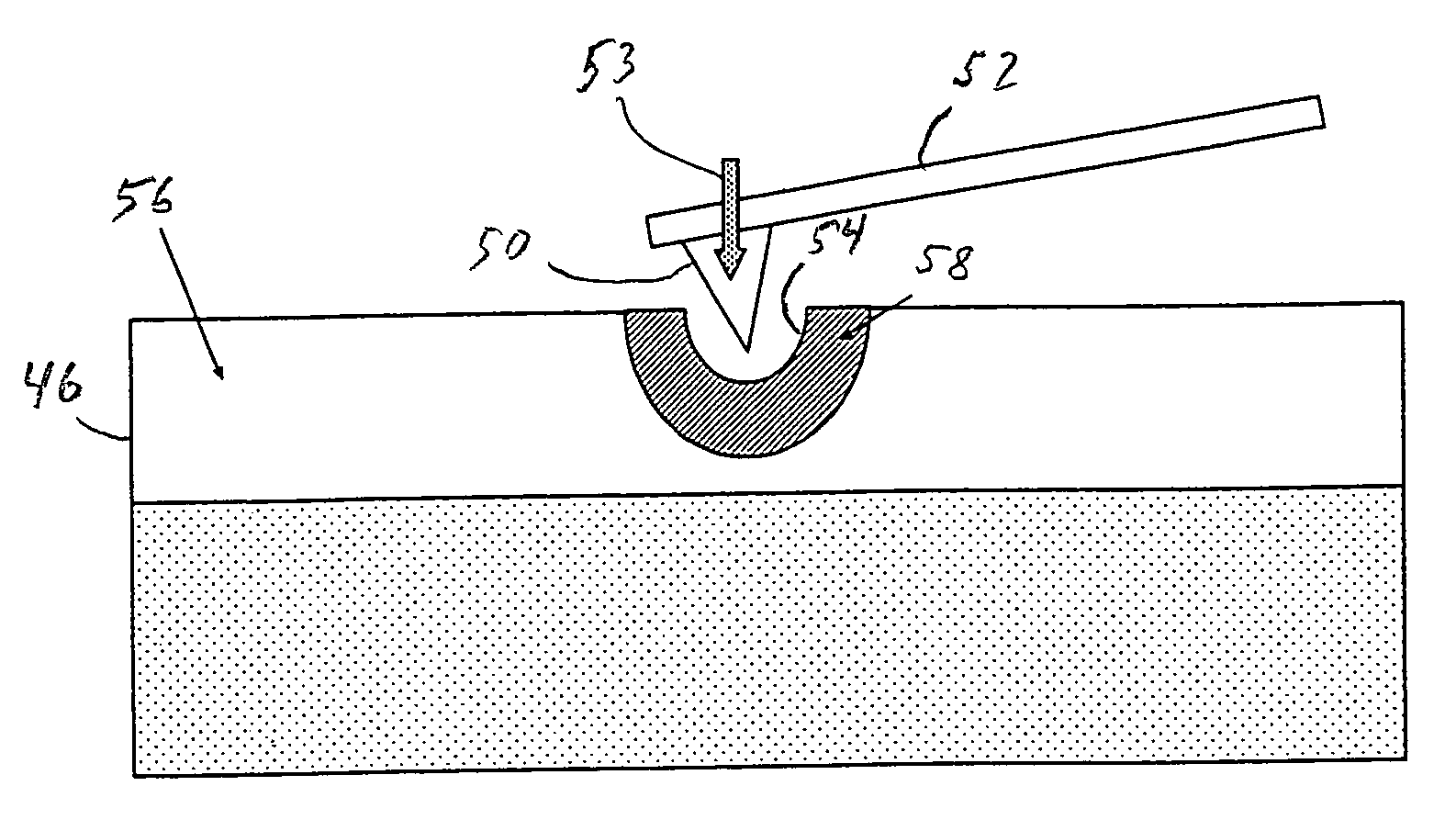
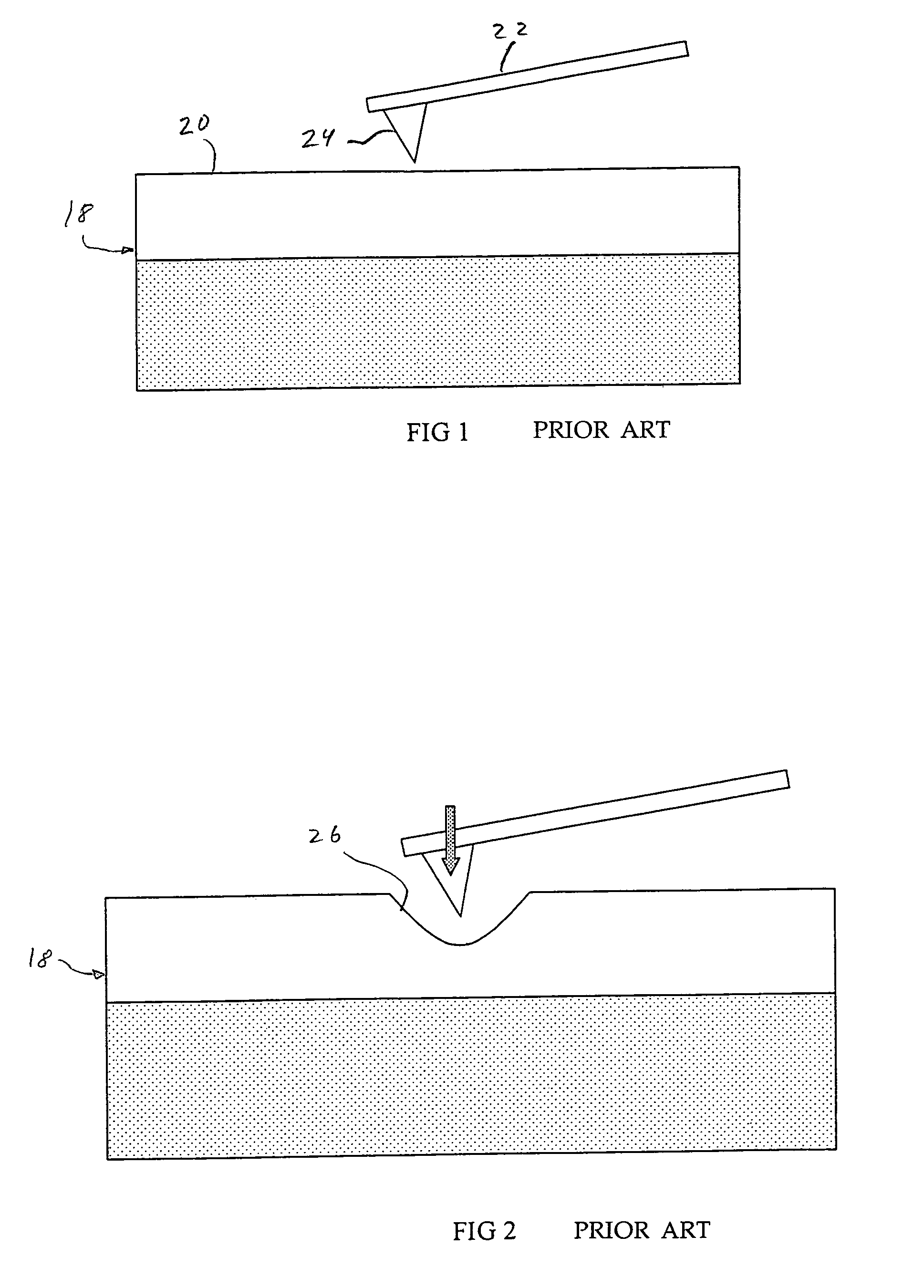
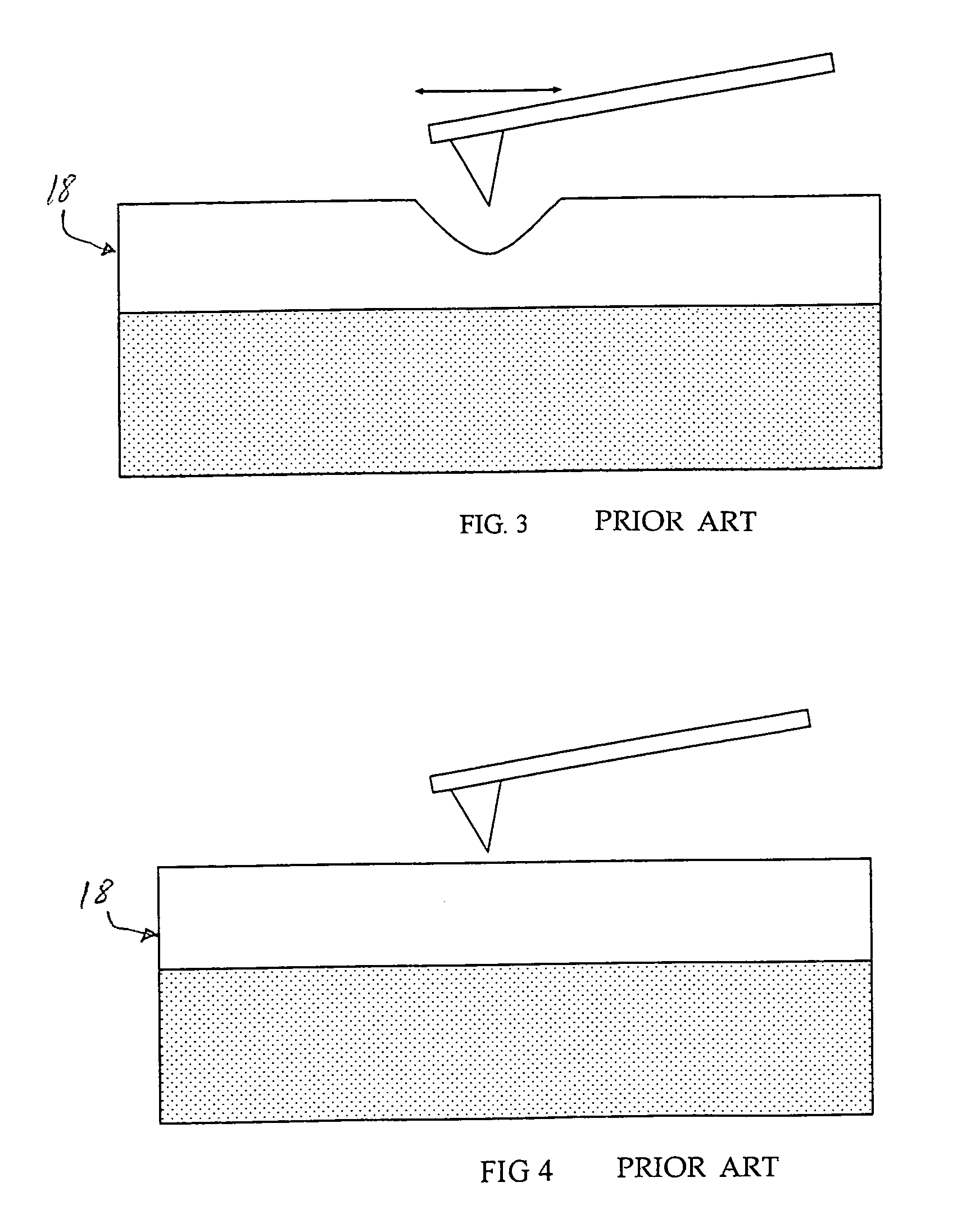
- A magnetic data storage system utilizing a scanning tip array with austenite shape memory thin films (SMTFs) that induces ferromagnetic phase transformation through mechanical indentation and external magnetic fields for writing, reading, and erasing data, leveraging the unique properties of shape memory alloys (SMAs) for enhanced mechanical stability and corrosion resistance.

Material Science Advancements in Neodymium Magnets
Material science advancements in neodymium magnets have revolutionized data storage technologies over the past three decades. Since their discovery in 1982 by General Motors and Sumitomo Special Metals, NdFeB magnets have undergone significant compositional refinements to enhance their magnetic properties and stability characteristics.
Recent breakthroughs in nanocrystalline structures have enabled the development of neodymium magnets with energy products exceeding 56 MGOe, representing a substantial improvement over earlier generations. These advancements directly correlate with increased storage density capabilities in hard disk drives and emerging magnetic storage technologies.
Surface coating technologies have evolved to address corrosion susceptibility, with multi-layer protective systems incorporating nickel, copper, and epoxy resins extending magnet lifespans in data storage environments. These protective measures ensure consistent magnetic force throughout the operational lifetime of storage devices, maintaining read/write reliability.
Grain boundary diffusion processes, particularly those utilizing heavy rare earth elements like dysprosium and terbium, have significantly improved high-temperature performance without compromising room temperature magnetic properties. This innovation has been crucial for enterprise storage systems operating in thermally challenging environments.
Manufacturing precision has advanced to allow for micron-level dimensional tolerances and magnetization direction control within 1-2 degrees of specification. Such precision is essential for accurate force measurement and application in modern high-density storage devices where head positioning requires extraordinary accuracy.
Computational modeling of magnetic field interactions has progressed in parallel with material science, enabling designers to predict and optimize magnet performance in complex data storage geometries. These models now incorporate temperature effects, demagnetization factors, and interaction fields with unprecedented accuracy.
Recycling and sustainable production methods are emerging as critical areas of research, with hydrometallurgical processes showing promise for recovering neodymium from end-of-life storage devices. These processes may help address supply chain vulnerabilities while reducing environmental impact.
The integration of additive manufacturing techniques has begun to enable complex magnetic structures with precisely controlled force gradients, potentially allowing for novel data storage architectures that optimize read/write performance while minimizing power consumption.
Recent breakthroughs in nanocrystalline structures have enabled the development of neodymium magnets with energy products exceeding 56 MGOe, representing a substantial improvement over earlier generations. These advancements directly correlate with increased storage density capabilities in hard disk drives and emerging magnetic storage technologies.
Surface coating technologies have evolved to address corrosion susceptibility, with multi-layer protective systems incorporating nickel, copper, and epoxy resins extending magnet lifespans in data storage environments. These protective measures ensure consistent magnetic force throughout the operational lifetime of storage devices, maintaining read/write reliability.
Grain boundary diffusion processes, particularly those utilizing heavy rare earth elements like dysprosium and terbium, have significantly improved high-temperature performance without compromising room temperature magnetic properties. This innovation has been crucial for enterprise storage systems operating in thermally challenging environments.
Manufacturing precision has advanced to allow for micron-level dimensional tolerances and magnetization direction control within 1-2 degrees of specification. Such precision is essential for accurate force measurement and application in modern high-density storage devices where head positioning requires extraordinary accuracy.
Computational modeling of magnetic field interactions has progressed in parallel with material science, enabling designers to predict and optimize magnet performance in complex data storage geometries. These models now incorporate temperature effects, demagnetization factors, and interaction fields with unprecedented accuracy.
Recycling and sustainable production methods are emerging as critical areas of research, with hydrometallurgical processes showing promise for recovering neodymium from end-of-life storage devices. These processes may help address supply chain vulnerabilities while reducing environmental impact.
The integration of additive manufacturing techniques has begun to enable complex magnetic structures with precisely controlled force gradients, potentially allowing for novel data storage architectures that optimize read/write performance while minimizing power consumption.
Environmental Impact of Rare Earth Magnet Manufacturing
The manufacturing of neodymium magnets, essential components in data storage solutions, presents significant environmental challenges that warrant careful consideration. The extraction of rare earth elements, particularly neodymium, involves mining processes that generate substantial environmental pollution. These operations typically require extensive land disruption, resulting in habitat destruction and biodiversity loss in mining regions across China, which controls approximately 85% of global rare earth production.
The refining process for neodymium is particularly resource-intensive, consuming large quantities of water and energy. For every ton of rare earth elements produced, approximately 2,000 tons of toxic waste may be generated. This waste often contains radioactive materials like thorium and uranium, as well as heavy metals and acids that can contaminate soil and water systems when improperly managed.
Water pollution represents one of the most severe environmental impacts of neodymium magnet production. Acid leaching techniques used to separate rare earth elements release acidic wastewater containing heavy metals that can infiltrate groundwater systems and damage aquatic ecosystems. Studies have documented elevated levels of contaminants in water bodies surrounding production facilities, particularly in China's rare earth mining regions.
Carbon emissions associated with neodymium magnet manufacturing are substantial, primarily due to energy-intensive processing requirements. The production of one ton of rare earth oxides can generate 12-15 tons of CO2 equivalent emissions. When considering the entire lifecycle of neodymium magnets used in data storage applications, the carbon footprint becomes even more significant.
Regulatory frameworks addressing these environmental concerns vary considerably worldwide. China has implemented increasingly stringent environmental regulations for rare earth processing, though enforcement remains inconsistent. The European Union's REACH regulations and the United States' efforts to revitalize domestic rare earth production emphasize more environmentally responsible practices, including closed-loop processing systems and improved waste management protocols.
Industry initiatives are emerging to mitigate these environmental impacts. Recycling programs for neodymium magnets from end-of-life data storage devices can reduce the demand for virgin materials by up to 30%. Additionally, research into alternative manufacturing processes, such as hydrogen processing of magnet scrap (HPMS), shows promise for reducing both waste generation and energy consumption in magnet production.
The refining process for neodymium is particularly resource-intensive, consuming large quantities of water and energy. For every ton of rare earth elements produced, approximately 2,000 tons of toxic waste may be generated. This waste often contains radioactive materials like thorium and uranium, as well as heavy metals and acids that can contaminate soil and water systems when improperly managed.
Water pollution represents one of the most severe environmental impacts of neodymium magnet production. Acid leaching techniques used to separate rare earth elements release acidic wastewater containing heavy metals that can infiltrate groundwater systems and damage aquatic ecosystems. Studies have documented elevated levels of contaminants in water bodies surrounding production facilities, particularly in China's rare earth mining regions.
Carbon emissions associated with neodymium magnet manufacturing are substantial, primarily due to energy-intensive processing requirements. The production of one ton of rare earth oxides can generate 12-15 tons of CO2 equivalent emissions. When considering the entire lifecycle of neodymium magnets used in data storage applications, the carbon footprint becomes even more significant.
Regulatory frameworks addressing these environmental concerns vary considerably worldwide. China has implemented increasingly stringent environmental regulations for rare earth processing, though enforcement remains inconsistent. The European Union's REACH regulations and the United States' efforts to revitalize domestic rare earth production emphasize more environmentally responsible practices, including closed-loop processing systems and improved waste management protocols.
Industry initiatives are emerging to mitigate these environmental impacts. Recycling programs for neodymium magnets from end-of-life data storage devices can reduce the demand for virgin materials by up to 30%. Additionally, research into alternative manufacturing processes, such as hydrogen processing of magnet scrap (HPMS), shows promise for reducing both waste generation and energy consumption in magnet production.
Unlock deeper insights with PatSnap Eureka Quick Research — get a full tech report to explore trends and direct your research. Try now!
Generate Your Research Report Instantly with AI Agent
Supercharge your innovation with PatSnap Eureka AI Agent Platform!