

Nitinol’s Use in Hyper-Responsive Reaction Safety Systems
AUG 6, 20259 MIN READ
Generate Your Research Report Instantly with AI Agent
PatSnap Eureka helps you evaluate technical feasibility & market potential.
Nitinol Technology Evolution and Objectives
Nitinol, an alloy of nickel and titanium, has revolutionized the field of smart materials since its discovery in 1959 at the Naval Ordnance Laboratory. This unique material exhibits remarkable shape memory and superelastic properties, making it ideal for various applications, including hyper-responsive reaction safety systems. The evolution of Nitinol technology has been marked by significant milestones and continuous improvements in its production, processing, and application techniques.
Initially, Nitinol's potential was limited by manufacturing challenges and a lack of understanding of its complex behavior. However, advancements in metallurgy and materials science throughout the 1970s and 1980s led to improved production methods and a deeper comprehension of its unique properties. This progress paved the way for Nitinol's integration into various industries, with early applications in aerospace and medical devices.
The 1990s saw a surge in Nitinol research, focusing on refining its composition and heat treatment processes to enhance its performance characteristics. This period also witnessed the development of thin Nitinol films and wires, expanding its potential applications in micro-electromechanical systems (MEMS) and minimally invasive medical devices.
In the context of hyper-responsive reaction safety systems, Nitinol's evolution has been particularly significant. Its ability to rapidly change shape in response to temperature variations or mechanical stress has made it an excellent candidate for creating fast-acting, reliable safety mechanisms. The material's high fatigue resistance and biocompatibility have further contributed to its adoption in critical safety applications.
Recent technological advancements have focused on improving Nitinol's response time, force output, and cyclic stability. Researchers have been exploring novel alloy compositions and processing techniques to fine-tune Nitinol's transformation temperatures and mechanical properties, making it more suitable for specific safety system requirements.
The primary objectives in Nitinol's ongoing development for hyper-responsive reaction safety systems include:
1. Enhancing activation speed to minimize response time in critical situations.
2. Improving force generation capabilities to enable more robust safety mechanisms.
3. Increasing the material's durability and reliability under repeated activation cycles.
4. Developing advanced control systems to precisely manage Nitinol's shape-changing behavior.
5. Exploring new manufacturing techniques to reduce production costs and improve scalability.
These objectives aim to push the boundaries of Nitinol's capabilities, making it an even more effective solution for safety-critical applications. As research continues, the goal is to create Nitinol-based systems that can react almost instantaneously to potential hazards, providing unparalleled protection in various high-risk environments.
Initially, Nitinol's potential was limited by manufacturing challenges and a lack of understanding of its complex behavior. However, advancements in metallurgy and materials science throughout the 1970s and 1980s led to improved production methods and a deeper comprehension of its unique properties. This progress paved the way for Nitinol's integration into various industries, with early applications in aerospace and medical devices.
The 1990s saw a surge in Nitinol research, focusing on refining its composition and heat treatment processes to enhance its performance characteristics. This period also witnessed the development of thin Nitinol films and wires, expanding its potential applications in micro-electromechanical systems (MEMS) and minimally invasive medical devices.
In the context of hyper-responsive reaction safety systems, Nitinol's evolution has been particularly significant. Its ability to rapidly change shape in response to temperature variations or mechanical stress has made it an excellent candidate for creating fast-acting, reliable safety mechanisms. The material's high fatigue resistance and biocompatibility have further contributed to its adoption in critical safety applications.
Recent technological advancements have focused on improving Nitinol's response time, force output, and cyclic stability. Researchers have been exploring novel alloy compositions and processing techniques to fine-tune Nitinol's transformation temperatures and mechanical properties, making it more suitable for specific safety system requirements.
The primary objectives in Nitinol's ongoing development for hyper-responsive reaction safety systems include:
1. Enhancing activation speed to minimize response time in critical situations.
2. Improving force generation capabilities to enable more robust safety mechanisms.
3. Increasing the material's durability and reliability under repeated activation cycles.
4. Developing advanced control systems to precisely manage Nitinol's shape-changing behavior.
5. Exploring new manufacturing techniques to reduce production costs and improve scalability.
These objectives aim to push the boundaries of Nitinol's capabilities, making it an even more effective solution for safety-critical applications. As research continues, the goal is to create Nitinol-based systems that can react almost instantaneously to potential hazards, providing unparalleled protection in various high-risk environments.
Market Demand for Advanced Safety Systems
The market demand for advanced safety systems has been experiencing significant growth in recent years, driven by increasing awareness of safety concerns across various industries and the need for more sophisticated protection mechanisms. Nitinol, a shape memory alloy with unique properties, has emerged as a promising material for developing hyper-responsive reaction safety systems.
In the automotive sector, there is a growing demand for advanced driver assistance systems (ADAS) and autonomous vehicle technologies. These systems require rapid response times and adaptive capabilities to ensure passenger safety in various driving conditions. Nitinol's ability to quickly change shape in response to temperature or electrical stimuli makes it an ideal candidate for developing innovative safety features such as adaptive crash structures and smart airbag deployment systems.
The aerospace industry also presents a substantial market opportunity for Nitinol-based safety systems. With the increasing complexity of aircraft systems and the need for lightweight, reliable safety mechanisms, Nitinol offers potential applications in emergency evacuation systems, fire suppression devices, and structural health monitoring systems. The material's superelasticity and shape memory properties can be leveraged to create compact, efficient safety solutions that meet stringent aerospace regulations.
In the industrial sector, there is a rising demand for advanced safety systems in manufacturing plants, chemical facilities, and energy production sites. Nitinol-based safety devices can be utilized in pressure relief valves, fire suppression systems, and emergency shutdown mechanisms. The material's ability to operate in harsh environments and its high fatigue resistance make it particularly suitable for these applications.
The medical device industry represents another significant market for Nitinol-based safety systems. With the increasing prevalence of minimally invasive procedures, there is a growing need for smart medical devices that can adapt to patient anatomy and provide enhanced safety features. Nitinol's biocompatibility and unique mechanical properties make it an excellent choice for developing self-expanding stents, guidewires, and other medical implants with built-in safety mechanisms.
The global market for advanced safety systems is projected to grow substantially in the coming years, driven by stringent safety regulations, technological advancements, and increasing consumer demand for safer products and environments. As industries continue to prioritize safety and seek innovative solutions, the demand for Nitinol-based hyper-responsive reaction safety systems is expected to rise, offering significant opportunities for manufacturers and technology developers in this space.
In the automotive sector, there is a growing demand for advanced driver assistance systems (ADAS) and autonomous vehicle technologies. These systems require rapid response times and adaptive capabilities to ensure passenger safety in various driving conditions. Nitinol's ability to quickly change shape in response to temperature or electrical stimuli makes it an ideal candidate for developing innovative safety features such as adaptive crash structures and smart airbag deployment systems.
The aerospace industry also presents a substantial market opportunity for Nitinol-based safety systems. With the increasing complexity of aircraft systems and the need for lightweight, reliable safety mechanisms, Nitinol offers potential applications in emergency evacuation systems, fire suppression devices, and structural health monitoring systems. The material's superelasticity and shape memory properties can be leveraged to create compact, efficient safety solutions that meet stringent aerospace regulations.
In the industrial sector, there is a rising demand for advanced safety systems in manufacturing plants, chemical facilities, and energy production sites. Nitinol-based safety devices can be utilized in pressure relief valves, fire suppression systems, and emergency shutdown mechanisms. The material's ability to operate in harsh environments and its high fatigue resistance make it particularly suitable for these applications.
The medical device industry represents another significant market for Nitinol-based safety systems. With the increasing prevalence of minimally invasive procedures, there is a growing need for smart medical devices that can adapt to patient anatomy and provide enhanced safety features. Nitinol's biocompatibility and unique mechanical properties make it an excellent choice for developing self-expanding stents, guidewires, and other medical implants with built-in safety mechanisms.
The global market for advanced safety systems is projected to grow substantially in the coming years, driven by stringent safety regulations, technological advancements, and increasing consumer demand for safer products and environments. As industries continue to prioritize safety and seek innovative solutions, the demand for Nitinol-based hyper-responsive reaction safety systems is expected to rise, offering significant opportunities for manufacturers and technology developers in this space.
Nitinol Properties and Current Challenges
Nitinol, a unique nickel-titanium alloy, possesses remarkable properties that make it ideal for use in hyper-responsive reaction safety systems. This shape memory alloy exhibits superelasticity and the ability to return to a predetermined shape when heated, characteristics that are crucial for rapid and reliable safety mechanisms.
One of the key properties of Nitinol is its shape memory effect. When deformed at lower temperatures, Nitinol can recover its original shape upon heating above its transformation temperature. This property allows for the design of compact, pre-programmed safety devices that can be triggered by temperature changes, providing a rapid and predictable response in emergency situations.
The superelastic behavior of Nitinol is another critical feature for safety applications. It can undergo large deformations without permanent damage, absorbing significant amounts of energy in the process. This makes Nitinol ideal for impact-resistant components and shock-absorbing elements in safety systems, enhancing their overall reliability and durability.
Despite its advantages, Nitinol faces several challenges in its application to hyper-responsive reaction safety systems. One major issue is the precise control of transformation temperatures. The temperature at which Nitinol transitions between its martensite and austenite phases can vary depending on composition and processing, making it challenging to ensure consistent performance across different batches or environmental conditions.
Another challenge lies in the fatigue behavior of Nitinol. While it exhibits excellent fatigue resistance compared to many conventional materials, repeated cycling through its phase transformation can lead to accumulation of defects and eventual failure. This is particularly critical in safety systems where long-term reliability is paramount.
The manufacturing and processing of Nitinol also present significant hurdles. Achieving the desired properties requires precise control over composition, heat treatment, and mechanical working. Small variations in these parameters can lead to substantial changes in the material's behavior, necessitating stringent quality control measures.
Furthermore, the biocompatibility of Nitinol is a concern in certain safety applications, particularly those involving potential human contact. While generally considered biocompatible, the release of nickel ions can be problematic in some situations, requiring careful consideration of surface treatments or alternative compositions.
Lastly, the cost of Nitinol remains a challenge for widespread adoption in safety systems. The complex processing requirements and the need for high-purity raw materials contribute to its relatively high cost compared to conventional materials. This economic factor often necessitates a careful balance between performance benefits and overall system cost in the design of hyper-responsive reaction safety systems.
One of the key properties of Nitinol is its shape memory effect. When deformed at lower temperatures, Nitinol can recover its original shape upon heating above its transformation temperature. This property allows for the design of compact, pre-programmed safety devices that can be triggered by temperature changes, providing a rapid and predictable response in emergency situations.
The superelastic behavior of Nitinol is another critical feature for safety applications. It can undergo large deformations without permanent damage, absorbing significant amounts of energy in the process. This makes Nitinol ideal for impact-resistant components and shock-absorbing elements in safety systems, enhancing their overall reliability and durability.
Despite its advantages, Nitinol faces several challenges in its application to hyper-responsive reaction safety systems. One major issue is the precise control of transformation temperatures. The temperature at which Nitinol transitions between its martensite and austenite phases can vary depending on composition and processing, making it challenging to ensure consistent performance across different batches or environmental conditions.
Another challenge lies in the fatigue behavior of Nitinol. While it exhibits excellent fatigue resistance compared to many conventional materials, repeated cycling through its phase transformation can lead to accumulation of defects and eventual failure. This is particularly critical in safety systems where long-term reliability is paramount.
The manufacturing and processing of Nitinol also present significant hurdles. Achieving the desired properties requires precise control over composition, heat treatment, and mechanical working. Small variations in these parameters can lead to substantial changes in the material's behavior, necessitating stringent quality control measures.
Furthermore, the biocompatibility of Nitinol is a concern in certain safety applications, particularly those involving potential human contact. While generally considered biocompatible, the release of nickel ions can be problematic in some situations, requiring careful consideration of surface treatments or alternative compositions.
Lastly, the cost of Nitinol remains a challenge for widespread adoption in safety systems. The complex processing requirements and the need for high-purity raw materials contribute to its relatively high cost compared to conventional materials. This economic factor often necessitates a careful balance between performance benefits and overall system cost in the design of hyper-responsive reaction safety systems.
Current Nitinol-based Safety Solutions
01 Shape memory and superelastic properties of Nitinol
Nitinol exhibits unique shape memory and superelastic properties, allowing it to return to its original shape after deformation when heated or stress is removed. This hyper-responsive behavior makes it suitable for various applications in medical devices, aerospace, and automotive industries.- Shape memory and superelastic properties of Nitinol: Nitinol exhibits unique shape memory and superelastic properties, allowing it to return to its original shape after deformation when heated or unloaded. This hyper-responsive behavior makes it suitable for various applications in medical devices, aerospace, and automotive industries.
- Nitinol actuators and sensors: The hyper-responsive nature of Nitinol is utilized in the development of actuators and sensors. These components can respond quickly to temperature changes or applied stresses, making them ideal for use in smart systems and robotics.
- Nitinol in medical applications: The biocompatibility and hyper-responsive properties of Nitinol make it an excellent material for medical devices. It is used in stents, guidewires, and other implantable devices that require flexibility and the ability to conform to body structures.
- Nitinol in energy harvesting and thermal management: The hyper-responsive reaction of Nitinol to temperature changes is exploited in energy harvesting applications and thermal management systems. This property allows for the conversion of thermal energy into mechanical work or the rapid dissipation of heat in electronic devices.
- Processing and treatment of Nitinol for enhanced performance: Various processing and treatment methods are employed to enhance the hyper-responsive properties of Nitinol. These techniques include heat treatment, surface modification, and alloying with other elements to tailor the material's behavior for specific applications.
02 Nitinol actuators and sensors
Nitinol's hyper-responsive nature is utilized in the development of actuators and sensors. These components can respond quickly to temperature changes or applied stress, making them ideal for use in smart systems, robotics, and automation applications.Expand Specific Solutions03 Biomedical applications of Nitinol
The hyper-responsive reaction of Nitinol is particularly valuable in biomedical applications. It is used in the creation of stents, guidewires, and other medical devices that can be easily inserted into the body in a compact form and then expand to their functional shape when exposed to body temperature.Expand Specific Solutions04 Nitinol in energy harvesting and thermal management
The hyper-responsive nature of Nitinol is exploited in energy harvesting applications and thermal management systems. Its ability to undergo phase transformations in response to temperature changes allows for the conversion of thermal energy into mechanical work or the regulation of heat transfer in various systems.Expand Specific Solutions05 Manufacturing and processing techniques for Nitinol
Specialized manufacturing and processing techniques are required to optimize the hyper-responsive properties of Nitinol. These include precise heat treatments, shape setting procedures, and surface modifications to enhance its performance in specific applications.Expand Specific Solutions
Key Players in Nitinol and Safety Systems
The competitive landscape for Nitinol's use in hyper-responsive reaction safety systems is in an early growth stage, with a promising market potential driven by increasing safety demands across industries. The technology's maturity is advancing, with key players like Genentech, NASA, and Boeing leading research and development efforts. Academic institutions such as Huazhong University of Science & Technology and South China University of Technology are contributing to fundamental research. The market is characterized by a mix of established corporations and specialized research institutes, indicating a growing interest in Nitinol's unique properties for safety applications. As the technology progresses, we can expect increased competition and innovation in this niche but critical field.
National Aeronautics & Space Administration
Technical Solution: NASA has developed advanced Nitinol-based safety systems for spacecraft and exploration vehicles. Their approach utilizes Nitinol's shape memory properties to create self-deploying structures and impact absorption mechanisms. For example, they have designed Nitinol-based deployable heat shields that can withstand extreme temperatures during atmospheric re-entry[1]. NASA has also explored using Nitinol alloys in space suit joints to provide better flexibility and protection against micrometeoroid impacts[2]. Additionally, they have developed Nitinol-actuated release mechanisms for satellite deployment, offering reliable and repeatable performance in space environments[3].
Strengths: Expertise in extreme environment applications, advanced materials science capabilities, and extensive testing facilities. Weaknesses: High development costs and limited commercial applications outside of aerospace.
The Boeing Co.
Technical Solution: Boeing has integrated Nitinol-based safety systems into their aircraft designs, focusing on rapid response mechanisms for emergency situations. They have developed Nitinol actuators for quick-deploy oxygen masks and emergency exit systems[4]. Boeing's research also includes Nitinol-based de-icing systems for aircraft wings, utilizing the material's shape memory properties to create surface deformations that break ice accumulation[5]. Furthermore, they have explored Nitinol-reinforced composite materials for improved impact resistance in aircraft structures, enhancing overall safety in collision scenarios[6].
Strengths: Extensive experience in aviation safety, large-scale manufacturing capabilities, and regulatory compliance expertise. Weaknesses: Primarily focused on aviation applications, potentially limiting broader market reach.
Innovative Nitinol Applications in Safety
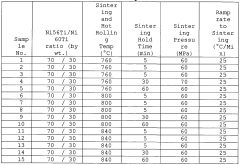
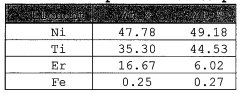
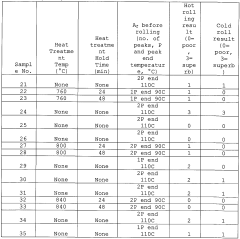
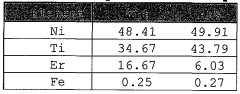
Mixture of powders for preparing a sintered nickel-titanium-rare earth metal (ni-ti-re) alloy
PatentWO2013109846A1
Innovation
- A mixture of nickel-titanium-rare earth (Ni-Ti-RE) alloy powders with specific compositions and sintering conditions to produce a sintered alloy that maintains workability and superelasticity while enhancing radiopacity, using spark plasma sintering and thermomechanical processing.
Fire extinguishing apparatus and method of deploying the same
PatentInactiveIN202211026306A
Innovation
- A fire extinguishing apparatus utilizing a nitinol alloy hook that changes shape in response to temperature, automatically deploying a container with extinguishing substances via a drone, allowing for rapid and automated fire suppression.


Regulatory Framework for Nitinol in Safety
The regulatory framework for Nitinol in safety systems is a complex and evolving landscape that requires careful navigation by manufacturers, researchers, and regulatory bodies. As Nitinol gains prominence in hyper-responsive reaction safety systems, the need for comprehensive and adaptive regulations becomes increasingly critical.
In the United States, the Food and Drug Administration (FDA) plays a pivotal role in overseeing the use of Nitinol in medical devices and safety applications. The FDA's regulatory approach for Nitinol-based devices typically falls under the 510(k) premarket notification process, which requires manufacturers to demonstrate that their device is substantially equivalent to a legally marketed predicate device. This process involves rigorous testing and documentation to ensure the safety and efficacy of Nitinol-based systems.
The European Union, through its Medical Device Regulation (MDR), has implemented stringent requirements for Nitinol-containing devices. The MDR emphasizes a life-cycle approach to device regulation, necessitating ongoing monitoring and reporting of device performance and safety data. This approach is particularly relevant for Nitinol applications due to the material's unique properties and potential long-term effects.
International standards organizations, such as ASTM International and ISO, have developed specific guidelines for the testing and characterization of Nitinol. ASTM F2063 provides standard specifications for wrought Nickel-Titanium shape memory alloys for medical devices and surgical implants, while ISO 14971 outlines risk management principles for medical devices, which are applicable to Nitinol-based safety systems.
In the automotive and aerospace industries, where Nitinol is increasingly being explored for safety applications, regulatory bodies such as the National Highway Traffic Safety Administration (NHTSA) and the Federal Aviation Administration (FAA) are developing guidelines to address the unique properties of shape memory alloys in safety-critical systems. These guidelines focus on reliability, durability, and performance under various environmental conditions.
As the application of Nitinol in hyper-responsive reaction safety systems expands, regulatory frameworks are likely to evolve. Future regulations may address specific aspects of Nitinol behavior, such as fatigue resistance, corrosion properties, and long-term stability. Additionally, as the understanding of Nitinol's interaction with biological systems deepens, biocompatibility standards may be refined to ensure the safety of Nitinol-based implants and devices in long-term use scenarios.
Manufacturers and researchers working with Nitinol must stay abreast of these regulatory developments and actively participate in shaping future guidelines. Collaboration between industry, academia, and regulatory bodies will be crucial in developing standards that balance innovation with safety, ensuring that the full potential of Nitinol in hyper-responsive reaction safety systems can be realized while maintaining the highest levels of public safety and confidence.
In the United States, the Food and Drug Administration (FDA) plays a pivotal role in overseeing the use of Nitinol in medical devices and safety applications. The FDA's regulatory approach for Nitinol-based devices typically falls under the 510(k) premarket notification process, which requires manufacturers to demonstrate that their device is substantially equivalent to a legally marketed predicate device. This process involves rigorous testing and documentation to ensure the safety and efficacy of Nitinol-based systems.
The European Union, through its Medical Device Regulation (MDR), has implemented stringent requirements for Nitinol-containing devices. The MDR emphasizes a life-cycle approach to device regulation, necessitating ongoing monitoring and reporting of device performance and safety data. This approach is particularly relevant for Nitinol applications due to the material's unique properties and potential long-term effects.
International standards organizations, such as ASTM International and ISO, have developed specific guidelines for the testing and characterization of Nitinol. ASTM F2063 provides standard specifications for wrought Nickel-Titanium shape memory alloys for medical devices and surgical implants, while ISO 14971 outlines risk management principles for medical devices, which are applicable to Nitinol-based safety systems.
In the automotive and aerospace industries, where Nitinol is increasingly being explored for safety applications, regulatory bodies such as the National Highway Traffic Safety Administration (NHTSA) and the Federal Aviation Administration (FAA) are developing guidelines to address the unique properties of shape memory alloys in safety-critical systems. These guidelines focus on reliability, durability, and performance under various environmental conditions.
As the application of Nitinol in hyper-responsive reaction safety systems expands, regulatory frameworks are likely to evolve. Future regulations may address specific aspects of Nitinol behavior, such as fatigue resistance, corrosion properties, and long-term stability. Additionally, as the understanding of Nitinol's interaction with biological systems deepens, biocompatibility standards may be refined to ensure the safety of Nitinol-based implants and devices in long-term use scenarios.
Manufacturers and researchers working with Nitinol must stay abreast of these regulatory developments and actively participate in shaping future guidelines. Collaboration between industry, academia, and regulatory bodies will be crucial in developing standards that balance innovation with safety, ensuring that the full potential of Nitinol in hyper-responsive reaction safety systems can be realized while maintaining the highest levels of public safety and confidence.
Environmental Impact of Nitinol Production
The production of Nitinol, a nickel-titanium alloy known for its shape memory and superelastic properties, has significant environmental implications that warrant careful consideration. The manufacturing process of Nitinol involves energy-intensive procedures and the use of potentially hazardous materials, which can lead to various environmental impacts.
One of the primary concerns is the high energy consumption associated with Nitinol production. The melting and processing of nickel and titanium require extremely high temperatures, often exceeding 1300°C. This energy-intensive process contributes to increased greenhouse gas emissions, particularly when the energy source is not renewable. The carbon footprint of Nitinol production can be substantial, especially in regions where fossil fuels are the primary energy source.
The extraction and processing of raw materials, particularly nickel and titanium, also pose environmental challenges. Mining operations for these metals can lead to habitat destruction, soil erosion, and water pollution. The refining processes for both metals involve chemical treatments that may generate hazardous waste and emissions if not properly managed.
Water usage is another critical environmental factor in Nitinol production. The manufacturing process requires significant amounts of water for cooling and cleaning purposes. This can strain local water resources, especially in water-scarce regions. Additionally, the wastewater from these processes may contain metal particles and chemical residues, necessitating thorough treatment before release to prevent water pollution.
The production of Nitinol also generates various waste products, including metal scraps, chemical byproducts, and potentially harmful gases. Proper disposal and recycling of these materials are essential to minimize environmental impact. Recycling Nitinol can be challenging due to its unique composition, but advancements in recycling technologies are being developed to address this issue.
Despite these environmental concerns, it's important to note that the use of Nitinol in hyper-responsive reaction safety systems can potentially offset some of its production impacts. The material's unique properties allow for the development of more efficient and durable safety systems, which can lead to reduced material consumption and waste over time. Additionally, the long lifespan and reliability of Nitinol-based components can contribute to overall resource conservation in the long run.
To mitigate the environmental impact of Nitinol production, several strategies are being explored and implemented. These include the development of more energy-efficient production methods, the use of renewable energy sources in manufacturing, improved waste management and recycling techniques, and the implementation of closed-loop water systems to reduce water consumption and pollution. Research is also ongoing to find more environmentally friendly alternatives to some of the chemicals used in the production process.
One of the primary concerns is the high energy consumption associated with Nitinol production. The melting and processing of nickel and titanium require extremely high temperatures, often exceeding 1300°C. This energy-intensive process contributes to increased greenhouse gas emissions, particularly when the energy source is not renewable. The carbon footprint of Nitinol production can be substantial, especially in regions where fossil fuels are the primary energy source.
The extraction and processing of raw materials, particularly nickel and titanium, also pose environmental challenges. Mining operations for these metals can lead to habitat destruction, soil erosion, and water pollution. The refining processes for both metals involve chemical treatments that may generate hazardous waste and emissions if not properly managed.
Water usage is another critical environmental factor in Nitinol production. The manufacturing process requires significant amounts of water for cooling and cleaning purposes. This can strain local water resources, especially in water-scarce regions. Additionally, the wastewater from these processes may contain metal particles and chemical residues, necessitating thorough treatment before release to prevent water pollution.
The production of Nitinol also generates various waste products, including metal scraps, chemical byproducts, and potentially harmful gases. Proper disposal and recycling of these materials are essential to minimize environmental impact. Recycling Nitinol can be challenging due to its unique composition, but advancements in recycling technologies are being developed to address this issue.
Despite these environmental concerns, it's important to note that the use of Nitinol in hyper-responsive reaction safety systems can potentially offset some of its production impacts. The material's unique properties allow for the development of more efficient and durable safety systems, which can lead to reduced material consumption and waste over time. Additionally, the long lifespan and reliability of Nitinol-based components can contribute to overall resource conservation in the long run.
To mitigate the environmental impact of Nitinol production, several strategies are being explored and implemented. These include the development of more energy-efficient production methods, the use of renewable energy sources in manufacturing, improved waste management and recycling techniques, and the implementation of closed-loop water systems to reduce water consumption and pollution. Research is also ongoing to find more environmentally friendly alternatives to some of the chemicals used in the production process.
Unlock deeper insights with PatSnap Eureka Quick Research — get a full tech report to explore trends and direct your research. Try now!
Generate Your Research Report Instantly with AI Agent
Supercharge your innovation with PatSnap Eureka AI Agent Platform!