

Progress in Fabricating Low-Noise Nitinol-Based Micro Devices
AUG 6, 20259 MIN READ
Generate Your Research Report Instantly with AI Agent
PatSnap Eureka helps you evaluate technical feasibility & market potential.
Nitinol Micro Devices: Background and Objectives
Nitinol, an equiatomic alloy of nickel and titanium, has emerged as a revolutionary material in the field of micro-device fabrication. Since its discovery in the 1960s, Nitinol has captivated researchers and engineers due to its unique properties, including shape memory effect and superelasticity. These characteristics have positioned Nitinol as an ideal candidate for various applications in medical devices, aerospace, and robotics.
The evolution of Nitinol-based micro devices has been driven by the increasing demand for miniaturization and enhanced functionality in various technological domains. Over the past few decades, significant advancements have been made in understanding the material's behavior at the micro-scale and developing fabrication techniques that can harness its full potential. This progress has led to the creation of sophisticated micro-actuators, sensors, and other miniature components that leverage Nitinol's exceptional properties.
However, despite the remarkable progress, the fabrication of low-noise Nitinol-based micro devices remains a significant challenge. Noise, in this context, refers to undesired fluctuations or disturbances in the device's performance, which can compromise its reliability and precision. The sources of noise in Nitinol micro devices are multifaceted, ranging from material impurities and structural defects to thermal fluctuations and mechanical instabilities.
The primary objective in the field of low-noise Nitinol-based micro devices is to develop fabrication techniques that can minimize these noise sources while maintaining the material's desirable properties. This goal encompasses several key areas of focus, including refining material composition, optimizing heat treatment processes, and enhancing surface finishing techniques. Additionally, there is a growing emphasis on developing novel design strategies that can inherently reduce noise susceptibility in these micro devices.
Achieving low-noise performance in Nitinol-based micro devices is crucial for expanding their application scope, particularly in fields that demand high precision and reliability. For instance, in medical applications such as minimally invasive surgery or implantable devices, reducing noise is essential for ensuring accurate and consistent performance. Similarly, in aerospace and robotics, low-noise Nitinol micro devices could enable more precise control and sensing capabilities, opening up new possibilities for advanced systems and applications.
As research in this field progresses, the overarching aim is to bridge the gap between the theoretical potential of Nitinol and its practical implementation in high-performance micro devices. This involves not only advancing fabrication technologies but also deepening our understanding of the material's behavior at the micro-scale and its interaction with various environmental factors. The ultimate goal is to establish a robust framework for designing and manufacturing Nitinol-based micro devices that consistently deliver low-noise, high-precision performance across a wide range of applications.
The evolution of Nitinol-based micro devices has been driven by the increasing demand for miniaturization and enhanced functionality in various technological domains. Over the past few decades, significant advancements have been made in understanding the material's behavior at the micro-scale and developing fabrication techniques that can harness its full potential. This progress has led to the creation of sophisticated micro-actuators, sensors, and other miniature components that leverage Nitinol's exceptional properties.
However, despite the remarkable progress, the fabrication of low-noise Nitinol-based micro devices remains a significant challenge. Noise, in this context, refers to undesired fluctuations or disturbances in the device's performance, which can compromise its reliability and precision. The sources of noise in Nitinol micro devices are multifaceted, ranging from material impurities and structural defects to thermal fluctuations and mechanical instabilities.
The primary objective in the field of low-noise Nitinol-based micro devices is to develop fabrication techniques that can minimize these noise sources while maintaining the material's desirable properties. This goal encompasses several key areas of focus, including refining material composition, optimizing heat treatment processes, and enhancing surface finishing techniques. Additionally, there is a growing emphasis on developing novel design strategies that can inherently reduce noise susceptibility in these micro devices.
Achieving low-noise performance in Nitinol-based micro devices is crucial for expanding their application scope, particularly in fields that demand high precision and reliability. For instance, in medical applications such as minimally invasive surgery or implantable devices, reducing noise is essential for ensuring accurate and consistent performance. Similarly, in aerospace and robotics, low-noise Nitinol micro devices could enable more precise control and sensing capabilities, opening up new possibilities for advanced systems and applications.
As research in this field progresses, the overarching aim is to bridge the gap between the theoretical potential of Nitinol and its practical implementation in high-performance micro devices. This involves not only advancing fabrication technologies but also deepening our understanding of the material's behavior at the micro-scale and its interaction with various environmental factors. The ultimate goal is to establish a robust framework for designing and manufacturing Nitinol-based micro devices that consistently deliver low-noise, high-precision performance across a wide range of applications.
Market Analysis for Low-Noise Nitinol Micro Devices
The market for low-noise Nitinol-based micro devices is experiencing significant growth, driven by increasing demand across various industries. Nitinol, a unique alloy of nickel and titanium, possesses remarkable properties such as shape memory and superelasticity, making it ideal for miniature devices requiring precise and reliable performance.
In the medical sector, low-noise Nitinol micro devices are gaining traction in minimally invasive surgeries, cardiovascular interventions, and dental applications. The global market for these devices in healthcare is expected to grow steadily, as they offer improved patient outcomes and reduced recovery times. Orthopedic and neurological applications are also emerging as promising areas for Nitinol-based micro devices.
The aerospace and automotive industries are adopting low-noise Nitinol micro devices for sensors, actuators, and vibration control systems. These sectors value the material's durability, corrosion resistance, and ability to operate in extreme conditions. As vehicles and aircraft become more sophisticated, the demand for high-performance, miniaturized components is likely to increase.
Consumer electronics represent another growing market for low-noise Nitinol micro devices. Wearable technology, smartphones, and other portable devices benefit from the material's unique properties, enabling the development of compact and efficient components such as microphones, speakers, and haptic feedback systems.
The industrial automation sector is also showing interest in low-noise Nitinol micro devices for precision control and monitoring applications. As factories become smarter and more connected, the need for reliable, miniature sensors and actuators is expected to rise.
Market challenges include the high cost of Nitinol production and processing, which may limit adoption in price-sensitive applications. Additionally, the complexity of manufacturing low-noise micro devices requires specialized expertise and equipment, potentially creating barriers to entry for some manufacturers.
Despite these challenges, the overall market outlook for low-noise Nitinol-based micro devices remains positive. Technological advancements in fabrication techniques and increasing awareness of the material's benefits are likely to drive further market expansion. As research and development efforts continue to improve the performance and reduce the cost of these devices, new applications and market opportunities are expected to emerge across various industries.
In the medical sector, low-noise Nitinol micro devices are gaining traction in minimally invasive surgeries, cardiovascular interventions, and dental applications. The global market for these devices in healthcare is expected to grow steadily, as they offer improved patient outcomes and reduced recovery times. Orthopedic and neurological applications are also emerging as promising areas for Nitinol-based micro devices.
The aerospace and automotive industries are adopting low-noise Nitinol micro devices for sensors, actuators, and vibration control systems. These sectors value the material's durability, corrosion resistance, and ability to operate in extreme conditions. As vehicles and aircraft become more sophisticated, the demand for high-performance, miniaturized components is likely to increase.
Consumer electronics represent another growing market for low-noise Nitinol micro devices. Wearable technology, smartphones, and other portable devices benefit from the material's unique properties, enabling the development of compact and efficient components such as microphones, speakers, and haptic feedback systems.
The industrial automation sector is also showing interest in low-noise Nitinol micro devices for precision control and monitoring applications. As factories become smarter and more connected, the need for reliable, miniature sensors and actuators is expected to rise.
Market challenges include the high cost of Nitinol production and processing, which may limit adoption in price-sensitive applications. Additionally, the complexity of manufacturing low-noise micro devices requires specialized expertise and equipment, potentially creating barriers to entry for some manufacturers.
Despite these challenges, the overall market outlook for low-noise Nitinol-based micro devices remains positive. Technological advancements in fabrication techniques and increasing awareness of the material's benefits are likely to drive further market expansion. As research and development efforts continue to improve the performance and reduce the cost of these devices, new applications and market opportunities are expected to emerge across various industries.
Current Challenges in Nitinol Micro Device Fabrication
Despite significant advancements in Nitinol-based micro device fabrication, several challenges persist in achieving optimal performance and reliability. One of the primary obstacles is the precise control of material composition and microstructure during the manufacturing process. Nitinol's unique properties, including shape memory and superelasticity, are highly sensitive to slight variations in nickel-titanium ratios and heat treatment conditions. Achieving consistent and reproducible material characteristics across batches remains a significant hurdle for manufacturers.
Another critical challenge lies in the miniaturization of Nitinol components while maintaining their functional properties. As devices shrink to micro-scales, surface effects become increasingly dominant, potentially altering the material's behavior. This necessitates the development of specialized fabrication techniques that can preserve Nitinol's desirable attributes at extremely small dimensions. Additionally, the integration of Nitinol elements with other materials and components in micro devices presents compatibility issues, particularly in terms of joining methods and thermal management.
The reduction of noise in Nitinol-based micro devices is a complex issue that intersects with multiple aspects of fabrication. Mechanical noise, often stemming from material imperfections or stress-induced martensitic transformations, can significantly impact device performance. Addressing this requires advanced processing techniques to minimize defects and optimize the material's phase transformation characteristics. Furthermore, the interaction between Nitinol components and their surrounding environment in micro devices can introduce additional noise sources, necessitating innovative design solutions and protective measures.
Surface finish and contamination control represent another set of challenges in Nitinol micro device fabrication. The high reactivity of titanium makes Nitinol susceptible to surface oxidation and impurity incorporation during processing. These surface irregularities can act as stress concentrators, potentially leading to premature failure or unpredictable behavior in micro devices. Developing effective surface treatment and passivation techniques that are compatible with micro-scale fabrication processes is crucial for enhancing device reliability and performance.
Lastly, the characterization and quality control of Nitinol micro devices pose significant challenges due to the limited accessibility and complex behavior of small-scale components. Traditional testing methods may not be suitable or sufficiently sensitive for micro-scale applications, necessitating the development of new analytical techniques and standards. Ensuring consistent quality and performance across large production volumes of Nitinol micro devices remains a key challenge for manufacturers, requiring advancements in both fabrication processes and quality assurance methodologies.
Another critical challenge lies in the miniaturization of Nitinol components while maintaining their functional properties. As devices shrink to micro-scales, surface effects become increasingly dominant, potentially altering the material's behavior. This necessitates the development of specialized fabrication techniques that can preserve Nitinol's desirable attributes at extremely small dimensions. Additionally, the integration of Nitinol elements with other materials and components in micro devices presents compatibility issues, particularly in terms of joining methods and thermal management.
The reduction of noise in Nitinol-based micro devices is a complex issue that intersects with multiple aspects of fabrication. Mechanical noise, often stemming from material imperfections or stress-induced martensitic transformations, can significantly impact device performance. Addressing this requires advanced processing techniques to minimize defects and optimize the material's phase transformation characteristics. Furthermore, the interaction between Nitinol components and their surrounding environment in micro devices can introduce additional noise sources, necessitating innovative design solutions and protective measures.
Surface finish and contamination control represent another set of challenges in Nitinol micro device fabrication. The high reactivity of titanium makes Nitinol susceptible to surface oxidation and impurity incorporation during processing. These surface irregularities can act as stress concentrators, potentially leading to premature failure or unpredictable behavior in micro devices. Developing effective surface treatment and passivation techniques that are compatible with micro-scale fabrication processes is crucial for enhancing device reliability and performance.
Lastly, the characterization and quality control of Nitinol micro devices pose significant challenges due to the limited accessibility and complex behavior of small-scale components. Traditional testing methods may not be suitable or sufficiently sensitive for micro-scale applications, necessitating the development of new analytical techniques and standards. Ensuring consistent quality and performance across large production volumes of Nitinol micro devices remains a key challenge for manufacturers, requiring advancements in both fabrication processes and quality assurance methodologies.
Existing Low-Noise Nitinol Micro Device Solutions
01 Noise reduction in Nitinol-based micro devices
Various techniques are employed to reduce noise in Nitinol-based micro devices. These may include advanced signal processing algorithms, improved sensor designs, and noise-cancelling mechanisms. The goal is to enhance the performance and reliability of these devices in applications such as medical implants and aerospace components.- Noise reduction in Nitinol-based micro devices: Various techniques are employed to reduce noise in Nitinol-based micro devices. These may include advanced signal processing algorithms, improved sensor designs, and noise-cancelling mechanisms. The goal is to enhance the performance and reliability of these devices in applications such as medical implants and aerospace components.
- Shape memory and superelastic properties of Nitinol in micro devices: The unique shape memory and superelastic properties of Nitinol are utilized in micro devices to create compact, responsive mechanisms. These properties allow for the design of devices that can change shape or recover their original form in response to temperature or stress, enabling applications in minimally invasive medical procedures and adaptive aerospace structures.
- Fabrication techniques for Nitinol-based micro devices: Advanced fabrication techniques are developed to create precise and reliable Nitinol-based micro devices. These may include micro-machining, laser cutting, and additive manufacturing processes. The focus is on achieving high precision and consistency in the production of small-scale Nitinol components while maintaining their unique properties.
- Integration of Nitinol micro devices in communication systems: Nitinol-based micro devices are integrated into communication systems to enhance performance and reliability. These applications may include antenna systems, switches, and other components that benefit from the material's unique properties. The integration aims to improve signal quality, reduce interference, and enable adaptive communication capabilities.
- Thermal management in Nitinol-based micro devices: Effective thermal management strategies are crucial for Nitinol-based micro devices to maintain optimal performance and reliability. This includes designing heat dissipation mechanisms, controlling phase transformations, and managing the thermal-induced shape memory effect. These approaches aim to prevent overheating, ensure consistent operation, and extend the lifespan of the devices.
02 Shape memory and superelastic properties of Nitinol in micro devices
Nitinol's unique shape memory and superelastic properties are utilized in micro devices to create compact, responsive mechanisms. These properties allow for the development of self-expanding structures, actuators, and sensors that can operate in confined spaces with minimal noise and energy consumption.Expand Specific Solutions03 Nitinol-based micro devices in telecommunications
Nitinol-based micro devices are applied in telecommunications equipment to improve signal quality and reduce interference. These devices may be used in antennas, switches, and filters to enhance network performance and minimize noise in wireless communications systems.Expand Specific Solutions04 Thermal management in Nitinol-based micro devices
Effective thermal management is crucial for reducing noise and improving the performance of Nitinol-based micro devices. Techniques such as heat dissipation structures, thermal insulation, and temperature-controlled activation are employed to maintain optimal operating conditions and minimize thermally-induced noise.Expand Specific Solutions05 Integration of Nitinol-based micro devices in MEMS and semiconductor applications
Nitinol-based micro devices are increasingly integrated into MEMS (Micro-Electro-Mechanical Systems) and semiconductor applications. This integration focuses on minimizing noise and improving overall system performance through advanced fabrication techniques, novel device designs, and optimized material properties.Expand Specific Solutions
Key Players in Nitinol-Based Micro Device Industry
The progress in fabricating low-noise Nitinol-based micro devices is in an early development stage, with the market still emerging and showing potential for growth. The technology's maturity is advancing, driven by research efforts from key players like Samsung Electronics, United Microelectronics Corp., and Renesas Electronics Corp. These companies are leveraging their expertise in semiconductor manufacturing and materials science to improve the fabrication processes for Nitinol-based micro devices. The market size is expected to expand as applications in medical devices, aerospace, and robotics increase, though precise figures are not yet established. As the technology evolves, we anticipate increased competition and innovation from both established semiconductor firms and specialized materials companies.
International Business Machines Corp.
Technical Solution: IBM has made notable advancements in fabricating low-noise Nitinol-based micro devices, particularly in the field of microelectromechanical systems (MEMS) and sensors. Their approach focuses on integrating Nitinol with silicon-based technologies to create hybrid devices with enhanced performance. IBM has developed a novel deposition technique that allows for precise control of Nitinol thin film properties, resulting in reduced noise levels and improved signal-to-noise ratios in micro-scale devices[3]. The company has also pioneered the use of advanced lithography techniques to pattern Nitinol structures at the micro and nano scales, enabling the fabrication of complex, low-noise devices such as actuators and switches for computing and IoT applications[4]. Furthermore, IBM has implemented machine learning algorithms to optimize the design and fabrication processes of Nitinol-based micro devices, leading to significant reductions in noise levels and improved overall performance[5].
Strengths: Strong integration with silicon technologies, advanced lithography capabilities, and use of AI for optimization. Weaknesses: Potential challenges in scaling up production and limited experience with medical applications of Nitinol.
Electronics & Telecommunications Research Institute
Technical Solution: The Electronics & Telecommunications Research Institute (ETRI) has made significant strides in fabricating low-noise Nitinol-based micro devices, particularly for telecommunications and sensor applications. ETRI has developed a novel composite material that combines Nitinol with other alloys to enhance its electrical and mechanical properties while reducing noise generation[9]. This composite material has shown promising results in the fabrication of micro-actuators and switches for high-frequency applications. The institute has also pioneered the use of plasma-enhanced chemical vapor deposition (PECVD) techniques to create ultra-thin Nitinol films with exceptional uniformity and low defect density, resulting in reduced noise levels in micro-scale devices[10]. Furthermore, ETRI has implemented advanced characterization techniques, including in-situ acoustic emission monitoring, to optimize the fabrication process and minimize noise generation in Nitinol-based micro devices[11].
Strengths: Expertise in composite materials, advanced deposition techniques, and in-situ characterization methods. Weaknesses: Potential limitations in scaling up production for commercial applications and focus primarily on telecommunications sector.
Innovative Approaches to Noise Reduction in Nitinol Devices
Methods of making shape memory films by chemical vapor deposition and shape memory devices made thereby
PatentInactiveUS20070061006A1
Innovation
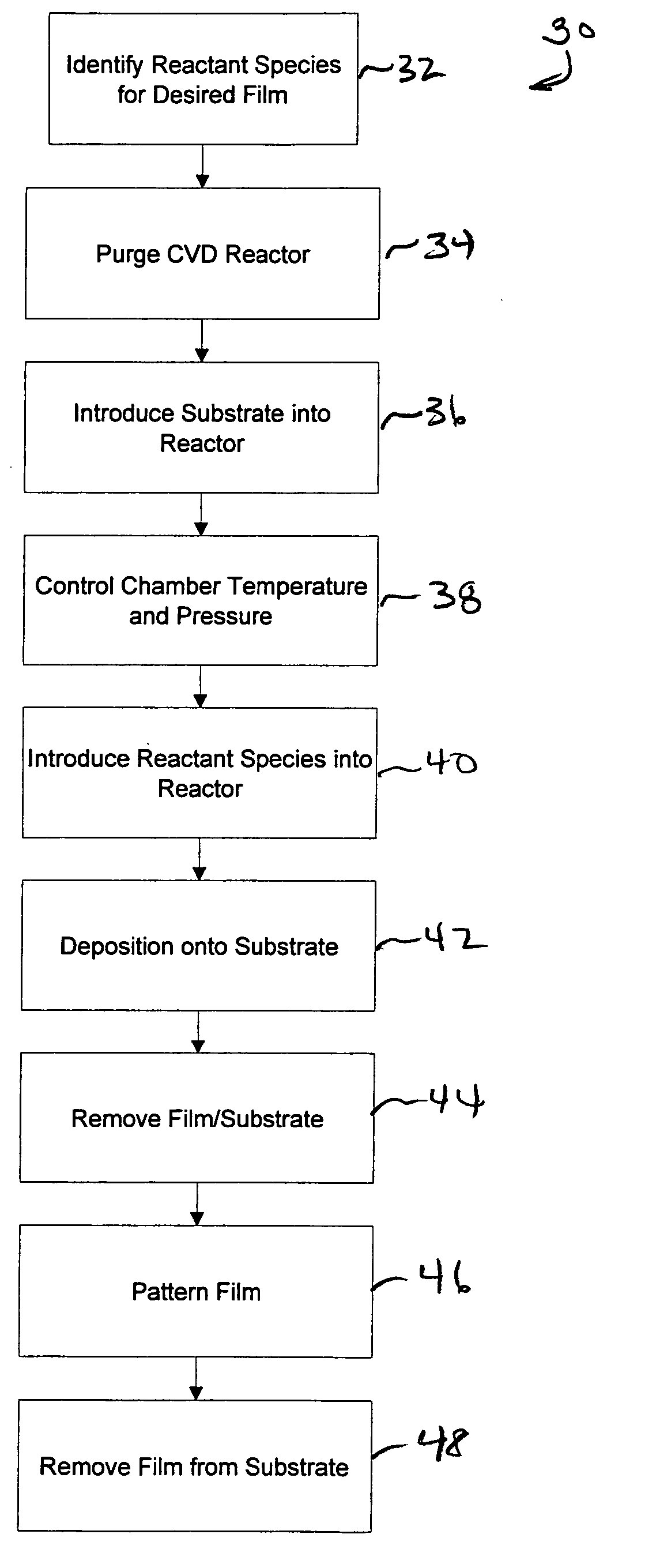
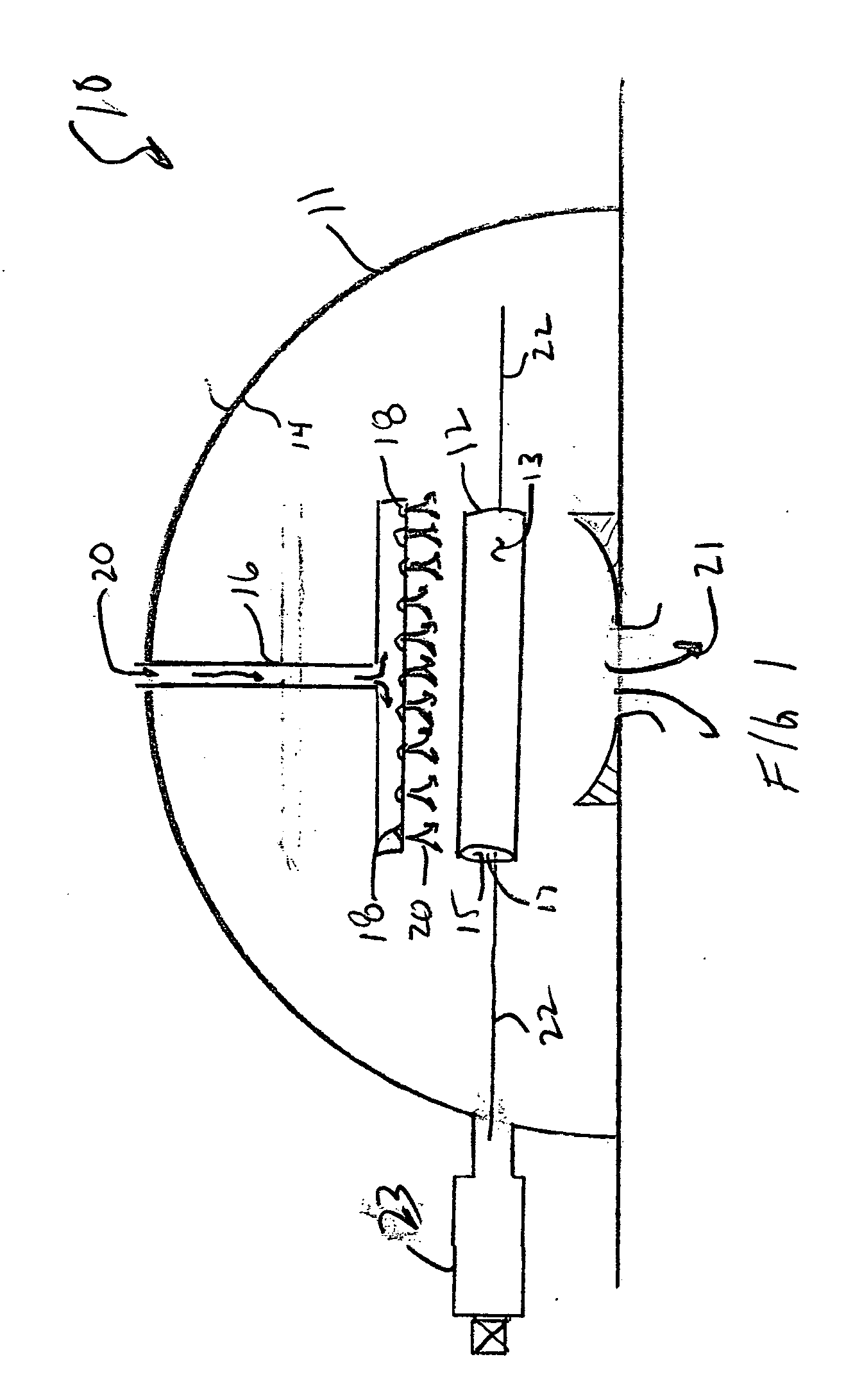
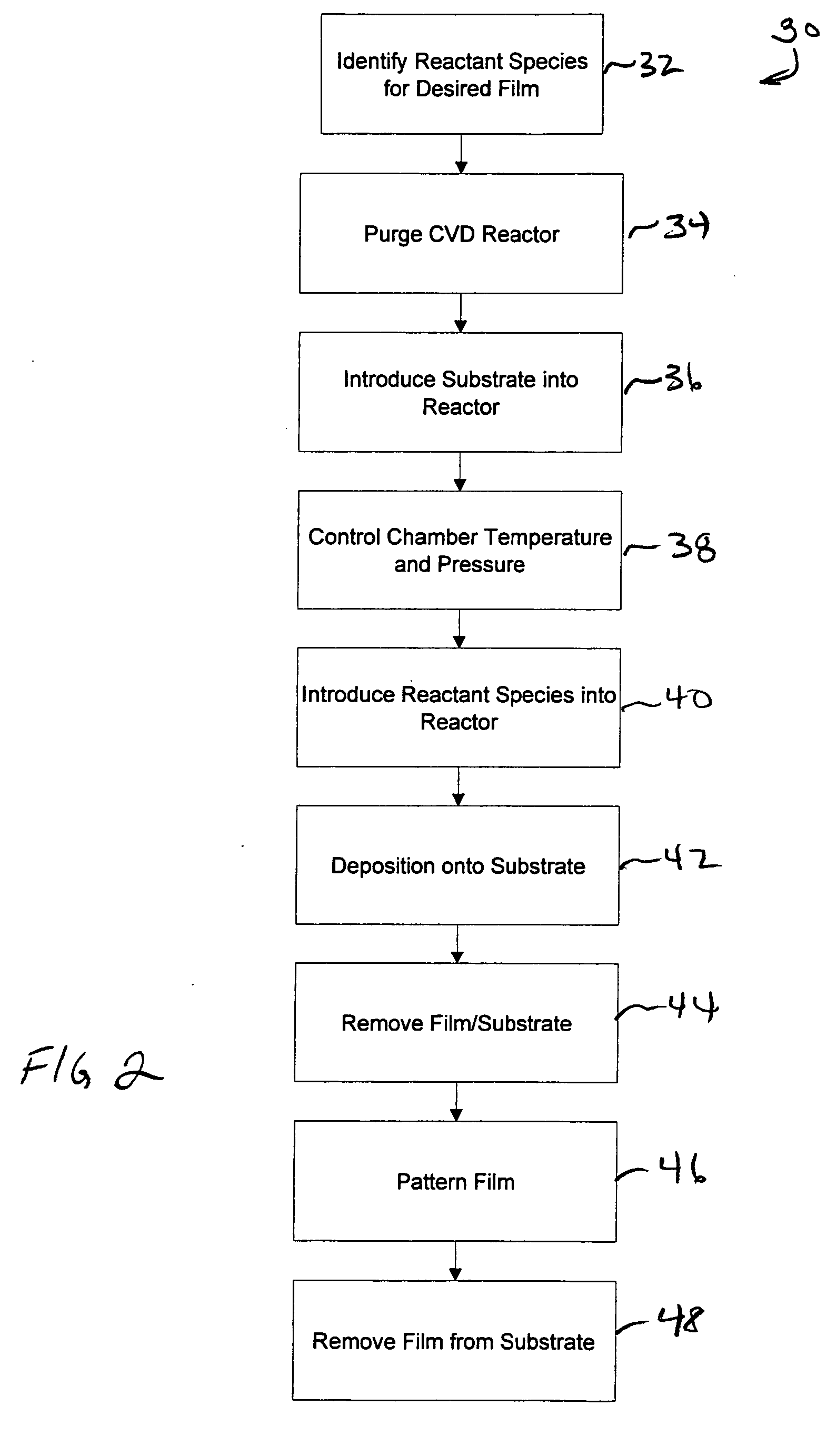
- A chemical vapor deposition (CVD) method is developed to deposit nickel-titanium shape memory alloy films, using a plasma-enhanced or laser-enhanced process with reactant gases like titanium tetrachloride and nickel carbonyl, allowing for high-strength, superelastic nitinol films without the need for precipitation annealing, and enabling the formation of devices like stents and drug-delivery systems with controlled transition temperatures.

Device based on nitinol, a process for its production, and its use
PatentInactiveUS20120118436A1
Innovation
- A nitinol substrate coated with a polyphosphazene derivative having the general formula (I), which provides enhanced hemocompatibility, mechanical stability, and resistance to temperature and mechanical stresses without the use of plasticizers, ensuring the coating remains elastic and adherent across a wide temperature range.


Materials Science Advancements for Nitinol Optimization
Recent advancements in materials science have significantly contributed to the optimization of Nitinol, a shape memory alloy widely used in micro devices. These improvements have focused on enhancing the material's properties to reduce noise and improve overall performance in miniaturized applications.
One key area of progress has been in refining the composition and microstructure of Nitinol. Researchers have developed new alloying techniques that allow for precise control over the material's phase transformation temperatures. By fine-tuning the ratio of nickel to titanium and incorporating trace elements, scientists have achieved more stable and predictable shape memory behavior. This enhanced stability translates to reduced mechanical noise in micro devices, as the material responds more consistently to temperature changes and mechanical stresses.
Another significant advancement has been in the development of novel heat treatment processes. Specialized annealing protocols have been designed to optimize the grain structure of Nitinol, resulting in improved fatigue resistance and reduced acoustic emissions during cyclic loading. These treatments have also been shown to minimize the formation of precipitates that can act as stress concentration points, further reducing potential sources of noise in micro-scale applications.
Surface engineering techniques have also played a crucial role in Nitinol optimization. Advanced coating technologies, such as diamond-like carbon (DLC) films and titanium nitride (TiN) layers, have been successfully applied to Nitinol surfaces. These coatings not only enhance wear resistance but also provide a smoother interface between the alloy and surrounding components, reducing friction-induced noise in micro devices.
Furthermore, progress has been made in the fabrication of Nitinol with controlled porosity. By creating a network of microscopic pores within the material, researchers have achieved enhanced damping properties. This porous structure helps to absorb vibrations and dissipate energy, effectively reducing noise generation in dynamic micro-scale systems.
Lastly, the integration of nanoparticles into Nitinol matrices has shown promising results in modifying the material's acoustic properties. By carefully dispersing nanoparticles of materials such as silicon carbide or aluminum oxide, scientists have been able to alter the alloy's elastic modulus and internal friction characteristics. This nanocomposite approach offers a new avenue for tailoring Nitinol's behavior to meet the specific noise reduction requirements of various micro device applications.
One key area of progress has been in refining the composition and microstructure of Nitinol. Researchers have developed new alloying techniques that allow for precise control over the material's phase transformation temperatures. By fine-tuning the ratio of nickel to titanium and incorporating trace elements, scientists have achieved more stable and predictable shape memory behavior. This enhanced stability translates to reduced mechanical noise in micro devices, as the material responds more consistently to temperature changes and mechanical stresses.
Another significant advancement has been in the development of novel heat treatment processes. Specialized annealing protocols have been designed to optimize the grain structure of Nitinol, resulting in improved fatigue resistance and reduced acoustic emissions during cyclic loading. These treatments have also been shown to minimize the formation of precipitates that can act as stress concentration points, further reducing potential sources of noise in micro-scale applications.
Surface engineering techniques have also played a crucial role in Nitinol optimization. Advanced coating technologies, such as diamond-like carbon (DLC) films and titanium nitride (TiN) layers, have been successfully applied to Nitinol surfaces. These coatings not only enhance wear resistance but also provide a smoother interface between the alloy and surrounding components, reducing friction-induced noise in micro devices.
Furthermore, progress has been made in the fabrication of Nitinol with controlled porosity. By creating a network of microscopic pores within the material, researchers have achieved enhanced damping properties. This porous structure helps to absorb vibrations and dissipate energy, effectively reducing noise generation in dynamic micro-scale systems.
Lastly, the integration of nanoparticles into Nitinol matrices has shown promising results in modifying the material's acoustic properties. By carefully dispersing nanoparticles of materials such as silicon carbide or aluminum oxide, scientists have been able to alter the alloy's elastic modulus and internal friction characteristics. This nanocomposite approach offers a new avenue for tailoring Nitinol's behavior to meet the specific noise reduction requirements of various micro device applications.
Regulatory Considerations for Nitinol Medical Devices
The regulatory landscape for Nitinol-based medical devices is complex and evolving, reflecting the unique properties of this shape memory alloy and its widespread use in various medical applications. Regulatory bodies, such as the U.S. Food and Drug Administration (FDA) and the European Medicines Agency (EMA), have established specific guidelines for the development, testing, and approval of Nitinol medical devices.
One of the primary regulatory considerations is the biocompatibility of Nitinol. Manufacturers must demonstrate that their devices do not elicit adverse biological responses when in contact with human tissues. This typically involves extensive in vitro and in vivo testing, following standards such as ISO 10993. The nickel content in Nitinol is of particular concern, as it may cause allergic reactions in some patients. As a result, regulatory bodies often require detailed information on the material composition and surface treatments used to minimize nickel release.
Mechanical properties and fatigue resistance are critical aspects of Nitinol devices that regulators scrutinize closely. Given Nitinol's unique stress-strain behavior and superelastic properties, standard testing protocols for conventional metals may not be sufficient. Manufacturers must develop and validate specialized testing methodologies that accurately assess the long-term performance and safety of Nitinol components under physiological conditions.
The manufacturing process for Nitinol devices is another area of regulatory focus. Strict controls are necessary to ensure consistency in material properties and device performance. Regulators often require detailed documentation of the entire manufacturing process, including heat treatments, surface modifications, and quality control measures. Any changes to the manufacturing process may necessitate additional testing and regulatory review.
Post-market surveillance is an essential component of the regulatory framework for Nitinol medical devices. Manufacturers are required to monitor the performance and safety of their devices after market release, reporting any adverse events or device failures to the relevant regulatory authorities. This ongoing surveillance helps identify any long-term issues that may not have been apparent during pre-market testing.
As the field of Nitinol-based micro devices advances, regulatory bodies are likely to update their guidelines to address new challenges and applications. Manufacturers and researchers must stay informed about these evolving regulations to ensure compliance and facilitate the development of innovative, safe, and effective medical devices.
One of the primary regulatory considerations is the biocompatibility of Nitinol. Manufacturers must demonstrate that their devices do not elicit adverse biological responses when in contact with human tissues. This typically involves extensive in vitro and in vivo testing, following standards such as ISO 10993. The nickel content in Nitinol is of particular concern, as it may cause allergic reactions in some patients. As a result, regulatory bodies often require detailed information on the material composition and surface treatments used to minimize nickel release.
Mechanical properties and fatigue resistance are critical aspects of Nitinol devices that regulators scrutinize closely. Given Nitinol's unique stress-strain behavior and superelastic properties, standard testing protocols for conventional metals may not be sufficient. Manufacturers must develop and validate specialized testing methodologies that accurately assess the long-term performance and safety of Nitinol components under physiological conditions.
The manufacturing process for Nitinol devices is another area of regulatory focus. Strict controls are necessary to ensure consistency in material properties and device performance. Regulators often require detailed documentation of the entire manufacturing process, including heat treatments, surface modifications, and quality control measures. Any changes to the manufacturing process may necessitate additional testing and regulatory review.
Post-market surveillance is an essential component of the regulatory framework for Nitinol medical devices. Manufacturers are required to monitor the performance and safety of their devices after market release, reporting any adverse events or device failures to the relevant regulatory authorities. This ongoing surveillance helps identify any long-term issues that may not have been apparent during pre-market testing.
As the field of Nitinol-based micro devices advances, regulatory bodies are likely to update their guidelines to address new challenges and applications. Manufacturers and researchers must stay informed about these evolving regulations to ensure compliance and facilitate the development of innovative, safe, and effective medical devices.
Unlock deeper insights with PatSnap Eureka Quick Research — get a full tech report to explore trends and direct your research. Try now!
Generate Your Research Report Instantly with AI Agent
Supercharge your innovation with PatSnap Eureka AI Agent Platform!