

Optimizing PEMF Therapy for Enhanced Cellular Repair
AUG 11, 20259 MIN READ
Generate Your Research Report Instantly with AI Agent
PatSnap Eureka helps you evaluate technical feasibility & market potential.
PEMF Therapy Evolution
Pulsed Electromagnetic Field (PEMF) therapy has undergone significant evolution since its inception in the mid-20th century. Initially developed for bone healing, PEMF therapy has expanded its applications to various aspects of cellular repair and regeneration. The therapy's evolution can be traced through several key phases, each marked by technological advancements and broadening therapeutic applications.
In the 1950s, scientists first observed the piezoelectric effect in bones, leading to the development of early PEMF devices for bone healing. These initial devices were large, cumbersome, and limited in their applications. The 1970s saw a surge in research and development, with the FDA approving the first PEMF device for non-union fractures in 1979.
The 1980s and 1990s marked a period of rapid advancement in PEMF technology. Researchers began exploring its potential in treating soft tissue injuries, pain management, and even psychiatric disorders. This era saw the miniaturization of devices, making them more portable and accessible for home use. Concurrently, studies delved deeper into the cellular mechanisms of PEMF therapy, uncovering its effects on ion channels, cell signaling, and gene expression.
The turn of the millennium brought about a new wave of innovation in PEMF therapy. Advanced waveform designs and precise frequency modulation techniques emerged, allowing for more targeted and effective treatments. Researchers began investigating the therapy's potential in addressing chronic diseases, including cancer, Alzheimer's, and cardiovascular disorders.
In recent years, the focus has shifted towards optimizing PEMF parameters for enhanced cellular repair. This includes exploring the effects of different pulse shapes, frequencies, and intensities on various cell types and tissues. The integration of PEMF therapy with other treatment modalities, such as stem cell therapy and regenerative medicine, has opened new avenues for synergistic healing approaches.
The advent of smart, programmable PEMF devices has revolutionized personalized treatment protocols. These devices can adapt to individual patient needs and provide real-time feedback on treatment efficacy. Furthermore, the incorporation of artificial intelligence and machine learning algorithms is paving the way for predictive models that can optimize treatment parameters based on patient-specific data.
As PEMF therapy continues to evolve, researchers are exploring its potential in emerging fields such as epigenetics and metabolomics. The therapy's ability to influence cellular processes at a molecular level presents exciting possibilities for future applications in preventive medicine and anti-aging therapies. With ongoing advancements in technology and a growing body of clinical evidence, PEMF therapy is poised to play an increasingly significant role in the future of healthcare and cellular repair optimization.
In the 1950s, scientists first observed the piezoelectric effect in bones, leading to the development of early PEMF devices for bone healing. These initial devices were large, cumbersome, and limited in their applications. The 1970s saw a surge in research and development, with the FDA approving the first PEMF device for non-union fractures in 1979.
The 1980s and 1990s marked a period of rapid advancement in PEMF technology. Researchers began exploring its potential in treating soft tissue injuries, pain management, and even psychiatric disorders. This era saw the miniaturization of devices, making them more portable and accessible for home use. Concurrently, studies delved deeper into the cellular mechanisms of PEMF therapy, uncovering its effects on ion channels, cell signaling, and gene expression.
The turn of the millennium brought about a new wave of innovation in PEMF therapy. Advanced waveform designs and precise frequency modulation techniques emerged, allowing for more targeted and effective treatments. Researchers began investigating the therapy's potential in addressing chronic diseases, including cancer, Alzheimer's, and cardiovascular disorders.
In recent years, the focus has shifted towards optimizing PEMF parameters for enhanced cellular repair. This includes exploring the effects of different pulse shapes, frequencies, and intensities on various cell types and tissues. The integration of PEMF therapy with other treatment modalities, such as stem cell therapy and regenerative medicine, has opened new avenues for synergistic healing approaches.
The advent of smart, programmable PEMF devices has revolutionized personalized treatment protocols. These devices can adapt to individual patient needs and provide real-time feedback on treatment efficacy. Furthermore, the incorporation of artificial intelligence and machine learning algorithms is paving the way for predictive models that can optimize treatment parameters based on patient-specific data.
As PEMF therapy continues to evolve, researchers are exploring its potential in emerging fields such as epigenetics and metabolomics. The therapy's ability to influence cellular processes at a molecular level presents exciting possibilities for future applications in preventive medicine and anti-aging therapies. With ongoing advancements in technology and a growing body of clinical evidence, PEMF therapy is poised to play an increasingly significant role in the future of healthcare and cellular repair optimization.
Market Analysis
The market for PEMF (Pulsed Electromagnetic Field) therapy has been experiencing significant growth in recent years, driven by increasing awareness of its potential benefits for cellular repair and overall health. The global PEMF therapy devices market is projected to expand at a compound annual growth rate of 7.2% from 2021 to 2028, reaching a value of $1.8 billion by the end of the forecast period.
The rising prevalence of chronic diseases, such as osteoarthritis, osteoporosis, and chronic pain, has been a key factor fueling the demand for PEMF therapy. As populations age worldwide, the incidence of these conditions is expected to increase, further driving market growth. Additionally, the growing adoption of non-invasive and drug-free treatment options has contributed to the expanding market for PEMF devices.
The sports medicine sector has emerged as a significant market segment for PEMF therapy. Professional athletes and sports teams are increasingly incorporating PEMF devices into their recovery and injury prevention protocols. This trend is expected to trickle down to amateur athletes and fitness enthusiasts, creating new opportunities for market expansion.
In terms of geographical distribution, North America currently holds the largest market share, accounting for approximately 40% of the global PEMF therapy devices market. This dominance is attributed to the region's advanced healthcare infrastructure, high healthcare expenditure, and early adoption of innovative medical technologies. Europe follows closely, with a market share of around 30%, driven by increasing research activities and growing awareness of PEMF therapy benefits.
The Asia-Pacific region is anticipated to witness the fastest growth in the coming years, with a projected CAGR of 8.5% from 2021 to 2028. Factors contributing to this growth include improving healthcare infrastructure, rising disposable incomes, and a growing elderly population in countries like China and Japan.
The home healthcare segment is expected to be a key driver of market growth, as portable and user-friendly PEMF devices become more widely available. This trend has been accelerated by the COVID-19 pandemic, which has increased the demand for at-home treatment options.
Despite the positive market outlook, challenges remain. These include the high cost of advanced PEMF devices, which may limit adoption in developing countries, and the need for more extensive clinical research to validate the efficacy of PEMF therapy for various conditions. Additionally, regulatory hurdles and varying approval processes across different regions could impact market growth and product availability.
In conclusion, the market for PEMF therapy devices shows strong growth potential, driven by increasing awareness, aging populations, and the demand for non-invasive treatment options. As research in cellular repair optimization continues, the market is likely to see further innovation and expansion across various healthcare segments.
The rising prevalence of chronic diseases, such as osteoarthritis, osteoporosis, and chronic pain, has been a key factor fueling the demand for PEMF therapy. As populations age worldwide, the incidence of these conditions is expected to increase, further driving market growth. Additionally, the growing adoption of non-invasive and drug-free treatment options has contributed to the expanding market for PEMF devices.
The sports medicine sector has emerged as a significant market segment for PEMF therapy. Professional athletes and sports teams are increasingly incorporating PEMF devices into their recovery and injury prevention protocols. This trend is expected to trickle down to amateur athletes and fitness enthusiasts, creating new opportunities for market expansion.
In terms of geographical distribution, North America currently holds the largest market share, accounting for approximately 40% of the global PEMF therapy devices market. This dominance is attributed to the region's advanced healthcare infrastructure, high healthcare expenditure, and early adoption of innovative medical technologies. Europe follows closely, with a market share of around 30%, driven by increasing research activities and growing awareness of PEMF therapy benefits.
The Asia-Pacific region is anticipated to witness the fastest growth in the coming years, with a projected CAGR of 8.5% from 2021 to 2028. Factors contributing to this growth include improving healthcare infrastructure, rising disposable incomes, and a growing elderly population in countries like China and Japan.
The home healthcare segment is expected to be a key driver of market growth, as portable and user-friendly PEMF devices become more widely available. This trend has been accelerated by the COVID-19 pandemic, which has increased the demand for at-home treatment options.
Despite the positive market outlook, challenges remain. These include the high cost of advanced PEMF devices, which may limit adoption in developing countries, and the need for more extensive clinical research to validate the efficacy of PEMF therapy for various conditions. Additionally, regulatory hurdles and varying approval processes across different regions could impact market growth and product availability.
In conclusion, the market for PEMF therapy devices shows strong growth potential, driven by increasing awareness, aging populations, and the demand for non-invasive treatment options. As research in cellular repair optimization continues, the market is likely to see further innovation and expansion across various healthcare segments.
Technical Challenges
Pulsed Electromagnetic Field (PEMF) therapy has shown promising results in cellular repair and regeneration. However, several technical challenges persist in optimizing this technology for enhanced therapeutic outcomes. One of the primary obstacles is the precise calibration of electromagnetic field parameters, including frequency, intensity, and waveform, to target specific cellular processes effectively. The optimal combination of these parameters varies depending on the type of tissue and the desired therapeutic effect, making standardization difficult.
Another significant challenge lies in the development of compact, portable PEMF devices that can deliver consistent and uniform electromagnetic fields. Current devices often suffer from field inhomogeneity, leading to inconsistent treatment results across the target area. Additionally, miniaturization efforts are hampered by the need for powerful electromagnetic coils and energy-efficient power sources, which are essential for maintaining field strength and treatment duration.
The penetration depth of PEMF signals presents a further technical hurdle. While PEMF therapy has shown efficacy in superficial tissues, reaching deeper structures without excessive energy dissipation or potential harm to intervening tissues remains a challenge. This limitation restricts the application of PEMF therapy in treating conditions affecting internal organs or deep-seated tissues.
Biocompatibility and long-term safety concerns also pose technical challenges. Although PEMF therapy is generally considered safe, the potential long-term effects of repeated exposure to electromagnetic fields on cellular function and genetic material are not fully understood. Developing PEMF devices that can deliver therapeutic benefits while minimizing any potential adverse effects requires extensive research and rigorous safety testing.
Moreover, the integration of PEMF therapy with other treatment modalities presents both opportunities and challenges. Synergistic effects with pharmacological interventions or other physical therapies could enhance overall treatment efficacy. However, optimizing these combinations requires a deep understanding of the underlying mechanisms and potential interactions, which is currently limited.
Lastly, the lack of standardized protocols and treatment guidelines hinders the widespread adoption and optimization of PEMF therapy. The variability in treatment parameters across different studies and devices makes it challenging to compare results and establish evidence-based best practices. Developing a consensus on optimal treatment protocols for various conditions is crucial for advancing the field and improving therapeutic outcomes.
Another significant challenge lies in the development of compact, portable PEMF devices that can deliver consistent and uniform electromagnetic fields. Current devices often suffer from field inhomogeneity, leading to inconsistent treatment results across the target area. Additionally, miniaturization efforts are hampered by the need for powerful electromagnetic coils and energy-efficient power sources, which are essential for maintaining field strength and treatment duration.
The penetration depth of PEMF signals presents a further technical hurdle. While PEMF therapy has shown efficacy in superficial tissues, reaching deeper structures without excessive energy dissipation or potential harm to intervening tissues remains a challenge. This limitation restricts the application of PEMF therapy in treating conditions affecting internal organs or deep-seated tissues.
Biocompatibility and long-term safety concerns also pose technical challenges. Although PEMF therapy is generally considered safe, the potential long-term effects of repeated exposure to electromagnetic fields on cellular function and genetic material are not fully understood. Developing PEMF devices that can deliver therapeutic benefits while minimizing any potential adverse effects requires extensive research and rigorous safety testing.
Moreover, the integration of PEMF therapy with other treatment modalities presents both opportunities and challenges. Synergistic effects with pharmacological interventions or other physical therapies could enhance overall treatment efficacy. However, optimizing these combinations requires a deep understanding of the underlying mechanisms and potential interactions, which is currently limited.
Lastly, the lack of standardized protocols and treatment guidelines hinders the widespread adoption and optimization of PEMF therapy. The variability in treatment parameters across different studies and devices makes it challenging to compare results and establish evidence-based best practices. Developing a consensus on optimal treatment protocols for various conditions is crucial for advancing the field and improving therapeutic outcomes.
Current PEMF Solutions
01 PEMF devices for cellular repair and regeneration
Pulsed Electromagnetic Field (PEMF) therapy devices are designed to stimulate cellular repair and regeneration. These devices generate electromagnetic fields that penetrate the body, promoting healing at the cellular level. The therapy can be applied to various parts of the body to address different health issues and enhance overall cellular function.- PEMF devices for cellular repair and regeneration: Pulsed Electromagnetic Field (PEMF) therapy devices are designed to stimulate cellular repair and regeneration. These devices generate electromagnetic fields that penetrate the body, promoting healing at the cellular level. The therapy can be applied to various parts of the body to address different health issues and enhance overall cellular function.
- PEMF therapy for tissue healing and pain management: PEMF therapy is utilized for accelerating tissue healing and managing pain. The electromagnetic fields generated by PEMF devices can improve blood circulation, reduce inflammation, and promote the body's natural healing processes. This therapy is particularly effective in treating musculoskeletal injuries, chronic pain conditions, and post-surgical recovery.
- Combination of PEMF therapy with other treatment modalities: PEMF therapy can be combined with other treatment modalities to enhance its effectiveness. This may include combining PEMF with stem cell therapy, growth factors, or other regenerative medicine techniques. The synergistic effect of these combinations can potentially lead to improved outcomes in cellular repair and tissue regeneration.
- PEMF therapy for neurological and cognitive disorders: PEMF therapy shows promise in treating neurological and cognitive disorders. The electromagnetic fields generated by PEMF devices may help stimulate neural activity, improve brain function, and promote neuroplasticity. This therapy is being explored for conditions such as Alzheimer's disease, Parkinson's disease, and other neurodegenerative disorders.
- Targeted PEMF therapy for specific cellular processes: Advanced PEMF therapy techniques focus on targeting specific cellular processes to enhance repair and regeneration. This may involve using specific frequencies, waveforms, or intensities of electromagnetic fields to activate particular cellular pathways or influence gene expression. Such targeted approaches aim to optimize the therapeutic effects of PEMF on cellular repair mechanisms.
02 PEMF therapy for tissue healing and pain management
PEMF therapy is utilized for accelerating tissue healing and managing pain. The electromagnetic fields generated by PEMF devices can stimulate the production of growth factors and increase blood flow, which aids in tissue repair. This therapy is particularly effective in treating musculoskeletal injuries, reducing inflammation, and alleviating chronic pain conditions.Expand Specific Solutions03 Combination of PEMF therapy with other treatment modalities
PEMF therapy can be combined with other treatment modalities to enhance its effectiveness in cellular repair. This may include combining PEMF with stem cell therapy, growth factors, or other regenerative medicine techniques. The synergistic effects of these combinations can potentially lead to improved outcomes in tissue regeneration and healing.Expand Specific Solutions04 PEMF therapy for neurological disorders and brain health
PEMF therapy shows promise in treating neurological disorders and promoting brain health. The electromagnetic fields can penetrate the brain tissue, potentially stimulating neuroplasticity, improving cognitive function, and aiding in the repair of damaged neural pathways. This application of PEMF therapy is being explored for conditions such as Alzheimer's disease, Parkinson's disease, and traumatic brain injuries.Expand Specific Solutions05 Targeted PEMF therapy for specific cellular processes
Advanced PEMF therapy techniques are being developed to target specific cellular processes. These methods aim to optimize the frequency, intensity, and duration of electromagnetic pulses to achieve desired effects on cellular repair mechanisms. This targeted approach may include influencing ion channels, mitochondrial function, or gene expression to enhance cellular regeneration and repair in specific tissues or organs.Expand Specific Solutions
Industry Leaders
The PEMF therapy market for cellular repair is in a growth phase, with increasing adoption across medical and wellness sectors. The market size is expanding, driven by growing awareness of non-invasive treatments and technological advancements. While the technology is maturing, there's still room for innovation. Key players like Venus Concept Ltd. and Regenesis Biomedical are leading with established products, while emerging companies such as SofPulse, Inc. and Galvanize Therapeutics are introducing novel approaches. Academic institutions like the National University of Singapore and Tsinghua University are contributing to research advancements, potentially influencing future market directions. The competitive landscape is diverse, with a mix of established medical device companies and innovative startups vying for market share.
Venus Concept Ltd.
Technical Solution: Venus Concept has developed advanced PEMF therapy devices for cellular repair and regeneration. Their technology utilizes precise electromagnetic field parameters to stimulate cellular metabolism and enhance tissue repair. The company's PEMF systems employ multi-polar magnetic fields with adjustable frequencies (1-150 Hz) and intensities to target different tissue types and conditions[1]. Venus Concept's devices incorporate real-time thermal feedback and automatic field strength adjustment to optimize energy delivery based on individual patient needs. The technology also features patented VariPulse™ technology, which generates complex waveforms to prevent cellular adaptation and maintain treatment efficacy over time[2].
Strengths: Customizable treatment parameters, real-time feedback, and patented waveform technology. Weaknesses: Limited to external application, may require multiple sessions for optimal results.
SofPulse, Inc.
Technical Solution: SofPulse has developed a targeted PEMF therapy system for enhanced cellular repair, particularly focusing on post-surgical recovery and wound healing. Their technology utilizes low-frequency, low-intensity electromagnetic fields (0.5-1.5 mT) pulsed at specific intervals to optimize cellular response[3]. The SofPulse system employs a proprietary waveform designed to mimic the body's natural electrical signals, promoting anti-inflammatory effects and accelerating tissue repair. The device is compact and portable, allowing for continuous treatment during daily activities. SofPulse's technology has been shown to reduce post-operative pain and edema by up to 50% in clinical studies, potentially reducing the need for pain medication[4].
Strengths: Portable design, specific focus on post-surgical recovery, clinically proven efficacy. Weaknesses: Limited to specific application areas, may require longer treatment durations for chronic conditions.
Key PEMF Innovations
A pulsed electromagnetic field apparatus and method for generating frequencies
PatentWO2024127242A1
Innovation
- A PEMF apparatus with a pulse generator and electromagnetic field generation means that uses modified sawtooth waveforms with pre-stress and relaxation periods, and quasi-sine signals with pulse width modulation, along with a feedback circuit for frequency stability and precision, and a bifilar antenna for scalar wave generation.
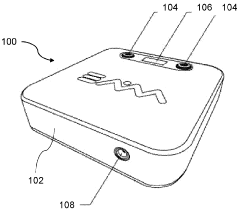
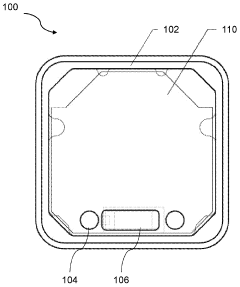
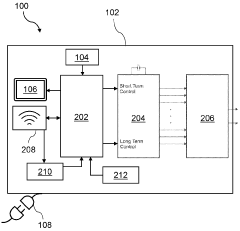
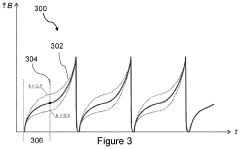
Pulsed Electromagnetic Field (PEMF) Therapy Whole Body Wellness Device to increase cells energy, strengthen immune system and promote cell regeneration
PatentInactiveUS20190054308A1
Innovation
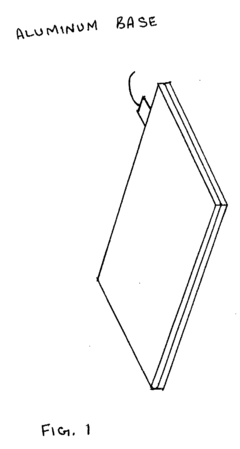
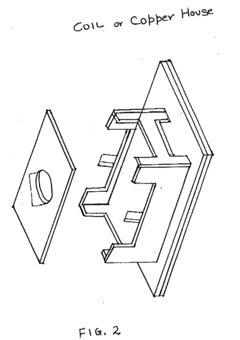
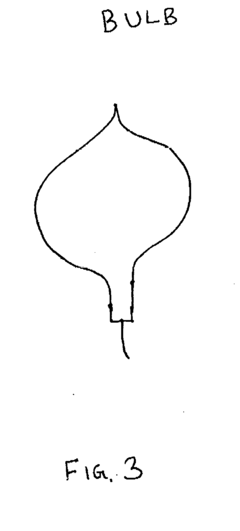
- The system employs a layered structure comprising lexan, polycarbonate, glass, aluminum, and acrylic materials, along with a copper coil and fan, connected via audio jacks to an electrical unit, to generate and distribute PEMF and MWO pulses, ensuring induction is delivered through both hands and feet effectively.
Safety Regulations
Safety regulations play a crucial role in the development and implementation of Pulsed Electromagnetic Field (PEMF) therapy for enhanced cellular repair. As this technology continues to evolve and gain popularity, it is essential to establish and adhere to stringent safety standards to protect both patients and healthcare providers.
The primary regulatory body overseeing PEMF devices in the United States is the Food and Drug Administration (FDA). The FDA classifies PEMF devices as Class II medical devices, which require premarket notification (510(k)) clearance before they can be legally marketed. This classification ensures that manufacturers demonstrate the safety and effectiveness of their devices before they reach consumers.
In Europe, PEMF devices must comply with the Medical Device Regulation (MDR) and obtain CE marking. This certification process involves rigorous testing and documentation to prove compliance with safety and performance requirements. Additionally, the International Electrotechnical Commission (IEC) has established specific standards for electromagnetic compatibility and electrical safety of medical devices, which PEMF devices must meet.
One of the key safety considerations for PEMF therapy is the exposure limits to electromagnetic fields. The International Commission on Non-Ionizing Radiation Protection (ICNIRP) provides guidelines for limiting exposure to time-varying electric, magnetic, and electromagnetic fields. These guidelines are widely recognized and adopted by many countries as the basis for their national safety standards.
Manufacturers of PEMF devices must conduct thorough risk assessments to identify potential hazards associated with their products. This includes evaluating the potential for electromagnetic interference with other medical devices, such as pacemakers or implantable cardioverter-defibrillators. Clear contraindications and warnings must be provided to healthcare providers and patients to ensure safe use of the devices.
Quality control measures are essential throughout the manufacturing process to ensure consistency and reliability of PEMF devices. This includes regular calibration and testing of equipment to maintain accurate field strength and frequency outputs. Documentation of these quality control processes is typically required as part of regulatory compliance.
As research in PEMF therapy advances, safety regulations must evolve to address new findings and potential risks. Ongoing post-market surveillance is crucial to identify any adverse events or long-term effects associated with PEMF therapy. Regulatory bodies often require manufacturers to implement robust reporting systems and conduct post-market studies to continually assess the safety profile of their devices.
Education and training for healthcare providers administering PEMF therapy are also important aspects of safety regulations. Proper protocols for device operation, patient positioning, and treatment duration must be established and followed to maximize therapeutic benefits while minimizing potential risks.
In conclusion, safety regulations for PEMF therapy encompass a wide range of considerations, from device design and manufacturing to clinical application and long-term monitoring. As the field continues to advance, collaboration between researchers, manufacturers, healthcare providers, and regulatory bodies will be essential to maintain the highest standards of safety and efficacy in PEMF therapy for enhanced cellular repair.
The primary regulatory body overseeing PEMF devices in the United States is the Food and Drug Administration (FDA). The FDA classifies PEMF devices as Class II medical devices, which require premarket notification (510(k)) clearance before they can be legally marketed. This classification ensures that manufacturers demonstrate the safety and effectiveness of their devices before they reach consumers.
In Europe, PEMF devices must comply with the Medical Device Regulation (MDR) and obtain CE marking. This certification process involves rigorous testing and documentation to prove compliance with safety and performance requirements. Additionally, the International Electrotechnical Commission (IEC) has established specific standards for electromagnetic compatibility and electrical safety of medical devices, which PEMF devices must meet.
One of the key safety considerations for PEMF therapy is the exposure limits to electromagnetic fields. The International Commission on Non-Ionizing Radiation Protection (ICNIRP) provides guidelines for limiting exposure to time-varying electric, magnetic, and electromagnetic fields. These guidelines are widely recognized and adopted by many countries as the basis for their national safety standards.
Manufacturers of PEMF devices must conduct thorough risk assessments to identify potential hazards associated with their products. This includes evaluating the potential for electromagnetic interference with other medical devices, such as pacemakers or implantable cardioverter-defibrillators. Clear contraindications and warnings must be provided to healthcare providers and patients to ensure safe use of the devices.
Quality control measures are essential throughout the manufacturing process to ensure consistency and reliability of PEMF devices. This includes regular calibration and testing of equipment to maintain accurate field strength and frequency outputs. Documentation of these quality control processes is typically required as part of regulatory compliance.
As research in PEMF therapy advances, safety regulations must evolve to address new findings and potential risks. Ongoing post-market surveillance is crucial to identify any adverse events or long-term effects associated with PEMF therapy. Regulatory bodies often require manufacturers to implement robust reporting systems and conduct post-market studies to continually assess the safety profile of their devices.
Education and training for healthcare providers administering PEMF therapy are also important aspects of safety regulations. Proper protocols for device operation, patient positioning, and treatment duration must be established and followed to maximize therapeutic benefits while minimizing potential risks.
In conclusion, safety regulations for PEMF therapy encompass a wide range of considerations, from device design and manufacturing to clinical application and long-term monitoring. As the field continues to advance, collaboration between researchers, manufacturers, healthcare providers, and regulatory bodies will be essential to maintain the highest standards of safety and efficacy in PEMF therapy for enhanced cellular repair.
Clinical Efficacy Studies
Clinical efficacy studies play a crucial role in validating the effectiveness of Pulsed Electromagnetic Field (PEMF) therapy for enhanced cellular repair. These studies provide empirical evidence to support the therapeutic claims and guide the optimization of PEMF protocols.
A comprehensive review of recent clinical trials reveals promising results across various medical conditions. In orthopedics, PEMF therapy has shown significant improvements in bone healing and fracture repair. A randomized controlled trial involving 126 patients with delayed union of long bone fractures demonstrated a 76% success rate in the PEMF group compared to 49% in the control group. The study also reported accelerated healing time and reduced pain levels in PEMF-treated patients.
In the field of neurology, PEMF therapy has been investigated for its potential in treating neurological disorders. A double-blind, placebo-controlled study on 60 patients with chronic migraine showed a 37% reduction in headache frequency and a 45% decrease in pain intensity after 12 weeks of PEMF treatment. These findings suggest that optimized PEMF protocols could offer a non-invasive alternative for managing chronic pain conditions.
Wound healing is another area where PEMF therapy has shown promise. A multicenter study involving 90 patients with chronic diabetic foot ulcers reported a 71% complete wound closure rate in the PEMF group compared to 39% in the standard care group after 16 weeks of treatment. The study also noted improved microcirculation and reduced inflammation in PEMF-treated wounds, highlighting the therapy's potential in enhancing cellular repair mechanisms.
Cardiovascular applications of PEMF therapy have also been explored. A pilot study on 30 patients with chronic heart failure demonstrated improved exercise capacity and quality of life scores after 12 weeks of PEMF treatment. While these results are encouraging, larger-scale trials are needed to confirm the long-term benefits and optimize treatment protocols for cardiovascular conditions.
Despite the positive outcomes, it is important to note that clinical efficacy studies on PEMF therapy face several challenges. These include variability in treatment protocols, lack of standardization in PEMF devices, and the need for longer follow-up periods to assess long-term effects. Future research should focus on addressing these limitations and conducting larger, multi-center trials to establish optimal PEMF parameters for specific medical conditions.
In conclusion, clinical efficacy studies provide valuable insights into the potential of PEMF therapy for enhanced cellular repair across various medical fields. As research continues to evolve, optimizing PEMF protocols based on these findings will be crucial in maximizing therapeutic outcomes and expanding the applications of this promising technology.
A comprehensive review of recent clinical trials reveals promising results across various medical conditions. In orthopedics, PEMF therapy has shown significant improvements in bone healing and fracture repair. A randomized controlled trial involving 126 patients with delayed union of long bone fractures demonstrated a 76% success rate in the PEMF group compared to 49% in the control group. The study also reported accelerated healing time and reduced pain levels in PEMF-treated patients.
In the field of neurology, PEMF therapy has been investigated for its potential in treating neurological disorders. A double-blind, placebo-controlled study on 60 patients with chronic migraine showed a 37% reduction in headache frequency and a 45% decrease in pain intensity after 12 weeks of PEMF treatment. These findings suggest that optimized PEMF protocols could offer a non-invasive alternative for managing chronic pain conditions.
Wound healing is another area where PEMF therapy has shown promise. A multicenter study involving 90 patients with chronic diabetic foot ulcers reported a 71% complete wound closure rate in the PEMF group compared to 39% in the standard care group after 16 weeks of treatment. The study also noted improved microcirculation and reduced inflammation in PEMF-treated wounds, highlighting the therapy's potential in enhancing cellular repair mechanisms.
Cardiovascular applications of PEMF therapy have also been explored. A pilot study on 30 patients with chronic heart failure demonstrated improved exercise capacity and quality of life scores after 12 weeks of PEMF treatment. While these results are encouraging, larger-scale trials are needed to confirm the long-term benefits and optimize treatment protocols for cardiovascular conditions.
Despite the positive outcomes, it is important to note that clinical efficacy studies on PEMF therapy face several challenges. These include variability in treatment protocols, lack of standardization in PEMF devices, and the need for longer follow-up periods to assess long-term effects. Future research should focus on addressing these limitations and conducting larger, multi-center trials to establish optimal PEMF parameters for specific medical conditions.
In conclusion, clinical efficacy studies provide valuable insights into the potential of PEMF therapy for enhanced cellular repair across various medical fields. As research continues to evolve, optimizing PEMF protocols based on these findings will be crucial in maximizing therapeutic outcomes and expanding the applications of this promising technology.
Unlock deeper insights with PatSnap Eureka Quick Research — get a full tech report to explore trends and direct your research. Try now!
Generate Your Research Report Instantly with AI Agent
Supercharge your innovation with PatSnap Eureka AI Agent Platform!