

Optimizing Reflectors in OLED Devices for Improved Luminance
SEP 12, 20259 MIN READ
Generate Your Research Report Instantly with AI Agent
PatSnap Eureka helps you evaluate technical feasibility & market potential.
OLED Reflector Technology Background and Objectives
Organic Light-Emitting Diode (OLED) technology has revolutionized display and lighting industries since its commercial introduction in the late 1990s. The evolution of OLED technology has been marked by continuous improvements in efficiency, lifetime, and luminance performance. Reflector technology, specifically, has emerged as a critical component in enhancing OLED device performance by redirecting otherwise wasted photons toward the viewer, thereby increasing overall luminance without proportionally increasing power consumption.
The historical development of OLED reflectors can be traced back to early metal-based simple reflective layers, which have progressively evolved into sophisticated multi-layered structures incorporating advanced materials such as distributed Bragg reflectors (DBRs), microcavity structures, and more recently, photonic crystals and plasmonic nanostructures. This evolution has been driven by the fundamental challenge of light outcoupling in OLED devices, where traditional designs lose approximately 70-80% of generated light due to waveguiding effects, substrate modes, and other optical loss mechanisms.
Current technological trends in OLED reflector optimization focus on nanophotonic approaches that can manipulate light at sub-wavelength scales, quantum optical effects that can modify spontaneous emission rates, and advanced material systems that offer both high reflectivity and compatibility with flexible OLED manufacturing processes. The integration of computational design methods, including machine learning algorithms for optical structure optimization, represents another significant trend in this field.
The primary technical objectives for optimizing reflectors in OLED devices include achieving enhanced luminance efficiency (targeting >30% improvement over current commercial standards), maintaining color fidelity across viewing angles, ensuring compatibility with flexible and transparent OLED architectures, and developing cost-effective manufacturing processes suitable for large-scale production. Additionally, there is growing emphasis on developing reflector technologies that can selectively enhance emission at specific wavelengths for specialized applications in medical displays, automotive lighting, and augmented reality devices.
Beyond performance metrics, modern OLED reflector technology development must address sustainability considerations, including reduced reliance on rare earth elements and improved recyclability of device components. The convergence of these technical objectives with market demands for higher brightness, lower power consumption, and novel form factors is shaping the research landscape for next-generation OLED reflector technologies.
The ultimate goal of current research efforts is to approach the theoretical maximum for OLED external quantum efficiency while maintaining practical manufacturability and cost-effectiveness, potentially enabling a new generation of ultra-bright, energy-efficient display and lighting solutions.
The historical development of OLED reflectors can be traced back to early metal-based simple reflective layers, which have progressively evolved into sophisticated multi-layered structures incorporating advanced materials such as distributed Bragg reflectors (DBRs), microcavity structures, and more recently, photonic crystals and plasmonic nanostructures. This evolution has been driven by the fundamental challenge of light outcoupling in OLED devices, where traditional designs lose approximately 70-80% of generated light due to waveguiding effects, substrate modes, and other optical loss mechanisms.
Current technological trends in OLED reflector optimization focus on nanophotonic approaches that can manipulate light at sub-wavelength scales, quantum optical effects that can modify spontaneous emission rates, and advanced material systems that offer both high reflectivity and compatibility with flexible OLED manufacturing processes. The integration of computational design methods, including machine learning algorithms for optical structure optimization, represents another significant trend in this field.
The primary technical objectives for optimizing reflectors in OLED devices include achieving enhanced luminance efficiency (targeting >30% improvement over current commercial standards), maintaining color fidelity across viewing angles, ensuring compatibility with flexible and transparent OLED architectures, and developing cost-effective manufacturing processes suitable for large-scale production. Additionally, there is growing emphasis on developing reflector technologies that can selectively enhance emission at specific wavelengths for specialized applications in medical displays, automotive lighting, and augmented reality devices.
Beyond performance metrics, modern OLED reflector technology development must address sustainability considerations, including reduced reliance on rare earth elements and improved recyclability of device components. The convergence of these technical objectives with market demands for higher brightness, lower power consumption, and novel form factors is shaping the research landscape for next-generation OLED reflector technologies.
The ultimate goal of current research efforts is to approach the theoretical maximum for OLED external quantum efficiency while maintaining practical manufacturability and cost-effectiveness, potentially enabling a new generation of ultra-bright, energy-efficient display and lighting solutions.
Market Analysis for High-Luminance OLED Applications
The OLED display market has experienced significant growth in recent years, with high-luminance applications driving substantial demand across multiple sectors. The global OLED market reached approximately $38.4 billion in 2022 and is projected to grow at a CAGR of 14.7% through 2028, with high-luminance applications representing a particularly fast-growing segment.
Consumer electronics remains the dominant application area for high-luminance OLEDs, with smartphones accounting for nearly 46% of the total market share. Major manufacturers like Samsung, Apple, and Huawei continue to adopt advanced OLED technologies in their flagship devices, emphasizing improved brightness and energy efficiency as key selling points. The premium smartphone segment specifically demands luminance levels exceeding 1,000 nits for optimal outdoor visibility and HDR content display.
Television represents the second-largest market segment, with OLED TV shipments growing by 17% year-over-year. The high-end television market increasingly demands peak brightness levels of 1,500-2,000 nits to compete with alternative display technologies like QLED and Mini-LED. This competitive pressure has accelerated research into reflector optimization as a cost-effective approach to luminance enhancement.
Automotive displays constitute the fastest-growing application segment, with a projected CAGR of 23.5% through 2027. As vehicles incorporate more digital interfaces and heads-up displays, the demand for high-luminance OLEDs that maintain visibility under varying lighting conditions has intensified. Industry specifications now typically require automotive displays to achieve 1,000-1,500 nits for daylight readability.
Wearable technology, particularly smartwatches and AR/VR headsets, represents an emerging high-growth segment for high-luminance OLEDs. These applications face unique challenges in balancing brightness with power consumption, making reflector optimization particularly valuable. Market research indicates consumers rank display brightness as the third most important feature in wearable devices, behind only battery life and comfort.
Commercial signage and professional displays form a smaller but premium segment of the high-luminance OLED market, with installations growing at 15.8% annually. These applications often require sustained high brightness levels (2,000+ nits) and extended operational lifetimes, creating specific technical challenges for reflector design and thermal management.
Regional analysis shows Asia-Pacific dominating manufacturing capacity (67% of global production), while North America and Europe lead in premium application development and adoption. China has emerged as both a major producer and consumer market, with domestic manufacturers rapidly advancing their technical capabilities in high-luminance OLED production.
Consumer electronics remains the dominant application area for high-luminance OLEDs, with smartphones accounting for nearly 46% of the total market share. Major manufacturers like Samsung, Apple, and Huawei continue to adopt advanced OLED technologies in their flagship devices, emphasizing improved brightness and energy efficiency as key selling points. The premium smartphone segment specifically demands luminance levels exceeding 1,000 nits for optimal outdoor visibility and HDR content display.
Television represents the second-largest market segment, with OLED TV shipments growing by 17% year-over-year. The high-end television market increasingly demands peak brightness levels of 1,500-2,000 nits to compete with alternative display technologies like QLED and Mini-LED. This competitive pressure has accelerated research into reflector optimization as a cost-effective approach to luminance enhancement.
Automotive displays constitute the fastest-growing application segment, with a projected CAGR of 23.5% through 2027. As vehicles incorporate more digital interfaces and heads-up displays, the demand for high-luminance OLEDs that maintain visibility under varying lighting conditions has intensified. Industry specifications now typically require automotive displays to achieve 1,000-1,500 nits for daylight readability.
Wearable technology, particularly smartwatches and AR/VR headsets, represents an emerging high-growth segment for high-luminance OLEDs. These applications face unique challenges in balancing brightness with power consumption, making reflector optimization particularly valuable. Market research indicates consumers rank display brightness as the third most important feature in wearable devices, behind only battery life and comfort.
Commercial signage and professional displays form a smaller but premium segment of the high-luminance OLED market, with installations growing at 15.8% annually. These applications often require sustained high brightness levels (2,000+ nits) and extended operational lifetimes, creating specific technical challenges for reflector design and thermal management.
Regional analysis shows Asia-Pacific dominating manufacturing capacity (67% of global production), while North America and Europe lead in premium application development and adoption. China has emerged as both a major producer and consumer market, with domestic manufacturers rapidly advancing their technical capabilities in high-luminance OLED production.
Current Reflector Technologies and Technical Barriers
Current reflector technologies in OLED devices primarily fall into two categories: metallic reflectors and distributed Bragg reflectors (DBRs). Metallic reflectors, typically aluminum, silver, or gold, offer high reflectivity across the visible spectrum and are relatively simple to implement. Silver provides the highest reflectivity (approximately 95-98%) but suffers from oxidation issues, while aluminum (90-92% reflectivity) offers better stability but slightly reduced performance. Gold reflectors, though expensive, provide excellent stability and are particularly effective for red and yellow wavelengths.
Distributed Bragg reflectors consist of alternating layers of materials with different refractive indices, creating constructive interference that enhances reflection at specific wavelengths. These structures can achieve reflectivity exceeding 99% within targeted spectral ranges, making them valuable for color-specific OLED applications. However, DBRs require precise thickness control during fabrication and typically involve more complex manufacturing processes than metallic reflectors.
Recent innovations include hybrid reflector systems that combine metallic layers with dielectric materials to mitigate oxidation while maintaining high reflectivity. Additionally, nanostructured reflectors incorporating photonic crystals or plasmonic elements have demonstrated promising results in laboratory settings, potentially offering angle-independent reflection properties.
Despite these advancements, significant technical barriers persist in reflector optimization. Surface roughness remains a critical challenge, as even nanoscale imperfections can cause light scattering and reduce effective reflectivity. Current deposition techniques struggle to consistently achieve atomically smooth surfaces over large areas, particularly on flexible substrates where mechanical stress introduces additional complications.
Thermal management presents another substantial barrier. High-brightness OLED operation generates considerable heat, which can degrade reflector performance over time through thermal expansion, material migration, or chemical reactions at interfaces. This is especially problematic for silver reflectors, where elevated temperatures accelerate oxidation processes.
Integration challenges also limit reflector performance in practical devices. The reflector must maintain compatibility with adjacent OLED layers, avoiding issues such as metal diffusion into organic materials or interfacial reactions that could create non-radiative recombination sites. Additionally, the reflector must withstand subsequent processing steps, including potential exposure to solvents, plasma treatments, or thermal cycling.
For flexible OLED applications, mechanical durability becomes paramount. Reflectors must maintain performance under repeated bending or folding, requiring materials and structures that can accommodate strain without cracking, delamination, or permanent deformation. Current metallic reflectors, particularly when deposited as continuous films, show limited flexibility before performance degradation occurs.
Distributed Bragg reflectors consist of alternating layers of materials with different refractive indices, creating constructive interference that enhances reflection at specific wavelengths. These structures can achieve reflectivity exceeding 99% within targeted spectral ranges, making them valuable for color-specific OLED applications. However, DBRs require precise thickness control during fabrication and typically involve more complex manufacturing processes than metallic reflectors.
Recent innovations include hybrid reflector systems that combine metallic layers with dielectric materials to mitigate oxidation while maintaining high reflectivity. Additionally, nanostructured reflectors incorporating photonic crystals or plasmonic elements have demonstrated promising results in laboratory settings, potentially offering angle-independent reflection properties.
Despite these advancements, significant technical barriers persist in reflector optimization. Surface roughness remains a critical challenge, as even nanoscale imperfections can cause light scattering and reduce effective reflectivity. Current deposition techniques struggle to consistently achieve atomically smooth surfaces over large areas, particularly on flexible substrates where mechanical stress introduces additional complications.
Thermal management presents another substantial barrier. High-brightness OLED operation generates considerable heat, which can degrade reflector performance over time through thermal expansion, material migration, or chemical reactions at interfaces. This is especially problematic for silver reflectors, where elevated temperatures accelerate oxidation processes.
Integration challenges also limit reflector performance in practical devices. The reflector must maintain compatibility with adjacent OLED layers, avoiding issues such as metal diffusion into organic materials or interfacial reactions that could create non-radiative recombination sites. Additionally, the reflector must withstand subsequent processing steps, including potential exposure to solvents, plasma treatments, or thermal cycling.
For flexible OLED applications, mechanical durability becomes paramount. Reflectors must maintain performance under repeated bending or folding, requiring materials and structures that can accommodate strain without cracking, delamination, or permanent deformation. Current metallic reflectors, particularly when deposited as continuous films, show limited flexibility before performance degradation occurs.
Existing Reflector Optimization Approaches
01 Reflective structures to enhance OLED luminance
Reflective structures incorporated into OLED devices can significantly enhance luminance by redirecting light that would otherwise be lost. These reflectors are typically positioned behind the OLED stack to reflect emitted light back through the display, increasing the overall brightness perceived by viewers. Various reflective materials and structures are employed to maximize light extraction efficiency while maintaining device performance.- Reflector structures to enhance OLED luminance: Various reflector structures can be incorporated into OLED devices to enhance luminance by redirecting light that would otherwise be lost. These structures include metallic reflectors, distributed Bragg reflectors (DBRs), and micro-cavity designs that optimize light extraction. The reflectors are strategically positioned behind or around the light-emitting layers to maximize forward emission and improve overall brightness of the display.
- Pixel-level reflector configurations for display uniformity: Pixel-specific reflector designs can improve luminance uniformity across OLED displays. These configurations include individually addressable reflective elements, sub-pixel reflector arrangements, and pixel-boundary reflectors that minimize cross-talk between adjacent pixels. Such designs enable more precise control over light distribution, resulting in enhanced contrast ratios and more uniform brightness across the display surface.
- Transparent and semi-transparent reflector technologies: Transparent and semi-transparent reflective materials can be used in OLED devices to create unique visual effects while maintaining high luminance. These include partially reflective layers that allow some light to pass through while reflecting the remainder, creating dual-sided displays or see-through effects. Advanced materials such as transparent conductive oxides with reflective properties enable new form factors for OLED applications while optimizing light output.
- Adaptive and tunable reflector systems: Dynamic reflector systems can adjust their reflective properties based on ambient conditions or user preferences to optimize OLED luminance. These include electrochromic reflectors, mechanically adjustable reflective elements, and materials that change reflectivity in response to external stimuli. Such adaptive systems can enhance display visibility in varying lighting conditions and improve energy efficiency by optimizing light output only when needed.
- Integration of reflectors with other optical components: Combining reflectors with additional optical elements such as diffusers, color filters, and polarizers can significantly enhance OLED luminance efficiency. These integrated optical stacks optimize the light path from emission to viewer, reducing internal losses and improving color purity. Advanced designs incorporate micro-lens arrays, photonic crystals, or quantum dot layers alongside reflectors to further boost brightness and energy efficiency of OLED displays.
02 Micro-reflector arrays for improved light distribution
Micro-reflector arrays consist of precisely arranged small reflective elements that optimize light distribution in OLED displays. These arrays can be designed with specific patterns and geometries to control light direction, reduce internal reflection losses, and enhance viewing angle performance. The strategic placement and configuration of micro-reflectors help achieve more uniform luminance across the display surface while minimizing energy consumption.Expand Specific Solutions03 Transparent and semi-transparent reflector technologies
Transparent and semi-transparent reflector technologies enable OLED devices to maintain visual transparency while enhancing luminance. These specialized reflectors selectively reflect certain wavelengths while allowing others to pass through, creating displays that can be both bright and see-through when needed. This technology is particularly valuable for applications such as heads-up displays, augmented reality devices, and transparent display panels where visibility of background objects is required.Expand Specific Solutions04 Reflector materials and surface treatments for OLED efficiency
The choice of reflector materials and surface treatments significantly impacts OLED luminance efficiency. Materials with high reflectivity in the visible spectrum, such as enhanced aluminum alloys, silver coatings, and specialized dielectric mirrors, can dramatically improve light output. Surface treatments including micro-texturing, nano-patterning, and optical coatings further optimize reflection properties by reducing absorption losses and controlling light scattering characteristics.Expand Specific Solutions05 Integrated reflector systems for display luminance uniformity
Integrated reflector systems combine multiple reflective elements and optical components to achieve uniform luminance across OLED displays. These systems may incorporate graduated reflection patterns, compound reflector structures, and adaptive optical elements that compensate for inherent luminance variations. By strategically designing the reflector system as an integral part of the display architecture, manufacturers can ensure consistent brightness and color reproduction across the entire viewing area.Expand Specific Solutions
Leading Companies in OLED Reflector Development
The OLED reflector optimization market is in a growth phase, with increasing demand driven by the need for higher luminance efficiency in display technologies. The market size is expanding rapidly as OLED adoption grows across consumer electronics, automotive, and lighting sectors. From a technical maturity perspective, companies are at varying stages of development. Industry leaders like Samsung Display, LG Display, and BOE Technology have established advanced reflector technologies, while Sony Semiconductor Solutions and Sharp are making significant R&D investments. Chinese manufacturers including Tianma Microelectronics and Everdisplay Optronics are rapidly closing the technology gap with innovative approaches to reflector design. Research institutions like A*STAR are contributing fundamental breakthroughs, while specialized materials companies such as Novaled GmbH and Idemitsu Kosan are developing complementary technologies to enhance reflector performance.
BOE Technology Group Co., Ltd.
Technical Solution: BOE has developed an innovative approach to OLED reflector optimization through their Quantum Reflection Enhancement (QRE) technology. This system utilizes a multi-layered reflector structure with alternating high and low refractive index materials to create a distributed Bragg reflector effect specifically tuned for OLED emission spectra. Their reflector designs incorporate nanoscale surface texturing that reduces specular reflection and enhances diffuse reflection, resulting in more uniform luminance across viewing angles. BOE's latest advancements include integration of transparent conductive oxide layers within the reflector structure to serve dual purposes of light reflection and electrical conductivity, simplifying device architecture while improving performance. Their research has demonstrated luminance improvements of approximately 22% compared to conventional aluminum reflectors, with particularly strong enhancements in the blue wavelength region where OLED efficiency has traditionally been challenging.
Strengths: Cost-effective manufacturing approach suitable for mass production; excellent integration with flexible OLED technologies; good balance of luminance enhancement and power efficiency. Weaknesses: Slightly less advanced than Samsung and LG in terms of peak performance metrics; more limited experience with specialized applications like automotive displays.
Samsung Display Co., Ltd.
Technical Solution: Samsung Display has pioneered advanced reflector optimization in OLED devices through their proprietary Micro Cavity Structure (MCS) technology. This approach utilizes precisely engineered metal reflective layers with optimized thickness and composition to create constructive interference patterns that enhance specific wavelengths of light. Their latest implementation incorporates a multi-layered reflector design with silver-aluminum composite materials that achieves up to 30% improvement in luminance efficiency compared to conventional structures. Samsung has also developed specialized optical simulation algorithms that predict and optimize the interaction between emitted light and reflector surfaces, allowing for device-specific customization based on color requirements and viewing angle considerations. Their reflector designs feature nano-textured surfaces that reduce internal light trapping and maximize external quantum efficiency across the visible spectrum.
Strengths: Industry-leading expertise in mass production of optimized reflector structures; proprietary materials with superior reflectivity properties; comprehensive integration with other OLED components. Weaknesses: Higher manufacturing costs compared to simpler reflector designs; complex optimization process requires sophisticated equipment and expertise.
Key Patents in OLED Reflector Enhancement
OLED device having improved light output
PatentInactiveTW200642527A
Innovation
- Incorporating a reflective element with a partially reflective translucent electrode and a light-scattering element into the OLED structure to scatter light emitted by the reflective element and the translucent electrode, reducing angular dependence and enhancing conductivity without additional patterning or bus bars.


Luminance improved organic electroluminescent device
PatentInactiveUS7815479B2
Innovation
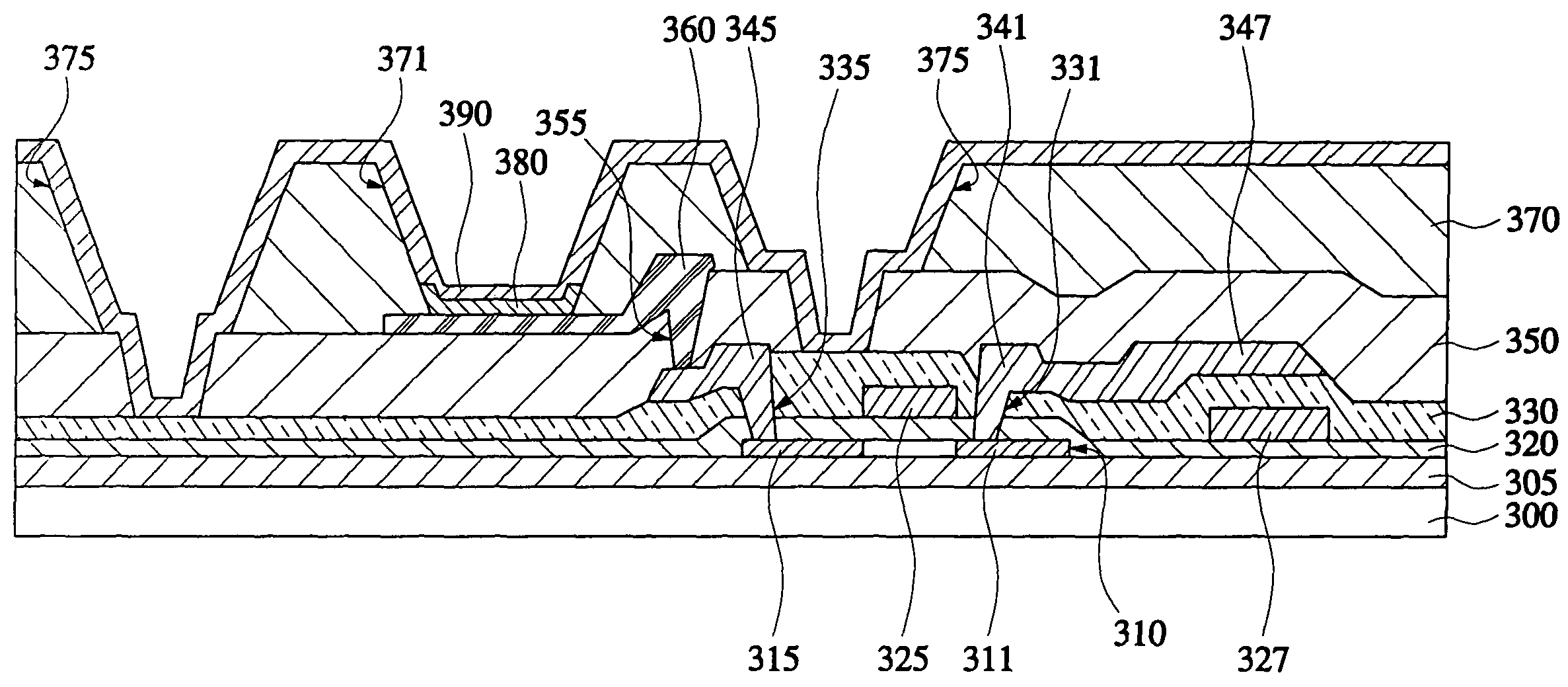
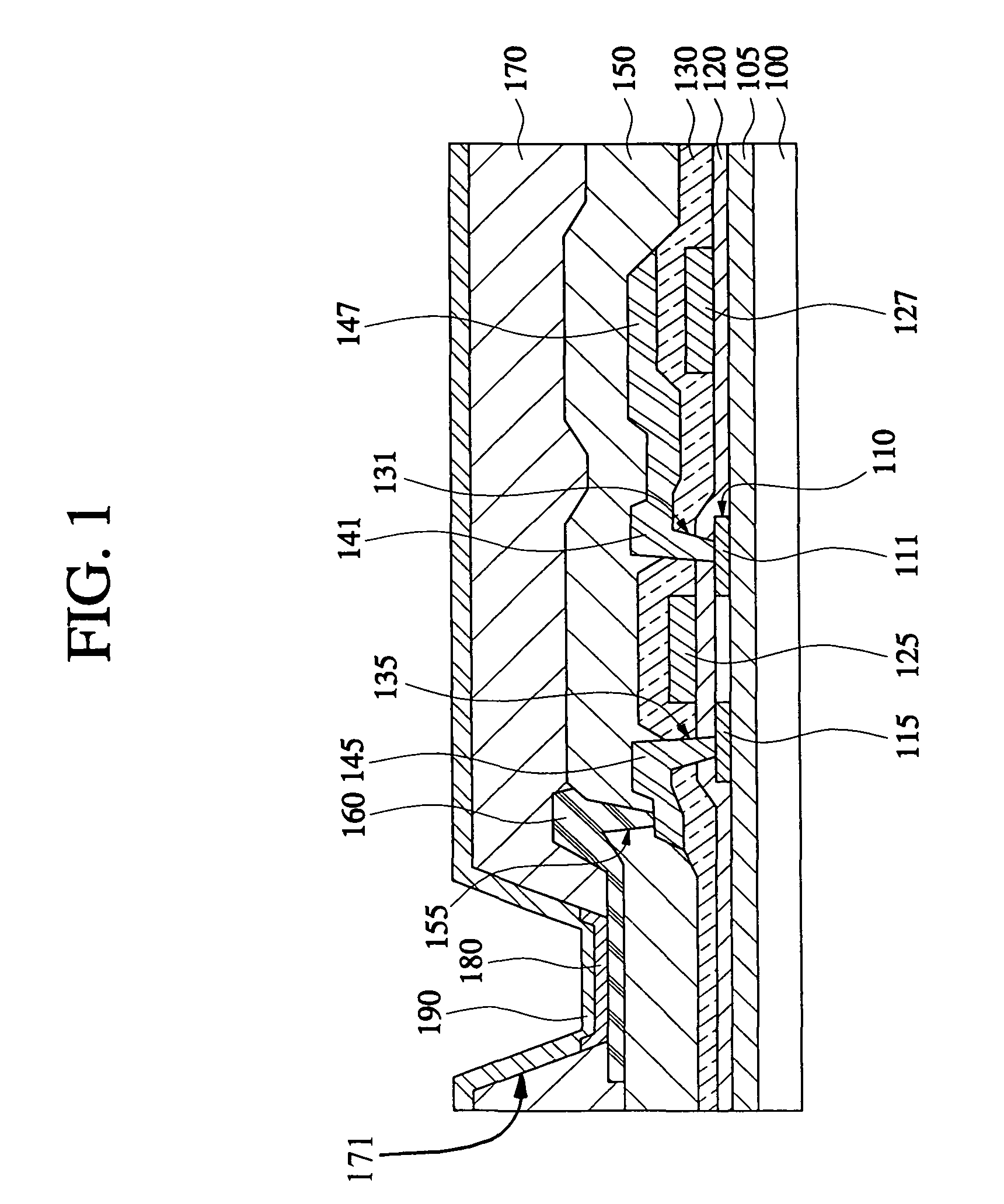
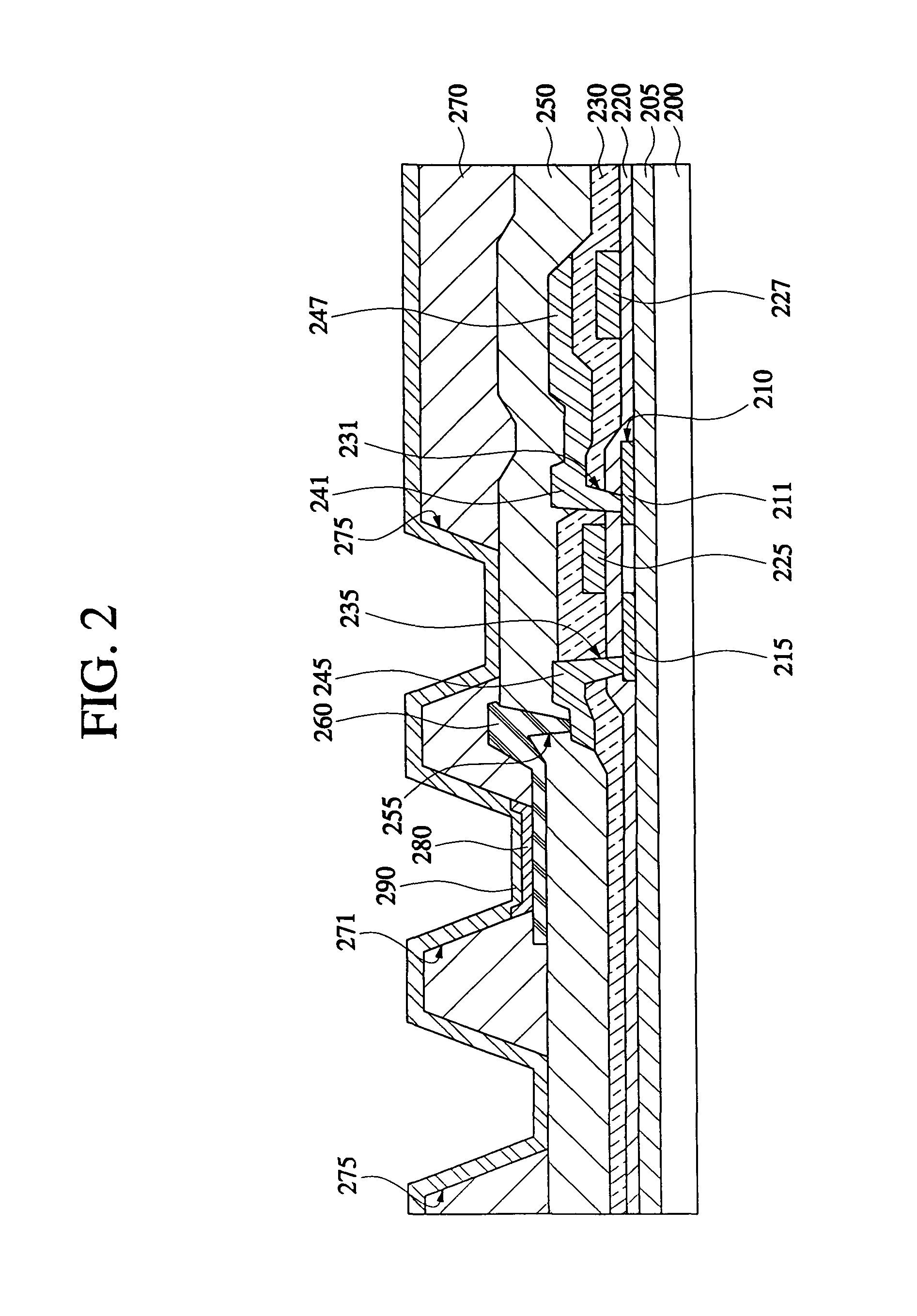
- An active matrix OLED structure where the upper electrode surrounds the organic luminescent layer, functioning as both an electrode and a reflection layer to prevent light loss by reflecting total light reflected due to refractive index differences, thereby improving light coupling efficiency and luminance per pixel unit.

Manufacturing Processes for Advanced OLED Reflectors
The manufacturing of advanced OLED reflectors requires sophisticated processes that balance precision, scalability, and cost-effectiveness. Current manufacturing techniques include physical vapor deposition (PVD), which enables the creation of highly reflective metallic layers with controlled thickness. This process typically involves electron beam evaporation or sputtering in high-vacuum environments, allowing for precise deposition of materials such as aluminum, silver, or enhanced silver alloys onto the substrate.
Chemical vapor deposition (CVD) represents another critical manufacturing approach, particularly for creating dielectric layers that work in conjunction with metallic reflectors. The CVD process allows for the formation of uniform oxide layers that can enhance reflectivity while providing electrical isolation properties necessary for optimal OLED performance.
Roll-to-roll processing has emerged as a promising manufacturing technique for flexible OLED reflectors. This continuous production method significantly reduces manufacturing costs while maintaining high throughput. The process involves depositing reflective materials onto flexible substrates as they move through various deposition stations, enabling large-scale production of flexible OLED displays with enhanced luminance characteristics.
Atomic layer deposition (ALD) offers unprecedented control over layer thickness at the atomic scale, which is particularly valuable for creating advanced multi-layer reflector structures. The self-limiting nature of ALD reactions ensures exceptional uniformity across large substrates, resulting in reflectors with consistent optical properties throughout the device.
Recent innovations include solution-based processing methods, where reflective materials are formulated into inks or solutions that can be applied via techniques such as inkjet printing or slot-die coating. These approaches significantly reduce material waste compared to traditional vacuum-based methods and allow for more complex patterning of reflective elements.
Quality control in reflector manufacturing involves advanced optical characterization techniques such as spectroscopic ellipsometry and angle-resolved reflectometry. These methods enable real-time monitoring of reflector properties during production, ensuring that luminance enhancement targets are consistently met.
Environmental considerations have also influenced manufacturing processes, with increased focus on reducing the use of rare earth elements and implementing recovery systems for precious metals used in reflector structures. Additionally, energy-efficient manufacturing facilities have been developed to reduce the carbon footprint associated with high-vacuum and high-temperature processes traditionally required for reflector production.
Chemical vapor deposition (CVD) represents another critical manufacturing approach, particularly for creating dielectric layers that work in conjunction with metallic reflectors. The CVD process allows for the formation of uniform oxide layers that can enhance reflectivity while providing electrical isolation properties necessary for optimal OLED performance.
Roll-to-roll processing has emerged as a promising manufacturing technique for flexible OLED reflectors. This continuous production method significantly reduces manufacturing costs while maintaining high throughput. The process involves depositing reflective materials onto flexible substrates as they move through various deposition stations, enabling large-scale production of flexible OLED displays with enhanced luminance characteristics.
Atomic layer deposition (ALD) offers unprecedented control over layer thickness at the atomic scale, which is particularly valuable for creating advanced multi-layer reflector structures. The self-limiting nature of ALD reactions ensures exceptional uniformity across large substrates, resulting in reflectors with consistent optical properties throughout the device.
Recent innovations include solution-based processing methods, where reflective materials are formulated into inks or solutions that can be applied via techniques such as inkjet printing or slot-die coating. These approaches significantly reduce material waste compared to traditional vacuum-based methods and allow for more complex patterning of reflective elements.
Quality control in reflector manufacturing involves advanced optical characterization techniques such as spectroscopic ellipsometry and angle-resolved reflectometry. These methods enable real-time monitoring of reflector properties during production, ensuring that luminance enhancement targets are consistently met.
Environmental considerations have also influenced manufacturing processes, with increased focus on reducing the use of rare earth elements and implementing recovery systems for precious metals used in reflector structures. Additionally, energy-efficient manufacturing facilities have been developed to reduce the carbon footprint associated with high-vacuum and high-temperature processes traditionally required for reflector production.
Energy Efficiency Impact of Optimized Reflector Systems
The optimization of reflector systems in OLED devices significantly impacts overall energy efficiency across multiple dimensions. When properly designed, these reflectors can increase luminance by up to 40% without requiring additional power input, effectively improving the lumens-per-watt ratio that defines energy efficiency in lighting applications. This efficiency gain translates directly to reduced energy consumption for the same light output, addressing a critical challenge in sustainable technology development.
From a quantitative perspective, studies have demonstrated that advanced reflector geometries can reduce power consumption by 25-35% compared to conventional OLED structures while maintaining equivalent brightness levels. This reduction becomes particularly significant when considering the cumulative energy savings across millions of devices in consumer electronics, automotive displays, and lighting installations worldwide.
The energy efficiency improvements also manifest in extended device lifespans. By redistributing light more effectively and reducing thermal stress on the organic materials, optimized reflector systems can extend operational lifetimes by 30-50%. This longevity factor represents an often-overlooked dimension of energy efficiency, as it reduces the embodied energy costs associated with device manufacturing and replacement cycles.
Beyond direct device efficiency, these optimizations create cascading energy benefits throughout the supply chain. Manufacturing processes for advanced reflector systems typically require less energy-intensive deposition techniques compared to alternative brightness-enhancing technologies like additional organic layers or higher-current driving schemes. This upstream efficiency contributes to reduced carbon footprints across the product lifecycle.
Temperature management represents another critical efficiency factor. Enhanced reflector designs improve thermal distribution within OLED panels, reducing hotspots that accelerate degradation and waste energy. Thermal imaging studies reveal that optimized reflector configurations can reduce peak operating temperatures by 5-8°C, which correlates with approximately 15% improvement in power efficiency under continuous operation conditions.
For portable and battery-powered applications, the energy efficiency gains from optimized reflectors translate directly to extended usage times between charges. This benefit is particularly valuable in medical devices, emergency equipment, and consumer electronics where battery life is a critical performance metric and where the energy density of battery technology remains a limiting factor despite ongoing advancements.
From a quantitative perspective, studies have demonstrated that advanced reflector geometries can reduce power consumption by 25-35% compared to conventional OLED structures while maintaining equivalent brightness levels. This reduction becomes particularly significant when considering the cumulative energy savings across millions of devices in consumer electronics, automotive displays, and lighting installations worldwide.
The energy efficiency improvements also manifest in extended device lifespans. By redistributing light more effectively and reducing thermal stress on the organic materials, optimized reflector systems can extend operational lifetimes by 30-50%. This longevity factor represents an often-overlooked dimension of energy efficiency, as it reduces the embodied energy costs associated with device manufacturing and replacement cycles.
Beyond direct device efficiency, these optimizations create cascading energy benefits throughout the supply chain. Manufacturing processes for advanced reflector systems typically require less energy-intensive deposition techniques compared to alternative brightness-enhancing technologies like additional organic layers or higher-current driving schemes. This upstream efficiency contributes to reduced carbon footprints across the product lifecycle.
Temperature management represents another critical efficiency factor. Enhanced reflector designs improve thermal distribution within OLED panels, reducing hotspots that accelerate degradation and waste energy. Thermal imaging studies reveal that optimized reflector configurations can reduce peak operating temperatures by 5-8°C, which correlates with approximately 15% improvement in power efficiency under continuous operation conditions.
For portable and battery-powered applications, the energy efficiency gains from optimized reflectors translate directly to extended usage times between charges. This benefit is particularly valuable in medical devices, emergency equipment, and consumer electronics where battery life is a critical performance metric and where the energy density of battery technology remains a limiting factor despite ongoing advancements.
Unlock deeper insights with PatSnap Eureka Quick Research — get a full tech report to explore trends and direct your research. Try now!
Generate Your Research Report Instantly with AI Agent
Supercharge your innovation with PatSnap Eureka AI Agent Platform!