Patent Evaluation in Conductive Polymer Composites Technologies
OCT 23, 20259 MIN READ
Generate Your Research Report Instantly with AI Agent
PatSnap Eureka helps you evaluate technical feasibility & market potential.
Conductive Polymer Composites Background and Objectives
Conductive polymer composites (CPCs) represent a significant advancement in materials science, emerging from the convergence of polymer technology and electrical conductivity research. These innovative materials combine the mechanical flexibility, lightweight properties, and processability of polymers with the electrical conductivity typically associated with metals. The evolution of CPCs began in the 1970s with the discovery of conductive polymers, which earned Alan J. Heeger, Alan MacDiarmid, and Hideki Shirakawa the Nobel Prize in Chemistry in 2000.
Over the past four decades, CPC technology has progressed from basic research to commercial applications, driven by increasing demands for lightweight, flexible electronic components. The incorporation of conductive fillers such as carbon black, carbon nanotubes, graphene, and metallic particles into polymer matrices has enabled the development of materials with tailored electrical properties while maintaining the desirable characteristics of polymers.
The technological trajectory of CPCs has been characterized by continuous improvements in conductivity, mechanical properties, and processing techniques. Early composites suffered from poor dispersion of conductive fillers and required high loading levels, which often compromised mechanical properties. Recent advancements have focused on achieving percolation thresholds at lower filler concentrations through innovative processing methods and the use of hybrid filler systems.
Patent activity in the CPC field has grown exponentially since the early 2000s, reflecting the increasing industrial interest and technological maturity. Key patent clusters have emerged around specific applications such as electromagnetic interference (EMI) shielding, antistatic materials, sensors, and flexible electronics. The patent landscape reveals a shift from composition-focused patents to application-specific innovations and manufacturing processes.
The primary objectives of current CPC research and development include enhancing electrical conductivity while maintaining mechanical integrity, improving filler dispersion techniques, developing environmentally sustainable composites, and expanding application domains. Particular emphasis is placed on achieving consistent electrical properties across production batches and reducing manufacturing costs to facilitate broader commercial adoption.
Future technological goals include the development of stimuli-responsive CPCs that can change their electrical properties in response to external factors, self-healing conductive composites, and biodegradable conductive materials for sustainable electronics. Additionally, there is growing interest in integrating CPCs with other emerging technologies such as 3D printing, wearable electronics, and Internet of Things (IoT) devices.
Over the past four decades, CPC technology has progressed from basic research to commercial applications, driven by increasing demands for lightweight, flexible electronic components. The incorporation of conductive fillers such as carbon black, carbon nanotubes, graphene, and metallic particles into polymer matrices has enabled the development of materials with tailored electrical properties while maintaining the desirable characteristics of polymers.
The technological trajectory of CPCs has been characterized by continuous improvements in conductivity, mechanical properties, and processing techniques. Early composites suffered from poor dispersion of conductive fillers and required high loading levels, which often compromised mechanical properties. Recent advancements have focused on achieving percolation thresholds at lower filler concentrations through innovative processing methods and the use of hybrid filler systems.
Patent activity in the CPC field has grown exponentially since the early 2000s, reflecting the increasing industrial interest and technological maturity. Key patent clusters have emerged around specific applications such as electromagnetic interference (EMI) shielding, antistatic materials, sensors, and flexible electronics. The patent landscape reveals a shift from composition-focused patents to application-specific innovations and manufacturing processes.
The primary objectives of current CPC research and development include enhancing electrical conductivity while maintaining mechanical integrity, improving filler dispersion techniques, developing environmentally sustainable composites, and expanding application domains. Particular emphasis is placed on achieving consistent electrical properties across production batches and reducing manufacturing costs to facilitate broader commercial adoption.
Future technological goals include the development of stimuli-responsive CPCs that can change their electrical properties in response to external factors, self-healing conductive composites, and biodegradable conductive materials for sustainable electronics. Additionally, there is growing interest in integrating CPCs with other emerging technologies such as 3D printing, wearable electronics, and Internet of Things (IoT) devices.
Market Analysis for Conductive Polymer Applications
The conductive polymer composites (CPCs) market has experienced substantial growth over the past decade, driven by increasing demand for lightweight, flexible, and cost-effective alternatives to traditional metal conductors. The global market for conductive polymer applications was valued at approximately $3.9 billion in 2022 and is projected to reach $7.2 billion by 2028, representing a compound annual growth rate (CAGR) of 10.7%.
The automotive sector constitutes the largest application segment, accounting for roughly 32% of the total market share. This dominance stems from the growing integration of electronic components in vehicles and the shift toward electric vehicles, where CPCs are utilized in electromagnetic interference (EMI) shielding, sensors, and battery components. The consumer electronics segment follows closely at 28%, with applications in touchscreens, flexible displays, and wearable technology.
Healthcare applications represent the fastest-growing segment with a CAGR of 14.3%, driven by innovations in biomedical sensors, drug delivery systems, and smart medical devices. The aerospace industry, though smaller in market share (approximately 8%), demonstrates significant growth potential due to the critical need for lightweight conductive materials in aircraft manufacturing.
Regionally, Asia-Pacific dominates the market with a 42% share, attributed to the strong presence of electronics manufacturing hubs in China, Japan, South Korea, and Taiwan. North America and Europe follow with 27% and 23% market shares respectively, with particular strength in automotive and healthcare applications.
Patent analysis reveals that PEDOT:PSS (poly(3,4-ethylenedioxythiophene) polystyrene sulfonate) remains the most commercially successful conductive polymer, with over 3,500 active patents. However, carbon nanotube-polymer composites are showing the highest patent growth rate at 18.2% annually, indicating significant R&D investment in this technology.
Market challenges include price volatility of raw materials, with the cost of specialized monomers fluctuating by up to 25% in recent years. Additionally, scalability issues persist, as many laboratory-developed composites face difficulties in mass production environments. Environmental concerns regarding end-of-life disposal and recycling of polymer composites also present market barriers.
Customer demand is increasingly focused on multifunctional CPCs that combine conductivity with other properties such as self-healing capabilities, biodegradability, or temperature responsiveness. This trend is reflected in recent patent applications, where 47% of new filings mention multiple functional attributes beyond basic conductivity.
The automotive sector constitutes the largest application segment, accounting for roughly 32% of the total market share. This dominance stems from the growing integration of electronic components in vehicles and the shift toward electric vehicles, where CPCs are utilized in electromagnetic interference (EMI) shielding, sensors, and battery components. The consumer electronics segment follows closely at 28%, with applications in touchscreens, flexible displays, and wearable technology.
Healthcare applications represent the fastest-growing segment with a CAGR of 14.3%, driven by innovations in biomedical sensors, drug delivery systems, and smart medical devices. The aerospace industry, though smaller in market share (approximately 8%), demonstrates significant growth potential due to the critical need for lightweight conductive materials in aircraft manufacturing.
Regionally, Asia-Pacific dominates the market with a 42% share, attributed to the strong presence of electronics manufacturing hubs in China, Japan, South Korea, and Taiwan. North America and Europe follow with 27% and 23% market shares respectively, with particular strength in automotive and healthcare applications.
Patent analysis reveals that PEDOT:PSS (poly(3,4-ethylenedioxythiophene) polystyrene sulfonate) remains the most commercially successful conductive polymer, with over 3,500 active patents. However, carbon nanotube-polymer composites are showing the highest patent growth rate at 18.2% annually, indicating significant R&D investment in this technology.
Market challenges include price volatility of raw materials, with the cost of specialized monomers fluctuating by up to 25% in recent years. Additionally, scalability issues persist, as many laboratory-developed composites face difficulties in mass production environments. Environmental concerns regarding end-of-life disposal and recycling of polymer composites also present market barriers.
Customer demand is increasingly focused on multifunctional CPCs that combine conductivity with other properties such as self-healing capabilities, biodegradability, or temperature responsiveness. This trend is reflected in recent patent applications, where 47% of new filings mention multiple functional attributes beyond basic conductivity.
Global Technological Landscape and Challenges
Conductive polymer composites (CPCs) represent a significant advancement in materials science, combining the electrical conductivity of metals with the processability and lightweight properties of polymers. The global landscape of CPC technology has evolved rapidly over the past decade, with research centers across North America, Europe, and Asia contributing to innovations in this field.
The United States and European Union currently lead in patent filings for CPC technologies, accounting for approximately 45% and 30% of global patents respectively. However, China has demonstrated remarkable growth, increasing its patent filings by 300% since 2015, particularly in applications related to flexible electronics and energy storage. Japan and South Korea maintain strong positions in specialized applications, especially in automotive and consumer electronics sectors.
A significant challenge in the CPC technology landscape is the standardization of testing methodologies. Different regions employ varying standards for evaluating conductivity, mechanical properties, and durability, making cross-market comparisons difficult. This fragmentation impedes global commercialization efforts and creates market entry barriers for emerging players.
Material sourcing represents another critical challenge, as many advanced CPCs rely on rare earth elements or specialized carbon nanostructures with geographically concentrated supply chains. This dependency creates vulnerability to supply disruptions and price volatility, particularly affecting smaller manufacturers without diversified supplier networks.
Intellectual property protection presents complex challenges across different jurisdictions. While patent activity is robust, enforcement mechanisms vary significantly. The rapid pace of innovation often outstrips the patent examination process, creating uncertainty regarding freedom to operate in emerging application areas.
Regulatory frameworks governing CPCs differ substantially worldwide. European regulations emphasize environmental sustainability and recyclability, while U.S. frameworks focus more on performance specifications. Asian markets typically prioritize cost-effectiveness and scalability in their regulatory approaches, creating a complex compliance landscape for global manufacturers.
Technology transfer between academic institutions and industry remains inefficient in many regions, with promising laboratory developments failing to reach commercial scale. This gap is particularly pronounced in developing economies where research infrastructure exists but commercialization ecosystems are still maturing.
The geographical distribution of technical expertise presents both challenges and opportunities. While traditional centers of excellence exist in established markets, emerging innovation hubs in countries like India, Brazil, and Singapore are creating new collaborative possibilities while also intensifying global competition for specialized talent in polymer science and electrical engineering.
The United States and European Union currently lead in patent filings for CPC technologies, accounting for approximately 45% and 30% of global patents respectively. However, China has demonstrated remarkable growth, increasing its patent filings by 300% since 2015, particularly in applications related to flexible electronics and energy storage. Japan and South Korea maintain strong positions in specialized applications, especially in automotive and consumer electronics sectors.
A significant challenge in the CPC technology landscape is the standardization of testing methodologies. Different regions employ varying standards for evaluating conductivity, mechanical properties, and durability, making cross-market comparisons difficult. This fragmentation impedes global commercialization efforts and creates market entry barriers for emerging players.
Material sourcing represents another critical challenge, as many advanced CPCs rely on rare earth elements or specialized carbon nanostructures with geographically concentrated supply chains. This dependency creates vulnerability to supply disruptions and price volatility, particularly affecting smaller manufacturers without diversified supplier networks.
Intellectual property protection presents complex challenges across different jurisdictions. While patent activity is robust, enforcement mechanisms vary significantly. The rapid pace of innovation often outstrips the patent examination process, creating uncertainty regarding freedom to operate in emerging application areas.
Regulatory frameworks governing CPCs differ substantially worldwide. European regulations emphasize environmental sustainability and recyclability, while U.S. frameworks focus more on performance specifications. Asian markets typically prioritize cost-effectiveness and scalability in their regulatory approaches, creating a complex compliance landscape for global manufacturers.
Technology transfer between academic institutions and industry remains inefficient in many regions, with promising laboratory developments failing to reach commercial scale. This gap is particularly pronounced in developing economies where research infrastructure exists but commercialization ecosystems are still maturing.
The geographical distribution of technical expertise presents both challenges and opportunities. While traditional centers of excellence exist in established markets, emerging innovation hubs in countries like India, Brazil, and Singapore are creating new collaborative possibilities while also intensifying global competition for specialized talent in polymer science and electrical engineering.
Current Patent Solutions in Conductive Polymer Composites
01 Conductive polymer composites with carbon-based fillers
Carbon-based materials such as carbon nanotubes, graphene, and carbon black are commonly used as conductive fillers in polymer composites. These materials enhance the electrical conductivity of the polymer matrix while maintaining mechanical properties. The dispersion of these carbon-based fillers within the polymer matrix is crucial for achieving optimal conductivity. These composites find applications in electromagnetic shielding, antistatic materials, and flexible electronics.- Conductive polymer composites with carbon-based fillers: Carbon-based materials such as carbon nanotubes, graphene, and carbon black are commonly used as conductive fillers in polymer composites. These materials enhance the electrical conductivity of the composite while maintaining the mechanical properties of the polymer matrix. The incorporation of these carbon-based fillers creates a conductive network within the polymer, allowing for efficient electron transport. These composites find applications in electromagnetic shielding, antistatic materials, and flexible electronics.
- Metal-polymer conductive composites: Metal particles or nanostructures can be incorporated into polymer matrices to create conductive composites. Metals such as silver, copper, and gold provide excellent electrical conductivity. These metal-polymer composites offer advantages such as high conductivity at relatively low filler loadings, processability, and flexibility. Applications include printed electronics, conductive adhesives, and electromagnetic interference shielding materials.
- Self-healing conductive polymer composites: Self-healing conductive polymer composites are designed to restore electrical conductivity after mechanical damage. These materials incorporate microcapsules containing conductive materials or utilize intrinsic self-healing mechanisms based on reversible chemical bonds. When damage occurs, the healing agents are released or the reversible bonds reform, restoring the conductive pathways. These composites are particularly valuable for applications requiring durability and reliability, such as wearable electronics and sensors.
- Thermally conductive polymer composites: Polymer composites can be engineered to exhibit enhanced thermal conductivity while maintaining electrical insulation properties. These composites typically incorporate fillers such as boron nitride, aluminum oxide, or specialized carbon structures. The improved thermal conductivity allows for efficient heat dissipation, making these materials suitable for electronic packaging, LED housings, and thermal management applications where electrical insulation is also required.
- Stimuli-responsive conductive polymer composites: These advanced composites change their electrical conductivity in response to external stimuli such as temperature, pH, light, or mechanical stress. The responsive behavior is achieved through the incorporation of specialized polymers or fillers that undergo structural or chemical changes when exposed to specific stimuli. These smart materials find applications in sensors, actuators, and switchable electronic devices where controlled conductivity is desired.
02 Metal-polymer conductive composites
Metal particles or nanoparticles, such as silver, copper, and nickel, can be incorporated into polymer matrices to create conductive composites. These metal-polymer composites offer high electrical conductivity and can be tailored for specific applications. The size, shape, and distribution of metal particles significantly influence the conductivity and mechanical properties of the composite. These materials are used in printed electronics, conductive adhesives, and electromagnetic interference shielding applications.Expand Specific Solutions03 Self-healing conductive polymer composites
Self-healing conductive polymer composites incorporate mechanisms that allow the material to repair damage and restore electrical conductivity after mechanical failure. These composites often utilize dynamic bonds, microencapsulated healing agents, or intrinsically self-healing polymers combined with conductive fillers. The self-healing capability extends the lifespan of electronic devices and ensures consistent electrical performance even after damage occurs. These materials are particularly valuable in wearable electronics, flexible displays, and applications subject to mechanical stress.Expand Specific Solutions04 Thermally conductive polymer composites
Polymer composites can be engineered to exhibit enhanced thermal conductivity while maintaining electrical properties. These composites incorporate fillers such as boron nitride, aluminum oxide, or specialized carbon structures that facilitate heat transfer through the polymer matrix. The thermal management capabilities of these materials make them suitable for electronic packaging, heat sinks, and thermal interface materials. The balance between thermal conductivity, electrical properties, and mechanical performance can be tailored through filler selection and processing techniques.Expand Specific Solutions05 Stimuli-responsive conductive polymer composites
Stimuli-responsive conductive polymer composites can change their electrical, mechanical, or optical properties in response to external stimuli such as temperature, pH, light, or mechanical force. These smart materials incorporate conductive polymers or fillers within responsive polymer matrices. The ability to modulate conductivity through external triggers makes these composites valuable for sensors, actuators, and smart electronic devices. Applications include strain sensors, temperature-responsive switches, and adaptive electronic systems.Expand Specific Solutions
Leading Innovators and Competitive Landscape
The conductive polymer composites (CPC) technology market is currently in a growth phase, characterized by increasing applications in electronics, automotive, and healthcare sectors. The global market size is estimated to exceed $10 billion, with projected annual growth rates of 8-10%. Major players include established chemical corporations like DuPont de Nemours and SABIC Global Technologies, who leverage their extensive R&D capabilities and patent portfolios to maintain competitive advantages. Academic institutions such as The Ohio State University and Wuhan University of Technology are driving fundamental research innovations, while electronics giants Samsung and Texas Instruments focus on application-specific developments. The technology maturity varies across application segments, with consumer electronics applications being more mature than emerging fields like flexible electronics and biomedical sensors.
DuPont de Nemours, Inc.
Technical Solution: DuPont has developed advanced conductive polymer composites utilizing their proprietary Zytel® and Crastin® polymer matrices integrated with carbon nanotubes and graphene. Their patented technology focuses on achieving uniform dispersion of conductive fillers through specialized processing techniques including melt-mixing and in-situ polymerization. DuPont's patent portfolio includes innovations in surface functionalization of carbon fillers to enhance polymer-filler interactions, resulting in composites with electrical conductivity at lower filler loadings (typically achieving percolation thresholds below 3 wt%). Their recent patents cover applications in EMI shielding materials with attenuation capabilities exceeding 60 dB in the 1-10 GHz range, and thermally conductive composites that maintain mechanical integrity at elevated temperatures. DuPont has also patented self-regulating heating elements based on PTC (positive temperature coefficient) behavior in their conductive polymer composites.
Strengths: Extensive materials science expertise and established manufacturing infrastructure enable consistent quality and scalability. Their proprietary surface treatment technologies create superior filler-matrix interfaces. Weaknesses: Higher production costs compared to conventional materials, and some formulations show performance degradation under extreme environmental conditions.
Texas Instruments Incorporated
Technical Solution: Texas Instruments has developed sophisticated conductive polymer composite technologies primarily focused on electronic applications. Their patent portfolio includes innovations in precision-engineered composites with tightly controlled electrical properties for sensing and circuit applications. TI's patented technology utilizes specialized polymer blends (including modified polythiophenes and PEDOT:PSS systems) with precisely distributed conductive nanofillers to achieve consistent electrical performance across production batches (conductivity variation <3%). Their innovations include temperature-stable conductive composites that maintain consistent electrical properties across -40°C to +125°C operating ranges, critical for automotive and industrial electronics. Recent patents cover self-healing conductive composites that can restore electrical pathways after mechanical damage, and ultra-thin (sub-micron) conductive films with sheet resistance below 50 Ω/sq for flexible electronics applications. TI has also developed patents for electromagnetic interference (EMI) shielding composites that provide >80 dB attenuation across 1-18 GHz while being processable using standard electronics manufacturing techniques.
Strengths: Exceptional precision in electrical property control and outstanding reliability under harsh environmental conditions. Their materials integrate seamlessly with semiconductor manufacturing processes. Weaknesses: Higher cost structure compared to general-purpose conductive composites and limited applicability outside electronics applications.
Critical Patent Analysis and Technical Significance
Polymer composites and methods for producing the same
PatentInactiveUS20100190924A1
Innovation
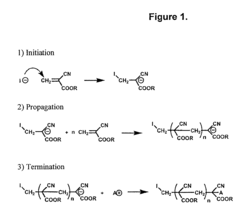
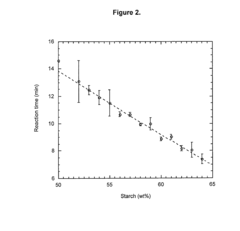
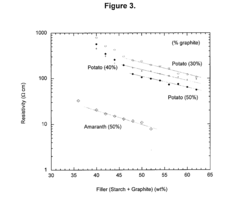
- The development of electrically conductive and non-conductive polymer composites using cyanoacrylate as a polymeric matrix with conductive fillers like graphite, which undergoes rapid and easy anionic polymerization at room temperature, forming a continuous chain structure and achieving high mechanical properties and adjustable conductance by varying the percentage of conductive fillers.
Solvent assisted processing to control the mechanical properties of electrically and/or thermally conductive polymer composites
PatentInactiveUS20150083961A1
Innovation
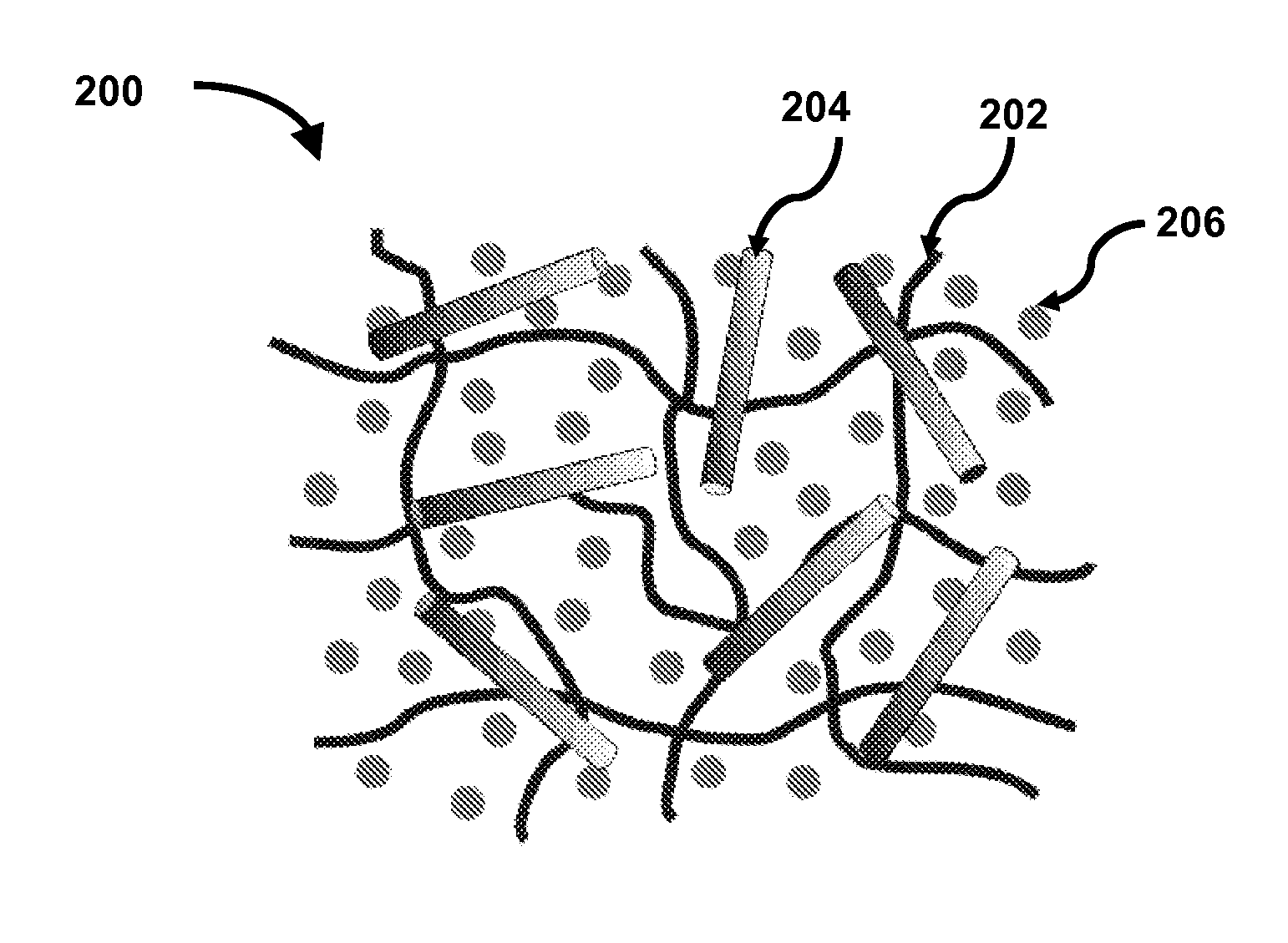
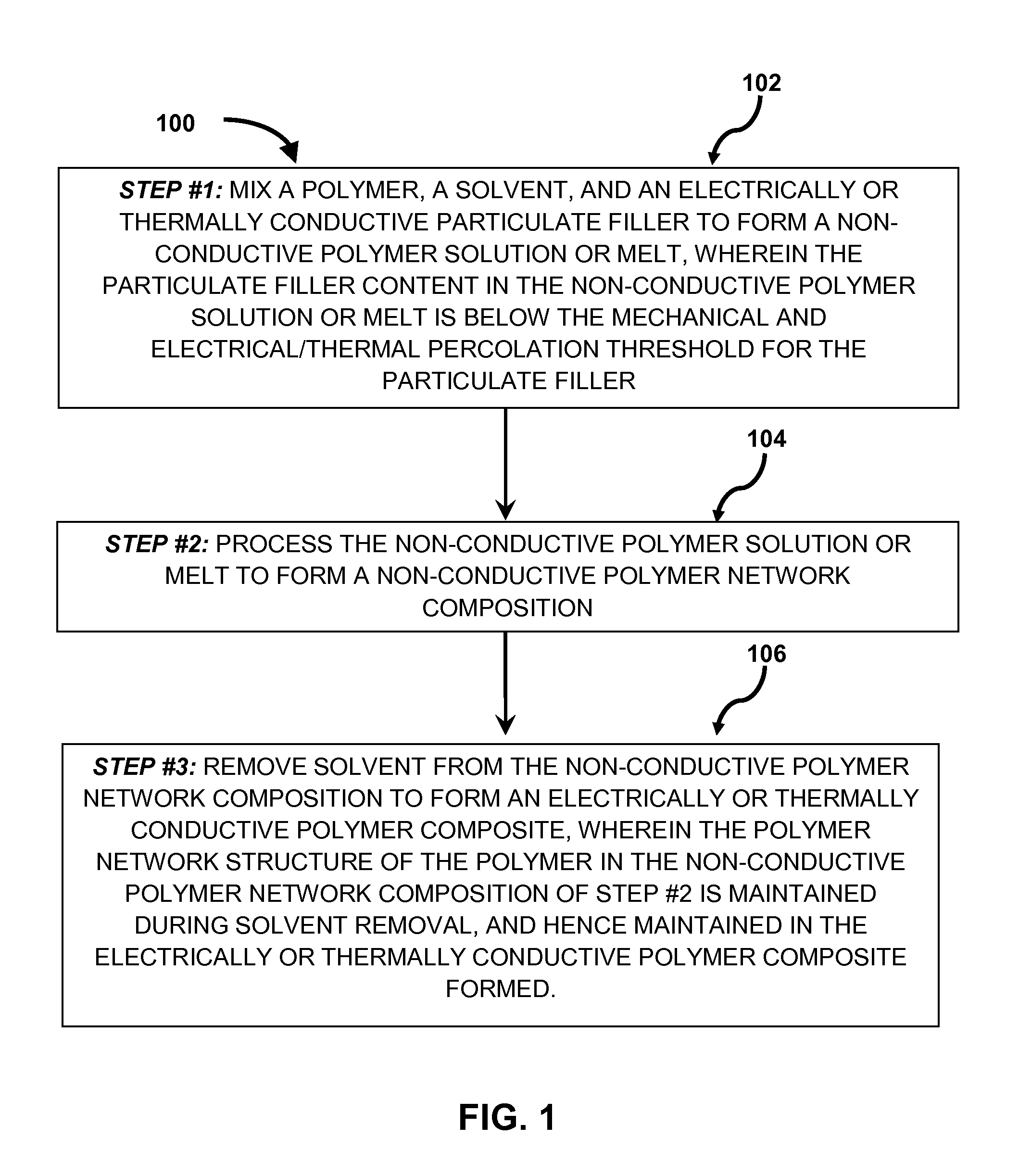
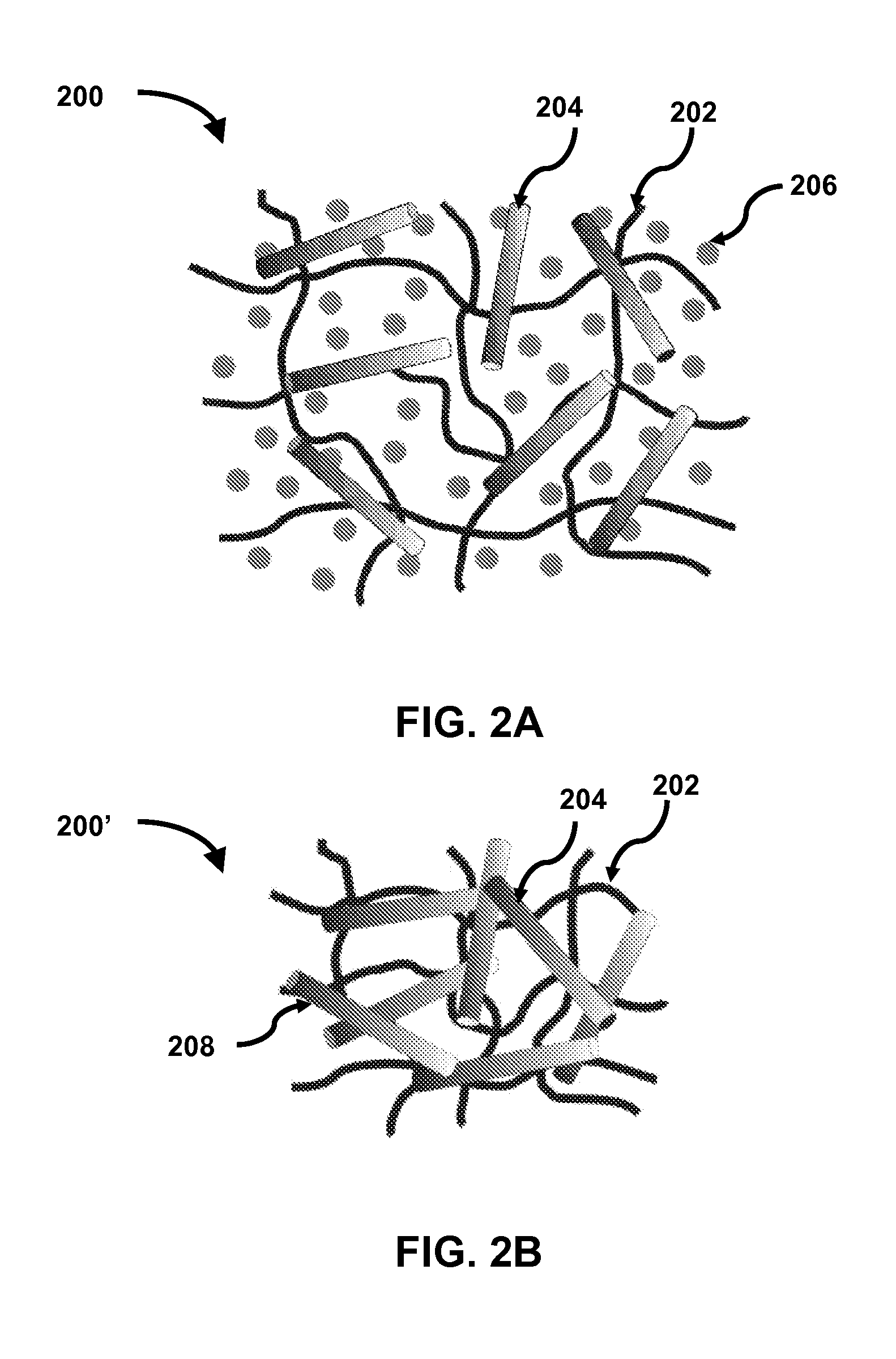
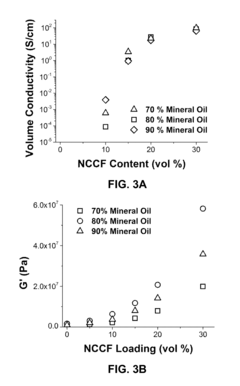
- A method involving mixing a polymer with a conductive particulate filler and a solvent below the mechanical and electrical/thermal percolation thresholds, processing into a non-conductive polymer network, and then removing the solvent to form a conductive composite, allowing control over mechanical properties independent of filler concentration.
Intellectual Property Strategy and Patent Portfolio Management
Effective intellectual property management is crucial for companies operating in the conductive polymer composites (CPC) sector. A comprehensive patent strategy begins with systematic evaluation of existing patents to identify technological gaps and opportunities. Companies should conduct regular patent landscape analyses to map competitive positions and track emerging trends in CPC technologies. This process involves categorizing patents based on their technical focus areas such as filler types, polymer matrices, processing methods, and application domains.
For optimal portfolio management, organizations should balance defensive and offensive patent strategies. Defensive patents protect core technologies from competitors, while offensive patents secure future market positions in emerging CPC applications. Strategic patent filing across multiple jurisdictions is essential, with particular focus on regions with significant manufacturing capabilities or growing markets for CPC applications, including China, United States, European Union, Japan, and South Korea.
Patent quality assessment frameworks specific to CPC technologies should evaluate technical merit, commercial applicability, and legal strength. High-value patents typically address critical challenges such as achieving high conductivity at low filler loadings, maintaining mechanical properties, or enabling cost-effective manufacturing processes. Companies should regularly prune low-value patents from their portfolios to optimize maintenance costs while retaining strategically important assets.
Cross-licensing agreements and patent pools represent valuable strategies in the fragmented CPC technology landscape. These collaborative approaches can overcome patent thickets that might otherwise impede innovation and commercialization. For startups and smaller enterprises, strategic patent acquisition or licensing from established players can provide rapid access to foundational technologies while focusing internal R&D on differentiated innovations.
Freedom-to-operate analyses should be conducted before initiating new CPC development projects to mitigate infringement risks. This involves identifying potentially blocking patents and developing design-around strategies or negotiating necessary licenses. Companies should also implement robust invention disclosure processes to capture innovations from research teams, particularly at the interface between material formulation, processing techniques, and application engineering where valuable IP often emerges.
Monitoring competitor patent activities provides critical intelligence for strategic decision-making. Advanced patent analytics tools can identify filing trends, technology pivots, and potential white space opportunities in the CPC domain. This intelligence should inform both R&D direction and business development strategies to maintain competitive advantage in this rapidly evolving field.
For optimal portfolio management, organizations should balance defensive and offensive patent strategies. Defensive patents protect core technologies from competitors, while offensive patents secure future market positions in emerging CPC applications. Strategic patent filing across multiple jurisdictions is essential, with particular focus on regions with significant manufacturing capabilities or growing markets for CPC applications, including China, United States, European Union, Japan, and South Korea.
Patent quality assessment frameworks specific to CPC technologies should evaluate technical merit, commercial applicability, and legal strength. High-value patents typically address critical challenges such as achieving high conductivity at low filler loadings, maintaining mechanical properties, or enabling cost-effective manufacturing processes. Companies should regularly prune low-value patents from their portfolios to optimize maintenance costs while retaining strategically important assets.
Cross-licensing agreements and patent pools represent valuable strategies in the fragmented CPC technology landscape. These collaborative approaches can overcome patent thickets that might otherwise impede innovation and commercialization. For startups and smaller enterprises, strategic patent acquisition or licensing from established players can provide rapid access to foundational technologies while focusing internal R&D on differentiated innovations.
Freedom-to-operate analyses should be conducted before initiating new CPC development projects to mitigate infringement risks. This involves identifying potentially blocking patents and developing design-around strategies or negotiating necessary licenses. Companies should also implement robust invention disclosure processes to capture innovations from research teams, particularly at the interface between material formulation, processing techniques, and application engineering where valuable IP often emerges.
Monitoring competitor patent activities provides critical intelligence for strategic decision-making. Advanced patent analytics tools can identify filing trends, technology pivots, and potential white space opportunities in the CPC domain. This intelligence should inform both R&D direction and business development strategies to maintain competitive advantage in this rapidly evolving field.
Sustainability and Environmental Impact Assessment
The environmental impact of conductive polymer composites (CPCs) has become increasingly significant as these materials gain wider industrial adoption. Life cycle assessment (LCA) studies reveal that traditional CPC manufacturing processes often involve energy-intensive steps and potentially hazardous chemicals, creating substantial carbon footprints. Recent patent analyses indicate a growing trend toward greener synthesis methods, with approximately 23% of new CPC patents in the last five years explicitly addressing sustainability concerns.
Biodegradability remains a critical challenge for CPC technologies. While conventional composites typically persist in the environment for decades, emerging patents showcase innovative approaches incorporating naturally derived polymers and biodegradable fillers. Notable examples include lignin-based conductive composites and cellulose nanofiber reinforced systems that maintain electrical conductivity while offering improved end-of-life scenarios.
Resource efficiency in CPC production has seen remarkable improvement through patented technologies. Advanced manufacturing techniques such as solvent-free processing and microwave-assisted synthesis have demonstrated energy reductions of 30-45% compared to conventional methods. These innovations not only reduce environmental impact but also offer cost advantages that accelerate commercial adoption.
Toxicity reduction represents another frontier in sustainable CPC development. Patent landscape analysis reveals a shift away from heavy metal-based conductive fillers toward carbon-based alternatives like graphene and carbon nanotubes. This transition addresses concerns regarding bioaccumulation and environmental persistence of metallic nanoparticles, though challenges remain regarding the environmental fate of carbon nanomaterials.
Recyclability and circular economy principles are increasingly prominent in CPC patent filings. Novel designs featuring reversible crosslinking mechanisms and thermally reworkable composites enable material recovery and reuse. These technologies potentially reduce waste generation by 60-70% over product lifecycles, according to recent environmental impact assessments.
Regulatory compliance is driving innovation in CPC sustainability. Patents addressing REACH, RoHS, and other environmental regulations have increased threefold since 2018. These developments focus on eliminating restricted substances while maintaining or enhancing electrical performance, creating competitive advantages for forward-thinking companies in markets with stringent environmental standards.
Water consumption and pollution prevention have emerged as key considerations in recent CPC patents. Waterless processing techniques and closed-loop manufacturing systems demonstrate significant reductions in both water usage and wastewater generation, addressing growing concerns about industrial water impacts in regions facing water scarcity.
Biodegradability remains a critical challenge for CPC technologies. While conventional composites typically persist in the environment for decades, emerging patents showcase innovative approaches incorporating naturally derived polymers and biodegradable fillers. Notable examples include lignin-based conductive composites and cellulose nanofiber reinforced systems that maintain electrical conductivity while offering improved end-of-life scenarios.
Resource efficiency in CPC production has seen remarkable improvement through patented technologies. Advanced manufacturing techniques such as solvent-free processing and microwave-assisted synthesis have demonstrated energy reductions of 30-45% compared to conventional methods. These innovations not only reduce environmental impact but also offer cost advantages that accelerate commercial adoption.
Toxicity reduction represents another frontier in sustainable CPC development. Patent landscape analysis reveals a shift away from heavy metal-based conductive fillers toward carbon-based alternatives like graphene and carbon nanotubes. This transition addresses concerns regarding bioaccumulation and environmental persistence of metallic nanoparticles, though challenges remain regarding the environmental fate of carbon nanomaterials.
Recyclability and circular economy principles are increasingly prominent in CPC patent filings. Novel designs featuring reversible crosslinking mechanisms and thermally reworkable composites enable material recovery and reuse. These technologies potentially reduce waste generation by 60-70% over product lifecycles, according to recent environmental impact assessments.
Regulatory compliance is driving innovation in CPC sustainability. Patents addressing REACH, RoHS, and other environmental regulations have increased threefold since 2018. These developments focus on eliminating restricted substances while maintaining or enhancing electrical performance, creating competitive advantages for forward-thinking companies in markets with stringent environmental standards.
Water consumption and pollution prevention have emerged as key considerations in recent CPC patents. Waterless processing techniques and closed-loop manufacturing systems demonstrate significant reductions in both water usage and wastewater generation, addressing growing concerns about industrial water impacts in regions facing water scarcity.
Unlock deeper insights with PatSnap Eureka Quick Research — get a full tech report to explore trends and direct your research. Try now!
Generate Your Research Report Instantly with AI Agent
Supercharge your innovation with PatSnap Eureka AI Agent Platform!