PHEV computing hardware optimizations for efficient operations
AUG 14, 20259 MIN READ
Generate Your Research Report Instantly with AI Agent
PatSnap Eureka helps you evaluate technical feasibility & market potential.
PHEV Hardware Background
Plug-in Hybrid Electric Vehicles (PHEVs) represent a significant advancement in automotive technology, combining the benefits of both internal combustion engines and electric powertrains. The computing hardware in PHEVs plays a crucial role in managing the complex interplay between these two power sources, optimizing vehicle performance, and ensuring efficient operation.
The evolution of PHEV hardware has been closely tied to advancements in automotive electronics and control systems. Early PHEVs relied on relatively simple microcontrollers to manage basic functions such as power distribution and battery charging. However, as the technology matured, the demands on the computing hardware increased exponentially.
Modern PHEVs employ sophisticated hardware architectures that typically include high-performance microprocessors, dedicated control units for various subsystems, and advanced communication networks. These components work in concert to handle tasks such as real-time energy management, predictive control algorithms, and seamless transitions between electric and combustion power modes.
The central processing unit in a PHEV serves as the brain of the vehicle, coordinating inputs from numerous sensors and making split-second decisions to optimize efficiency and performance. This hardware must be capable of processing vast amounts of data in real-time, often utilizing multi-core processors with specialized instruction sets for automotive applications.
Power management is a critical aspect of PHEV hardware design. The computing systems must be energy-efficient themselves, as any power consumed by the electronics directly impacts the vehicle's overall efficiency. This has led to the development of low-power computing architectures specifically tailored for automotive use, incorporating features such as dynamic voltage and frequency scaling.
Connectivity and integration with external systems have become increasingly important in PHEV hardware design. Modern vehicles often include hardware to support wireless communication, enabling features such as over-the-air updates, remote diagnostics, and integration with smart grid technologies for optimized charging strategies.
The reliability and durability of PHEV computing hardware are paramount, given the harsh automotive environment. Components must withstand extreme temperatures, vibrations, and electromagnetic interference while maintaining consistent performance over the vehicle's lifetime. This has driven innovations in hardware design, including ruggedized components and advanced thermal management systems.
As PHEVs continue to evolve, the computing hardware is expected to become even more sophisticated. Future systems may incorporate artificial intelligence accelerators, advanced graphics processing units for augmented reality displays, and dedicated hardware for autonomous driving capabilities. These advancements will further enhance the efficiency and functionality of PHEVs, solidifying their position as a key technology in the transition to sustainable transportation.
The evolution of PHEV hardware has been closely tied to advancements in automotive electronics and control systems. Early PHEVs relied on relatively simple microcontrollers to manage basic functions such as power distribution and battery charging. However, as the technology matured, the demands on the computing hardware increased exponentially.
Modern PHEVs employ sophisticated hardware architectures that typically include high-performance microprocessors, dedicated control units for various subsystems, and advanced communication networks. These components work in concert to handle tasks such as real-time energy management, predictive control algorithms, and seamless transitions between electric and combustion power modes.
The central processing unit in a PHEV serves as the brain of the vehicle, coordinating inputs from numerous sensors and making split-second decisions to optimize efficiency and performance. This hardware must be capable of processing vast amounts of data in real-time, often utilizing multi-core processors with specialized instruction sets for automotive applications.
Power management is a critical aspect of PHEV hardware design. The computing systems must be energy-efficient themselves, as any power consumed by the electronics directly impacts the vehicle's overall efficiency. This has led to the development of low-power computing architectures specifically tailored for automotive use, incorporating features such as dynamic voltage and frequency scaling.
Connectivity and integration with external systems have become increasingly important in PHEV hardware design. Modern vehicles often include hardware to support wireless communication, enabling features such as over-the-air updates, remote diagnostics, and integration with smart grid technologies for optimized charging strategies.
The reliability and durability of PHEV computing hardware are paramount, given the harsh automotive environment. Components must withstand extreme temperatures, vibrations, and electromagnetic interference while maintaining consistent performance over the vehicle's lifetime. This has driven innovations in hardware design, including ruggedized components and advanced thermal management systems.
As PHEVs continue to evolve, the computing hardware is expected to become even more sophisticated. Future systems may incorporate artificial intelligence accelerators, advanced graphics processing units for augmented reality displays, and dedicated hardware for autonomous driving capabilities. These advancements will further enhance the efficiency and functionality of PHEVs, solidifying their position as a key technology in the transition to sustainable transportation.
Market Analysis
The market for PHEV computing hardware optimizations is experiencing significant growth, driven by the increasing adoption of plug-in hybrid electric vehicles (PHEVs) worldwide. As automotive manufacturers strive to meet stringent emissions regulations and consumer demand for more fuel-efficient vehicles, the need for advanced computing solutions to optimize PHEV operations has become paramount.
The global PHEV market is projected to expand rapidly in the coming years, with a compound annual growth rate (CAGR) exceeding 30% through 2025. This growth is fueled by government incentives, improving charging infrastructure, and advancements in battery technology. As the PHEV market expands, so does the demand for sophisticated computing hardware to manage the complex interplay between electric and combustion powertrains.
Key market drivers for PHEV computing hardware optimizations include the need for improved energy management, enhanced performance, and reduced overall system costs. Automotive OEMs are increasingly focusing on developing more efficient control algorithms and hardware architectures to maximize the benefits of hybrid powertrains. This has led to a growing market for specialized microcontrollers, processors, and integrated circuits designed specifically for PHEV applications.
The market landscape is characterized by a mix of established automotive suppliers and emerging technology companies. Traditional tier-one suppliers are expanding their offerings to include advanced computing solutions for PHEVs, while semiconductor manufacturers are developing specialized chips tailored for hybrid vehicle control systems. Additionally, software companies are entering the market with innovative algorithms and artificial intelligence solutions to optimize PHEV operations.
Regional market trends show strong growth in Europe and Asia-Pacific, with China leading in PHEV adoption. North America is also seeing increased demand, particularly in states with stringent emissions regulations. These regional variations are driving the need for localized computing hardware solutions that can adapt to different driving conditions, regulatory requirements, and consumer preferences.
The competitive landscape is intensifying as companies vie for market share in this rapidly evolving sector. Key differentiators include processing power, energy efficiency, thermal management, and integration capabilities. As the market matures, we anticipate consolidation through mergers and acquisitions, as well as strategic partnerships between automotive manufacturers and technology providers.
Looking ahead, the market for PHEV computing hardware optimizations is expected to continue its upward trajectory. Emerging trends such as vehicle-to-grid (V2G) technology and autonomous driving features will further drive demand for more sophisticated computing solutions in PHEVs. As the technology advances, we can expect to see a shift towards more integrated and scalable hardware platforms that can support a wide range of hybrid vehicle configurations and use cases.
The global PHEV market is projected to expand rapidly in the coming years, with a compound annual growth rate (CAGR) exceeding 30% through 2025. This growth is fueled by government incentives, improving charging infrastructure, and advancements in battery technology. As the PHEV market expands, so does the demand for sophisticated computing hardware to manage the complex interplay between electric and combustion powertrains.
Key market drivers for PHEV computing hardware optimizations include the need for improved energy management, enhanced performance, and reduced overall system costs. Automotive OEMs are increasingly focusing on developing more efficient control algorithms and hardware architectures to maximize the benefits of hybrid powertrains. This has led to a growing market for specialized microcontrollers, processors, and integrated circuits designed specifically for PHEV applications.
The market landscape is characterized by a mix of established automotive suppliers and emerging technology companies. Traditional tier-one suppliers are expanding their offerings to include advanced computing solutions for PHEVs, while semiconductor manufacturers are developing specialized chips tailored for hybrid vehicle control systems. Additionally, software companies are entering the market with innovative algorithms and artificial intelligence solutions to optimize PHEV operations.
Regional market trends show strong growth in Europe and Asia-Pacific, with China leading in PHEV adoption. North America is also seeing increased demand, particularly in states with stringent emissions regulations. These regional variations are driving the need for localized computing hardware solutions that can adapt to different driving conditions, regulatory requirements, and consumer preferences.
The competitive landscape is intensifying as companies vie for market share in this rapidly evolving sector. Key differentiators include processing power, energy efficiency, thermal management, and integration capabilities. As the market matures, we anticipate consolidation through mergers and acquisitions, as well as strategic partnerships between automotive manufacturers and technology providers.
Looking ahead, the market for PHEV computing hardware optimizations is expected to continue its upward trajectory. Emerging trends such as vehicle-to-grid (V2G) technology and autonomous driving features will further drive demand for more sophisticated computing solutions in PHEVs. As the technology advances, we can expect to see a shift towards more integrated and scalable hardware platforms that can support a wide range of hybrid vehicle configurations and use cases.
Technical Challenges
The development of Plug-in Hybrid Electric Vehicles (PHEVs) has brought significant advancements in automotive technology, yet it also presents several technical challenges in optimizing computing hardware for efficient operations. One of the primary obstacles is the integration of diverse computing systems within a single vehicle architecture. PHEVs require sophisticated control systems to manage both electric and combustion powertrains, necessitating a complex interplay of hardware components.
Power management and thermal control pose significant challenges in PHEV computing hardware optimization. The need for high-performance computing to handle real-time decision-making and power distribution between electric and combustion systems often conflicts with the constraints of limited onboard power and cooling capacity. This necessitates innovative approaches to hardware design and thermal management to ensure optimal performance without compromising energy efficiency.
Another critical challenge lies in the development of robust and reliable hardware capable of withstanding the harsh automotive environment. PHEV computing systems must operate flawlessly under various conditions, including extreme temperatures, vibrations, and electromagnetic interference. This demands specialized hardware designs and rigorous testing protocols to ensure long-term reliability and safety.
The rapid evolution of PHEV technology also presents challenges in terms of hardware scalability and future-proofing. As new features and capabilities are introduced, computing hardware must be flexible enough to accommodate updates and expansions without requiring complete system overhauls. This necessitates a modular approach to hardware design, which can be complex to implement within the constraints of automotive manufacturing.
Data security and privacy concerns add another layer of complexity to PHEV computing hardware optimization. With increasing connectivity and data exchange between vehicles and external systems, hardware must incorporate robust security measures to protect against cyber threats and unauthorized access. This requires the integration of advanced encryption and secure processing capabilities, which can impact overall system performance and efficiency.
Lastly, the challenge of cost optimization remains a significant hurdle in PHEV computing hardware development. The need for high-performance, reliable, and secure computing systems must be balanced against the economic realities of mass production and consumer affordability. This often requires trade-offs between advanced features and cost-effectiveness, pushing engineers to find innovative solutions that maximize performance within budgetary constraints.
Addressing these technical challenges requires a multidisciplinary approach, combining expertise in automotive engineering, computer science, electrical engineering, and materials science. As the PHEV market continues to grow, overcoming these obstacles will be crucial in developing next-generation vehicles that offer enhanced performance, efficiency, and user experience.
Power management and thermal control pose significant challenges in PHEV computing hardware optimization. The need for high-performance computing to handle real-time decision-making and power distribution between electric and combustion systems often conflicts with the constraints of limited onboard power and cooling capacity. This necessitates innovative approaches to hardware design and thermal management to ensure optimal performance without compromising energy efficiency.
Another critical challenge lies in the development of robust and reliable hardware capable of withstanding the harsh automotive environment. PHEV computing systems must operate flawlessly under various conditions, including extreme temperatures, vibrations, and electromagnetic interference. This demands specialized hardware designs and rigorous testing protocols to ensure long-term reliability and safety.
The rapid evolution of PHEV technology also presents challenges in terms of hardware scalability and future-proofing. As new features and capabilities are introduced, computing hardware must be flexible enough to accommodate updates and expansions without requiring complete system overhauls. This necessitates a modular approach to hardware design, which can be complex to implement within the constraints of automotive manufacturing.
Data security and privacy concerns add another layer of complexity to PHEV computing hardware optimization. With increasing connectivity and data exchange between vehicles and external systems, hardware must incorporate robust security measures to protect against cyber threats and unauthorized access. This requires the integration of advanced encryption and secure processing capabilities, which can impact overall system performance and efficiency.
Lastly, the challenge of cost optimization remains a significant hurdle in PHEV computing hardware development. The need for high-performance, reliable, and secure computing systems must be balanced against the economic realities of mass production and consumer affordability. This often requires trade-offs between advanced features and cost-effectiveness, pushing engineers to find innovative solutions that maximize performance within budgetary constraints.
Addressing these technical challenges requires a multidisciplinary approach, combining expertise in automotive engineering, computer science, electrical engineering, and materials science. As the PHEV market continues to grow, overcoming these obstacles will be crucial in developing next-generation vehicles that offer enhanced performance, efficiency, and user experience.
Current Solutions
01 Optimization of computing hardware for PHEV systems
Improving the efficiency of computing hardware in plug-in hybrid electric vehicles (PHEVs) involves optimizing processor architectures, memory management, and power consumption. This includes developing specialized processors and algorithms tailored for PHEV applications, enhancing data processing speed and reducing energy usage in vehicle control systems.- Optimizing hardware architecture for PHEV systems: Designing specialized hardware architectures to improve the efficiency of computing systems in plug-in hybrid electric vehicles (PHEVs). This includes developing custom processors, memory systems, and interconnects tailored for PHEV-specific tasks such as power management, battery monitoring, and drivetrain control.
- Energy-efficient computing algorithms for PHEVs: Implementing energy-efficient algorithms and software optimizations to reduce power consumption in PHEV computing systems. This involves developing low-power operating modes, intelligent task scheduling, and adaptive performance scaling techniques to maximize computational efficiency while minimizing energy usage.
- Hardware acceleration for PHEV-specific computations: Utilizing specialized hardware accelerators, such as GPUs or FPGAs, to offload computationally intensive tasks in PHEV systems. This approach can significantly improve the performance and energy efficiency of operations like real-time sensor data processing, route optimization, and battery management calculations.
- Thermal management and power optimization for PHEV computing hardware: Implementing advanced thermal management techniques and power optimization strategies to enhance the efficiency of PHEV computing hardware. This includes developing intelligent cooling systems, dynamic voltage and frequency scaling, and power-aware component designs to minimize energy losses and maximize overall system efficiency.
- Integration of edge computing for PHEV efficiency: Leveraging edge computing technologies to distribute computational tasks between on-board systems and nearby infrastructure, reducing the processing load on PHEV hardware. This approach can improve overall system efficiency by offloading certain computations to external resources while maintaining low-latency performance for critical vehicle functions.
02 Energy-efficient computing techniques for PHEVs
Implementing energy-efficient computing techniques in PHEVs focuses on reducing power consumption while maintaining performance. This involves using low-power processors, dynamic voltage and frequency scaling, and intelligent power management systems to optimize the balance between computational power and energy efficiency in vehicle electronics.Expand Specific Solutions03 Hardware acceleration for PHEV control systems
Utilizing hardware acceleration techniques in PHEV control systems can significantly improve computational efficiency. This includes the use of specialized hardware like FPGAs or ASICs for specific PHEV functions, such as battery management or powertrain control, to offload processing from the main CPU and enhance overall system performance.Expand Specific Solutions04 Distributed computing architecture for PHEVs
Implementing distributed computing architectures in PHEVs can enhance overall system efficiency by distributing computational tasks across multiple processors or nodes. This approach allows for parallel processing of various vehicle functions, improving responsiveness and reducing the load on individual components.Expand Specific Solutions05 Adaptive computing systems for PHEV performance optimization
Developing adaptive computing systems for PHEVs enables real-time optimization of vehicle performance based on driving conditions and user preferences. These systems dynamically adjust computational resources and algorithms to maximize efficiency in various scenarios, such as urban driving or highway cruising.Expand Specific Solutions
Industry Leaders
The PHEV computing hardware optimization market is in a growth phase, driven by increasing demand for efficient hybrid vehicles. The market size is expanding as automakers invest heavily in PHEV technology. While the technology is maturing, there's still room for innovation. Key players like Ford, BMW, Audi, and ZF Friedrichshafen are leading development efforts, with Ford Global Technologies and Audi AG particularly active in patenting advancements. Tech giants like IBM are also contributing expertise in hardware optimization. As the market evolves, collaboration between traditional automakers and tech companies is becoming crucial for developing cutting-edge PHEV computing solutions.
Ford Global Technologies LLC
Technical Solution: Ford has developed an advanced computing architecture for PHEVs that optimizes power distribution and energy management. Their system utilizes a multi-core processor with dedicated cores for powertrain control, battery management, and infotainment systems. This architecture allows for real-time optimization of power flow between the internal combustion engine and electric motor, resulting in improved fuel efficiency and performance. Ford's solution incorporates machine learning algorithms that adapt to individual driving patterns and environmental conditions, continuously refining the vehicle's energy usage strategy[1][3]. The system also features a high-speed CAN (Controller Area Network) bus for rapid communication between various vehicle subsystems, enabling seamless integration of hybrid powertrain components[2].
Strengths: Adaptive learning capabilities, efficient power distribution, and seamless integration of hybrid components. Weaknesses: Potential complexity in maintenance and higher initial costs compared to traditional systems.
Robert Bosch GmbH
Technical Solution: Bosch has introduced a cutting-edge computing platform for PHEVs that focuses on maximizing energy efficiency and reducing emissions. Their system employs a centralized Electronic Control Unit (ECU) with multiple high-performance cores, capable of handling complex calculations for hybrid powertrain management. Bosch's solution incorporates predictive energy management algorithms that utilize GPS data and traffic information to optimize the use of electric and combustion power sources[4]. The platform also features advanced thermal management systems that regulate battery temperature for optimal performance and longevity. Additionally, Bosch has implemented over-the-air update capabilities, allowing for continuous improvement of the vehicle's software and energy management strategies[5].
Strengths: Predictive energy management, advanced thermal control, and over-the-air update capabilities. Weaknesses: Reliance on external data sources for optimal performance and potential cybersecurity concerns.
Key Innovations
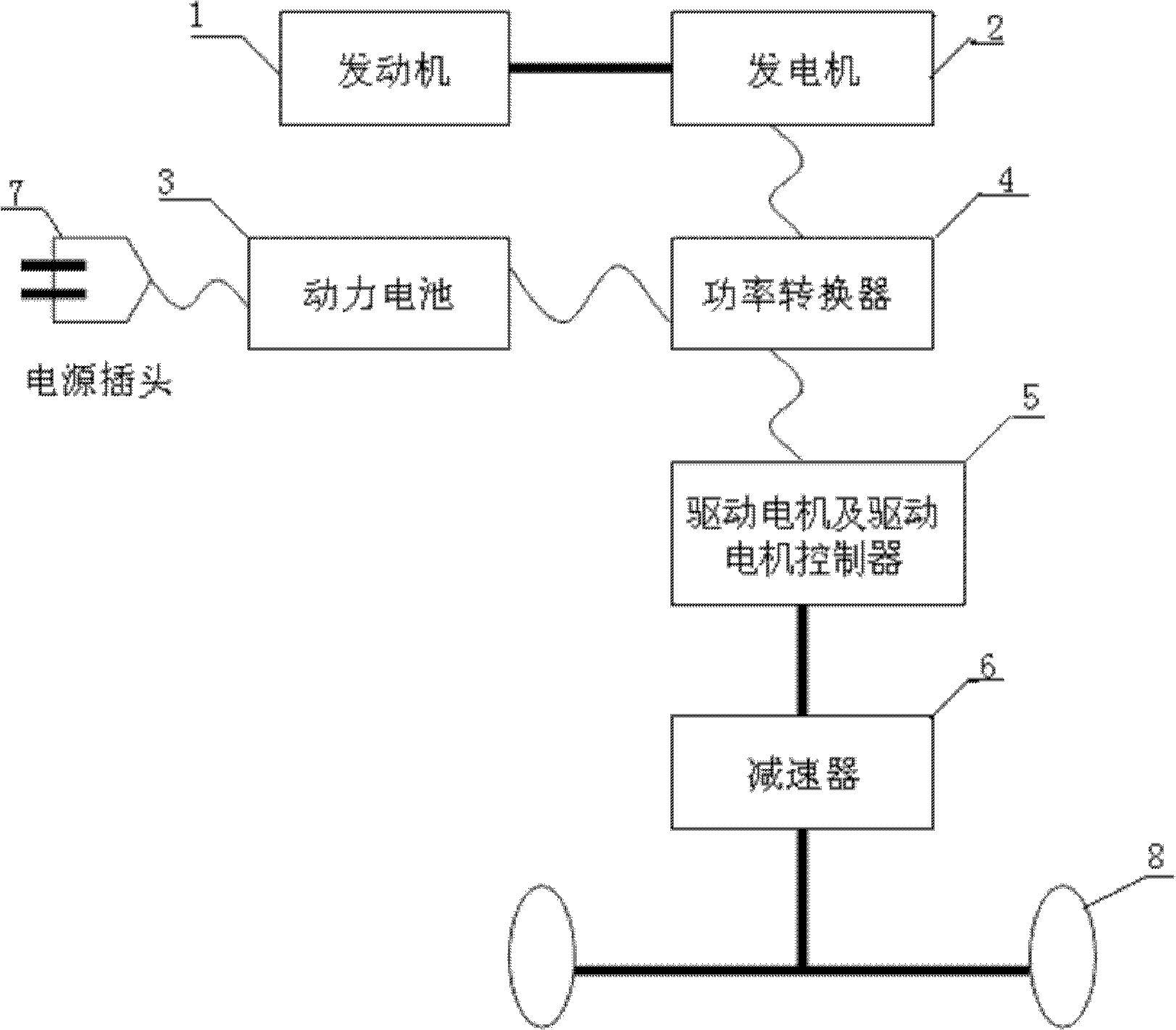
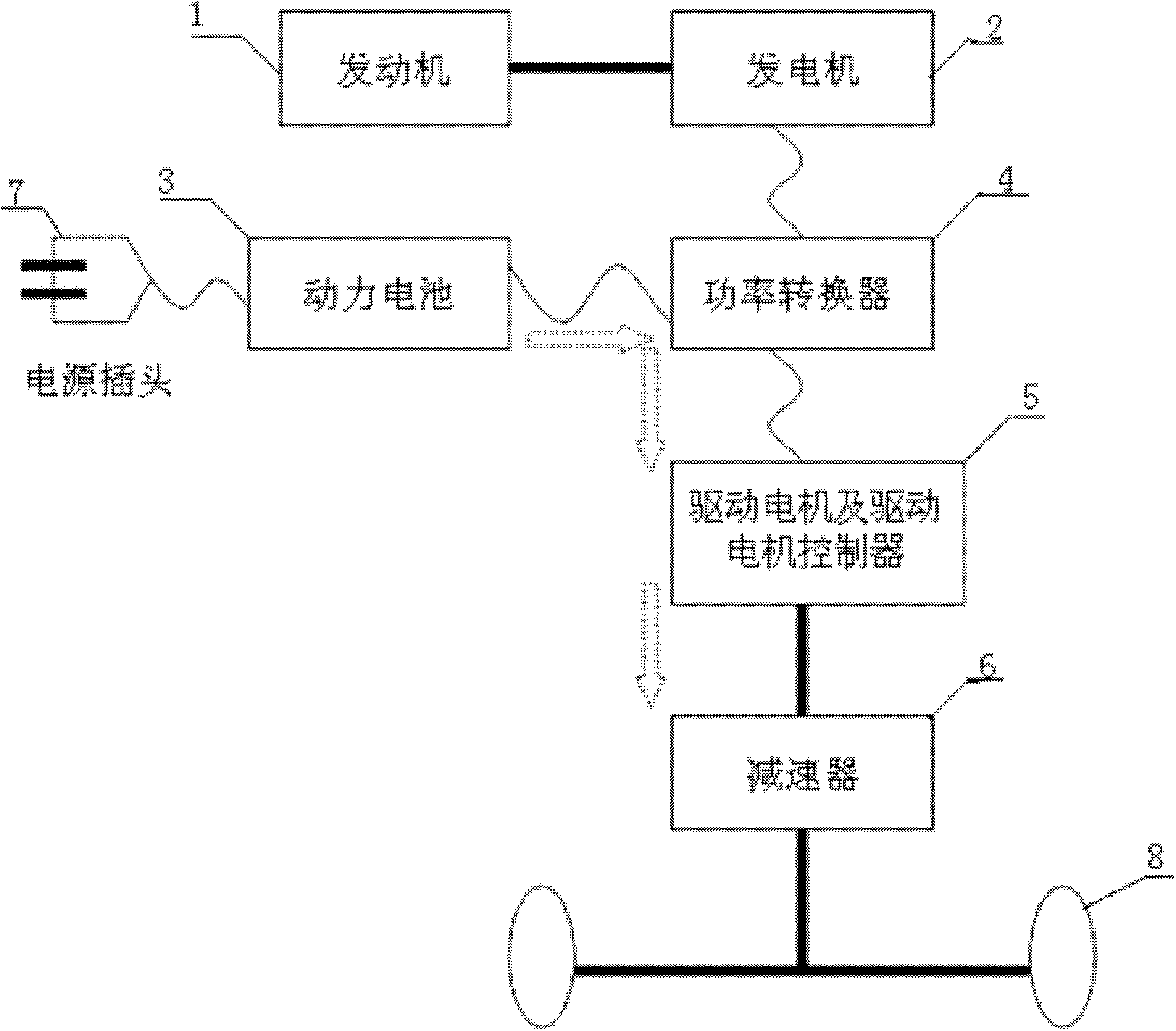
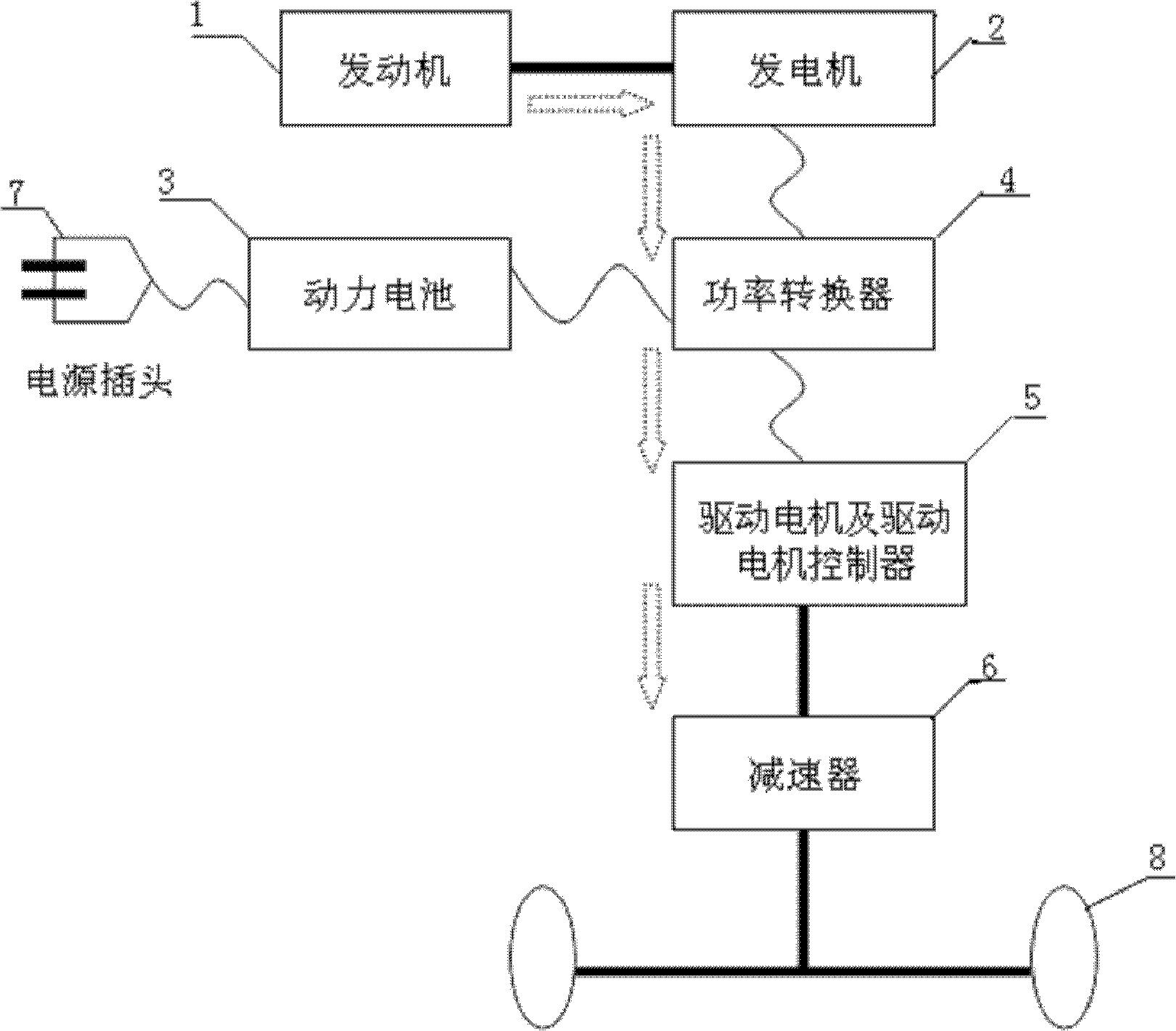
Cost based method for optimizing external PHEV (Plug-in Hybrid Electric Vehicle) power assembly and application thereof
PatentInactiveCN102180169A
Innovation
- By establishing a cost-based optimization method, determine the variables to be optimized and construct a cost objective function equation, and use quadratic programming or matrix partitioning optimization algorithms to optimize the maximum output power of the engine, the maximum output power of the drive motor, the output power of the power battery and the capacity of the power battery pack. , to achieve the lowest cost powertrain design.
Energy Efficiency
Energy efficiency is a critical aspect of PHEV (Plug-in Hybrid Electric Vehicle) computing hardware optimizations. As PHEVs rely on both electric and combustion powertrains, efficient management of energy resources is paramount for maximizing vehicle performance and range. Computing hardware plays a crucial role in this optimization process, requiring careful consideration of power consumption, thermal management, and processing capabilities.
One of the primary focuses in PHEV computing hardware optimization is the development of low-power processors and microcontrollers. These components are designed to handle complex calculations and control algorithms while minimizing energy consumption. Advanced semiconductor technologies, such as FinFET and SOI (Silicon-on-Insulator), are employed to reduce leakage current and improve overall efficiency. Additionally, dynamic voltage and frequency scaling (DVFS) techniques are implemented to adjust processor performance based on workload demands, further conserving energy during less intensive operations.
Efficient memory systems are another key area of optimization. High-speed, low-power memory technologies like LPDDR (Low-Power Double Data Rate) are utilized to reduce energy consumption while maintaining rapid data access. Cache hierarchies are carefully designed to minimize data movement and optimize locality, reducing the need for frequent high-energy memory accesses.
Thermal management is a critical consideration in PHEV computing hardware design. Efficient heat dissipation not only ensures reliable operation but also contributes to overall energy efficiency. Advanced cooling solutions, such as phase-change materials and liquid cooling systems, are employed to maintain optimal operating temperatures while minimizing power consumption associated with traditional cooling methods.
Power management integrated circuits (PMICs) play a vital role in optimizing energy distribution across various vehicle subsystems. These sophisticated components enable fine-grained control over power delivery, allowing for dynamic power gating and voltage regulation based on real-time system requirements. This approach ensures that energy is allocated efficiently, minimizing waste and maximizing the utilization of available power resources.
The integration of specialized hardware accelerators is becoming increasingly important in PHEV computing systems. These purpose-built components, such as neural processing units (NPUs) and digital signal processors (DSPs), offload specific computational tasks from the main processor, significantly improving energy efficiency for operations like sensor data processing, machine learning inference, and power management calculations.
As PHEVs continue to evolve, the focus on energy-efficient computing hardware remains paramount. Ongoing research and development efforts are exploring emerging technologies such as neuromorphic computing and quantum-inspired algorithms to further push the boundaries of energy efficiency in vehicle control systems. These advancements promise to deliver even greater optimizations in power consumption, processing capabilities, and overall vehicle performance in future PHEV generations.
One of the primary focuses in PHEV computing hardware optimization is the development of low-power processors and microcontrollers. These components are designed to handle complex calculations and control algorithms while minimizing energy consumption. Advanced semiconductor technologies, such as FinFET and SOI (Silicon-on-Insulator), are employed to reduce leakage current and improve overall efficiency. Additionally, dynamic voltage and frequency scaling (DVFS) techniques are implemented to adjust processor performance based on workload demands, further conserving energy during less intensive operations.
Efficient memory systems are another key area of optimization. High-speed, low-power memory technologies like LPDDR (Low-Power Double Data Rate) are utilized to reduce energy consumption while maintaining rapid data access. Cache hierarchies are carefully designed to minimize data movement and optimize locality, reducing the need for frequent high-energy memory accesses.
Thermal management is a critical consideration in PHEV computing hardware design. Efficient heat dissipation not only ensures reliable operation but also contributes to overall energy efficiency. Advanced cooling solutions, such as phase-change materials and liquid cooling systems, are employed to maintain optimal operating temperatures while minimizing power consumption associated with traditional cooling methods.
Power management integrated circuits (PMICs) play a vital role in optimizing energy distribution across various vehicle subsystems. These sophisticated components enable fine-grained control over power delivery, allowing for dynamic power gating and voltage regulation based on real-time system requirements. This approach ensures that energy is allocated efficiently, minimizing waste and maximizing the utilization of available power resources.
The integration of specialized hardware accelerators is becoming increasingly important in PHEV computing systems. These purpose-built components, such as neural processing units (NPUs) and digital signal processors (DSPs), offload specific computational tasks from the main processor, significantly improving energy efficiency for operations like sensor data processing, machine learning inference, and power management calculations.
As PHEVs continue to evolve, the focus on energy-efficient computing hardware remains paramount. Ongoing research and development efforts are exploring emerging technologies such as neuromorphic computing and quantum-inspired algorithms to further push the boundaries of energy efficiency in vehicle control systems. These advancements promise to deliver even greater optimizations in power consumption, processing capabilities, and overall vehicle performance in future PHEV generations.
Safety Standards
Safety standards play a crucial role in the development and implementation of computing hardware optimizations for Plug-in Hybrid Electric Vehicles (PHEVs). These standards ensure that the advanced computing systems responsible for efficient operations maintain the highest levels of safety for both vehicle occupants and other road users.
The primary safety standards governing PHEV computing hardware focus on functional safety, electromagnetic compatibility, and cybersecurity. ISO 26262, the international standard for functional safety of electrical and electronic systems in road vehicles, is particularly relevant. It provides a framework for developing safety-critical systems, including those used in PHEVs, and ensures that potential hazards are identified and mitigated throughout the development process.
Electromagnetic compatibility standards, such as CISPR 25 and ISO 7637, are essential for PHEV computing hardware. These standards address the potential for electromagnetic interference between various vehicle systems, which is especially important given the high-voltage components and complex electronic systems in PHEVs.
Cybersecurity standards, including ISO/SAE 21434, have become increasingly important as PHEVs incorporate more connected and autonomous features. These standards provide guidelines for securing vehicle systems against potential cyber threats, ensuring that the computing hardware and software are protected from unauthorized access or manipulation.
Specific to PHEV computing hardware optimizations, safety standards also address thermal management and power distribution. Standards such as ISO 6469-3 provide guidelines for the protection of persons against electric shock, which is crucial when optimizing computing hardware that interfaces with high-voltage systems in PHEVs.
Compliance with these safety standards often requires rigorous testing and validation processes. This includes hardware-in-the-loop (HIL) testing, fault injection testing, and extensive simulation to verify the robustness and reliability of the optimized computing systems under various operating conditions and potential failure scenarios.
As PHEV technology continues to evolve, safety standards are also adapting to address new challenges. For instance, the increasing use of artificial intelligence and machine learning in vehicle control systems has led to discussions about new safety standards specifically tailored to these technologies. These emerging standards aim to ensure that AI-driven optimizations in PHEV computing hardware maintain predictable and safe behavior under all circumstances.
In conclusion, adherence to comprehensive safety standards is paramount in the development of optimized computing hardware for PHEVs. These standards not only ensure the safety and reliability of the vehicles but also contribute to public trust and acceptance of this evolving technology.
The primary safety standards governing PHEV computing hardware focus on functional safety, electromagnetic compatibility, and cybersecurity. ISO 26262, the international standard for functional safety of electrical and electronic systems in road vehicles, is particularly relevant. It provides a framework for developing safety-critical systems, including those used in PHEVs, and ensures that potential hazards are identified and mitigated throughout the development process.
Electromagnetic compatibility standards, such as CISPR 25 and ISO 7637, are essential for PHEV computing hardware. These standards address the potential for electromagnetic interference between various vehicle systems, which is especially important given the high-voltage components and complex electronic systems in PHEVs.
Cybersecurity standards, including ISO/SAE 21434, have become increasingly important as PHEVs incorporate more connected and autonomous features. These standards provide guidelines for securing vehicle systems against potential cyber threats, ensuring that the computing hardware and software are protected from unauthorized access or manipulation.
Specific to PHEV computing hardware optimizations, safety standards also address thermal management and power distribution. Standards such as ISO 6469-3 provide guidelines for the protection of persons against electric shock, which is crucial when optimizing computing hardware that interfaces with high-voltage systems in PHEVs.
Compliance with these safety standards often requires rigorous testing and validation processes. This includes hardware-in-the-loop (HIL) testing, fault injection testing, and extensive simulation to verify the robustness and reliability of the optimized computing systems under various operating conditions and potential failure scenarios.
As PHEV technology continues to evolve, safety standards are also adapting to address new challenges. For instance, the increasing use of artificial intelligence and machine learning in vehicle control systems has led to discussions about new safety standards specifically tailored to these technologies. These emerging standards aim to ensure that AI-driven optimizations in PHEV computing hardware maintain predictable and safe behavior under all circumstances.
In conclusion, adherence to comprehensive safety standards is paramount in the development of optimized computing hardware for PHEVs. These standards not only ensure the safety and reliability of the vehicles but also contribute to public trust and acceptance of this evolving technology.
Unlock deeper insights with PatSnap Eureka Quick Research — get a full tech report to explore trends and direct your research. Try now!
Generate Your Research Report Instantly with AI Agent
Supercharge your innovation with PatSnap Eureka AI Agent Platform!