PHEV role in enhancing intermodal transport efficiency
AUG 14, 20259 MIN READ
Generate Your Research Report Instantly with AI Agent
PatSnap Eureka helps you evaluate technical feasibility & market potential.
PHEV Technology Evolution
The evolution of Plug-in Hybrid Electric Vehicle (PHEV) technology has played a significant role in enhancing intermodal transport efficiency. This technological progression can be traced through several key stages, each marked by notable advancements and innovations.
In the early 2000s, the first generation of PHEVs emerged, characterized by limited electric-only range and basic integration of electric and combustion powertrains. These vehicles primarily focused on reducing fuel consumption in urban environments, with minimal impact on long-distance travel efficiency.
The second generation, spanning from the late 2000s to early 2010s, saw substantial improvements in battery technology and power management systems. This led to increased electric-only range and better integration between electric and combustion modes, allowing for more seamless transitions in various driving conditions. These advancements began to showcase the potential of PHEVs in enhancing intermodal transport efficiency, particularly for short to medium-distance trips.
The third generation, from the mid-2010s onwards, marked a significant leap in PHEV technology. Advanced lithium-ion batteries with higher energy density and improved thermal management systems enabled longer electric-only ranges, often exceeding 50 miles. This development made PHEVs increasingly viable for a wider range of transport scenarios, including urban deliveries and regional logistics.
Concurrently, the evolution of power electronics and intelligent energy management systems allowed for more sophisticated control of power distribution between electric and combustion powertrains. This optimization led to improved fuel efficiency and reduced emissions across various driving conditions, enhancing the overall efficiency of intermodal transport networks.
Recent years have seen the emergence of fourth-generation PHEVs, characterized by even greater electric ranges, fast-charging capabilities, and advanced connectivity features. These vehicles are increasingly integrated with smart grid systems and can participate in vehicle-to-grid (V2G) schemes, potentially contributing to grid stability and energy efficiency in broader transport ecosystems.
The latest developments in PHEV technology also focus on lightweight materials and aerodynamic designs, further improving energy efficiency. Additionally, the integration of artificial intelligence and machine learning algorithms has enabled predictive energy management, optimizing the use of electric and combustion power based on route characteristics, traffic conditions, and even weather forecasts.
As PHEV technology continues to evolve, its role in enhancing intermodal transport efficiency is becoming increasingly prominent. The ability to seamlessly switch between electric and combustion power sources allows these vehicles to adapt to various transport scenarios, from urban last-mile deliveries to long-haul logistics, contributing to a more flexible and efficient intermodal transport system.
In the early 2000s, the first generation of PHEVs emerged, characterized by limited electric-only range and basic integration of electric and combustion powertrains. These vehicles primarily focused on reducing fuel consumption in urban environments, with minimal impact on long-distance travel efficiency.
The second generation, spanning from the late 2000s to early 2010s, saw substantial improvements in battery technology and power management systems. This led to increased electric-only range and better integration between electric and combustion modes, allowing for more seamless transitions in various driving conditions. These advancements began to showcase the potential of PHEVs in enhancing intermodal transport efficiency, particularly for short to medium-distance trips.
The third generation, from the mid-2010s onwards, marked a significant leap in PHEV technology. Advanced lithium-ion batteries with higher energy density and improved thermal management systems enabled longer electric-only ranges, often exceeding 50 miles. This development made PHEVs increasingly viable for a wider range of transport scenarios, including urban deliveries and regional logistics.
Concurrently, the evolution of power electronics and intelligent energy management systems allowed for more sophisticated control of power distribution between electric and combustion powertrains. This optimization led to improved fuel efficiency and reduced emissions across various driving conditions, enhancing the overall efficiency of intermodal transport networks.
Recent years have seen the emergence of fourth-generation PHEVs, characterized by even greater electric ranges, fast-charging capabilities, and advanced connectivity features. These vehicles are increasingly integrated with smart grid systems and can participate in vehicle-to-grid (V2G) schemes, potentially contributing to grid stability and energy efficiency in broader transport ecosystems.
The latest developments in PHEV technology also focus on lightweight materials and aerodynamic designs, further improving energy efficiency. Additionally, the integration of artificial intelligence and machine learning algorithms has enabled predictive energy management, optimizing the use of electric and combustion power based on route characteristics, traffic conditions, and even weather forecasts.
As PHEV technology continues to evolve, its role in enhancing intermodal transport efficiency is becoming increasingly prominent. The ability to seamlessly switch between electric and combustion power sources allows these vehicles to adapt to various transport scenarios, from urban last-mile deliveries to long-haul logistics, contributing to a more flexible and efficient intermodal transport system.
Intermodal Transport Demand
The demand for intermodal transport has been steadily increasing in recent years, driven by globalization, e-commerce growth, and the need for more efficient and sustainable logistics solutions. This trend is particularly evident in developed economies and emerging markets where infrastructure investments are supporting the expansion of intermodal networks.
Intermodal transport, which involves the use of multiple modes of transportation to move goods from origin to destination, offers several advantages over traditional single-mode transport. These benefits include reduced costs, improved efficiency, enhanced reliability, and lower environmental impact. As a result, many businesses are increasingly adopting intermodal solutions to optimize their supply chains and meet growing customer expectations for faster, more flexible delivery options.
The rise of e-commerce has significantly contributed to the demand for intermodal transport. With consumers expecting rapid delivery times and seamless returns processes, retailers and logistics providers are under pressure to develop more agile and responsive supply chain networks. Intermodal transport, with its ability to combine the strengths of different transportation modes, is well-positioned to meet these challenges.
In the context of Plug-in Hybrid Electric Vehicles (PHEVs) and their potential role in enhancing intermodal transport efficiency, there is a growing interest in integrating these vehicles into existing intermodal networks. PHEVs offer a unique combination of electric and conventional propulsion, making them suitable for both short-haul urban deliveries and longer-distance transport between intermodal hubs.
The demand for more sustainable transport solutions is also driving interest in PHEVs within the intermodal sector. As governments and businesses alike seek to reduce their carbon footprint and meet increasingly stringent emissions regulations, PHEVs present an attractive option for "greening" intermodal operations without sacrificing performance or range.
Furthermore, the flexibility of PHEVs aligns well with the diverse requirements of intermodal transport. These vehicles can operate in zero-emission mode for last-mile deliveries in urban areas, switch to hybrid mode for longer distances between intermodal terminals, and utilize conventional fuel when necessary for extended journeys or in areas lacking charging infrastructure.
As the intermodal transport sector continues to evolve, the integration of PHEVs is likely to play an increasingly important role in addressing the growing demand for efficient, flexible, and environmentally friendly logistics solutions. This trend is expected to accelerate as advancements in PHEV technology improve vehicle performance, range, and cost-effectiveness, further enhancing their suitability for intermodal applications.
Intermodal transport, which involves the use of multiple modes of transportation to move goods from origin to destination, offers several advantages over traditional single-mode transport. These benefits include reduced costs, improved efficiency, enhanced reliability, and lower environmental impact. As a result, many businesses are increasingly adopting intermodal solutions to optimize their supply chains and meet growing customer expectations for faster, more flexible delivery options.
The rise of e-commerce has significantly contributed to the demand for intermodal transport. With consumers expecting rapid delivery times and seamless returns processes, retailers and logistics providers are under pressure to develop more agile and responsive supply chain networks. Intermodal transport, with its ability to combine the strengths of different transportation modes, is well-positioned to meet these challenges.
In the context of Plug-in Hybrid Electric Vehicles (PHEVs) and their potential role in enhancing intermodal transport efficiency, there is a growing interest in integrating these vehicles into existing intermodal networks. PHEVs offer a unique combination of electric and conventional propulsion, making them suitable for both short-haul urban deliveries and longer-distance transport between intermodal hubs.
The demand for more sustainable transport solutions is also driving interest in PHEVs within the intermodal sector. As governments and businesses alike seek to reduce their carbon footprint and meet increasingly stringent emissions regulations, PHEVs present an attractive option for "greening" intermodal operations without sacrificing performance or range.
Furthermore, the flexibility of PHEVs aligns well with the diverse requirements of intermodal transport. These vehicles can operate in zero-emission mode for last-mile deliveries in urban areas, switch to hybrid mode for longer distances between intermodal terminals, and utilize conventional fuel when necessary for extended journeys or in areas lacking charging infrastructure.
As the intermodal transport sector continues to evolve, the integration of PHEVs is likely to play an increasingly important role in addressing the growing demand for efficient, flexible, and environmentally friendly logistics solutions. This trend is expected to accelerate as advancements in PHEV technology improve vehicle performance, range, and cost-effectiveness, further enhancing their suitability for intermodal applications.
PHEV Integration Challenges
The integration of Plug-in Hybrid Electric Vehicles (PHEVs) into intermodal transport systems presents several significant challenges that need to be addressed for successful implementation. One of the primary obstacles is the development of adequate charging infrastructure to support PHEVs in various transport modes. This includes not only establishing charging stations at key intermodal transfer points but also ensuring compatibility across different transport systems and vehicle types.
Another major challenge lies in the optimization of energy management systems for PHEVs in intermodal scenarios. The varying energy demands of different transport modes require sophisticated algorithms to balance power distribution between electric and conventional propulsion systems. This becomes particularly complex when considering the diverse operational profiles of intermodal transport, which may involve frequent stops, long-distance travel, and varying load conditions.
The integration of PHEVs also raises concerns about the impact on existing power grids. The increased electricity demand from charging PHEVs, especially during peak hours, could strain local power networks. This necessitates careful planning and coordination with utility companies to upgrade grid infrastructure and implement smart charging strategies to manage load distribution effectively.
Standardization issues pose another significant hurdle in PHEV integration. The lack of uniform standards for charging interfaces, communication protocols, and data exchange across different transport modes and regions can hinder seamless interoperability. Developing and adopting universal standards is crucial for ensuring that PHEVs can operate efficiently across various intermodal transport systems.
Furthermore, the integration of PHEVs into intermodal transport systems requires substantial modifications to existing fleet management practices. This includes adapting maintenance procedures, training personnel on new technologies, and implementing advanced telematics systems to monitor vehicle performance and optimize route planning. The complexity of managing a mixed fleet of conventional and hybrid vehicles adds another layer of challenge for transport operators.
Lastly, the economic viability of PHEV integration remains a significant concern. The higher upfront costs of PHEVs compared to conventional vehicles, coupled with the investments required for charging infrastructure and system upgrades, may present financial barriers for many transport operators. Developing sustainable business models and securing appropriate funding mechanisms are essential for overcoming these economic challenges and facilitating widespread adoption of PHEVs in intermodal transport.
Another major challenge lies in the optimization of energy management systems for PHEVs in intermodal scenarios. The varying energy demands of different transport modes require sophisticated algorithms to balance power distribution between electric and conventional propulsion systems. This becomes particularly complex when considering the diverse operational profiles of intermodal transport, which may involve frequent stops, long-distance travel, and varying load conditions.
The integration of PHEVs also raises concerns about the impact on existing power grids. The increased electricity demand from charging PHEVs, especially during peak hours, could strain local power networks. This necessitates careful planning and coordination with utility companies to upgrade grid infrastructure and implement smart charging strategies to manage load distribution effectively.
Standardization issues pose another significant hurdle in PHEV integration. The lack of uniform standards for charging interfaces, communication protocols, and data exchange across different transport modes and regions can hinder seamless interoperability. Developing and adopting universal standards is crucial for ensuring that PHEVs can operate efficiently across various intermodal transport systems.
Furthermore, the integration of PHEVs into intermodal transport systems requires substantial modifications to existing fleet management practices. This includes adapting maintenance procedures, training personnel on new technologies, and implementing advanced telematics systems to monitor vehicle performance and optimize route planning. The complexity of managing a mixed fleet of conventional and hybrid vehicles adds another layer of challenge for transport operators.
Lastly, the economic viability of PHEV integration remains a significant concern. The higher upfront costs of PHEVs compared to conventional vehicles, coupled with the investments required for charging infrastructure and system upgrades, may present financial barriers for many transport operators. Developing sustainable business models and securing appropriate funding mechanisms are essential for overcoming these economic challenges and facilitating widespread adoption of PHEVs in intermodal transport.
Current PHEV Solutions
01 Energy management systems for PHEVs
Advanced energy management systems are crucial for optimizing PHEV efficiency. These systems intelligently distribute power between the electric motor and internal combustion engine, considering factors such as battery state of charge, driving conditions, and user preferences. By effectively managing energy flow, these systems can significantly improve overall vehicle efficiency and reduce fuel consumption.- Energy management systems for PHEVs: Advanced energy management systems are developed to optimize the efficiency of PHEVs. These systems intelligently control the distribution of power between the electric motor and internal combustion engine, maximizing fuel economy and reducing emissions. They also incorporate predictive algorithms to anticipate driving conditions and adjust power usage accordingly.
- Regenerative braking optimization: Improved regenerative braking systems are designed to enhance energy recovery during deceleration and braking. These systems capture and store more kinetic energy as electrical energy in the battery, increasing overall vehicle efficiency. Advanced control algorithms are used to balance between regenerative and friction braking for optimal energy recovery and driving experience.
- Battery management and charging strategies: Innovative battery management systems are developed to extend battery life and improve charging efficiency. These systems include advanced thermal management, state-of-charge optimization, and intelligent charging strategies. Some solutions incorporate fast-charging capabilities and vehicle-to-grid technologies to enhance overall system efficiency and provide grid support.
- Lightweight materials and aerodynamic design: The use of lightweight materials such as advanced composites and high-strength alloys in PHEV construction reduces overall vehicle weight, improving efficiency. Aerodynamic designs are also implemented to minimize drag and enhance energy efficiency during high-speed driving. These improvements contribute to increased electric range and overall vehicle performance.
- Intelligent driving modes and route optimization: PHEVs are equipped with smart driving modes that automatically switch between electric and hybrid operation based on driving conditions and battery state. Advanced navigation systems with route optimization algorithms are integrated to maximize the use of electric power and minimize fuel consumption. These systems consider factors such as terrain, traffic conditions, and charging station locations.
02 Battery technology and charging strategies
Improvements in battery technology and charging strategies play a vital role in enhancing PHEV efficiency. This includes developing high-capacity batteries with faster charging capabilities, implementing smart charging algorithms, and optimizing battery thermal management. These advancements contribute to increased electric range, reduced charging times, and improved overall energy efficiency of PHEVs.Expand Specific Solutions03 Regenerative braking systems
Regenerative braking systems are essential for recovering and storing energy during deceleration and braking. These systems convert kinetic energy into electrical energy, which is then stored in the battery for later use. By maximizing energy recovery, regenerative braking significantly improves the overall efficiency of PHEVs, particularly in urban driving conditions with frequent stops.Expand Specific Solutions04 Lightweight materials and aerodynamic design
The use of lightweight materials in vehicle construction and improved aerodynamic design contribute to increased PHEV efficiency. By reducing vehicle weight and minimizing air resistance, these innovations help to decrease energy consumption and extend the electric driving range. This approach involves the use of advanced materials and optimized body shapes to enhance overall vehicle performance.Expand Specific Solutions05 Intelligent driving modes and route optimization
Implementing intelligent driving modes and route optimization techniques can significantly improve PHEV efficiency. These systems analyze factors such as traffic conditions, terrain, and distance to select the most efficient driving mode and route. By optimizing the use of electric and combustion power based on real-time data, these technologies help to maximize energy efficiency and reduce overall fuel consumption.Expand Specific Solutions
Key PHEV-Intermodal Players
The PHEV role in enhancing intermodal transport efficiency is in a nascent stage of development, with a growing market potential as the automotive industry shifts towards electrification. The technology's maturity varies among key players, with established automakers like Ford, Hyundai, and Volvo leading the way. Emerging companies such as Turntide Technologies and Chery Automobile are also making strides in this field. The market size is expanding rapidly, driven by increasing demand for sustainable transportation solutions and government incentives for clean energy vehicles. As the technology evolves, we can expect to see more innovative applications of PHEVs in intermodal transport, potentially revolutionizing logistics and urban mobility.
Ford Global Technologies LLC
Technical Solution: Ford's PHEV technology for intermodal transport efficiency focuses on intelligent energy management systems. Their approach integrates real-time traffic data, route information, and vehicle-to-infrastructure (V2I) communication to optimize the use of electric and combustion power [1]. The system predicts optimal power source switching points based on traffic conditions, topography, and available charging infrastructure along the route. Ford has also developed a smart charging strategy that allows PHEVs to charge at intermodal hubs during cargo transfer, minimizing downtime [2]. Additionally, their PHEVs feature regenerative braking systems specifically tuned for heavy-duty applications, maximizing energy recovery during frequent stops in urban delivery scenarios [3].
Strengths: Comprehensive energy management system, integration with intermodal infrastructure, and optimized regenerative braking for commercial applications. Weaknesses: Potential over-reliance on V2I infrastructure, which may not be universally available in all regions.
Hyundai Motor Co., Ltd.
Technical Solution: Hyundai's approach to enhancing intermodal transport efficiency with PHEVs centers on their innovative E-GMP (Electric-Global Modular Platform) architecture, adapted for commercial vehicles. This platform allows for flexible battery configurations and supports bi-directional charging, enabling PHEVs to serve as mobile power sources at intermodal hubs [4]. Hyundai has developed an AI-driven predictive energy management system that learns from historical route data and driver behavior to optimize the balance between electric and combustion power usage [5]. Their PHEVs also feature advanced thermal management systems that maintain optimal battery temperature during various stages of intermodal transport, ensuring consistent performance and longevity [6]. Furthermore, Hyundai has implemented a modular battery swap system for their commercial PHEVs, allowing for quick energy replenishment at intermodal transfer points.
Strengths: Versatile E-GMP platform, AI-driven energy optimization, and innovative battery swap capability. Weaknesses: The modular battery swap system may require significant infrastructure investment at intermodal hubs.
PHEV-Intermodal Innovations
Cost based method for optimizing external PHEV (Plug-in Hybrid Electric Vehicle) power assembly and application thereof
PatentInactiveCN102180169A
Innovation
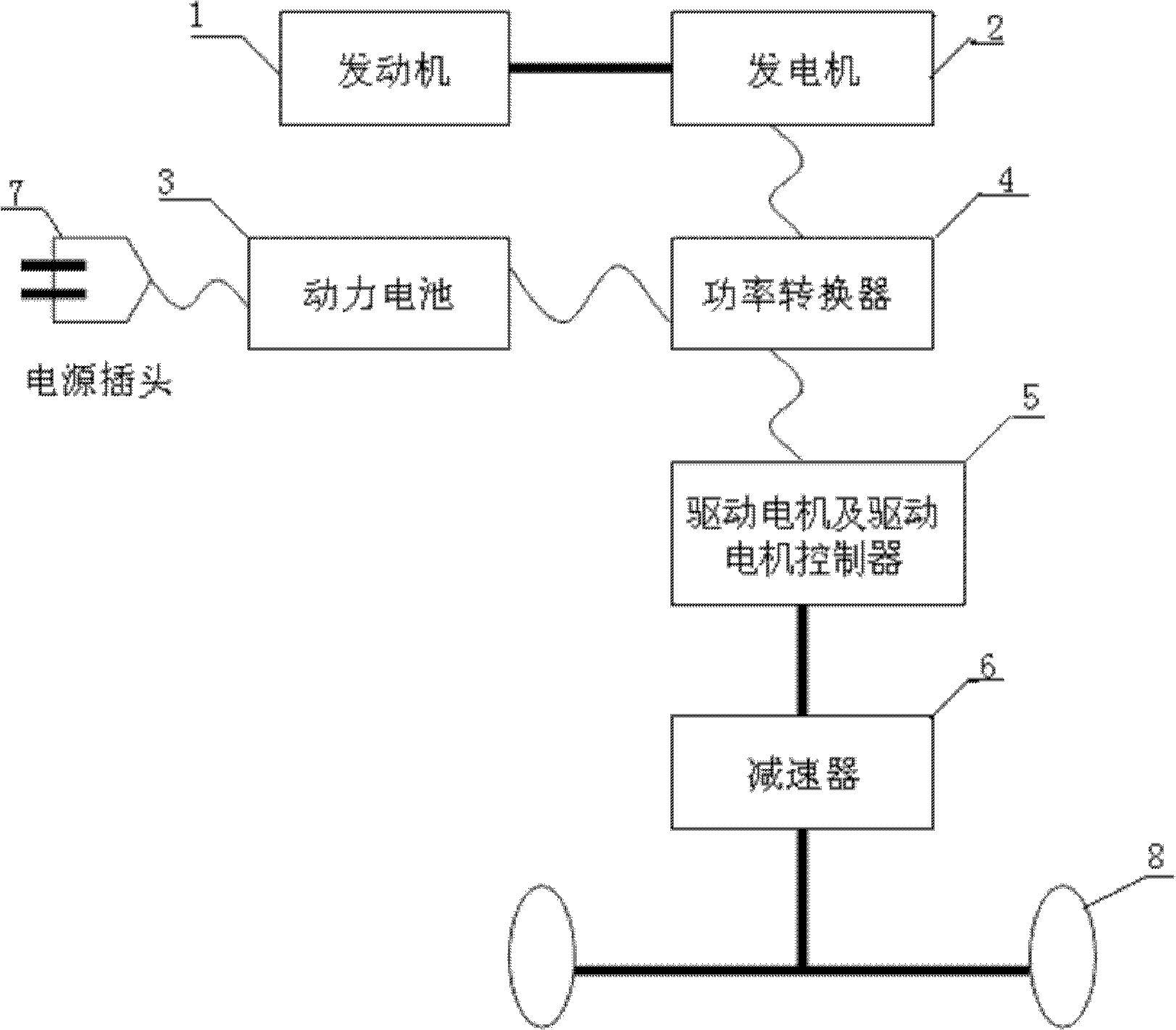
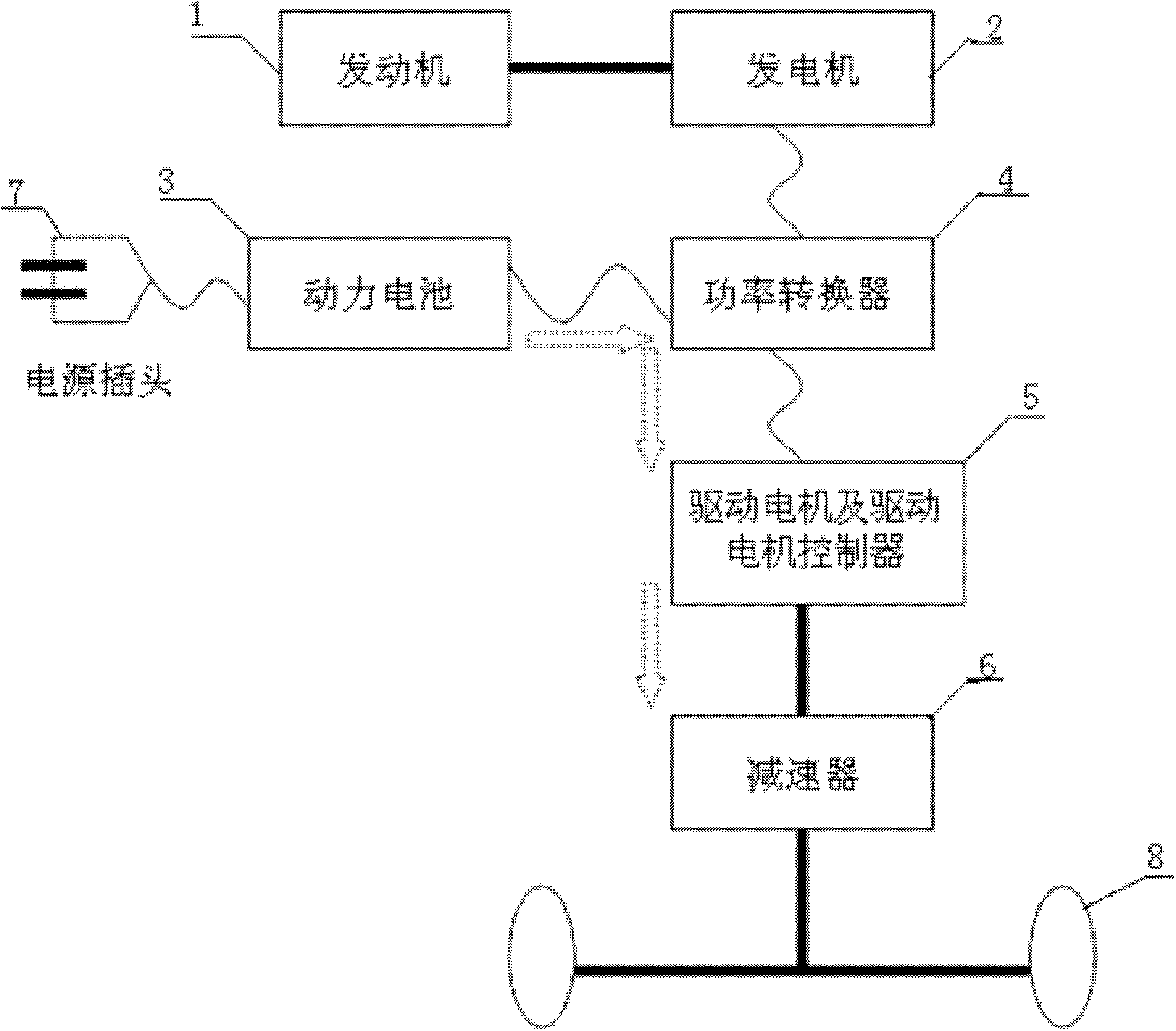
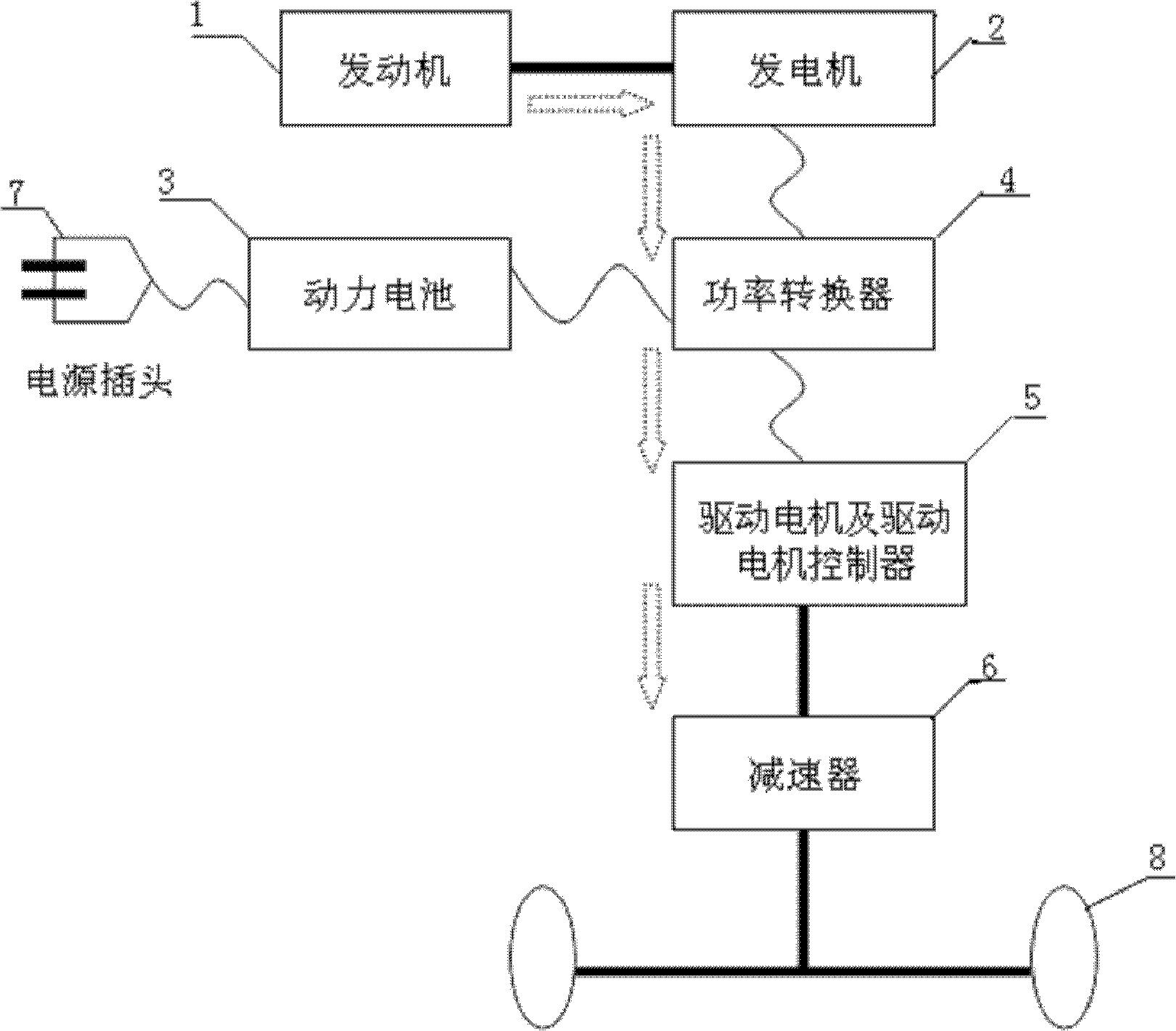
- By establishing a cost-based optimization method, determine the variables to be optimized and construct a cost objective function equation, and use quadratic programming or matrix partitioning optimization algorithms to optimize the maximum output power of the engine, the maximum output power of the drive motor, the output power of the power battery and the capacity of the power battery pack. , to achieve the lowest cost powertrain design.
Environmental Impact
The integration of Plug-in Hybrid Electric Vehicles (PHEVs) in intermodal transport systems presents significant environmental benefits. PHEVs offer a unique combination of electric and conventional propulsion, allowing for reduced emissions and improved fuel efficiency in various transport scenarios. In urban areas, PHEVs can operate in pure electric mode, effectively eliminating tailpipe emissions and reducing noise pollution. This is particularly advantageous in congested city centers and environmentally sensitive zones.
When transitioning to longer-distance travel, PHEVs seamlessly switch to hybrid mode, optimizing fuel consumption and maintaining lower emission levels compared to conventional vehicles. This flexibility makes PHEVs well-suited for intermodal transport, where vehicles may need to navigate both urban and highway environments. The reduced carbon footprint of PHEVs contributes to lowering overall greenhouse gas emissions in the transport sector, a critical factor in addressing climate change concerns.
Furthermore, the integration of PHEVs in intermodal transport systems can lead to improved air quality, especially in urban areas where air pollution from traditional vehicles is a significant health concern. The reduction in particulate matter and nitrogen oxide emissions associated with PHEV use can have positive impacts on public health and environmental quality.
The environmental benefits of PHEVs extend beyond direct emissions reductions. Their ability to utilize renewable energy sources when charging further enhances their environmental credentials. As power grids increasingly incorporate renewable energy, the environmental impact of PHEVs in intermodal transport continues to improve. This synergy between clean energy production and clean transportation creates a multiplier effect in reducing overall environmental impact.
However, it is important to consider the full lifecycle environmental impact of PHEVs, including battery production and disposal. While the operational phase of PHEVs offers clear environmental advantages, the manufacturing process, particularly battery production, can have significant environmental implications. Ongoing advancements in battery technology and recycling processes are crucial to mitigating these concerns and further improving the overall environmental profile of PHEVs in intermodal transport systems.
In conclusion, the role of PHEVs in enhancing intermodal transport efficiency offers substantial environmental benefits, including reduced emissions, improved air quality, and the potential for integration with renewable energy sources. These advantages position PHEVs as a key component in the transition towards more sustainable and environmentally friendly transport systems.
When transitioning to longer-distance travel, PHEVs seamlessly switch to hybrid mode, optimizing fuel consumption and maintaining lower emission levels compared to conventional vehicles. This flexibility makes PHEVs well-suited for intermodal transport, where vehicles may need to navigate both urban and highway environments. The reduced carbon footprint of PHEVs contributes to lowering overall greenhouse gas emissions in the transport sector, a critical factor in addressing climate change concerns.
Furthermore, the integration of PHEVs in intermodal transport systems can lead to improved air quality, especially in urban areas where air pollution from traditional vehicles is a significant health concern. The reduction in particulate matter and nitrogen oxide emissions associated with PHEV use can have positive impacts on public health and environmental quality.
The environmental benefits of PHEVs extend beyond direct emissions reductions. Their ability to utilize renewable energy sources when charging further enhances their environmental credentials. As power grids increasingly incorporate renewable energy, the environmental impact of PHEVs in intermodal transport continues to improve. This synergy between clean energy production and clean transportation creates a multiplier effect in reducing overall environmental impact.
However, it is important to consider the full lifecycle environmental impact of PHEVs, including battery production and disposal. While the operational phase of PHEVs offers clear environmental advantages, the manufacturing process, particularly battery production, can have significant environmental implications. Ongoing advancements in battery technology and recycling processes are crucial to mitigating these concerns and further improving the overall environmental profile of PHEVs in intermodal transport systems.
In conclusion, the role of PHEVs in enhancing intermodal transport efficiency offers substantial environmental benefits, including reduced emissions, improved air quality, and the potential for integration with renewable energy sources. These advantages position PHEVs as a key component in the transition towards more sustainable and environmentally friendly transport systems.
Policy and Regulations
The regulatory landscape surrounding Plug-in Hybrid Electric Vehicles (PHEVs) in intermodal transport is evolving rapidly to address the unique challenges and opportunities presented by this technology. Governments worldwide are implementing policies to encourage the adoption of PHEVs in logistics and transportation sectors, recognizing their potential to enhance efficiency and reduce environmental impact.
Many countries have introduced financial incentives to promote PHEV adoption in commercial fleets. These include tax credits, grants, and subsidies for purchasing PHEVs, as well as reduced road tolls and parking fees. Such measures aim to offset the higher initial costs of PHEVs compared to conventional vehicles, making them more attractive to transport companies.
Emissions regulations are also playing a crucial role in driving PHEV adoption. Stricter emission standards for commercial vehicles are being implemented in various regions, with PHEVs offering a viable solution for companies to meet these requirements. Some cities have established low-emission zones where only electric or hybrid vehicles are permitted, further incentivizing the use of PHEVs in urban logistics.
Infrastructure development is another key focus of policy efforts. Governments are investing in charging infrastructure along major transport routes and at intermodal hubs to support the operation of PHEVs in long-distance transport. Regulations are being put in place to standardize charging technologies and ensure interoperability across different regions and vehicle types.
Policy makers are also addressing the integration of PHEVs into existing transport systems. This includes regulations on vehicle-to-grid (V2G) technology, allowing PHEVs to contribute to grid stability and energy storage. Additionally, policies are being developed to facilitate the use of PHEVs in multimodal transport chains, such as standardized protocols for data exchange between vehicles and logistics systems.
However, the regulatory landscape is not without challenges. There is a need for harmonization of policies across different jurisdictions to ensure seamless operation of PHEVs in cross-border transport. Additionally, regulations must balance the promotion of PHEV technology with fair competition and technological neutrality.
As the technology matures, policies are likely to shift from broad incentives to more targeted measures that optimize the use of PHEVs in specific transport scenarios. This may include regulations that encourage the use of PHEVs for last-mile delivery in urban areas or for specific cargo types where their efficiency advantages are most pronounced.
Many countries have introduced financial incentives to promote PHEV adoption in commercial fleets. These include tax credits, grants, and subsidies for purchasing PHEVs, as well as reduced road tolls and parking fees. Such measures aim to offset the higher initial costs of PHEVs compared to conventional vehicles, making them more attractive to transport companies.
Emissions regulations are also playing a crucial role in driving PHEV adoption. Stricter emission standards for commercial vehicles are being implemented in various regions, with PHEVs offering a viable solution for companies to meet these requirements. Some cities have established low-emission zones where only electric or hybrid vehicles are permitted, further incentivizing the use of PHEVs in urban logistics.
Infrastructure development is another key focus of policy efforts. Governments are investing in charging infrastructure along major transport routes and at intermodal hubs to support the operation of PHEVs in long-distance transport. Regulations are being put in place to standardize charging technologies and ensure interoperability across different regions and vehicle types.
Policy makers are also addressing the integration of PHEVs into existing transport systems. This includes regulations on vehicle-to-grid (V2G) technology, allowing PHEVs to contribute to grid stability and energy storage. Additionally, policies are being developed to facilitate the use of PHEVs in multimodal transport chains, such as standardized protocols for data exchange between vehicles and logistics systems.
However, the regulatory landscape is not without challenges. There is a need for harmonization of policies across different jurisdictions to ensure seamless operation of PHEVs in cross-border transport. Additionally, regulations must balance the promotion of PHEV technology with fair competition and technological neutrality.
As the technology matures, policies are likely to shift from broad incentives to more targeted measures that optimize the use of PHEVs in specific transport scenarios. This may include regulations that encourage the use of PHEVs for last-mile delivery in urban areas or for specific cargo types where their efficiency advantages are most pronounced.
Unlock deeper insights with PatSnap Eureka Quick Research — get a full tech report to explore trends and direct your research. Try now!
Generate Your Research Report Instantly with AI Agent
Supercharge your innovation with PatSnap Eureka AI Agent Platform!