
PMMA Development in Emerging Automotive Technologies
AUG 7, 20259 MIN READ
Generate Your Research Report Instantly with AI Agent
Patsnap Eureka helps you evaluate technical feasibility & market potential.
PMMA Automotive Evolution
Polymethyl methacrylate (PMMA), commonly known as acrylic or plexiglass, has undergone significant evolution in its automotive applications over the past decades. Initially introduced in the 1930s, PMMA's journey in the automotive industry began with its use in simple components such as taillights and instrument panel covers.
The 1960s and 1970s marked a pivotal era for PMMA in automotive design. As vehicle aesthetics gained importance, PMMA's optical clarity and moldability made it an ideal material for innovative lighting solutions. This period saw the widespread adoption of PMMA in headlamp lenses, significantly improving light transmission and durability compared to glass alternatives.
The 1980s and 1990s witnessed PMMA's expansion into larger automotive components. Its lightweight properties and impact resistance led to its use in panoramic roofs and rear windows, particularly in sports cars and luxury vehicles. This trend aligned with the automotive industry's growing focus on fuel efficiency and aerodynamic design.
The turn of the millennium brought about a new phase in PMMA's automotive evolution. Advanced manufacturing techniques enabled the production of complex, multi-functional PMMA parts. Integrated lighting systems, combining PMMA with LED technology, became increasingly common, allowing for more creative and energy-efficient lighting designs.
In recent years, PMMA has found new applications in the realm of autonomous and electric vehicles. Its compatibility with various sensors and its ability to be molded into aerodynamic shapes have made it a crucial material in the development of LiDAR housings and streamlined body panels for electric vehicles.
The latest frontier for PMMA in automotive applications involves smart surfaces and integrated displays. PMMA's optical properties make it an excellent substrate for heads-up displays and touch-sensitive interfaces, aligning with the trend towards more connected and interactive vehicle interiors.
Looking ahead, the evolution of PMMA in automotive technologies is likely to continue, driven by advancements in material science and changing vehicle design paradigms. Research into self-healing PMMA variants and enhanced impact resistance formulations promises to further expand its applications in future automotive designs, particularly in the context of safety and durability for electric and autonomous vehicles.
The 1960s and 1970s marked a pivotal era for PMMA in automotive design. As vehicle aesthetics gained importance, PMMA's optical clarity and moldability made it an ideal material for innovative lighting solutions. This period saw the widespread adoption of PMMA in headlamp lenses, significantly improving light transmission and durability compared to glass alternatives.
The 1980s and 1990s witnessed PMMA's expansion into larger automotive components. Its lightweight properties and impact resistance led to its use in panoramic roofs and rear windows, particularly in sports cars and luxury vehicles. This trend aligned with the automotive industry's growing focus on fuel efficiency and aerodynamic design.
The turn of the millennium brought about a new phase in PMMA's automotive evolution. Advanced manufacturing techniques enabled the production of complex, multi-functional PMMA parts. Integrated lighting systems, combining PMMA with LED technology, became increasingly common, allowing for more creative and energy-efficient lighting designs.
In recent years, PMMA has found new applications in the realm of autonomous and electric vehicles. Its compatibility with various sensors and its ability to be molded into aerodynamic shapes have made it a crucial material in the development of LiDAR housings and streamlined body panels for electric vehicles.
The latest frontier for PMMA in automotive applications involves smart surfaces and integrated displays. PMMA's optical properties make it an excellent substrate for heads-up displays and touch-sensitive interfaces, aligning with the trend towards more connected and interactive vehicle interiors.
Looking ahead, the evolution of PMMA in automotive technologies is likely to continue, driven by advancements in material science and changing vehicle design paradigms. Research into self-healing PMMA variants and enhanced impact resistance formulations promises to further expand its applications in future automotive designs, particularly in the context of safety and durability for electric and autonomous vehicles.
Market Demand Analysis
The automotive industry is experiencing a significant shift towards emerging technologies, driving a growing demand for advanced materials like PMMA (Polymethyl Methacrylate). As vehicle designs evolve to incorporate more lightweight materials, enhanced safety features, and improved aesthetics, PMMA has emerged as a versatile solution meeting these diverse needs.
In the realm of electric and autonomous vehicles, PMMA's unique properties make it particularly valuable. The material's exceptional optical clarity and weather resistance make it ideal for sensor covers and light guides, critical components in advanced driver assistance systems (ADAS) and autonomous driving technologies. This application alone is expected to drive substantial market growth as the adoption of these vehicles accelerates globally.
The trend towards larger, more complex automotive displays and infotainment systems also fuels the demand for PMMA. Its scratch resistance, UV stability, and ability to be molded into various shapes make it an excellent choice for touchscreens, instrument clusters, and heads-up displays. As consumers increasingly prioritize connectivity and in-vehicle technology, this segment of the PMMA market is poised for significant expansion.
Lightweighting remains a key focus in automotive design, driven by the need for improved fuel efficiency and extended range in electric vehicles. PMMA's low density compared to glass makes it an attractive alternative for windows, sunroofs, and other traditionally glass components. This shift not only reduces vehicle weight but also offers enhanced design flexibility and improved safety performance in the event of a collision.
The automotive lighting sector represents another substantial growth area for PMMA. As LED and OLED technologies become more prevalent in vehicle lighting systems, PMMA's optical properties and formability make it an ideal material for creating complex lens designs and light guides. This trend extends beyond functional lighting to include ambient and decorative lighting, further expanding the material's application scope.
Environmental concerns and sustainability initiatives are also influencing market demand. PMMA's recyclability and potential for use in closed-loop systems align well with automakers' increasing focus on sustainable materials and manufacturing processes. This aspect is likely to become increasingly important as regulatory pressures and consumer preferences continue to emphasize environmental responsibility.
While precise market size predictions vary, industry analysts consistently project robust growth for PMMA in automotive applications over the next decade. Factors such as increasing vehicle production, particularly in emerging markets, and the rising content of plastics per vehicle are expected to drive this growth. Additionally, ongoing research and development efforts aimed at enhancing PMMA's properties and processing techniques are likely to open up new application possibilities, further expanding its market potential in the automotive sector.
In the realm of electric and autonomous vehicles, PMMA's unique properties make it particularly valuable. The material's exceptional optical clarity and weather resistance make it ideal for sensor covers and light guides, critical components in advanced driver assistance systems (ADAS) and autonomous driving technologies. This application alone is expected to drive substantial market growth as the adoption of these vehicles accelerates globally.
The trend towards larger, more complex automotive displays and infotainment systems also fuels the demand for PMMA. Its scratch resistance, UV stability, and ability to be molded into various shapes make it an excellent choice for touchscreens, instrument clusters, and heads-up displays. As consumers increasingly prioritize connectivity and in-vehicle technology, this segment of the PMMA market is poised for significant expansion.
Lightweighting remains a key focus in automotive design, driven by the need for improved fuel efficiency and extended range in electric vehicles. PMMA's low density compared to glass makes it an attractive alternative for windows, sunroofs, and other traditionally glass components. This shift not only reduces vehicle weight but also offers enhanced design flexibility and improved safety performance in the event of a collision.
The automotive lighting sector represents another substantial growth area for PMMA. As LED and OLED technologies become more prevalent in vehicle lighting systems, PMMA's optical properties and formability make it an ideal material for creating complex lens designs and light guides. This trend extends beyond functional lighting to include ambient and decorative lighting, further expanding the material's application scope.
Environmental concerns and sustainability initiatives are also influencing market demand. PMMA's recyclability and potential for use in closed-loop systems align well with automakers' increasing focus on sustainable materials and manufacturing processes. This aspect is likely to become increasingly important as regulatory pressures and consumer preferences continue to emphasize environmental responsibility.
While precise market size predictions vary, industry analysts consistently project robust growth for PMMA in automotive applications over the next decade. Factors such as increasing vehicle production, particularly in emerging markets, and the rising content of plastics per vehicle are expected to drive this growth. Additionally, ongoing research and development efforts aimed at enhancing PMMA's properties and processing techniques are likely to open up new application possibilities, further expanding its market potential in the automotive sector.
Technical Challenges
The development of PMMA (Polymethyl Methacrylate) in emerging automotive technologies faces several significant technical challenges. One of the primary obstacles is enhancing the material's impact resistance and toughness without compromising its optical clarity. As vehicles increasingly incorporate advanced lighting systems and transparent components, PMMA's brittleness becomes a critical concern, particularly in safety-critical applications.
Another major challenge lies in improving PMMA's heat resistance and dimensional stability. With the trend towards electrification and the integration of more electronic components in vehicles, the thermal environment within automobiles is becoming more demanding. PMMA's relatively low glass transition temperature and high coefficient of thermal expansion can lead to warping, distortion, or even failure of components under prolonged exposure to heat.
The automotive industry's push for lightweight materials to improve fuel efficiency and reduce emissions presents another hurdle for PMMA development. While PMMA is already lighter than glass, further weight reduction without sacrificing mechanical properties remains a significant challenge. This is particularly crucial as automakers seek to balance performance with stringent environmental regulations.
Weatherability and long-term durability pose additional technical challenges. PMMA components in automotive applications are exposed to harsh environmental conditions, including UV radiation, temperature fluctuations, and chemical exposure from cleaning agents and road contaminants. Developing PMMA formulations that maintain optical and mechanical properties over the vehicle's lifespan is a complex task requiring extensive research and testing.
The integration of smart features into PMMA components, such as embedded sensors or display capabilities, presents a new frontier of technical challenges. Ensuring compatibility between PMMA and various electronic components while maintaining the material's core properties demands innovative approaches in material science and manufacturing processes.
Recyclability and sustainability are becoming increasingly important in the automotive industry. Developing PMMA formulations that can be easily recycled or biodegraded without losing their high-performance characteristics is a significant technical challenge. This involves not only material innovation but also the development of efficient recycling processes specific to automotive-grade PMMA.
Lastly, the challenge of cost-effective production at scale cannot be overlooked. As PMMA finds more applications in automotive design, developing manufacturing processes that can produce high-quality, complex PMMA components efficiently and economically becomes crucial. This includes addressing issues related to mold design, cycle times, and post-processing techniques to ensure PMMA can compete with traditional materials in terms of both performance and cost.
Another major challenge lies in improving PMMA's heat resistance and dimensional stability. With the trend towards electrification and the integration of more electronic components in vehicles, the thermal environment within automobiles is becoming more demanding. PMMA's relatively low glass transition temperature and high coefficient of thermal expansion can lead to warping, distortion, or even failure of components under prolonged exposure to heat.
The automotive industry's push for lightweight materials to improve fuel efficiency and reduce emissions presents another hurdle for PMMA development. While PMMA is already lighter than glass, further weight reduction without sacrificing mechanical properties remains a significant challenge. This is particularly crucial as automakers seek to balance performance with stringent environmental regulations.
Weatherability and long-term durability pose additional technical challenges. PMMA components in automotive applications are exposed to harsh environmental conditions, including UV radiation, temperature fluctuations, and chemical exposure from cleaning agents and road contaminants. Developing PMMA formulations that maintain optical and mechanical properties over the vehicle's lifespan is a complex task requiring extensive research and testing.
The integration of smart features into PMMA components, such as embedded sensors or display capabilities, presents a new frontier of technical challenges. Ensuring compatibility between PMMA and various electronic components while maintaining the material's core properties demands innovative approaches in material science and manufacturing processes.
Recyclability and sustainability are becoming increasingly important in the automotive industry. Developing PMMA formulations that can be easily recycled or biodegraded without losing their high-performance characteristics is a significant technical challenge. This involves not only material innovation but also the development of efficient recycling processes specific to automotive-grade PMMA.
Lastly, the challenge of cost-effective production at scale cannot be overlooked. As PMMA finds more applications in automotive design, developing manufacturing processes that can produce high-quality, complex PMMA components efficiently and economically becomes crucial. This includes addressing issues related to mold design, cycle times, and post-processing techniques to ensure PMMA can compete with traditional materials in terms of both performance and cost.
Current PMMA Solutions
01 Composition and synthesis of PMMA
PMMA is a synthetic polymer of methyl methacrylate. Various methods and compositions are used to synthesize PMMA with specific properties, including different polymerization techniques and the incorporation of additives to enhance its characteristics.- PMMA-based composite materials: PMMA is used as a base material in various composite formulations. These composites often incorporate other materials to enhance specific properties such as strength, durability, or functionality. The resulting materials find applications in diverse fields including optics, electronics, and construction.
- PMMA in optical applications: PMMA is widely used in optical applications due to its excellent light transmission properties and ease of processing. It is employed in the manufacture of lenses, light guides, and other optical components. Modifications to PMMA can enhance its performance in specific optical applications.
- PMMA-based coatings and films: PMMA is utilized in the development of various coatings and films. These applications take advantage of PMMA's transparency, weather resistance, and adhesion properties. The coatings and films can be tailored for specific uses such as protective layers or functional surfaces.
- PMMA in medical and dental applications: PMMA finds extensive use in medical and dental fields due to its biocompatibility and moldability. It is used in the production of dental prosthetics, bone cements, and various medical devices. Modifications to PMMA can enhance its suitability for specific medical applications.
- PMMA processing and modification techniques: Various techniques are employed to process and modify PMMA to enhance its properties or tailor it for specific applications. These may include blending with other polymers, incorporation of additives, or surface treatments. Such modifications can improve characteristics like impact resistance, thermal stability, or surface properties.
02 Applications of PMMA in optical devices
PMMA is widely used in optical applications due to its transparency and light transmission properties. It is utilized in the production of lenses, optical fibers, and other optical components, often with specific modifications to enhance its performance in these applications.Expand Specific Solutions03 PMMA in biomedical applications
PMMA has various biomedical applications due to its biocompatibility and mechanical properties. It is used in dental prosthetics, bone cements, and other medical devices. Research focuses on improving its properties for specific medical uses.Expand Specific Solutions04 PMMA-based composites and blends
PMMA is often combined with other materials to create composites or blends with enhanced properties. These combinations can improve mechanical strength, thermal stability, or introduce new functionalities to the material for various industrial applications.Expand Specific Solutions05 Surface modification and coating of PMMA
Various techniques are employed to modify the surface of PMMA or use it as a coating material. These modifications can enhance properties such as adhesion, wear resistance, or introduce specific functionalities for applications in electronics, automotive, or consumer products.Expand Specific Solutions
Key Industry Players
The PMMA development in emerging automotive technologies is in a growth phase, driven by increasing demand for lightweight and high-performance materials in the automotive sector. The market size is expanding, with a projected CAGR of 6-8% over the next five years. Technologically, PMMA is advancing rapidly, with companies like Kingfa Sci. & Tech., Wanhua Chemical, and Shanghai Kumho Sunny Plastics leading innovations in improved impact resistance, weatherability, and optical properties. These advancements are enabling PMMA's wider adoption in automotive applications such as lighting, displays, and exterior components, positioning it as a key material in the industry's shift towards electric and autonomous vehicles.
Kingfa Sci. & Tech. Co., Ltd.
Technical Solution: Kingfa has made significant advancements in PMMA development for automotive applications, focusing on high-performance and sustainable solutions. Their PMMA innovations include grades with enhanced impact resistance and chemical stability, suitable for both interior and exterior automotive parts[13]. Kingfa has also developed PMMA-based composites that offer improved thermal management properties, addressing the increasing demand for materials that can withstand higher temperatures in electric vehicle components[14]. The company has introduced PMMA formulations with advanced weatherability and UV resistance, enabling the production of durable automotive glazing and lighting components that maintain clarity and performance over extended periods[15].
Strengths: Diverse product portfolio, strong presence in the Asian automotive market, and growing focus on sustainable materials. Weaknesses: Limited global brand recognition compared to some international competitors, potential challenges in meeting rapidly evolving automotive industry standards.
Wanhua Chemical Group Co., Ltd.
Technical Solution: Wanhua Chemical has made significant progress in PMMA development for automotive applications, focusing on high-performance and cost-effective solutions. Their PMMA innovations include grades with improved impact resistance and weatherability, suitable for exterior automotive parts such as light covers and grilles[7]. Wanhua has also developed PMMA-based composites that offer reduced weight and enhanced thermal stability, addressing the growing demand for lightweight materials in electric vehicles[8]. The company's research efforts have resulted in PMMA formulations with advanced optical properties, enabling the production of large, complex automotive glazing components with minimal distortion[9].
Strengths: Strong domestic market presence, cost-competitive production, and growing R&D capabilities. Weaknesses: Limited global brand recognition compared to international competitors, potential challenges in meeting stringent international automotive standards.
Core PMMA Technologies
Printable films
PatentWO2022108678A1
Innovation
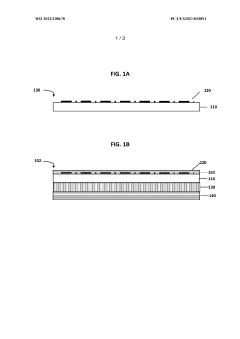
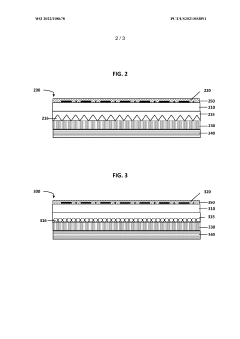
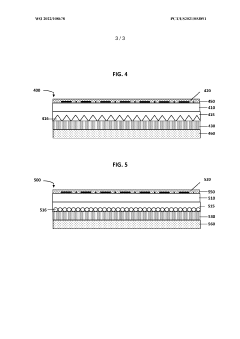
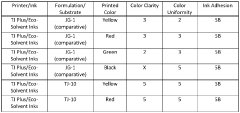
- A composition comprising PMMA and an acrylic copolymer with hard and soft segments, where the soft segments have a glass transition temperature less than 50°C, is used to enhance the print quality by improving ink adhesion and clarity, including the use of a pressure-sensitive adhesive and retroreflective elements in multilayer systems.
Composition with increased stress cracking resistance
PatentInactiveEP2150582A1
Innovation
- A composition comprising 50.0% to 99.5% by weight of at least one (meth)acrylate copolymer and 0.5% to 50.0% by weight of a copolymer obtained from polymerizing a monomer mixture of 70% to 92% vinyl aromatic monomers and 8% to 30% acrylonitrile, with specific properties such as high tensile modulus, Vicat softening point, and impact strength, ensuring excellent thermal stability and optical constancy.
Environmental Impact
The environmental impact of PMMA (Polymethyl Methacrylate) development in emerging automotive technologies is a critical consideration as the industry moves towards more sustainable practices. PMMA, commonly known as acrylic, offers several environmental advantages over traditional materials used in automotive applications.
One of the primary environmental benefits of PMMA is its recyclability. Unlike some other plastics used in automotive manufacturing, PMMA can be easily recycled without significant loss of quality. This characteristic aligns with the automotive industry's increasing focus on circular economy principles, reducing waste and conserving resources. The recycling process for PMMA is relatively energy-efficient, further contributing to its environmental appeal.
PMMA's lightweight properties also contribute to its positive environmental impact in automotive applications. As vehicle manufacturers strive to improve fuel efficiency and reduce emissions, the use of lightweight materials like PMMA becomes increasingly important. By replacing heavier materials with PMMA in components such as windows, lighting systems, and interior panels, vehicles can achieve better fuel economy and lower carbon emissions over their lifecycle.
The durability and longevity of PMMA also play a role in its environmental profile. PMMA components typically have a longer lifespan compared to some alternative materials, reducing the need for frequent replacements and minimizing waste generation. This durability contributes to the overall sustainability of vehicles, extending their useful life and reducing the environmental impact associated with manufacturing replacement parts.
In terms of production, PMMA manufacturing processes have been evolving to become more environmentally friendly. Advancements in production techniques have led to reduced energy consumption and lower emissions during the manufacturing phase. Some PMMA producers are also exploring the use of bio-based feedstocks, which could further reduce the material's carbon footprint and dependence on fossil fuels.
However, it's important to note that PMMA production still involves the use of petrochemicals and energy-intensive processes. While improvements have been made, there is ongoing research to further reduce the environmental impact of PMMA production. This includes exploring alternative synthesis routes, optimizing energy use in manufacturing, and developing more efficient recycling technologies.
The end-of-life management of PMMA in automotive applications is another area of environmental consideration. As vehicles reach the end of their useful life, proper recycling and disposal of PMMA components are crucial to realizing the material's full environmental benefits. The automotive industry is working on improving recycling infrastructure and processes to ensure that PMMA and other recyclable materials are effectively recovered and reused.
One of the primary environmental benefits of PMMA is its recyclability. Unlike some other plastics used in automotive manufacturing, PMMA can be easily recycled without significant loss of quality. This characteristic aligns with the automotive industry's increasing focus on circular economy principles, reducing waste and conserving resources. The recycling process for PMMA is relatively energy-efficient, further contributing to its environmental appeal.
PMMA's lightweight properties also contribute to its positive environmental impact in automotive applications. As vehicle manufacturers strive to improve fuel efficiency and reduce emissions, the use of lightweight materials like PMMA becomes increasingly important. By replacing heavier materials with PMMA in components such as windows, lighting systems, and interior panels, vehicles can achieve better fuel economy and lower carbon emissions over their lifecycle.
The durability and longevity of PMMA also play a role in its environmental profile. PMMA components typically have a longer lifespan compared to some alternative materials, reducing the need for frequent replacements and minimizing waste generation. This durability contributes to the overall sustainability of vehicles, extending their useful life and reducing the environmental impact associated with manufacturing replacement parts.
In terms of production, PMMA manufacturing processes have been evolving to become more environmentally friendly. Advancements in production techniques have led to reduced energy consumption and lower emissions during the manufacturing phase. Some PMMA producers are also exploring the use of bio-based feedstocks, which could further reduce the material's carbon footprint and dependence on fossil fuels.
However, it's important to note that PMMA production still involves the use of petrochemicals and energy-intensive processes. While improvements have been made, there is ongoing research to further reduce the environmental impact of PMMA production. This includes exploring alternative synthesis routes, optimizing energy use in manufacturing, and developing more efficient recycling technologies.
The end-of-life management of PMMA in automotive applications is another area of environmental consideration. As vehicles reach the end of their useful life, proper recycling and disposal of PMMA components are crucial to realizing the material's full environmental benefits. The automotive industry is working on improving recycling infrastructure and processes to ensure that PMMA and other recyclable materials are effectively recovered and reused.
Safety Regulations
Safety regulations play a crucial role in the development and implementation of PMMA (Polymethyl Methacrylate) in emerging automotive technologies. As the automotive industry continues to evolve, incorporating advanced materials like PMMA, regulatory bodies have had to adapt and create new standards to ensure the safety of vehicles and their occupants.
The use of PMMA in automotive applications is subject to a complex web of international, national, and regional safety regulations. These regulations cover various aspects, including impact resistance, optical clarity, weatherability, and fire safety. One of the primary regulatory bodies influencing PMMA usage in automobiles is the United Nations Economic Commission for Europe (UNECE), which has established several regulations pertaining to automotive glazing materials.
UNECE Regulation No. 43, for instance, sets forth specific requirements for safety glazing materials and their installation on vehicles. This regulation includes provisions for PMMA used in windshields, side windows, and other automotive glazing applications. It outlines testing procedures for optical properties, impact resistance, and environmental durability, ensuring that PMMA components meet stringent safety standards.
In the United States, the National Highway Traffic Safety Administration (NHTSA) oversees automotive safety regulations through Federal Motor Vehicle Safety Standards (FMVSS). FMVSS No. 205 specifically addresses glazing materials, including PMMA, and aligns closely with UNECE Regulation No. 43. These standards ensure that PMMA components used in vehicles maintain their integrity during collisions and provide adequate visibility for drivers.
As PMMA finds new applications in emerging automotive technologies, such as heads-up displays and advanced lighting systems, regulatory bodies are working to keep pace with these innovations. For example, the development of PMMA-based transparent displays has prompted discussions on how to regulate these components to prevent driver distraction while maximizing their potential benefits.
Fire safety is another critical aspect of PMMA regulation in automotive applications. Standards such as FMVSS No. 302 in the United States and ECE R118 in Europe set flammability requirements for materials used in vehicle interiors, including PMMA components. These regulations ensure that PMMA parts do not contribute significantly to the spread of fire in the event of a vehicle accident.
The ongoing development of autonomous vehicles has also led to new considerations in safety regulations for PMMA components. As these vehicles rely heavily on sensors and cameras, the optical properties and durability of PMMA materials used in their construction become even more critical. Regulatory bodies are currently working on updating existing standards and developing new ones to address the unique safety requirements of autonomous vehicles.
In conclusion, safety regulations for PMMA in emerging automotive technologies are continuously evolving to keep pace with technological advancements. Manufacturers and developers must stay informed about these changing regulations to ensure compliance and maintain the highest safety standards in their automotive applications of PMMA.
The use of PMMA in automotive applications is subject to a complex web of international, national, and regional safety regulations. These regulations cover various aspects, including impact resistance, optical clarity, weatherability, and fire safety. One of the primary regulatory bodies influencing PMMA usage in automobiles is the United Nations Economic Commission for Europe (UNECE), which has established several regulations pertaining to automotive glazing materials.
UNECE Regulation No. 43, for instance, sets forth specific requirements for safety glazing materials and their installation on vehicles. This regulation includes provisions for PMMA used in windshields, side windows, and other automotive glazing applications. It outlines testing procedures for optical properties, impact resistance, and environmental durability, ensuring that PMMA components meet stringent safety standards.
In the United States, the National Highway Traffic Safety Administration (NHTSA) oversees automotive safety regulations through Federal Motor Vehicle Safety Standards (FMVSS). FMVSS No. 205 specifically addresses glazing materials, including PMMA, and aligns closely with UNECE Regulation No. 43. These standards ensure that PMMA components used in vehicles maintain their integrity during collisions and provide adequate visibility for drivers.
As PMMA finds new applications in emerging automotive technologies, such as heads-up displays and advanced lighting systems, regulatory bodies are working to keep pace with these innovations. For example, the development of PMMA-based transparent displays has prompted discussions on how to regulate these components to prevent driver distraction while maximizing their potential benefits.
Fire safety is another critical aspect of PMMA regulation in automotive applications. Standards such as FMVSS No. 302 in the United States and ECE R118 in Europe set flammability requirements for materials used in vehicle interiors, including PMMA components. These regulations ensure that PMMA parts do not contribute significantly to the spread of fire in the event of a vehicle accident.
The ongoing development of autonomous vehicles has also led to new considerations in safety regulations for PMMA components. As these vehicles rely heavily on sensors and cameras, the optical properties and durability of PMMA materials used in their construction become even more critical. Regulatory bodies are currently working on updating existing standards and developing new ones to address the unique safety requirements of autonomous vehicles.
In conclusion, safety regulations for PMMA in emerging automotive technologies are continuously evolving to keep pace with technological advancements. Manufacturers and developers must stay informed about these changing regulations to ensure compliance and maintain the highest safety standards in their automotive applications of PMMA.
Unlock deeper insights with Patsnap Eureka Quick Research — get a full tech report to explore trends and direct your research. Try now!
Generate Your Research Report Instantly with AI Agent
Supercharge your innovation with Patsnap Eureka AI Agent Platform!