PMMA's Versatility in Aesthetic Interior Designs
AUG 7, 20259 MIN READ
Generate Your Research Report Instantly with AI Agent
PatSnap Eureka helps you evaluate technical feasibility & market potential.
PMMA in Interior Design: Evolution and Objectives
Polymethyl methacrylate (PMMA), commonly known as acrylic or plexiglass, has undergone a remarkable evolution in the field of interior design since its inception in the 1930s. Initially developed as a shatter-resistant alternative to glass, PMMA's journey in aesthetic interior applications has been characterized by continuous innovation and expanding versatility.
The early adoption of PMMA in interior design was primarily focused on its transparency and durability. Designers quickly recognized its potential for creating lightweight, yet robust structures that could transmit light effectively. This led to its use in skylights, partitions, and decorative elements that sought to maximize natural light penetration within interior spaces.
As manufacturing techniques advanced, PMMA's application in interior design expanded dramatically. The ability to mold and shape the material into complex forms opened up new possibilities for creating unique furniture pieces, lighting fixtures, and architectural elements. This period saw PMMA transition from a purely functional material to one that could be manipulated for aesthetic purposes, allowing designers to experiment with form and texture in ways previously unattainable with traditional materials.
The late 20th century marked a significant shift in the perception of PMMA within the design community. Its inherent properties of clarity, weather resistance, and ease of fabrication made it an ideal candidate for both indoor and outdoor applications. Designers began to explore PMMA's potential in creating seamless transitions between interior and exterior spaces, blurring the boundaries between the two.
In recent years, the focus has shifted towards sustainability and technological integration. The development of recycled and bio-based PMMA variants has addressed environmental concerns, making it a more attractive option for eco-conscious designers. Additionally, the integration of smart technologies into PMMA products has opened up new avenues for interactive and responsive design elements within interiors.
The current objectives for PMMA in interior design are multifaceted. There is a strong emphasis on pushing the boundaries of material performance, seeking to enhance its strength, flexibility, and optical properties. Researchers are exploring ways to incorporate advanced functionalities such as self-cleaning surfaces, improved acoustic properties, and enhanced fire resistance, all while maintaining PMMA's core aesthetic appeal.
Another key objective is the development of more sustainable production methods and end-of-life solutions for PMMA products. This includes improving recycling processes and exploring biodegradable alternatives that maintain the material's desirable characteristics. The industry is also focused on reducing the environmental impact of PMMA manufacturing, aiming to create a more circular economy for acrylic products in interior design.
The early adoption of PMMA in interior design was primarily focused on its transparency and durability. Designers quickly recognized its potential for creating lightweight, yet robust structures that could transmit light effectively. This led to its use in skylights, partitions, and decorative elements that sought to maximize natural light penetration within interior spaces.
As manufacturing techniques advanced, PMMA's application in interior design expanded dramatically. The ability to mold and shape the material into complex forms opened up new possibilities for creating unique furniture pieces, lighting fixtures, and architectural elements. This period saw PMMA transition from a purely functional material to one that could be manipulated for aesthetic purposes, allowing designers to experiment with form and texture in ways previously unattainable with traditional materials.
The late 20th century marked a significant shift in the perception of PMMA within the design community. Its inherent properties of clarity, weather resistance, and ease of fabrication made it an ideal candidate for both indoor and outdoor applications. Designers began to explore PMMA's potential in creating seamless transitions between interior and exterior spaces, blurring the boundaries between the two.
In recent years, the focus has shifted towards sustainability and technological integration. The development of recycled and bio-based PMMA variants has addressed environmental concerns, making it a more attractive option for eco-conscious designers. Additionally, the integration of smart technologies into PMMA products has opened up new avenues for interactive and responsive design elements within interiors.
The current objectives for PMMA in interior design are multifaceted. There is a strong emphasis on pushing the boundaries of material performance, seeking to enhance its strength, flexibility, and optical properties. Researchers are exploring ways to incorporate advanced functionalities such as self-cleaning surfaces, improved acoustic properties, and enhanced fire resistance, all while maintaining PMMA's core aesthetic appeal.
Another key objective is the development of more sustainable production methods and end-of-life solutions for PMMA products. This includes improving recycling processes and exploring biodegradable alternatives that maintain the material's desirable characteristics. The industry is also focused on reducing the environmental impact of PMMA manufacturing, aiming to create a more circular economy for acrylic products in interior design.
Market Analysis for PMMA in Aesthetic Interiors
The market for PMMA in aesthetic interior designs has shown significant growth and potential in recent years. This versatile material, also known as acrylic or plexiglass, has gained popularity due to its unique combination of properties that make it ideal for various interior applications.
The global PMMA market size was valued at USD 4.67 billion in 2020 and is expected to expand at a compound annual growth rate (CAGR) of 6.7% from 2021 to 2028. The aesthetic interiors segment is a key driver of this growth, with increasing demand for innovative and visually appealing design solutions in residential, commercial, and hospitality sectors.
In the residential market, PMMA is increasingly used for custom furniture, decorative panels, lighting fixtures, and bathroom accessories. The material's transparency, light weight, and ease of fabrication make it a preferred choice for modern interior designs. The commercial sector, including offices, retail spaces, and restaurants, has also embraced PMMA for its ability to create striking visual elements and functional partitions.
The hospitality industry has been a significant contributor to the demand for PMMA in aesthetic interiors. Hotels, resorts, and entertainment venues are utilizing PMMA for unique design features, such as illuminated bar counters, decorative wall panels, and custom signage. The material's durability and resistance to UV radiation make it suitable for both indoor and outdoor applications in these settings.
Geographically, North America and Europe lead the market for PMMA in aesthetic interiors, driven by high consumer spending on home improvement and a strong focus on innovative design in commercial spaces. However, the Asia-Pacific region is expected to witness the fastest growth, fueled by rapid urbanization, increasing disposable incomes, and a growing appreciation for modern interior aesthetics.
The COVID-19 pandemic has had a mixed impact on the market. While initial disruptions in supply chains and construction activities caused a temporary slowdown, the subsequent increase in home renovation projects and the need for hygienic, easy-to-clean surfaces in public spaces have boosted demand for PMMA-based interior solutions.
Looking ahead, the market for PMMA in aesthetic interiors is poised for continued growth. Factors such as the material's recyclability, aligning with sustainability trends, and ongoing innovations in PMMA formulations to enhance its properties are expected to drive further adoption. Additionally, the integration of smart technologies and the development of customizable, on-demand manufacturing processes for PMMA products are likely to open new opportunities in the aesthetic interiors market.
The global PMMA market size was valued at USD 4.67 billion in 2020 and is expected to expand at a compound annual growth rate (CAGR) of 6.7% from 2021 to 2028. The aesthetic interiors segment is a key driver of this growth, with increasing demand for innovative and visually appealing design solutions in residential, commercial, and hospitality sectors.
In the residential market, PMMA is increasingly used for custom furniture, decorative panels, lighting fixtures, and bathroom accessories. The material's transparency, light weight, and ease of fabrication make it a preferred choice for modern interior designs. The commercial sector, including offices, retail spaces, and restaurants, has also embraced PMMA for its ability to create striking visual elements and functional partitions.
The hospitality industry has been a significant contributor to the demand for PMMA in aesthetic interiors. Hotels, resorts, and entertainment venues are utilizing PMMA for unique design features, such as illuminated bar counters, decorative wall panels, and custom signage. The material's durability and resistance to UV radiation make it suitable for both indoor and outdoor applications in these settings.
Geographically, North America and Europe lead the market for PMMA in aesthetic interiors, driven by high consumer spending on home improvement and a strong focus on innovative design in commercial spaces. However, the Asia-Pacific region is expected to witness the fastest growth, fueled by rapid urbanization, increasing disposable incomes, and a growing appreciation for modern interior aesthetics.
The COVID-19 pandemic has had a mixed impact on the market. While initial disruptions in supply chains and construction activities caused a temporary slowdown, the subsequent increase in home renovation projects and the need for hygienic, easy-to-clean surfaces in public spaces have boosted demand for PMMA-based interior solutions.
Looking ahead, the market for PMMA in aesthetic interiors is poised for continued growth. Factors such as the material's recyclability, aligning with sustainability trends, and ongoing innovations in PMMA formulations to enhance its properties are expected to drive further adoption. Additionally, the integration of smart technologies and the development of customizable, on-demand manufacturing processes for PMMA products are likely to open new opportunities in the aesthetic interiors market.
PMMA Applications and Challenges in Design
PMMA, or polymethyl methacrylate, has emerged as a versatile material in aesthetic interior designs, offering a unique combination of optical clarity, durability, and design flexibility. Its applications in interior design span a wide range of products and features, from furniture and lighting fixtures to decorative panels and architectural elements.
One of the primary applications of PMMA in interior design is in the creation of transparent or translucent furniture pieces. Coffee tables, chairs, and shelving units made from PMMA can create an illusion of space and lightness, making them particularly suitable for small or minimalist interiors. The material's clarity allows designers to experiment with form and structure, creating visually striking pieces that seem to float in space.
Lighting design is another area where PMMA excels. Its excellent light transmission properties make it an ideal material for lampshades, light diffusers, and even light-conducting elements. Designers can create intricate patterns or textures on PMMA surfaces, which come to life when illuminated, adding depth and interest to interior spaces.
In architectural applications, PMMA is used for decorative wall panels, room dividers, and even as a substitute for glass in certain situations. Its lightweight nature and impact resistance make it a safer alternative to glass in areas prone to accidents or in earthquake-prone regions. PMMA can be molded into various shapes and forms, allowing for the creation of unique architectural features that blend seamlessly with other interior elements.
However, the use of PMMA in interior design is not without challenges. One of the primary concerns is its susceptibility to scratching. While more resistant to impact than glass, PMMA can be easily scratched by abrasive materials or improper cleaning methods. This necessitates careful handling and maintenance to preserve its aesthetic appeal over time.
Another challenge lies in the material's thermal properties. PMMA has a relatively low heat resistance compared to other plastics, which can limit its use in certain applications where exposure to high temperatures is expected. This can be particularly problematic in kitchen or bathroom designs where hot surfaces or steam are common.
The environmental impact of PMMA production and disposal is also a growing concern in the design industry. While the material is recyclable, the process is not as straightforward as with other plastics, and not all recycling facilities are equipped to handle PMMA. This poses challenges for designers and manufacturers committed to sustainability and circular design principles.
Despite these challenges, ongoing research and development in PMMA technology continue to expand its potential in interior design. Innovations in scratch-resistant coatings, improved thermal properties, and more efficient recycling processes are addressing many of the current limitations, ensuring that PMMA remains a valuable material in the designer's toolkit for creating aesthetically pleasing and functional interior spaces.
One of the primary applications of PMMA in interior design is in the creation of transparent or translucent furniture pieces. Coffee tables, chairs, and shelving units made from PMMA can create an illusion of space and lightness, making them particularly suitable for small or minimalist interiors. The material's clarity allows designers to experiment with form and structure, creating visually striking pieces that seem to float in space.
Lighting design is another area where PMMA excels. Its excellent light transmission properties make it an ideal material for lampshades, light diffusers, and even light-conducting elements. Designers can create intricate patterns or textures on PMMA surfaces, which come to life when illuminated, adding depth and interest to interior spaces.
In architectural applications, PMMA is used for decorative wall panels, room dividers, and even as a substitute for glass in certain situations. Its lightweight nature and impact resistance make it a safer alternative to glass in areas prone to accidents or in earthquake-prone regions. PMMA can be molded into various shapes and forms, allowing for the creation of unique architectural features that blend seamlessly with other interior elements.
However, the use of PMMA in interior design is not without challenges. One of the primary concerns is its susceptibility to scratching. While more resistant to impact than glass, PMMA can be easily scratched by abrasive materials or improper cleaning methods. This necessitates careful handling and maintenance to preserve its aesthetic appeal over time.
Another challenge lies in the material's thermal properties. PMMA has a relatively low heat resistance compared to other plastics, which can limit its use in certain applications where exposure to high temperatures is expected. This can be particularly problematic in kitchen or bathroom designs where hot surfaces or steam are common.
The environmental impact of PMMA production and disposal is also a growing concern in the design industry. While the material is recyclable, the process is not as straightforward as with other plastics, and not all recycling facilities are equipped to handle PMMA. This poses challenges for designers and manufacturers committed to sustainability and circular design principles.
Despite these challenges, ongoing research and development in PMMA technology continue to expand its potential in interior design. Innovations in scratch-resistant coatings, improved thermal properties, and more efficient recycling processes are addressing many of the current limitations, ensuring that PMMA remains a valuable material in the designer's toolkit for creating aesthetically pleasing and functional interior spaces.
Current PMMA Design Solutions and Techniques
01 Optical applications of PMMA
PMMA's excellent optical properties make it suitable for various applications in optics and photonics. It is used in the production of optical lenses, light guides, and optical fibers due to its high transparency and light transmission capabilities. PMMA can be modified to enhance its optical performance for specific applications.- Optical applications of PMMA: PMMA's excellent optical properties make it suitable for various applications in optics and photonics. It is used in the production of optical lenses, light guides, and optical fibers due to its high transparency and light transmission capabilities. PMMA can be modified to enhance its optical performance for specific applications.
- PMMA in medical and dental applications: PMMA's biocompatibility and durability make it valuable in medical and dental fields. It is used in the production of dental prosthetics, bone cements, and medical implants. PMMA can be modified to improve its mechanical properties and incorporate antimicrobial agents for enhanced performance in medical applications.
- PMMA in construction and architecture: PMMA's weather resistance and optical clarity make it suitable for various architectural applications. It is used in the production of skylights, windows, and decorative panels. PMMA can be modified to improve its impact resistance and UV stability for outdoor use in construction projects.
- PMMA in electronics and display technology: PMMA's electrical insulation properties and optical clarity make it valuable in electronics and display applications. It is used in the production of LED light guides, display screens, and electronic components. PMMA can be modified to enhance its heat resistance and durability for use in electronic devices.
- PMMA in automotive applications: PMMA's lightweight nature and impact resistance make it suitable for various automotive applications. It is used in the production of headlight lenses, instrument panels, and interior trim components. PMMA can be modified to improve its scratch resistance and weatherability for use in automotive exteriors.
02 PMMA in medical and dental applications
PMMA's biocompatibility and durability make it valuable in medical and dental fields. It is used in the production of dental prosthetics, bone cements, and medical implants. PMMA can be modified to improve its mechanical properties and incorporate antimicrobial agents for enhanced performance in medical applications.Expand Specific Solutions03 PMMA in construction and architecture
PMMA's weather resistance and optical clarity make it an excellent material for construction and architectural applications. It is used in the production of skylights, windows, and decorative panels. PMMA can be modified to improve its impact resistance and UV stability for outdoor use.Expand Specific Solutions04 PMMA in electronics and display technology
PMMA's electrical insulation properties and optical clarity make it suitable for various electronic applications. It is used in the production of LED light guides, display screens, and touchpad overlays. PMMA can be modified to enhance its scratch resistance and anti-glare properties for display applications.Expand Specific Solutions05 PMMA in automotive applications
PMMA's lightweight nature and impact resistance make it valuable in automotive manufacturing. It is used in the production of headlight lenses, instrument panels, and interior trims. PMMA can be modified to improve its heat resistance and weatherability for automotive applications.Expand Specific Solutions
Key PMMA Manufacturers and Designers
The PMMA market for aesthetic interior designs is in a mature growth stage, with a significant global market size driven by increasing demand for high-quality, versatile materials in architecture and design. The technology's maturity is evident in the diverse applications and ongoing innovations by key players. Companies like DuPont de Nemours, Röhm GmbH, and Evonik Operations GmbH are at the forefront, leveraging their extensive R&D capabilities to enhance PMMA's properties and expand its applications. Asian manufacturers, including Kingfa Sci. & Tech. Co., Ltd. and Shanghai Kumho Sunny Plastics Co. Ltd., are also making significant strides, contributing to the competitive landscape and driving further market growth through product diversification and regional expansion.
DuPont de Nemours, Inc.
Technical Solution: DuPont has leveraged its materials science expertise to develop innovative PMMA-based solutions for interior design. Their PMMA products feature enhanced impact resistance and weatherability, making them suitable for both indoor and outdoor applications[1]. DuPont has introduced PMMA-based composite materials that combine the aesthetic qualities of acrylic with improved structural properties, allowing for more versatile design options[2]. They have also developed PMMA formulations with advanced colorability and light diffusion properties, enabling designers to create unique lighting effects and translucent partitions[3]. DuPont's research has focused on improving the sustainability of PMMA, including developing grades with recycled content and exploring bio-based alternatives[4].
Strengths: Broad materials science expertise, strong R&D capabilities, global manufacturing and distribution network. Weaknesses: Less specialized in PMMA compared to some competitors, potentially higher costs due to diversified product portfolio.
Röhm GmbH
Technical Solution: Röhm GmbH, as the inventor of PMMA (also known as acrylic or plexiglass), has developed advanced PMMA formulations for aesthetic interior designs. Their PLEXIGLAS® product line offers high transparency, UV resistance, and customizable colors[1]. They have introduced PLEXIGLAS® Satinice, which provides a frosted appearance for diffused lighting effects, and PLEXIGLAS® LED for optimized light transmission in illuminated designs[2]. Röhm has also developed impact-modified PMMA grades that offer improved durability while maintaining optical clarity, making them suitable for high-traffic interior areas[3]. Their recent innovations include PMMA with enhanced heat resistance and fire-retardant properties, expanding its applications in interior design[4].
Strengths: Unparalleled expertise in PMMA technology, wide range of specialized grades for various aesthetic applications, strong brand recognition. Weaknesses: Higher cost compared to some alternative materials, limited flexibility in certain applications.
Innovative PMMA Formulations and Properties
Poly(methyl methacrylate) resin composition
PatentWO2019018219A1
Innovation
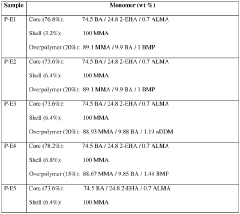
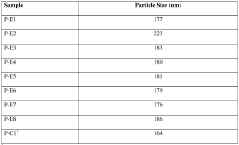
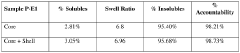
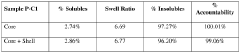
- A PMMA resin composition incorporating a methyl methacrylate polymer and a multistage acrylic impact modifier, comprising a core-shell polymer and an overpolymer, which improves impact strength while preserving gloss and melt flow.
Sustainability and Recycling of PMMA in Interiors
Sustainability and recycling of PMMA in interiors have become increasingly important as the design industry shifts towards more environmentally conscious practices. PMMA, also known as acrylic, offers significant advantages in terms of recyclability compared to many other materials used in interior design.
PMMA can be recycled through various methods, including mechanical recycling and chemical recycling. Mechanical recycling involves grinding PMMA products into small particles, which can then be melted and reformed into new products. This process can be repeated multiple times without significant degradation of the material's properties, making PMMA a highly sustainable choice for interior applications.
Chemical recycling, on the other hand, breaks down PMMA into its original monomer components through depolymerization. This process allows for the production of virgin-quality PMMA, effectively closing the loop in the material's lifecycle. The recovered monomers can be used to create new PMMA products with the same quality as those made from virgin materials.
In the context of interior design, the recyclability of PMMA contributes to its sustainability in several ways. Firstly, it reduces the need for new raw materials, as recycled PMMA can be used in place of virgin material. This helps conserve natural resources and reduces the environmental impact associated with material extraction and production.
Furthermore, the ability to recycle PMMA reduces waste in the construction and renovation industries. As interior design elements reach the end of their lifecycle, they can be recycled rather than sent to landfills. This not only reduces the environmental burden but also aligns with circular economy principles, where materials are kept in use for as long as possible.
The durability of PMMA also contributes to its sustainability in interiors. Its resistance to weathering, UV radiation, and many chemicals means that PMMA products have a long lifespan, reducing the frequency of replacements and, consequently, the overall material consumption.
However, challenges remain in the widespread adoption of PMMA recycling in the interior design industry. These include the need for effective collection and sorting systems, as well as increased awareness among designers, architects, and consumers about the recyclability of PMMA products. Additionally, the development of more efficient recycling technologies and the establishment of a robust recycling infrastructure are crucial for maximizing the sustainability potential of PMMA in interiors.
As the demand for sustainable design solutions grows, the recyclability of PMMA positions it as a material of choice for environmentally conscious interior designs. Its ability to be recycled multiple times without significant loss of quality makes it an excellent candidate for circular economy models in the design industry.
PMMA can be recycled through various methods, including mechanical recycling and chemical recycling. Mechanical recycling involves grinding PMMA products into small particles, which can then be melted and reformed into new products. This process can be repeated multiple times without significant degradation of the material's properties, making PMMA a highly sustainable choice for interior applications.
Chemical recycling, on the other hand, breaks down PMMA into its original monomer components through depolymerization. This process allows for the production of virgin-quality PMMA, effectively closing the loop in the material's lifecycle. The recovered monomers can be used to create new PMMA products with the same quality as those made from virgin materials.
In the context of interior design, the recyclability of PMMA contributes to its sustainability in several ways. Firstly, it reduces the need for new raw materials, as recycled PMMA can be used in place of virgin material. This helps conserve natural resources and reduces the environmental impact associated with material extraction and production.
Furthermore, the ability to recycle PMMA reduces waste in the construction and renovation industries. As interior design elements reach the end of their lifecycle, they can be recycled rather than sent to landfills. This not only reduces the environmental burden but also aligns with circular economy principles, where materials are kept in use for as long as possible.
The durability of PMMA also contributes to its sustainability in interiors. Its resistance to weathering, UV radiation, and many chemicals means that PMMA products have a long lifespan, reducing the frequency of replacements and, consequently, the overall material consumption.
However, challenges remain in the widespread adoption of PMMA recycling in the interior design industry. These include the need for effective collection and sorting systems, as well as increased awareness among designers, architects, and consumers about the recyclability of PMMA products. Additionally, the development of more efficient recycling technologies and the establishment of a robust recycling infrastructure are crucial for maximizing the sustainability potential of PMMA in interiors.
As the demand for sustainable design solutions grows, the recyclability of PMMA positions it as a material of choice for environmentally conscious interior designs. Its ability to be recycled multiple times without significant loss of quality makes it an excellent candidate for circular economy models in the design industry.
PMMA Safety Standards and Regulations
The safety standards and regulations governing the use of PMMA (Polymethyl Methacrylate) in aesthetic interior designs are crucial for ensuring the material's safe application and consumer protection. Various international and national bodies have established guidelines and requirements for PMMA usage, addressing aspects such as fire safety, toxicity, and durability.
One of the primary concerns in PMMA safety regulations is fire resistance. Many countries require PMMA products used in interior design to meet specific fire safety standards. For instance, in the United States, the National Fire Protection Association (NFPA) sets guidelines for flame spread and smoke development indices. PMMA products must undergo rigorous testing to achieve compliance with these standards, ensuring they do not contribute significantly to fire propagation in interior spaces.
Toxicity and emissions are also key factors addressed in PMMA safety regulations. The material must meet strict requirements regarding volatile organic compound (VOC) emissions, ensuring that it does not release harmful substances into the indoor environment. In the European Union, the REACH (Registration, Evaluation, Authorization, and Restriction of Chemicals) regulation governs the use of chemicals in products, including PMMA, to protect human health and the environment.
Durability and impact resistance standards are essential for PMMA used in interior design applications. These regulations ensure that PMMA products can withstand normal wear and tear without posing safety risks to occupants. For example, the American National Standards Institute (ANSI) provides guidelines for impact resistance in glazing materials, which apply to PMMA when used as an alternative to glass in interior design elements.
Specific regulations also exist for PMMA's use in food-contact applications, such as kitchen surfaces or display cases. In the United States, the Food and Drug Administration (FDA) regulates materials that come into contact with food, ensuring that PMMA used in such applications does not leach harmful substances into food products.
International standards organizations, such as the International Organization for Standardization (ISO), provide global benchmarks for PMMA quality and safety. These standards often serve as the basis for national regulations and help ensure consistency in safety requirements across different countries.
Compliance with these safety standards and regulations is typically verified through third-party testing and certification processes. Manufacturers must provide documentation and test results to prove their PMMA products meet the required safety criteria. This rigorous approach to safety regulation helps maintain consumer confidence in PMMA's use in aesthetic interior designs while minimizing potential risks associated with the material.
One of the primary concerns in PMMA safety regulations is fire resistance. Many countries require PMMA products used in interior design to meet specific fire safety standards. For instance, in the United States, the National Fire Protection Association (NFPA) sets guidelines for flame spread and smoke development indices. PMMA products must undergo rigorous testing to achieve compliance with these standards, ensuring they do not contribute significantly to fire propagation in interior spaces.
Toxicity and emissions are also key factors addressed in PMMA safety regulations. The material must meet strict requirements regarding volatile organic compound (VOC) emissions, ensuring that it does not release harmful substances into the indoor environment. In the European Union, the REACH (Registration, Evaluation, Authorization, and Restriction of Chemicals) regulation governs the use of chemicals in products, including PMMA, to protect human health and the environment.
Durability and impact resistance standards are essential for PMMA used in interior design applications. These regulations ensure that PMMA products can withstand normal wear and tear without posing safety risks to occupants. For example, the American National Standards Institute (ANSI) provides guidelines for impact resistance in glazing materials, which apply to PMMA when used as an alternative to glass in interior design elements.
Specific regulations also exist for PMMA's use in food-contact applications, such as kitchen surfaces or display cases. In the United States, the Food and Drug Administration (FDA) regulates materials that come into contact with food, ensuring that PMMA used in such applications does not leach harmful substances into food products.
International standards organizations, such as the International Organization for Standardization (ISO), provide global benchmarks for PMMA quality and safety. These standards often serve as the basis for national regulations and help ensure consistency in safety requirements across different countries.
Compliance with these safety standards and regulations is typically verified through third-party testing and certification processes. Manufacturers must provide documentation and test results to prove their PMMA products meet the required safety criteria. This rigorous approach to safety regulation helps maintain consumer confidence in PMMA's use in aesthetic interior designs while minimizing potential risks associated with the material.
Unlock deeper insights with PatSnap Eureka Quick Research — get a full tech report to explore trends and direct your research. Try now!
Generate Your Research Report Instantly with AI Agent
Supercharge your innovation with PatSnap Eureka AI Agent Platform!