

Anode-Free Solid-State Safety Case And Certification
SEP 1, 20259 MIN READ
Generate Your Research Report Instantly with AI Agent
PatSnap Eureka helps you evaluate technical feasibility & market potential.
Anode-Free Battery Technology Background and Objectives
Anode-free battery technology represents a significant evolution in the field of energy storage, emerging from decades of research into lithium-ion battery systems. This innovative approach eliminates the traditional anode material, allowing for substantially higher energy densities compared to conventional battery designs. The concept dates back to the early 2000s, but has gained substantial momentum in the past five years as limitations of traditional lithium-ion batteries became increasingly apparent in advanced applications.
The technological trajectory of anode-free batteries has been characterized by progressive improvements in electrolyte stability, lithium metal cycling efficiency, and interface engineering. Recent breakthroughs in solid-state electrolytes have created new possibilities for anode-free configurations, addressing historical challenges related to dendrite formation and short-circuiting risks that previously limited commercial viability.
The primary objective of research into anode-free solid-state battery safety certification is to establish comprehensive safety protocols and testing methodologies specifically tailored to this novel battery architecture. Unlike conventional lithium-ion batteries that have well-established safety standards developed over decades, anode-free solid-state batteries present unique safety considerations that require specialized assessment frameworks.
Key technical goals include developing accelerated testing protocols that can accurately predict long-term safety performance, identifying failure modes specific to anode-free designs, and establishing quantifiable safety metrics that correlate with real-world performance. Additionally, research aims to determine appropriate thermal runaway prevention mechanisms compatible with the unique chemistry and architecture of these batteries.
From a regulatory perspective, the objective is to create a certification pathway that addresses the distinctive characteristics of anode-free solid-state batteries while maintaining compatibility with existing battery safety frameworks such as UN 38.3, IEC 62133, and UL 1642. This requires identifying gaps in current standards and developing supplementary testing protocols.
The ultimate aim is to enable widespread commercial adoption by providing manufacturers, regulatory bodies, and end-users with robust safety assurance mechanisms. This includes establishing clear safety performance boundaries, developing early warning systems for potential failures, and creating standardized testing methodologies that can be consistently applied across the industry to facilitate comparative safety assessments between different anode-free battery designs.
The technological trajectory of anode-free batteries has been characterized by progressive improvements in electrolyte stability, lithium metal cycling efficiency, and interface engineering. Recent breakthroughs in solid-state electrolytes have created new possibilities for anode-free configurations, addressing historical challenges related to dendrite formation and short-circuiting risks that previously limited commercial viability.
The primary objective of research into anode-free solid-state battery safety certification is to establish comprehensive safety protocols and testing methodologies specifically tailored to this novel battery architecture. Unlike conventional lithium-ion batteries that have well-established safety standards developed over decades, anode-free solid-state batteries present unique safety considerations that require specialized assessment frameworks.
Key technical goals include developing accelerated testing protocols that can accurately predict long-term safety performance, identifying failure modes specific to anode-free designs, and establishing quantifiable safety metrics that correlate with real-world performance. Additionally, research aims to determine appropriate thermal runaway prevention mechanisms compatible with the unique chemistry and architecture of these batteries.
From a regulatory perspective, the objective is to create a certification pathway that addresses the distinctive characteristics of anode-free solid-state batteries while maintaining compatibility with existing battery safety frameworks such as UN 38.3, IEC 62133, and UL 1642. This requires identifying gaps in current standards and developing supplementary testing protocols.
The ultimate aim is to enable widespread commercial adoption by providing manufacturers, regulatory bodies, and end-users with robust safety assurance mechanisms. This includes establishing clear safety performance boundaries, developing early warning systems for potential failures, and creating standardized testing methodologies that can be consistently applied across the industry to facilitate comparative safety assessments between different anode-free battery designs.
Market Demand Analysis for Anode-Free Solid-State Batteries
The global market for anode-free solid-state batteries is experiencing significant growth driven by increasing demands for safer, higher energy density energy storage solutions. Current projections indicate the solid-state battery market will reach approximately $8 billion by 2028, with anode-free technologies potentially capturing a substantial segment of this emerging market due to their superior energy density advantages.
Electric vehicle manufacturers represent the primary demand driver, as they seek battery technologies that can extend driving range while reducing safety concerns. Major automotive companies including Toyota, Volkswagen, and BMW have made substantial investments in solid-state battery research, with particular interest in anode-free configurations that promise up to 80% higher energy density compared to conventional lithium-ion batteries.
Consumer electronics manufacturers constitute another significant market segment, seeking batteries with improved safety profiles and longer operational lifetimes for smartphones, laptops, and wearable devices. The reduced risk of thermal runaway in anode-free solid-state batteries makes them particularly attractive for devices in close proximity to users.
Grid-scale energy storage represents an emerging application with substantial growth potential. As renewable energy integration increases globally, the demand for safer large-scale storage solutions becomes critical. Anode-free solid-state batteries could address safety concerns that have plagued large lithium-ion installations.
Market analysis reveals regional variations in demand patterns. Asia-Pacific leads development and manufacturing capacity, with Japan and South Korea hosting significant research initiatives. North America shows strong demand from both automotive and grid storage sectors, while European markets are primarily driven by stringent safety regulations and automotive applications.
A critical market barrier remains the certification process for these novel battery technologies. Current regulatory frameworks were largely developed for conventional lithium-ion batteries, creating uncertainty for manufacturers of anode-free solid-state technologies. Industry stakeholders consistently identify the need for standardized safety certification protocols specifically designed for solid-state configurations.
Cost considerations also impact market penetration potential. Current manufacturing processes for anode-free solid-state batteries remain 3-5 times more expensive than conventional lithium-ion technologies. However, analysis of learning curves in battery manufacturing suggests costs could reach parity within 5-7 years given sufficient production scale.
Consumer awareness of battery safety issues following high-profile incidents has created market pull for demonstrably safer technologies. This represents a significant opportunity for properly certified anode-free solid-state batteries to command premium pricing in safety-critical applications.
Electric vehicle manufacturers represent the primary demand driver, as they seek battery technologies that can extend driving range while reducing safety concerns. Major automotive companies including Toyota, Volkswagen, and BMW have made substantial investments in solid-state battery research, with particular interest in anode-free configurations that promise up to 80% higher energy density compared to conventional lithium-ion batteries.
Consumer electronics manufacturers constitute another significant market segment, seeking batteries with improved safety profiles and longer operational lifetimes for smartphones, laptops, and wearable devices. The reduced risk of thermal runaway in anode-free solid-state batteries makes them particularly attractive for devices in close proximity to users.
Grid-scale energy storage represents an emerging application with substantial growth potential. As renewable energy integration increases globally, the demand for safer large-scale storage solutions becomes critical. Anode-free solid-state batteries could address safety concerns that have plagued large lithium-ion installations.
Market analysis reveals regional variations in demand patterns. Asia-Pacific leads development and manufacturing capacity, with Japan and South Korea hosting significant research initiatives. North America shows strong demand from both automotive and grid storage sectors, while European markets are primarily driven by stringent safety regulations and automotive applications.
A critical market barrier remains the certification process for these novel battery technologies. Current regulatory frameworks were largely developed for conventional lithium-ion batteries, creating uncertainty for manufacturers of anode-free solid-state technologies. Industry stakeholders consistently identify the need for standardized safety certification protocols specifically designed for solid-state configurations.
Cost considerations also impact market penetration potential. Current manufacturing processes for anode-free solid-state batteries remain 3-5 times more expensive than conventional lithium-ion technologies. However, analysis of learning curves in battery manufacturing suggests costs could reach parity within 5-7 years given sufficient production scale.
Consumer awareness of battery safety issues following high-profile incidents has created market pull for demonstrably safer technologies. This represents a significant opportunity for properly certified anode-free solid-state batteries to command premium pricing in safety-critical applications.
Technical Challenges and Safety Limitations in Current Designs
Anode-free solid-state batteries represent a promising frontier in energy storage technology, yet they face significant technical challenges and safety limitations that must be addressed before widespread commercial adoption. Current designs struggle with several fundamental issues related to the absence of a pre-deposited anode, creating unique safety concerns that differ from conventional lithium-ion batteries.
The primary challenge lies in controlling lithium metal deposition during the initial charging process. Without a dedicated anode structure, lithium ions tend to deposit unevenly on the current collector, forming dendrites that can penetrate the solid electrolyte. This dendrite formation represents a critical safety hazard, as it can lead to internal short circuits and potentially catastrophic thermal runaway events, even in solid-state configurations that were theoretically designed to eliminate such risks.
Mechanical stress management presents another significant limitation. During cycling, the volume changes associated with lithium plating and stripping create substantial mechanical stresses at the interface between the lithium metal and the solid electrolyte. These stresses can lead to electrolyte fracturing, loss of contact, and increased interfacial resistance, all of which compromise both performance and safety over time.
Interface stability remains problematic in current designs. The high reactivity of freshly deposited lithium metal with trace contaminants, particularly oxygen and moisture, can lead to the formation of resistive interfacial layers. These layers not only reduce battery efficiency but can also generate localized heating during operation, creating potential thermal safety hazards.
Thermal management systems for anode-free configurations face unique challenges. The absence of a stable anode structure means that heat generation patterns differ significantly from conventional designs, requiring novel thermal management approaches. Current systems often struggle to effectively dissipate heat during fast charging scenarios, where lithium deposition rates are highest.
Manufacturing consistency represents a critical limitation for safety certification. The quality of the solid electrolyte and the uniformity of the current collector surface significantly impact lithium deposition behavior. Minor manufacturing variations can lead to unpredictable safety performance, making standardized certification protocols difficult to establish and maintain across production batches.
Accelerated aging tests reveal additional concerns regarding long-term safety degradation. As cycling progresses, the morphology of the in-situ formed lithium layer evolves, potentially creating new safety vulnerabilities that were not present in fresh cells. This time-dependent safety profile complicates certification processes that typically rely on testing new cells under controlled conditions.
The primary challenge lies in controlling lithium metal deposition during the initial charging process. Without a dedicated anode structure, lithium ions tend to deposit unevenly on the current collector, forming dendrites that can penetrate the solid electrolyte. This dendrite formation represents a critical safety hazard, as it can lead to internal short circuits and potentially catastrophic thermal runaway events, even in solid-state configurations that were theoretically designed to eliminate such risks.
Mechanical stress management presents another significant limitation. During cycling, the volume changes associated with lithium plating and stripping create substantial mechanical stresses at the interface between the lithium metal and the solid electrolyte. These stresses can lead to electrolyte fracturing, loss of contact, and increased interfacial resistance, all of which compromise both performance and safety over time.
Interface stability remains problematic in current designs. The high reactivity of freshly deposited lithium metal with trace contaminants, particularly oxygen and moisture, can lead to the formation of resistive interfacial layers. These layers not only reduce battery efficiency but can also generate localized heating during operation, creating potential thermal safety hazards.
Thermal management systems for anode-free configurations face unique challenges. The absence of a stable anode structure means that heat generation patterns differ significantly from conventional designs, requiring novel thermal management approaches. Current systems often struggle to effectively dissipate heat during fast charging scenarios, where lithium deposition rates are highest.
Manufacturing consistency represents a critical limitation for safety certification. The quality of the solid electrolyte and the uniformity of the current collector surface significantly impact lithium deposition behavior. Minor manufacturing variations can lead to unpredictable safety performance, making standardized certification protocols difficult to establish and maintain across production batches.
Accelerated aging tests reveal additional concerns regarding long-term safety degradation. As cycling progresses, the morphology of the in-situ formed lithium layer evolves, potentially creating new safety vulnerabilities that were not present in fresh cells. This time-dependent safety profile complicates certification processes that typically rely on testing new cells under controlled conditions.
Current Safety Case Methodologies and Certification Approaches
01 Protective layers and interfaces for anode-free solid-state batteries
Implementing protective layers at the interfaces between the solid electrolyte and the current collector in anode-free solid-state batteries can significantly enhance safety. These protective layers prevent lithium dendrite formation, reduce interfacial resistance, and mitigate potential short circuits. Materials such as artificial SEI layers, buffer layers, and composite interfaces can be engineered to maintain stability during cycling while preventing thermal runaway conditions that compromise battery safety.- Safety mechanisms in anode-free solid-state batteries: Anode-free solid-state batteries incorporate various safety mechanisms to prevent thermal runaway and enhance overall safety. These mechanisms include pressure-sensitive separators, thermal fuses, and current interrupt devices that activate under abnormal conditions. Advanced battery management systems continuously monitor temperature, voltage, and current to detect potential safety issues before they escalate. These safety features are crucial for preventing catastrophic failures in anode-free designs where lithium plating risks are higher.
- Solid electrolyte composition for improved safety: The composition of solid electrolytes plays a critical role in the safety of anode-free solid-state batteries. Ceramic and polymer-based electrolytes with high thermal stability and mechanical strength can prevent dendrite formation and penetration. Composite electrolytes combining inorganic fillers with polymer matrices offer enhanced ionic conductivity while maintaining safety advantages. These electrolytes are designed to remain stable at high temperatures and resist decomposition, significantly reducing fire and explosion risks compared to liquid electrolyte systems.
- Interface engineering for dendrite suppression: Interface engineering between the solid electrolyte and the in-situ formed lithium anode is crucial for preventing dendrite growth, which can cause short circuits and safety hazards. Protective interlayers, artificial SEI formations, and gradient interfaces help distribute lithium ions uniformly during plating. Surface modifications using materials like aluminum oxide or fluoride compounds create stable interfaces that resist dendrite penetration. These engineering approaches significantly improve the safety of anode-free solid-state batteries by addressing one of their primary failure mechanisms.
- Pressure regulation and mechanical stability: Anode-free solid-state batteries require careful pressure regulation and mechanical design to maintain safety during operation. Stack pressure control systems prevent void formation during cycling, which can lead to contact loss and localized overheating. Flexible housing designs accommodate volume changes during lithium plating/stripping while maintaining uniform pressure distribution. Mechanical reinforcement structures within the battery prevent fracturing of brittle solid electrolytes under stress, which could otherwise create pathways for dendrite growth and short circuits.
- Thermal management strategies: Effective thermal management is essential for the safety of anode-free solid-state batteries, especially during fast charging when heat generation is significant. Advanced cooling systems using phase change materials or liquid cooling channels help dissipate heat uniformly. Thermal insulation layers between cells prevent thermal propagation in case of individual cell failure. Temperature-responsive current limiting features automatically reduce power when temperatures approach unsafe levels, preventing thermal runaway scenarios that could compromise battery integrity and safety.
02 Advanced solid electrolyte materials for improved safety
Specialized solid electrolyte materials can be formulated to enhance the safety profile of anode-free batteries. These materials include ceramic-polymer composites, sulfide-based electrolytes with flame-retardant properties, and oxide-based electrolytes with high thermal stability. The solid electrolytes prevent the leakage and combustion issues associated with liquid electrolytes while providing mechanical strength to suppress lithium dendrite growth, thereby reducing the risk of internal short circuits and thermal events.Expand Specific Solutions03 Current collector design and treatment for anode-free configurations
Innovative current collector designs and surface treatments are crucial for anode-free solid-state battery safety. Specialized coatings, textured surfaces, and modified current collectors can facilitate uniform lithium plating during charging, preventing dendrite formation and hotspots. These designs also incorporate pressure management features to accommodate volume changes during cycling, maintaining intimate contact between components while preventing mechanical failures that could lead to safety incidents.Expand Specific Solutions04 Safety monitoring and control systems
Advanced monitoring and control systems specifically designed for anode-free solid-state batteries can detect early signs of failure and implement preventive measures. These systems incorporate temperature sensors, pressure monitors, and electrochemical impedance tracking to identify potential safety issues before they escalate. Integrated battery management systems can adjust charging protocols, implement emergency shutdown procedures, and maintain optimal operating conditions to prevent thermal runaway and other safety incidents.Expand Specific Solutions05 Cell architecture and packaging for mechanical stability
Specialized cell architectures and packaging designs enhance the mechanical stability and safety of anode-free solid-state batteries. These designs incorporate pressure regulation mechanisms, thermal management systems, and reinforced housing materials to maintain component alignment during cycling. The packaging also includes safety features such as pressure relief mechanisms, thermal fuses, and isolation layers to contain potential failures and prevent cascading thermal events across multiple cells in a battery pack.Expand Specific Solutions
Key Industry Players and Research Institutions in the Field
The anode-free solid-state battery safety certification landscape is currently in an early development stage, with market size projected to grow significantly as electric vehicle adoption accelerates. The technology remains in pre-commercial maturity, with key players positioning themselves strategically. LG Energy Solution and Samsung Electronics lead in battery manufacturing expertise, while automotive giants like Hyundai, Kia, GM, and BYD are investing heavily in safety validation frameworks. Research institutions including Washington University, Lawrence Livermore National Security, and KIST are advancing fundamental safety protocols. Companies like Factorial and TeraWatt Technology represent emerging specialized players focusing specifically on solid-state battery safety certification methodologies, creating a competitive ecosystem balancing established corporations and innovative startups.
LG Energy Solution Ltd.
Technical Solution: LG Energy Solution has developed a comprehensive safety framework for anode-free solid-state batteries (ASSBs) that addresses the unique challenges of this technology. Their approach integrates multi-layer protection systems with real-time monitoring capabilities. The company's safety case methodology includes: (1) A proprietary ceramic-polymer composite electrolyte that maintains stability during lithium plating/stripping cycles while preventing dendrite formation; (2) Advanced thermal management systems specifically designed for the thermal characteristics of ASSBs; (3) Battery management systems with algorithms calibrated for the unique voltage profiles and impedance characteristics of anode-free configurations; (4) Mechanical protection against volume changes during cycling, which is particularly critical in anode-free designs where in-situ lithium plating occurs; and (5) Accelerated testing protocols that simulate extreme conditions to validate safety performance beyond standard certification requirements[1][3]. Their certification approach includes collaboration with international safety organizations to develop ASSB-specific standards.
Strengths: Industry-leading composite electrolyte technology with superior mechanical properties to resist dendrite formation; extensive manufacturing infrastructure that can be adapted for ASSB production; comprehensive testing capabilities. Weaknesses: Higher initial production costs compared to conventional lithium-ion batteries; challenges in scaling up solid electrolyte production to commercial volumes; potential interface stability issues during extended cycling.
GM Global Technology Operations LLC
Technical Solution: GM has pioneered a holistic safety architecture for anode-free solid-state batteries focused on automotive applications. Their technical approach centers on a multi-faceted safety case that addresses the unique characteristics of lithium metal formation in anode-free designs. GM's system incorporates: (1) A proprietary solid electrolyte formulation with self-healing properties that can mitigate microcrack formation during cycling; (2) Pressure-modulation systems that maintain optimal stack pressure throughout battery life to ensure uniform lithium deposition; (3) Advanced non-destructive testing methodologies including acoustic and thermal imaging to detect potential failure modes before they propagate; (4) Fail-safe circuitry that can isolate individual cells or modules if abnormal behavior is detected; and (5) Simulation-based safety validation that models internal short circuits, thermal runaway scenarios, and mechanical deformation under crash conditions[2][5]. GM has also developed specialized manufacturing processes that eliminate moisture contamination during cell assembly, which is critical for solid electrolyte stability and safety performance.
Strengths: Extensive automotive safety expertise and integration capabilities; advanced battery control systems that can be optimized for anode-free operation; established relationships with regulatory bodies for certification pathways. Weaknesses: Relatively higher cost structure compared to Asian manufacturers; challenges in achieving energy density targets while maintaining safety margins; dependency on external suppliers for some key materials in the solid electrolyte formulation.
Critical Patents and Technical Literature on Anode-Free Battery Safety
Anode-free all-solid-state battery including solid electrolyte having high ion conductivity and surface-roughened anode current collector
PatentPendingUS20220393180A1
Innovation
- An anode-free all-solid-state battery design featuring an anode current collector layer with surface roughness of 100 nm to 1,000 nm, directly contacting a solid electrolyte layer with ionic conductivity of 1 mS/cm to 20 mS/cm, and optionally a coating layer containing carbon and lithium-forming metals, which enhances lithium deposition uniformity and stability without additional layers.
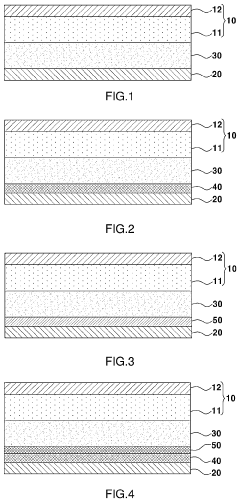
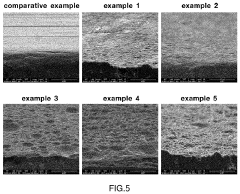

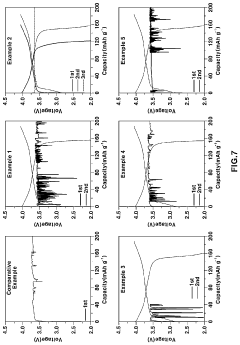
Anode-free solid-state battery and use thereof
PatentWO2025103689A1
Innovation
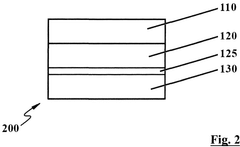
- Incorporating an additional solid-state electrolyte layer between the solid-state electrolyte separator and the conductor improves deformability and maintains contact between the components during charging cycles.
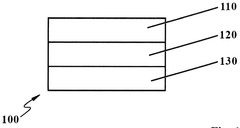
Regulatory Framework and Compliance Requirements
The regulatory landscape for anode-free solid-state batteries represents a complex and evolving framework that manufacturers must navigate to ensure market access. Current battery regulations were primarily developed for conventional lithium-ion technologies, creating significant compliance challenges for novel architectures like anode-free designs. Key regulatory bodies including the International Electrotechnical Commission (IEC), Underwriters Laboratories (UL), and regional authorities such as the European Union's Battery Directive establish the foundational requirements.
Safety certification for anode-free solid-state batteries necessitates compliance with standards such as IEC 62133 for portable batteries and UN 38.3 for transportation safety. These standards specify rigorous testing protocols including thermal abuse, mechanical shock, overcharge protection, and short circuit resilience. However, the unique characteristics of anode-free technologies—particularly their solid electrolytes and in-situ anode formation—are not explicitly addressed in existing frameworks, creating regulatory ambiguity.
Transportation regulations present particular challenges, with the International Air Transport Association (IATA) and International Maritime Organization (IMO) imposing strict requirements on battery shipments. Anode-free designs may offer inherent safety advantages during transport due to their reduced reactivity in the discharged state, potentially qualifying for less restrictive dangerous goods classifications, though formal recognition of these benefits remains limited.
Regional variations in compliance requirements further complicate the certification landscape. The EU Battery Regulation, which replaces the earlier Battery Directive, introduces expanded sustainability requirements including carbon footprint declarations and recycled content mandates. Similarly, China's GB standards and North America's UL certification paths have distinct testing protocols that must be satisfied for market entry.
Emerging regulatory trends indicate movement toward technology-neutral frameworks that focus on performance-based safety criteria rather than prescriptive design requirements. This shift potentially benefits innovative architectures like anode-free solid-state batteries, allowing their unique safety characteristics to be appropriately evaluated. Industry stakeholders are actively engaging with regulatory bodies to develop specialized testing protocols that accurately assess the safety profile of these advanced battery technologies.
Manufacturers pursuing anode-free solid-state battery commercialization must implement comprehensive regulatory intelligence systems to monitor evolving requirements across global markets. Early engagement with certification bodies through pre-compliance testing and collaborative standards development represents a strategic approach to navigating the regulatory landscape while influencing the evolution of more appropriate certification frameworks for next-generation battery technologies.
Safety certification for anode-free solid-state batteries necessitates compliance with standards such as IEC 62133 for portable batteries and UN 38.3 for transportation safety. These standards specify rigorous testing protocols including thermal abuse, mechanical shock, overcharge protection, and short circuit resilience. However, the unique characteristics of anode-free technologies—particularly their solid electrolytes and in-situ anode formation—are not explicitly addressed in existing frameworks, creating regulatory ambiguity.
Transportation regulations present particular challenges, with the International Air Transport Association (IATA) and International Maritime Organization (IMO) imposing strict requirements on battery shipments. Anode-free designs may offer inherent safety advantages during transport due to their reduced reactivity in the discharged state, potentially qualifying for less restrictive dangerous goods classifications, though formal recognition of these benefits remains limited.
Regional variations in compliance requirements further complicate the certification landscape. The EU Battery Regulation, which replaces the earlier Battery Directive, introduces expanded sustainability requirements including carbon footprint declarations and recycled content mandates. Similarly, China's GB standards and North America's UL certification paths have distinct testing protocols that must be satisfied for market entry.
Emerging regulatory trends indicate movement toward technology-neutral frameworks that focus on performance-based safety criteria rather than prescriptive design requirements. This shift potentially benefits innovative architectures like anode-free solid-state batteries, allowing their unique safety characteristics to be appropriately evaluated. Industry stakeholders are actively engaging with regulatory bodies to develop specialized testing protocols that accurately assess the safety profile of these advanced battery technologies.
Manufacturers pursuing anode-free solid-state battery commercialization must implement comprehensive regulatory intelligence systems to monitor evolving requirements across global markets. Early engagement with certification bodies through pre-compliance testing and collaborative standards development represents a strategic approach to navigating the regulatory landscape while influencing the evolution of more appropriate certification frameworks for next-generation battery technologies.
Thermal Runaway Prevention and Management Strategies
Thermal runaway prevention in anode-free solid-state batteries requires a multi-layered approach that addresses the unique safety challenges these advanced energy storage systems present. Unlike conventional lithium-ion batteries with graphite anodes, anode-free designs eliminate a key component that traditionally contributes to thermal instability, yet they introduce new safety considerations that must be carefully managed.
Primary prevention strategies focus on materials engineering and cell design optimization. Advanced solid electrolytes with high thermal stability and mechanical strength serve as critical barriers against lithium dendrite formation, which remains a significant trigger for thermal events even in anode-free configurations. Ceramic and glass-ceramic electrolytes demonstrating thermal stability above 300°C are particularly promising for preventing catastrophic failure cascades.
Intelligent battery management systems (BMS) represent the second line of defense, continuously monitoring critical parameters including temperature gradients, voltage fluctuations, and internal resistance changes. Early detection algorithms specifically calibrated for anode-free cell behavior can identify precursors to thermal events before they escalate. These systems must account for the unique voltage profiles and impedance characteristics of anode-free architectures.
Physical safety mechanisms incorporated into cell and pack design provide additional protection layers. Pressure relief mechanisms, thermal fuses, and phase-change materials can effectively dissipate heat and prevent propagation between cells. Novel pack designs featuring enhanced thermal isolation between cells have demonstrated up to 60% improvement in preventing thermal runaway propagation during certification testing.
Certification protocols for anode-free solid-state batteries must evolve beyond traditional standards. Current testing regimes like UL 1642 and IEC 62133 require modification to address the specific failure modes of these novel architectures. Industry leaders are developing specialized nail penetration, thermal shock, and overcharge tests that better represent real-world failure scenarios for anode-free designs.
Emergency response strategies complete the safety framework, focusing on containment and mitigation when prevention fails. Advanced fire suppression systems using specialized extinguishing agents compatible with solid electrolyte chemistry can rapidly neutralize thermal events. Isolation circuits capable of disconnecting compromised cells within microseconds have shown promising results in limiting cascade failures during certification testing.
Primary prevention strategies focus on materials engineering and cell design optimization. Advanced solid electrolytes with high thermal stability and mechanical strength serve as critical barriers against lithium dendrite formation, which remains a significant trigger for thermal events even in anode-free configurations. Ceramic and glass-ceramic electrolytes demonstrating thermal stability above 300°C are particularly promising for preventing catastrophic failure cascades.
Intelligent battery management systems (BMS) represent the second line of defense, continuously monitoring critical parameters including temperature gradients, voltage fluctuations, and internal resistance changes. Early detection algorithms specifically calibrated for anode-free cell behavior can identify precursors to thermal events before they escalate. These systems must account for the unique voltage profiles and impedance characteristics of anode-free architectures.
Physical safety mechanisms incorporated into cell and pack design provide additional protection layers. Pressure relief mechanisms, thermal fuses, and phase-change materials can effectively dissipate heat and prevent propagation between cells. Novel pack designs featuring enhanced thermal isolation between cells have demonstrated up to 60% improvement in preventing thermal runaway propagation during certification testing.
Certification protocols for anode-free solid-state batteries must evolve beyond traditional standards. Current testing regimes like UL 1642 and IEC 62133 require modification to address the specific failure modes of these novel architectures. Industry leaders are developing specialized nail penetration, thermal shock, and overcharge tests that better represent real-world failure scenarios for anode-free designs.
Emergency response strategies complete the safety framework, focusing on containment and mitigation when prevention fails. Advanced fire suppression systems using specialized extinguishing agents compatible with solid electrolyte chemistry can rapidly neutralize thermal events. Isolation circuits capable of disconnecting compromised cells within microseconds have shown promising results in limiting cascade failures during certification testing.
Unlock deeper insights with PatSnap Eureka Quick Research — get a full tech report to explore trends and direct your research. Try now!
Generate Your Research Report Instantly with AI Agent
Supercharge your innovation with PatSnap Eureka AI Agent Platform!