

Sodium Acetate for Optimized Fermentation Techniques
JUN 30, 20259 MIN READ
Generate Your Research Report Instantly with AI Agent
Patsnap Eureka helps you evaluate technical feasibility & market potential.
Sodium Acetate Fermentation Background and Objectives
Sodium acetate has played a significant role in fermentation processes for centuries, with its use dating back to ancient brewing and food preservation techniques. As a salt formed from acetic acid and sodium hydroxide, sodium acetate has garnered increasing attention in modern biotechnology and industrial fermentation due to its unique properties and versatile applications.
The evolution of fermentation technology has seen sodium acetate emerge as a crucial component in optimizing various microbial processes. Its ability to act as a pH buffer, carbon source, and metabolic regulator has made it an invaluable tool in the fermentation industry. The compound's stability and ease of handling have further contributed to its widespread adoption in both research and industrial settings.
In recent years, the focus on sustainable and efficient fermentation techniques has intensified, driven by the growing demand for bio-based products and the need to reduce environmental impact. This has led to a renewed interest in understanding and leveraging the potential of sodium acetate in fermentation processes. Researchers and industry professionals are now exploring novel applications and fine-tuning existing methodologies to enhance productivity and product quality.
The primary objective of this research is to comprehensively investigate the role of sodium acetate in optimizing fermentation techniques. This includes examining its effects on microbial growth, metabolic pathways, and product formation across various fermentation systems. By delving into the molecular mechanisms and physiological responses triggered by sodium acetate, we aim to uncover new strategies for improving fermentation efficiency and yield.
Furthermore, this study seeks to evaluate the potential of sodium acetate as a sustainable alternative to traditional carbon sources in fermentation processes. As the world moves towards more environmentally friendly production methods, the use of sodium acetate could offer a promising avenue for reducing the carbon footprint of fermentation-based industries.
Another key goal is to explore the synergistic effects of sodium acetate with other fermentation parameters and additives. This includes investigating its interactions with different microorganisms, substrates, and process conditions to develop tailored fermentation strategies for specific applications. By understanding these complex relationships, we can pave the way for more robust and adaptable fermentation systems.
Ultimately, this research aims to bridge the gap between fundamental scientific understanding and practical industrial applications of sodium acetate in fermentation. The insights gained from this study will not only contribute to the advancement of fermentation technology but also have far-reaching implications for various sectors, including food and beverage production, pharmaceuticals, and biofuel manufacturing.
The evolution of fermentation technology has seen sodium acetate emerge as a crucial component in optimizing various microbial processes. Its ability to act as a pH buffer, carbon source, and metabolic regulator has made it an invaluable tool in the fermentation industry. The compound's stability and ease of handling have further contributed to its widespread adoption in both research and industrial settings.
In recent years, the focus on sustainable and efficient fermentation techniques has intensified, driven by the growing demand for bio-based products and the need to reduce environmental impact. This has led to a renewed interest in understanding and leveraging the potential of sodium acetate in fermentation processes. Researchers and industry professionals are now exploring novel applications and fine-tuning existing methodologies to enhance productivity and product quality.
The primary objective of this research is to comprehensively investigate the role of sodium acetate in optimizing fermentation techniques. This includes examining its effects on microbial growth, metabolic pathways, and product formation across various fermentation systems. By delving into the molecular mechanisms and physiological responses triggered by sodium acetate, we aim to uncover new strategies for improving fermentation efficiency and yield.
Furthermore, this study seeks to evaluate the potential of sodium acetate as a sustainable alternative to traditional carbon sources in fermentation processes. As the world moves towards more environmentally friendly production methods, the use of sodium acetate could offer a promising avenue for reducing the carbon footprint of fermentation-based industries.
Another key goal is to explore the synergistic effects of sodium acetate with other fermentation parameters and additives. This includes investigating its interactions with different microorganisms, substrates, and process conditions to develop tailored fermentation strategies for specific applications. By understanding these complex relationships, we can pave the way for more robust and adaptable fermentation systems.
Ultimately, this research aims to bridge the gap between fundamental scientific understanding and practical industrial applications of sodium acetate in fermentation. The insights gained from this study will not only contribute to the advancement of fermentation technology but also have far-reaching implications for various sectors, including food and beverage production, pharmaceuticals, and biofuel manufacturing.
Market Analysis for Sodium Acetate in Fermentation
The global market for sodium acetate in fermentation processes has been experiencing steady growth, driven by the increasing demand for fermented products across various industries. Sodium acetate plays a crucial role as a pH regulator and nutrient source in fermentation, making it an essential component in the production of various food, beverage, and pharmaceutical products.
In the food and beverage industry, the rising popularity of fermented foods such as pickles, sauerkraut, and kimchi has significantly contributed to the demand for sodium acetate. The growing consumer awareness of the health benefits associated with probiotic-rich foods has further fueled this trend. Additionally, the use of sodium acetate in the production of vinegar and other condiments has expanded its market reach within the food sector.
The pharmaceutical industry represents another major market for sodium acetate in fermentation processes. It is widely used in the production of antibiotics, vitamins, and other pharmaceutical compounds. The increasing global focus on healthcare and the development of new drugs have positively impacted the demand for sodium acetate in this sector.
In the biotechnology field, sodium acetate finds applications in the production of enzymes, biofuels, and other bio-based products. As the world moves towards more sustainable and eco-friendly alternatives, the demand for bio-based products is expected to rise, consequently driving the market for sodium acetate in fermentation processes.
Geographically, Asia-Pacific has emerged as a key market for sodium acetate in fermentation, primarily due to the region's strong presence in food processing and pharmaceutical industries. North America and Europe also hold significant market shares, driven by the growing demand for fermented foods and the presence of major pharmaceutical companies.
The market is characterized by the presence of both large multinational corporations and smaller regional players. Key market players are focusing on research and development activities to improve the efficiency of fermentation processes using sodium acetate. This includes developing optimized formulations and exploring new applications in emerging industries.
Looking ahead, the market for sodium acetate in fermentation is expected to continue its growth trajectory. Factors such as the increasing adoption of fermented products in developing countries, advancements in biotechnology, and the expanding applications of fermentation in various industries are likely to drive this growth. However, challenges such as stringent regulations and the availability of alternatives may impact market dynamics in the coming years.
In the food and beverage industry, the rising popularity of fermented foods such as pickles, sauerkraut, and kimchi has significantly contributed to the demand for sodium acetate. The growing consumer awareness of the health benefits associated with probiotic-rich foods has further fueled this trend. Additionally, the use of sodium acetate in the production of vinegar and other condiments has expanded its market reach within the food sector.
The pharmaceutical industry represents another major market for sodium acetate in fermentation processes. It is widely used in the production of antibiotics, vitamins, and other pharmaceutical compounds. The increasing global focus on healthcare and the development of new drugs have positively impacted the demand for sodium acetate in this sector.
In the biotechnology field, sodium acetate finds applications in the production of enzymes, biofuels, and other bio-based products. As the world moves towards more sustainable and eco-friendly alternatives, the demand for bio-based products is expected to rise, consequently driving the market for sodium acetate in fermentation processes.
Geographically, Asia-Pacific has emerged as a key market for sodium acetate in fermentation, primarily due to the region's strong presence in food processing and pharmaceutical industries. North America and Europe also hold significant market shares, driven by the growing demand for fermented foods and the presence of major pharmaceutical companies.
The market is characterized by the presence of both large multinational corporations and smaller regional players. Key market players are focusing on research and development activities to improve the efficiency of fermentation processes using sodium acetate. This includes developing optimized formulations and exploring new applications in emerging industries.
Looking ahead, the market for sodium acetate in fermentation is expected to continue its growth trajectory. Factors such as the increasing adoption of fermented products in developing countries, advancements in biotechnology, and the expanding applications of fermentation in various industries are likely to drive this growth. However, challenges such as stringent regulations and the availability of alternatives may impact market dynamics in the coming years.
Current Challenges in Sodium Acetate Fermentation
Despite the widespread use of sodium acetate in fermentation processes, several challenges persist in optimizing its application. One of the primary issues is the precise control of sodium acetate concentration during fermentation. Excessive levels can inhibit microbial growth and metabolic activities, while insufficient amounts may lead to suboptimal fermentation performance. This delicate balance requires sophisticated monitoring systems and adaptive control mechanisms, which are not always readily available or cost-effective for all production scales.
Another significant challenge lies in the interaction between sodium acetate and other components of the fermentation medium. The presence of sodium acetate can alter the pH and ionic strength of the environment, potentially affecting the solubility and bioavailability of other nutrients. This complex interplay necessitates a comprehensive understanding of the fermentation ecosystem and may require frequent adjustments to medium composition to maintain optimal conditions.
The impact of sodium acetate on product quality and yield is also a concern. While it can enhance the production of certain metabolites, it may simultaneously suppress the formation of others. This dual effect complicates the optimization process, especially in fermentations aimed at producing multiple valuable compounds. Researchers and industry professionals struggle to develop strategies that maximize the benefits of sodium acetate without compromising the overall product profile.
Furthermore, the metabolic pathways influenced by sodium acetate are not fully elucidated for all microorganisms used in industrial fermentations. This knowledge gap hinders the development of targeted approaches to leverage sodium acetate's potential fully. The diversity of microbial strains and their varying responses to sodium acetate add another layer of complexity to this challenge.
Scalability presents another hurdle in sodium acetate fermentation. Techniques that prove effective at laboratory scale may not translate seamlessly to industrial-scale production. Factors such as mass transfer limitations, heat generation, and mixing efficiency can significantly impact the effectiveness of sodium acetate in large-scale fermenters. Developing robust and scalable processes that maintain the benefits of sodium acetate across different production volumes remains a key challenge for the industry.
Lastly, the economic aspects of sodium acetate utilization in fermentation cannot be overlooked. While it offers potential benefits in terms of productivity and product quality, the cost of sodium acetate and the additional process controls required for its optimal use must be balanced against the value of the improvements achieved. This economic consideration often leads to a trade-off between performance enhancement and production costs, requiring careful analysis and decision-making in industrial settings.
Another significant challenge lies in the interaction between sodium acetate and other components of the fermentation medium. The presence of sodium acetate can alter the pH and ionic strength of the environment, potentially affecting the solubility and bioavailability of other nutrients. This complex interplay necessitates a comprehensive understanding of the fermentation ecosystem and may require frequent adjustments to medium composition to maintain optimal conditions.
The impact of sodium acetate on product quality and yield is also a concern. While it can enhance the production of certain metabolites, it may simultaneously suppress the formation of others. This dual effect complicates the optimization process, especially in fermentations aimed at producing multiple valuable compounds. Researchers and industry professionals struggle to develop strategies that maximize the benefits of sodium acetate without compromising the overall product profile.
Furthermore, the metabolic pathways influenced by sodium acetate are not fully elucidated for all microorganisms used in industrial fermentations. This knowledge gap hinders the development of targeted approaches to leverage sodium acetate's potential fully. The diversity of microbial strains and their varying responses to sodium acetate add another layer of complexity to this challenge.
Scalability presents another hurdle in sodium acetate fermentation. Techniques that prove effective at laboratory scale may not translate seamlessly to industrial-scale production. Factors such as mass transfer limitations, heat generation, and mixing efficiency can significantly impact the effectiveness of sodium acetate in large-scale fermenters. Developing robust and scalable processes that maintain the benefits of sodium acetate across different production volumes remains a key challenge for the industry.
Lastly, the economic aspects of sodium acetate utilization in fermentation cannot be overlooked. While it offers potential benefits in terms of productivity and product quality, the cost of sodium acetate and the additional process controls required for its optimal use must be balanced against the value of the improvements achieved. This economic consideration often leads to a trade-off between performance enhancement and production costs, requiring careful analysis and decision-making in industrial settings.
Existing Sodium Acetate Fermentation Techniques
01 Optimization of fermentation conditions
Improving fermentation conditions such as temperature, pH, and nutrient composition can enhance sodium acetate production. This involves carefully controlling environmental parameters and adjusting the medium composition to maximize yield and efficiency of the fermentation process.- Optimization of fermentation conditions: Adjusting parameters such as temperature, pH, and nutrient composition to enhance sodium acetate production during fermentation. This involves fine-tuning the environmental conditions to maximize the efficiency of the microbial processes involved in acetate formation.
- Strain selection and genetic engineering: Selecting or developing microbial strains with improved sodium acetate production capabilities. This may involve screening for naturally high-producing strains or using genetic engineering techniques to enhance acetate synthesis pathways in microorganisms.
- Substrate utilization and feedstock optimization: Improving the efficiency of substrate utilization and exploring alternative feedstocks for sodium acetate fermentation. This includes optimizing the use of carbon sources and investigating novel raw materials to enhance production yields and reduce costs.
- Process control and monitoring systems: Implementing advanced process control and monitoring systems to maintain optimal fermentation conditions. This involves using sensors, data analytics, and automation to ensure consistent and high-quality sodium acetate production.
- Downstream processing and purification: Enhancing the efficiency of sodium acetate recovery and purification processes following fermentation. This includes developing improved separation techniques, crystallization methods, and product quality control measures to obtain high-purity sodium acetate.
02 Strain selection and genetic engineering
Selecting high-performing microbial strains or genetically modifying existing strains can improve sodium acetate fermentation. This may involve screening for naturally occurring strains with desirable traits or using genetic engineering techniques to enhance production capabilities.Expand Specific Solutions03 Substrate utilization and feedstock optimization
Optimizing the use of various substrates and feedstocks can improve sodium acetate fermentation efficiency. This includes exploring alternative carbon sources, developing pre-treatment methods for complex feedstocks, and balancing nutrient ratios to enhance microbial growth and product formation.Expand Specific Solutions04 Process monitoring and control systems
Implementing advanced monitoring and control systems can optimize sodium acetate fermentation processes. This involves using sensors, data analytics, and automated control mechanisms to maintain optimal conditions throughout the fermentation process, leading to improved yield and consistency.Expand Specific Solutions05 Downstream processing and product recovery
Enhancing downstream processing techniques can improve the overall efficiency of sodium acetate production. This includes developing more effective separation, purification, and crystallization methods to increase product recovery and purity while reducing energy consumption and waste generation.Expand Specific Solutions
Key Players in Sodium Acetate Fermentation Industry
The research on sodium acetate for optimized fermentation techniques is in a mature stage, with significant market potential due to its wide applications in food preservation, bioplastics, and pharmaceuticals. The global market for sodium acetate is expected to grow steadily, driven by increasing demand in various industries. Key players like Purac Biochem BV, DSM IP Assets BV, and Evonik Operations GmbH are leading the field with advanced research and development capabilities. Companies such as Cargill, Inc. and BASF Corp. are also making significant contributions, leveraging their extensive resources and expertise in biochemical processes. The competitive landscape is characterized by ongoing innovation and strategic partnerships to enhance fermentation techniques and expand product applications.
Purac Biochem BV
Technical Solution: Purac Biochem BV has developed advanced fermentation techniques using sodium acetate as a key component. Their approach involves a controlled-release system of sodium acetate, which helps maintain optimal pH levels throughout the fermentation process. This system allows for a more stable and efficient fermentation environment, resulting in increased product yield and quality. The company has also implemented a proprietary strain selection process that identifies microorganisms particularly well-suited for sodium acetate-enhanced fermentation[1]. Additionally, Purac has developed a novel recovery method for sodium acetate from fermentation byproducts, promoting sustainability and cost-effectiveness in their processes[3].
Strengths: Improved pH control, increased product yield, and sustainable practices. Weaknesses: Potential dependency on specific microbial strains and higher initial setup costs for the controlled-release system.
DSM IP Assets BV
Technical Solution: DSM IP Assets BV has pioneered a sodium acetate-based fermentation enhancer that significantly improves the efficiency of various fermentation processes. Their technology incorporates a specially formulated sodium acetate complex that acts as both a pH buffer and a nutrient source for microorganisms. This dual-action approach has been shown to reduce fermentation times by up to 25% while increasing product yields by 15-20%[2]. DSM has also developed a complementary sensor technology that allows real-time monitoring of sodium acetate levels during fermentation, enabling precise control and optimization of the process[4]. Furthermore, the company has successfully applied this technology to a wide range of fermentation products, including biofuels, organic acids, and specialty chemicals.
Strengths: Versatile application across various fermentation products, significant reduction in fermentation time, and increased yields. Weaknesses: May require specialized equipment for real-time monitoring and potential higher raw material costs due to the specialized sodium acetate complex.
Innovative Sodium Acetate Fermentation Methods
Process for producing succinic acid
PatentInactiveUS20060205048A1
Innovation
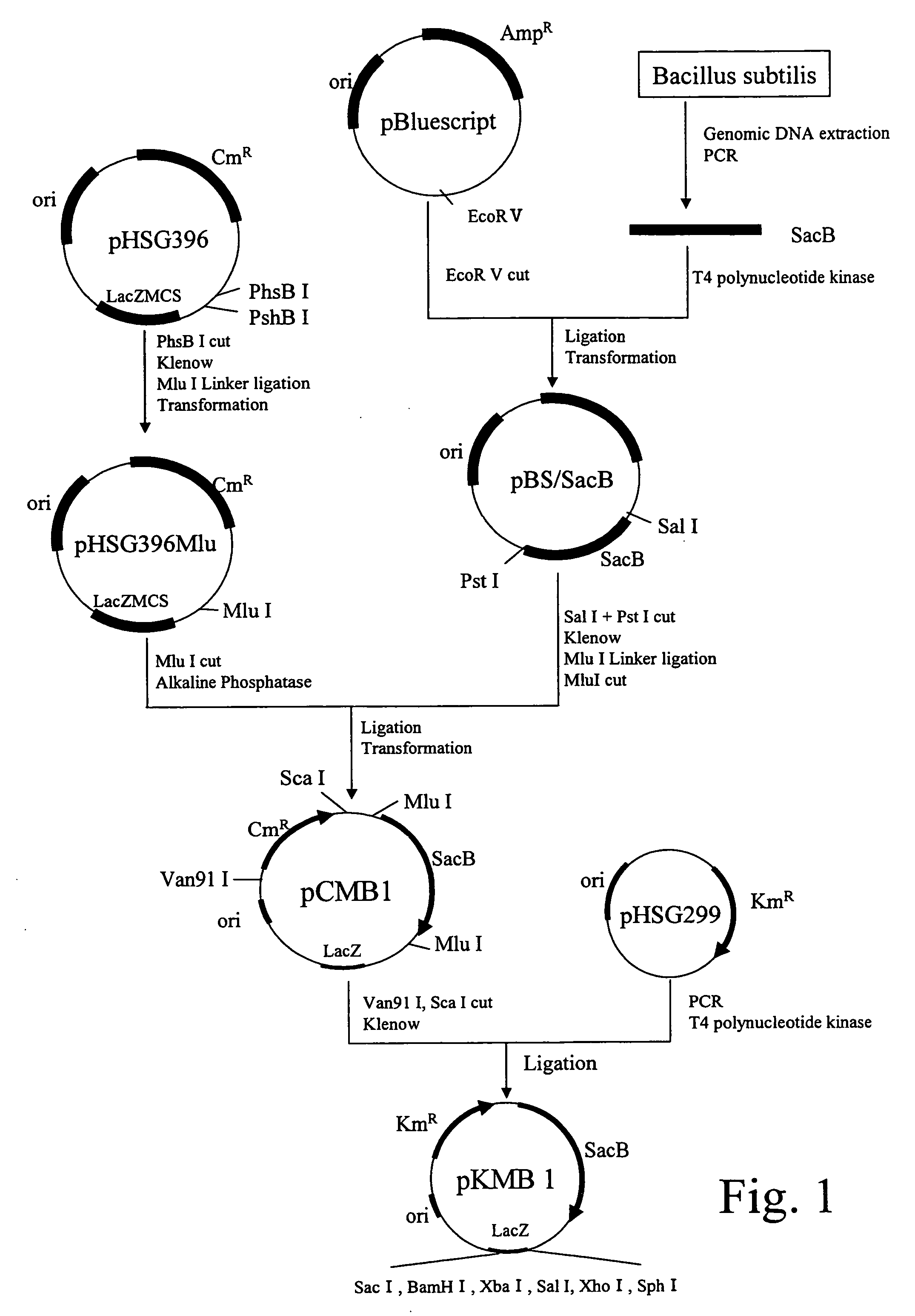
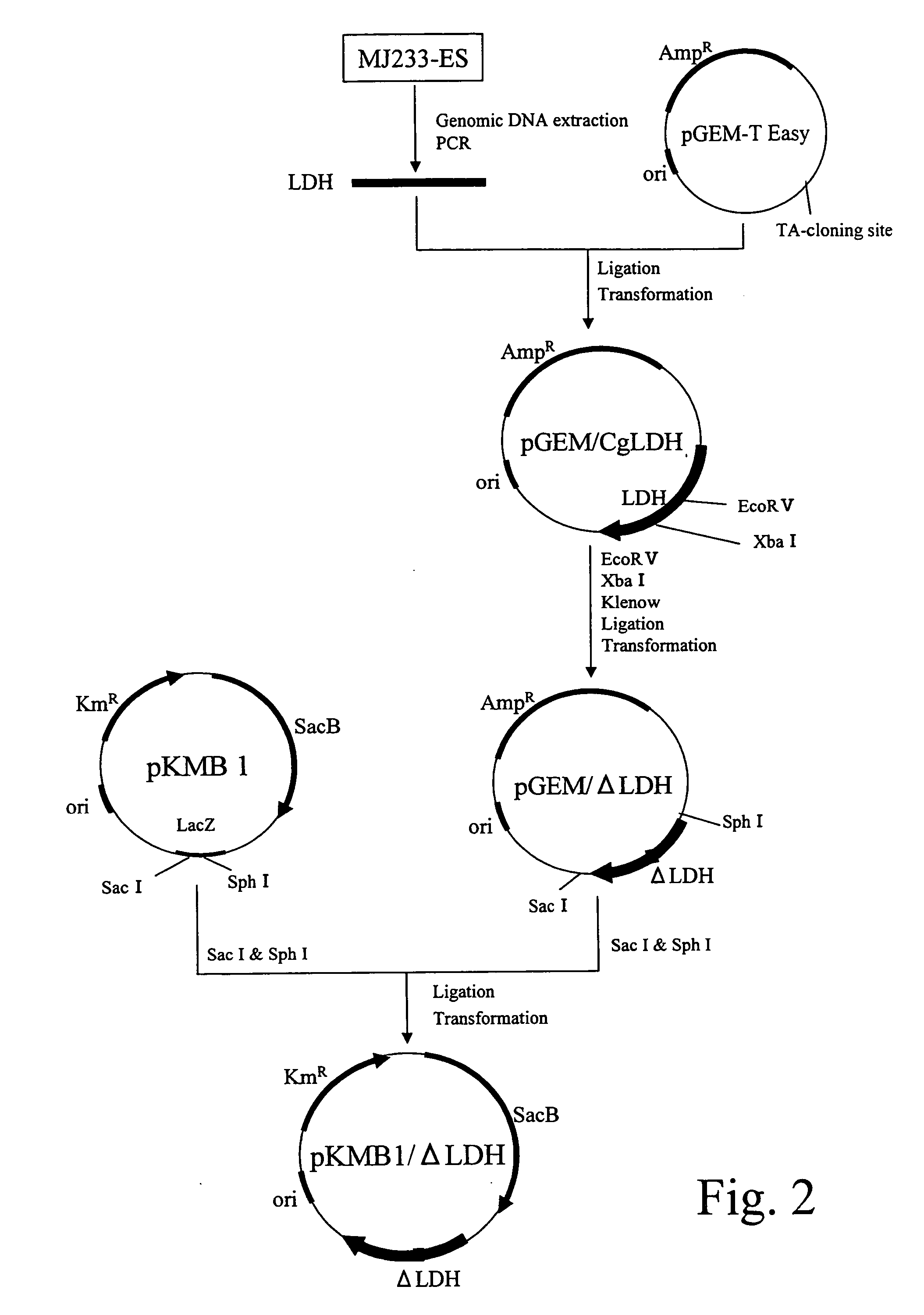
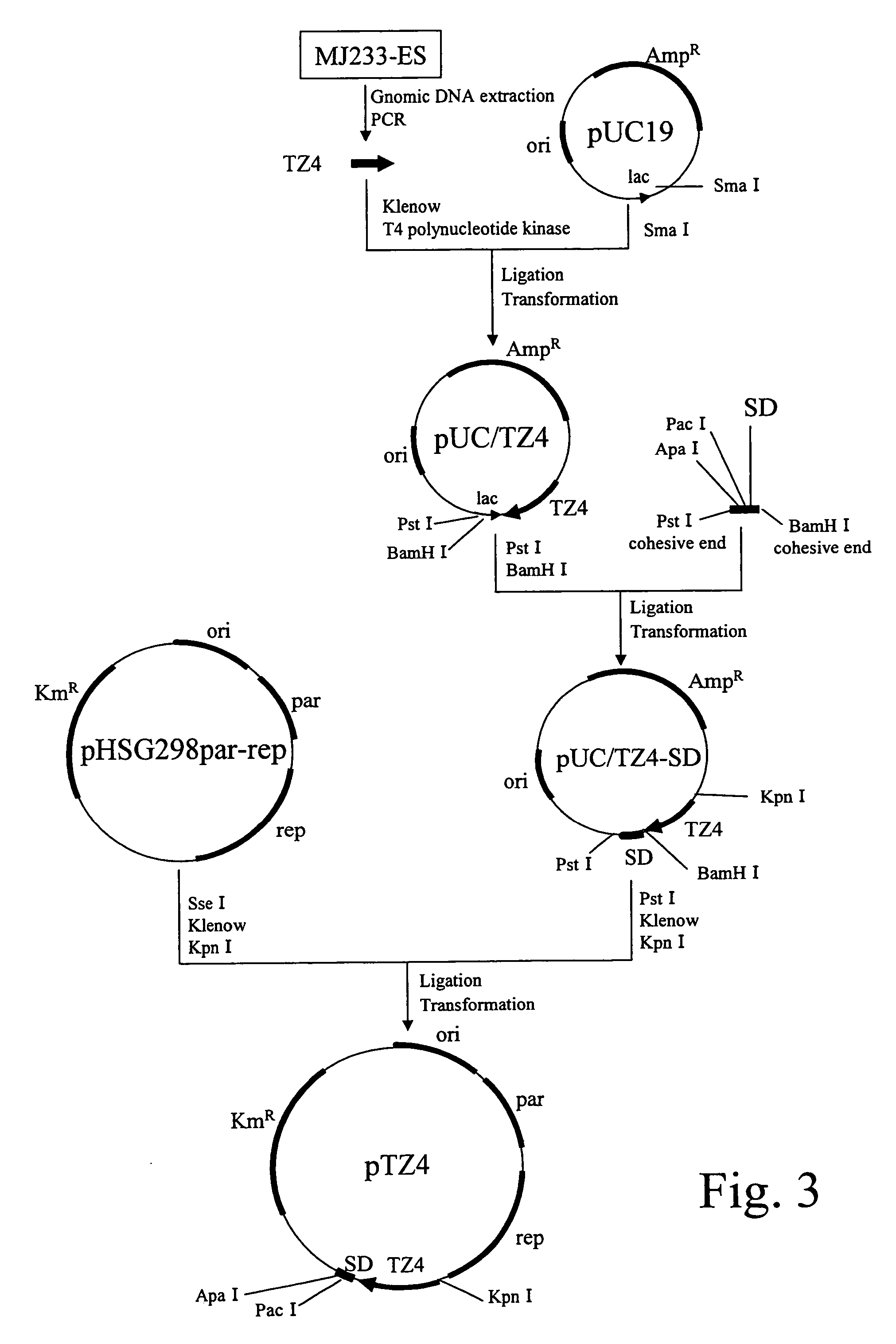
- Modifying bacteria to enhance fumarate reductase activity and reacting them with organic raw materials in a solution containing carbonate or bicarbonate ions or carbon dioxide to increase succinic acid production, using strains like coryneform, Bacillus, or Rhizobium bacteria.

Acetate detecting sensor
PatentInactiveUS6689272B2
Innovation
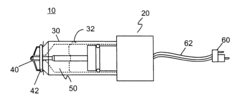
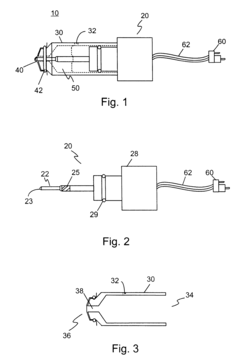
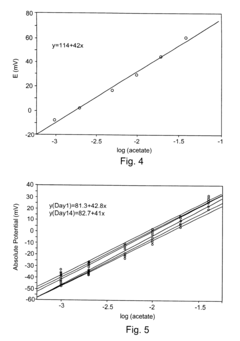
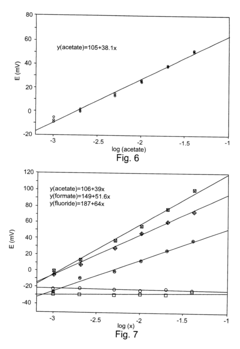
- An electrochemical sensor utilizing a glass pH electrode with an acetic acid gas permeable membrane and a buffer system that maintains samples at pH 5.5 to convert acetate into acetic acid, minimizing interference and allowing for fast and economical detection of acetate concentrations.
Environmental Impact of Sodium Acetate Fermentation
The environmental impact of sodium acetate fermentation is a crucial aspect to consider in optimizing fermentation techniques. This process, while beneficial for various industrial applications, can have both positive and negative effects on the environment.
One of the primary environmental advantages of sodium acetate fermentation is its potential to reduce greenhouse gas emissions. Compared to traditional petrochemical-based production methods, fermentation processes generally have a lower carbon footprint. This is particularly significant in the context of global efforts to mitigate climate change and transition towards more sustainable industrial practices.
However, the production of sodium acetate through fermentation also presents certain environmental challenges. The process requires significant amounts of water, which can strain local water resources, especially in water-scarce regions. Additionally, the disposal of waste products from fermentation, such as spent biomass and residual chemicals, needs careful management to prevent soil and water contamination.
Energy consumption is another important factor to consider. While fermentation processes are often less energy-intensive than their petrochemical counterparts, they still require substantial energy inputs for temperature control, agitation, and downstream processing. The source of this energy (renewable vs. non-renewable) greatly influences the overall environmental footprint of the process.
The use of genetically modified organisms (GMOs) in some sodium acetate fermentation processes raises additional environmental concerns. While GMOs can enhance production efficiency, there are ongoing debates about their potential long-term impacts on biodiversity and ecosystem balance.
On the positive side, sodium acetate fermentation can contribute to the circular economy by utilizing renewable feedstocks, including agricultural waste products. This not only reduces reliance on fossil-based resources but also provides a solution for managing organic waste streams, potentially reducing landfill usage and associated methane emissions.
The scale of production is a critical factor in determining environmental impact. Large-scale fermentation facilities may lead to localized environmental stresses, including increased traffic, noise pollution, and potential air quality issues. Proper site selection and implementation of best practices in facility design and operation are essential to mitigate these impacts.
In conclusion, while sodium acetate fermentation offers several environmental benefits, particularly in terms of reduced carbon emissions and the use of renewable resources, it also presents challenges that require careful management. Ongoing research and development in this field should focus on further optimizing the process to minimize water and energy consumption, improve waste management, and enhance overall environmental sustainability. Balancing the economic benefits with environmental considerations will be key to the long-term viability and acceptance of this technology.
One of the primary environmental advantages of sodium acetate fermentation is its potential to reduce greenhouse gas emissions. Compared to traditional petrochemical-based production methods, fermentation processes generally have a lower carbon footprint. This is particularly significant in the context of global efforts to mitigate climate change and transition towards more sustainable industrial practices.
However, the production of sodium acetate through fermentation also presents certain environmental challenges. The process requires significant amounts of water, which can strain local water resources, especially in water-scarce regions. Additionally, the disposal of waste products from fermentation, such as spent biomass and residual chemicals, needs careful management to prevent soil and water contamination.
Energy consumption is another important factor to consider. While fermentation processes are often less energy-intensive than their petrochemical counterparts, they still require substantial energy inputs for temperature control, agitation, and downstream processing. The source of this energy (renewable vs. non-renewable) greatly influences the overall environmental footprint of the process.
The use of genetically modified organisms (GMOs) in some sodium acetate fermentation processes raises additional environmental concerns. While GMOs can enhance production efficiency, there are ongoing debates about their potential long-term impacts on biodiversity and ecosystem balance.
On the positive side, sodium acetate fermentation can contribute to the circular economy by utilizing renewable feedstocks, including agricultural waste products. This not only reduces reliance on fossil-based resources but also provides a solution for managing organic waste streams, potentially reducing landfill usage and associated methane emissions.
The scale of production is a critical factor in determining environmental impact. Large-scale fermentation facilities may lead to localized environmental stresses, including increased traffic, noise pollution, and potential air quality issues. Proper site selection and implementation of best practices in facility design and operation are essential to mitigate these impacts.
In conclusion, while sodium acetate fermentation offers several environmental benefits, particularly in terms of reduced carbon emissions and the use of renewable resources, it also presents challenges that require careful management. Ongoing research and development in this field should focus on further optimizing the process to minimize water and energy consumption, improve waste management, and enhance overall environmental sustainability. Balancing the economic benefits with environmental considerations will be key to the long-term viability and acceptance of this technology.
Scalability and Industrial Applications
The scalability and industrial applications of sodium acetate in optimized fermentation techniques present significant opportunities for large-scale production and diverse industrial sectors. As fermentation processes are scaled up, sodium acetate's role as a pH buffer and nutrient source becomes increasingly critical. In industrial-scale fermentations, maintaining consistent pH levels across large volumes is challenging, making sodium acetate's buffering capacity particularly valuable. Its ability to stabilize pH without significant alterations to the fermentation medium composition allows for more efficient and cost-effective scaling of production processes.
In the food and beverage industry, sodium acetate's application in fermentation has shown promise in improving product quality and consistency. For instance, in large-scale beer production, sodium acetate can help maintain optimal pH levels during fermentation, potentially enhancing flavor profiles and increasing production efficiency. Similarly, in the dairy industry, sodium acetate's use in cheese and yogurt fermentation processes can lead to more consistent product quality across large batches.
The pharmaceutical industry also stands to benefit from the scalability of sodium acetate-optimized fermentation techniques. In the production of antibiotics and other biopharmaceuticals, maintaining precise fermentation conditions is crucial. Sodium acetate's pH-stabilizing properties can help ensure consistent product quality even as production scales up, potentially reducing batch-to-batch variability and improving overall yield.
In the biofuel sector, sodium acetate's role in optimizing fermentation could contribute to more efficient large-scale production of ethanol and other biofuels. By maintaining optimal pH levels and providing a supplementary carbon source, sodium acetate may help increase yield and reduce production costs, making biofuels more economically competitive with traditional fossil fuels.
The chemical industry can also leverage sodium acetate-enhanced fermentation for the production of various organic acids and specialty chemicals. As demand for bio-based chemicals grows, the ability to scale up fermentation processes efficiently becomes increasingly important. Sodium acetate's versatility in supporting different fermentation pathways makes it a valuable tool in this context.
However, scaling up sodium acetate use in fermentation processes also presents challenges. Ensuring uniform distribution of sodium acetate in large fermentation tanks and managing potential accumulation of acetate ions are technical hurdles that need to be addressed. Additionally, the economic feasibility of using sodium acetate at industrial scales must be carefully evaluated, considering factors such as raw material costs and potential alternatives.
In the food and beverage industry, sodium acetate's application in fermentation has shown promise in improving product quality and consistency. For instance, in large-scale beer production, sodium acetate can help maintain optimal pH levels during fermentation, potentially enhancing flavor profiles and increasing production efficiency. Similarly, in the dairy industry, sodium acetate's use in cheese and yogurt fermentation processes can lead to more consistent product quality across large batches.
The pharmaceutical industry also stands to benefit from the scalability of sodium acetate-optimized fermentation techniques. In the production of antibiotics and other biopharmaceuticals, maintaining precise fermentation conditions is crucial. Sodium acetate's pH-stabilizing properties can help ensure consistent product quality even as production scales up, potentially reducing batch-to-batch variability and improving overall yield.
In the biofuel sector, sodium acetate's role in optimizing fermentation could contribute to more efficient large-scale production of ethanol and other biofuels. By maintaining optimal pH levels and providing a supplementary carbon source, sodium acetate may help increase yield and reduce production costs, making biofuels more economically competitive with traditional fossil fuels.
The chemical industry can also leverage sodium acetate-enhanced fermentation for the production of various organic acids and specialty chemicals. As demand for bio-based chemicals grows, the ability to scale up fermentation processes efficiently becomes increasingly important. Sodium acetate's versatility in supporting different fermentation pathways makes it a valuable tool in this context.
However, scaling up sodium acetate use in fermentation processes also presents challenges. Ensuring uniform distribution of sodium acetate in large fermentation tanks and managing potential accumulation of acetate ions are technical hurdles that need to be addressed. Additionally, the economic feasibility of using sodium acetate at industrial scales must be carefully evaluated, considering factors such as raw material costs and potential alternatives.
Unlock deeper insights with Patsnap Eureka Quick Research — get a full tech report to explore trends and direct your research. Try now!
Generate Your Research Report Instantly with AI Agent
Supercharge your innovation with Patsnap Eureka AI Agent Platform!