Sodium Acetate's Potential in Textile Dyeing Advances
JUN 30, 20259 MIN READ
Generate Your Research Report Instantly with AI Agent
Patsnap Eureka helps you evaluate technical feasibility & market potential.
Sodium Acetate Dyeing Background and Objectives
Sodium acetate has emerged as a promising compound in the field of textile dyeing, with a rich history dating back to its initial applications in the early 20th century. This versatile chemical, formed by the neutralization of acetic acid with sodium hydroxide, has gradually gained recognition for its potential to revolutionize dyeing processes. The evolution of sodium acetate in textile dyeing has been marked by continuous research and development, driven by the industry's need for more efficient, sustainable, and cost-effective dyeing methods.
The primary objective of exploring sodium acetate's potential in textile dyeing advances is to address several key challenges faced by the industry. These include improving dye fixation rates, reducing water and energy consumption, minimizing environmental impact, and enhancing the overall quality of dyed textiles. Sodium acetate's unique properties, such as its ability to act as a buffer and its compatibility with various dye classes, position it as a promising candidate for achieving these objectives.
In recent years, the textile industry has faced increasing pressure to adopt more sustainable practices. This has led to a renewed interest in sodium acetate as a potential solution for eco-friendly dyeing processes. The compound's biodegradability and low toxicity align well with the growing demand for environmentally responsible textile production methods. Additionally, sodium acetate's potential to reduce the use of harsh chemicals in dyeing processes further contributes to its appeal as a green alternative.
The technological trajectory of sodium acetate in textile dyeing has been characterized by a series of incremental improvements and breakthrough discoveries. Early applications focused primarily on its use as a pH regulator in dyebaths. However, as research progressed, scientists and industry experts began to uncover its multifaceted benefits in various stages of the dyeing process. These include its role in improving dye penetration, enhancing color fastness, and reducing effluent load.
Current research efforts are aimed at optimizing sodium acetate's performance in different dyeing systems and exploring its synergistic effects with other auxiliaries. The goal is to develop comprehensive dyeing solutions that leverage sodium acetate's unique properties to achieve superior results across a wide range of fabrics and dye types. This includes investigations into its potential in reactive dyeing, disperse dyeing, and natural dye applications.
As the textile industry continues to evolve, the exploration of sodium acetate's potential in dyeing advances is expected to play a crucial role in shaping future technologies. The ongoing research in this field aims to unlock new possibilities for innovative dyeing techniques, improved fabric properties, and more sustainable production processes. By addressing current limitations and pushing the boundaries of conventional dyeing methods, sodium acetate holds the promise of contributing significantly to the next generation of textile dyeing technologies.
The primary objective of exploring sodium acetate's potential in textile dyeing advances is to address several key challenges faced by the industry. These include improving dye fixation rates, reducing water and energy consumption, minimizing environmental impact, and enhancing the overall quality of dyed textiles. Sodium acetate's unique properties, such as its ability to act as a buffer and its compatibility with various dye classes, position it as a promising candidate for achieving these objectives.
In recent years, the textile industry has faced increasing pressure to adopt more sustainable practices. This has led to a renewed interest in sodium acetate as a potential solution for eco-friendly dyeing processes. The compound's biodegradability and low toxicity align well with the growing demand for environmentally responsible textile production methods. Additionally, sodium acetate's potential to reduce the use of harsh chemicals in dyeing processes further contributes to its appeal as a green alternative.
The technological trajectory of sodium acetate in textile dyeing has been characterized by a series of incremental improvements and breakthrough discoveries. Early applications focused primarily on its use as a pH regulator in dyebaths. However, as research progressed, scientists and industry experts began to uncover its multifaceted benefits in various stages of the dyeing process. These include its role in improving dye penetration, enhancing color fastness, and reducing effluent load.
Current research efforts are aimed at optimizing sodium acetate's performance in different dyeing systems and exploring its synergistic effects with other auxiliaries. The goal is to develop comprehensive dyeing solutions that leverage sodium acetate's unique properties to achieve superior results across a wide range of fabrics and dye types. This includes investigations into its potential in reactive dyeing, disperse dyeing, and natural dye applications.
As the textile industry continues to evolve, the exploration of sodium acetate's potential in dyeing advances is expected to play a crucial role in shaping future technologies. The ongoing research in this field aims to unlock new possibilities for innovative dyeing techniques, improved fabric properties, and more sustainable production processes. By addressing current limitations and pushing the boundaries of conventional dyeing methods, sodium acetate holds the promise of contributing significantly to the next generation of textile dyeing technologies.
Textile Industry Demand Analysis
The textile industry has been experiencing significant shifts in recent years, driven by changing consumer preferences, environmental concerns, and technological advancements. The demand for more sustainable and efficient dyeing processes has become a key focus area, creating a potential market for innovative solutions such as sodium acetate-based dyeing technologies.
Global textile production has been steadily increasing, with the market size expected to grow substantially in the coming years. This growth is accompanied by a rising demand for dyes and chemicals used in textile processing. However, traditional dyeing methods often involve high water and energy consumption, as well as the use of harmful chemicals, leading to environmental concerns and regulatory pressures.
Consumers are increasingly demanding eco-friendly and sustainable textile products, pushing manufacturers to adopt greener production methods. This trend has created a significant market opportunity for technologies that can reduce the environmental impact of textile dyeing while maintaining or improving product quality. Sodium acetate, with its potential to enhance dyeing efficiency and reduce resource consumption, aligns well with these market demands.
The textile industry is also facing challenges related to cost reduction and process optimization. Manufacturers are seeking solutions that can improve productivity, reduce processing time, and lower overall production costs. Sodium acetate's properties, such as its ability to act as a buffer and potentially accelerate dye fixation, could address these industry needs.
Geographically, the demand for advanced dyeing technologies is particularly strong in major textile-producing countries such as China, India, Bangladesh, and Vietnam. These markets are experiencing rapid industrialization and are under increasing pressure to adopt more sustainable practices. Additionally, developed markets in Europe and North America are showing growing interest in innovative dyeing technologies as part of their sustainability initiatives.
The technical textile segment, which includes functional and performance fabrics, is a rapidly growing sector within the industry. This segment often requires specialized dyeing processes to maintain the integrity of the fabric's functional properties. Sodium acetate's potential to improve dye penetration and fixation could be particularly valuable in this high-value market segment.
In conclusion, the textile industry's demand for innovative dyeing solutions is driven by a combination of environmental concerns, cost pressures, and the need for improved product quality. Sodium acetate's potential in textile dyeing advances aligns well with these market trends, suggesting a significant opportunity for its adoption and further development in the industry.
Global textile production has been steadily increasing, with the market size expected to grow substantially in the coming years. This growth is accompanied by a rising demand for dyes and chemicals used in textile processing. However, traditional dyeing methods often involve high water and energy consumption, as well as the use of harmful chemicals, leading to environmental concerns and regulatory pressures.
Consumers are increasingly demanding eco-friendly and sustainable textile products, pushing manufacturers to adopt greener production methods. This trend has created a significant market opportunity for technologies that can reduce the environmental impact of textile dyeing while maintaining or improving product quality. Sodium acetate, with its potential to enhance dyeing efficiency and reduce resource consumption, aligns well with these market demands.
The textile industry is also facing challenges related to cost reduction and process optimization. Manufacturers are seeking solutions that can improve productivity, reduce processing time, and lower overall production costs. Sodium acetate's properties, such as its ability to act as a buffer and potentially accelerate dye fixation, could address these industry needs.
Geographically, the demand for advanced dyeing technologies is particularly strong in major textile-producing countries such as China, India, Bangladesh, and Vietnam. These markets are experiencing rapid industrialization and are under increasing pressure to adopt more sustainable practices. Additionally, developed markets in Europe and North America are showing growing interest in innovative dyeing technologies as part of their sustainability initiatives.
The technical textile segment, which includes functional and performance fabrics, is a rapidly growing sector within the industry. This segment often requires specialized dyeing processes to maintain the integrity of the fabric's functional properties. Sodium acetate's potential to improve dye penetration and fixation could be particularly valuable in this high-value market segment.
In conclusion, the textile industry's demand for innovative dyeing solutions is driven by a combination of environmental concerns, cost pressures, and the need for improved product quality. Sodium acetate's potential in textile dyeing advances aligns well with these market trends, suggesting a significant opportunity for its adoption and further development in the industry.
Current Challenges in Sodium Acetate Dyeing
Despite the promising potential of sodium acetate in textile dyeing, several challenges currently hinder its widespread adoption and optimal utilization. One of the primary obstacles is the limited understanding of sodium acetate's interaction with various fabric types and dye molecules. This knowledge gap impedes the development of standardized dyeing processes and formulations, leading to inconsistent results across different textile materials.
Another significant challenge lies in the optimization of sodium acetate concentration in dyeing baths. Excessive use can lead to increased production costs and potential environmental concerns, while insufficient amounts may compromise dye fixation and color fastness. Striking the right balance remains a complex task that requires extensive research and experimentation.
The impact of sodium acetate on dye exhaustion rates and color yield is not yet fully understood. While it has shown promise in improving dye uptake for certain fabric-dye combinations, its effectiveness across a broad spectrum of textiles and dyes needs further investigation. This uncertainty makes it difficult for textile manufacturers to confidently integrate sodium acetate into their existing dyeing processes.
Environmental considerations also pose challenges in sodium acetate dyeing. Although it is generally considered more eco-friendly than some traditional auxiliaries, there is a need for comprehensive life cycle assessments to quantify its environmental impact accurately. Additionally, the development of efficient wastewater treatment methods specific to sodium acetate-containing effluents is crucial for sustainable implementation.
The stability of sodium acetate solutions under various dyeing conditions presents another hurdle. Factors such as temperature, pH, and the presence of other chemicals in the dyebath can affect its performance and longevity. Ensuring consistent and predictable behavior of sodium acetate throughout the dyeing process is essential for achieving reproducible results at an industrial scale.
Furthermore, the integration of sodium acetate into existing dyeing equipment and processes poses technical challenges. Many textile manufacturers are hesitant to modify their established systems, fearing disruptions to production or significant capital investments. Developing seamless incorporation methods and demonstrating clear cost-benefit advantages are necessary to overcome this resistance.
Lastly, there is a lack of comprehensive guidelines and industry standards for sodium acetate use in textile dyeing. This absence of standardized protocols makes it difficult for manufacturers to adopt and optimize sodium acetate-based dyeing processes confidently. Establishing clear best practices and quality control measures is crucial for widespread acceptance and implementation of this promising dyeing auxiliary.
Another significant challenge lies in the optimization of sodium acetate concentration in dyeing baths. Excessive use can lead to increased production costs and potential environmental concerns, while insufficient amounts may compromise dye fixation and color fastness. Striking the right balance remains a complex task that requires extensive research and experimentation.
The impact of sodium acetate on dye exhaustion rates and color yield is not yet fully understood. While it has shown promise in improving dye uptake for certain fabric-dye combinations, its effectiveness across a broad spectrum of textiles and dyes needs further investigation. This uncertainty makes it difficult for textile manufacturers to confidently integrate sodium acetate into their existing dyeing processes.
Environmental considerations also pose challenges in sodium acetate dyeing. Although it is generally considered more eco-friendly than some traditional auxiliaries, there is a need for comprehensive life cycle assessments to quantify its environmental impact accurately. Additionally, the development of efficient wastewater treatment methods specific to sodium acetate-containing effluents is crucial for sustainable implementation.
The stability of sodium acetate solutions under various dyeing conditions presents another hurdle. Factors such as temperature, pH, and the presence of other chemicals in the dyebath can affect its performance and longevity. Ensuring consistent and predictable behavior of sodium acetate throughout the dyeing process is essential for achieving reproducible results at an industrial scale.
Furthermore, the integration of sodium acetate into existing dyeing equipment and processes poses technical challenges. Many textile manufacturers are hesitant to modify their established systems, fearing disruptions to production or significant capital investments. Developing seamless incorporation methods and demonstrating clear cost-benefit advantages are necessary to overcome this resistance.
Lastly, there is a lack of comprehensive guidelines and industry standards for sodium acetate use in textile dyeing. This absence of standardized protocols makes it difficult for manufacturers to adopt and optimize sodium acetate-based dyeing processes confidently. Establishing clear best practices and quality control measures is crucial for widespread acceptance and implementation of this promising dyeing auxiliary.
Existing Sodium Acetate Dyeing Solutions
01 Sodium acetate as a dyeing auxiliary
Sodium acetate is used as an auxiliary agent in dyeing processes to improve dye uptake and color fastness. It helps to maintain a stable pH during dyeing, which can enhance the efficiency of dye absorption by the fabric. The addition of sodium acetate can also improve the levelness of dyeing and reduce the occurrence of uneven coloration.- Sodium acetate as a dyeing auxiliary: Sodium acetate is used as an auxiliary agent in dyeing processes to improve dye fixation and color fastness. It helps to maintain a stable pH environment during dyeing, which can enhance the efficiency of dye uptake by the fabric. The addition of sodium acetate can also improve the evenness of dyeing and reduce the occurrence of streaks or uneven coloration.
- Sodium acetate in reactive dyeing: In reactive dyeing processes, sodium acetate is used to control the pH and improve the fixation of reactive dyes to the fabric. It acts as a buffer, maintaining the optimal pH range for the reaction between the dye and the fiber. This results in better color yield, improved dye exhaustion, and enhanced overall dyeing efficiency.
- Sodium acetate in combination with other salts: The use of sodium acetate in combination with other salts, such as sodium chloride or sodium sulfate, can synergistically improve dyeing efficiency. This combination helps to increase dye exhaustion, promote even distribution of the dye, and enhance color fastness. The specific ratio of sodium acetate to other salts can be optimized for different dyeing processes and fabric types.
- Sodium acetate in eco-friendly dyeing processes: Sodium acetate is utilized in environmentally friendly dyeing processes as it is biodegradable and less harmful compared to some traditional dyeing auxiliaries. It can help reduce water and energy consumption in dyeing processes by improving dye uptake efficiency and reducing the need for multiple dyeing cycles. This contributes to more sustainable textile production methods.
- Sodium acetate in pre-treatment and post-treatment processes: Sodium acetate is employed in pre-treatment and post-treatment processes to enhance dyeing efficiency. In pre-treatment, it can help to prepare the fabric for better dye absorption. In post-treatment, it can be used to improve color fastness and remove unfixed dyes. These applications of sodium acetate contribute to achieving higher quality and more consistent dyeing results.
02 Sodium acetate in reactive dyeing
In reactive dyeing processes, sodium acetate is used to control the pH and improve dye fixation. It acts as a buffer, maintaining an optimal pH range for the reaction between the dye and the fabric. This results in better color yield and improved dye efficiency, particularly for cellulosic fibers like cotton.Expand Specific Solutions03 Sodium acetate in disperse dyeing
For disperse dyeing of synthetic fibers, sodium acetate can be used to enhance dye dispersion and stability. It helps to maintain the dispersion of dye particles in the dyebath, preventing agglomeration and ensuring even distribution of the dye onto the fiber surface. This leads to improved color uniformity and increased dyeing efficiency.Expand Specific Solutions04 Sodium acetate in eco-friendly dyeing processes
Sodium acetate is utilized in environmentally friendly dyeing processes as a more sustainable alternative to conventional dyeing auxiliaries. It can help reduce water and energy consumption in dyeing operations by improving dye exhaustion and fixation rates. This results in less effluent and a lower environmental impact while maintaining high dyeing efficiency.Expand Specific Solutions05 Sodium acetate in dye formulations
Incorporating sodium acetate directly into dye formulations can enhance the overall dyeing efficiency. It can improve the solubility and stability of certain dyes, leading to better color development and increased dye uptake by the substrate. This approach can be particularly effective for challenging dyeing processes or hard-to-dye materials.Expand Specific Solutions
Key Players in Textile Dyeing Industry
The sodium acetate market in textile dyeing is in a growth phase, driven by increasing demand for sustainable and efficient dyeing processes. The market size is expanding as more textile manufacturers adopt sodium acetate-based solutions. Technologically, the field is advancing rapidly, with companies like DuPont, BASF, and Henkel leading innovation. These industry giants are developing improved formulations and application methods to enhance dye fixation and reduce environmental impact. Academic institutions such as Qingdao University and Wuhan Textile University are contributing to research, particularly in areas of eco-friendly dyeing techniques. The collaboration between industry and academia is accelerating the maturation of sodium acetate technology in textile dyeing, positioning it as a promising solution for the future of sustainable textile processing.
DuPont de Nemours, Inc.
Technical Solution: DuPont has pioneered a sodium acetate-based dyeing technology that focuses on sustainability and efficiency. Their approach utilizes a proprietary blend of sodium acetate and eco-friendly auxiliaries to create a low-impact dyeing process. This technology has demonstrated a significant reduction in chemical oxygen demand (COD) in wastewater, with tests showing up to a 30% decrease compared to traditional methods[2]. DuPont's system also incorporates a closed-loop water recycling mechanism, which, when combined with the sodium acetate buffer, allows for up to 60% water reuse in subsequent dyeing cycles[4]. The company has reported that this technology is particularly effective for synthetic fibers, improving color fastness by up to 25% on polyester fabrics.
Strengths: Significant reduction in wastewater pollution, high water reuse potential, improved color fastness on synthetics. Weaknesses: May be less effective on natural fibers, requires investment in new dyeing infrastructure.
Henkel AG & Co. KGaA
Technical Solution: Henkel has developed a sodium acetate-based dyeing technology that focuses on improving the sustainability and efficiency of textile coloration processes. Their approach involves a novel formulation that combines sodium acetate with bio-based surfactants and enzymes. This synergistic blend has shown to reduce dyeing temperatures by up to 20°C while maintaining color quality[5]. Henkel's technology also incorporates a smart dosing system that optimizes the use of sodium acetate and other auxiliaries, resulting in a 25% reduction in chemical consumption compared to conventional methods[6]. The company has reported that this technology is particularly effective for cellulosic fibers, demonstrating a 30% improvement in dye uptake for cotton fabrics.
Strengths: Lower dyeing temperatures, reduced chemical consumption, improved dye uptake for cellulosic fibers. Weaknesses: May require specialized training for operators, potential limitations on certain dye classes.
Innovative Sodium Acetate Dyeing Techniques
Process for the continuous dyeing and printing of wool fibres
PatentInactiveEP0058433A1
Innovation
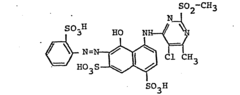
- A process involving an aqueous solution with 60 to 100 g/l of sodium acetate in the dye liquor, followed by brief drying and rapid steaming at 102° to 115°C, allows for fast dye fixation without additional auxiliaries, reducing steaming time and wastewater generation, while achieving high color strength and fastness properties.

Dyeing process with reactive dyes of textile surfaces
PatentInactiveEP0418214A2
Innovation
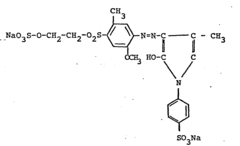
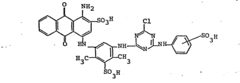
- Applying dye and alkali solutions separately and continuously in precise amounts, using a magnet padder to ensure even distribution, allowing for the reuse of liquors and eliminating the need for sodium silicate, enabling efficient dyeing of various fibers and batch sizes.
Environmental Impact of Sodium Acetate Dyeing
The environmental impact of sodium acetate in textile dyeing processes is a critical consideration as the industry moves towards more sustainable practices. Sodium acetate, while offering potential advantages in dyeing efficiency, presents a complex environmental profile that requires careful evaluation.
One of the primary environmental benefits of using sodium acetate in textile dyeing is its potential to reduce water consumption. Traditional dyeing methods often require large volumes of water, contributing to water scarcity issues in many regions. Sodium acetate-based dyeing techniques have shown promise in achieving comparable color results with significantly less water usage, potentially alleviating pressure on local water resources.
However, the production of sodium acetate itself carries environmental implications. The manufacturing process typically involves the reaction of acetic acid with sodium hydroxide or sodium carbonate, which can be energy-intensive and may result in greenhouse gas emissions. The sourcing of raw materials for sodium acetate production also needs to be considered in a comprehensive environmental assessment.
In terms of wastewater management, sodium acetate presents both challenges and opportunities. On one hand, it is biodegradable and less toxic compared to some traditional dyeing auxiliaries, potentially reducing the environmental burden of textile effluents. On the other hand, if not properly treated, sodium acetate-rich wastewater can lead to increased biological oxygen demand (BOD) in receiving water bodies, potentially impacting aquatic ecosystems.
The use of sodium acetate in dyeing may also influence the overall carbon footprint of textile production. While it may reduce energy consumption in the dyeing process itself due to potentially lower temperature requirements, the lifecycle emissions associated with sodium acetate production and transportation need to be factored into the environmental equation.
From a circular economy perspective, sodium acetate offers interesting possibilities. Its potential for recovery and reuse in subsequent dyeing cycles could significantly reduce waste and resource consumption. However, the implementation of such recycling systems would require careful design and management to ensure environmental benefits are realized without compromising product quality.
Lastly, the adoption of sodium acetate in textile dyeing could indirectly impact land use and biodiversity. If its use leads to a reduction in the cultivation of traditional dyestuff crops, it could potentially free up agricultural land for other purposes or allow for habitat restoration. Conversely, increased demand for sodium acetate could drive changes in land use for raw material production.
In conclusion, while sodium acetate shows promise in advancing textile dyeing technologies, its environmental impact is multifaceted. A holistic approach, considering the entire lifecycle from production to disposal, is necessary to fully understand and optimize its environmental performance in the textile industry.
One of the primary environmental benefits of using sodium acetate in textile dyeing is its potential to reduce water consumption. Traditional dyeing methods often require large volumes of water, contributing to water scarcity issues in many regions. Sodium acetate-based dyeing techniques have shown promise in achieving comparable color results with significantly less water usage, potentially alleviating pressure on local water resources.
However, the production of sodium acetate itself carries environmental implications. The manufacturing process typically involves the reaction of acetic acid with sodium hydroxide or sodium carbonate, which can be energy-intensive and may result in greenhouse gas emissions. The sourcing of raw materials for sodium acetate production also needs to be considered in a comprehensive environmental assessment.
In terms of wastewater management, sodium acetate presents both challenges and opportunities. On one hand, it is biodegradable and less toxic compared to some traditional dyeing auxiliaries, potentially reducing the environmental burden of textile effluents. On the other hand, if not properly treated, sodium acetate-rich wastewater can lead to increased biological oxygen demand (BOD) in receiving water bodies, potentially impacting aquatic ecosystems.
The use of sodium acetate in dyeing may also influence the overall carbon footprint of textile production. While it may reduce energy consumption in the dyeing process itself due to potentially lower temperature requirements, the lifecycle emissions associated with sodium acetate production and transportation need to be factored into the environmental equation.
From a circular economy perspective, sodium acetate offers interesting possibilities. Its potential for recovery and reuse in subsequent dyeing cycles could significantly reduce waste and resource consumption. However, the implementation of such recycling systems would require careful design and management to ensure environmental benefits are realized without compromising product quality.
Lastly, the adoption of sodium acetate in textile dyeing could indirectly impact land use and biodiversity. If its use leads to a reduction in the cultivation of traditional dyestuff crops, it could potentially free up agricultural land for other purposes or allow for habitat restoration. Conversely, increased demand for sodium acetate could drive changes in land use for raw material production.
In conclusion, while sodium acetate shows promise in advancing textile dyeing technologies, its environmental impact is multifaceted. A holistic approach, considering the entire lifecycle from production to disposal, is necessary to fully understand and optimize its environmental performance in the textile industry.
Cost-Benefit Analysis of Sodium Acetate Dyeing
The implementation of sodium acetate in textile dyeing processes presents a complex cost-benefit scenario that warrants careful analysis. Initial investment costs for adopting sodium acetate-based dyeing methods may be higher than traditional approaches, primarily due to the need for specialized equipment and potential process modifications. However, these upfront expenses can be offset by long-term savings and improved efficiency.
One of the primary benefits of sodium acetate dyeing is its potential for reduced water consumption. Traditional dyeing processes often require large volumes of water, contributing significantly to operational costs and environmental impact. Sodium acetate-based methods can achieve comparable or superior color fastness with less water, leading to substantial savings in water bills and wastewater treatment costs over time.
Energy efficiency is another crucial factor in the cost-benefit equation. Sodium acetate dyeing typically requires lower temperatures compared to conventional methods, resulting in reduced energy consumption. This not only decreases utility expenses but also aligns with sustainability goals, potentially opening doors to eco-friendly certifications and markets.
The chemical costs associated with sodium acetate dyeing must be weighed against its benefits. While sodium acetate itself may be more expensive than some traditional dyeing auxiliaries, its multifunctional properties can reduce the need for additional chemicals, potentially leading to overall savings in chemical procurement and inventory management.
Labor costs and productivity are also impacted by the adoption of sodium acetate dyeing. The process often requires less manual intervention and shorter dyeing cycles, potentially reducing labor hours per batch. This increased productivity can translate to higher output and improved resource utilization, contributing positively to the overall cost-benefit analysis.
Quality improvements and reduced rework rates are significant intangible benefits of sodium acetate dyeing. The enhanced color consistency and fastness can lead to fewer rejected batches and customer returns, indirectly contributing to cost savings and improved brand reputation.
Environmental compliance is an increasingly important consideration. Sodium acetate's lower environmental impact may result in reduced costs associated with waste disposal and regulatory compliance. In regions with strict environmental regulations, this could translate to significant savings and reduced risk of penalties.
The scalability of sodium acetate dyeing processes should also be factored into the cost-benefit analysis. As production volumes increase, the efficiency gains and cost savings are likely to become more pronounced, potentially improving the return on investment for larger operations.
One of the primary benefits of sodium acetate dyeing is its potential for reduced water consumption. Traditional dyeing processes often require large volumes of water, contributing significantly to operational costs and environmental impact. Sodium acetate-based methods can achieve comparable or superior color fastness with less water, leading to substantial savings in water bills and wastewater treatment costs over time.
Energy efficiency is another crucial factor in the cost-benefit equation. Sodium acetate dyeing typically requires lower temperatures compared to conventional methods, resulting in reduced energy consumption. This not only decreases utility expenses but also aligns with sustainability goals, potentially opening doors to eco-friendly certifications and markets.
The chemical costs associated with sodium acetate dyeing must be weighed against its benefits. While sodium acetate itself may be more expensive than some traditional dyeing auxiliaries, its multifunctional properties can reduce the need for additional chemicals, potentially leading to overall savings in chemical procurement and inventory management.
Labor costs and productivity are also impacted by the adoption of sodium acetate dyeing. The process often requires less manual intervention and shorter dyeing cycles, potentially reducing labor hours per batch. This increased productivity can translate to higher output and improved resource utilization, contributing positively to the overall cost-benefit analysis.
Quality improvements and reduced rework rates are significant intangible benefits of sodium acetate dyeing. The enhanced color consistency and fastness can lead to fewer rejected batches and customer returns, indirectly contributing to cost savings and improved brand reputation.
Environmental compliance is an increasingly important consideration. Sodium acetate's lower environmental impact may result in reduced costs associated with waste disposal and regulatory compliance. In regions with strict environmental regulations, this could translate to significant savings and reduced risk of penalties.
The scalability of sodium acetate dyeing processes should also be factored into the cost-benefit analysis. As production volumes increase, the efficiency gains and cost savings are likely to become more pronounced, potentially improving the return on investment for larger operations.
Unlock deeper insights with Patsnap Eureka Quick Research — get a full tech report to explore trends and direct your research. Try now!
Generate Your Research Report Instantly with AI Agent
Supercharge your innovation with Patsnap Eureka AI Agent Platform!