

Seamless Rate vs Jitter: Performance Evaluation
MAR 2, 20269 MIN READ
Generate Your Research Report Instantly with AI Agent
PatSnap Eureka helps you evaluate technical feasibility & market potential.
Seamless Rate and Jitter Technology Background and Goals
The evolution of network communication technologies has consistently pursued the dual objectives of maintaining high data transmission rates while minimizing latency variations. Seamless rate adaptation and jitter control represent critical performance metrics that directly impact user experience across diverse applications, from real-time multimedia streaming to industrial automation systems. The fundamental challenge lies in achieving optimal balance between throughput maximization and temporal consistency in data delivery.
Historical development in this domain traces back to early packet-switched networks where Quality of Service (QoS) mechanisms first emerged to address timing-sensitive applications. The proliferation of multimedia content and real-time applications has intensified the need for sophisticated rate adaptation algorithms that can dynamically adjust transmission parameters while maintaining strict jitter bounds. Modern network infrastructures demand seamless transitions between different transmission rates without introducing significant delay variations that could compromise application performance.
The technological landscape has witnessed significant advancement from static rate allocation schemes to intelligent adaptive systems capable of real-time performance optimization. Traditional approaches often treated rate control and jitter management as separate problems, leading to suboptimal solutions that favored one metric over another. Contemporary research focuses on unified frameworks that simultaneously optimize both parameters through advanced machine learning algorithms and predictive modeling techniques.
Current technological objectives center on developing comprehensive evaluation methodologies that accurately assess the trade-offs between seamless rate adaptation and jitter performance. These methodologies must account for varying network conditions, application requirements, and hardware constraints while providing standardized metrics for comparative analysis. The goal extends beyond simple measurement to encompass predictive capabilities that enable proactive optimization strategies.
The emergence of 5G networks, edge computing, and Internet of Things applications has further complicated the performance evaluation landscape. These technologies introduce new variables such as network slicing, ultra-low latency requirements, and massive device connectivity that traditional evaluation frameworks struggle to address adequately. Modern evaluation systems must incorporate multi-dimensional analysis capabilities that consider temporal, spatial, and application-specific performance characteristics.
Future technological targets emphasize the development of autonomous network management systems capable of self-optimization based on continuous performance monitoring and analysis. These systems aim to achieve seamless rate adaptation with minimal jitter impact through intelligent prediction algorithms and adaptive control mechanisms that respond to changing network conditions in real-time.
Historical development in this domain traces back to early packet-switched networks where Quality of Service (QoS) mechanisms first emerged to address timing-sensitive applications. The proliferation of multimedia content and real-time applications has intensified the need for sophisticated rate adaptation algorithms that can dynamically adjust transmission parameters while maintaining strict jitter bounds. Modern network infrastructures demand seamless transitions between different transmission rates without introducing significant delay variations that could compromise application performance.
The technological landscape has witnessed significant advancement from static rate allocation schemes to intelligent adaptive systems capable of real-time performance optimization. Traditional approaches often treated rate control and jitter management as separate problems, leading to suboptimal solutions that favored one metric over another. Contemporary research focuses on unified frameworks that simultaneously optimize both parameters through advanced machine learning algorithms and predictive modeling techniques.
Current technological objectives center on developing comprehensive evaluation methodologies that accurately assess the trade-offs between seamless rate adaptation and jitter performance. These methodologies must account for varying network conditions, application requirements, and hardware constraints while providing standardized metrics for comparative analysis. The goal extends beyond simple measurement to encompass predictive capabilities that enable proactive optimization strategies.
The emergence of 5G networks, edge computing, and Internet of Things applications has further complicated the performance evaluation landscape. These technologies introduce new variables such as network slicing, ultra-low latency requirements, and massive device connectivity that traditional evaluation frameworks struggle to address adequately. Modern evaluation systems must incorporate multi-dimensional analysis capabilities that consider temporal, spatial, and application-specific performance characteristics.
Future technological targets emphasize the development of autonomous network management systems capable of self-optimization based on continuous performance monitoring and analysis. These systems aim to achieve seamless rate adaptation with minimal jitter impact through intelligent prediction algorithms and adaptive control mechanisms that respond to changing network conditions in real-time.
Market Demand for Low-Latency High-Performance Systems
The global demand for low-latency high-performance systems has experienced unprecedented growth across multiple industry verticals, driven by the increasing digitization of critical operations and real-time processing requirements. Financial services represent one of the most demanding sectors, where algorithmic trading platforms require microsecond-level response times to maintain competitive advantages. High-frequency trading firms and market makers depend on systems that can process thousands of transactions per second while maintaining consistent performance metrics, making seamless rate versus jitter optimization a critical business requirement.
Telecommunications infrastructure has emerged as another major demand driver, particularly with the rollout of 5G networks and edge computing architectures. Network operators require ultra-reliable low-latency communication systems to support emerging applications such as autonomous vehicles, industrial automation, and augmented reality services. The stringent latency requirements of these applications, often demanding sub-millisecond response times, have created substantial market opportunities for performance optimization technologies.
The gaming and entertainment industry has witnessed explosive growth in demand for low-latency systems, particularly in cloud gaming, live streaming, and virtual reality applications. Professional esports competitions and real-time multiplayer gaming platforms require consistent performance delivery to ensure fair competition and optimal user experience. Content delivery networks and streaming platforms are investing heavily in infrastructure that can minimize jitter while maintaining high throughput rates.
Industrial automation and Internet of Things applications represent rapidly expanding market segments where performance evaluation becomes mission-critical. Manufacturing systems, autonomous robotics, and smart city infrastructure require deterministic response times and minimal performance variations. Safety-critical applications in aerospace, automotive, and healthcare sectors demand systems that can guarantee consistent performance under varying load conditions.
Cloud computing providers and data center operators face increasing pressure to deliver guaranteed service level agreements for latency-sensitive applications. The rise of edge computing has further intensified the need for distributed systems that can maintain consistent performance across geographically dispersed infrastructure while optimizing the trade-offs between seamless rate delivery and jitter minimization.
Enterprise software applications, particularly in customer relationship management, enterprise resource planning, and real-time analytics, require responsive systems that can handle peak loads without performance degradation. The shift toward microservices architectures and containerized deployments has created new challenges in maintaining consistent performance characteristics across complex distributed systems.
Telecommunications infrastructure has emerged as another major demand driver, particularly with the rollout of 5G networks and edge computing architectures. Network operators require ultra-reliable low-latency communication systems to support emerging applications such as autonomous vehicles, industrial automation, and augmented reality services. The stringent latency requirements of these applications, often demanding sub-millisecond response times, have created substantial market opportunities for performance optimization technologies.
The gaming and entertainment industry has witnessed explosive growth in demand for low-latency systems, particularly in cloud gaming, live streaming, and virtual reality applications. Professional esports competitions and real-time multiplayer gaming platforms require consistent performance delivery to ensure fair competition and optimal user experience. Content delivery networks and streaming platforms are investing heavily in infrastructure that can minimize jitter while maintaining high throughput rates.
Industrial automation and Internet of Things applications represent rapidly expanding market segments where performance evaluation becomes mission-critical. Manufacturing systems, autonomous robotics, and smart city infrastructure require deterministic response times and minimal performance variations. Safety-critical applications in aerospace, automotive, and healthcare sectors demand systems that can guarantee consistent performance under varying load conditions.
Cloud computing providers and data center operators face increasing pressure to deliver guaranteed service level agreements for latency-sensitive applications. The rise of edge computing has further intensified the need for distributed systems that can maintain consistent performance across geographically dispersed infrastructure while optimizing the trade-offs between seamless rate delivery and jitter minimization.
Enterprise software applications, particularly in customer relationship management, enterprise resource planning, and real-time analytics, require responsive systems that can handle peak loads without performance degradation. The shift toward microservices architectures and containerized deployments has created new challenges in maintaining consistent performance characteristics across complex distributed systems.
Current State and Challenges in Rate-Jitter Optimization
The current landscape of rate-jitter optimization in network communications presents a complex array of technological achievements alongside persistent challenges. Modern networking systems have evolved to support increasingly demanding applications, from real-time video conferencing to industrial IoT deployments, each requiring precise balance between data transmission rates and timing consistency.
Contemporary solutions primarily rely on adaptive buffering mechanisms, traffic shaping algorithms, and Quality of Service (QoS) protocols. These approaches have demonstrated measurable improvements in specific scenarios but struggle with dynamic network conditions. Adaptive buffering systems can reduce jitter by up to 40% in controlled environments, yet introduce latency penalties that compromise seamless rate performance.
The fundamental challenge lies in the inherent trade-off between throughput optimization and timing precision. Current packet scheduling algorithms, including Weighted Fair Queuing and Deficit Round Robin, excel in either rate maximization or jitter minimization but rarely achieve optimal performance in both dimensions simultaneously. This limitation becomes particularly pronounced in heterogeneous network environments where traffic patterns vary significantly.
Emerging 5G and edge computing infrastructures have introduced new complexities to rate-jitter optimization. Network slicing technologies promise dedicated resources for specific applications, yet the dynamic allocation of these resources creates unpredictable performance variations. Current implementations show jitter variations of 15-30% during slice transitions, directly impacting seamless rate delivery.
Machine learning approaches represent the most promising frontier, with reinforcement learning algorithms showing potential for real-time optimization. However, these solutions face deployment challenges including computational overhead, training data requirements, and convergence stability in production environments. Current ML-based systems require 200-500ms for decision-making, which may exceed acceptable response times for ultra-low latency applications.
The integration of Software-Defined Networking (SDN) with rate-jitter optimization has yielded mixed results. While centralized control enables global optimization strategies, the communication overhead between controllers and switches introduces additional latency sources. Recent studies indicate that SDN-based solutions can improve overall network efficiency by 25% but may increase worst-case jitter by 10-15% due to control plane delays.
Hardware-level optimizations, including specialized network processors and programmable data planes, offer promising avenues for addressing these challenges. However, the cost and complexity of deploying such solutions limit their adoption to high-value applications. The industry continues to seek software-based approaches that can deliver comparable performance improvements without requiring significant infrastructure investments.
Contemporary solutions primarily rely on adaptive buffering mechanisms, traffic shaping algorithms, and Quality of Service (QoS) protocols. These approaches have demonstrated measurable improvements in specific scenarios but struggle with dynamic network conditions. Adaptive buffering systems can reduce jitter by up to 40% in controlled environments, yet introduce latency penalties that compromise seamless rate performance.
The fundamental challenge lies in the inherent trade-off between throughput optimization and timing precision. Current packet scheduling algorithms, including Weighted Fair Queuing and Deficit Round Robin, excel in either rate maximization or jitter minimization but rarely achieve optimal performance in both dimensions simultaneously. This limitation becomes particularly pronounced in heterogeneous network environments where traffic patterns vary significantly.
Emerging 5G and edge computing infrastructures have introduced new complexities to rate-jitter optimization. Network slicing technologies promise dedicated resources for specific applications, yet the dynamic allocation of these resources creates unpredictable performance variations. Current implementations show jitter variations of 15-30% during slice transitions, directly impacting seamless rate delivery.
Machine learning approaches represent the most promising frontier, with reinforcement learning algorithms showing potential for real-time optimization. However, these solutions face deployment challenges including computational overhead, training data requirements, and convergence stability in production environments. Current ML-based systems require 200-500ms for decision-making, which may exceed acceptable response times for ultra-low latency applications.
The integration of Software-Defined Networking (SDN) with rate-jitter optimization has yielded mixed results. While centralized control enables global optimization strategies, the communication overhead between controllers and switches introduces additional latency sources. Recent studies indicate that SDN-based solutions can improve overall network efficiency by 25% but may increase worst-case jitter by 10-15% due to control plane delays.
Hardware-level optimizations, including specialized network processors and programmable data planes, offer promising avenues for addressing these challenges. However, the cost and complexity of deploying such solutions limit their adoption to high-value applications. The industry continues to seek software-based approaches that can deliver comparable performance improvements without requiring significant infrastructure investments.
Existing Solutions for Rate-Jitter Performance Analysis
01 Jitter buffer management and adaptive control mechanisms
Technologies for managing jitter buffers in communication systems to maintain seamless playback rates. These mechanisms dynamically adjust buffer sizes and depths based on network conditions, packet arrival patterns, and delay variations. Adaptive algorithms monitor jitter characteristics and optimize buffer parameters to balance latency and continuity, ensuring smooth media streaming even under varying network conditions.- Jitter buffer management and adaptive control mechanisms: Technologies for managing jitter buffers in communication systems to maintain seamless playback rates. These mechanisms dynamically adjust buffer sizes and depths based on network conditions, packet arrival patterns, and delay variations. Adaptive algorithms monitor jitter characteristics and optimize buffer parameters to balance latency and continuity, ensuring smooth media streaming even under varying network conditions.
- Seamless rate adaptation for multimedia streaming: Methods for achieving seamless bitrate transitions during media playback without interruptions or quality degradation. These approaches involve smooth switching between different encoding rates, resolution levels, or quality tiers based on available bandwidth and buffer status. The techniques ensure continuous playback experience while adapting to changing network throughput and minimizing perceptible artifacts during rate changes.
- Packet scheduling and timing synchronization: Techniques for precise packet scheduling and timing control to minimize jitter effects in real-time communications. These methods involve timestamp management, synchronization protocols, and packet ordering mechanisms that maintain temporal relationships between transmitted data units. The approaches help achieve consistent delivery rates and reduce timing variations that could affect quality of service in voice, video, or data transmission.
- Quality of service metrics and measurement: Systems for measuring and evaluating seamless rate performance and jitter characteristics in network communications. These solutions implement monitoring frameworks that track key performance indicators including packet delay variation, throughput consistency, and playback continuity. The measurement techniques provide quantitative assessment of service quality and enable optimization of transmission parameters for improved user experience.
- Error concealment and recovery strategies: Mechanisms for handling packet loss and timing irregularities while maintaining seamless playback rates. These strategies employ interpolation, extrapolation, and predictive techniques to compensate for missing or delayed packets. The methods include forward error correction, redundancy schemes, and intelligent reconstruction algorithms that preserve continuity and minimize perceptible disruptions caused by jitter or packet loss events.
02 Seamless rate adaptation for video and audio streaming
Methods for achieving seamless bitrate switching and frame rate adaptation in multimedia streaming applications. These techniques enable smooth transitions between different quality levels without interrupting playback, adjusting encoding rates and transmission parameters based on available bandwidth and buffer status. The approaches ensure continuous media delivery while optimizing quality of experience.Expand Specific Solutions03 Packet scheduling and transmission timing control
Techniques for controlling packet transmission timing to minimize jitter and maintain consistent data rates in network communications. These methods involve sophisticated scheduling algorithms that regulate packet departure times, manage queue depths, and coordinate transmission intervals. The approaches help achieve uniform packet spacing and reduce timing variations that cause jitter.Expand Specific Solutions04 Quality of Service metrics and measurement for jitter and rate stability
Systems for measuring and evaluating jitter characteristics and rate stability in communication networks. These solutions provide metrics and monitoring capabilities to assess seamless rate performance, quantify jitter levels, and evaluate overall transmission quality. The measurement frameworks enable network operators to identify performance issues and optimize system parameters for improved stability.Expand Specific Solutions05 Clock synchronization and timing recovery for jitter reduction
Technologies for synchronizing clocks and recovering timing information to reduce jitter in digital communication systems. These methods employ phase-locked loops, timing recovery circuits, and synchronization protocols to maintain stable clock references and minimize timing deviations. The techniques ensure consistent sampling rates and reduce jitter-induced distortions in transmitted signals.Expand Specific Solutions
Key Players in Network Performance and System Optimization
The seamless rate vs jitter performance evaluation field represents a mature technology domain within the broader network testing and measurement industry, currently experiencing steady growth driven by increasing demands for high-speed data transmission and low-latency applications. The market demonstrates substantial scale, particularly in telecommunications infrastructure and semiconductor testing sectors. Technology maturity varies significantly across market players, with established leaders like Keysight Technologies, Tektronix, and Agilent Technologies offering sophisticated measurement solutions with advanced jitter analysis capabilities. Semiconductor giants including Samsung Electronics, Texas Instruments, and Taiwan Semiconductor Manufacturing demonstrate high technical proficiency in implementing low-jitter designs. Traditional technology companies such as IBM, Siemens, and Hitachi contribute through system-level integration expertise. The competitive landscape shows clear segmentation between specialized test equipment manufacturers who lead in measurement precision, semiconductor companies focusing on implementation optimization, and system integrators providing comprehensive solutions, indicating a well-established ecosystem with defined technological hierarchies.
Tektronix, Inc.
Technical Solution: Tektronix offers advanced real-time spectrum analyzers and mixed-signal oscilloscopes specifically designed for jitter and timing analysis in high-speed digital systems. Their DPO/MSO series oscilloscopes incorporate sophisticated jitter analysis packages that provide comprehensive statistical analysis of timing variations. The company's solutions feature automated compliance testing for various industry standards, with capabilities to measure total jitter, random jitter, and deterministic jitter components simultaneously. Their SignalVu-PC software provides deep analysis of signal quality metrics including phase noise, frequency stability, and timing jitter across different data rates and modulation schemes.
Strengths: Robust measurement capabilities with excellent signal visualization tools. Weaknesses: Complex user interface may require extensive training for optimal utilization.
Samsung Electronics Co., Ltd.
Technical Solution: Samsung has developed advanced memory and storage solutions that address jitter performance in high-speed data interfaces. Their DDR5 and GDDR6 memory technologies incorporate on-die termination and advanced signal integrity features to minimize jitter in data transmission. The company's NVMe SSD controllers feature sophisticated error correction and signal processing algorithms that maintain data integrity across varying transfer rates. Samsung's semiconductor solutions include built-in jitter measurement and compensation mechanisms that automatically adjust timing parameters to optimize performance across different operating conditions and data rates.
Strengths: Integrated jitter mitigation in high-volume consumer and enterprise products. Weaknesses: Solutions are primarily embedded within specific product lines rather than standalone test equipment.
Core Innovations in Seamless Rate Control Technologies
Apparatus and method for generating a waveform test signal having crest factor emulation of random jitter
PatentInactiveEP2362313A1
Innovation
- A signal generating device and method that emulates crest factor of random jitter, allowing for the synthesis of a waveform test signal with deterministic and random jitter impairments, including pseudorandom noise, to simulate worst-case scenarios and reduce testing time by controlling the test signal applied to the receiver.


System and method for production testing of high speed communications receivers
PatentInactiveUS20050172181A1
Innovation
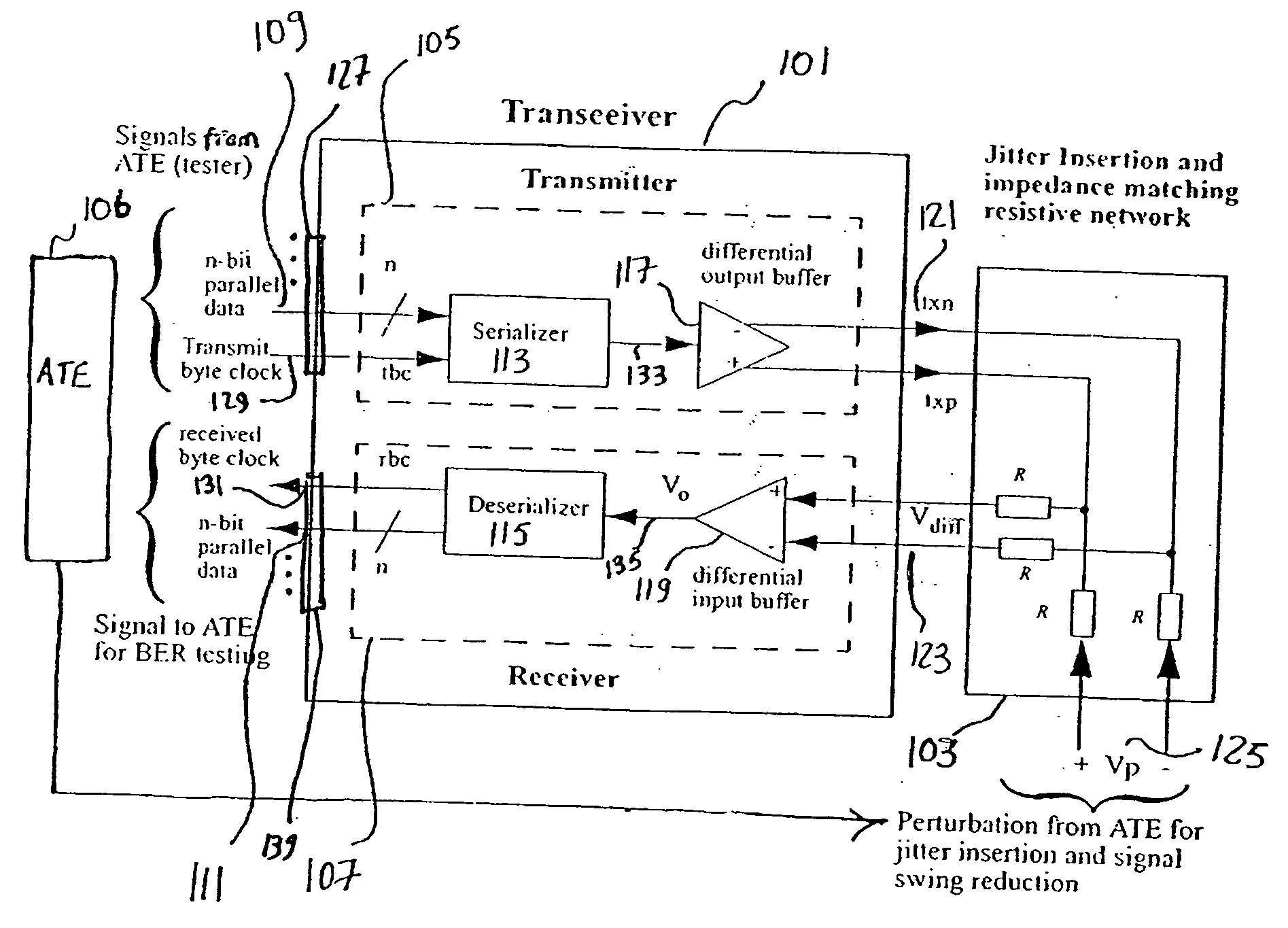
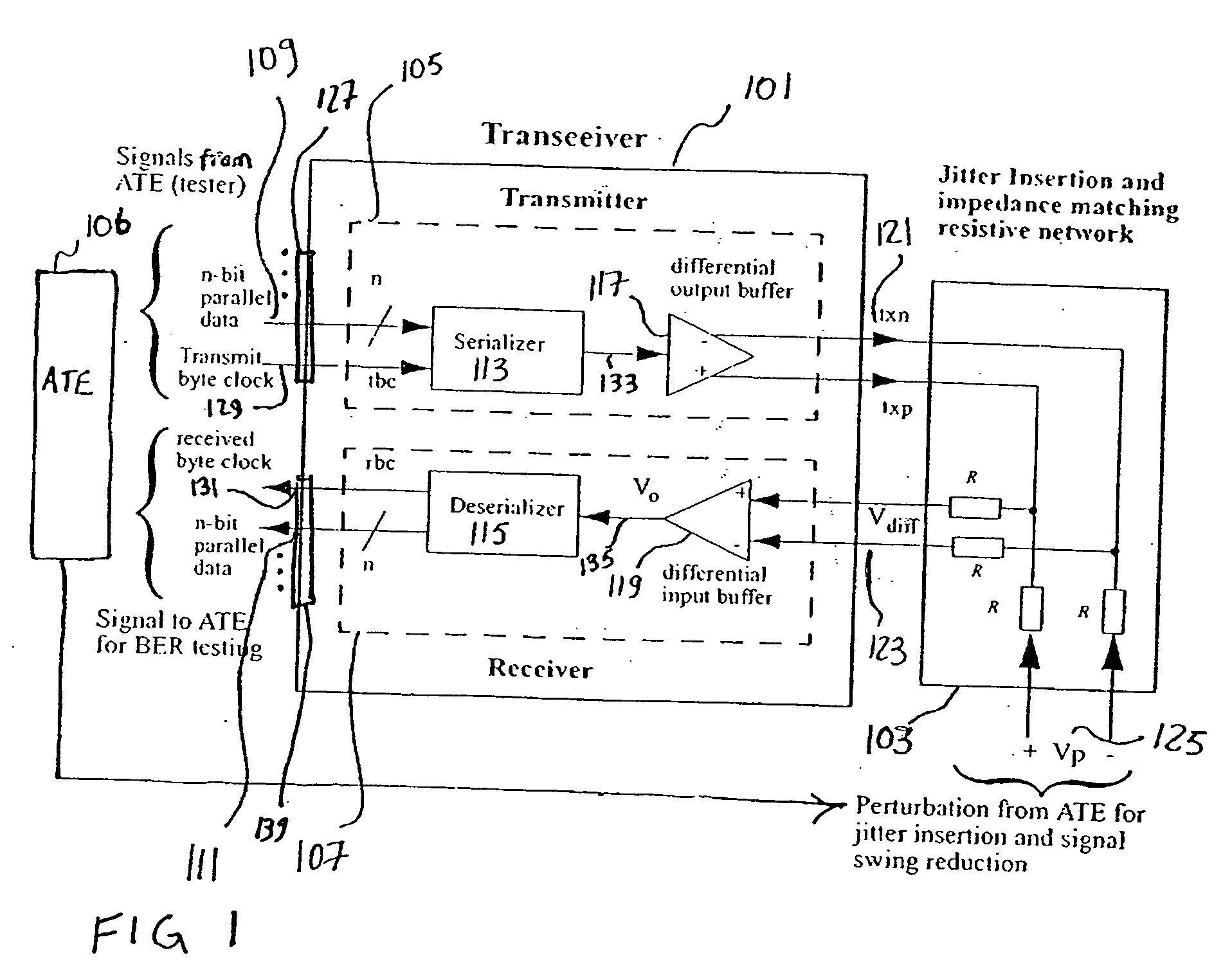
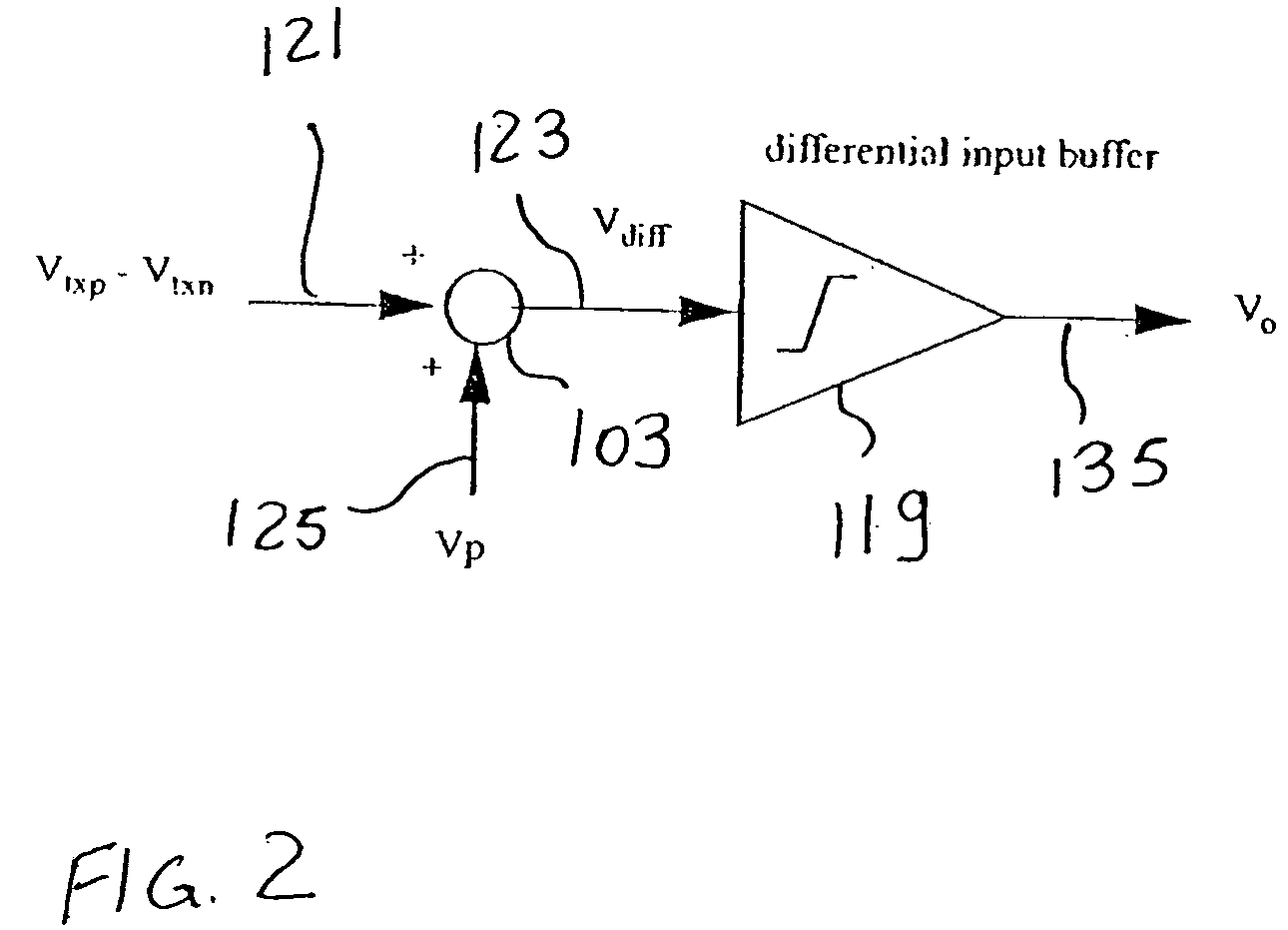
- A system and method for automatic production testing of jitter tolerance in multi-gigabit receivers using a resistive impedance matching network to combine a perturbation signal with the data signal, allowing for differential input to the receiver, enabling parallel data and clock transmission, and calculating the bit error rate, which overcomes the bandwidth limitations of existing equipment.

Quality of Service Standards and Compliance Requirements
Quality of Service (QoS) standards play a crucial role in defining acceptable performance thresholds for seamless rate and jitter metrics in network communications. The International Telecommunication Union (ITU-T) has established comprehensive guidelines through recommendations such as G.114 for voice transmission delay and Y.1541 for IP packet transfer performance. These standards specify maximum tolerable jitter values of 40 milliseconds for voice applications and define seamless rate requirements based on application types and user expectations.
The Internet Engineering Task Force (IETF) has developed complementary standards including RFC 3393 for IP Packet Delay Variation metrics and RFC 2679 for one-way delay measurements. These specifications provide standardized methodologies for measuring and reporting jitter performance, ensuring consistent evaluation across different network implementations. Service Level Agreements (SLAs) typically incorporate these standards to establish contractual obligations between service providers and customers.
Compliance requirements vary significantly across industry sectors and geographical regions. Telecommunications operators must adhere to regulatory frameworks established by national authorities, which often reference ITU-T recommendations while incorporating region-specific modifications. Financial services organizations face stringent requirements under regulations such as MiFID II in Europe, which mandates microsecond-level precision for transaction timing and minimal jitter tolerance for high-frequency trading applications.
Healthcare applications operating under HIPAA compliance in the United States require specific QoS guarantees for telemedicine and remote patient monitoring systems. These regulations specify maximum acceptable delays and jitter thresholds to ensure patient safety and diagnostic accuracy. Similarly, aviation industry standards such as RTCA DO-178C impose rigorous performance requirements for air traffic control systems and aircraft communication networks.
Enterprise compliance frameworks increasingly incorporate QoS standards into their governance structures. ISO 27001 information security management systems now include network performance monitoring as a critical control measure. Organizations must demonstrate continuous compliance through automated monitoring systems that track seamless rate and jitter metrics against established baselines, generating audit trails for regulatory reporting and internal quality assurance processes.
The Internet Engineering Task Force (IETF) has developed complementary standards including RFC 3393 for IP Packet Delay Variation metrics and RFC 2679 for one-way delay measurements. These specifications provide standardized methodologies for measuring and reporting jitter performance, ensuring consistent evaluation across different network implementations. Service Level Agreements (SLAs) typically incorporate these standards to establish contractual obligations between service providers and customers.
Compliance requirements vary significantly across industry sectors and geographical regions. Telecommunications operators must adhere to regulatory frameworks established by national authorities, which often reference ITU-T recommendations while incorporating region-specific modifications. Financial services organizations face stringent requirements under regulations such as MiFID II in Europe, which mandates microsecond-level precision for transaction timing and minimal jitter tolerance for high-frequency trading applications.
Healthcare applications operating under HIPAA compliance in the United States require specific QoS guarantees for telemedicine and remote patient monitoring systems. These regulations specify maximum acceptable delays and jitter thresholds to ensure patient safety and diagnostic accuracy. Similarly, aviation industry standards such as RTCA DO-178C impose rigorous performance requirements for air traffic control systems and aircraft communication networks.
Enterprise compliance frameworks increasingly incorporate QoS standards into their governance structures. ISO 27001 information security management systems now include network performance monitoring as a critical control measure. Organizations must demonstrate continuous compliance through automated monitoring systems that track seamless rate and jitter metrics against established baselines, generating audit trails for regulatory reporting and internal quality assurance processes.
Real-time System Performance Benchmarking Frameworks
Real-time system performance evaluation requires comprehensive benchmarking frameworks that can accurately measure and compare system capabilities across different operational scenarios. These frameworks serve as standardized methodologies for assessing critical performance metrics, particularly in environments where timing constraints and system responsiveness are paramount.
Contemporary benchmarking frameworks for real-time systems typically incorporate multi-dimensional evaluation approaches that address both quantitative and qualitative performance indicators. The frameworks must accommodate diverse system architectures, from embedded control systems to large-scale distributed real-time applications, while maintaining measurement consistency and reproducibility across different testing environments.
Standardized benchmarking suites such as EEMBC CoreMark, SPEC Real-Time, and custom industry-specific frameworks have emerged as essential tools for performance assessment. These frameworks provide structured testing methodologies that encompass workload generation, measurement protocols, and result interpretation guidelines. They enable systematic comparison of different system configurations and implementation approaches under controlled conditions.
Modern frameworks increasingly emphasize automated testing capabilities and continuous integration support, allowing for regular performance monitoring throughout the development lifecycle. Advanced frameworks incorporate statistical analysis tools that can identify performance trends, detect anomalies, and provide confidence intervals for measurement results, ensuring robust and reliable performance characterization.
The evolution of benchmarking frameworks reflects the growing complexity of real-time systems and the need for more sophisticated evaluation methodologies. Contemporary frameworks address challenges such as multi-core processing, heterogeneous computing environments, and varying workload patterns that traditional single-threaded benchmarks cannot adequately capture.
Cloud-based benchmarking platforms and containerized testing environments are becoming increasingly prevalent, offering scalable and reproducible testing infrastructure. These platforms enable distributed performance evaluation and facilitate collaborative benchmarking efforts across different organizations and research institutions, promoting standardization and knowledge sharing within the real-time systems community.
Contemporary benchmarking frameworks for real-time systems typically incorporate multi-dimensional evaluation approaches that address both quantitative and qualitative performance indicators. The frameworks must accommodate diverse system architectures, from embedded control systems to large-scale distributed real-time applications, while maintaining measurement consistency and reproducibility across different testing environments.
Standardized benchmarking suites such as EEMBC CoreMark, SPEC Real-Time, and custom industry-specific frameworks have emerged as essential tools for performance assessment. These frameworks provide structured testing methodologies that encompass workload generation, measurement protocols, and result interpretation guidelines. They enable systematic comparison of different system configurations and implementation approaches under controlled conditions.
Modern frameworks increasingly emphasize automated testing capabilities and continuous integration support, allowing for regular performance monitoring throughout the development lifecycle. Advanced frameworks incorporate statistical analysis tools that can identify performance trends, detect anomalies, and provide confidence intervals for measurement results, ensuring robust and reliable performance characterization.
The evolution of benchmarking frameworks reflects the growing complexity of real-time systems and the need for more sophisticated evaluation methodologies. Contemporary frameworks address challenges such as multi-core processing, heterogeneous computing environments, and varying workload patterns that traditional single-threaded benchmarks cannot adequately capture.
Cloud-based benchmarking platforms and containerized testing environments are becoming increasingly prevalent, offering scalable and reproducible testing infrastructure. These platforms enable distributed performance evaluation and facilitate collaborative benchmarking efforts across different organizations and research institutions, promoting standardization and knowledge sharing within the real-time systems community.
Unlock deeper insights with PatSnap Eureka Quick Research — get a full tech report to explore trends and direct your research. Try now!
Generate Your Research Report Instantly with AI Agent
Supercharge your innovation with PatSnap Eureka AI Agent Platform!