

Sodium Acetate's Functionality in Cosmetic Formulations
JUN 30, 20259 MIN READ
Generate Your Research Report Instantly with AI Agent
PatSnap Eureka helps you evaluate technical feasibility & market potential.
Sodium Acetate Overview
Sodium acetate, a versatile compound with the chemical formula CH3COONa, plays a significant role in cosmetic formulations. This salt of acetic acid and sodium hydroxide is widely recognized for its multifunctional properties in the beauty and personal care industry. As a white, crystalline powder or granular substance, sodium acetate is highly soluble in water and exhibits excellent stability across a wide range of pH levels.
In cosmetic applications, sodium acetate primarily serves as a pH adjuster and buffering agent. Its ability to maintain a stable pH environment is crucial for preserving the efficacy and safety of various cosmetic products. By regulating acidity levels, sodium acetate helps prevent irritation and ensures optimal performance of other active ingredients in formulations. This pH-stabilizing effect is particularly valuable in products designed for sensitive skin or those containing potentially irritating components.
Beyond its pH-regulating capabilities, sodium acetate also functions as a mild preservative. While not as potent as traditional preservatives, it contributes to the overall preservation system of cosmetic products by inhibiting the growth of certain microorganisms. This antimicrobial property helps extend the shelf life of formulations and maintains product integrity over time.
Sodium acetate's hygroscopic nature makes it an effective humectant in cosmetic formulations. It attracts and retains moisture, helping to keep skin hydrated and preventing products from drying out. This moisture-retention property is particularly beneficial in leave-on skincare products and hair care formulations, where maintaining hydration is essential for product efficacy and consumer satisfaction.
In hair care products, sodium acetate can act as a conditioning agent. It helps to smooth the hair cuticle, reduce static electricity, and improve overall manageability. These properties make it a valuable ingredient in shampoos, conditioners, and styling products, contributing to softer, more manageable hair.
The compound's mild nature and low potential for skin irritation make it suitable for use in a wide range of cosmetic products, including those formulated for sensitive skin. Its compatibility with various ingredients allows formulators to incorporate sodium acetate into diverse product types, from facial cleansers and toners to body lotions and hair care products.
As the cosmetic industry continues to evolve, with increasing demand for multifunctional and gentle ingredients, sodium acetate's versatility positions it as a valuable component in modern formulations. Its ability to address multiple concerns simultaneously – pH regulation, preservation, moisture retention, and conditioning – makes it an efficient and cost-effective choice for cosmetic manufacturers seeking to optimize their product performance and appeal to discerning consumers.
In cosmetic applications, sodium acetate primarily serves as a pH adjuster and buffering agent. Its ability to maintain a stable pH environment is crucial for preserving the efficacy and safety of various cosmetic products. By regulating acidity levels, sodium acetate helps prevent irritation and ensures optimal performance of other active ingredients in formulations. This pH-stabilizing effect is particularly valuable in products designed for sensitive skin or those containing potentially irritating components.
Beyond its pH-regulating capabilities, sodium acetate also functions as a mild preservative. While not as potent as traditional preservatives, it contributes to the overall preservation system of cosmetic products by inhibiting the growth of certain microorganisms. This antimicrobial property helps extend the shelf life of formulations and maintains product integrity over time.
Sodium acetate's hygroscopic nature makes it an effective humectant in cosmetic formulations. It attracts and retains moisture, helping to keep skin hydrated and preventing products from drying out. This moisture-retention property is particularly beneficial in leave-on skincare products and hair care formulations, where maintaining hydration is essential for product efficacy and consumer satisfaction.
In hair care products, sodium acetate can act as a conditioning agent. It helps to smooth the hair cuticle, reduce static electricity, and improve overall manageability. These properties make it a valuable ingredient in shampoos, conditioners, and styling products, contributing to softer, more manageable hair.
The compound's mild nature and low potential for skin irritation make it suitable for use in a wide range of cosmetic products, including those formulated for sensitive skin. Its compatibility with various ingredients allows formulators to incorporate sodium acetate into diverse product types, from facial cleansers and toners to body lotions and hair care products.
As the cosmetic industry continues to evolve, with increasing demand for multifunctional and gentle ingredients, sodium acetate's versatility positions it as a valuable component in modern formulations. Its ability to address multiple concerns simultaneously – pH regulation, preservation, moisture retention, and conditioning – makes it an efficient and cost-effective choice for cosmetic manufacturers seeking to optimize their product performance and appeal to discerning consumers.
Cosmetic Market Trends
The global cosmetics market has been experiencing steady growth, with a projected value expected to reach $463.5 billion by 2027. This growth is driven by several key factors, including increasing disposable income, changing lifestyles, and a growing emphasis on personal appearance and self-care. The market is witnessing a shift towards natural and organic products, with consumers becoming more conscious of ingredient safety and environmental sustainability.
In recent years, there has been a surge in demand for multifunctional cosmetic products that offer multiple benefits in a single formulation. This trend aligns well with the properties of sodium acetate, which can serve various purposes in cosmetic formulations. The rise of the "skinimalism" trend, focusing on minimalist skincare routines with fewer but more effective products, has also created opportunities for ingredients like sodium acetate that can contribute to multiple aspects of product performance.
The Asia-Pacific region, particularly countries like China, Japan, and South Korea, continues to lead the global cosmetics market in terms of growth and innovation. These markets are known for their advanced formulations and cutting-edge ingredients, making them potential hotspots for the adoption of sodium acetate in cosmetic products.
Another significant trend is the increasing popularity of personalized and customized cosmetic products. This trend has led to a growing interest in ingredients that can be easily incorporated into various formulations to meet specific consumer needs. Sodium acetate's versatility makes it a potential candidate for such customizable products.
The clean beauty movement has gained substantial momentum, with consumers seeking products free from harmful chemicals and synthetic ingredients. This trend has prompted cosmetic manufacturers to explore alternative ingredients that are both effective and perceived as safe. Sodium acetate, being a naturally occurring substance, could potentially benefit from this shift in consumer preferences.
Digital transformation in the cosmetics industry has also influenced market trends. The rise of e-commerce and social media marketing has changed how consumers discover and purchase cosmetic products. This digital landscape provides opportunities for educating consumers about the benefits of specific ingredients like sodium acetate, potentially driving demand for products containing this compound.
Lastly, the growing male grooming market presents new opportunities for cosmetic ingredients. As men become more conscious about their appearance and skincare routines, there is an increasing demand for products tailored to their needs. Sodium acetate's functionality in various cosmetic applications could make it a valuable ingredient in this expanding market segment.
In recent years, there has been a surge in demand for multifunctional cosmetic products that offer multiple benefits in a single formulation. This trend aligns well with the properties of sodium acetate, which can serve various purposes in cosmetic formulations. The rise of the "skinimalism" trend, focusing on minimalist skincare routines with fewer but more effective products, has also created opportunities for ingredients like sodium acetate that can contribute to multiple aspects of product performance.
The Asia-Pacific region, particularly countries like China, Japan, and South Korea, continues to lead the global cosmetics market in terms of growth and innovation. These markets are known for their advanced formulations and cutting-edge ingredients, making them potential hotspots for the adoption of sodium acetate in cosmetic products.
Another significant trend is the increasing popularity of personalized and customized cosmetic products. This trend has led to a growing interest in ingredients that can be easily incorporated into various formulations to meet specific consumer needs. Sodium acetate's versatility makes it a potential candidate for such customizable products.
The clean beauty movement has gained substantial momentum, with consumers seeking products free from harmful chemicals and synthetic ingredients. This trend has prompted cosmetic manufacturers to explore alternative ingredients that are both effective and perceived as safe. Sodium acetate, being a naturally occurring substance, could potentially benefit from this shift in consumer preferences.
Digital transformation in the cosmetics industry has also influenced market trends. The rise of e-commerce and social media marketing has changed how consumers discover and purchase cosmetic products. This digital landscape provides opportunities for educating consumers about the benefits of specific ingredients like sodium acetate, potentially driving demand for products containing this compound.
Lastly, the growing male grooming market presents new opportunities for cosmetic ingredients. As men become more conscious about their appearance and skincare routines, there is an increasing demand for products tailored to their needs. Sodium acetate's functionality in various cosmetic applications could make it a valuable ingredient in this expanding market segment.
Technical Challenges
The incorporation of sodium acetate in cosmetic formulations presents several technical challenges that researchers and formulators must address. One of the primary issues is maintaining the stability of sodium acetate within various cosmetic matrices. The compound's hygroscopic nature can lead to moisture absorption, potentially altering the texture and consistency of products over time. This necessitates careful consideration of packaging materials and storage conditions to prevent degradation and maintain product efficacy.
Another significant challenge lies in optimizing the pH-buffering capacity of sodium acetate in cosmetic formulations. While its ability to regulate pH is valuable, achieving the precise balance required for different skin types and product categories demands extensive testing and formulation adjustments. Formulators must ensure that the buffering action does not interfere with the performance of other active ingredients or compromise the overall product stability.
The potential for sodium acetate to interact with other cosmetic ingredients poses additional technical hurdles. These interactions may affect the solubility, efficacy, or sensory properties of the final product. For instance, sodium acetate's ionic nature could potentially disrupt the stability of emulsions or influence the performance of preservatives. Consequently, formulators must conduct thorough compatibility studies to prevent undesirable reactions and maintain product integrity.
Achieving consistent and uniform distribution of sodium acetate throughout cosmetic formulations is another technical challenge. The compound's solubility characteristics may vary depending on the formulation base, potentially leading to issues with homogeneity. This is particularly crucial in products where even distribution is essential for efficacy, such as in pH-balancing skincare products or deodorants.
Furthermore, the impact of sodium acetate on the sensory attributes of cosmetic products requires careful consideration. While its functionality is important, formulators must ensure that its inclusion does not negatively affect the texture, scent, or overall user experience. This often involves extensive sensory testing and refinement of formulations to strike the right balance between functionality and consumer appeal.
Lastly, the regulatory landscape surrounding sodium acetate usage in cosmetics presents ongoing challenges. Formulators must navigate varying international regulations and safety standards, which may limit concentration levels or require specific labeling. Staying compliant while maximizing the benefits of sodium acetate in cosmetic formulations demands continuous monitoring of regulatory changes and adaptation of formulation strategies.
Another significant challenge lies in optimizing the pH-buffering capacity of sodium acetate in cosmetic formulations. While its ability to regulate pH is valuable, achieving the precise balance required for different skin types and product categories demands extensive testing and formulation adjustments. Formulators must ensure that the buffering action does not interfere with the performance of other active ingredients or compromise the overall product stability.
The potential for sodium acetate to interact with other cosmetic ingredients poses additional technical hurdles. These interactions may affect the solubility, efficacy, or sensory properties of the final product. For instance, sodium acetate's ionic nature could potentially disrupt the stability of emulsions or influence the performance of preservatives. Consequently, formulators must conduct thorough compatibility studies to prevent undesirable reactions and maintain product integrity.
Achieving consistent and uniform distribution of sodium acetate throughout cosmetic formulations is another technical challenge. The compound's solubility characteristics may vary depending on the formulation base, potentially leading to issues with homogeneity. This is particularly crucial in products where even distribution is essential for efficacy, such as in pH-balancing skincare products or deodorants.
Furthermore, the impact of sodium acetate on the sensory attributes of cosmetic products requires careful consideration. While its functionality is important, formulators must ensure that its inclusion does not negatively affect the texture, scent, or overall user experience. This often involves extensive sensory testing and refinement of formulations to strike the right balance between functionality and consumer appeal.
Lastly, the regulatory landscape surrounding sodium acetate usage in cosmetics presents ongoing challenges. Formulators must navigate varying international regulations and safety standards, which may limit concentration levels or require specific labeling. Staying compliant while maximizing the benefits of sodium acetate in cosmetic formulations demands continuous monitoring of regulatory changes and adaptation of formulation strategies.
Current Applications
01 pH buffering and stabilization
Sodium acetate functions as a pH buffer in various solutions and formulations. It helps maintain a stable pH level, which is crucial in many chemical processes and product formulations. This property makes it useful in industries such as pharmaceuticals, food processing, and cosmetics.- pH buffering and stabilization: Sodium acetate functions as a pH buffer in various solutions and formulations. It helps maintain a stable pH level, which is crucial in many chemical processes and product formulations. This property makes it useful in industries such as pharmaceuticals, food processing, and cosmetics.
- Heat storage and thermal regulation: Sodium acetate trihydrate is used in heat packs and thermal energy storage systems. When crystallized, it releases heat, making it effective for portable heating applications. This property is utilized in various products for maintaining temperature or providing warmth on demand.
- Food preservation and flavoring: In the food industry, sodium acetate serves as a preservative and acidity regulator. It helps extend the shelf life of various food products by inhibiting microbial growth. Additionally, it can be used as a flavoring agent, imparting a mild, salty taste to foods.
- Textile and leather processing: Sodium acetate is used in textile and leather industries for various purposes. It can act as a neutralizing agent in dyeing processes, help in setting dyes, and assist in the tanning of leather. Its ability to control pH is particularly useful in these applications.
- Chemical synthesis and catalysis: In chemical manufacturing, sodium acetate serves as a reagent or catalyst in various organic synthesis reactions. It can be used as a source of acetate ions in chemical processes and plays a role in the production of certain pharmaceuticals and industrial chemicals.
02 Heat storage and thermal regulation
Sodium acetate is used in heat packs and thermal energy storage systems. When supersaturated sodium acetate solution crystallizes, it releases heat, making it effective for portable heating applications and temperature regulation in various devices.Expand Specific Solutions03 Food preservation and flavoring
In the food industry, sodium acetate serves as a preservative and acidity regulator. It helps extend the shelf life of various food products and can also be used as a flavoring agent, providing a mild, salty taste.Expand Specific Solutions04 Textile and leather processing
Sodium acetate is utilized in textile and leather industries for various purposes. It can act as a neutralizing agent in dyeing processes, help in setting dyes, and assist in the tanning of leather.Expand Specific Solutions05 Chemical synthesis and catalysis
In chemical manufacturing, sodium acetate serves as a reagent or catalyst in various organic synthesis reactions. It can be used as a base in certain reactions and as a source of acetate ions in others, making it valuable in the production of pharmaceuticals and other chemical compounds.Expand Specific Solutions
Key Industry Players
The market for sodium acetate in cosmetic formulations is in a growth phase, driven by increasing demand for multifunctional ingredients in personal care products. The global cosmetics market, valued at over $380 billion in 2019, is expected to grow significantly, boosting demand for ingredients like sodium acetate. Technologically, sodium acetate is well-established, with companies like L'Oréal, Shiseido, and Beiersdorf incorporating it into various formulations. However, there's ongoing research to enhance its functionality and sustainability, particularly by firms like Ajinomoto and Evonik Industries, who are exploring novel applications and production methods to meet evolving consumer preferences for natural and eco-friendly cosmetics.
L'Oréal SA
Technical Solution: L'Oréal has developed advanced formulations incorporating sodium acetate for its multifunctional properties in cosmetics. Their approach focuses on utilizing sodium acetate as a pH adjuster and buffering agent, ensuring product stability and optimal performance. L'Oréal's research has shown that sodium acetate can effectively regulate the pH of skincare formulations, maintaining it within the ideal range for skin compatibility[1]. Additionally, they have explored its potential as a mild preservative enhancer, working synergistically with other preservatives to extend product shelf life while minimizing the use of harsh chemicals[3]. L'Oréal has also investigated sodium acetate's role in improving the texture and feel of cosmetic products, particularly in emulsions and gels, where it contributes to a smoother, more luxurious application experience[5].
Strengths: Extensive research capabilities, global market presence, and ability to integrate sodium acetate into a wide range of cosmetic products. Weaknesses: Potential limitations in natural and organic product lines where synthetic ingredients may be less desirable.
Shiseido Co., Ltd.
Technical Solution: Shiseido has incorporated sodium acetate into its cosmetic formulations, focusing on its multifaceted functionality. The company utilizes sodium acetate primarily as a pH buffer and stabilizer in their skincare and makeup products. Shiseido's research has demonstrated that sodium acetate can effectively maintain the optimal pH balance of formulations, crucial for product efficacy and skin compatibility[2]. They have also explored its potential as a mild preservative booster, allowing for reduced use of traditional preservatives while maintaining product safety and longevity[4]. Shiseido's innovative approach includes investigating sodium acetate's role in enhancing the sensory properties of their products, particularly in creating smooth, easily spreadable textures in creams and lotions[6]. Furthermore, the company has been exploring the synergistic effects of sodium acetate with other active ingredients to improve overall product performance and skin benefits.
Strengths: Strong focus on innovation, extensive experience in Asian skincare market, and ability to combine traditional ingredients with modern technology. Weaknesses: Possible challenges in fully replacing traditional preservatives with sodium acetate in all product lines.
Innovative Formulations
Cosmetic compositions containing mono-hydroxyl substituted amines and acid derivatives
PatentInactiveUS20060233736A1
Innovation
- A cosmetic composition containing a sulfonic acid derivative, a phosphoric acid derivative, or a phosphonic acid derivative, along with a mono-hydroxyl substituted amine, such as DMAE, combined with a cosmetically acceptable carrier, which can be used to treat and protect the skin, improving its appearance and health by reducing sagging, firming tone, and reducing wrinkles.
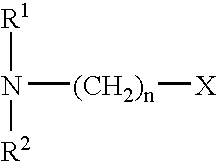
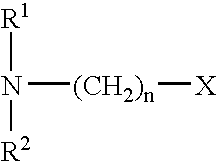
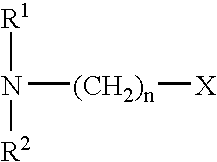

Cosmetic composition containing acetate of amino acid compound
PatentActiveJP2014097934A
Innovation
- A cosmetic composition containing acetate salts of specific amino acid compounds, including basic amino acids, dipeptides, and tripeptides, along with additional whitening agents and ceramides, to enhance whitening effects while minimizing skin irritation.


Regulatory Compliance
Regulatory compliance is a critical aspect of incorporating sodium acetate into cosmetic formulations. The use of this ingredient is subject to various regulations and guidelines set forth by regulatory bodies worldwide. In the United States, the Food and Drug Administration (FDA) oversees the safety and labeling of cosmetic products, including those containing sodium acetate. The FDA classifies sodium acetate as Generally Recognized as Safe (GRAS) for use in food, which extends to its use in cosmetics. However, manufacturers must ensure that the ingredient is used at appropriate levels and for its intended purpose.
In the European Union, sodium acetate is regulated under the European Commission's Cosmetic Regulation (EC) No. 1223/2009. This regulation establishes safety standards and restrictions for cosmetic ingredients. Sodium acetate is listed in the EU's database of cosmetic ingredients (CosIng) and is permitted for use in cosmetic products. Manufacturers must comply with the regulation's requirements for safety assessments, product information files, and labeling.
The International Nomenclature of Cosmetic Ingredients (INCI) designates sodium acetate as an official ingredient name for use on cosmetic product labels globally. This standardization helps ensure consistency in ingredient identification across different markets and regulatory jurisdictions. Cosmetic companies must adhere to INCI naming conventions when listing sodium acetate on product labels.
In Japan, the Ministry of Health, Labour and Welfare regulates cosmetics through the Pharmaceutical Affairs Law. Sodium acetate is included in the list of approved ingredients for use in quasi-drugs and cosmetics. Manufacturers must comply with specific regulations regarding ingredient purity, usage levels, and product claims.
Globally, the Cosmetic Ingredient Review (CIR) Expert Panel, an independent scientific body, has evaluated the safety of sodium acetate for use in cosmetics. Their assessment provides valuable guidance for regulatory bodies and manufacturers regarding the safe use of this ingredient. The CIR's findings are often considered by regulatory agencies when establishing or updating guidelines for cosmetic ingredients.
When formulating cosmetic products with sodium acetate, manufacturers must also consider international trade regulations. Different countries may have varying requirements for ingredient documentation, safety data, and product registration. Compliance with these regulations is essential for successful market entry and distribution of cosmetic products containing sodium acetate across different regions.
As regulations evolve, cosmetic companies must stay informed about any changes in regulatory requirements for sodium acetate and other ingredients. This includes monitoring updates from regulatory bodies, industry associations, and scientific organizations. Maintaining compliance ensures product safety, consumer trust, and legal market access for cosmetic formulations containing sodium acetate.
In the European Union, sodium acetate is regulated under the European Commission's Cosmetic Regulation (EC) No. 1223/2009. This regulation establishes safety standards and restrictions for cosmetic ingredients. Sodium acetate is listed in the EU's database of cosmetic ingredients (CosIng) and is permitted for use in cosmetic products. Manufacturers must comply with the regulation's requirements for safety assessments, product information files, and labeling.
The International Nomenclature of Cosmetic Ingredients (INCI) designates sodium acetate as an official ingredient name for use on cosmetic product labels globally. This standardization helps ensure consistency in ingredient identification across different markets and regulatory jurisdictions. Cosmetic companies must adhere to INCI naming conventions when listing sodium acetate on product labels.
In Japan, the Ministry of Health, Labour and Welfare regulates cosmetics through the Pharmaceutical Affairs Law. Sodium acetate is included in the list of approved ingredients for use in quasi-drugs and cosmetics. Manufacturers must comply with specific regulations regarding ingredient purity, usage levels, and product claims.
Globally, the Cosmetic Ingredient Review (CIR) Expert Panel, an independent scientific body, has evaluated the safety of sodium acetate for use in cosmetics. Their assessment provides valuable guidance for regulatory bodies and manufacturers regarding the safe use of this ingredient. The CIR's findings are often considered by regulatory agencies when establishing or updating guidelines for cosmetic ingredients.
When formulating cosmetic products with sodium acetate, manufacturers must also consider international trade regulations. Different countries may have varying requirements for ingredient documentation, safety data, and product registration. Compliance with these regulations is essential for successful market entry and distribution of cosmetic products containing sodium acetate across different regions.
As regulations evolve, cosmetic companies must stay informed about any changes in regulatory requirements for sodium acetate and other ingredients. This includes monitoring updates from regulatory bodies, industry associations, and scientific organizations. Maintaining compliance ensures product safety, consumer trust, and legal market access for cosmetic formulations containing sodium acetate.
Sustainability Aspects
Sodium acetate's use in cosmetic formulations presents several sustainability aspects that merit consideration in the context of the beauty industry's growing focus on environmental responsibility. The production of sodium acetate typically involves the reaction of acetic acid with sodium hydroxide or sodium carbonate, processes that can be optimized for sustainability.
One of the primary sustainability advantages of sodium acetate is its biodegradability. As an organic salt, it naturally breaks down in the environment without leaving harmful residues, aligning with the increasing consumer demand for eco-friendly cosmetic ingredients. This characteristic reduces the environmental impact of cosmetic products post-use, particularly in aquatic ecosystems where many personal care products ultimately end up.
The raw materials used in sodium acetate production can be sourced from renewable resources. Acetic acid, one of its precursors, can be derived from bio-based feedstocks through fermentation processes, offering a more sustainable alternative to petrochemical-based production methods. This shift towards bio-based sourcing contributes to reducing the carbon footprint associated with cosmetic ingredient manufacturing.
In terms of energy consumption, the production of sodium acetate is relatively low-impact compared to many other cosmetic ingredients. The synthesis process does not require extreme temperatures or pressures, which translates to lower energy requirements and, consequently, reduced greenhouse gas emissions. This aspect is particularly relevant as the cosmetic industry seeks to minimize its overall environmental impact.
Sodium acetate's multifunctionality in cosmetic formulations also contributes to its sustainability profile. Its ability to serve as a pH adjuster, buffering agent, and preservative enhancer means that a single ingredient can potentially replace multiple others, simplifying formulations and reducing the overall number of ingredients needed. This simplification can lead to more efficient manufacturing processes, less packaging, and potentially lower transportation-related emissions.
The stability of sodium acetate in various formulations contributes to the longevity of cosmetic products, potentially reducing waste from spoilage or inefficacy. This extended shelf life aligns with sustainability goals by minimizing the frequency of product replacement and associated packaging waste.
However, it is important to note that the sustainability of sodium acetate also depends on responsible sourcing and manufacturing practices. The cosmetic industry must ensure that suppliers adhere to ethical and environmentally sound production methods, including proper waste management and efficient use of resources.
As the beauty industry continues to evolve towards more sustainable practices, ingredients like sodium acetate that offer both functional benefits and environmental compatibility will likely play an increasingly important role in cosmetic formulations. The ongoing research into green chemistry and sustainable production methods may further enhance the eco-friendly profile of sodium acetate, solidifying its position as a valuable ingredient in the development of sustainable cosmetic products.
One of the primary sustainability advantages of sodium acetate is its biodegradability. As an organic salt, it naturally breaks down in the environment without leaving harmful residues, aligning with the increasing consumer demand for eco-friendly cosmetic ingredients. This characteristic reduces the environmental impact of cosmetic products post-use, particularly in aquatic ecosystems where many personal care products ultimately end up.
The raw materials used in sodium acetate production can be sourced from renewable resources. Acetic acid, one of its precursors, can be derived from bio-based feedstocks through fermentation processes, offering a more sustainable alternative to petrochemical-based production methods. This shift towards bio-based sourcing contributes to reducing the carbon footprint associated with cosmetic ingredient manufacturing.
In terms of energy consumption, the production of sodium acetate is relatively low-impact compared to many other cosmetic ingredients. The synthesis process does not require extreme temperatures or pressures, which translates to lower energy requirements and, consequently, reduced greenhouse gas emissions. This aspect is particularly relevant as the cosmetic industry seeks to minimize its overall environmental impact.
Sodium acetate's multifunctionality in cosmetic formulations also contributes to its sustainability profile. Its ability to serve as a pH adjuster, buffering agent, and preservative enhancer means that a single ingredient can potentially replace multiple others, simplifying formulations and reducing the overall number of ingredients needed. This simplification can lead to more efficient manufacturing processes, less packaging, and potentially lower transportation-related emissions.
The stability of sodium acetate in various formulations contributes to the longevity of cosmetic products, potentially reducing waste from spoilage or inefficacy. This extended shelf life aligns with sustainability goals by minimizing the frequency of product replacement and associated packaging waste.
However, it is important to note that the sustainability of sodium acetate also depends on responsible sourcing and manufacturing practices. The cosmetic industry must ensure that suppliers adhere to ethical and environmentally sound production methods, including proper waste management and efficient use of resources.
As the beauty industry continues to evolve towards more sustainable practices, ingredients like sodium acetate that offer both functional benefits and environmental compatibility will likely play an increasingly important role in cosmetic formulations. The ongoing research into green chemistry and sustainable production methods may further enhance the eco-friendly profile of sodium acetate, solidifying its position as a valuable ingredient in the development of sustainable cosmetic products.
Unlock deeper insights with PatSnap Eureka Quick Research — get a full tech report to explore trends and direct your research. Try now!
Generate Your Research Report Instantly with AI Agent
Supercharge your innovation with PatSnap Eureka AI Agent Platform!