Solid-State Transformers Vs Epoxy-Resin Transformers: Heat Mitigation
APR 20, 20268 MIN READ
Generate Your Research Report Instantly with AI Agent
Patsnap Eureka helps you evaluate technical feasibility & market potential.
SST vs Epoxy Transformer Heat Management Background
The evolution of transformer technology has been fundamentally driven by the persistent challenge of thermal management, which directly impacts operational efficiency, reliability, and lifespan. Traditional epoxy-resin transformers have dominated the electrical infrastructure landscape for decades, utilizing liquid or air cooling systems combined with epoxy insulation materials to manage heat dissipation. However, the increasing demands for higher power density, improved efficiency, and enhanced grid flexibility have exposed the thermal limitations of conventional transformer designs.
Solid-state transformers emerged as a revolutionary alternative, leveraging power electronics and advanced semiconductor technologies to achieve superior performance characteristics. Unlike their conventional counterparts, SSTs operate at higher frequencies and incorporate intelligent control systems, fundamentally altering the heat generation and dissipation dynamics. The transition from mechanical magnetic coupling to electronic switching introduces new thermal challenges while simultaneously offering unprecedented control over power flow and thermal behavior.
The historical development of transformer thermal management has progressed through several distinct phases. Early oil-filled transformers relied primarily on natural convection and radiation for heat removal. The introduction of forced cooling systems marked a significant advancement, followed by the development of synthetic insulation materials including epoxy resins. These materials offered improved thermal stability and reduced maintenance requirements compared to traditional oil-paper insulation systems.
The advent of wide-bandgap semiconductors, particularly silicon carbide and gallium nitride devices, has revolutionized SST thermal characteristics. These materials exhibit superior thermal conductivity and higher operating temperature tolerances, enabling more compact designs with enhanced power density. Simultaneously, advanced thermal interface materials and innovative cooling architectures have emerged to address the unique heat dissipation requirements of solid-state systems.
Current technological objectives focus on achieving optimal thermal performance while maintaining cost-effectiveness and reliability standards. The industry seeks to develop thermal management solutions that can handle increasing power densities while reducing overall system footprint and improving operational efficiency across diverse environmental conditions.
Solid-state transformers emerged as a revolutionary alternative, leveraging power electronics and advanced semiconductor technologies to achieve superior performance characteristics. Unlike their conventional counterparts, SSTs operate at higher frequencies and incorporate intelligent control systems, fundamentally altering the heat generation and dissipation dynamics. The transition from mechanical magnetic coupling to electronic switching introduces new thermal challenges while simultaneously offering unprecedented control over power flow and thermal behavior.
The historical development of transformer thermal management has progressed through several distinct phases. Early oil-filled transformers relied primarily on natural convection and radiation for heat removal. The introduction of forced cooling systems marked a significant advancement, followed by the development of synthetic insulation materials including epoxy resins. These materials offered improved thermal stability and reduced maintenance requirements compared to traditional oil-paper insulation systems.
The advent of wide-bandgap semiconductors, particularly silicon carbide and gallium nitride devices, has revolutionized SST thermal characteristics. These materials exhibit superior thermal conductivity and higher operating temperature tolerances, enabling more compact designs with enhanced power density. Simultaneously, advanced thermal interface materials and innovative cooling architectures have emerged to address the unique heat dissipation requirements of solid-state systems.
Current technological objectives focus on achieving optimal thermal performance while maintaining cost-effectiveness and reliability standards. The industry seeks to develop thermal management solutions that can handle increasing power densities while reducing overall system footprint and improving operational efficiency across diverse environmental conditions.
Market Demand for Advanced Transformer Heat Solutions
The global transformer market is experiencing unprecedented demand for advanced thermal management solutions, driven by the rapid expansion of renewable energy infrastructure and smart grid implementations. Traditional epoxy-resin transformers, while cost-effective, face increasing scrutiny due to their thermal limitations and environmental concerns. The market is witnessing a paradigm shift toward solid-state transformers that offer superior heat dissipation capabilities and enhanced operational efficiency.
Industrial sectors are demanding transformers capable of operating in extreme temperature environments while maintaining optimal performance. Data centers, electric vehicle charging stations, and renewable energy installations require compact, high-efficiency transformers with advanced cooling mechanisms. The growing emphasis on energy density and space optimization has created substantial market pressure for innovative heat mitigation technologies.
Utility companies are increasingly prioritizing transformer reliability and longevity, recognizing that thermal stress represents the primary cause of transformer failures. The economic impact of unplanned outages has intensified focus on thermal management solutions that can extend equipment lifespan and reduce maintenance costs. Market research indicates strong demand for transformers incorporating advanced materials and cooling technologies that can operate at higher temperatures without performance degradation.
The electrification of transportation and industrial processes has created new market segments requiring specialized thermal solutions. Electric vehicle infrastructure demands rapid charging capabilities, necessitating transformers with exceptional heat dissipation properties. Similarly, industrial automation and high-power applications require transformers that can handle significant thermal loads while maintaining compact form factors.
Environmental regulations and sustainability initiatives are reshaping market preferences toward eco-friendly transformer technologies. The phase-out of mineral oil-filled transformers in certain applications has accelerated demand for solid-state alternatives with superior thermal characteristics. Market participants are increasingly seeking solutions that combine environmental compliance with enhanced thermal performance, creating opportunities for innovative heat mitigation technologies that address both regulatory requirements and operational efficiency demands.
Industrial sectors are demanding transformers capable of operating in extreme temperature environments while maintaining optimal performance. Data centers, electric vehicle charging stations, and renewable energy installations require compact, high-efficiency transformers with advanced cooling mechanisms. The growing emphasis on energy density and space optimization has created substantial market pressure for innovative heat mitigation technologies.
Utility companies are increasingly prioritizing transformer reliability and longevity, recognizing that thermal stress represents the primary cause of transformer failures. The economic impact of unplanned outages has intensified focus on thermal management solutions that can extend equipment lifespan and reduce maintenance costs. Market research indicates strong demand for transformers incorporating advanced materials and cooling technologies that can operate at higher temperatures without performance degradation.
The electrification of transportation and industrial processes has created new market segments requiring specialized thermal solutions. Electric vehicle infrastructure demands rapid charging capabilities, necessitating transformers with exceptional heat dissipation properties. Similarly, industrial automation and high-power applications require transformers that can handle significant thermal loads while maintaining compact form factors.
Environmental regulations and sustainability initiatives are reshaping market preferences toward eco-friendly transformer technologies. The phase-out of mineral oil-filled transformers in certain applications has accelerated demand for solid-state alternatives with superior thermal characteristics. Market participants are increasingly seeking solutions that combine environmental compliance with enhanced thermal performance, creating opportunities for innovative heat mitigation technologies that address both regulatory requirements and operational efficiency demands.
Current Heat Mitigation Challenges in SST and Epoxy Systems
Solid-state transformers face significant thermal management challenges primarily due to their high power density and semiconductor-based architecture. The concentration of power electronic components, including IGBTs, MOSFETs, and SiC devices, generates substantial heat flux densities that can exceed 100 W/cm². These components operate at switching frequencies ranging from several kilohertz to hundreds of kilohertz, creating both conduction and switching losses that manifest as localized heat generation.
The multilevel converter topologies commonly employed in SSTs exacerbate thermal stress through uneven heat distribution across different switching cells. Junction temperatures can reach critical levels of 150-175°C, approaching the thermal limits of semiconductor materials. Additionally, the compact design philosophy of SSTs limits the available space for conventional cooling solutions, creating a fundamental conflict between miniaturization goals and thermal management requirements.
Epoxy-resin transformers encounter distinct thermal challenges rooted in their insulation system characteristics. The epoxy resin material exhibits relatively poor thermal conductivity, typically ranging from 0.2 to 0.8 W/mK, creating thermal barriers that impede efficient heat dissipation from the core and windings. This limitation becomes particularly problematic in high-load conditions where copper losses and core losses generate significant internal heat.
The curing process of epoxy resin can introduce thermal stress concentrations and potential void formation, which further compromise heat transfer pathways. Temperature gradients within the epoxy matrix can lead to differential thermal expansion, potentially causing mechanical stress and insulation degradation over time. The maximum operating temperature of epoxy systems is typically limited to 130-155°C, constraining the thermal design envelope.
Both transformer technologies struggle with hotspot formation, where localized temperature elevations significantly exceed average operating temperatures. In SSTs, hotspots typically occur at semiconductor junctions and high-current connection points. For epoxy transformers, hotspots commonly develop in winding regions with poor resin penetration or areas with high current density.
Thermal cycling presents another critical challenge for both systems. SSTs experience rapid temperature fluctuations due to switching operations and load variations, leading to thermal fatigue in solder joints and wire bonds. Epoxy transformers face slower but more pronounced thermal cycling effects that can cause delamination between the resin and conductor interfaces.
The integration of effective cooling systems remains problematic for both technologies. SSTs require sophisticated cooling solutions such as liquid cooling or advanced heat sink designs, which add complexity and cost. Epoxy transformers rely primarily on natural convection and conduction, limiting their power handling capabilities in compact installations.
The multilevel converter topologies commonly employed in SSTs exacerbate thermal stress through uneven heat distribution across different switching cells. Junction temperatures can reach critical levels of 150-175°C, approaching the thermal limits of semiconductor materials. Additionally, the compact design philosophy of SSTs limits the available space for conventional cooling solutions, creating a fundamental conflict between miniaturization goals and thermal management requirements.
Epoxy-resin transformers encounter distinct thermal challenges rooted in their insulation system characteristics. The epoxy resin material exhibits relatively poor thermal conductivity, typically ranging from 0.2 to 0.8 W/mK, creating thermal barriers that impede efficient heat dissipation from the core and windings. This limitation becomes particularly problematic in high-load conditions where copper losses and core losses generate significant internal heat.
The curing process of epoxy resin can introduce thermal stress concentrations and potential void formation, which further compromise heat transfer pathways. Temperature gradients within the epoxy matrix can lead to differential thermal expansion, potentially causing mechanical stress and insulation degradation over time. The maximum operating temperature of epoxy systems is typically limited to 130-155°C, constraining the thermal design envelope.
Both transformer technologies struggle with hotspot formation, where localized temperature elevations significantly exceed average operating temperatures. In SSTs, hotspots typically occur at semiconductor junctions and high-current connection points. For epoxy transformers, hotspots commonly develop in winding regions with poor resin penetration or areas with high current density.
Thermal cycling presents another critical challenge for both systems. SSTs experience rapid temperature fluctuations due to switching operations and load variations, leading to thermal fatigue in solder joints and wire bonds. Epoxy transformers face slower but more pronounced thermal cycling effects that can cause delamination between the resin and conductor interfaces.
The integration of effective cooling systems remains problematic for both technologies. SSTs require sophisticated cooling solutions such as liquid cooling or advanced heat sink designs, which add complexity and cost. Epoxy transformers rely primarily on natural convection and conduction, limiting their power handling capabilities in compact installations.
Existing Heat Mitigation Solutions Comparison
01 Enhanced cooling structures and heat dissipation pathways
Implementing specialized cooling structures such as heat sinks, cooling fins, and optimized heat dissipation pathways can effectively reduce operating temperatures in solid-state and epoxy-resin transformers. These structures facilitate improved thermal conductivity and heat transfer from critical components to the external environment, preventing thermal accumulation and extending transformer lifespan.- Enhanced cooling structures and heat dissipation pathways: Implementing specialized cooling structures such as heat sinks, cooling fins, and optimized heat dissipation pathways can effectively reduce operating temperatures in solid-state and epoxy-resin transformers. These structures facilitate improved thermal conductivity and heat transfer from critical components to the surrounding environment. Advanced geometric designs and material selections for cooling elements enable more efficient heat removal from transformer cores and windings.
- Thermal conductive epoxy resin formulations: Developing epoxy resin compositions with enhanced thermal conductivity through the incorporation of thermally conductive fillers and additives can significantly improve heat dissipation performance. These formulations maintain electrical insulation properties while providing superior heat transfer capabilities. The optimization of resin matrix composition and filler distribution ensures uniform thermal management throughout the transformer structure.
- Active cooling systems and liquid cooling integration: Integration of active cooling mechanisms including forced air circulation, liquid cooling channels, and refrigeration systems provides dynamic thermal management for high-power transformer applications. These systems can adapt cooling capacity based on load conditions and operating temperatures. Advanced control algorithms monitor temperature distributions and adjust cooling parameters to maintain optimal operating conditions.
- Thermal interface materials and encapsulation techniques: Application of specialized thermal interface materials between components and the use of advanced encapsulation methods enhance heat transfer efficiency in transformer assemblies. These materials minimize thermal resistance at critical interfaces while providing mechanical protection and electrical insulation. Optimized encapsulation processes ensure complete coverage and eliminate air gaps that impede heat dissipation.
- Structural design optimization for thermal management: Optimizing the physical layout and structural configuration of transformer components improves natural convection and heat distribution. This includes strategic placement of heat-generating elements, optimization of spacing between components, and design of ventilation pathways. Computational modeling and thermal simulation guide the development of structures that maximize heat dissipation while maintaining compact form factors.
02 Thermal conductive materials and epoxy resin formulations
Incorporating thermally conductive fillers and additives into epoxy resin formulations enhances heat dissipation capabilities. Modified epoxy compositions with improved thermal conductivity properties allow for better heat transfer through the insulation material itself, reducing hot spots and improving overall thermal management in transformer cores and windings.Expand Specific Solutions03 Active cooling systems and liquid cooling integration
Integration of active cooling systems including forced air circulation, liquid cooling channels, and refrigeration mechanisms provides dynamic thermal management for high-power transformers. These systems actively remove heat during operation, maintaining optimal temperature ranges even under heavy load conditions and preventing thermal degradation of insulation materials.Expand Specific Solutions04 Thermal monitoring and intelligent temperature control
Implementation of temperature sensors, thermal monitoring systems, and intelligent control algorithms enables real-time thermal management. These systems can detect temperature variations, predict thermal issues, and automatically adjust operating parameters or activate cooling mechanisms to maintain safe operating temperatures and prevent overheating damage.Expand Specific Solutions05 Structural design optimization for heat mitigation
Optimizing the physical structure and geometric configuration of transformers improves natural convection and heat dissipation efficiency. Design modifications including ventilation channels, spacing optimization between components, and strategic placement of heat-generating elements reduce thermal resistance and enhance overall cooling performance without requiring additional active cooling systems.Expand Specific Solutions
Key Players in SST and Epoxy Transformer Markets
The solid-state versus epoxy-resin transformer heat mitigation technology represents a rapidly evolving competitive landscape driven by increasing demand for efficient power management solutions. The industry is transitioning from traditional epoxy-resin transformers to advanced solid-state alternatives, with market growth accelerated by renewable energy integration and smart grid development. Technology maturity varies significantly across players, with established chemical companies like Shin-Etsu Chemical, Nippon Kayaku, and Sumitomo Bakelite leading epoxy-resin innovations, while power infrastructure giants including State Grid Corp. of China, Hitachi, and Mitsubishi Electric advance solid-state solutions. The competitive dynamics show traditional materials specialists competing against electronics manufacturers, creating a diverse ecosystem where thermal management expertise becomes the key differentiator for next-generation transformer technologies.
Hitachi Ltd.
Technical Solution: Hitachi has developed advanced solid-state transformer technology with integrated heat management systems utilizing silicon carbide (SiC) semiconductors and advanced thermal interface materials. Their SST solutions incorporate multi-level power conversion architectures with distributed cooling systems, achieving power densities up to 10 kW/L while maintaining junction temperatures below 150°C. The company's approach includes liquid cooling integration and optimized magnetic core designs using nanocrystalline materials to reduce core losses by up to 30% compared to conventional transformers.
Strengths: High power density, advanced SiC technology, integrated cooling solutions. Weaknesses: Higher initial costs, complex control systems requiring specialized maintenance.
State Grid Corp. of China
Technical Solution: State Grid has implemented large-scale solid-state transformer deployments with focus on grid-level heat mitigation strategies. Their approach includes centralized cooling systems for SST installations, utilizing ambient air cooling and forced convection systems capable of handling power ratings up to 10 MVA. The company has developed standardized thermal management protocols for epoxy-resin transformers in high-temperature environments, incorporating enhanced ventilation systems and thermal monitoring with real-time temperature control maintaining operating temperatures within 65°C limits.
Strengths: Large-scale deployment experience, standardized thermal protocols, extensive grid integration knowledge. Weaknesses: Limited innovation in advanced cooling technologies, focus primarily on conventional solutions.
Core Thermal Management Patents and Innovations
Highly heat-resistant static device for electric power
PatentInactiveEP1895552A1
Innovation
- A highly heat-resistant static device is developed using a synthetic polymer compound formed by connecting third organosilicon polymers with covalent bonds, which provides a three-dimensional stereostructure and is filled with insulating ceramic particles for enhanced heat conductivity, improving both heat resistance and heat dissipation.


Resin composite with overloaded solids for well sealing applications
PatentActiveUS20180355237A1
Innovation
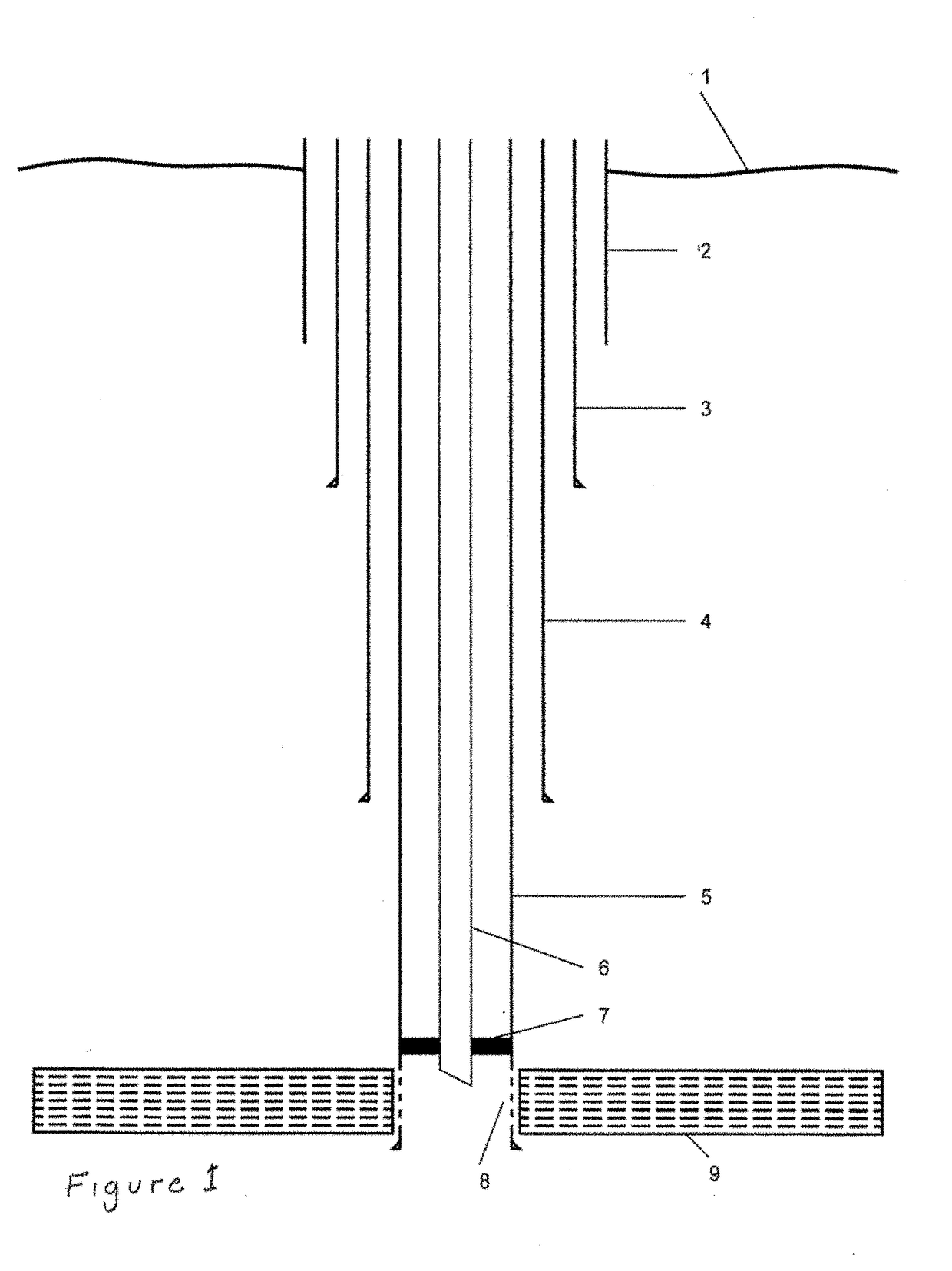
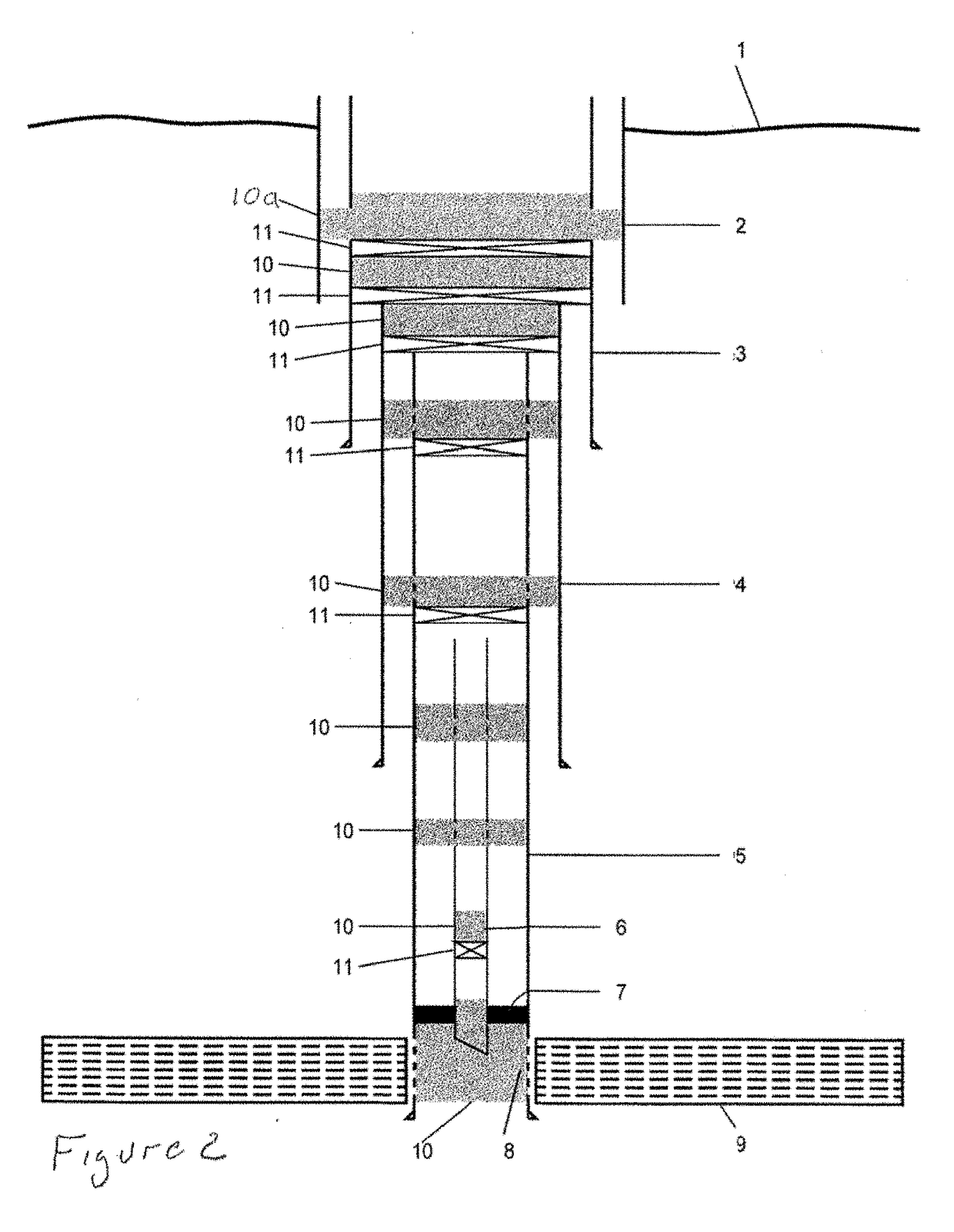
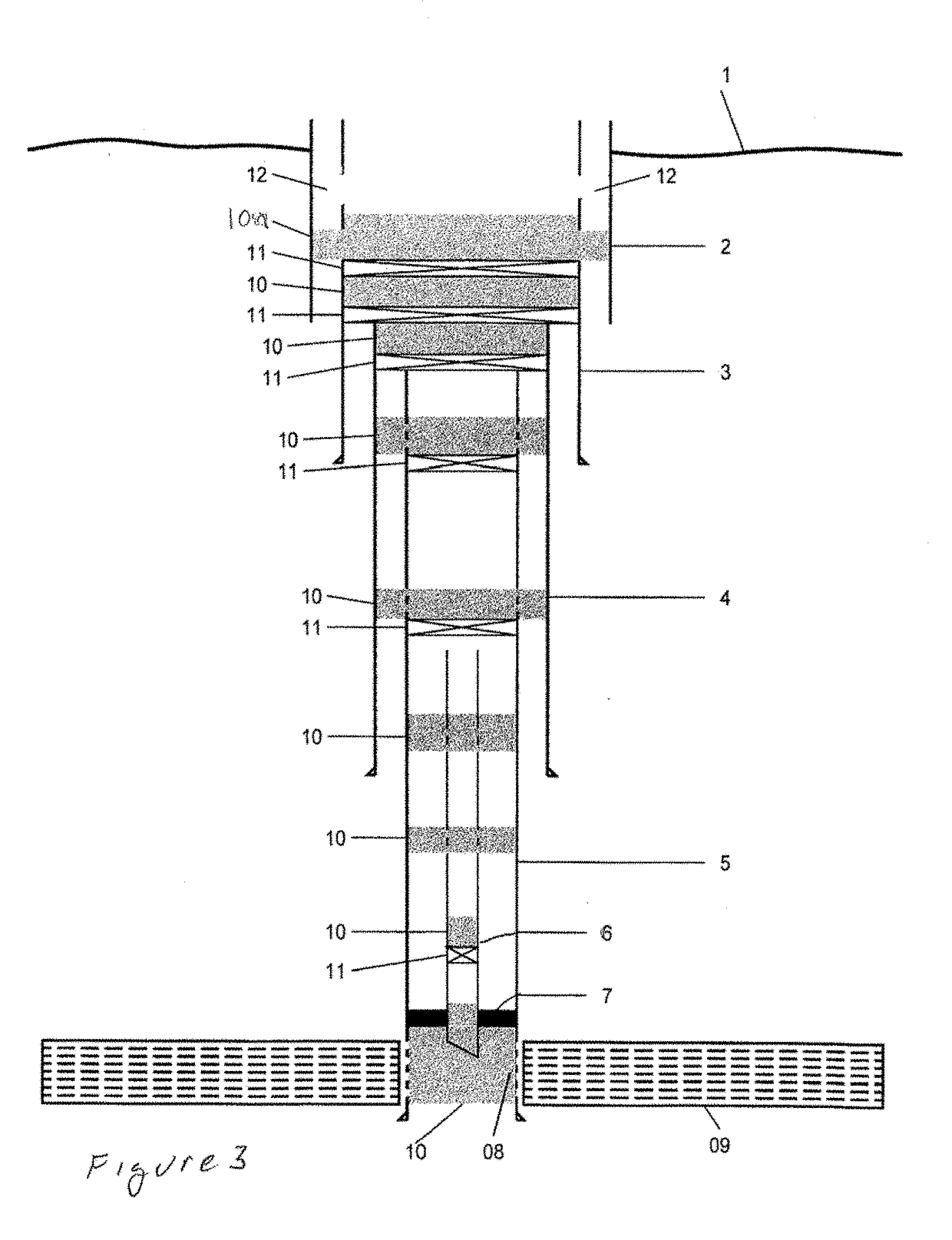
- A composite sealing material is developed with a fluid slurry form that segregates into solids-depleted and solids-enhanced portions upon settling, incorporating particulate solids to enhance thermal conductivity and heat capacity while minimizing thermal expansion, allowing for a more reliable and durable seal by reducing the maximum temperature rise and stress on the sealant.

Grid Integration Standards for Advanced Transformers
The integration of advanced transformer technologies into existing power grid infrastructure requires adherence to comprehensive standards that address both technical performance and operational safety requirements. Current grid integration standards for solid-state transformers and epoxy-resin transformers encompass multiple regulatory frameworks, including IEEE 519 for harmonic distortion limits, IEC 61850 for communication protocols, and IEEE 1547 for distributed energy resource interconnection requirements.
Solid-state transformers face unique standardization challenges due to their semiconductor-based architecture and advanced control capabilities. The IEEE P2030.10 working group specifically addresses grid integration requirements for smart transformers, establishing protocols for voltage regulation, power quality management, and grid support functions. These standards mandate specific thermal management performance criteria, requiring continuous operation at rated capacity with ambient temperatures up to 40°C and emergency overload capabilities of 120% for two hours.
Epoxy-resin transformers must comply with traditional transformer standards while meeting enhanced environmental and safety requirements. IEC 60076 series standards govern their electrical performance, while IEC 61936 addresses installation and operational safety protocols. The dielectric properties of epoxy-resin insulation systems require compliance with IEC 60243 standards for electrical strength testing, particularly under elevated temperature conditions that may compromise insulation integrity.
Grid code compliance presents distinct requirements for each transformer type regarding fault ride-through capabilities and grid support functions. Solid-state transformers must demonstrate compliance with voltage and frequency ride-through requirements as specified in IEEE 1547.1, including low voltage ride-through for voltages down to 0.88 per unit and high voltage ride-through up to 1.10 per unit. These requirements directly impact thermal design considerations, as fault conditions often coincide with maximum thermal stress scenarios.
Emerging standards development focuses on harmonizing grid integration requirements across different transformer technologies while addressing specific thermal management protocols. The International Electrotechnical Commission is developing IEC 62786 standards specifically for power electronic transformers, establishing unified testing procedures for thermal performance validation and grid compatibility assessment under various operating conditions.
Solid-state transformers face unique standardization challenges due to their semiconductor-based architecture and advanced control capabilities. The IEEE P2030.10 working group specifically addresses grid integration requirements for smart transformers, establishing protocols for voltage regulation, power quality management, and grid support functions. These standards mandate specific thermal management performance criteria, requiring continuous operation at rated capacity with ambient temperatures up to 40°C and emergency overload capabilities of 120% for two hours.
Epoxy-resin transformers must comply with traditional transformer standards while meeting enhanced environmental and safety requirements. IEC 60076 series standards govern their electrical performance, while IEC 61936 addresses installation and operational safety protocols. The dielectric properties of epoxy-resin insulation systems require compliance with IEC 60243 standards for electrical strength testing, particularly under elevated temperature conditions that may compromise insulation integrity.
Grid code compliance presents distinct requirements for each transformer type regarding fault ride-through capabilities and grid support functions. Solid-state transformers must demonstrate compliance with voltage and frequency ride-through requirements as specified in IEEE 1547.1, including low voltage ride-through for voltages down to 0.88 per unit and high voltage ride-through up to 1.10 per unit. These requirements directly impact thermal design considerations, as fault conditions often coincide with maximum thermal stress scenarios.
Emerging standards development focuses on harmonizing grid integration requirements across different transformer technologies while addressing specific thermal management protocols. The International Electrotechnical Commission is developing IEC 62786 standards specifically for power electronic transformers, establishing unified testing procedures for thermal performance validation and grid compatibility assessment under various operating conditions.
Environmental Impact of Transformer Cooling Systems
The environmental implications of cooling systems in solid-state transformers versus epoxy-resin transformers present significant considerations for sustainable power infrastructure development. Traditional epoxy-resin transformers predominantly rely on oil-based cooling systems, which pose substantial environmental risks through potential leakage, soil contamination, and groundwater pollution. These mineral oil coolants contain polychlorinated biphenyls and other hazardous compounds that persist in ecosystems for decades.
Solid-state transformers fundamentally alter the environmental impact profile through their advanced cooling architectures. These systems typically employ forced air cooling, liquid cooling with environmentally benign coolants, or hybrid cooling solutions that eliminate the need for mineral oils. The reduced coolant volume requirements in solid-state designs significantly minimize the risk of environmental contamination during operation and end-of-life disposal.
Energy efficiency considerations reveal that solid-state transformer cooling systems consume approximately 30-40% less auxiliary power compared to conventional transformer cooling infrastructure. This reduction translates directly to decreased carbon emissions from power generation facilities. The precise temperature control capabilities of solid-state cooling systems also enable optimal operating conditions, further enhancing overall system efficiency and reducing thermal waste discharge to surrounding environments.
The manufacturing footprint of cooling components differs substantially between technologies. Solid-state transformer cooling systems utilize advanced materials such as silicon carbide heat sinks and aluminum-based heat exchangers, which offer superior recyclability compared to the steel tanks and copper windings immersed in oil found in traditional transformers. The modular design of solid-state cooling systems facilitates component replacement and refurbishment, extending operational lifespans and reducing material waste.
Noise pollution represents another environmental consideration, where solid-state transformer cooling systems generate significantly lower acoustic emissions due to reduced mechanical vibration and optimized fan control algorithms. This characteristic proves particularly valuable in urban installations where noise regulations impose strict limitations on electrical infrastructure operations.
Solid-state transformers fundamentally alter the environmental impact profile through their advanced cooling architectures. These systems typically employ forced air cooling, liquid cooling with environmentally benign coolants, or hybrid cooling solutions that eliminate the need for mineral oils. The reduced coolant volume requirements in solid-state designs significantly minimize the risk of environmental contamination during operation and end-of-life disposal.
Energy efficiency considerations reveal that solid-state transformer cooling systems consume approximately 30-40% less auxiliary power compared to conventional transformer cooling infrastructure. This reduction translates directly to decreased carbon emissions from power generation facilities. The precise temperature control capabilities of solid-state cooling systems also enable optimal operating conditions, further enhancing overall system efficiency and reducing thermal waste discharge to surrounding environments.
The manufacturing footprint of cooling components differs substantially between technologies. Solid-state transformer cooling systems utilize advanced materials such as silicon carbide heat sinks and aluminum-based heat exchangers, which offer superior recyclability compared to the steel tanks and copper windings immersed in oil found in traditional transformers. The modular design of solid-state cooling systems facilitates component replacement and refurbishment, extending operational lifespans and reducing material waste.
Noise pollution represents another environmental consideration, where solid-state transformer cooling systems generate significantly lower acoustic emissions due to reduced mechanical vibration and optimized fan control algorithms. This characteristic proves particularly valuable in urban installations where noise regulations impose strict limitations on electrical infrastructure operations.
Unlock deeper insights with Patsnap Eureka Quick Research — get a full tech report to explore trends and direct your research. Try now!
Generate Your Research Report Instantly with AI Agent
Supercharge your innovation with Patsnap Eureka AI Agent Platform!