

Stability Under Transient Operating Conditions
AUG 27, 20259 MIN READ
Generate Your Research Report Instantly with AI Agent
PatSnap Eureka helps you evaluate technical feasibility & market potential.
Transient Stability Technology Background and Objectives
Transient stability in power systems has evolved significantly since the early 20th century when electrical grids began expanding beyond isolated generation facilities. Initially, stability concerns were primarily addressed through empirical methods and conservative design margins. The 1960s marked a turning point with the development of computational methods for stability analysis, enabling more sophisticated understanding of system dynamics during disturbances.
The evolution of transient stability technology has been driven by several factors: increasing grid complexity, integration of renewable energy sources, and the need for more reliable power delivery. Traditional power systems relied on the inertia of large synchronous generators to maintain stability during transient events. However, modern grids face new challenges with the proliferation of inverter-based resources that have different dynamic characteristics and lower inherent inertia.
Recent technological advancements have shifted focus toward predictive stability assessment and real-time monitoring systems. Wide Area Measurement Systems (WAMS) utilizing Phasor Measurement Units (PMUs) now provide unprecedented visibility into system dynamics, allowing for more accurate stability predictions and faster response to potential instabilities.
The primary objective of transient stability technology is to ensure power system resilience against sudden disturbances such as faults, line trips, or generation losses. This involves maintaining synchronism between generators and preventing cascading failures that could lead to widespread blackouts. Secondary objectives include maximizing transmission capacity utilization while maintaining adequate stability margins and accommodating increasing penetration of renewable energy sources without compromising system security.
Current research trends focus on developing advanced control strategies that can respond to transient events within milliseconds, effectively preventing instability before it propagates through the system. Machine learning and artificial intelligence applications are emerging as powerful tools for predicting stability boundaries and optimizing control responses based on vast amounts of system data.
Looking forward, the field is moving toward fully adaptive protection and control systems that can autonomously reconfigure in response to changing system conditions. The concept of grid-forming inverters represents another significant trend, potentially enabling stable operation of power systems with very high renewable penetration by providing synthetic inertia and fast frequency response capabilities.
The ultimate technological goal is to develop a self-healing grid that can anticipate, withstand, and rapidly recover from transient disturbances with minimal human intervention, ensuring continuous power delivery even under extreme operating conditions.
The evolution of transient stability technology has been driven by several factors: increasing grid complexity, integration of renewable energy sources, and the need for more reliable power delivery. Traditional power systems relied on the inertia of large synchronous generators to maintain stability during transient events. However, modern grids face new challenges with the proliferation of inverter-based resources that have different dynamic characteristics and lower inherent inertia.
Recent technological advancements have shifted focus toward predictive stability assessment and real-time monitoring systems. Wide Area Measurement Systems (WAMS) utilizing Phasor Measurement Units (PMUs) now provide unprecedented visibility into system dynamics, allowing for more accurate stability predictions and faster response to potential instabilities.
The primary objective of transient stability technology is to ensure power system resilience against sudden disturbances such as faults, line trips, or generation losses. This involves maintaining synchronism between generators and preventing cascading failures that could lead to widespread blackouts. Secondary objectives include maximizing transmission capacity utilization while maintaining adequate stability margins and accommodating increasing penetration of renewable energy sources without compromising system security.
Current research trends focus on developing advanced control strategies that can respond to transient events within milliseconds, effectively preventing instability before it propagates through the system. Machine learning and artificial intelligence applications are emerging as powerful tools for predicting stability boundaries and optimizing control responses based on vast amounts of system data.
Looking forward, the field is moving toward fully adaptive protection and control systems that can autonomously reconfigure in response to changing system conditions. The concept of grid-forming inverters represents another significant trend, potentially enabling stable operation of power systems with very high renewable penetration by providing synthetic inertia and fast frequency response capabilities.
The ultimate technological goal is to develop a self-healing grid that can anticipate, withstand, and rapidly recover from transient disturbances with minimal human intervention, ensuring continuous power delivery even under extreme operating conditions.
Market Demand Analysis for Transient Stability Solutions
The global market for transient stability solutions has witnessed significant growth in recent years, driven primarily by the increasing complexity of power systems and the integration of renewable energy sources. As power grids evolve from traditional centralized systems to more distributed architectures, the demand for robust stability solutions under transient conditions has become more pronounced.
Industry reports indicate that the power system stability solutions market is expected to grow at a compound annual growth rate of 6.8% between 2023 and 2030. This growth is particularly strong in regions experiencing rapid grid modernization, such as Asia-Pacific and North America, where investments in smart grid technologies continue to accelerate.
The renewable energy sector represents a major driver for transient stability solutions. With wind and solar power installations increasing globally, grid operators face unprecedented challenges in maintaining system stability during sudden changes in generation output. This has created a substantial market for advanced control systems and stability enhancement technologies specifically designed for renewable integration.
Critical infrastructure sectors, including healthcare, data centers, and manufacturing, are demonstrating increased willingness to invest in transient stability solutions. The average cost of downtime for industrial facilities has reached approximately $260,000 per hour, making reliability investments economically justifiable for many organizations. This has expanded the market beyond traditional utility customers.
Regulatory frameworks worldwide are increasingly mandating higher reliability standards, particularly for essential services. Grid codes in Europe, North America, and parts of Asia now include specific requirements for fault ride-through capabilities and dynamic stability support, creating compliance-driven demand for transient stability technologies.
The electrification of transportation represents an emerging market opportunity. Electric vehicle charging infrastructure, particularly fast-charging stations, can introduce significant transient disturbances to local distribution networks. This has created demand for specialized stability solutions at the distribution level, a segment previously focused primarily on transmission systems.
Market research indicates that customers increasingly prefer integrated solutions that address multiple aspects of power quality and stability rather than standalone products. This trend favors vendors offering comprehensive platforms that combine transient stability with voltage regulation, harmonic mitigation, and other power quality functions.
The industrial sector shows growing interest in microgrid solutions with enhanced transient stability features, particularly in regions with unreliable utility service. This market segment is expected to expand as more manufacturing facilities seek energy independence while maintaining production reliability.
Industry reports indicate that the power system stability solutions market is expected to grow at a compound annual growth rate of 6.8% between 2023 and 2030. This growth is particularly strong in regions experiencing rapid grid modernization, such as Asia-Pacific and North America, where investments in smart grid technologies continue to accelerate.
The renewable energy sector represents a major driver for transient stability solutions. With wind and solar power installations increasing globally, grid operators face unprecedented challenges in maintaining system stability during sudden changes in generation output. This has created a substantial market for advanced control systems and stability enhancement technologies specifically designed for renewable integration.
Critical infrastructure sectors, including healthcare, data centers, and manufacturing, are demonstrating increased willingness to invest in transient stability solutions. The average cost of downtime for industrial facilities has reached approximately $260,000 per hour, making reliability investments economically justifiable for many organizations. This has expanded the market beyond traditional utility customers.
Regulatory frameworks worldwide are increasingly mandating higher reliability standards, particularly for essential services. Grid codes in Europe, North America, and parts of Asia now include specific requirements for fault ride-through capabilities and dynamic stability support, creating compliance-driven demand for transient stability technologies.
The electrification of transportation represents an emerging market opportunity. Electric vehicle charging infrastructure, particularly fast-charging stations, can introduce significant transient disturbances to local distribution networks. This has created demand for specialized stability solutions at the distribution level, a segment previously focused primarily on transmission systems.
Market research indicates that customers increasingly prefer integrated solutions that address multiple aspects of power quality and stability rather than standalone products. This trend favors vendors offering comprehensive platforms that combine transient stability with voltage regulation, harmonic mitigation, and other power quality functions.
The industrial sector shows growing interest in microgrid solutions with enhanced transient stability features, particularly in regions with unreliable utility service. This market segment is expected to expand as more manufacturing facilities seek energy independence while maintaining production reliability.
Current Challenges in Transient Operating Conditions
Transient operating conditions present significant challenges for system stability across various engineering domains. These conditions, characterized by rapid changes in operational parameters, create complex dynamic responses that traditional steady-state design approaches fail to adequately address. The fundamental challenge lies in the inherent unpredictability of transient events, which can manifest as sudden load changes, power fluctuations, or environmental disturbances.
In power systems, voltage and frequency instabilities during transients remain particularly problematic. Recent industry data indicates that approximately 70% of grid failures originate during transient events rather than steady-state operation. The increasing integration of renewable energy sources with variable output characteristics has exacerbated these challenges, introducing new forms of transient behavior that conventional control systems struggle to manage effectively.
Mechanical systems face similar stability issues during startup, shutdown, and load-changing operations. The non-linear dynamics that emerge during these transitions often lead to vibration, resonance phenomena, and mechanical stress that can significantly reduce component lifespan. Current modeling approaches frequently employ simplifications that fail to capture the full complexity of these transient behaviors, resulting in design vulnerabilities.
Thermal management presents another critical challenge area. Rapid temperature fluctuations during transient operations create thermal gradients that induce mechanical stress and material fatigue. This is particularly evident in high-performance computing systems and power electronics, where thermal cycling during variable workloads contributes to approximately 65% of component failures according to reliability studies.
Control system response time represents a persistent limitation in addressing transient stability. Even advanced feedback control mechanisms exhibit inherent delays that prevent instantaneous response to rapidly changing conditions. This latency creates windows of vulnerability where systems may operate outside safe parameters before corrective actions take effect.
The interdisciplinary nature of transient stability further complicates solution development. Effective approaches require integration of expertise across electrical, mechanical, thermal, and control engineering domains. Current organizational structures often create silos that impede this necessary collaboration, resulting in suboptimal solutions that address only partial aspects of the stability challenge.
Computational limitations also constrain progress in this field. While theoretical models for transient behavior exist, their practical implementation often requires computational resources that exceed what's feasible for real-time control applications. This creates a gap between theoretical understanding and practical implementation that continues to challenge engineers across industries.
In power systems, voltage and frequency instabilities during transients remain particularly problematic. Recent industry data indicates that approximately 70% of grid failures originate during transient events rather than steady-state operation. The increasing integration of renewable energy sources with variable output characteristics has exacerbated these challenges, introducing new forms of transient behavior that conventional control systems struggle to manage effectively.
Mechanical systems face similar stability issues during startup, shutdown, and load-changing operations. The non-linear dynamics that emerge during these transitions often lead to vibration, resonance phenomena, and mechanical stress that can significantly reduce component lifespan. Current modeling approaches frequently employ simplifications that fail to capture the full complexity of these transient behaviors, resulting in design vulnerabilities.
Thermal management presents another critical challenge area. Rapid temperature fluctuations during transient operations create thermal gradients that induce mechanical stress and material fatigue. This is particularly evident in high-performance computing systems and power electronics, where thermal cycling during variable workloads contributes to approximately 65% of component failures according to reliability studies.
Control system response time represents a persistent limitation in addressing transient stability. Even advanced feedback control mechanisms exhibit inherent delays that prevent instantaneous response to rapidly changing conditions. This latency creates windows of vulnerability where systems may operate outside safe parameters before corrective actions take effect.
The interdisciplinary nature of transient stability further complicates solution development. Effective approaches require integration of expertise across electrical, mechanical, thermal, and control engineering domains. Current organizational structures often create silos that impede this necessary collaboration, resulting in suboptimal solutions that address only partial aspects of the stability challenge.
Computational limitations also constrain progress in this field. While theoretical models for transient behavior exist, their practical implementation often requires computational resources that exceed what's feasible for real-time control applications. This creates a gap between theoretical understanding and practical implementation that continues to challenge engineers across industries.
Current Technical Approaches to Transient Stability
01 Power system stability monitoring and control
Systems for monitoring and controlling the stability of power grids and electrical distribution networks. These systems include methods for detecting instabilities, implementing corrective measures, and ensuring continuous power supply. They utilize advanced algorithms to predict potential failures and automatically adjust parameters to maintain system stability during fluctuations or disturbances.- Power system stability monitoring and control: Various technologies are employed to monitor and control the stability of power systems. These include real-time monitoring devices, predictive algorithms, and automated control mechanisms that help maintain grid stability during fluctuations in power supply and demand. Advanced systems can detect potential instabilities before they occur and implement corrective measures to prevent system failures or blackouts. These technologies are particularly important for integrating renewable energy sources, which can introduce variability into the power grid.
- Vehicle stability and control systems: Stability control systems for vehicles incorporate sensors, processors, and actuators to maintain vehicle stability during various driving conditions. These systems monitor parameters such as wheel speed, steering angle, and vehicle yaw to detect potential instability. When instability is detected, the system can automatically apply brakes to individual wheels or adjust engine power to help the driver maintain control. Advanced vehicle stability systems may also integrate with other safety features such as anti-lock braking systems and traction control for comprehensive vehicle safety.
- Data system stability and security: Data systems employ various mechanisms to ensure stability and security against failures and cyber threats. These include redundant storage systems, real-time monitoring tools, and automated recovery processes. Security features protect against unauthorized access while maintaining system stability during attacks. Advanced systems use predictive analytics to identify potential stability issues before they impact performance, allowing for proactive maintenance and updates to prevent system downtime.
- Medical device stability and reliability: Medical devices incorporate stability features to ensure consistent performance in critical healthcare applications. These include power backup systems, self-diagnostic capabilities, and fault-tolerant designs that maintain functionality even when components fail. Stability testing protocols verify performance under various environmental conditions and usage scenarios. Advanced medical devices may include remote monitoring capabilities that alert healthcare providers to potential stability issues before device failure occurs, ensuring patient safety and treatment continuity.
- Industrial control system stability: Industrial control systems employ various techniques to maintain operational stability in manufacturing and process environments. These include redundant controllers, fault detection algorithms, and adaptive control mechanisms that respond to changing conditions. Stability monitoring systems continuously assess performance parameters and can automatically adjust control variables to maintain optimal operation. Advanced systems incorporate machine learning to predict potential instabilities based on historical data and current operating conditions, allowing for preventive maintenance and process optimization.
02 Vehicle stability systems
Technologies focused on maintaining stability in vehicles through electronic control systems. These include stability control mechanisms that monitor vehicle dynamics, detect potential instability, and apply corrective measures such as selective braking or engine power modulation. The systems help prevent skidding, rollovers, and loss of control, particularly during emergency maneuvers or adverse road conditions.Expand Specific Solutions03 Network and cybersecurity stability
Solutions for ensuring the stability and security of computer networks and digital systems against threats and failures. These include methods for detecting and mitigating cyber attacks, maintaining system integrity during high traffic loads, and implementing failover mechanisms. The technologies focus on preserving operational continuity and data integrity in networked environments.Expand Specific Solutions04 Medical device stability systems
Technologies ensuring the stability and reliability of medical devices and healthcare systems. These include methods for maintaining consistent performance of implantable devices, monitoring systems that ensure patient safety, and mechanisms that provide stable operation under varying physiological conditions. The systems incorporate fault detection and correction capabilities to prevent malfunctions in critical healthcare applications.Expand Specific Solutions05 Industrial control system stability
Solutions for maintaining operational stability in industrial automation and control systems. These technologies include methods for process control stability, fault detection and isolation in manufacturing environments, and adaptive control algorithms that maintain system performance despite disturbances. The systems employ predictive maintenance techniques and real-time monitoring to prevent downtime and ensure consistent production quality.Expand Specific Solutions
Key Industry Players in Transient Stability Solutions
The stability under transient operating conditions market is in a mature growth phase, with an estimated global market size exceeding $5 billion. Key players represent diverse technological approaches across automotive, power generation, and electronics sectors. Companies like ZF Friedrichshafen, Infineon Technologies, and Texas Instruments lead in developing advanced control systems for transient stability, while power sector giants including Korea Electric Power, China General Nuclear Power, and Siemens Energy focus on grid-level stability solutions. Research institutions such as Zhejiang University and China Electric Power Research Institute contribute significant innovations in theoretical modeling. The technology demonstrates high maturity in conventional applications, with emerging advancements in renewable energy integration and digital twin implementations showing promising growth trajectories.
Infineon Technologies AG
Technical Solution: Infineon has pioneered semiconductor solutions specifically designed to maintain stability under transient operating conditions across multiple industries. Their AURIX™ microcontroller family features redundant processing cores and sophisticated monitoring circuits that ensure reliable operation during voltage fluctuations and electromagnetic interference events. Infineon's power semiconductor devices incorporate advanced thermal management techniques that maintain stable operation during rapid load changes and temperature variations. Their solution includes intelligent gate drivers with integrated protection features that respond within microseconds to fault conditions, preventing cascade failures in power systems. Infineon has developed specialized silicon carbide (SiC) and gallium nitride (GaN) devices that maintain consistent performance characteristics across wider temperature and voltage ranges than traditional silicon components, providing superior stability during transient events. Their automotive-grade components are qualified to maintain functionality during load dump conditions exceeding 40V and temperature excursions from -40°C to +150°C, ensuring reliable operation in the most demanding environments.
Strengths: Industry-leading response times (nanosecond range) for critical transients; exceptional reliability with failure rates below 1 PPM in automotive applications; comprehensive design ecosystem with simulation tools and reference designs. Weaknesses: Higher component cost compared to standard semiconductor solutions; requires specialized design expertise to fully utilize advanced features; more complex supply chain due to specialized manufacturing processes.
Siemens Energy AG
Technical Solution: Siemens Energy has developed advanced Dynamic Grid Support technology that ensures power generation stability during transient grid conditions. Their solution combines hardware and software components to maintain synchronization with the grid during voltage dips and frequency fluctuations. The system employs predictive algorithms that anticipate potential instabilities and implement corrective measures before critical thresholds are reached. Their STATCOM (Static Synchronous Compensator) systems provide reactive power compensation within milliseconds to stabilize voltage levels during transient events. Additionally, Siemens has implemented machine learning techniques to analyze historical data of transient events, enabling their systems to continuously improve response strategies based on past performance. Their grid stabilization technology has been deployed in over 1,000 installations worldwide, demonstrating reliability in maintaining power quality during extreme weather events and sudden load changes.
Strengths: Comprehensive integration with both conventional and renewable energy sources; rapid response time (under 20ms) for critical transients; proven field reliability with extensive deployment history. Weaknesses: Higher implementation costs compared to conventional solutions; requires specialized expertise for maintenance and optimization; system complexity can present challenges for smaller operators.
Core Innovations in Transient Response Management
Secure distance protection of electric power delivery systems under transient conditions
PatentActiveUS10641815B2
Innovation
- The implementation of additional security measures in the distance protection system, including determining the need for extra security based on voltage magnitude and fault proximity, applying time delays or reducing the protection zone reach, and using numerical filters to mitigate CCVT-induced transients, ensures accurate fault detection and secure operation.


Rear wheel steering angle controlling device for vehicles
PatentActiveUS20100023217A1
Innovation
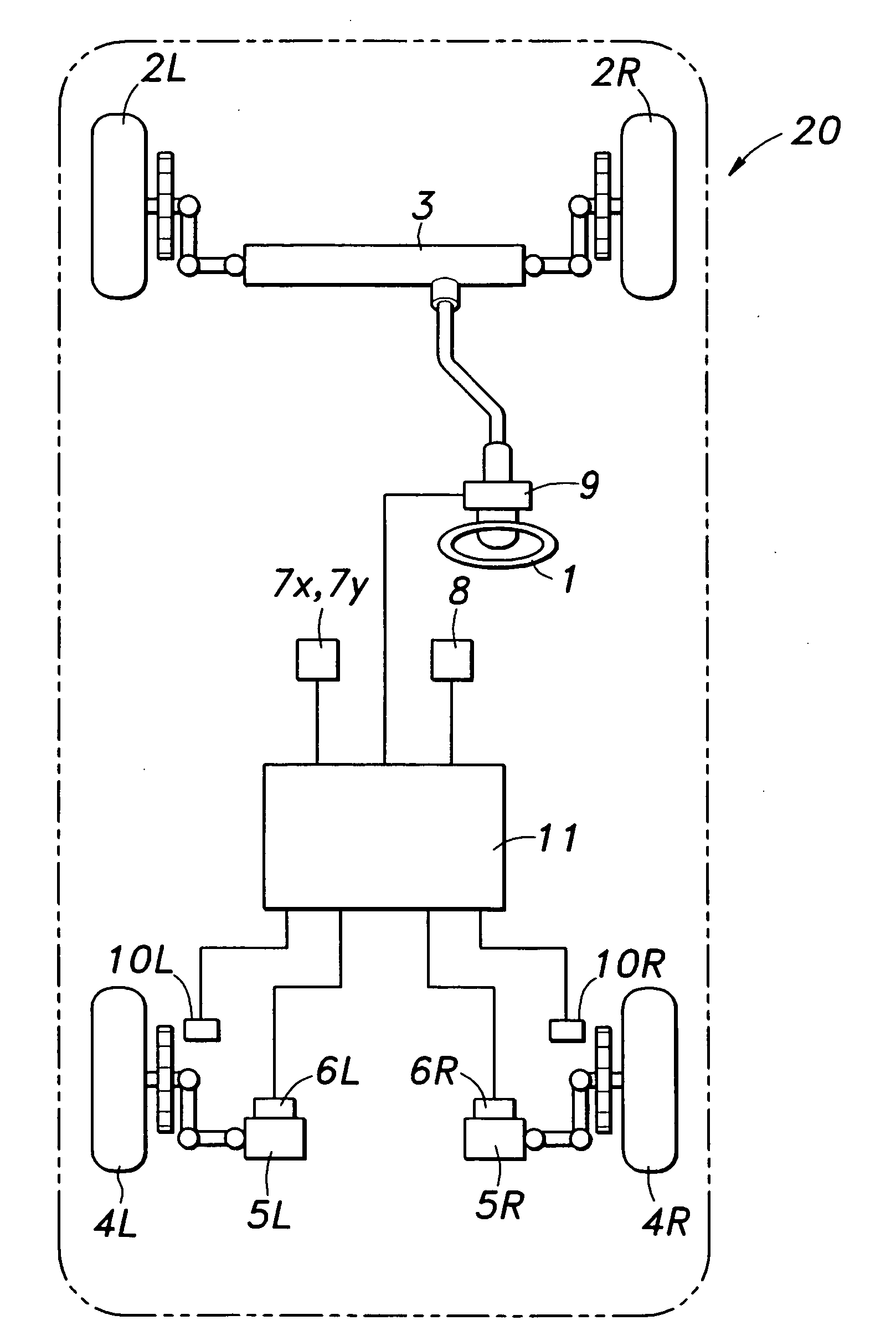
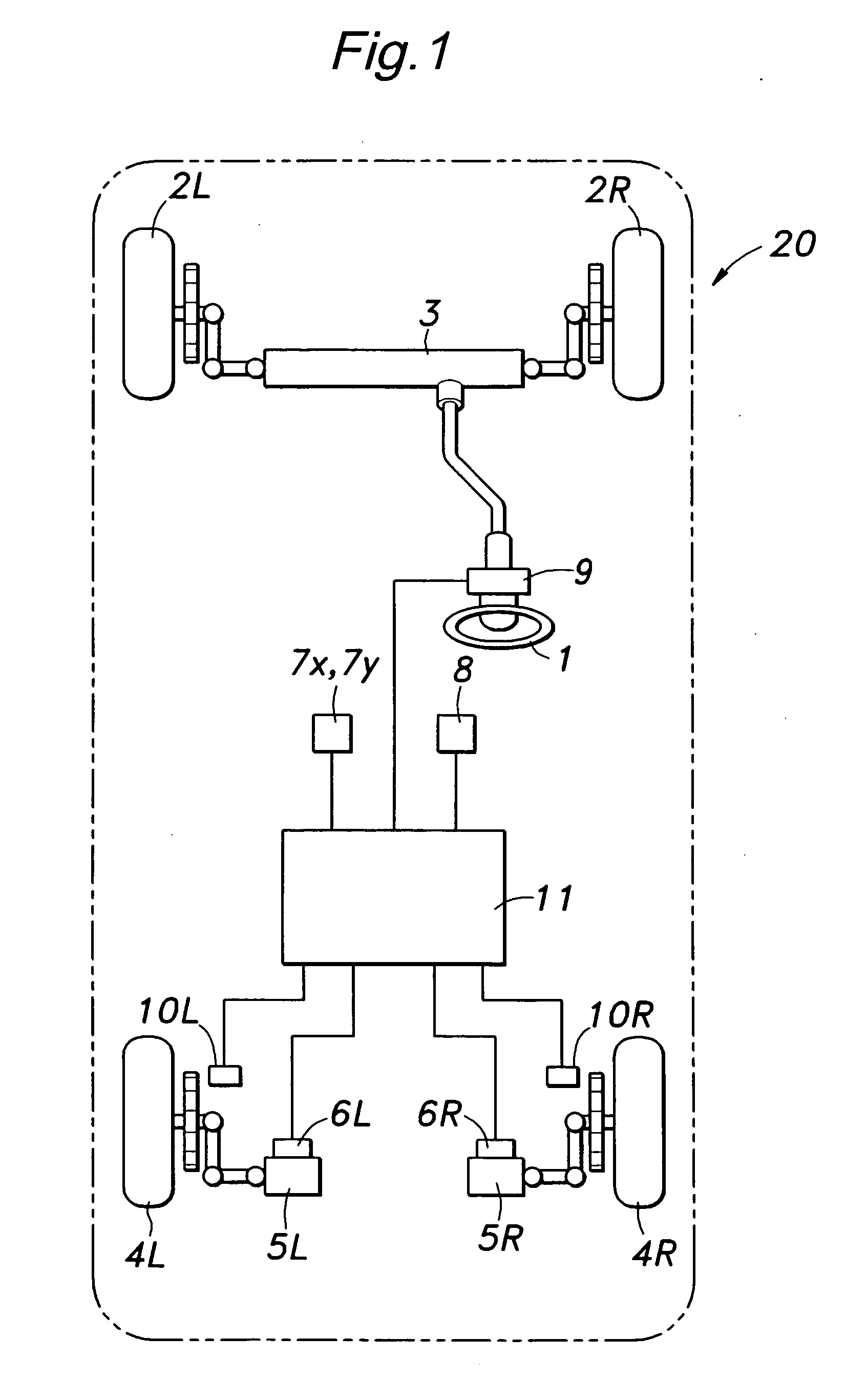
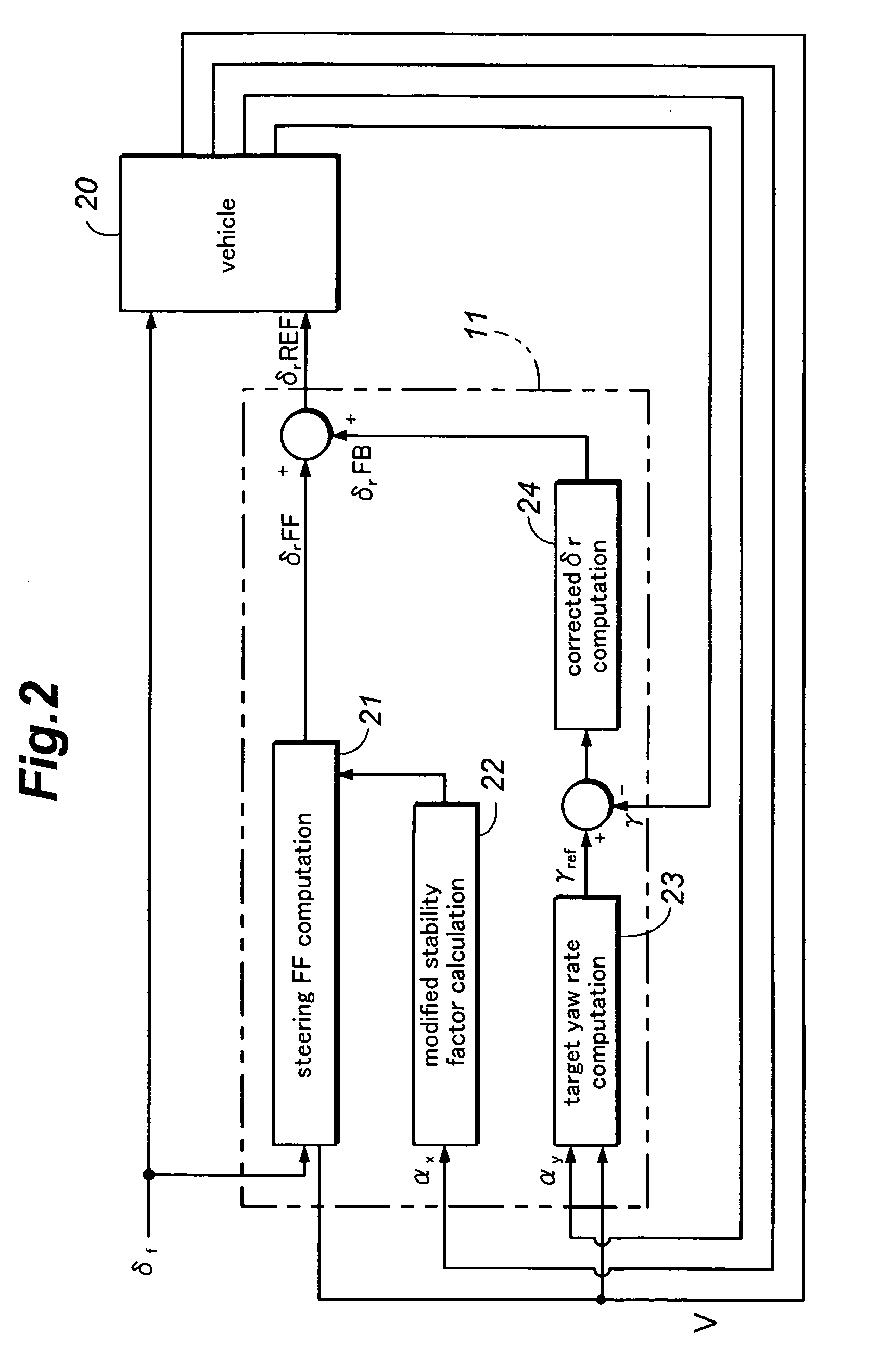
- A rear wheel steering angle controlling device that includes a feedforward control mechanism using sensors for front wheel steering angle, vehicle velocity, and yaw rate, along with a feedback mechanism to adjust the rear wheel steering angle based on changes in vehicle steer properties and road conditions, ensuring the rear wheel steering angle mimics the behavior without active control during steady-state conditions and adapts during transient states.

Reliability Standards and Compliance Requirements
The reliability standards for systems operating under transient conditions have evolved significantly over the past decade, with regulatory bodies worldwide establishing increasingly stringent requirements. Organizations such as IEEE, IEC, and NERC have developed comprehensive frameworks that specifically address stability during operational transitions. These standards typically mandate minimum performance criteria for voltage recovery, frequency response, and system damping during disturbances.
IEEE Standard 1547-2018 represents a significant advancement in this domain, establishing specific requirements for distributed energy resources to maintain stability during grid disturbances. Similarly, IEC 61000 series standards define electromagnetic compatibility requirements that systems must meet during transient events, ensuring reliable operation across varying conditions.
Critical infrastructure sectors face particularly rigorous compliance requirements. NERC CIP standards in North America and the European Network Code on Requirements for Grid Connection establish mandatory stability criteria for power generation facilities and transmission systems. These standards typically require demonstration of compliance through simulation studies, field testing, and continuous monitoring.
Testing protocols for transient stability compliance have become increasingly sophisticated, incorporating real-time digital simulation (RTDS) and hardware-in-the-loop (HIL) methodologies. These approaches allow for comprehensive evaluation of system response to various disturbance scenarios without risking actual system stability.
Documentation requirements represent another significant aspect of compliance. Organizations must maintain detailed records of stability studies, test results, and mitigation measures. This documentation serves both as evidence of compliance and as a resource for continuous improvement of system stability characteristics.
Penalties for non-compliance with stability standards can be severe, including substantial financial penalties, mandatory corrective actions, and in extreme cases, operational restrictions. The North American Electric Reliability Corporation (NERC) can impose fines up to $1 million per violation per day for critical infrastructure protection violations related to stability issues.
International harmonization efforts are underway to standardize transient stability requirements across jurisdictions, though significant regional variations persist. The International Electrotechnical Commission (IEC) has been instrumental in developing globally applicable standards, while organizations like IEEE work to ensure compatibility between North American and international requirements.
Future regulatory trends indicate movement toward performance-based standards rather than prescriptive requirements, allowing greater flexibility in implementation while maintaining rigorous stability outcomes. Additionally, emerging standards are increasingly addressing stability requirements for inverter-based resources and hybrid systems, reflecting the evolving technology landscape.
IEEE Standard 1547-2018 represents a significant advancement in this domain, establishing specific requirements for distributed energy resources to maintain stability during grid disturbances. Similarly, IEC 61000 series standards define electromagnetic compatibility requirements that systems must meet during transient events, ensuring reliable operation across varying conditions.
Critical infrastructure sectors face particularly rigorous compliance requirements. NERC CIP standards in North America and the European Network Code on Requirements for Grid Connection establish mandatory stability criteria for power generation facilities and transmission systems. These standards typically require demonstration of compliance through simulation studies, field testing, and continuous monitoring.
Testing protocols for transient stability compliance have become increasingly sophisticated, incorporating real-time digital simulation (RTDS) and hardware-in-the-loop (HIL) methodologies. These approaches allow for comprehensive evaluation of system response to various disturbance scenarios without risking actual system stability.
Documentation requirements represent another significant aspect of compliance. Organizations must maintain detailed records of stability studies, test results, and mitigation measures. This documentation serves both as evidence of compliance and as a resource for continuous improvement of system stability characteristics.
Penalties for non-compliance with stability standards can be severe, including substantial financial penalties, mandatory corrective actions, and in extreme cases, operational restrictions. The North American Electric Reliability Corporation (NERC) can impose fines up to $1 million per violation per day for critical infrastructure protection violations related to stability issues.
International harmonization efforts are underway to standardize transient stability requirements across jurisdictions, though significant regional variations persist. The International Electrotechnical Commission (IEC) has been instrumental in developing globally applicable standards, while organizations like IEEE work to ensure compatibility between North American and international requirements.
Future regulatory trends indicate movement toward performance-based standards rather than prescriptive requirements, allowing greater flexibility in implementation while maintaining rigorous stability outcomes. Additionally, emerging standards are increasingly addressing stability requirements for inverter-based resources and hybrid systems, reflecting the evolving technology landscape.
Economic Impact of Improved Transient Stability
The economic implications of enhancing transient stability in power systems extend far beyond technical considerations, reaching into multiple sectors of the economy. Improved transient stability directly correlates with reduced power outages and system failures, which translates to significant cost savings across industrial, commercial, and residential sectors. According to recent industry analyses, power outages cost the U.S. economy approximately $150 billion annually, with a substantial portion attributable to transient stability issues.
For industrial operations, particularly in manufacturing sectors with continuous processes such as semiconductor fabrication, steel production, and chemical processing, even momentary power fluctuations can result in substantial financial losses. These losses manifest not only in damaged equipment and scrapped materials but also in production downtime, which can reach costs of $100,000 per hour in high-value manufacturing environments.
The commercial sector experiences similar economic benefits from improved transient stability. Data centers, financial institutions, and healthcare facilities rely on uninterrupted power supply to maintain critical operations. Enhanced transient stability reduces the need for redundant power systems and backup generators, potentially saving millions in capital expenditure and operational costs.
From a utility perspective, improved transient stability creates opportunities for grid optimization and more efficient resource allocation. Utilities can operate closer to capacity limits without compromising reliability, effectively increasing the return on infrastructure investments. Studies indicate that a 10% improvement in transient stability can yield a 3-5% increase in transmission capacity utilization, representing significant economic value in congested grid areas.
The macroeconomic benefits extend to energy market dynamics as well. More stable power systems facilitate greater integration of renewable energy sources, which typically exhibit more variable generation patterns. This integration capability supports the transition to cleaner energy portfolios without sacrificing reliability, potentially avoiding billions in carbon-related economic costs while creating new market opportunities in the renewable sector.
Insurance and risk management sectors also benefit from enhanced transient stability. Lower system failure probabilities translate to reduced insurance premiums for utilities and industrial consumers, while also decreasing the financial reserves required to manage operational risks. These savings can be redirected toward productive investments, further stimulating economic growth.
For industrial operations, particularly in manufacturing sectors with continuous processes such as semiconductor fabrication, steel production, and chemical processing, even momentary power fluctuations can result in substantial financial losses. These losses manifest not only in damaged equipment and scrapped materials but also in production downtime, which can reach costs of $100,000 per hour in high-value manufacturing environments.
The commercial sector experiences similar economic benefits from improved transient stability. Data centers, financial institutions, and healthcare facilities rely on uninterrupted power supply to maintain critical operations. Enhanced transient stability reduces the need for redundant power systems and backup generators, potentially saving millions in capital expenditure and operational costs.
From a utility perspective, improved transient stability creates opportunities for grid optimization and more efficient resource allocation. Utilities can operate closer to capacity limits without compromising reliability, effectively increasing the return on infrastructure investments. Studies indicate that a 10% improvement in transient stability can yield a 3-5% increase in transmission capacity utilization, representing significant economic value in congested grid areas.
The macroeconomic benefits extend to energy market dynamics as well. More stable power systems facilitate greater integration of renewable energy sources, which typically exhibit more variable generation patterns. This integration capability supports the transition to cleaner energy portfolios without sacrificing reliability, potentially avoiding billions in carbon-related economic costs while creating new market opportunities in the renewable sector.
Insurance and risk management sectors also benefit from enhanced transient stability. Lower system failure probabilities translate to reduced insurance premiums for utilities and industrial consumers, while also decreasing the financial reserves required to manage operational risks. These savings can be redirected toward productive investments, further stimulating economic growth.
Unlock deeper insights with PatSnap Eureka Quick Research — get a full tech report to explore trends and direct your research. Try now!
Generate Your Research Report Instantly with AI Agent
Supercharge your innovation with PatSnap Eureka AI Agent Platform!