The Interaction between Magnesium Nitrate and Phosphorus in Soils
AUG 1, 20259 MIN READ
Generate Your Research Report Instantly with AI Agent
Patsnap Eureka helps you evaluate technical feasibility & market potential.
Mg-P Soil Interaction Background and Objectives
The interaction between magnesium nitrate and phosphorus in soils represents a critical area of study in soil science and agricultural research. This complex interplay has far-reaching implications for crop nutrition, soil fertility management, and sustainable agricultural practices. The historical context of this research dates back to the early 20th century when scientists began to recognize the importance of nutrient interactions in soil systems.
Over the past century, our understanding of soil chemistry and plant nutrition has evolved significantly. The role of magnesium as an essential macronutrient and its interaction with phosphorus, another crucial element for plant growth, has become a focal point of research. This interaction is particularly relevant in the context of increasing global food demand and the need for more efficient fertilizer use.
The primary objective of studying the interaction between magnesium nitrate and phosphorus in soils is to optimize nutrient availability for plants while minimizing environmental impacts. This involves understanding the chemical processes that occur when these nutrients are present in the soil solution, their interactions with soil particles, and their uptake by plant roots.
One key aspect of this research is the investigation of how magnesium nitrate affects phosphorus availability in different soil types. Magnesium can influence phosphorus solubility and mobility in soils, potentially enhancing or inhibiting its availability to plants. This interaction is particularly important in calcareous soils, where phosphorus availability is often limited due to the formation of insoluble calcium phosphates.
Another crucial objective is to elucidate the mechanisms by which magnesium and phosphorus interact at the root-soil interface. This includes studying the role of magnesium in phosphorus uptake by plants, the potential competition between these nutrients for binding sites on soil particles, and their combined effects on root growth and development.
Furthermore, research in this area aims to develop more efficient fertilization strategies that take into account the complex interactions between magnesium and phosphorus. This could lead to the formulation of balanced fertilizers that optimize the availability and uptake of both nutrients, potentially reducing fertilizer application rates and minimizing nutrient losses to the environment.
The study of magnesium nitrate and phosphorus interactions also extends to broader environmental concerns. Understanding these interactions is crucial for predicting and mitigating the potential environmental impacts of fertilizer use, such as nutrient leaching and eutrophication of water bodies. This research contributes to the development of more sustainable agricultural practices that balance crop productivity with environmental stewardship.
Over the past century, our understanding of soil chemistry and plant nutrition has evolved significantly. The role of magnesium as an essential macronutrient and its interaction with phosphorus, another crucial element for plant growth, has become a focal point of research. This interaction is particularly relevant in the context of increasing global food demand and the need for more efficient fertilizer use.
The primary objective of studying the interaction between magnesium nitrate and phosphorus in soils is to optimize nutrient availability for plants while minimizing environmental impacts. This involves understanding the chemical processes that occur when these nutrients are present in the soil solution, their interactions with soil particles, and their uptake by plant roots.
One key aspect of this research is the investigation of how magnesium nitrate affects phosphorus availability in different soil types. Magnesium can influence phosphorus solubility and mobility in soils, potentially enhancing or inhibiting its availability to plants. This interaction is particularly important in calcareous soils, where phosphorus availability is often limited due to the formation of insoluble calcium phosphates.
Another crucial objective is to elucidate the mechanisms by which magnesium and phosphorus interact at the root-soil interface. This includes studying the role of magnesium in phosphorus uptake by plants, the potential competition between these nutrients for binding sites on soil particles, and their combined effects on root growth and development.
Furthermore, research in this area aims to develop more efficient fertilization strategies that take into account the complex interactions between magnesium and phosphorus. This could lead to the formulation of balanced fertilizers that optimize the availability and uptake of both nutrients, potentially reducing fertilizer application rates and minimizing nutrient losses to the environment.
The study of magnesium nitrate and phosphorus interactions also extends to broader environmental concerns. Understanding these interactions is crucial for predicting and mitigating the potential environmental impacts of fertilizer use, such as nutrient leaching and eutrophication of water bodies. This research contributes to the development of more sustainable agricultural practices that balance crop productivity with environmental stewardship.
Agricultural Market Demand Analysis
The agricultural market for magnesium nitrate and phosphorus-based fertilizers has shown significant growth in recent years, driven by the increasing global demand for food production and the need for improved crop yields. Farmers and agricultural businesses are increasingly recognizing the importance of balanced soil nutrition, particularly the interaction between magnesium and phosphorus in enhancing plant growth and productivity.
The market for magnesium nitrate has experienced steady growth, with a compound annual growth rate (CAGR) of approximately 4% over the past five years. This growth is primarily attributed to its dual role as both a magnesium and nitrogen source, making it an attractive option for farmers seeking to optimize their fertilizer applications. The global market value for magnesium nitrate in agriculture is estimated to be in the range of several hundred million dollars annually.
Phosphorus-based fertilizers, on the other hand, represent a much larger market segment, with global consumption exceeding 45 million tonnes per year. The market for phosphorus fertilizers has been growing at a CAGR of around 2-3% annually, driven by the essential role of phosphorus in plant growth and development. The total market value for phosphorus fertilizers is estimated to be in the tens of billions of dollars globally.
The interaction between magnesium nitrate and phosphorus in soils has gained increasing attention from both farmers and agricultural researchers. This has led to a growing demand for specialized fertilizer blends and soil amendments that optimize the balance between these two essential nutrients. The market for such tailored fertilizer solutions is expanding, with many agricultural input companies developing products that specifically address the magnesium-phosphorus interaction.
Regionally, the demand for magnesium nitrate and phosphorus-based fertilizers varies. Developed agricultural markets in North America and Europe show a trend towards precision agriculture and optimized nutrient management, driving demand for more sophisticated fertilizer products. In contrast, emerging markets in Asia and Africa are experiencing rapid growth in overall fertilizer consumption, including magnesium and phosphorus sources, as they strive to increase agricultural productivity.
The agricultural market is also seeing an increased focus on sustainable farming practices, which is influencing the demand for magnesium nitrate and phosphorus fertilizers. There is a growing interest in products and application methods that minimize environmental impact while maximizing nutrient uptake efficiency. This trend is expected to shape the future market dynamics for these fertilizers, potentially leading to innovations in slow-release formulations and precision application technologies.
The market for magnesium nitrate has experienced steady growth, with a compound annual growth rate (CAGR) of approximately 4% over the past five years. This growth is primarily attributed to its dual role as both a magnesium and nitrogen source, making it an attractive option for farmers seeking to optimize their fertilizer applications. The global market value for magnesium nitrate in agriculture is estimated to be in the range of several hundred million dollars annually.
Phosphorus-based fertilizers, on the other hand, represent a much larger market segment, with global consumption exceeding 45 million tonnes per year. The market for phosphorus fertilizers has been growing at a CAGR of around 2-3% annually, driven by the essential role of phosphorus in plant growth and development. The total market value for phosphorus fertilizers is estimated to be in the tens of billions of dollars globally.
The interaction between magnesium nitrate and phosphorus in soils has gained increasing attention from both farmers and agricultural researchers. This has led to a growing demand for specialized fertilizer blends and soil amendments that optimize the balance between these two essential nutrients. The market for such tailored fertilizer solutions is expanding, with many agricultural input companies developing products that specifically address the magnesium-phosphorus interaction.
Regionally, the demand for magnesium nitrate and phosphorus-based fertilizers varies. Developed agricultural markets in North America and Europe show a trend towards precision agriculture and optimized nutrient management, driving demand for more sophisticated fertilizer products. In contrast, emerging markets in Asia and Africa are experiencing rapid growth in overall fertilizer consumption, including magnesium and phosphorus sources, as they strive to increase agricultural productivity.
The agricultural market is also seeing an increased focus on sustainable farming practices, which is influencing the demand for magnesium nitrate and phosphorus fertilizers. There is a growing interest in products and application methods that minimize environmental impact while maximizing nutrient uptake efficiency. This trend is expected to shape the future market dynamics for these fertilizers, potentially leading to innovations in slow-release formulations and precision application technologies.
Current Challenges in Soil Nutrient Management
Soil nutrient management faces significant challenges in modern agriculture, particularly concerning the interaction between magnesium nitrate and phosphorus. One of the primary issues is the complex dynamics of nutrient availability and uptake in soil systems. Magnesium and phosphorus are both essential macronutrients for plant growth, but their interactions can lead to reduced nutrient efficiency and potential environmental concerns.
The application of magnesium nitrate as a fertilizer can have unintended consequences on phosphorus availability. In some soil conditions, magnesium ions can form insoluble complexes with phosphate, reducing the bioavailability of phosphorus to plants. This phenomenon, known as phosphorus fixation, can lead to decreased crop yields and increased fertilizer requirements, posing both economic and environmental challenges.
Furthermore, the excessive use of nitrogen-based fertilizers, including magnesium nitrate, can contribute to soil acidification. This process alters soil pH, which in turn affects the solubility and availability of phosphorus. As soil acidity increases, phosphorus tends to bind more strongly with iron and aluminum oxides, further reducing its accessibility to plants.
Another challenge lies in the spatial and temporal variability of nutrient distribution in soils. The interaction between magnesium nitrate and phosphorus is influenced by factors such as soil type, organic matter content, and microbial activity. This variability makes it difficult to develop universal nutrient management strategies, necessitating site-specific approaches.
The potential for nutrient leaching and runoff presents additional environmental concerns. Excess magnesium and nitrate from fertilizer applications can be transported to water bodies, contributing to eutrophication and water quality degradation. Similarly, phosphorus runoff from agricultural lands remains a significant source of water pollution, highlighting the need for balanced nutrient management practices.
Climate change further complicates soil nutrient management. Altered precipitation patterns and temperature regimes can affect soil moisture content and microbial activity, influencing the cycling and availability of nutrients. These changes may require adjustments in fertilizer application rates and timing to maintain optimal nutrient balance and minimize environmental impacts.
Addressing these challenges requires an integrated approach to soil nutrient management. This includes developing precision agriculture techniques, improving soil testing methods, and enhancing our understanding of nutrient interactions at the molecular level. Additionally, there is a growing need for innovative fertilizer formulations that can optimize the synergistic effects of magnesium and phosphorus while minimizing antagonistic interactions.
The application of magnesium nitrate as a fertilizer can have unintended consequences on phosphorus availability. In some soil conditions, magnesium ions can form insoluble complexes with phosphate, reducing the bioavailability of phosphorus to plants. This phenomenon, known as phosphorus fixation, can lead to decreased crop yields and increased fertilizer requirements, posing both economic and environmental challenges.
Furthermore, the excessive use of nitrogen-based fertilizers, including magnesium nitrate, can contribute to soil acidification. This process alters soil pH, which in turn affects the solubility and availability of phosphorus. As soil acidity increases, phosphorus tends to bind more strongly with iron and aluminum oxides, further reducing its accessibility to plants.
Another challenge lies in the spatial and temporal variability of nutrient distribution in soils. The interaction between magnesium nitrate and phosphorus is influenced by factors such as soil type, organic matter content, and microbial activity. This variability makes it difficult to develop universal nutrient management strategies, necessitating site-specific approaches.
The potential for nutrient leaching and runoff presents additional environmental concerns. Excess magnesium and nitrate from fertilizer applications can be transported to water bodies, contributing to eutrophication and water quality degradation. Similarly, phosphorus runoff from agricultural lands remains a significant source of water pollution, highlighting the need for balanced nutrient management practices.
Climate change further complicates soil nutrient management. Altered precipitation patterns and temperature regimes can affect soil moisture content and microbial activity, influencing the cycling and availability of nutrients. These changes may require adjustments in fertilizer application rates and timing to maintain optimal nutrient balance and minimize environmental impacts.
Addressing these challenges requires an integrated approach to soil nutrient management. This includes developing precision agriculture techniques, improving soil testing methods, and enhancing our understanding of nutrient interactions at the molecular level. Additionally, there is a growing need for innovative fertilizer formulations that can optimize the synergistic effects of magnesium and phosphorus while minimizing antagonistic interactions.
Existing Mg-P Interaction Management Strategies
01 Fertilizer compositions containing magnesium nitrate and phosphorus
Various fertilizer compositions incorporate magnesium nitrate and phosphorus-containing compounds to provide essential nutrients for plant growth. These formulations aim to improve crop yield and quality by supplying both magnesium and phosphorus in readily available forms.- Fertilizer compositions containing magnesium nitrate and phosphorus: Various fertilizer compositions incorporate magnesium nitrate and phosphorus-containing compounds to provide essential nutrients for plant growth. These formulations aim to improve crop yield and quality by supplying both magnesium and phosphorus in readily available forms.
- Flame retardant materials using magnesium nitrate and phosphorus compounds: Magnesium nitrate and phosphorus-based compounds are utilized in the development of flame retardant materials. These compositions enhance fire resistance in various applications, including textiles, plastics, and construction materials.
- Catalysts containing magnesium nitrate and phosphorus for chemical processes: Catalysts incorporating magnesium nitrate and phosphorus compounds are developed for various chemical processes. These catalysts enhance reaction rates, selectivity, and efficiency in industrial applications such as organic synthesis and petrochemical production.
- Water treatment methods using magnesium nitrate and phosphorus: Magnesium nitrate and phosphorus-containing compounds are employed in water treatment processes. These methods aim to remove contaminants, control algae growth, and improve water quality in various aquatic environments.
- Magnesium nitrate and phosphorus in battery technology: Magnesium nitrate and phosphorus-based materials are utilized in the development of advanced battery technologies. These compounds contribute to improved electrode materials, electrolytes, or separator components, enhancing battery performance and stability.
02 Flame retardant materials using magnesium nitrate and phosphorus compounds
Magnesium nitrate and phosphorus-based compounds are utilized in the development of flame retardant materials. These compositions enhance fire resistance in various applications, including textiles, plastics, and construction materials.Expand Specific Solutions03 Catalysts containing magnesium nitrate and phosphorus for chemical processes
Catalysts incorporating magnesium nitrate and phosphorus compounds are developed for various chemical processes. These catalysts enhance reaction rates, selectivity, and yield in industrial applications such as organic synthesis and petrochemical production.Expand Specific Solutions04 Water treatment methods using magnesium nitrate and phosphorus
Magnesium nitrate and phosphorus-containing compounds are employed in water treatment processes. These methods aim to remove contaminants, control algae growth, and improve water quality in various aquatic environments.Expand Specific Solutions05 Magnesium nitrate and phosphorus in battery technology
Magnesium nitrate and phosphorus-based materials are investigated for use in battery technologies. These compounds are explored for their potential to enhance battery performance, including improved energy density, cycle life, and safety characteristics.Expand Specific Solutions
Key Players in Agrochemical Industry
The interaction between magnesium nitrate and phosphorus in soils represents a complex and evolving field of study in agricultural science. The market for related technologies and products is in a growth phase, driven by increasing global demand for sustainable agricultural practices and improved crop yields. The market size is substantial, with major players like SABIC Agri-Nutrients Co., Yara Suomi Oy, and Coromandel International Ltd. investing heavily in research and development. Technologically, the field is moderately mature, with ongoing innovations from academic institutions such as Northwest A&F University and Shandong University, as well as research centers like the Guizhou Chemical Research Institute. Companies like Tessenderlo Kerley, Inc. and DuPont de Nemours, Inc. are at the forefront of developing advanced fertilizer formulations that optimize the interaction between magnesium nitrate and phosphorus in various soil types.
Sumitomo Chemical Co., Ltd.
Technical Solution: Sumitomo Chemical has developed a novel approach to address the interaction between magnesium nitrate and phosphorus in soils. Their technology involves the use of controlled-release fertilizers that optimize the release of magnesium and phosphorus over time. This method employs polymer-coated granules containing both magnesium nitrate and phosphate compounds, allowing for a gradual and synchronized release of nutrients[1]. The company has also incorporated soil pH modifiers to enhance the availability of both magnesium and phosphorus, reducing the formation of insoluble magnesium phosphate complexes[3]. Additionally, Sumitomo has invested in research on microbial inoculants that can improve the solubilization of phosphorus in the presence of magnesium, further enhancing nutrient uptake by plants[5].
Strengths: Controlled release technology reduces nutrient loss and improves efficiency. The synchronized release of magnesium and phosphorus optimizes plant uptake. Weaknesses: May be more expensive than conventional fertilizers. Effectiveness can vary depending on soil conditions and crop types.
Yara Suomi Oy
Technical Solution: Yara Suomi Oy has developed a comprehensive approach to managing the interaction between magnesium nitrate and phosphorus in soils. Their strategy involves the use of specially formulated fertilizer blends that optimize the ratio of magnesium to phosphorus, reducing the risk of nutrient antagonism. Yara's technology incorporates slow-release magnesium compounds that gradually dissolve in the soil, providing a steady supply of magnesium without overwhelming the phosphorus availability[1]. The company has also introduced a line of liquid fertilizers that allow for precise control of nutrient ratios and timing of application, ensuring optimal nutrient balance throughout the growing season[3]. Additionally, Yara has developed soil testing and monitoring tools that enable farmers to accurately assess and adjust magnesium and phosphorus levels in real-time, promoting efficient nutrient management[5].
Strengths: Tailored nutrient ratios for specific crop needs. Improved nutrient use efficiency and reduced environmental impact. Weaknesses: Requires more sophisticated soil management practices. May have higher upfront costs compared to conventional fertilizers.
Core Research on Mg-P Soil Chemistry
Method for multi-phase preparation of complex mineral fertilizer from phosphate rock and nitric acid
PatentWO2024105570A1
Innovation
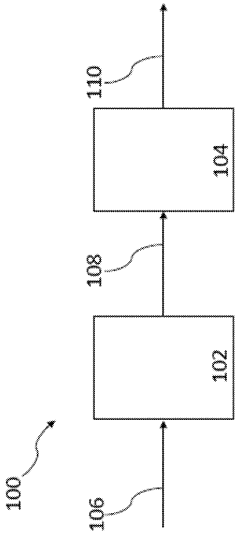
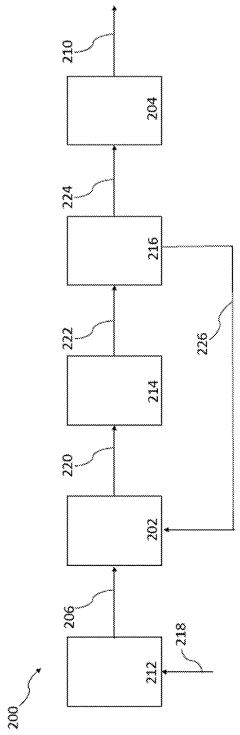
- A multi-phase fertilizer composition is developed using calcium ammonium phosphate, ammonium sulfate, and calcium nitrate, synthesized through reactions with nitric acid and ammonia sources, which acts as a slow-release agent, providing a reservoir of nutrients over time without the need for additional binders or inhibitors.

Insolubilization material for nitrogen and phosphorus and insolubilization method of nitrogen and phosphorus in soil using the same
PatentActiveJP2016069509A
Innovation
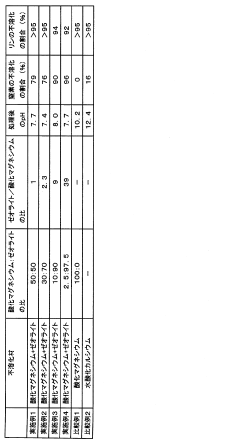
- A nitrogen and phosphorus insolubilizing material composed of magnesium oxide and zeolite, with specific ratios and surface areas, is used to insolubilize nitrogen and phosphorus in soil, achieving high insolubilization ratios.
Environmental Impact Assessment
The environmental impact assessment of the interaction between magnesium nitrate and phosphorus in soils is crucial for understanding the broader ecological implications of agricultural practices and soil management strategies. This interaction has significant consequences for nutrient cycling, plant growth, and potential environmental risks.
Magnesium nitrate, when applied as a fertilizer, can alter soil chemistry and influence phosphorus availability. The presence of magnesium ions can affect the solubility and mobility of phosphorus compounds in the soil. This interaction may lead to changes in soil pH, which in turn impacts the bioavailability of various nutrients, including phosphorus. The assessment must consider how these changes affect soil microbial communities, which play a vital role in nutrient cycling and soil health.
The potential for nutrient leaching is a key environmental concern. Excess magnesium nitrate and phosphorus in soils can lead to increased runoff, potentially contaminating nearby water bodies. This can result in eutrophication, causing algal blooms and disrupting aquatic ecosystems. The assessment should quantify the risk of nutrient loss and its impact on water quality in surrounding areas.
Long-term soil fertility is another critical aspect to evaluate. The interaction between magnesium nitrate and phosphorus can influence the soil's capacity to retain and supply nutrients over time. Changes in soil structure and composition may occur, affecting water retention, aeration, and overall soil health. These factors have implications for sustainable agriculture and long-term land use planning.
The impact on plant growth and crop yields must be carefully examined. While the interaction may enhance nutrient availability in some cases, it could also lead to nutrient imbalances or toxicities in others. The assessment should include field trials to determine optimal application rates and methods that maximize benefits while minimizing environmental risks.
Biodiversity impacts are another crucial consideration. Changes in soil chemistry can affect the composition of plant communities, potentially altering local ecosystems. The assessment should investigate how these changes might impact soil fauna, including beneficial insects and microorganisms that contribute to soil health and ecosystem services.
Greenhouse gas emissions associated with the use of magnesium nitrate and its interaction with phosphorus should also be evaluated. Nitrogen-based fertilizers can contribute to nitrous oxide emissions, a potent greenhouse gas. Understanding how this interaction affects nitrogen cycling and potential emissions is essential for developing climate-smart agricultural practices.
In conclusion, a comprehensive environmental impact assessment of the interaction between magnesium nitrate and phosphorus in soils must address multiple interconnected factors. It should provide a holistic view of the potential benefits and risks, informing policy decisions and best practices for sustainable soil management and agricultural productivity.
Magnesium nitrate, when applied as a fertilizer, can alter soil chemistry and influence phosphorus availability. The presence of magnesium ions can affect the solubility and mobility of phosphorus compounds in the soil. This interaction may lead to changes in soil pH, which in turn impacts the bioavailability of various nutrients, including phosphorus. The assessment must consider how these changes affect soil microbial communities, which play a vital role in nutrient cycling and soil health.
The potential for nutrient leaching is a key environmental concern. Excess magnesium nitrate and phosphorus in soils can lead to increased runoff, potentially contaminating nearby water bodies. This can result in eutrophication, causing algal blooms and disrupting aquatic ecosystems. The assessment should quantify the risk of nutrient loss and its impact on water quality in surrounding areas.
Long-term soil fertility is another critical aspect to evaluate. The interaction between magnesium nitrate and phosphorus can influence the soil's capacity to retain and supply nutrients over time. Changes in soil structure and composition may occur, affecting water retention, aeration, and overall soil health. These factors have implications for sustainable agriculture and long-term land use planning.
The impact on plant growth and crop yields must be carefully examined. While the interaction may enhance nutrient availability in some cases, it could also lead to nutrient imbalances or toxicities in others. The assessment should include field trials to determine optimal application rates and methods that maximize benefits while minimizing environmental risks.
Biodiversity impacts are another crucial consideration. Changes in soil chemistry can affect the composition of plant communities, potentially altering local ecosystems. The assessment should investigate how these changes might impact soil fauna, including beneficial insects and microorganisms that contribute to soil health and ecosystem services.
Greenhouse gas emissions associated with the use of magnesium nitrate and its interaction with phosphorus should also be evaluated. Nitrogen-based fertilizers can contribute to nitrous oxide emissions, a potent greenhouse gas. Understanding how this interaction affects nitrogen cycling and potential emissions is essential for developing climate-smart agricultural practices.
In conclusion, a comprehensive environmental impact assessment of the interaction between magnesium nitrate and phosphorus in soils must address multiple interconnected factors. It should provide a holistic view of the potential benefits and risks, informing policy decisions and best practices for sustainable soil management and agricultural productivity.
Regulatory Framework for Fertilizer Use
The regulatory framework for fertilizer use plays a crucial role in managing the interaction between magnesium nitrate and phosphorus in soils. Governments and agricultural organizations worldwide have established guidelines and regulations to ensure the safe and effective use of fertilizers, including those containing magnesium nitrate and phosphorus.
In many countries, fertilizer regulations are designed to prevent environmental pollution, protect soil health, and optimize crop yields. These regulations often include restrictions on the application rates of nitrogen and phosphorus-based fertilizers, as excessive use can lead to nutrient runoff and water pollution. Magnesium nitrate, being a source of both nitrogen and magnesium, falls under these regulatory considerations.
Regulatory bodies typically require fertilizer manufacturers to provide detailed information about the nutrient content, including the percentages of nitrogen, phosphorus, and magnesium. This information helps farmers make informed decisions about fertilizer application rates and timing, considering the specific needs of their crops and soil conditions.
Some jurisdictions have implemented nutrient management plans as part of their regulatory framework. These plans require farmers to assess soil nutrient levels, crop nutrient requirements, and environmental factors before applying fertilizers. This approach helps optimize the use of magnesium nitrate and phosphorus-containing fertilizers while minimizing potential negative impacts on the environment.
In regions where water quality is a significant concern, regulations may include buffer zones near water bodies where fertilizer application is restricted or prohibited. This measure aims to reduce the risk of nutrient runoff and protect aquatic ecosystems from excessive algae growth caused by phosphorus pollution.
Certification programs for fertilizer products and application methods have been established in some countries. These programs ensure that fertilizers meet specific quality standards and that application techniques are environmentally sound. Farmers and agricultural professionals may be required to undergo training and certification to use certain types of fertilizers or application equipment.
Monitoring and enforcement mechanisms are essential components of the regulatory framework. Soil testing programs, water quality monitoring, and periodic inspections of agricultural practices help ensure compliance with fertilizer use regulations. Penalties for non-compliance may include fines, restrictions on fertilizer use, or mandatory remediation measures.
As research on the interaction between magnesium nitrate and phosphorus in soils continues to advance, regulatory frameworks are likely to evolve. Future regulations may incorporate more precise guidelines for balancing magnesium and phosphorus levels in soils, taking into account factors such as soil type, crop requirements, and local environmental conditions.
In many countries, fertilizer regulations are designed to prevent environmental pollution, protect soil health, and optimize crop yields. These regulations often include restrictions on the application rates of nitrogen and phosphorus-based fertilizers, as excessive use can lead to nutrient runoff and water pollution. Magnesium nitrate, being a source of both nitrogen and magnesium, falls under these regulatory considerations.
Regulatory bodies typically require fertilizer manufacturers to provide detailed information about the nutrient content, including the percentages of nitrogen, phosphorus, and magnesium. This information helps farmers make informed decisions about fertilizer application rates and timing, considering the specific needs of their crops and soil conditions.
Some jurisdictions have implemented nutrient management plans as part of their regulatory framework. These plans require farmers to assess soil nutrient levels, crop nutrient requirements, and environmental factors before applying fertilizers. This approach helps optimize the use of magnesium nitrate and phosphorus-containing fertilizers while minimizing potential negative impacts on the environment.
In regions where water quality is a significant concern, regulations may include buffer zones near water bodies where fertilizer application is restricted or prohibited. This measure aims to reduce the risk of nutrient runoff and protect aquatic ecosystems from excessive algae growth caused by phosphorus pollution.
Certification programs for fertilizer products and application methods have been established in some countries. These programs ensure that fertilizers meet specific quality standards and that application techniques are environmentally sound. Farmers and agricultural professionals may be required to undergo training and certification to use certain types of fertilizers or application equipment.
Monitoring and enforcement mechanisms are essential components of the regulatory framework. Soil testing programs, water quality monitoring, and periodic inspections of agricultural practices help ensure compliance with fertilizer use regulations. Penalties for non-compliance may include fines, restrictions on fertilizer use, or mandatory remediation measures.
As research on the interaction between magnesium nitrate and phosphorus in soils continues to advance, regulatory frameworks are likely to evolve. Future regulations may incorporate more precise guidelines for balancing magnesium and phosphorus levels in soils, taking into account factors such as soil type, crop requirements, and local environmental conditions.
Unlock deeper insights with Patsnap Eureka Quick Research — get a full tech report to explore trends and direct your research. Try now!
Generate Your Research Report Instantly with AI Agent
Supercharge your innovation with Patsnap Eureka AI Agent Platform!