Utilizing X-ray Diffraction For Superconductors Research
FEB 27, 20269 MIN READ
Generate Your Research Report Instantly with AI Agent
PatSnap Eureka helps you evaluate technical feasibility & market potential.
X-ray Diffraction in Superconductor Research Background and Goals
X-ray diffraction has emerged as one of the most fundamental and indispensable analytical techniques in superconductor research since the discovery of high-temperature superconductors in the 1980s. The technique's ability to provide detailed structural information at the atomic level makes it uniquely suited for understanding the complex crystal structures that underpin superconducting phenomena. As superconducting materials often exhibit intricate layered structures, phase transitions, and subtle structural distortions that directly correlate with their electronic properties, X-ray diffraction serves as a critical bridge between structural characterization and functional understanding.
The historical development of X-ray diffraction applications in superconductor research can be traced through several key phases. Initially, conventional powder diffraction methods were employed to identify basic crystal structures and phase purity of early superconducting compounds. The discovery of cuprate superconductors marked a significant turning point, as these materials required more sophisticated diffraction techniques to resolve their complex layered structures and understand the relationship between structural parameters and superconducting transition temperatures.
Modern synchrotron-based X-ray diffraction techniques have revolutionized the field by enabling in-situ studies under extreme conditions, including high pressure, low temperature, and controlled atmospheric environments. These capabilities have become essential for investigating the structural evolution of superconductors under conditions that directly influence their electronic properties. The development of time-resolved diffraction methods has further expanded the technique's utility, allowing researchers to study dynamic structural changes and phase transitions in real-time.
The primary technical objectives driving current X-ray diffraction applications in superconductor research encompass several critical areas. Structure-property relationship elucidation remains paramount, as researchers seek to establish quantitative correlations between atomic-scale structural features and macroscopic superconducting properties. This includes understanding how lattice parameters, bond lengths, and structural distortions influence critical temperature, current density, and magnetic field tolerance.
Phase diagram mapping represents another crucial objective, particularly for complex superconducting systems where multiple phases coexist or compete. X-ray diffraction provides the precision necessary to identify phase boundaries, determine phase stability regions, and track structural evolution across different thermodynamic conditions. This information is vital for optimizing synthesis conditions and understanding the fundamental physics governing superconducting behavior.
The technique also aims to advance our understanding of structural disorder and its impact on superconducting properties. Many practical superconducting materials contain intentional or unavoidable structural defects, grain boundaries, and compositional variations that significantly affect performance. Advanced diffraction analysis methods, including pair distribution function analysis and microstructure characterization, are being developed to quantify these effects and guide materials optimization strategies.
The historical development of X-ray diffraction applications in superconductor research can be traced through several key phases. Initially, conventional powder diffraction methods were employed to identify basic crystal structures and phase purity of early superconducting compounds. The discovery of cuprate superconductors marked a significant turning point, as these materials required more sophisticated diffraction techniques to resolve their complex layered structures and understand the relationship between structural parameters and superconducting transition temperatures.
Modern synchrotron-based X-ray diffraction techniques have revolutionized the field by enabling in-situ studies under extreme conditions, including high pressure, low temperature, and controlled atmospheric environments. These capabilities have become essential for investigating the structural evolution of superconductors under conditions that directly influence their electronic properties. The development of time-resolved diffraction methods has further expanded the technique's utility, allowing researchers to study dynamic structural changes and phase transitions in real-time.
The primary technical objectives driving current X-ray diffraction applications in superconductor research encompass several critical areas. Structure-property relationship elucidation remains paramount, as researchers seek to establish quantitative correlations between atomic-scale structural features and macroscopic superconducting properties. This includes understanding how lattice parameters, bond lengths, and structural distortions influence critical temperature, current density, and magnetic field tolerance.
Phase diagram mapping represents another crucial objective, particularly for complex superconducting systems where multiple phases coexist or compete. X-ray diffraction provides the precision necessary to identify phase boundaries, determine phase stability regions, and track structural evolution across different thermodynamic conditions. This information is vital for optimizing synthesis conditions and understanding the fundamental physics governing superconducting behavior.
The technique also aims to advance our understanding of structural disorder and its impact on superconducting properties. Many practical superconducting materials contain intentional or unavoidable structural defects, grain boundaries, and compositional variations that significantly affect performance. Advanced diffraction analysis methods, including pair distribution function analysis and microstructure characterization, are being developed to quantify these effects and guide materials optimization strategies.
Market Demand for Advanced Superconductor Characterization
The global superconductor market is experiencing unprecedented growth driven by increasing demand for advanced characterization techniques, with X-ray diffraction emerging as a critical analytical tool. The expanding applications of superconducting materials in quantum computing, magnetic resonance imaging, power transmission, and energy storage systems are creating substantial market opportunities for sophisticated characterization solutions.
Research institutions and universities represent the largest segment of demand for advanced superconductor characterization equipment. These organizations require precise structural analysis capabilities to understand the relationship between crystal structure and superconducting properties. The growing investment in quantum research programs worldwide has significantly amplified the need for high-resolution X-ray diffraction systems capable of detecting subtle structural changes in superconducting materials.
The industrial sector is witnessing increasing adoption of superconductor characterization services, particularly in the development of high-temperature superconductors for commercial applications. Manufacturing companies developing superconducting wires, tapes, and bulk materials require comprehensive quality control and material optimization processes, driving demand for advanced XRD analysis capabilities.
Government funding initiatives and national research programs focused on superconductivity research are creating sustained market demand. Major economies are investing heavily in superconductor technology development for strategic applications including power grid modernization, transportation systems, and defense technologies. This governmental support translates directly into increased procurement of advanced characterization equipment and services.
The emergence of specialized service providers offering contract characterization services is expanding market accessibility. Smaller research groups and startup companies can now access sophisticated XRD analysis without significant capital investment, broadening the overall market base and creating new revenue streams for equipment manufacturers and service providers.
Market demand is also being shaped by the need for real-time and in-situ characterization capabilities. Researchers require dynamic analysis of superconducting materials under various conditions including temperature variations, magnetic field exposure, and mechanical stress. This demand is driving innovation in specialized XRD instrumentation designed specifically for superconductor research applications.
The integration of artificial intelligence and machine learning with XRD analysis is creating new market segments focused on automated data interpretation and pattern recognition. This technological convergence is attracting investment from both traditional analytical instrument companies and emerging technology firms, indicating strong future market potential for advanced superconductor characterization solutions.
Research institutions and universities represent the largest segment of demand for advanced superconductor characterization equipment. These organizations require precise structural analysis capabilities to understand the relationship between crystal structure and superconducting properties. The growing investment in quantum research programs worldwide has significantly amplified the need for high-resolution X-ray diffraction systems capable of detecting subtle structural changes in superconducting materials.
The industrial sector is witnessing increasing adoption of superconductor characterization services, particularly in the development of high-temperature superconductors for commercial applications. Manufacturing companies developing superconducting wires, tapes, and bulk materials require comprehensive quality control and material optimization processes, driving demand for advanced XRD analysis capabilities.
Government funding initiatives and national research programs focused on superconductivity research are creating sustained market demand. Major economies are investing heavily in superconductor technology development for strategic applications including power grid modernization, transportation systems, and defense technologies. This governmental support translates directly into increased procurement of advanced characterization equipment and services.
The emergence of specialized service providers offering contract characterization services is expanding market accessibility. Smaller research groups and startup companies can now access sophisticated XRD analysis without significant capital investment, broadening the overall market base and creating new revenue streams for equipment manufacturers and service providers.
Market demand is also being shaped by the need for real-time and in-situ characterization capabilities. Researchers require dynamic analysis of superconducting materials under various conditions including temperature variations, magnetic field exposure, and mechanical stress. This demand is driving innovation in specialized XRD instrumentation designed specifically for superconductor research applications.
The integration of artificial intelligence and machine learning with XRD analysis is creating new market segments focused on automated data interpretation and pattern recognition. This technological convergence is attracting investment from both traditional analytical instrument companies and emerging technology firms, indicating strong future market potential for advanced superconductor characterization solutions.
Current XRD Limitations in Superconductor Crystal Analysis
X-ray diffraction techniques face significant resolution constraints when analyzing superconductor crystal structures, particularly for materials with complex unit cells and subtle structural distortions. Conventional laboratory XRD systems typically achieve angular resolution of 0.01-0.02° in 2θ, which proves insufficient for detecting minute lattice parameter changes that often correlate with superconducting properties. This limitation becomes particularly pronounced when studying high-temperature superconductors like cuprates, where structural phase transitions occur within narrow temperature ranges and involve extremely small atomic displacements.
Peak overlap represents another critical challenge in superconductor XRD analysis. Many superconducting materials exhibit closely spaced diffraction peaks due to their complex crystal symmetries and large unit cell parameters. Iron-based superconductors, for instance, often display overlapping reflections from multiple crystallographic phases, making accurate phase identification and quantitative analysis extremely difficult. Standard peak deconvolution algorithms frequently fail to provide reliable results when peak separation approaches the instrumental resolution limit.
Sample preparation and environmental control present additional technical barriers. Superconducting materials are often air-sensitive and require controlled atmosphere measurements, limiting the applicability of standard XRD configurations. Many superconductors also exhibit preferred orientation effects due to their layered crystal structures, leading to systematic intensity variations that complicate structural refinement procedures. Temperature-dependent measurements, crucial for understanding superconducting phase transitions, demand specialized sample environments that can introduce additional background scattering and reduce data quality.
Data collection time constraints significantly impact the quality of superconductor XRD analysis. Achieving sufficient counting statistics for weak superlattice reflections or detecting subtle structural changes requires extended measurement times, often spanning several hours or days. This limitation becomes particularly problematic for in-situ studies of superconductor synthesis or degradation processes, where rapid structural changes occur on timescales incompatible with conventional XRD data acquisition rates.
Penetration depth limitations of laboratory X-ray sources restrict the analysis of bulk superconductor properties. Cu Kα radiation typically penetrates only 10-50 micrometers into dense superconducting materials, potentially sampling only surface layers that may not represent the bulk superconducting phase. This shallow penetration depth becomes especially problematic when analyzing superconductor thin films or investigating depth-dependent structural variations in bulk samples.
Peak overlap represents another critical challenge in superconductor XRD analysis. Many superconducting materials exhibit closely spaced diffraction peaks due to their complex crystal symmetries and large unit cell parameters. Iron-based superconductors, for instance, often display overlapping reflections from multiple crystallographic phases, making accurate phase identification and quantitative analysis extremely difficult. Standard peak deconvolution algorithms frequently fail to provide reliable results when peak separation approaches the instrumental resolution limit.
Sample preparation and environmental control present additional technical barriers. Superconducting materials are often air-sensitive and require controlled atmosphere measurements, limiting the applicability of standard XRD configurations. Many superconductors also exhibit preferred orientation effects due to their layered crystal structures, leading to systematic intensity variations that complicate structural refinement procedures. Temperature-dependent measurements, crucial for understanding superconducting phase transitions, demand specialized sample environments that can introduce additional background scattering and reduce data quality.
Data collection time constraints significantly impact the quality of superconductor XRD analysis. Achieving sufficient counting statistics for weak superlattice reflections or detecting subtle structural changes requires extended measurement times, often spanning several hours or days. This limitation becomes particularly problematic for in-situ studies of superconductor synthesis or degradation processes, where rapid structural changes occur on timescales incompatible with conventional XRD data acquisition rates.
Penetration depth limitations of laboratory X-ray sources restrict the analysis of bulk superconductor properties. Cu Kα radiation typically penetrates only 10-50 micrometers into dense superconducting materials, potentially sampling only surface layers that may not represent the bulk superconducting phase. This shallow penetration depth becomes especially problematic when analyzing superconductor thin films or investigating depth-dependent structural variations in bulk samples.
Current XRD Solutions for Superconductor Structure Analysis
01 X-ray diffraction apparatus and detector systems
X-ray diffraction systems utilize specialized detector configurations and apparatus designs to capture diffraction patterns. These systems incorporate advanced detector technologies, including position-sensitive detectors and multi-channel detection systems, to improve signal collection and analysis. The apparatus may include specific geometric arrangements of X-ray sources, sample holders, and detectors to optimize diffraction measurements for various materials and applications.- X-ray diffraction apparatus and detector systems: X-ray diffraction systems utilize specialized detector configurations and apparatus designs to capture diffraction patterns. These systems incorporate advanced detector technologies including position-sensitive detectors, multi-channel detectors, and imaging systems that enable precise measurement of diffracted X-ray beams. The apparatus may include goniometers, collimators, and optical components optimized for various diffraction geometries and sample types.
- X-ray diffraction analysis methods and data processing: Advanced analytical methods are employed to process and interpret X-ray diffraction data for material characterization. These methods include algorithms for peak identification, phase analysis, crystallographic structure determination, and quantitative analysis of crystalline materials. The techniques enable determination of crystal structure, lattice parameters, crystallite size, and strain analysis through computational processing of diffraction patterns.
- Sample preparation and positioning systems for X-ray diffraction: Specialized sample handling and positioning mechanisms are utilized to optimize X-ray diffraction measurements. These systems include sample stages with precise angular control, automated sample changers, environmental chambers for in-situ measurements, and alignment systems that ensure accurate sample positioning relative to the X-ray beam. The mechanisms enable measurements under various conditions including temperature control and atmospheric control.
- X-ray source and beam conditioning systems: X-ray diffraction systems incorporate various X-ray generation and beam conditioning technologies to produce optimized radiation for diffraction experiments. These include X-ray tubes, synchrotron sources, monochromators for wavelength selection, focusing optics, and beam shaping devices. The systems are designed to provide controlled X-ray beams with specific characteristics such as intensity, wavelength, divergence, and spot size suitable for different diffraction applications.
- Applications of X-ray diffraction in material analysis: X-ray diffraction techniques are applied across diverse fields for material characterization and quality control. Applications include pharmaceutical analysis for polymorph identification, semiconductor materials characterization, metallurgical phase analysis, geological mineral identification, and thin film analysis. The technique provides non-destructive analysis capabilities for determining composition, structure, and properties of crystalline and semi-crystalline materials in research and industrial settings.
02 X-ray diffraction methods for material characterization
Various methodologies are employed in X-ray diffraction for analyzing crystalline structures and material properties. These methods include techniques for determining crystal orientation, phase identification, and structural analysis of materials. The approaches involve specific measurement protocols, data collection strategies, and analytical procedures to extract detailed information about material composition and crystallographic properties.Expand Specific Solutions03 X-ray diffraction data processing and analysis
Advanced computational methods and algorithms are utilized to process and interpret X-ray diffraction data. These techniques involve mathematical transformations, pattern recognition, and data refinement procedures to extract meaningful structural information from raw diffraction measurements. The processing methods enable accurate determination of lattice parameters, crystal structures, and material properties from diffraction patterns.Expand Specific Solutions04 X-ray diffraction applications in thin film and surface analysis
Specialized X-ray diffraction techniques are applied for characterizing thin films, coatings, and surface structures. These applications involve grazing incidence configurations and specialized measurement geometries to analyze surface layers and interface structures. The methods enable determination of film thickness, crystallinity, stress, and orientation in thin film materials and multilayer structures.Expand Specific Solutions05 X-ray diffraction instrumentation components and optical systems
Critical components of X-ray diffraction systems include optical elements, monochromators, collimators, and beam conditioning devices. These components are designed to control X-ray beam characteristics, including wavelength selection, beam focusing, and intensity distribution. The optical systems incorporate specialized materials and geometries to optimize X-ray beam properties for specific diffraction experiments and improve measurement accuracy.Expand Specific Solutions
Key Players in XRD Equipment and Superconductor Research
The X-ray diffraction for superconductors research field represents a mature yet rapidly evolving technological landscape driven by the quest for room-temperature superconductivity breakthroughs. The market demonstrates significant growth potential, estimated in billions globally, as superconductor applications expand across energy storage, quantum computing, and medical imaging sectors. The competitive landscape features established instrumentation leaders like Rigaku Corp., Bruker AXS GmbH, and Hitachi Ltd. providing sophisticated XRD equipment, while research institutions including MIT, Paul Scherrer Institut PSI, and CNRS drive fundamental discoveries. Technology giants such as Samsung Electronics and GLOBALFOUNDRIES leverage XRD for semiconductor applications with superconducting properties. The field exhibits high technical maturity in instrumentation but remains in early stages regarding practical superconductor implementation, with specialized companies like SuperPower Inc. bridging research and commercialization gaps.
Rigaku Corp.
Technical Solution: Rigaku Corporation offers comprehensive X-ray diffraction solutions for superconductor research through their MiniFlex and SmartLab series. Their SmartLab Guidance system provides automated measurement protocols specifically optimized for superconducting material analysis, including phase identification and quantitative analysis of high-Tc superconductors. The company's low-temperature attachment systems enable XRD measurements down to liquid helium temperatures, crucial for studying superconducting phase transitions. Rigaku's proprietary SmartLab Studio II software includes specialized analysis packages for superconductor crystal structure refinement and texture analysis. Their compact benchtop systems make XRD accessible for routine superconductor quality control in manufacturing environments.
Strengths: User-friendly automated systems with specialized superconductor analysis software, compact designs suitable for various laboratory settings. Weaknesses: Limited high-end capabilities compared to larger research-grade systems, software customization options may be restricted.
Massachusetts Institute of Technology
Technical Solution: MIT conducts cutting-edge X-ray diffraction research for superconductor discovery and characterization through their Department of Materials Science and Engineering. Their research focuses on using synchrotron-based XRD techniques to study unconventional superconductors, including iron-based and cuprate superconductors. MIT researchers employ high-pressure XRD cells combined with electrical transport measurements to explore pressure-induced superconductivity in novel materials. The institute's advanced XRD facilities include variable-temperature systems for studying structural phase transitions related to superconducting mechanisms. Their interdisciplinary approach combines XRD with neutron scattering and electron microscopy to provide comprehensive structural characterization of emergent superconducting materials, contributing significantly to the fundamental understanding of superconductivity mechanisms.
Strengths: World-class research capabilities with access to advanced synchrotron facilities, strong interdisciplinary collaboration for comprehensive materials characterization. Weaknesses: Academic focus may result in longer development timelines for practical applications, limited commercial product development compared to industry players.
Core XRD Innovations for Superconductor Phase Identification
X-ray diffraction analysis method and X-ray diffraction analysis apparatus
PatentInactiveUS10712294B2
Innovation
- An X-ray diffraction analysis method that fixes the X-ray irradiation angle and uses a two-dimensional detection circuit to acquire spot-like diffraction patterns, grouping diffraction spots by their angles and intensity to identify crystal phases, allowing for rapid identification of multiple crystal phases without extensive peak classification.


Multiple wavelength X-ray source
PatentInactiveUS20070165780A1
Innovation
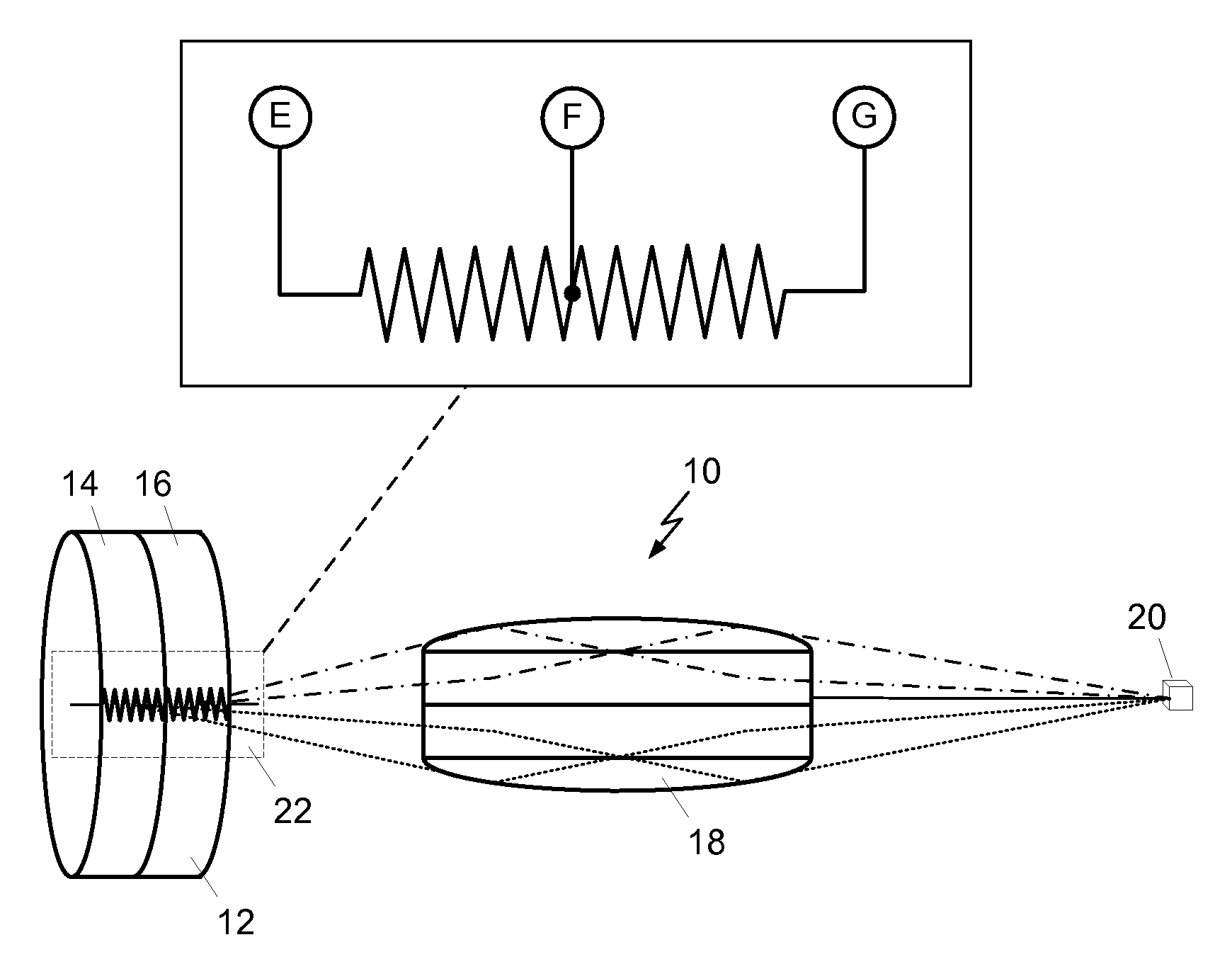
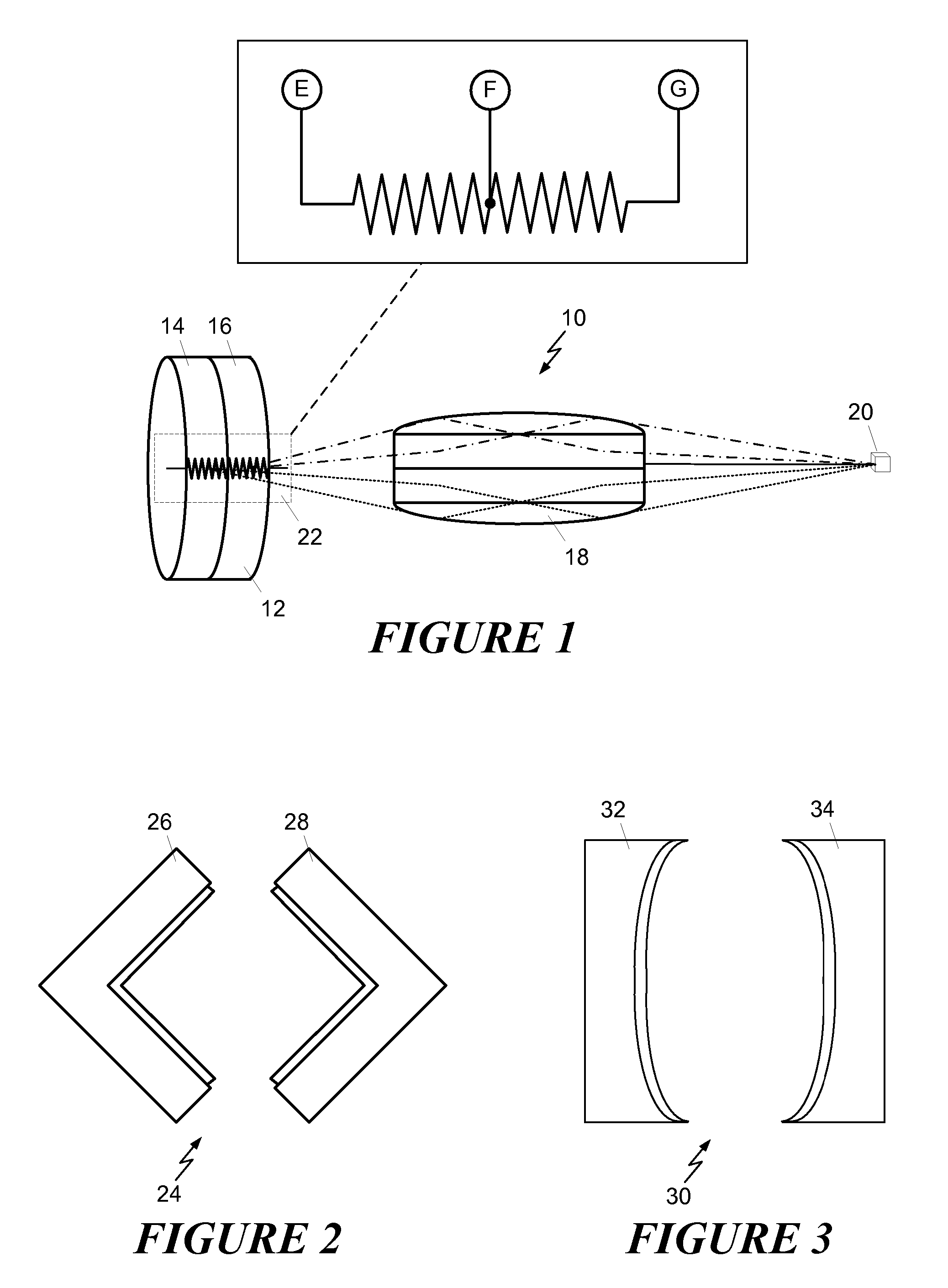
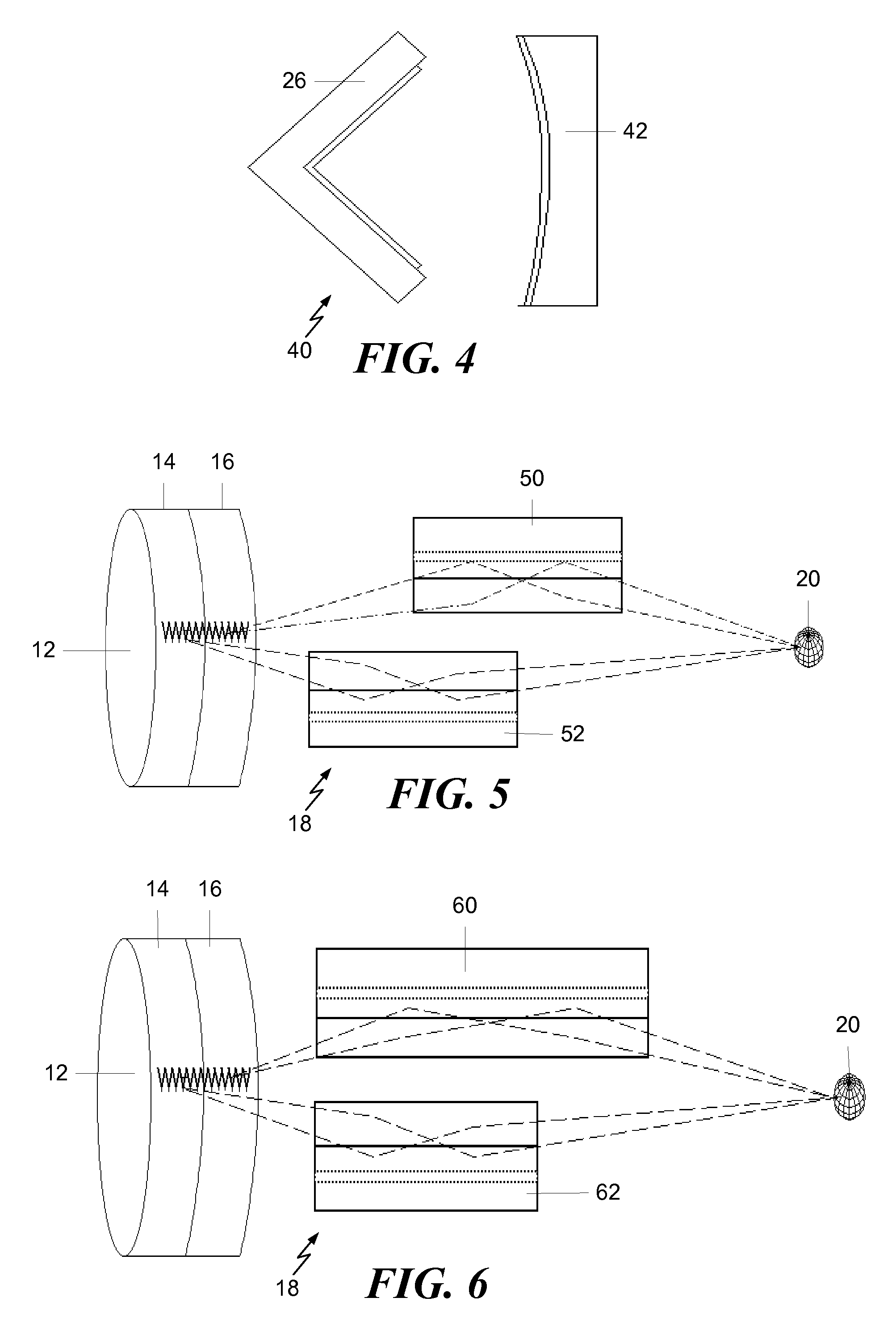
- A multiple wavelength X-ray source with a rotating anode featuring different target materials and a dual-wavelength mirror assembly, where each focusing section is prealigned for specific wavelengths, allowing for instantaneous switching without realigning optics, using a dual-segment cathode to selectively excite anode sections and a Kirkpatrick-Baez or single-bounce elliptical mirror configuration to focus X-rays onto the sample.
Research Funding Policies for Superconductor Technologies
Government funding agencies worldwide have established comprehensive policies to support superconductor research, recognizing its strategic importance for national competitiveness. The United States Department of Energy allocates substantial resources through its Basic Energy Sciences program, specifically targeting fundamental superconductor research including advanced characterization techniques like X-ray diffraction. Similarly, the National Science Foundation provides multi-year grants for superconductor studies, with particular emphasis on materials discovery and structural analysis methodologies.
European funding frameworks demonstrate strong commitment to superconductor research through Horizon Europe programs, which prioritize quantum technologies and advanced materials research. The European Research Council offers prestigious grants for breakthrough superconductor investigations, often supporting cutting-edge analytical approaches including synchrotron-based X-ray diffraction studies. National agencies like Germany's DFG and France's ANR complement these efforts with targeted funding for superconductor characterization research.
Asian countries have implemented aggressive funding strategies to advance superconductor technologies. Japan's MEXT and JST provide substantial support for superconductor research infrastructure, including advanced X-ray facilities. China's National Natural Science Foundation has dramatically increased funding for superconductor studies, establishing specialized programs for materials characterization and structural analysis. South Korea's National Research Foundation similarly prioritizes superconductor research through dedicated funding streams.
Funding policies increasingly emphasize interdisciplinary collaboration between materials scientists, physicists, and analytical specialists. Many agencies now require partnerships between theoretical researchers and experimental facilities, particularly those equipped with advanced X-ray diffraction capabilities. This collaborative approach ensures comprehensive understanding of superconductor properties from both fundamental and applied perspectives.
Recent policy trends show growing emphasis on translational research, bridging fundamental superconductor studies with practical applications. Funding agencies are establishing programs that specifically support the development of advanced characterization techniques, recognizing that improved analytical methods like high-resolution X-ray diffraction are essential for accelerating superconductor discovery and optimization.
European funding frameworks demonstrate strong commitment to superconductor research through Horizon Europe programs, which prioritize quantum technologies and advanced materials research. The European Research Council offers prestigious grants for breakthrough superconductor investigations, often supporting cutting-edge analytical approaches including synchrotron-based X-ray diffraction studies. National agencies like Germany's DFG and France's ANR complement these efforts with targeted funding for superconductor characterization research.
Asian countries have implemented aggressive funding strategies to advance superconductor technologies. Japan's MEXT and JST provide substantial support for superconductor research infrastructure, including advanced X-ray facilities. China's National Natural Science Foundation has dramatically increased funding for superconductor studies, establishing specialized programs for materials characterization and structural analysis. South Korea's National Research Foundation similarly prioritizes superconductor research through dedicated funding streams.
Funding policies increasingly emphasize interdisciplinary collaboration between materials scientists, physicists, and analytical specialists. Many agencies now require partnerships between theoretical researchers and experimental facilities, particularly those equipped with advanced X-ray diffraction capabilities. This collaborative approach ensures comprehensive understanding of superconductor properties from both fundamental and applied perspectives.
Recent policy trends show growing emphasis on translational research, bridging fundamental superconductor studies with practical applications. Funding agencies are establishing programs that specifically support the development of advanced characterization techniques, recognizing that improved analytical methods like high-resolution X-ray diffraction are essential for accelerating superconductor discovery and optimization.
Safety Protocols for High-Energy X-ray Superconductor Studies
High-energy X-ray diffraction studies of superconductors present unique safety challenges that require comprehensive protocols to protect personnel, equipment, and research integrity. The intense radiation levels generated by synchrotron sources and high-power X-ray generators necessitate stringent safety measures that go beyond conventional laboratory protocols.
Radiation protection forms the cornerstone of safety protocols in high-energy X-ray superconductor research. Personnel must be equipped with appropriate dosimetry badges and undergo regular radiation exposure monitoring. Lead-lined protective barriers and automated beam shutters are essential components of the experimental setup. The ALARA principle (As Low As Reasonably Achievable) should guide all exposure decisions, with strict adherence to occupational dose limits established by regulatory authorities.
Cryogenic safety protocols are equally critical when studying superconductors at extremely low temperatures. Liquid helium and nitrogen handling procedures must include proper ventilation systems to prevent asphyxiation risks in enclosed spaces. Personnel protective equipment including cryogenic gloves, face shields, and closed-toe shoes are mandatory. Emergency procedures for cryogenic spills and equipment failures must be clearly established and regularly practiced.
Electrical safety considerations become paramount when dealing with high-current superconducting systems and associated power supplies. Proper grounding procedures, lockout/tagout protocols, and arc flash protection are essential. Emergency shutdown systems must be easily accessible and clearly marked, with backup power systems ensuring safe equipment shutdown during power failures.
Sample handling protocols require special attention due to the potential toxicity of certain superconducting materials. Proper containment procedures for powder samples, fume hood usage for sample preparation, and appropriate disposal methods for hazardous materials must be strictly followed. Personal protective equipment selection should be based on material safety data sheets for specific superconducting compounds.
Emergency response procedures must address multiple simultaneous hazards including radiation exposure, cryogenic accidents, and electrical incidents. Regular safety training sessions, equipment inspections, and protocol updates ensure continued compliance with evolving safety standards in high-energy X-ray research environments.
Radiation protection forms the cornerstone of safety protocols in high-energy X-ray superconductor research. Personnel must be equipped with appropriate dosimetry badges and undergo regular radiation exposure monitoring. Lead-lined protective barriers and automated beam shutters are essential components of the experimental setup. The ALARA principle (As Low As Reasonably Achievable) should guide all exposure decisions, with strict adherence to occupational dose limits established by regulatory authorities.
Cryogenic safety protocols are equally critical when studying superconductors at extremely low temperatures. Liquid helium and nitrogen handling procedures must include proper ventilation systems to prevent asphyxiation risks in enclosed spaces. Personnel protective equipment including cryogenic gloves, face shields, and closed-toe shoes are mandatory. Emergency procedures for cryogenic spills and equipment failures must be clearly established and regularly practiced.
Electrical safety considerations become paramount when dealing with high-current superconducting systems and associated power supplies. Proper grounding procedures, lockout/tagout protocols, and arc flash protection are essential. Emergency shutdown systems must be easily accessible and clearly marked, with backup power systems ensuring safe equipment shutdown during power failures.
Sample handling protocols require special attention due to the potential toxicity of certain superconducting materials. Proper containment procedures for powder samples, fume hood usage for sample preparation, and appropriate disposal methods for hazardous materials must be strictly followed. Personal protective equipment selection should be based on material safety data sheets for specific superconducting compounds.
Emergency response procedures must address multiple simultaneous hazards including radiation exposure, cryogenic accidents, and electrical incidents. Regular safety training sessions, equipment inspections, and protocol updates ensure continued compliance with evolving safety standards in high-energy X-ray research environments.
Unlock deeper insights with PatSnap Eureka Quick Research — get a full tech report to explore trends and direct your research. Try now!
Generate Your Research Report Instantly with AI Agent
Supercharge your innovation with PatSnap Eureka AI Agent Platform!