

X-ray Diffraction For Identifying Geological Origins
FEB 27, 20269 MIN READ
Generate Your Research Report Instantly with AI Agent
PatSnap Eureka helps you evaluate technical feasibility & market potential.
XRD Geological Analysis Background and Objectives
X-ray diffraction (XRD) has emerged as a cornerstone analytical technique in geological sciences, fundamentally transforming how researchers identify and characterize mineral compositions and their origins. Since its development in the early 20th century, XRD technology has evolved from basic crystallographic analysis to sophisticated geological provenance studies, enabling scientists to decode the complex history embedded within rock and sediment samples.
The geological application of XRD stems from the principle that each mineral possesses a unique crystalline structure, producing distinctive diffraction patterns when exposed to X-ray radiation. This fingerprinting capability allows geologists to not only identify mineral phases but also infer the environmental conditions and processes that led to their formation. The technique has become indispensable for understanding sediment transport pathways, weathering processes, and tectonic evolution across various geological timescales.
Modern geological XRD analysis aims to achieve several critical objectives that extend far beyond simple mineral identification. Primary goals include determining provenance signatures of sedimentary deposits, which helps reconstruct ancient drainage systems and paleoenvironmental conditions. Additionally, XRD enables the quantification of clay mineral assemblages, providing insights into diagenetic processes and burial history that are crucial for hydrocarbon exploration and groundwater studies.
The technology's evolution has been driven by the increasing demand for precise geological interpretations in resource exploration, environmental monitoring, and climate change research. Advanced XRD systems now incorporate automated sample handling, high-resolution detectors, and sophisticated data processing algorithms that can detect trace minerals and subtle compositional variations previously undetectable.
Contemporary applications focus on integrating XRD data with other analytical techniques to create comprehensive geological models. This includes coupling XRD analysis with geochemical data, isotopic signatures, and microscopic observations to establish robust provenance frameworks. Such integrated approaches are particularly valuable in forensic geology, archaeological investigations, and understanding sediment pollution sources in marine and terrestrial environments.
The strategic importance of XRD in geological origin identification continues to grow as industries require more precise characterization of raw materials, environmental agencies need accurate pollution source tracking, and academic researchers seek deeper understanding of Earth's dynamic processes through mineral record interpretation.
The geological application of XRD stems from the principle that each mineral possesses a unique crystalline structure, producing distinctive diffraction patterns when exposed to X-ray radiation. This fingerprinting capability allows geologists to not only identify mineral phases but also infer the environmental conditions and processes that led to their formation. The technique has become indispensable for understanding sediment transport pathways, weathering processes, and tectonic evolution across various geological timescales.
Modern geological XRD analysis aims to achieve several critical objectives that extend far beyond simple mineral identification. Primary goals include determining provenance signatures of sedimentary deposits, which helps reconstruct ancient drainage systems and paleoenvironmental conditions. Additionally, XRD enables the quantification of clay mineral assemblages, providing insights into diagenetic processes and burial history that are crucial for hydrocarbon exploration and groundwater studies.
The technology's evolution has been driven by the increasing demand for precise geological interpretations in resource exploration, environmental monitoring, and climate change research. Advanced XRD systems now incorporate automated sample handling, high-resolution detectors, and sophisticated data processing algorithms that can detect trace minerals and subtle compositional variations previously undetectable.
Contemporary applications focus on integrating XRD data with other analytical techniques to create comprehensive geological models. This includes coupling XRD analysis with geochemical data, isotopic signatures, and microscopic observations to establish robust provenance frameworks. Such integrated approaches are particularly valuable in forensic geology, archaeological investigations, and understanding sediment pollution sources in marine and terrestrial environments.
The strategic importance of XRD in geological origin identification continues to grow as industries require more precise characterization of raw materials, environmental agencies need accurate pollution source tracking, and academic researchers seek deeper understanding of Earth's dynamic processes through mineral record interpretation.
Market Demand for Geological Origin Identification
The geological origin identification market has experienced substantial growth driven by increasing demands across multiple industrial sectors. Mining companies require precise mineral characterization to optimize extraction processes and assess ore quality, while the oil and gas industry relies on accurate geological analysis for exploration and reservoir characterization. Environmental consulting firms utilize geological origin identification for contamination source tracking and remediation planning, creating a steady demand for advanced analytical techniques.
Archaeological and cultural heritage preservation sectors represent emerging market segments with growing requirements for provenance studies. Museums, research institutions, and government agencies increasingly demand non-destructive analytical methods to authenticate artifacts and trace their geographical origins. This trend has been amplified by international efforts to combat illegal trafficking of cultural objects and ensure proper documentation of archaeological findings.
The construction and materials industry demonstrates significant market potential for geological origin identification services. Quality control of construction materials, particularly aggregates and natural stones, requires detailed mineralogical analysis to ensure compliance with engineering specifications. Additionally, the growing emphasis on sustainable construction practices has increased demand for locally sourced materials, necessitating accurate geological characterization.
Regulatory compliance drives substantial market demand across various sectors. Environmental protection agencies worldwide have implemented stricter regulations requiring detailed geological assessments for industrial projects. Mining operations must demonstrate comprehensive understanding of geological formations to obtain permits and maintain operational licenses. These regulatory requirements create consistent, long-term demand for geological identification services.
The forensic science sector presents a specialized but growing market segment. Law enforcement agencies and legal professionals increasingly utilize geological evidence in criminal investigations and civil litigation. Soil and mineral analysis can provide crucial evidence linking suspects to crime scenes or supporting insurance claims related to environmental damage.
Academic and research institutions constitute a stable market foundation with continuous demand for geological analysis services. Universities, government research laboratories, and private research organizations require ongoing geological characterization for fundamental research projects and applied studies. This sector often drives innovation in analytical techniques and methodologies.
Market growth is further supported by technological advancements that have reduced analysis costs while improving accuracy and speed. The increasing availability of portable analytical equipment has expanded market accessibility, enabling smaller organizations to utilize geological identification services previously available only to large corporations.
Archaeological and cultural heritage preservation sectors represent emerging market segments with growing requirements for provenance studies. Museums, research institutions, and government agencies increasingly demand non-destructive analytical methods to authenticate artifacts and trace their geographical origins. This trend has been amplified by international efforts to combat illegal trafficking of cultural objects and ensure proper documentation of archaeological findings.
The construction and materials industry demonstrates significant market potential for geological origin identification services. Quality control of construction materials, particularly aggregates and natural stones, requires detailed mineralogical analysis to ensure compliance with engineering specifications. Additionally, the growing emphasis on sustainable construction practices has increased demand for locally sourced materials, necessitating accurate geological characterization.
Regulatory compliance drives substantial market demand across various sectors. Environmental protection agencies worldwide have implemented stricter regulations requiring detailed geological assessments for industrial projects. Mining operations must demonstrate comprehensive understanding of geological formations to obtain permits and maintain operational licenses. These regulatory requirements create consistent, long-term demand for geological identification services.
The forensic science sector presents a specialized but growing market segment. Law enforcement agencies and legal professionals increasingly utilize geological evidence in criminal investigations and civil litigation. Soil and mineral analysis can provide crucial evidence linking suspects to crime scenes or supporting insurance claims related to environmental damage.
Academic and research institutions constitute a stable market foundation with continuous demand for geological analysis services. Universities, government research laboratories, and private research organizations require ongoing geological characterization for fundamental research projects and applied studies. This sector often drives innovation in analytical techniques and methodologies.
Market growth is further supported by technological advancements that have reduced analysis costs while improving accuracy and speed. The increasing availability of portable analytical equipment has expanded market accessibility, enabling smaller organizations to utilize geological identification services previously available only to large corporations.
Current XRD Limitations in Geological Applications
X-ray diffraction technology faces several fundamental limitations when applied to geological origin identification, primarily stemming from the complex and heterogeneous nature of geological samples. Traditional XRD systems struggle with the inherent mineralogical diversity found in natural rock formations, where multiple crystalline phases often coexist in varying proportions, creating overlapping diffraction patterns that complicate accurate phase identification and quantitative analysis.
Sample preparation presents significant challenges in geological applications, as the standard powder diffraction methods may not adequately represent the original mineral assemblages and textures present in rock samples. The grinding process required for conventional XRD analysis can destroy important structural relationships between minerals and may introduce artifacts that obscure the true geological signature. Additionally, preferred orientation effects in clay minerals and sheet silicates can lead to intensity variations that mask diagnostic peaks.
Detection sensitivity remains a critical limitation, particularly for trace minerals that may hold key information about geological provenance. Current XRD systems typically require mineral concentrations above 2-5% for reliable detection, yet many diagnostic minerals occur in much lower abundances. This sensitivity threshold prevents the identification of accessory minerals that could provide crucial fingerprinting information for determining geological origins.
The presence of amorphous materials, common in weathered geological samples and volcanic glasses, poses another significant challenge. Standard XRD techniques are inherently limited in characterizing non-crystalline phases, which can comprise substantial portions of certain geological materials. This limitation is particularly problematic when analyzing altered rocks or sediments where amorphous phases may contain important geochemical signatures.
Quantitative phase analysis accuracy is compromised by matrix effects, where the presence of heavy elements or highly absorbing phases can significantly alter diffraction intensities. These effects are particularly pronounced in ore samples and metal-rich geological materials, leading to systematic errors in phase quantification that can misrepresent the true mineral assemblage.
Spatial resolution limitations prevent the analysis of fine-scale mineral intergrowths and zoning patterns that are characteristic of specific geological environments. Conventional XRD provides bulk analysis over relatively large sample volumes, potentially averaging out important textural and compositional variations that are diagnostic of particular formation processes or source regions.
Sample preparation presents significant challenges in geological applications, as the standard powder diffraction methods may not adequately represent the original mineral assemblages and textures present in rock samples. The grinding process required for conventional XRD analysis can destroy important structural relationships between minerals and may introduce artifacts that obscure the true geological signature. Additionally, preferred orientation effects in clay minerals and sheet silicates can lead to intensity variations that mask diagnostic peaks.
Detection sensitivity remains a critical limitation, particularly for trace minerals that may hold key information about geological provenance. Current XRD systems typically require mineral concentrations above 2-5% for reliable detection, yet many diagnostic minerals occur in much lower abundances. This sensitivity threshold prevents the identification of accessory minerals that could provide crucial fingerprinting information for determining geological origins.
The presence of amorphous materials, common in weathered geological samples and volcanic glasses, poses another significant challenge. Standard XRD techniques are inherently limited in characterizing non-crystalline phases, which can comprise substantial portions of certain geological materials. This limitation is particularly problematic when analyzing altered rocks or sediments where amorphous phases may contain important geochemical signatures.
Quantitative phase analysis accuracy is compromised by matrix effects, where the presence of heavy elements or highly absorbing phases can significantly alter diffraction intensities. These effects are particularly pronounced in ore samples and metal-rich geological materials, leading to systematic errors in phase quantification that can misrepresent the true mineral assemblage.
Spatial resolution limitations prevent the analysis of fine-scale mineral intergrowths and zoning patterns that are characteristic of specific geological environments. Conventional XRD provides bulk analysis over relatively large sample volumes, potentially averaging out important textural and compositional variations that are diagnostic of particular formation processes or source regions.
Existing XRD Solutions for Geological Identification
01 X-ray diffraction apparatus and detector systems
X-ray diffraction systems utilize specialized detector configurations and apparatus designs to capture diffraction patterns. These systems incorporate advanced detector technologies, including position-sensitive detectors and multi-channel detection systems, to improve signal collection and analysis. The apparatus may include specific geometric arrangements of X-ray sources, sample holders, and detectors to optimize diffraction measurements for various materials and applications.- X-ray diffraction apparatus and detector systems: X-ray diffraction systems utilize specialized detector configurations and apparatus designs to capture diffraction patterns. These systems incorporate advanced detector technologies including position-sensitive detectors, multi-channel detectors, and area detectors to improve data collection efficiency and accuracy. The apparatus may include specific geometric arrangements of X-ray sources, sample holders, and detectors optimized for various diffraction measurement modes.
- X-ray diffraction analysis methods for material characterization: Various analytical methods employ X-ray diffraction techniques to characterize crystalline materials, determine crystal structures, and analyze phase compositions. These methods include powder diffraction analysis, single crystal diffraction, and thin film analysis. The techniques enable identification of crystallographic parameters, lattice constants, and structural properties of materials through interpretation of diffraction patterns and peak positions.
- X-ray diffraction data processing and computational analysis: Advanced computational methods and algorithms are employed to process and analyze X-ray diffraction data. These include pattern recognition techniques, peak fitting algorithms, structure refinement methods, and automated phase identification systems. The processing methods utilize mathematical models and software tools to extract quantitative information from diffraction patterns, including crystallite size, strain analysis, and texture determination.
- X-ray optics and beam conditioning systems: Specialized optical components and beam conditioning systems are utilized to control and optimize X-ray beam characteristics for diffraction experiments. These include monochromators, collimators, focusing optics, and beam shaping devices that enhance beam quality, intensity, and resolution. The optical systems enable precise control of wavelength selection, beam divergence, and focal spot size to improve diffraction measurement quality.
- Sample preparation and positioning techniques for X-ray diffraction: Specific sample preparation methods and positioning systems are employed to ensure optimal X-ray diffraction measurements. These include sample mounting techniques, rotation stages, environmental chambers, and in-situ measurement capabilities. The positioning systems allow precise control of sample orientation, temperature, and atmospheric conditions during diffraction experiments to obtain accurate and reproducible results.
02 X-ray diffraction methods for material characterization
Various methodologies are employed in X-ray diffraction for analyzing crystalline structures and material properties. These methods include techniques for determining crystal orientation, phase identification, and structural analysis of samples. The approaches encompass different scanning modes, data collection strategies, and analytical procedures to extract detailed information about material composition and crystallographic properties.Expand Specific Solutions03 X-ray diffraction data processing and analysis
Advanced computational methods and algorithms are applied to process and interpret X-ray diffraction data. These techniques involve signal processing, pattern recognition, and mathematical modeling to extract meaningful information from diffraction patterns. The analysis methods enable quantitative determination of crystal structures, phase compositions, and material properties through sophisticated data interpretation approaches.Expand Specific Solutions04 X-ray diffraction sample preparation and positioning
Specialized techniques and equipment are utilized for preparing and positioning samples in X-ray diffraction experiments. These include sample mounting systems, alignment mechanisms, and environmental control devices that ensure accurate and reproducible measurements. The methods address challenges related to sample orientation, stability, and environmental conditions during diffraction analysis.Expand Specific Solutions05 X-ray diffraction applications in specific materials
X-ray diffraction techniques are applied to analyze specific types of materials including thin films, powders, and complex crystalline structures. These applications involve tailored experimental setups and analytical approaches designed for particular material systems. The methods address unique challenges associated with different material forms and enable detailed characterization of their structural properties.Expand Specific Solutions
Key Players in XRD and Geological Analysis Industry
The X-ray diffraction technology for geological origin identification represents a mature market in the growth phase, driven by increasing demand from mining, oil exploration, and environmental sectors. The market demonstrates substantial scale with established analytical instrumentation companies like Bruker AXS, Rigaku Corp., and Siemens Healthineers leading technological advancement through sophisticated diffractometry systems. Energy sector giants including PetroChina, Schlumberger entities, and Baker Hughes integrate XRD capabilities for geological characterization and resource exploration. The technology has reached high maturity levels, evidenced by specialized companies like Xnovo Technology and Sigray developing advanced 3D crystallographic solutions, while academic institutions such as Tsinghua University and Max Planck Society contribute fundamental research. The competitive landscape spans from traditional analytical equipment manufacturers to innovative startups, indicating robust technological evolution and market diversification across geological applications.
Bruker AXS, Inc.
Technical Solution: Bruker AXS specializes in advanced X-ray diffraction systems specifically designed for geological and mineralogical analysis. Their D8 ADVANCE series provides high-resolution powder diffraction capabilities with specialized software for phase identification and quantitative analysis of geological samples. The company's solutions integrate automated sample handling, variable temperature stages for in-situ studies, and comprehensive databases containing over 400,000 mineral phases. Their XRD systems feature advanced detector technology including LYNXEYE XE-T detectors that significantly reduce measurement times while maintaining high data quality for complex geological matrices.
Strengths: Market-leading XRD instrumentation with comprehensive geological databases and automated analysis workflows. Weaknesses: High equipment costs and requires specialized technical expertise for operation and maintenance.
Services Petroliers Schlumberger SA
Technical Solution: Schlumberger has developed portable and downhole X-ray diffraction technologies for real-time geological formation analysis during drilling operations. Their XRD logging tools can identify clay minerals, carbonates, and other geological components in-situ, providing immediate feedback on formation characteristics. The technology integrates with their comprehensive petrophysical analysis suite, enabling rapid decision-making during exploration and production activities. Their systems are designed to operate in harsh downhole environments with temperatures up to 175°C and pressures exceeding 20,000 psi, making them suitable for deep geological investigations.
Strengths: Real-time downhole analysis capabilities and integration with comprehensive logging suites for immediate geological assessment. Weaknesses: Limited to oil and gas applications and requires significant infrastructure investment for deployment.
Core XRD Innovations for Geological Origin Analysis
Method for determining the mineral composition of a geological sample
PatentWO2016205894A1
Innovation
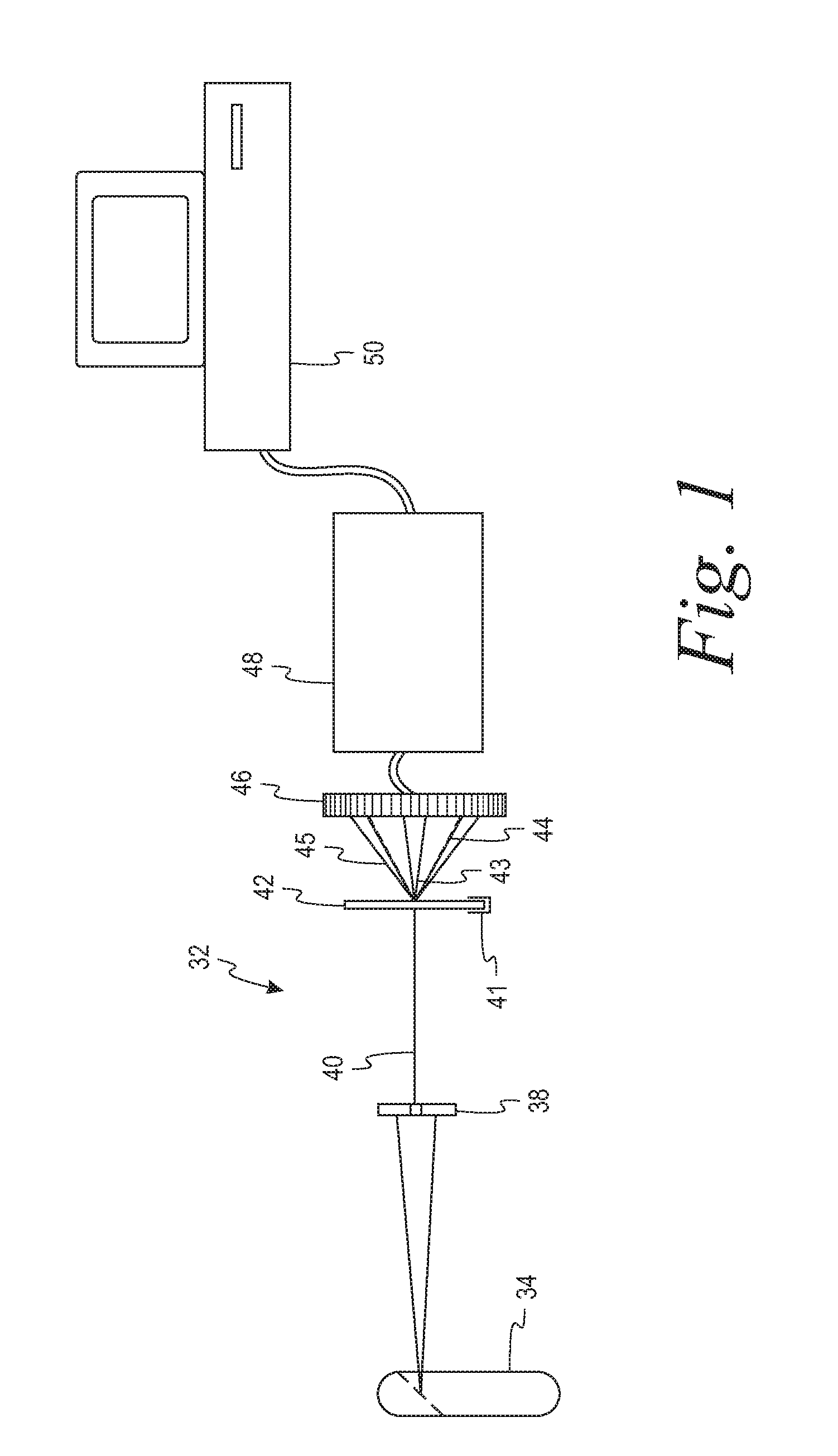
- A computer-implemented method that compares sample X-ray diffraction patterns to a customised reference dataset, performs optimisation analysis, and calculates mineral species percentages, allowing for automated and real-time mineral composition determination.


Instrument and method for x-ray diffraction, fluorescence, and crystal texture analysis without sample preparation
PatentInactiveUS20110007869A1
Innovation
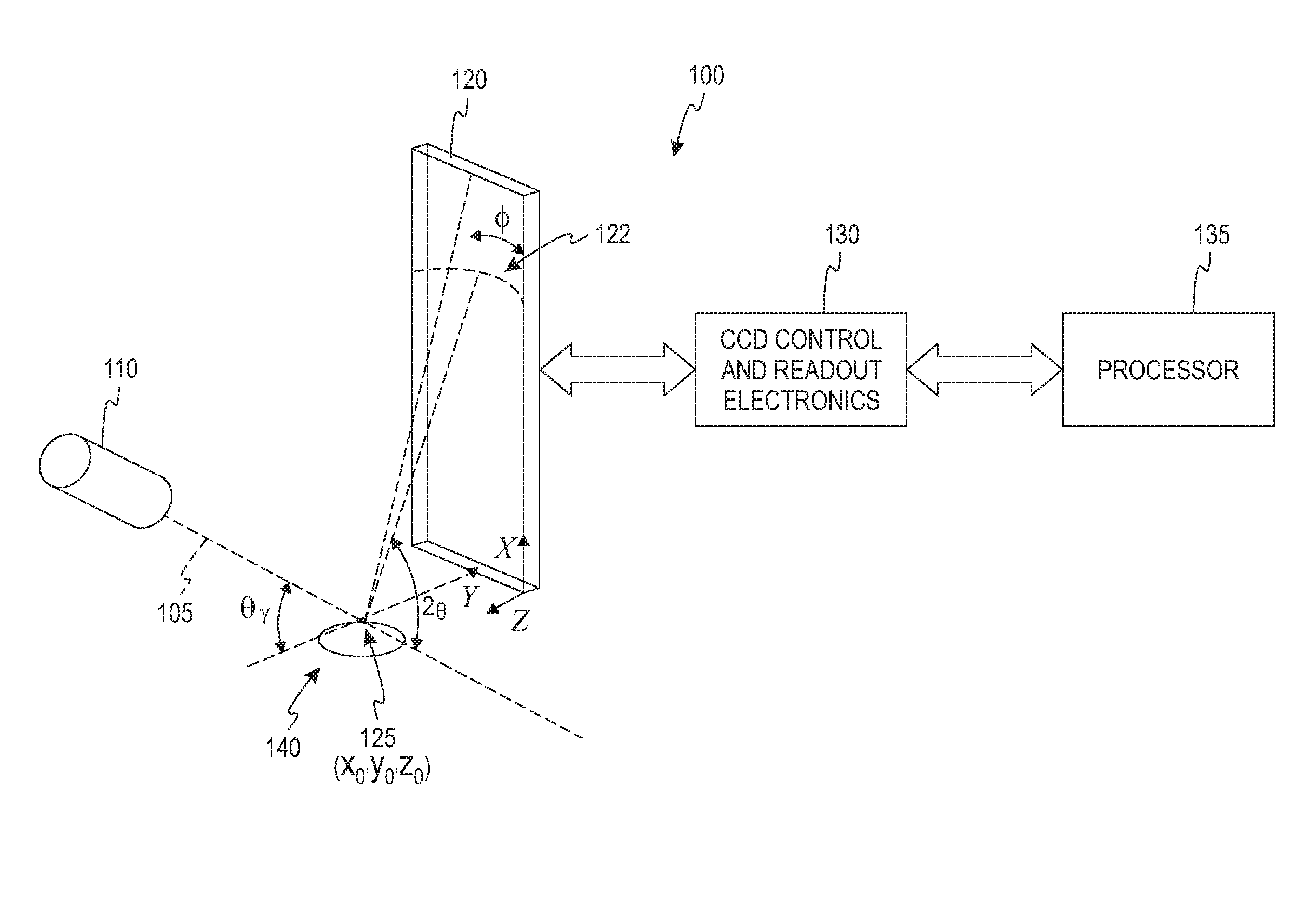
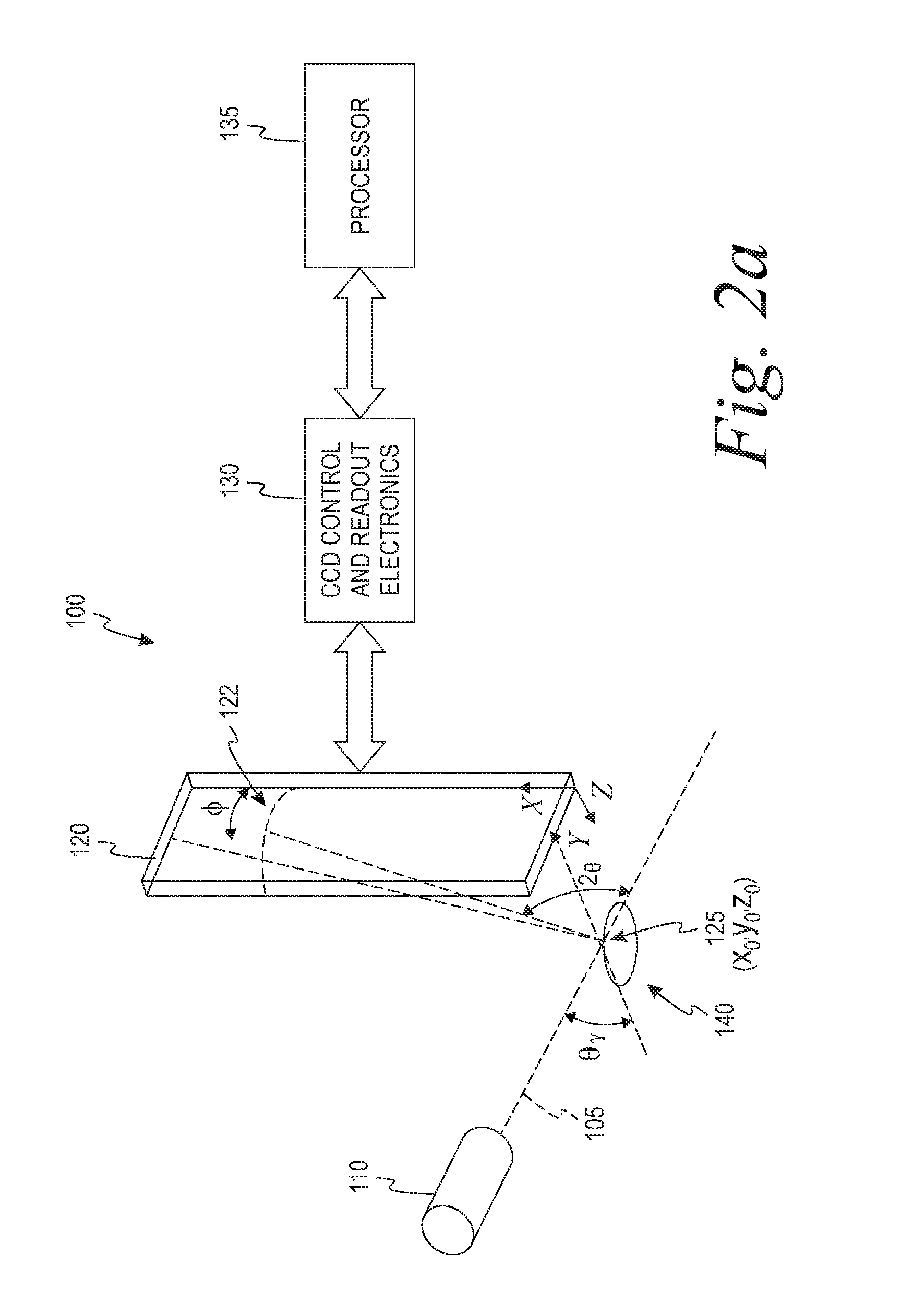
- A compact, lightweight XRD/XRF instrument using a reflection geometry with a broad-spectrum X-ray source and photon-counting imaging spectrometer that eliminates the need for sample preparation and moving parts, allowing for efficient analysis of unprepared samples with minimal power consumption.

Environmental Regulations for Geological Exploration
The application of X-ray diffraction technology in geological exploration operates within a complex framework of environmental regulations that vary significantly across jurisdictions. These regulations primarily focus on protecting sensitive ecosystems, groundwater resources, and archaeological sites during mineral exploration activities. Most regulatory frameworks require comprehensive environmental impact assessments before permitting the use of analytical equipment in field studies, particularly in protected areas or regions with endangered species habitats.
International standards such as ISO 14001 provide guidelines for environmental management systems in geological exploration projects. These standards emphasize the importance of minimizing environmental footprint during sample collection and analysis procedures. The European Union's Environmental Impact Assessment Directive requires detailed documentation of all exploration activities, including the transportation and analysis of geological samples using X-ray diffraction equipment.
In the United States, the National Environmental Policy Act (NEPA) mandates environmental reviews for geological exploration projects on federal lands. The Bureau of Land Management and Forest Service have specific protocols governing the collection of geological samples and subsequent laboratory analysis. These regulations often require restoration of sampling sites and proper disposal of any chemical reagents used in sample preparation for X-ray diffraction analysis.
Emerging regulations increasingly focus on carbon footprint reduction and sustainable practices in geological exploration. Several countries have implemented requirements for energy-efficient analytical equipment and renewable energy sources in field laboratories. The growing emphasis on environmental stewardship has led to stricter controls on waste generation from sample preparation processes and mandatory recycling programs for analytical consumables.
Cross-border sample transportation for X-ray diffraction analysis faces additional regulatory challenges, including customs requirements, biosecurity protocols, and international agreements on geological heritage protection. These regulations significantly impact project timelines and costs, requiring careful planning and compliance strategies for multinational exploration programs.
International standards such as ISO 14001 provide guidelines for environmental management systems in geological exploration projects. These standards emphasize the importance of minimizing environmental footprint during sample collection and analysis procedures. The European Union's Environmental Impact Assessment Directive requires detailed documentation of all exploration activities, including the transportation and analysis of geological samples using X-ray diffraction equipment.
In the United States, the National Environmental Policy Act (NEPA) mandates environmental reviews for geological exploration projects on federal lands. The Bureau of Land Management and Forest Service have specific protocols governing the collection of geological samples and subsequent laboratory analysis. These regulations often require restoration of sampling sites and proper disposal of any chemical reagents used in sample preparation for X-ray diffraction analysis.
Emerging regulations increasingly focus on carbon footprint reduction and sustainable practices in geological exploration. Several countries have implemented requirements for energy-efficient analytical equipment and renewable energy sources in field laboratories. The growing emphasis on environmental stewardship has led to stricter controls on waste generation from sample preparation processes and mandatory recycling programs for analytical consumables.
Cross-border sample transportation for X-ray diffraction analysis faces additional regulatory challenges, including customs requirements, biosecurity protocols, and international agreements on geological heritage protection. These regulations significantly impact project timelines and costs, requiring careful planning and compliance strategies for multinational exploration programs.
Standardization of XRD Geological Analysis Protocols
The standardization of X-ray diffraction geological analysis protocols represents a critical advancement in establishing consistent, reliable methodologies for mineral identification and geological origin determination. Current industry practices exhibit significant variability in sample preparation techniques, measurement parameters, and data interpretation methods, leading to inconsistent results across different laboratories and research institutions.
International organizations such as the International Centre for Diffraction Data (ICDD) and the International Union of Crystallography (IUCr) have initiated collaborative efforts to develop comprehensive standardization frameworks. These initiatives focus on establishing uniform sample preparation procedures, including grinding protocols, mounting techniques, and environmental control measures that directly impact diffraction pattern quality and reproducibility.
Measurement standardization encompasses critical parameters such as scan ranges, step sizes, counting times, and instrumental configurations. The establishment of reference materials and certified geological standards has become essential for calibration and validation purposes. Organizations like the National Institute of Standards and Technology (NIST) provide certified reference materials specifically designed for XRD geological applications.
Data processing and interpretation protocols require standardization to ensure consistent phase identification and quantitative analysis results. This includes standardized background correction methods, peak identification algorithms, and database matching procedures. The development of automated analysis software with standardized algorithms has significantly improved reproducibility while reducing operator-dependent variations.
Quality assurance protocols have emerged as fundamental components of standardized XRD geological analysis. These protocols include regular instrument calibration procedures, proficiency testing programs, and inter-laboratory comparison studies. Statistical methods for uncertainty estimation and measurement traceability have been integrated into standard operating procedures.
The implementation of standardized protocols faces challenges including instrument diversity, varying geological sample complexities, and the need for specialized expertise. However, the benefits of standardization include enhanced data reliability, improved inter-laboratory comparability, and increased confidence in geological origin determinations for various applications including provenance studies, mineral exploration, and forensic geology.
International organizations such as the International Centre for Diffraction Data (ICDD) and the International Union of Crystallography (IUCr) have initiated collaborative efforts to develop comprehensive standardization frameworks. These initiatives focus on establishing uniform sample preparation procedures, including grinding protocols, mounting techniques, and environmental control measures that directly impact diffraction pattern quality and reproducibility.
Measurement standardization encompasses critical parameters such as scan ranges, step sizes, counting times, and instrumental configurations. The establishment of reference materials and certified geological standards has become essential for calibration and validation purposes. Organizations like the National Institute of Standards and Technology (NIST) provide certified reference materials specifically designed for XRD geological applications.
Data processing and interpretation protocols require standardization to ensure consistent phase identification and quantitative analysis results. This includes standardized background correction methods, peak identification algorithms, and database matching procedures. The development of automated analysis software with standardized algorithms has significantly improved reproducibility while reducing operator-dependent variations.
Quality assurance protocols have emerged as fundamental components of standardized XRD geological analysis. These protocols include regular instrument calibration procedures, proficiency testing programs, and inter-laboratory comparison studies. Statistical methods for uncertainty estimation and measurement traceability have been integrated into standard operating procedures.
The implementation of standardized protocols faces challenges including instrument diversity, varying geological sample complexities, and the need for specialized expertise. However, the benefits of standardization include enhanced data reliability, improved inter-laboratory comparability, and increased confidence in geological origin determinations for various applications including provenance studies, mineral exploration, and forensic geology.
Unlock deeper insights with PatSnap Eureka Quick Research — get a full tech report to explore trends and direct your research. Try now!
Generate Your Research Report Instantly with AI Agent
Supercharge your innovation with PatSnap Eureka AI Agent Platform!