Dolby Vision is a high dynamic range (HDR) imaging technology developed by Dolby Laboratories, designed to deliver stunning visual experiences with superior brightness, contrast, and color fidelity. As industries move toward immersive media and precision-based display solutions, Dolby Vision has emerged as a transformative force across consumer electronics, automotive, broadcasting, and medical imaging.
This article examines Dolby Vision’s core mechanisms, comparative advantages, multi-industry use cases, technical and regulatory challenges, and innovation frontlines—supported by insights from PatSnap’s Eureka AI Agent, a powerful platform for tracking patent landscapes, R&D directions, and competitive technologies.

Technical Composition & Key Capabilities
Dolby Vision stands apart from traditional video formats due to its dynamic metadata, 10,000-nit peak brightness potential, and 12-bit color depth support. Here’s what sets it apart:
- Dynamic Metadata: Unlike static HDR formats, Dolby Vision adjusts brightness and contrast scene-by-scene (or even frame-by-frame), preserving intent and visual consistency.
- High Color Volume: Supports up to 12-bit color, compared to 10-bit for HDR10, enabling more precise color representation.
- High Luminance Ceiling: Can accommodate peak brightness up to 10,000 nits, although most current displays operate below 4,000 nits.
- Backward Compatibility: Dolby Vision streams can carry base HDR10 layers, allowing content to play on non-Dolby Vision devices.
It is implemented via two core profiles:
- Single-layer (SL-HDR): For real-time broadcasting and low-bandwidth environments.
- Dual-layer: For cinematic post-production with higher precision in tone mapping.
Comparative Advantages & Limitations
Advantages
- Dynamic Metadata Per Frame
Dolby Vision utilizes scene-by-scene and even frame-by-frame metadata, enabling precise tone mapping tailored to the display’s capabilities. This ensures consistent visual performance across a wide range of devices, from smartphones to cinema screens. - Extended Color and Brightness Range
Supporting 12-bit color depth and up to 10,000 nits peak brightness, Dolby Vision allows for more nuanced gradients, richer contrast, and an expanded color gamut—surpassing conventional HDR10 and SDR standards. - Cross-Platform Ecosystem
Dolby Vision is integrated into a wide array of hardware and content pipelines: TVs, tablets, mobile processors, streaming services, and content creation tools, offering manufacturers and studios a complete, standardized ecosystem. - Backward Compatibility
Dual-layer encoding ensures compatibility with HDR10 base layer, meaning a single Dolby Vision stream can serve both HDR10 and Dolby-enabled displays, reducing distribution complexity. - Brand Equity & Consumer Recognition
Dolby branding contributes to higher perceived value and consumer trust, especially in premium home entertainment and cinematic experiences.
Limitations
- Licensing & Certification Costs
Dolby Vision’s proprietary technology requires licensing fees and device certification, which can pose financial and time-to-market barriers for smaller OEMs or regional device makers. - Higher Processing Requirements
Real-time decoding and rendering of dynamic metadata impose significant computational load, especially on low-end devices, potentially impacting battery life and system performance. - Content Mastering Complexity
Creating Dolby Vision content requires dedicated mastering workflows, specialized equipment, and trained colorists—posing scalability challenges for small production studios. - Format Fragmentation & Market Competition
Dolby Vision competes with open formats like HDR10+ and broadcast-friendly HLG (Hybrid Log-Gamma). This fragmentation may confuse consumers and complicate industry standardization, especially across geographies. - Variable End-User Experience
While Dolby Vision is designed for consistency, actual playback quality depends on the display device’s capabilities. Lower-end TVs may still struggle to render full brightness or color depth, leading to mismatched expectations.
Application Domains
Digital Media & Broadcasting
Display quality expectations in media and live events are rising—streaming, broadcast, and large-format displays demand richer contrast, precise color, and reliable metadata handling. Dolby Vision enables dynamic HDR (High Dynamic Range), superior color gamut reproduction, and adaptive metadata streaming to meet these needs.
Research Frontlines:
Efforts focus on live-sport 4K optimization, large-format event streaming, satellite broadcasting integration, and adaptive protocols for varying network conditions.
Related Reports:
- How Dolby Vision Optimizes 4K Broadcasts in Live Sports
- Integration of Dolby Vision Features in Large-scale Live Events
- Dolby Vision’s Contribution to Satellite Broadcasting Innovations
- Dolby Vision’s Adaptive Streaming: Impact and Efficiency
- Optimizing Video Streaming Protocols Using Dolby Vision
- Dolby Vision’s Role in Enhancing Broadcast Journalism
- Scaling Dolby Vision for Large Format Digital Screens
Gaming, VR & Immersive Interactive Experience
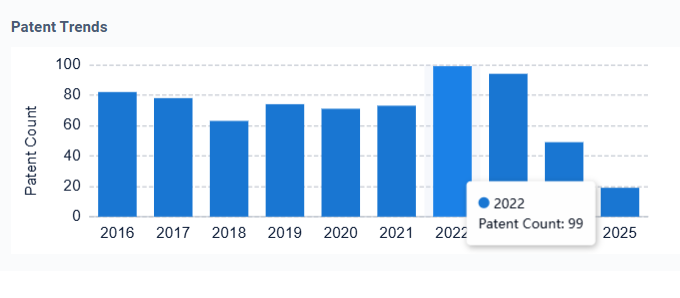
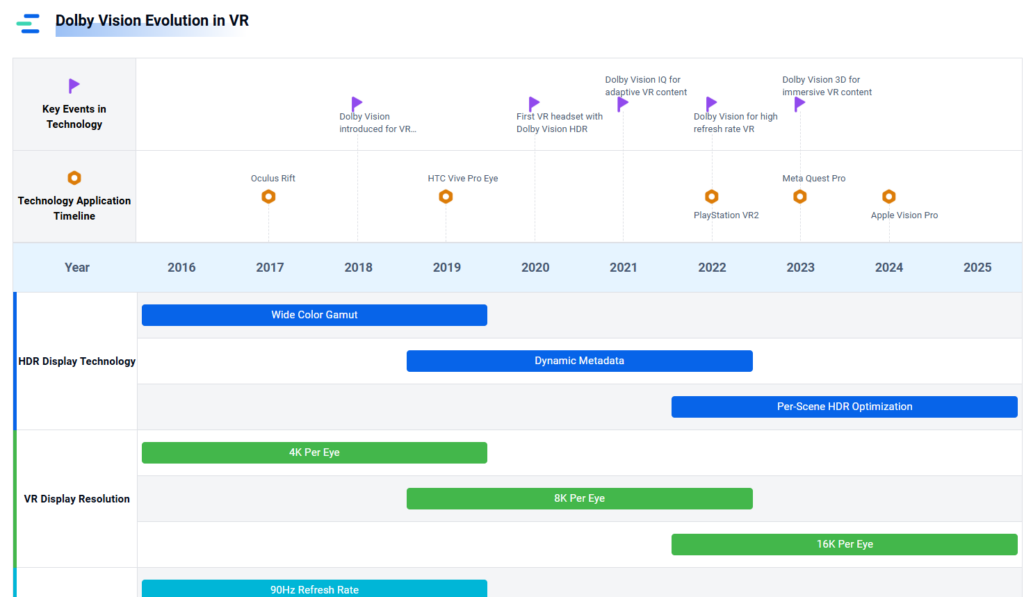
Gaming and immersive tech sectors (VR/AR) require real-time dynamic range mapping, low-latency HDR rendering, and expansive color depth. Dolby Vision supports perceptual depth, faster metadata decoding, and compatibility with VR and AR standards for enhanced user realism.
Research Frontlines:
Work includes optimizing display standards for virtual reality, depth perception via metadata algorithms, and augmented reality headset integration.
Related Reports:
- Analysis of Dolby Vision’s HDR Capabilities in Gaming
- Dolby Vision’s Influence on Virtual Reality Display Standards
- Integration of Dolby Vision with Augmented Reality Headsets
- Assessing Dolby Vision’s Algorithmic Developments for Depth Perception
- Dolby Vision and Its Influence on Expanded Color Gamuts
- Impact of Dolby Vision on Multi-user Interactive Experiences
Film & Video Production & Editing
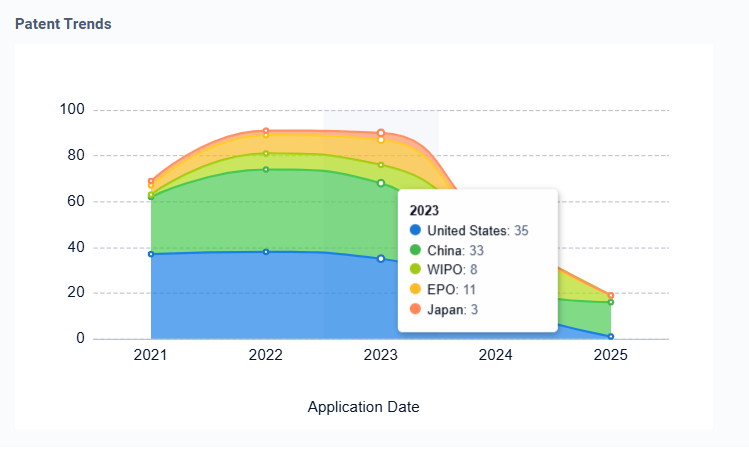
Professional video production demands accurate color grading, motion fidelity, and efficient HDR content pipelines. Dolby Vision enhances filmmaker control over tone mapping, delivers consistent workflows across devices, and supports immersive motion graphics.
Research Frontlines:
Exploration is underway into metadata-driven color grading tools, Dolby Vision integration in editing suites, and motion consistency across mixed UHD/HDR content.
Related Reports:
- Exploring Dolby Vision Technology for Enhanced Visual Storytelling
- How Dolby Vision Impacts Color Grading in Film Production
- Comparative Study: Dolby Vision vs. HDR Standards in Videography
- Dolby Vision’s Potential in Professional Video Editing Tools
- Dolby Vision-Enhanced Workflows for Film Directors
- How Dolby Vision Refines Motion Graphics Production
- Implementing Dolby Vision in Advanced Cinematography Techniques
Consumer Electronics & Home Entertainment
Smart TVs, portable media devices, and home theaters must balance ease-of-use with high-fidelity visual presentation. Dolby Vision enables auto-calibration, optimized low-light contrast, metadata-based streaming adaptation, and compatibility with quantum‑dot/OLED panels.
Research Frontlines:
Research explores integration into smart television interfaces, smartphone filmmaking pipelines, and delivering optimized visuals on OLED and QD displays.
Related Reports:
- Investigating Dolby Vision’s Expansion in Portable Media Devices
- The Evolution of Dolby Vision in Home Video Productions
- Exploring Dolby Vision’s Synergy with Quantum Dot Displays
- Technical Integration of Dolby Vision in Smart Television Systems
- Exploring Dolby Vision’s Advantages in Remote Learning Platforms
AI & Computational Imaging & Visualization
As Dolby Vision continues to evolve beyond conventional display pipelines, its synergy with artificial intelligence and computational imaging has emerged as a critical area of innovation. From intelligent tone mapping to real-time HDR reconstruction and perceptual quality enhancement, AI-driven techniques are redefining what’s visually possible.
Yet, the pace of advancement brings complexity. Research and innovation in this space span multiple sectors—from neural network-augmented compression techniques to AI-based color grading systems used in post-production and even adaptive rendering for AR/VR applications.
So what’s next?
Which companies are pushing the boundaries of Dolby Vision in AI-enhanced image synthesis?
Where are the emerging white spaces in neural HDR modeling?
How are startups and academic institutions reshaping the future of computational video?
These questions represent just the surface of a rapidly transforming landscape.
To uncover the deeper trends, benchmark leading innovators, and identify white space opportunities in AI-powered Dolby Vision development, consider exploring with the PatSnap Eureka AI Agent. It empowers R&D professionals to:
- Map global patent filings and scientific activity
- Analyze technology evolution paths in visual computing
- Track emerging players across imaging, entertainment, and AI sectors
👉 Discover what’s shaping the future of Dolby Vision + AI.

Future Outlook & Research Frontiers
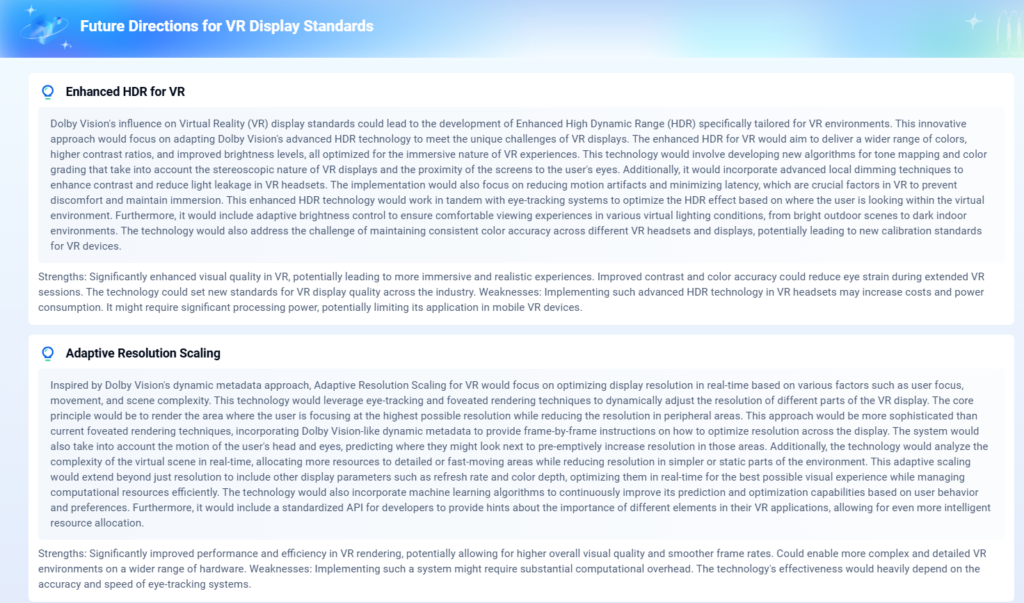
In the next 5–10 years, Dolby Vision is expected to expand beyond entertainment and into precision sensing, industrial vision systems, and next-gen AR/VR platforms. Expected trends include:
- AI-driven real-time HDR grading
- Integration into transparent and flexible display technologies
- Dolby Vision for ultra-low power IoT visual interfaces
- Patent race around dynamic metadata compression
- Standardized benchmarks for HDR clinical diagnostics
Conclusion & Strategic Takeaways
Dolby Vision is reshaping visual media by delivering vibrant, adaptive, and technically precise content. Its dynamic metadata architecture and superior image fidelity make it a cornerstone in next-generation display ecosystems. As industries pursue immersive, accurate, and energy-conscious visual technologies, Dolby Vision will continue to lead in both consumer and enterprise applications.
The Dolby Vision R&D space is expanding—fast. With PatSnap Eureka AI Agent, you can:
- Analyze patents and technical papers across HDR visual standards
- Benchmark Dolby Vision vs. HDR10+ and other emerging formats
- Identify licensing opportunities and innovation white space
- Track Dolby Vision deployments across display, automotive, and medical verticals
👉 Ready to explore Dolby Vision’s technology frontier? [Request a Eureka Demo] to accelerate your innovation journey.