Sodium acetate, a widely available and cost-effective compound, is best known for its role in heating pads and buffering agents. However, its industrial relevance extends far beyond the basics. Derived from acetic acid and sodium carbonate or sodium hydroxide, sodium acetate offers biodegradability, buffering capacity, and thermal storage capability—all valuable traits across diverse domains.
As industries pursue decarbonization, safer chemicals, and smarter materials, sodium acetate is emerging as a pivotal enabler. From food preservation and green deicing to energy storage and sustainable agrochemicals, it responds to key pain points like chemical waste, safety regulations, and environmental resilience.
This blog explores sodium acetate’s structure and properties, its wide-ranging applications, advantages and trade-offs, research frontiers, and strategic insights—guided by analysis from the PatSnap Eureka AI Agent.

Material Composition & Key Properties
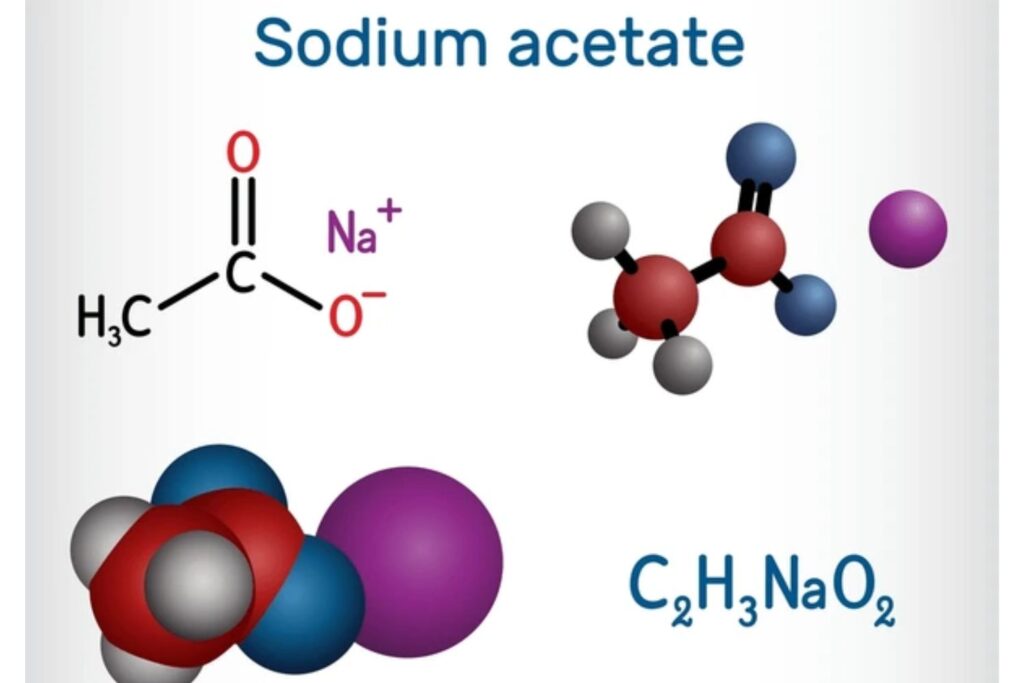
● Chemical Composition: Sodium acetate (CH₃COONa) is the sodium salt of acetic acid. It typically exists in anhydrous form or as sodium acetate trihydrate (CH₃COONa·3H₂O).
● Synthesis Methods: Commonly synthesized through the neutralization of acetic acid with sodium hydroxide or sodium carbonate.
● Key Properties include:
● Buffering capacity for maintaining pH in chemical and biological systems
● Phase change ability for thermal energy storage
● Biodegradability for safer environmental release
● Non-toxicity and water solubility enabling use in food and pharma
● Reactivity in organic synthesis and catalysis
Application Domains
1. Energy Storage & Thermal Regulation
Modern thermal management systems demand safe, recyclable, and cost-effective materials that can reliably store and release heat. Traditional phase change materials (PCMs) like paraffin or salt hydrates often suffer from toxicity, flammability, or poor cycle stability. Sodium acetate, with its reversible crystallization process and high latent heat capacity, provides a safer, more environmentally friendly alternative for applications like heat packs, battery insulation, and smart building envelopes.
Research Frontlines:
● Development of long-cycle, non-toxic PCMs
● Hybrid sodium acetate-PCMs for smart packaging and wearables
● Thermoregulation for grid-integrated renewable storage
Related Reports:
- Sodium Acetate for Efficient Heat Pack Utilization
- How to Optimize Heat Generation Using Sodium Acetate?
- Sodium Acetate: Pioneering Next‑Gen Thermal Management Solutions
- Sodium Acetate’s Contribution to Energy Storage Solutions
- Sodium Acetate’s Vital Role in Energy Conversion Technologies
- How Sodium Acetate Innovates Renewable Energy Storage?
- Sodium Acetate: A Key Player in Renewable Energy Storage
2. Sustainable Chemistry & Environmental Engineering
The transition toward green chemistry calls for replacing hazardous reagents and inefficient catalysts with non-toxic, biodegradable compounds. Sodium acetate supports this shift by acting as a buffering agent, mild catalyst, or carbon source in various organic and environmental reactions. Its low ecological footprint and compatibility with aqueous systems make it ideal for sustainable synthesis, degradable polymers, and green fuel processes.
Research Frontlines:
● Role in green solvent production
● Degradable thermoplastics and coatings
● Biofuel and biodegradable plastics
Related Reports:
- Sodium Acetate in Chemical Reactions
- How to Implement Sodium Acetate in Green Chemistry Initiatives?
- Sodium Acetate: Shaping the Future of Plastic Alternatives
- Sodium Acetate: A Catalyst in Biodegradable Product Production
- How Sodium Acetate Facilitates Synthesis of Green Solvents?
- Sodium Acetate’s Role in Sustainable Chemical Processes
- Sodium Acetate in Renewable Chemical Syntheses
3. Food Preservation & Pharmaceuticals
Consumers and regulators increasingly demand safer, longer-lasting food and drug products without relying on synthetic preservatives or harsh pH stabilizers. Sodium acetate meets these needs by functioning as both a preservative (E262) and a buffering agent, extending shelf life while maintaining flavor stability in foods and ensuring bioavailability and stability in pharmaceutical formulations.
Research Frontlines:
● Enhancing safety and bioavailability
● Smart flavor-stabilizing systems
● Antimicrobial packaging solutions
Related Reports:
- Sodium Acetate and Its Role in Food Preservation
- Sodium Acetate in Food Additives: Health and Safety Aspects
- Sodium Acetate: The Future of Resilient Food Preservation
- Sodium Acetate: Enhancing Safe and Effective Pharmaceuticals
- How Sodium Acetate Facilitates Controlled Drug Release Systems?
- Sodium Acetate in Pharmaceutical Manufacturing Processes
- Sodium Acetate in Food Processing: Innovations and Trends
4. Textiles, Cosmetics & Consumer Products
Textile manufacturing and cosmetic formulation industries face growing pressure to reduce chemical residues, enhance material performance, and improve skin compatibility. Sodium acetate serves as a neutralizing and anti-static agent that helps optimize dye uptake in textiles and maintain pH balance in skincare products—contributing to both process safety and end-user comfort.
Research Frontlines:
● Smart textiles with enhanced durability
● Safer skin-compatible personal care formulations
● Eco-textile processing with less wastewater impact
Related Reports:
- Sodium Acetate Impact on Textile Industry Processes
- Sodium Acetate’s Functionality in Cosmetic Formulations
- How to Enhance Textile Performance with Sodium Acetate?
- Sodium Acetate in Fabric Care and Maintenance
- Sodium Acetate’s Role in Sustainable Urban Transport Solutions
- Sodium Acetate: Innovating Standards in Personal Care Products
- Sodium Acetate in Textile Processing: New Frontiers
5. Agrochemicals & Waste Management
The agricultural sector requires safer, more effective ways to manage soil quality and nutrient cycles, while industrial waste management calls for materials that can enhance microbial treatment efficiency. Sodium acetate functions as an accessible carbon source for microbes, boosting fermentation, composting, and biodegradation processes. It also helps stabilize pH and promote eco-friendly breakdown of pollutants in soils and wastewater systems.
Research Frontlines:
● Biodegradable agrochemical carriers
● Enhanced yield in composting and biofilters
● Coastal remediation and soil desalination
Related Reports:
- Leveraging Sodium Acetate for Agricultural Advancements
- Sodium Acetate in Enhanced Soil Quality Management
- Sodium Acetate in Bioremediation
- How Sodium Acetate Enhances Industrial Waste Management?
- Sodium Acetate: A Game‑Changer in Chemical Process Engineering
- Sodium Acetate in Eco‑Sensitive Pest Management Solutions
- Sodium Acetate’s Potential in Climate‑Resilient Agricultural Techniques
Comparative Advantages & Limitations
Advantages:
● Safe, non-toxic, and biodegradable
● Readily available and low-cost
● Efficient thermal energy storage
● Compatible with food and pharma
● Versatile in chemical synthesis and catalysis
Limitations:
● Lower thermal storage density compared to advanced PCMs
● Solubility can be sensitive to moisture conditions
● Limited structural rigidity restricts mechanical applications
Compared to other buffering agents or PCMs, sodium acetate balances safety and accessibility but may lag in energy density or structural performance for advanced engineering needs.
Future Outlook & Research Frontiers
Over the next decade, sodium acetate is set to play a more integral role in:
● Biodegradable materials and green solvents
● Smart energy management in buildings and vehicles
● Controlled-release pharmaceuticals and responsive packaging
● Microbial fermentation, precision agriculture, and biofilters
● Eco-friendly catalysts and electrochemical applications
Emerging keywords: Smart PCM composites, bio-based synthesis, pH-adaptive materials, sustainable buffering systems, urban heat mitigation.
Conclusion & Strategic Takeaways
Sodium acetate bridges sustainability and practicality across diverse industries. Its safety, affordability, and adaptability make it an ideal candidate for applications demanding environmental responsibility, chemical stability, and thermal control. As industries accelerate their sustainability goals, sodium acetate offers a low-barrier, high-impact path to scalable innovation.
Accelerate Innovation with PatSnap Eureka AI Agent
Sodium acetate’s innovation landscape spans hundreds of scientific papers, patents, and use cases—yet insights often remain fragmented.
PatSnap Eureka AI Agent simplifies exploration by letting you:
● Visualize technical term networks from thousands of patents
● Benchmark industry leaders and innovation clusters
● Identify white space in emerging eco-chemical technologies
👉 Ready to turn sodium acetate potential into strategy? [Request a Eureka Demo] and power your material decisions with PatSnap Eureka AI Agent-driven insights.