
A method for analyzing gait characteristics after anterior cruciate ligament rupture
An anterior cruciate ligament and gait feature technology, applied in the field of human motion system data processing, to achieve the effect of improving accuracy
Patent Information
- Authority / Receiving Office
- CN · China
- Patent Type
- Patents(China)
- Current Assignee / Owner
- Publication Date
- 2019-02-19
Smart Images
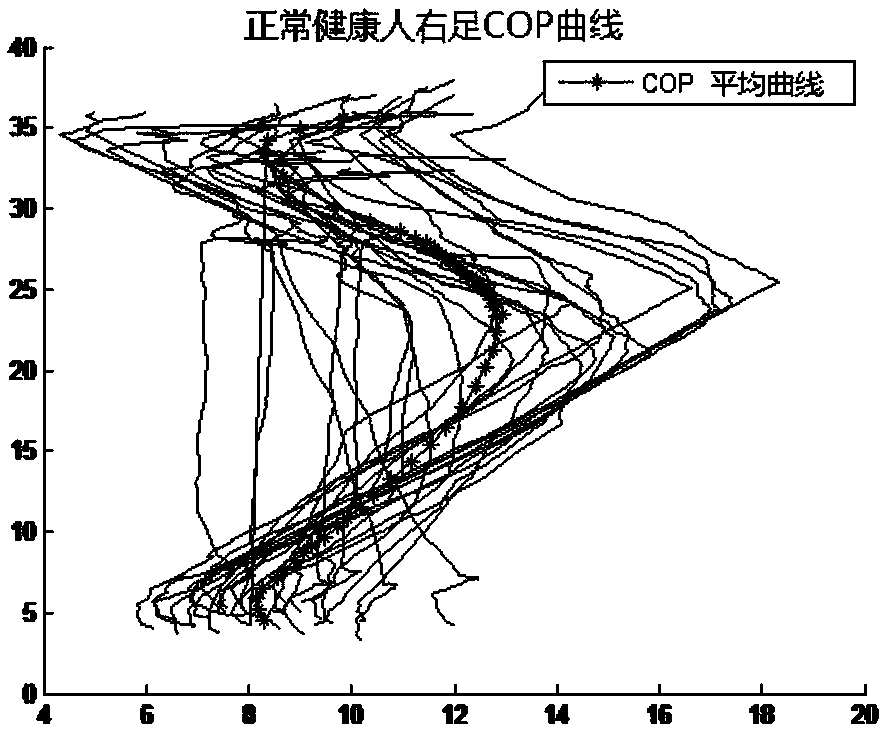
Figure 1 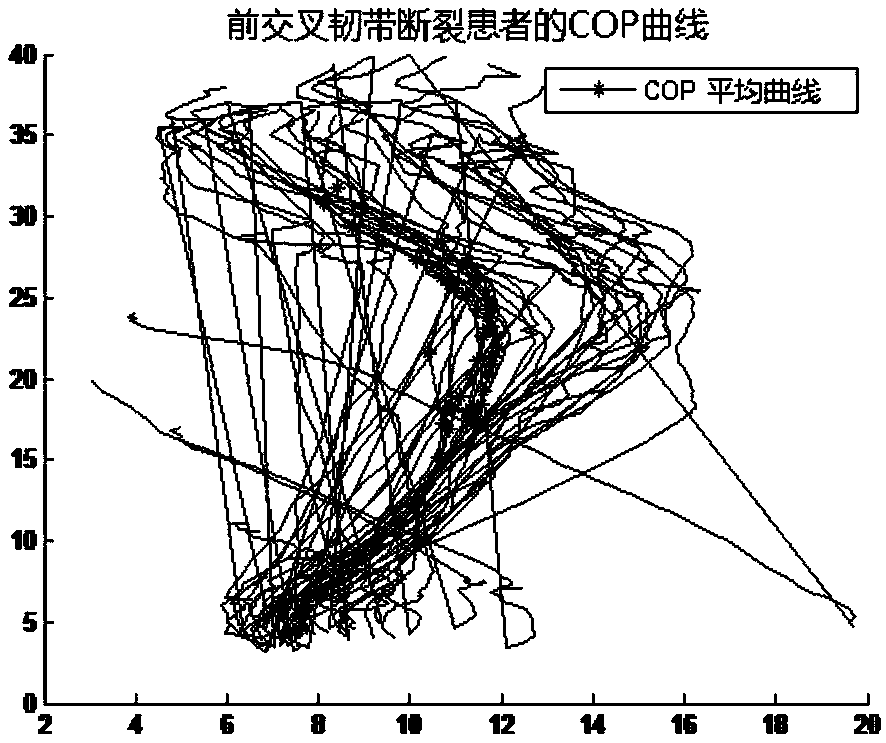
Figure 2 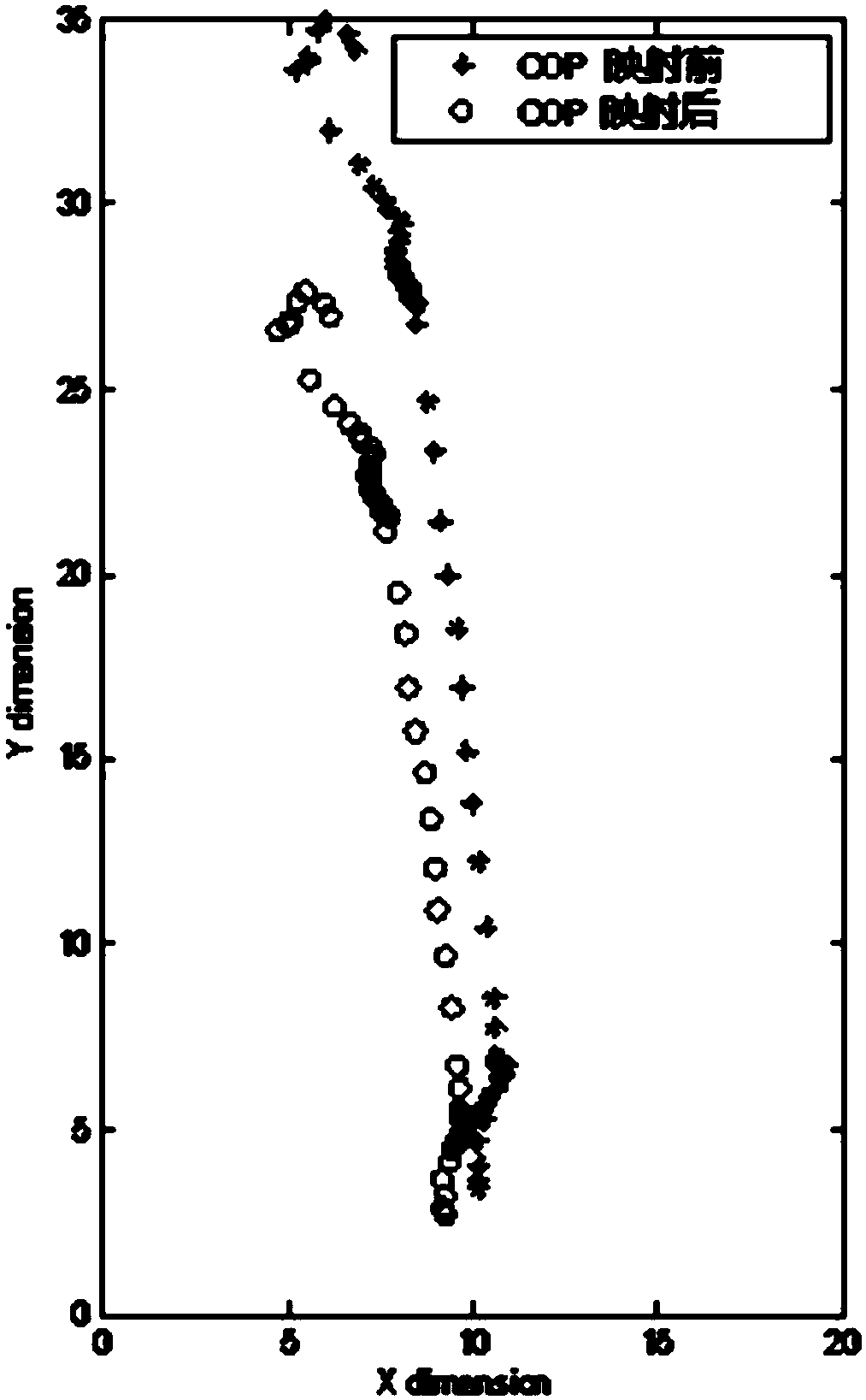
Figure 3
Abstract
Description
technical field
[0001] The invention relates to the field of human motion system data processing, in particular to a method for analyzing gait characteristics after anterior cruciate ligament rupture based on three-dimensional kinematics and plantar pressure parameters. Background technique
[0002] At present, the incidence of sports injuries is gradually increasing, and the rupture of the anterior cruciate ligament (ACL) of the knee joint is one of the most common sports injuries. In the United States, the incidence of ACL rupture is about 1 in 3000, and the cost of surgery alone is as high as one billion dollars per year. The incidence rate of ACL rupture among professional athletes in my country is 0.71% for women and 0.29% for men. The main function of the ACL is to limit the excessive forward movement of the tibia. ACL rupture will cause knee joint instability, seriously affect the function and exercise capacity of the knee joint, and significantly reduce the quality ...
Examples
Embodiment 1
[0052] 1) Obtain the three-dimensional kinematics data and plantar pressure data of patients with ACL rupture and normal people during normal walking.
[0053] 2) Analyzing and processing the obtained plantar pressure data, and extracting characteristic parameters of plantar pressure.
[0054] As shown in Figure 1(a) and (b), they are the pressure center trajectories of the right feet of patients with ACL rupture and normal people, respectively. It can be seen from the figure that the overall shape of the pressure center curve of patients with ACL rupture is not as smooth as that of normal people, and the range of change is larger.
[0055] like figure 2 Shown is a comparison diagram before and after processing the plantar pressure center trajectory. The mapped curve in the figure shows the size normalized to the size of the subject's foot.
[0056] As shown in Figure 3(a)~(e), they are the five characteristic moments of the normal gait support stage. Figure 3(a) shows the...