
Method and device for determining heating start point of electric upsetting through current detection
A current detection and electric upsetting technology, applied in heating/cooling equipment, forging/pressing/hammer devices, metal processing equipment, etc., can solve the problem of unreliability, inconvenient use, and inability to effectively detect whether the workpiece is in contact with the anvil, etc. problem, to achieve the effect of high reliability and convenient use
Patent Information
- Authority / Receiving Office
- CN · China
- Patent Type
- Applications(China)
- Current Assignee / Owner
- Publication Date
- 2011-06-29
- Estimated Expiration
- Not applicable · inactive patent
Smart Images
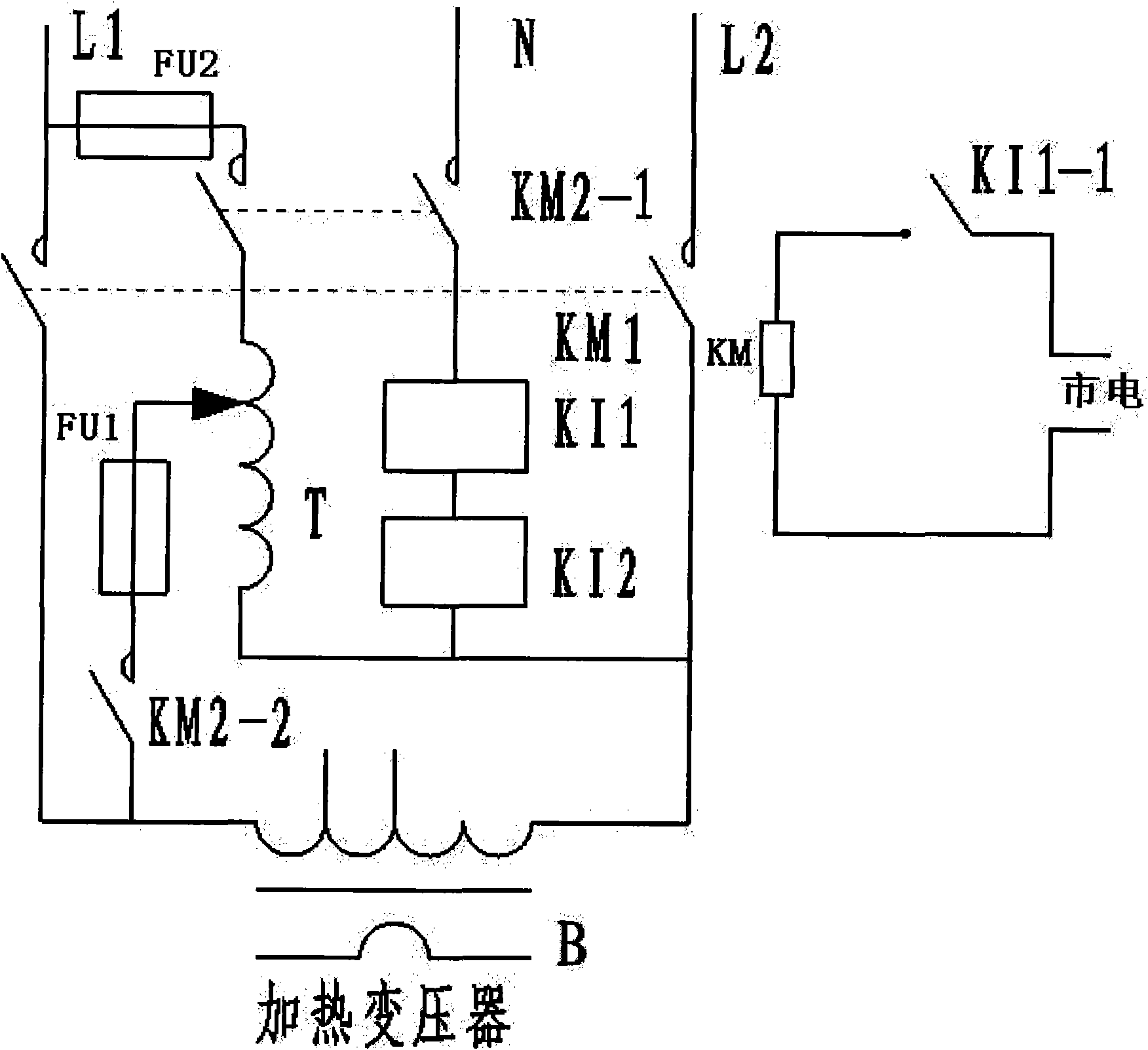
Figure 1 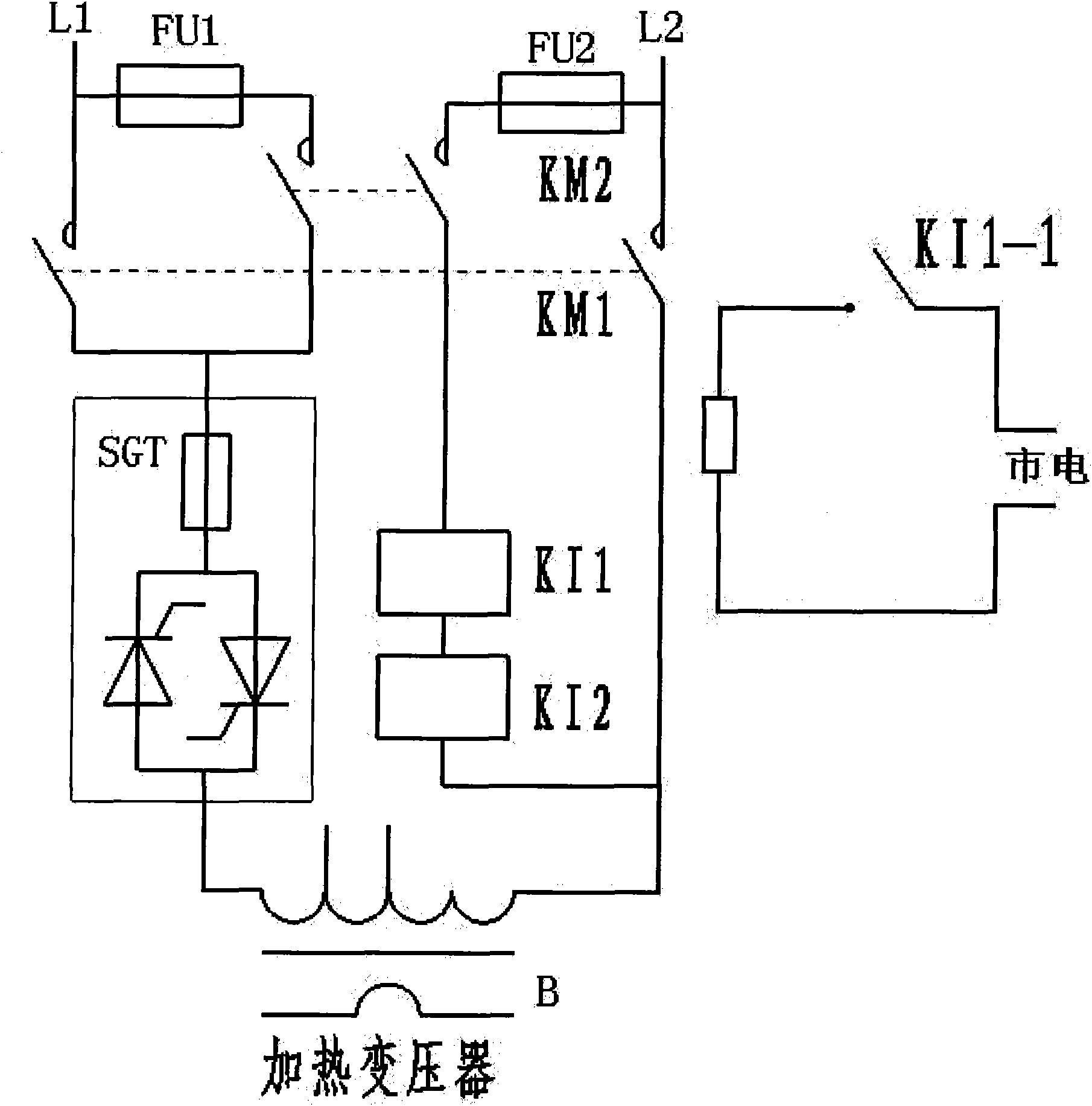
Figure 2 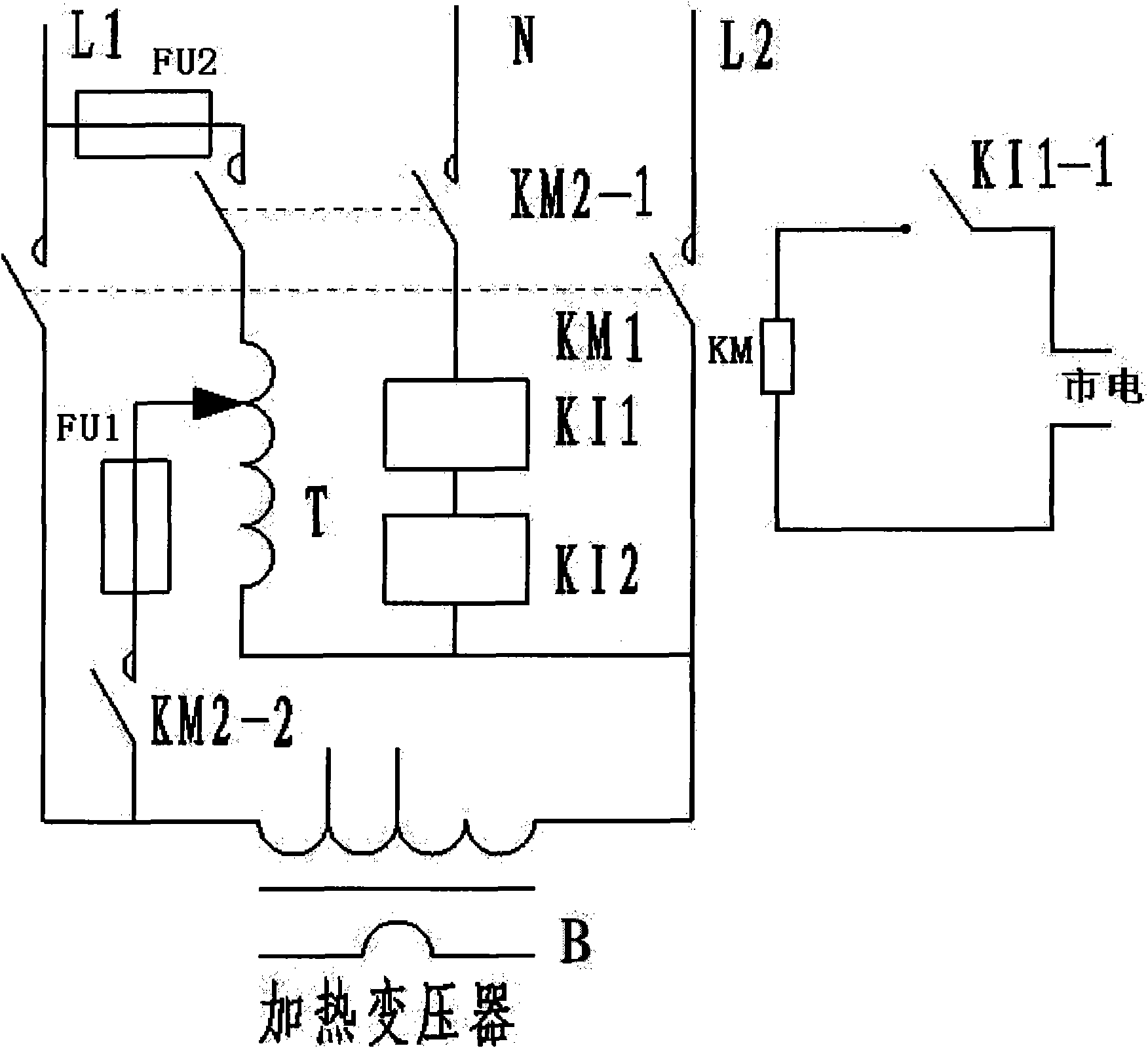
Figure 3
Abstract
Description
Technical field:
[0001] The invention relates to the field of electrothermal upsetting technology and electrical technology, and is a method and device for detecting when an electrothermal upsetting workpiece contacts an anvil to determine whether heating can start by using current detection to determine the starting point of electrothermal upsetting heating. Background technique:
[0002] Traditionally, the initial heating voltage during electrothermal upsetting is relatively high. If this voltage is applied before the workpiece touches the anvil, a large current will be generated when the workpiece contacts the anvil. At this time, the workpiece and the anvil The contact area of the anvil is small, that is, the contact resistance is small. Due to the large voltage, it is easy to form a large current and generate a large spark, which has a significant impact on the processing quality of the workpiece and the life of the anvil. Therefore, it is necessary to apply the initi...
Examples
Embodiment 2
[0025] see figure 2, a device that uses current detection to determine the starting point of electric heating upsetting, including heating transformer B, AC contactors KM1, KM2, thyristor voltage regulator SGT, impedance relays KI1, KI2, fuses FU1, FU2; heating transformer B The input terminal is connected to the mains, and one output terminal of the heating transformer B and the output terminal of the thyristor voltage regulator SGT pass through a pair of normally open contacts KM1-1 connected to the terminal L1 on the anvil and the wiring on the clamping block Column L2, the input end of the thyristor voltage regulator SGT is connected to the other output end of the heating transformer B; one end of the line package of the impedance relay KI1 and KI2 connected in series is connected to an output end of the heating transformer B, and the end of the impedance relay KI1 and KI2 The other end of the wire package connected in series and the output end of the thyristor voltage re...