
System for improving patency degree of upper respiratory tract and method thereof
An upper airway, unobstructed technology, used in other nursing equipment, appliances to prevent snoring, pillows, etc.
Patent Information
- Authority / Receiving Office
- CN · China
- Current Assignee / Owner
- Publication Date
- 2016-09-14
- Estimated Expiration
- Not applicable · inactive patent
Smart Images
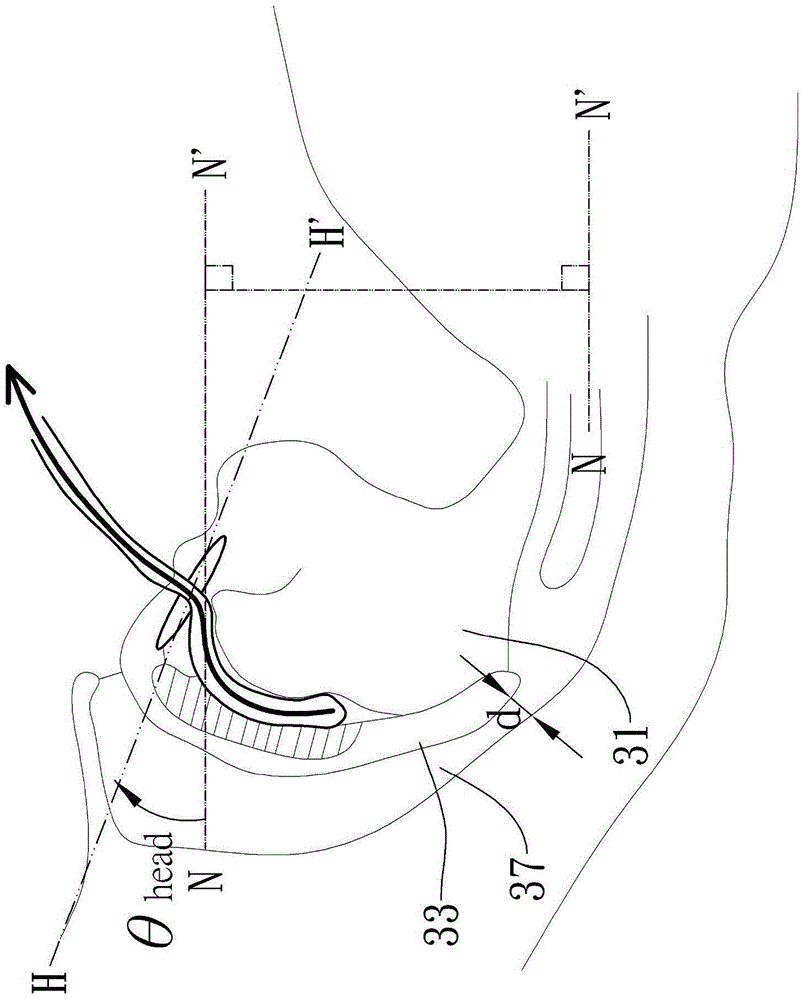
Figure 1 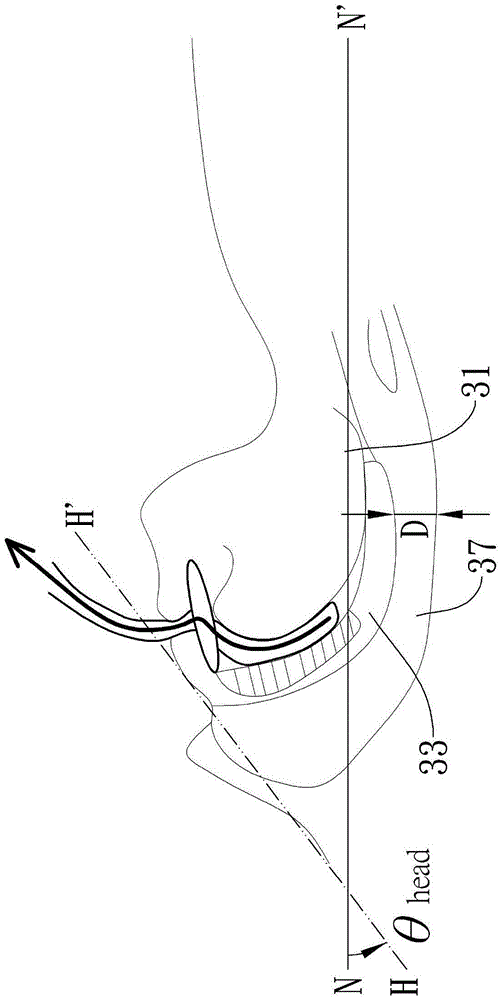
Figure 2 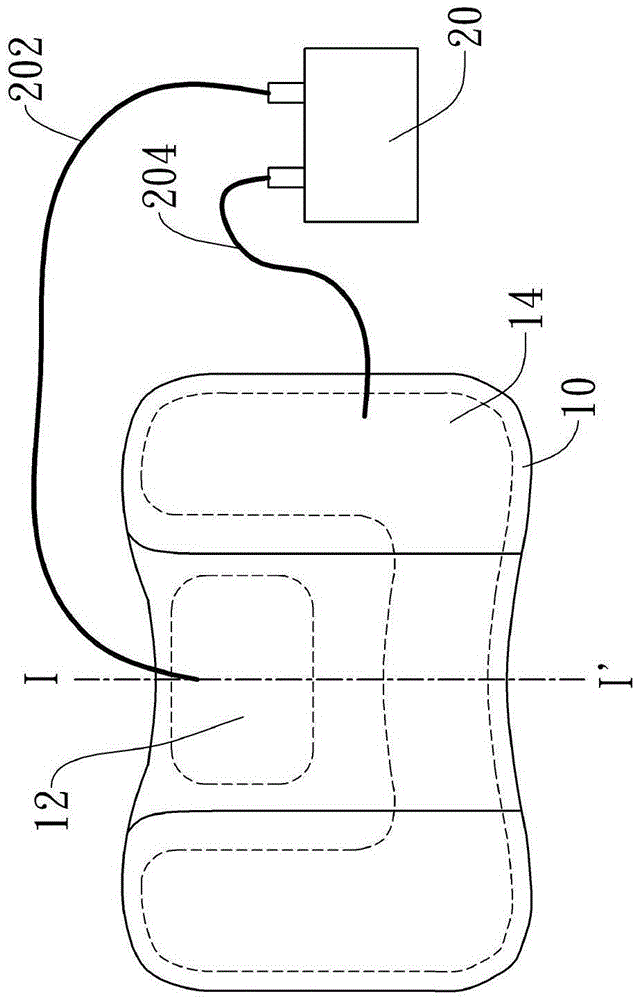
Figure 3
Abstract
Description
technical field
[0001] The present invention relates to a medical device for improving breathing quality during sleep and its use method; in particular, the present invention relates to a system and method for improving upper airway patency of the user during sleep. Background technique
[0002] Obstructive Sleep Apnea (OSA), hypopnea (hypopnea) and Upper Airway Resistance Syndrome (UARS) are caused by complete or partial obstruction of the upper airway during sleep, during or after anesthesia Caused by various symptoms, they cause the interruption of breathing during sleep with a potential serious crisis of hypoxia in the blood. Patients with OSA, hypopnea and / or UARS experience frequent and repeated awakenings due to lack of oxygen during sleep, resulting in fragmented sleep and poor sleep quality. Some structures inside the patient's oral cavity, such as the tongue, soft palate, and uvula, may tend to move toward the upper airway, causing obstruction of the patient's upp...
Examples
Embodiment Construction
[0133] The purpose, spirit and advantages of the present invention will become clearer with the detailed description of the following specific embodiments in conjunction with the accompanying drawings.
[0134] Figure 3A It is a schematic diagram of a first specific embodiment of the present invention with an angle positioning unit for adjusting the positions of the head, neck and shoulders of the user during sleep. The first specific embodiment is implemented with a pillow structure. Figure 3B yes Figure 3A front view diagram of Figure 3C yes Figure 3A Schematic diagram of the section along the line I---I' and Figure 3D It is a schematic cross-sectional view perpendicular to the line I---I'. In the first embodiment, the angle positioning unit of the present invention mainly includes a pillow body 10 and a controller 20 . A deformable head support structure 12 and a deformable shoulder support structure 14 are disposed inside the pillow body 10 . In one embodiment ...