
Anti-potential induced degradation (PID) effect photovoltaic component
A photovoltaic module and effect technology, applied in photovoltaic power generation, photovoltaic modules, electrical components, etc., can solve the problems of high cost and potential safety hazards, and achieve the effect of simple operation
Patent Information
- Authority / Receiving Office
- CN · China
- Patent Type
- Applications(China)
- Current Assignee / Owner
- Publication Date
- 2017-01-04
Smart Images
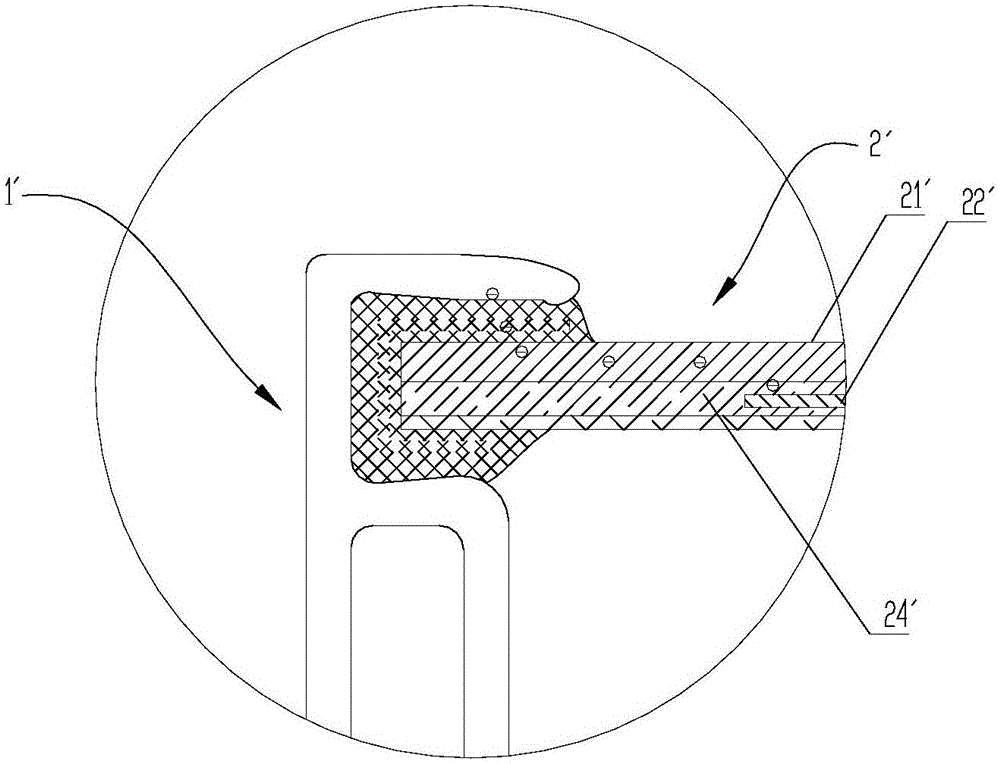
Figure 1 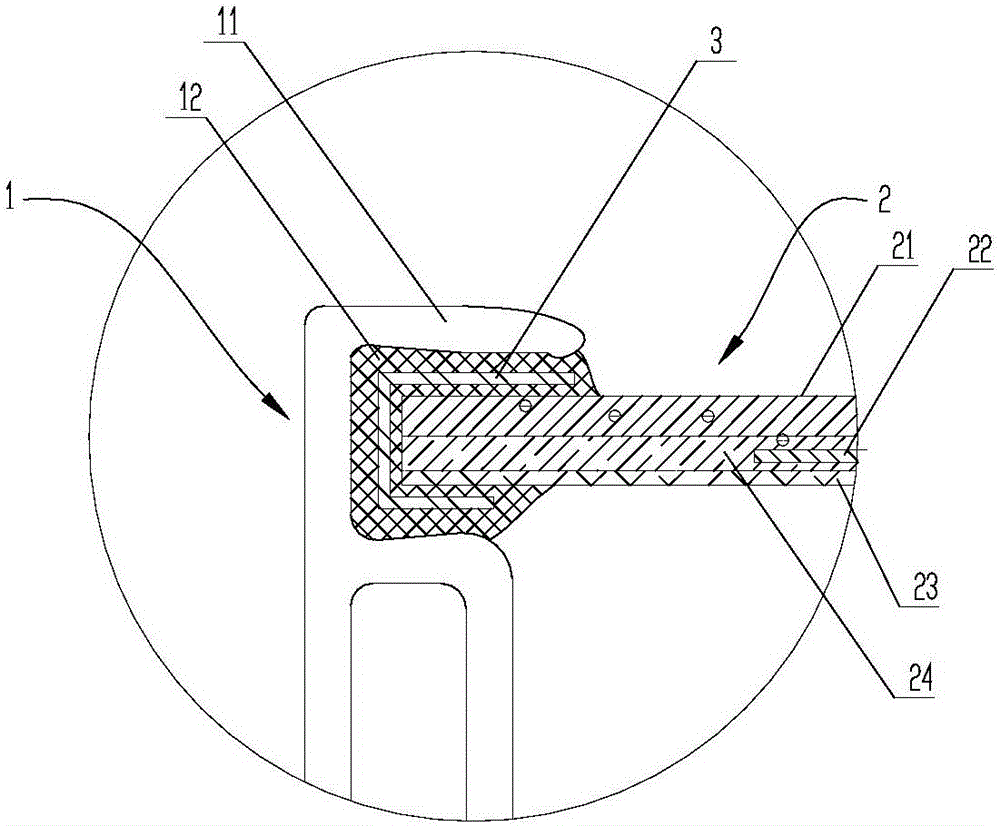
Figure 2
Abstract
Description
technical field
[0001] The invention relates to the technical field of solar photovoltaic modules, in particular to a photovoltaic module resistant to PID effect. Background technique
[0002] In the photovoltaic power station system, conventional components (that is, P-type polysilicon components with single-sided glass and aluminum frame structure) are seriously affected by the PID (potential-induced degradation) effect. In many photovoltaic systems that have not been specifically designed to resist PID, photovoltaic components are used After 1-2 years, there will be obvious PID effect phenomenon: the power generation will drop seriously.
[0003] Specifically, refer to figure 1 As shown, the original packaging method of conventional components is to fix the laminated photovoltaic laminated components 2' through the aluminum frame 1', and fill the sealing silicone in the slot of the frame 1', so as to play the role of sealing, reinforcement and buffering. effect. Photov...
Examples
Embodiment Construction
[0028] The technical solutions of the present invention will be further described below in conjunction with the accompanying drawings and through specific implementation methods.
[0029] Such as figure 2 As shown, this embodiment provides a photovoltaic module that is resistant to the PID effect, and is especially suitable for conventional components in a photovoltaic power plant system, which includes a frame 1 and a photovoltaic laminated module 2 arranged in the frame 1, wherein the frame 1 It is an aluminum frame, and the photovoltaic laminated assembly 2 includes glass 21, battery sheet 22 and back plate 23 arranged in sequence. An insulating structure 3 is arranged between them.
[0030] Through the arrangement of the insulating structure 3 , electron transfer between the frame 1 and the photovoltaic laminated module 2 can be blocked, so as to achieve the effect of anti-PID effect. This anti-PID effect method will not affect the power generation efficiency of the pho...