

A simulation analysis method for uneven de-icing of ice-coated transmission lines based on finite particle method
A transmission line, simulation analysis technology, applied in design optimization/simulation, special data processing applications, etc., can solve the problems of cumbersome iterative calculation, low solution efficiency, difficult to simulate, etc., to avoid the modeling process, high computational efficiency, suitable for wide range of effects
Patent Information
- Authority / Receiving Office
- CN · China
- Patent Type
- Patents(China)
- Current Assignee / Owner
- Publication Date
- 2020-07-31
Smart Images
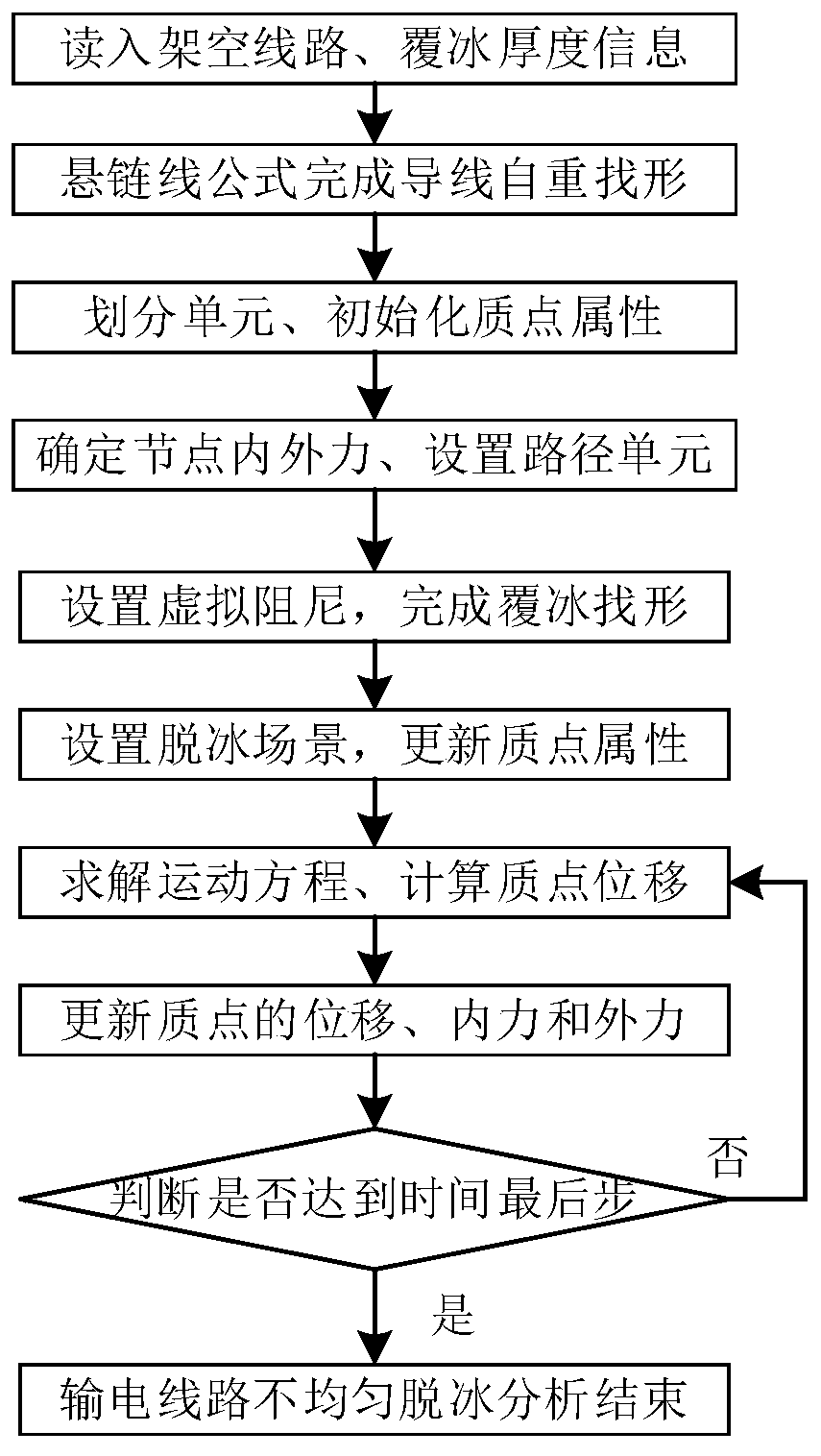
Figure 1 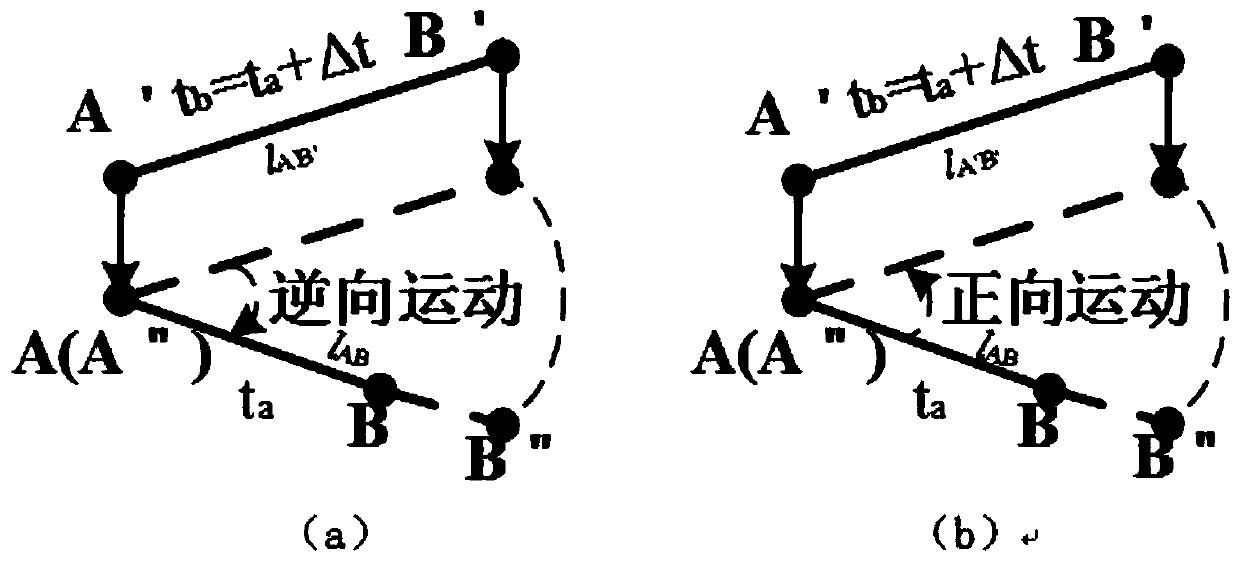
Figure 2 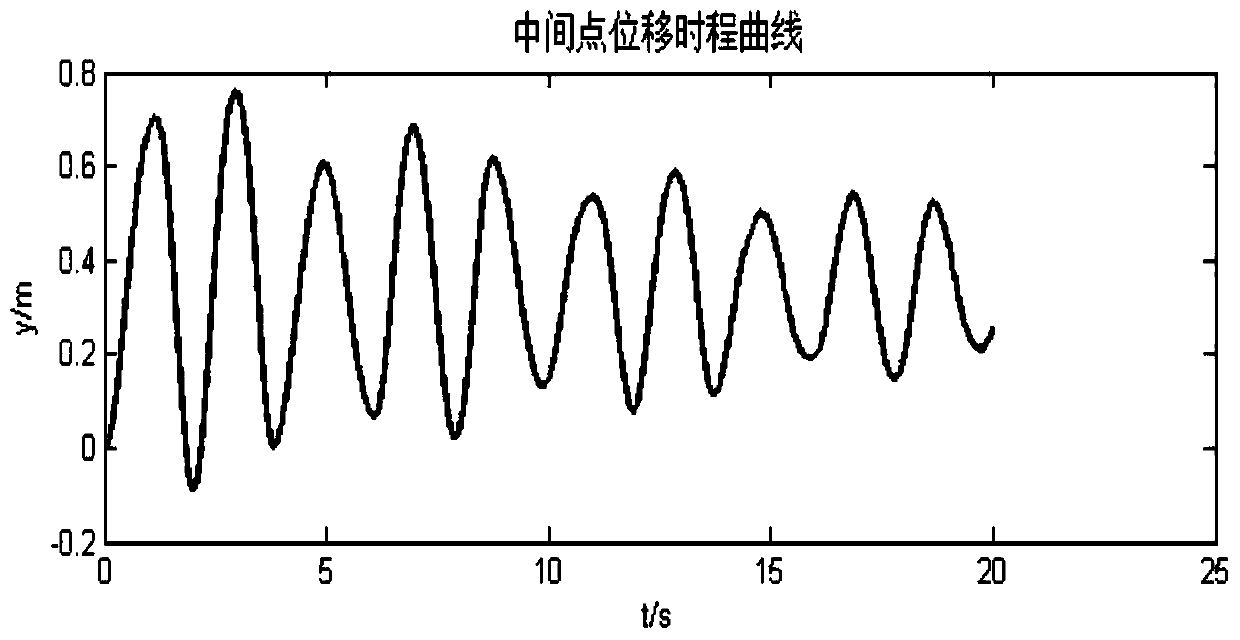
Figure 3
Abstract
Description
technical field
[0001] The invention belongs to a method for simulating and analyzing uneven deicing of transmission lines, in particular to a method for simulating and analyzing uneven deicing of iced transmission lines based on the finite particle method. Background technique
[0002] With the rapid development of my country's economy, the requirements for the power system are getting higher and higher. As an important part of the power grid system, transmission lines are the basis for ensuring the safety and stability of the power grid by performing various mechanical calculations and static and dynamic analysis on them. As a flexible cable structure, the transmission wire is only subjected to tension but not compression, and its low stiffness is easily affected by the outside world. As one of the common loads on the transmission wire, the icing load has a great impact on the safety of the transmission line. When the transmission wire deices and vibrates, the towers, ins...
Examples
Embodiment
[0149] Select wire LGJ500 / 45, wire parameters and working condition settings are shown in Table 1:
[0150] Table 1 Conductor characteristic parameters and working conditions
[0151] parameter unit value cross-sectional area mm 2
531.68 Wire outer diameter mm 30 unit mass kg / m 1.688 Elastic Modulus MPa 65000 Calculate breaking force N 128100 initial tension N 23058 Horizontal span m 300 height difference m 0 Icing thickness mm 10
[0152] Perform 100% deicing at the full gear, simulate for 20s, and take the damping coefficient as 0.2. The results of the deicing jump height at the middle position of different methods are shown in Table 2:
[0153] Table 2 The jump height of each method
[0154] method Jump result (m) Calculation time (s) ANSYS 1.5878 / Finite Element Method 1.5904 602.6 finite particle method 1.5926 135.4
[0155] It can be seen fr...