
Method for solving blurred screen phenomenon produced by video stream transmission system
A video stream and stream transmission technology, applied in the field of video transmission, can solve problems such as unguaranteed data, video artifacts, and accurate and reliable arrival at the destination.
Patent Information
- Authority / Receiving Office
- CN · China
- Current Assignee / Owner
- Publication Date
- 2018-03-30
Smart Images
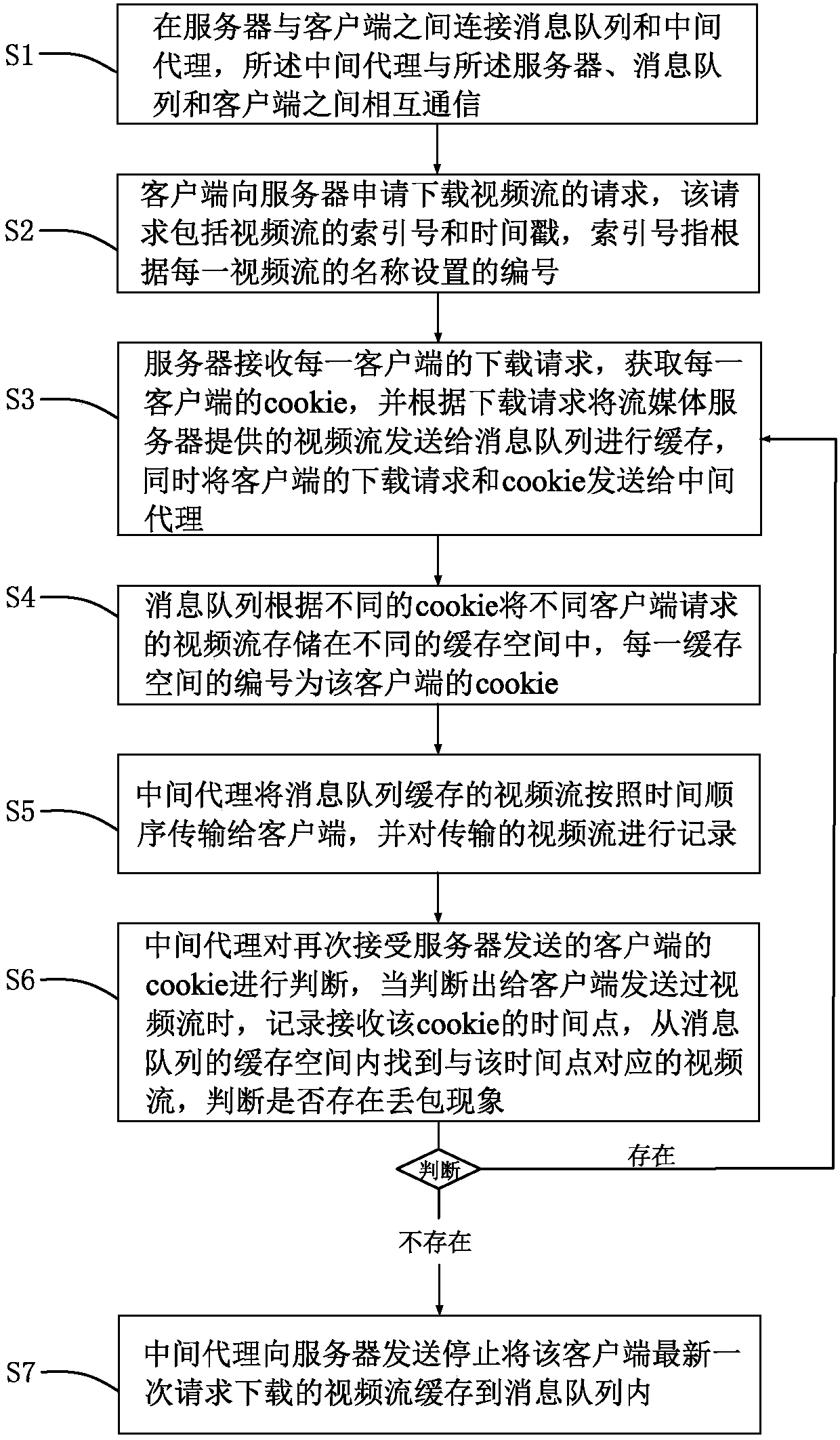
Figure 1 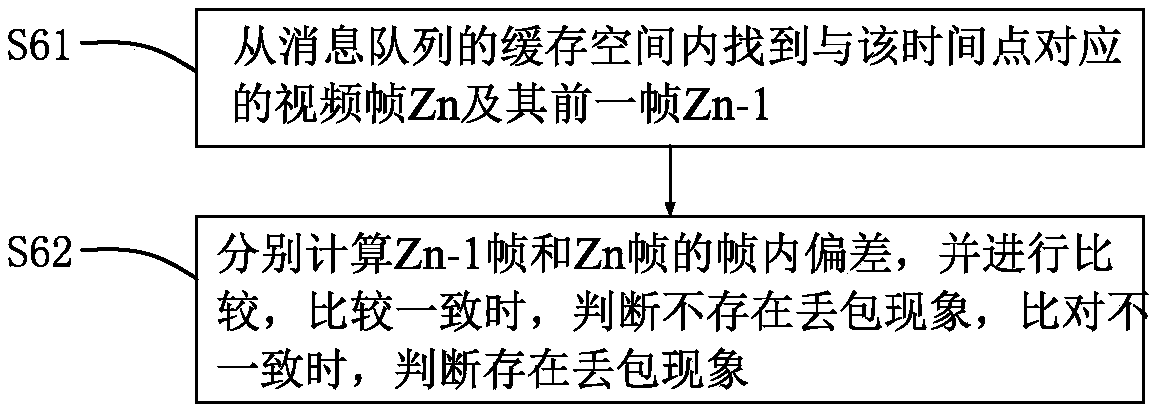
Figure 2 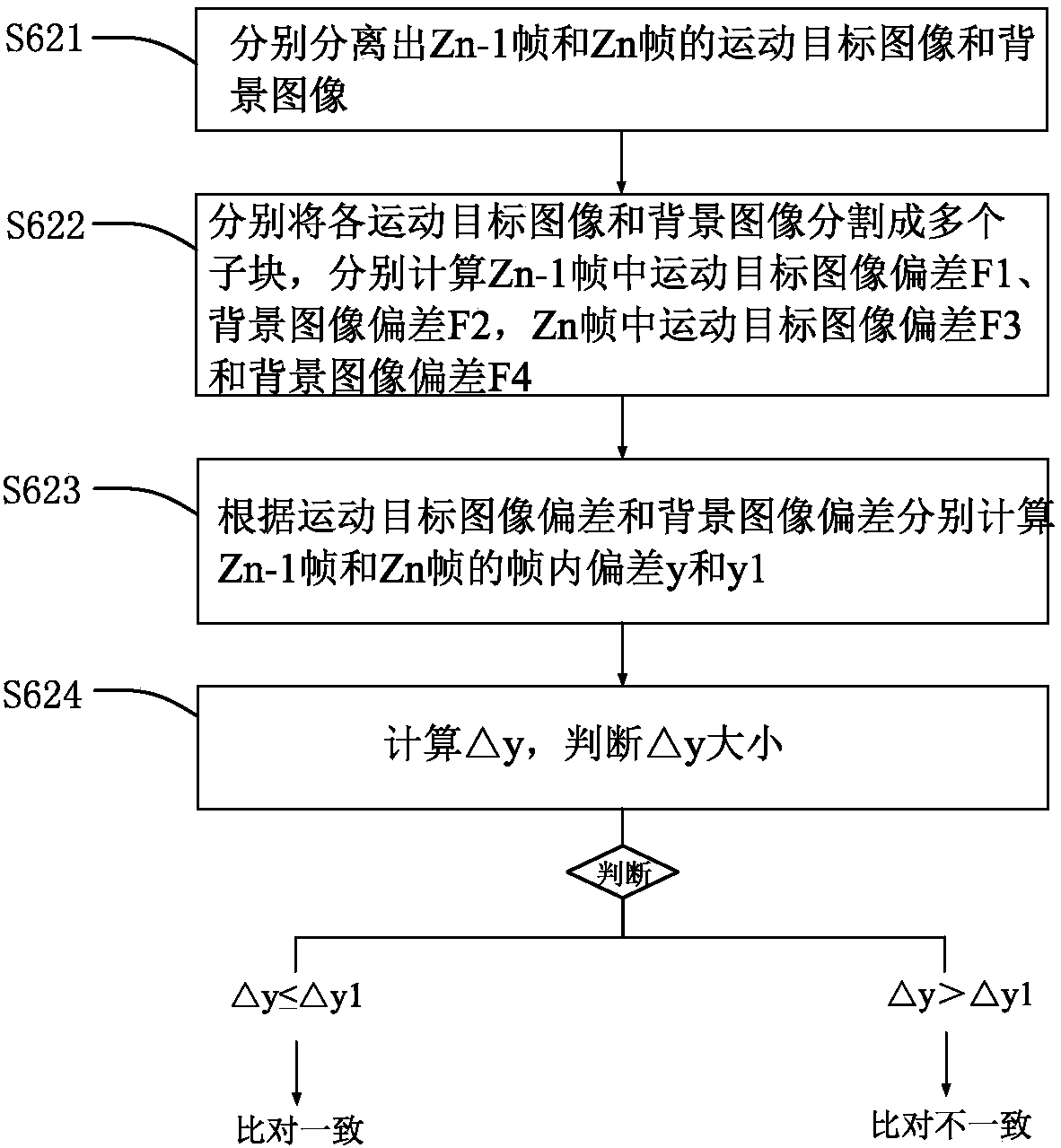
Figure 3
Abstract
Description
technical field
[0001] The invention belongs to the technical field of video transmission, and in particular relates to a method for solving the blurred screen phenomenon generated by a video stream transmission system. Background technique
[0002] The main function of the streaming media server is to transmit the video stream to the client through the streaming protocol (RTP / UDP, etc.), for the monitor to monitor and watch or send it to the processor for processing and decoding.
[0003] Since the UDP protocol is an unreliable and connectionless simple transmission protocol, the existing video stream cannot guarantee that the data can reach the destination accurately and reliably during the transmission process, and packet loss is prone to occur; This kind of unknown, the server sends data to the client, the server does not know whether the client has received it normally, after the server receives the download request, it will continue to send video streams, so when the c...
Examples
Embodiment 1
[0040] Embodiment 1 of the present invention provides a method for solving the blurred screen phenomenon generated by the video stream transmission system. The video stream transmission system includes a streaming media server, a server, and a client, such as figure 1 As shown, the method includes the following steps:
[0041] S1: Connect a message queue and an intermediate agent between the server and the client, and the intermediate agent communicates with the server, the message queue, and the client;
[0042] S2: The client applies to the server for a request to download the video stream, the request includes the index number and timestamp of the video stream, and the index number refers to the number set according to the name of each video stream;
[0043] S3: The server receives the download request of each client, obtains the cookie of each client, and sends the video stream provided by the streaming media server to the message queue for caching according to the downloa...
Embodiment 2
[0050] Embodiment 2 of the present invention provides a method for solving the blurred screen phenomenon generated by the video stream transmission system. This method is basically the same as that of Embodiment 1. The difference is that, as figure 2 As shown, the specific method for step S6 to judge whether there is a packet loss phenomenon is as follows:
[0051] S61: Find the video frame Z corresponding to the time point from the buffer space of the message queue n and its previous frame Z n-1 ;
[0052] S62: Calculate Z separately n-1 Frame and Z n The intra-frame deviation of the frame is compared, and when the comparison is consistent, it is judged that there is no packet loss phenomenon, and when the comparison is inconsistent, it is judged that there is a packet loss phenomenon.
[0053] The present invention further defines step S62, as image 3 As shown, the specific method is:
[0054] S621: separate out Z respectively n-1 Frame and Z n The moving target im...
Embodiment 3
[0061] Embodiment 3 of the present invention provides a method for solving the blurred screen phenomenon generated by the video stream transmission system. This method is basically the same as that of Embodiment 2. The difference is that each buffer space is set up for each video stream when buffering the video stream. Matrix index, the horizontal column of the matrix index represents the time stamp, and the vertical column represents the index number; a record library is set in the intermediate agent, and the record library is used to record the serial number, time stamp and corresponding client cookie of each video stream sent; Figure 4 As shown, step S6 determines that the specific method for sending the video stream to the client is: S63: the intermediate agent accepts the cookie of the client sent by the server again, and searches in the record library whether the video stream has been sent to the client corresponding to the cookie, if Sent, according to the number and ti...