

Storage battery airtightness detection and inflation method and equipment
A technology for air tightness detection and inflatable equipment, which is applied in liquid tightness measurement using liquid/vacuum degree, battery machine assembly, climate sustainability, etc. Insufficient and other issues
Patent Information
- Authority / Receiving Office
- CN · China
- Current Assignee / Owner
- Publication Date
- 2019-01-04
Smart Images
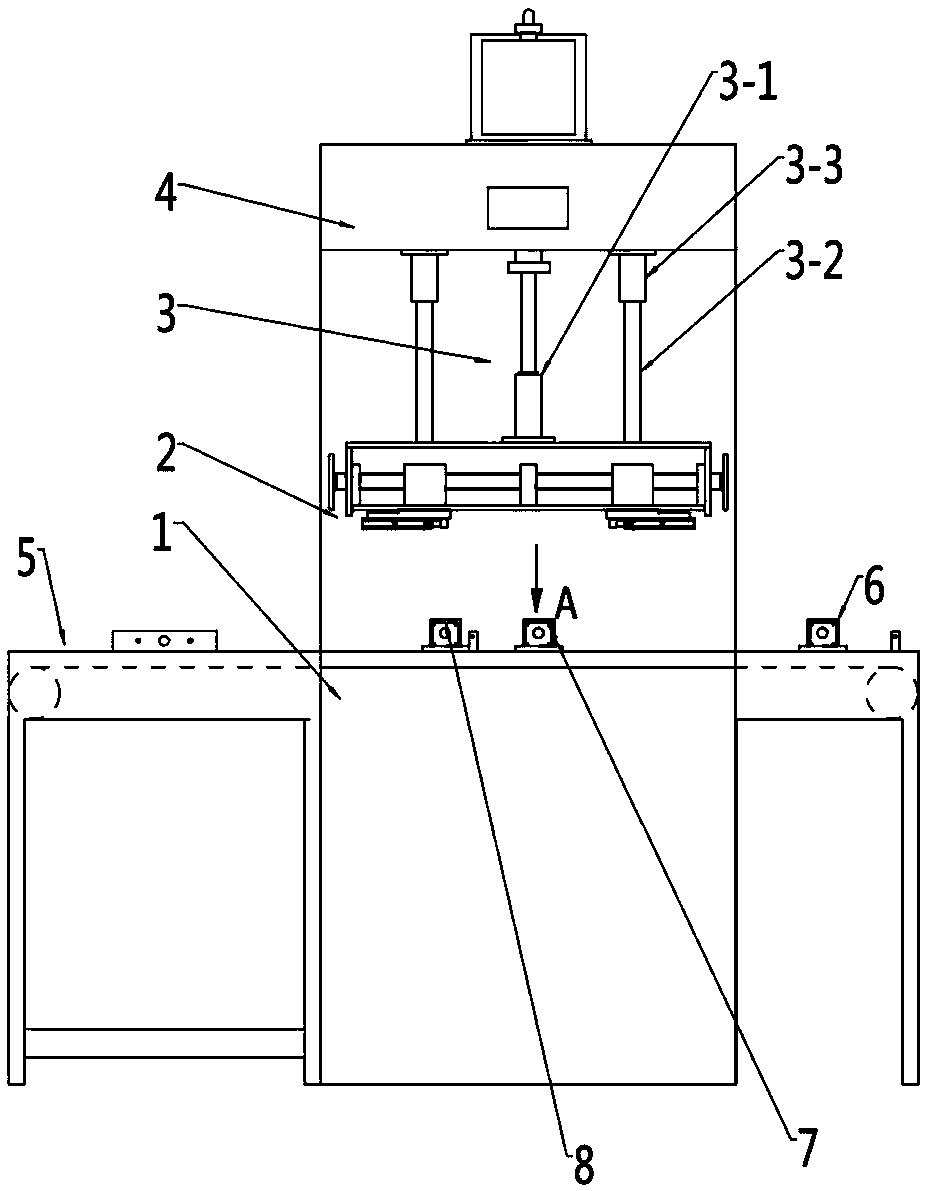
Figure 1 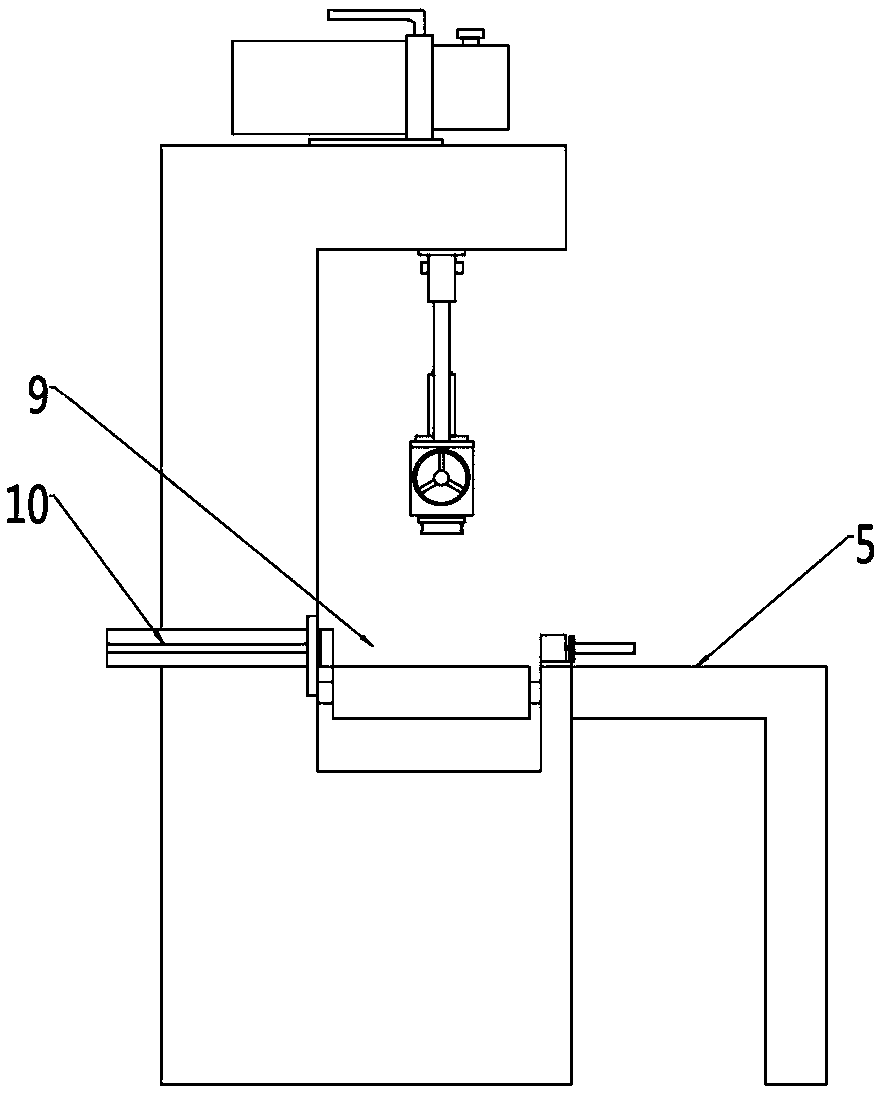
Figure 2 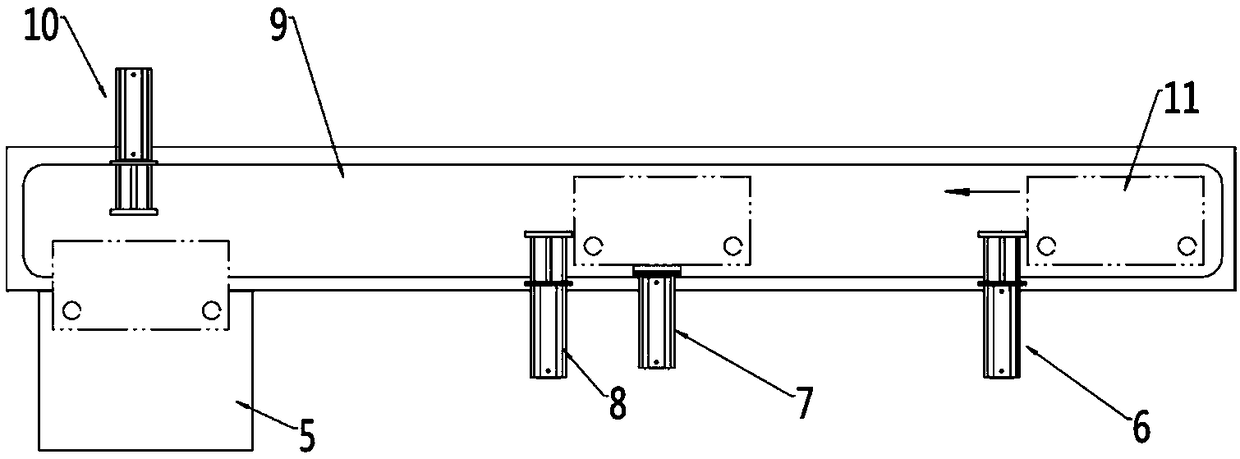
Figure 3
Abstract
Description
technical field
[0001] The invention relates to a storage battery air tightness detection, charging method and equipment, belonging to the technical field of storage batteries. Background technique
[0002] With the rapid development of the automobile industry, the sales of lead-acid batteries are increasing year by year, more and more consumers are using lead-acid battery products, and lead-acid batteries are being used more and more in non-vehicle fields such as lighting and power supply. Lead-acid batteries mostly use plastic tanks and covers. During the production process, the tanks and covers are bonded together by hot melting. Is it good. The traditional air-tightness detection method is to detect the leakage of the air pressure within a certain holding time by sealing the battery exhaust hole to inflate the inside of the battery. This traditional detection method has the following problems: 1. After the battery is inflated, the side of the battery tank will be conve...
Examples
Embodiment 1
[0034] Embodiment 1: The model of the battery to be tested is 6QW-60, and the battery to be tested is transported to the detection position by the battery delivery track of the equipment described in the present invention, and the air cylinder on both sides of the battery is closed by clamping the cylinder, the vacuum air pipe is opened, and the protective gas The trachea is closed, and the vacuum pump pumps vacuum into the battery; the vacuuming time is 15 seconds, and the internal pressure of the battery is 3KPa, so it is judged that the sealing of the battery is unqualified.
Embodiment 2
[0035] Embodiment 2: The model of the battery to be tested is 6QW-80, and the battery to be tested is transported to the detection position by the battery delivery track of the equipment described in the present invention, and the air cylinder on both sides of the battery is closed by clamping the cylinder, the vacuum air pipe is opened, and the protective gas The trachea is closed, and the vacuum pump pumps vacuum into the battery; the vacuuming time is 10 seconds, the internal pressure of the battery is -26KPa, and the internal pressure of the battery is -25.9Kpa after holding the pressure for 8 seconds. The gas gas pipe is connected and opened, and the protective gas carbon dioxide is charged into the battery, and the inflation time is 5-8s, and the internal pressure of the battery is charged to 8Kpa.
Embodiment 3
[0036] Embodiment 3: The model of the battery to be tested is 6QW-100, and the battery to be tested is transported to the detection position by the battery delivery track of the equipment described in the present invention. The trachea is closed, and the vacuum pump pumps vacuum into the battery; the vacuuming time is 9 seconds, the internal pressure of the battery is -23KPa, and the internal pressure of the battery is -22.7Kpa after holding the pressure for 9 seconds. The gas gas pipe is connected and opened, and the protective gas carbon dioxide is charged into the battery, and the inflation time is 5-8s, and the internal pressure of the battery is charged to 10Kpa.