
Resonance suppression method for humanoid flexible arm
A kind of arm and flexible technology, applied in the field of vibration control, can solve the problems that affect the operation performance and service life of the flexible arm, increase the buffering effect of the arm, and phase angle lag, etc.
Patent Information
- Authority / Receiving Office
- CN · China
- Patent Type
- Applications(China)
- Current Assignee / Owner
- Publication Date
- 2020-08-28
Smart Images
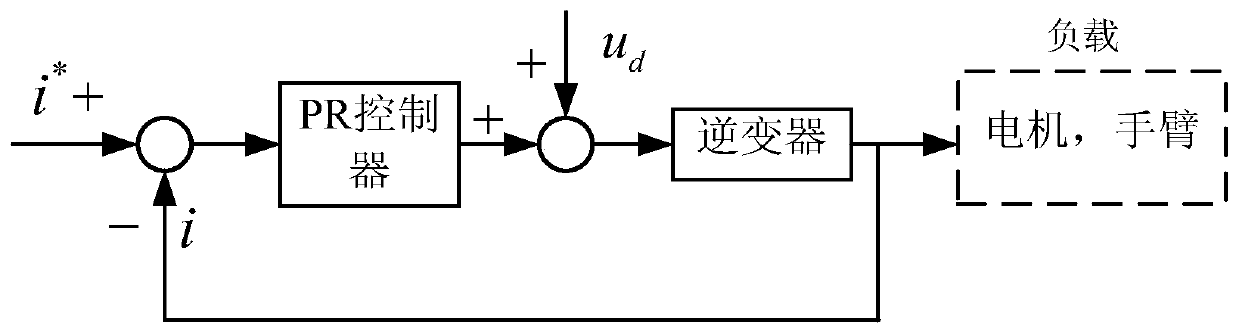
Figure 1 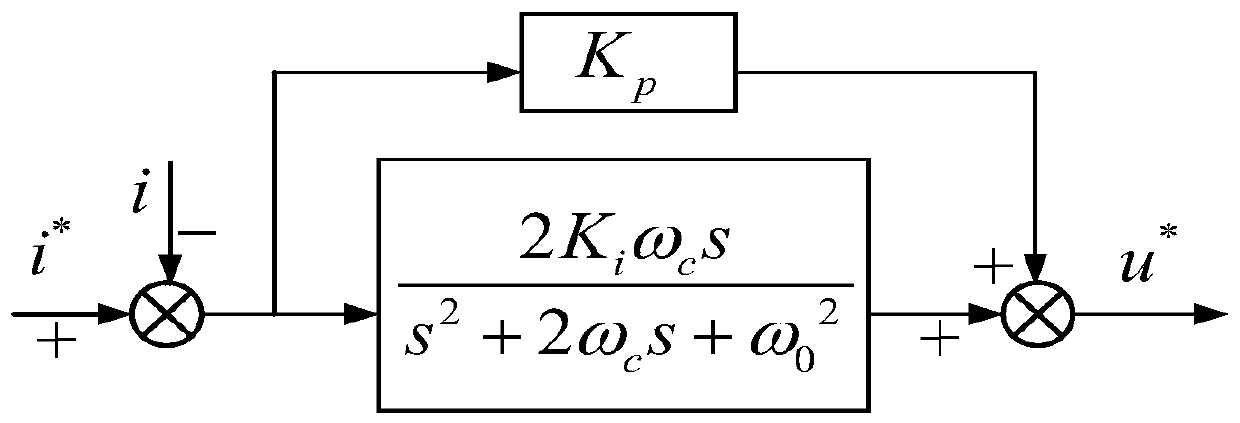
Figure 2 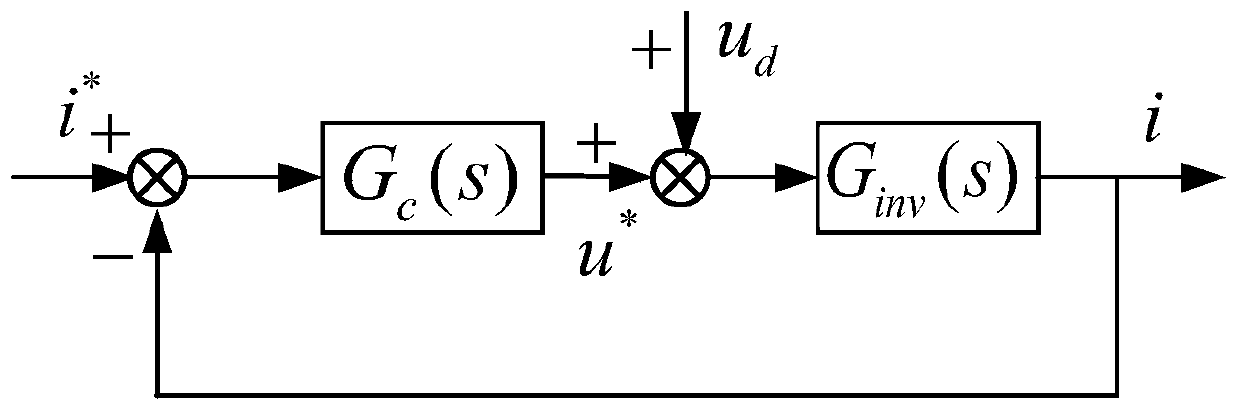
Figure 3
Abstract
Description
technical field
[0001] The invention relates to the field of vibration control, and specifically provides a resonance suppression method suitable for a humanoid flexible joint arm. Background technique
[0002] Compared with the traditional rigid mechanical arm, the humanoid flexible arm uses a harmonic reducer as the transmission part of the arm, which can not only obtain a high load-to-weight ratio, but also make the arm joints flexible, increasing the buffering effect of the arm when it collides. Reduce the damage to the arm structure. However, due to the inherent flexibility of the harmonic reducer, the system resonant frequency point is introduced. When the frequency of the drive system is equal to the resonant frequency of the humanoid flexible arm, the arm resonance will be excited, which will seriously affect the operating performance of the flexible arm. service life. Usually, the suppression of resonance is mainly based on the notch filter method, but the too wide...
Examples
Embodiment Construction
[0019] The present invention will be further described below in conjunction with accompanying drawing:
[0020] The dynamic equation of the flexible arm of humanoid robot is:
[0021]
[0022] In the formula, J m 、J a are the moment of inertia of joint motor and arm link respectively, θ m , are the output rotation angle, angular velocity and angular acceleration of the motor respectively, θ a , are the output rotation angle, angular velocity and angular acceleration of the arm link respectively, K is the spring elastic coefficient, D is the joint damping coefficient, τ m Output torque for the motor.
[0023] Since the damping of the arm joint is very small, the damping of the humanoid arm system can be ignored, and the formula (1) is simplified as:
[0024]
[0025] According to formula (2), the transfer function of the arm link angle relative to the motor angle is:
[0026]
[0027] The transfer function of the motor output rotation angle relative to the mo...