
Installation process of liquid cargo tank broadside temporary insulation module
An installation process and technology of liquid cargo tanks, applied in the direction of ships, etc., can solve the problems of non-reusable and difficult disassembly of temporary insulation modules, and achieve the effect of simple and effective installation and avoid tedious work.
Patent Information
- Authority / Receiving Office
- CN · China
- Patent Type
- Applications(China)
- Current Assignee / Owner
- Publication Date
- 2021-01-05
Smart Images
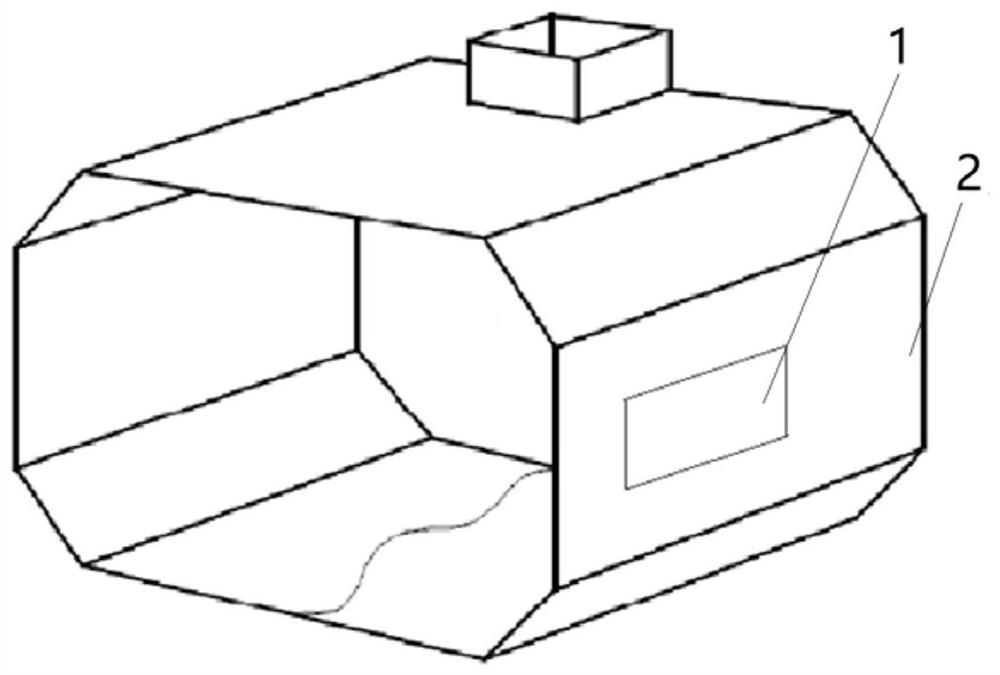
Figure 1 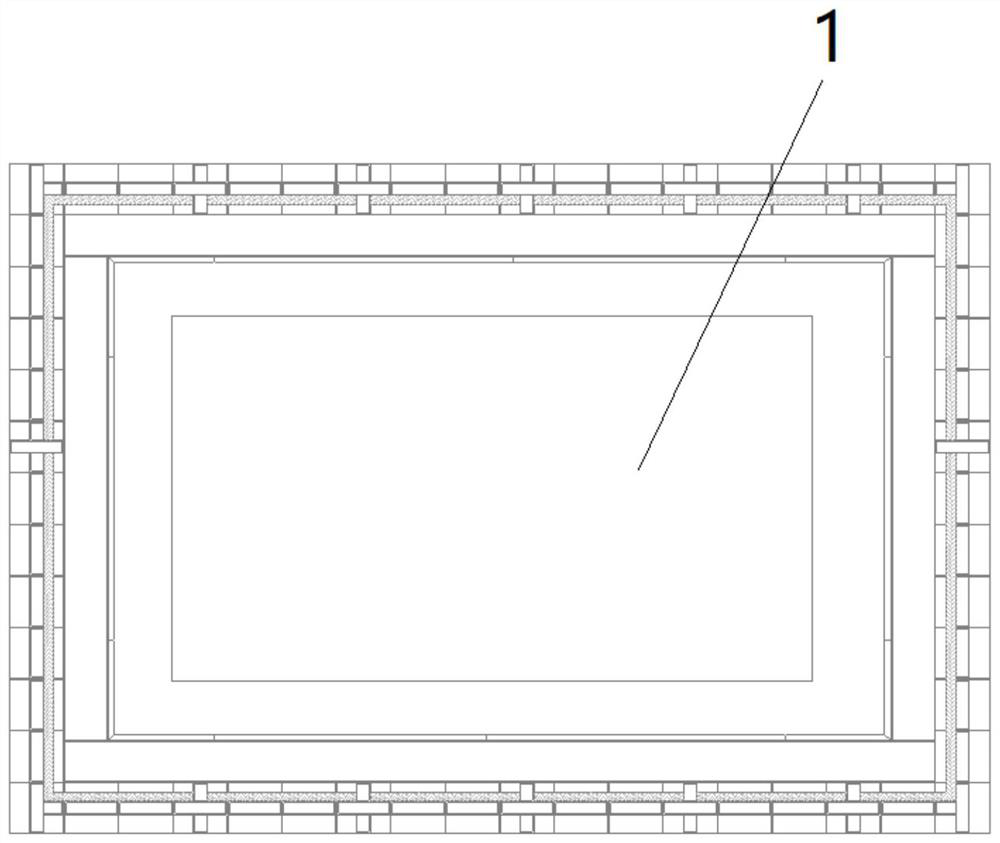
Figure 2 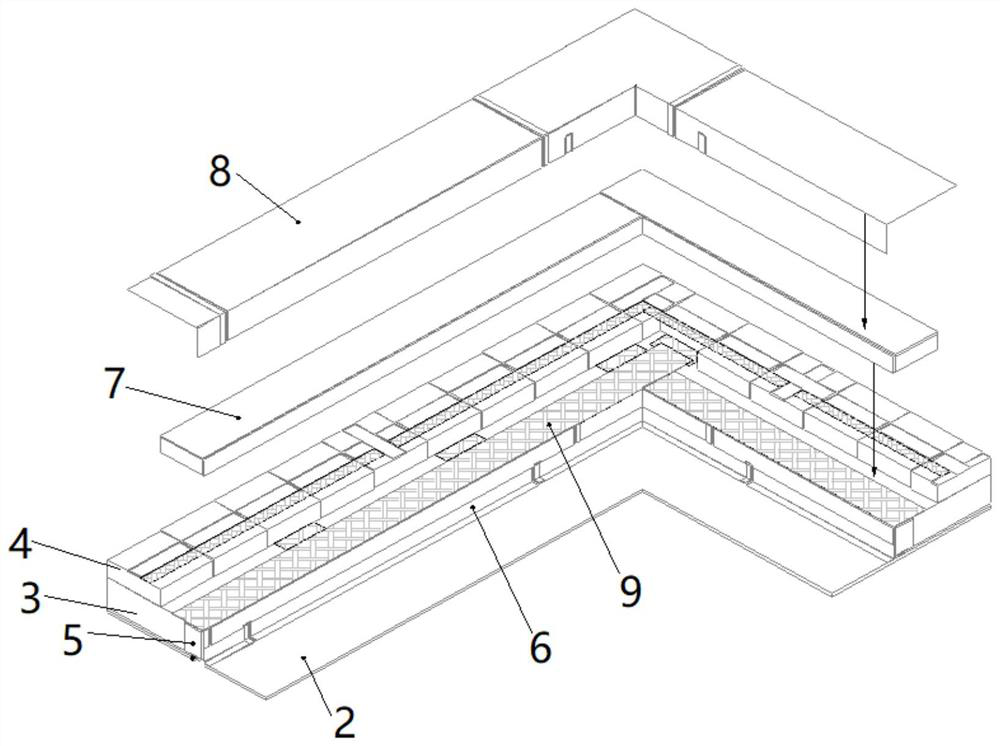
Figure 3
Abstract
Description
Technical field
[0001] The invention relates to the technical field of ship construction, in particular to an installation process of a temporary insulation module of a liquid cargo tank.Background technique
[0002] In the construction of the cargo tank of the Mark 3 LNG ship, insulating materials such as insulation modules are used as the temperature insulation material for the liquefied natural gas to ensure that the natural gas in the cargo tank is maintained at a liquid state below -163°C and to prevent the low-temperature embrittlement caused by the direct contact of the liquefied natural gas with the hull. The cargo tank of the Mark 3 LNG ship adopts the secondary insulation module and the primary insulation module to achieve the temperature insulation effect, and the FSB adhesion of the secondary layer and the installation of the corrugated board of the main layer achieve airtight effect.
[0003] The side opening is the main import and export of scaffolds, elevators, materials, and e...
Examples
Embodiment Construction
[0029]The following specific examples illustrate the implementation of the present invention. Those familiar with the technology can easily understand other advantages and effects of the present invention from the content disclosed in this specification.
[0030]SeeFigure 1 to Figure 5 . It should be noted that the structure, ratio, size, etc. shown in the accompanying drawings in this specification are only used to match the content disclosed in the specification for the understanding and reading of those familiar with this technology, and are not intended to limit the implementation of the present invention Limited conditions, so it has no technical significance. Any structural modification, proportional relationship change or size adjustment should still fall under the present invention without affecting the effects and objectives that can be achieved by the present invention. The disclosed technical content must be within the scope of coverage. At the same time, the terms such as "...