
Method and an arrangement for concurrency control of temporal data
Patent Information
- Authority / Receiving Office
- US · United States
- Current Assignee / Owner
- Publication Date
- 2011-03-17
- Estimated Expiration
- Not applicable · inactive patent
Smart Images
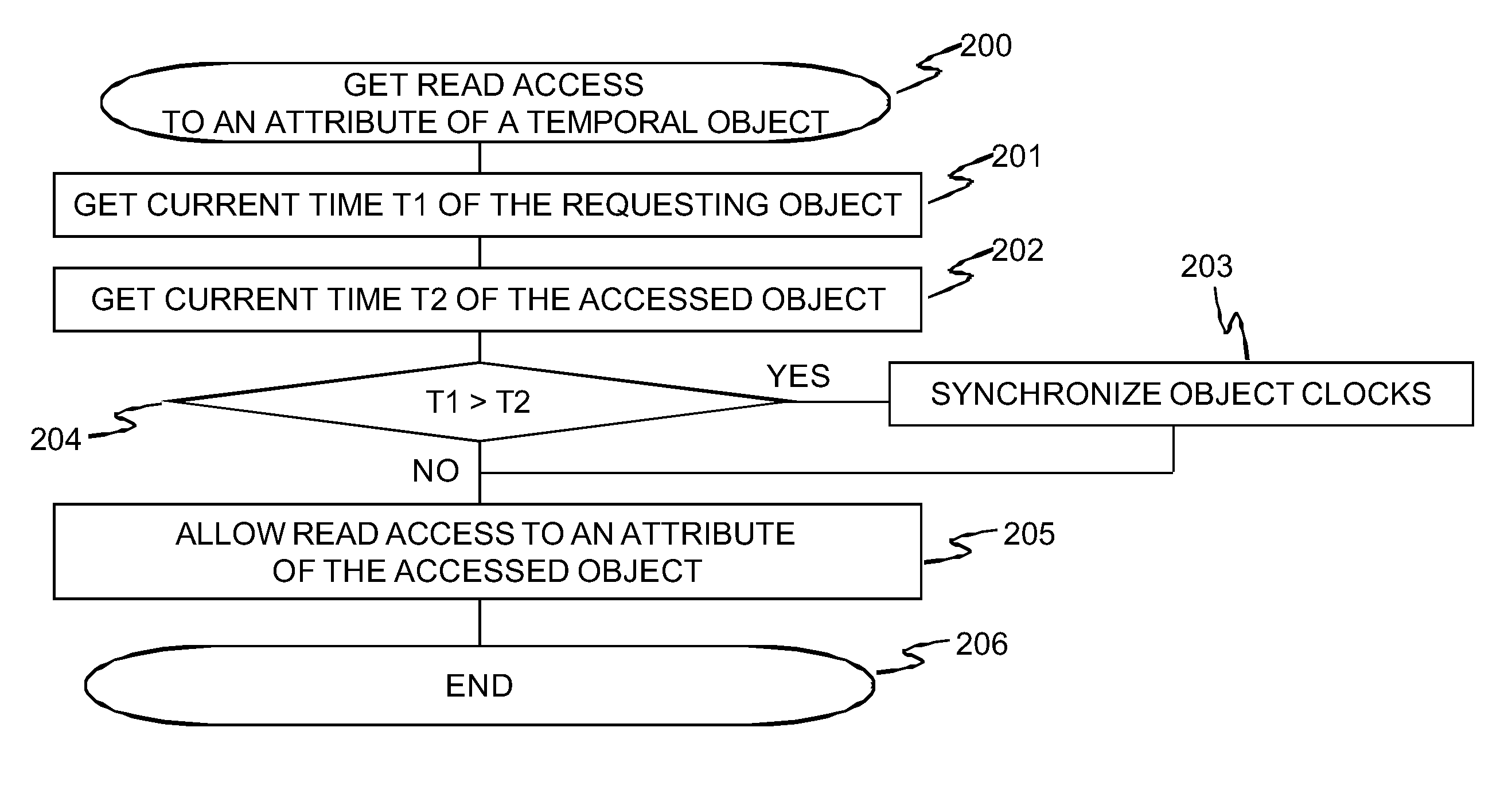
Figure 1 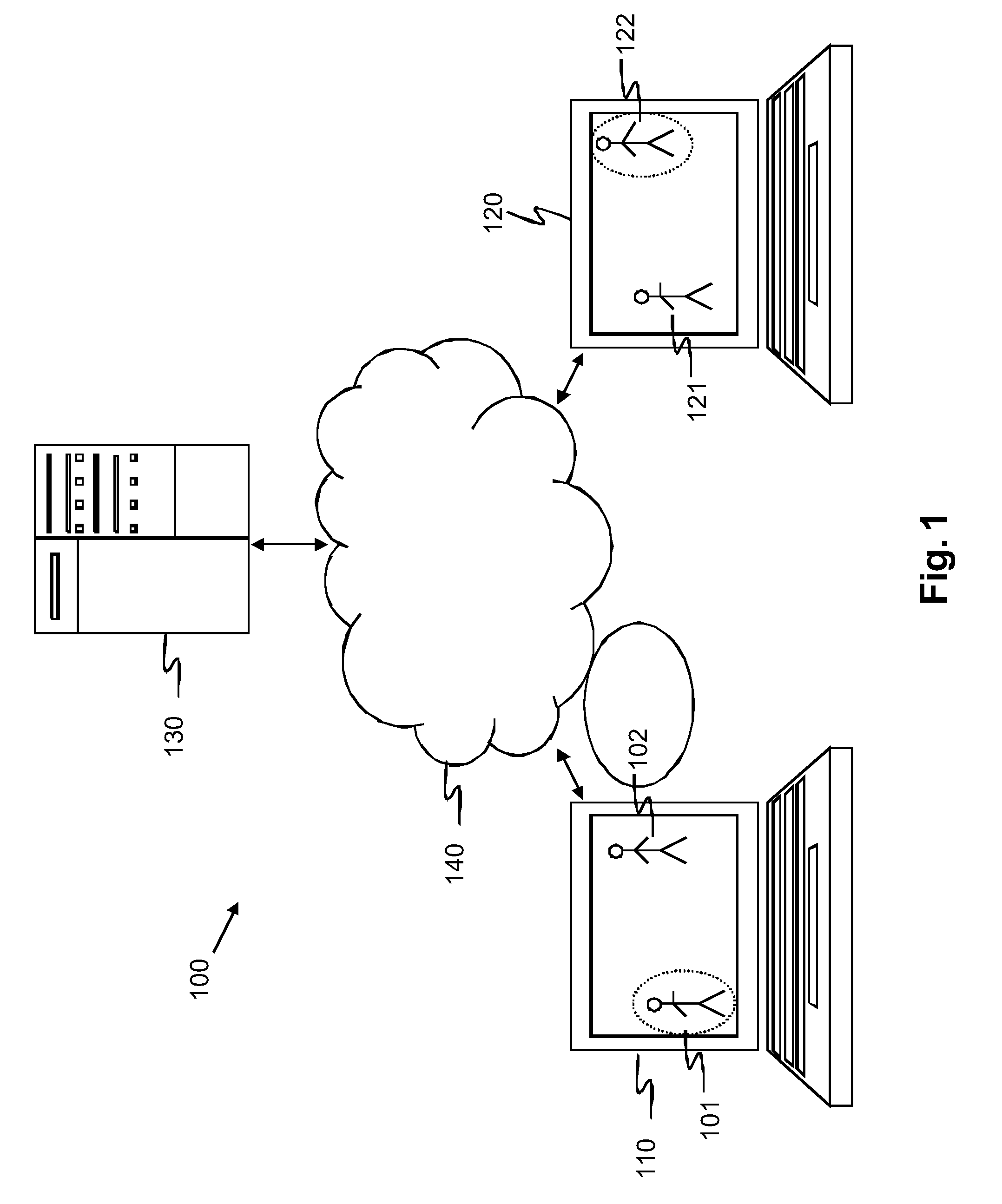
Figure 2 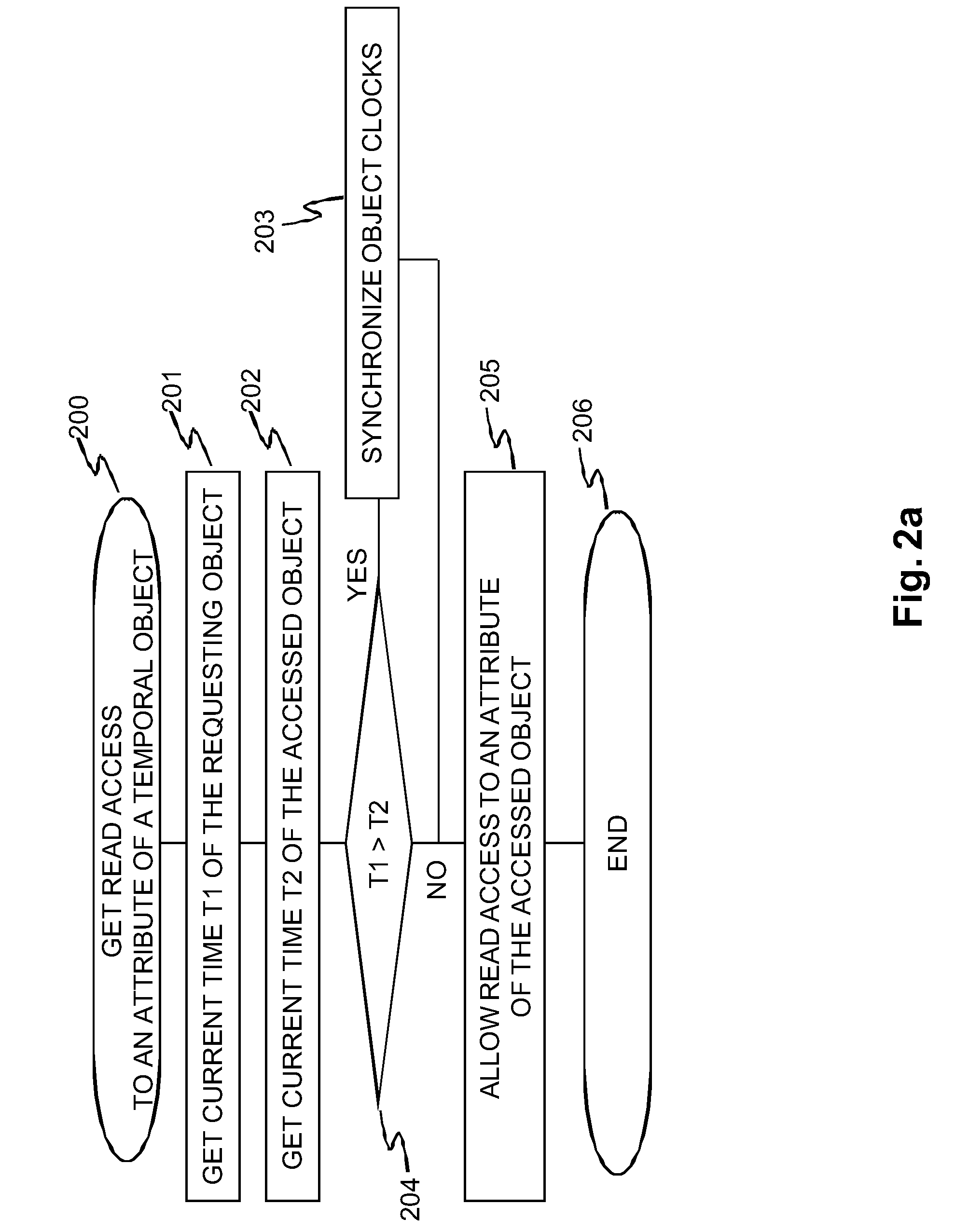
Figure 3
Abstract
Description
TECHNICAL FIELD OF INVENTION
[0001] The present invention relates to controlling concurrency in a system comprising temporal objects, e.g. in a distributed multi-user animation system.BACKGROUND AND SUMMARY OF THE INVENTION
[0002] Various animation production software products are known in the art. Generally, the known solutions are essentially stand-alone single-user solutions. Therefore, there has been no need for allowing efficient multi-user access to, for example, on-line animation production services.
[0003] U.S. Pat. No. 6,369,821 discloses a single-user method and system for synchronizing scripted animations. The system provides synchronization services to synchronize actions of two or more interactive user interface characters that are displayed simultaneously.
[0004] The prior art solutions fail to disclose e.g. a solution to the problem of managing concurrency of separately controllable temporal objects in a distributed multi-user system. For example, the numerous concurrency con...
Examples
Embodiment Construction
[0040]FIG. 1 depicts an exemplary arrangement according to an embodiment of the present invention. The arrangement 100 has a first terminal 110 and a second terminal 120 communicatively connected to a data communication network 140, e.g. Internet. The arrangement preferably also has a server computer 130 to which the terminals 110, 120 are communicatively connected via the communication network 140. Each terminal runs a software program suitable for producing an animated scene in collaboration with at least one other terminal. The user of a terminal 110 animates or controls at least one object 101 of the animated scene. The user of a terminal 110 also sees animated objects controlled by other users. For example, the user of the terminal 120 controls an object122 of which a copy is shown as an object 102 on terminal 110. Similarly, the user of the terminal 120 may see a copy of object 101, controlled by the user of the terminal 110, as an object 121 depicted on the terminal 120. The ...