
Means for applying and wiping away a liquid
a technology of liquid application and wiping, applied in the field of application technology for applying and wiping off liquid, can solve the problems of difficult application of applied amount and increased application tim
Patent Information
- Authority / Receiving Office
- US · United States
- Patent Type
- Applications(United States)
- Current Assignee / Owner
- Publication Date
- 2011-09-15
- Estimated Expiration
- Not applicable · inactive patent
Smart Images
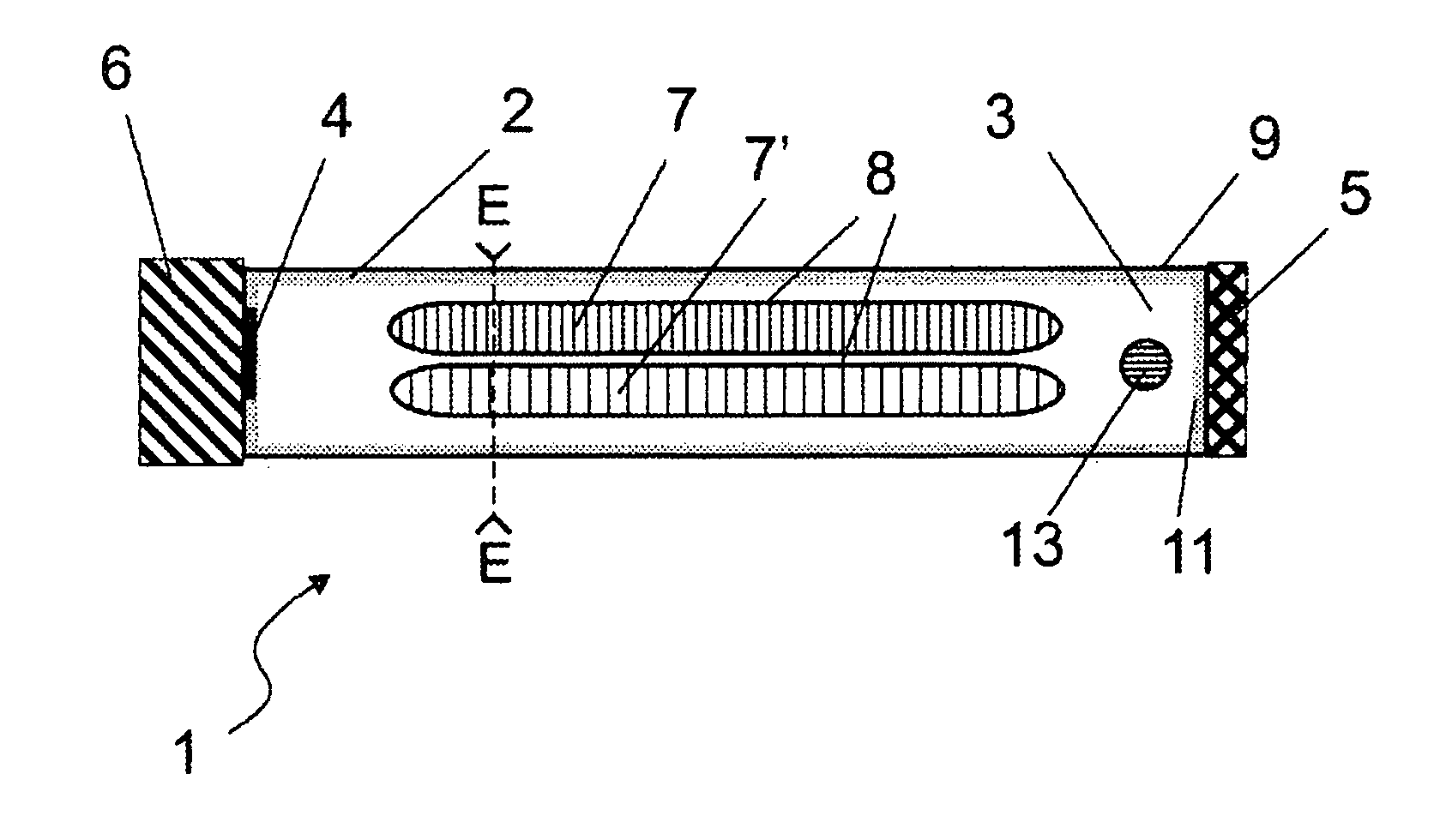
Figure 1 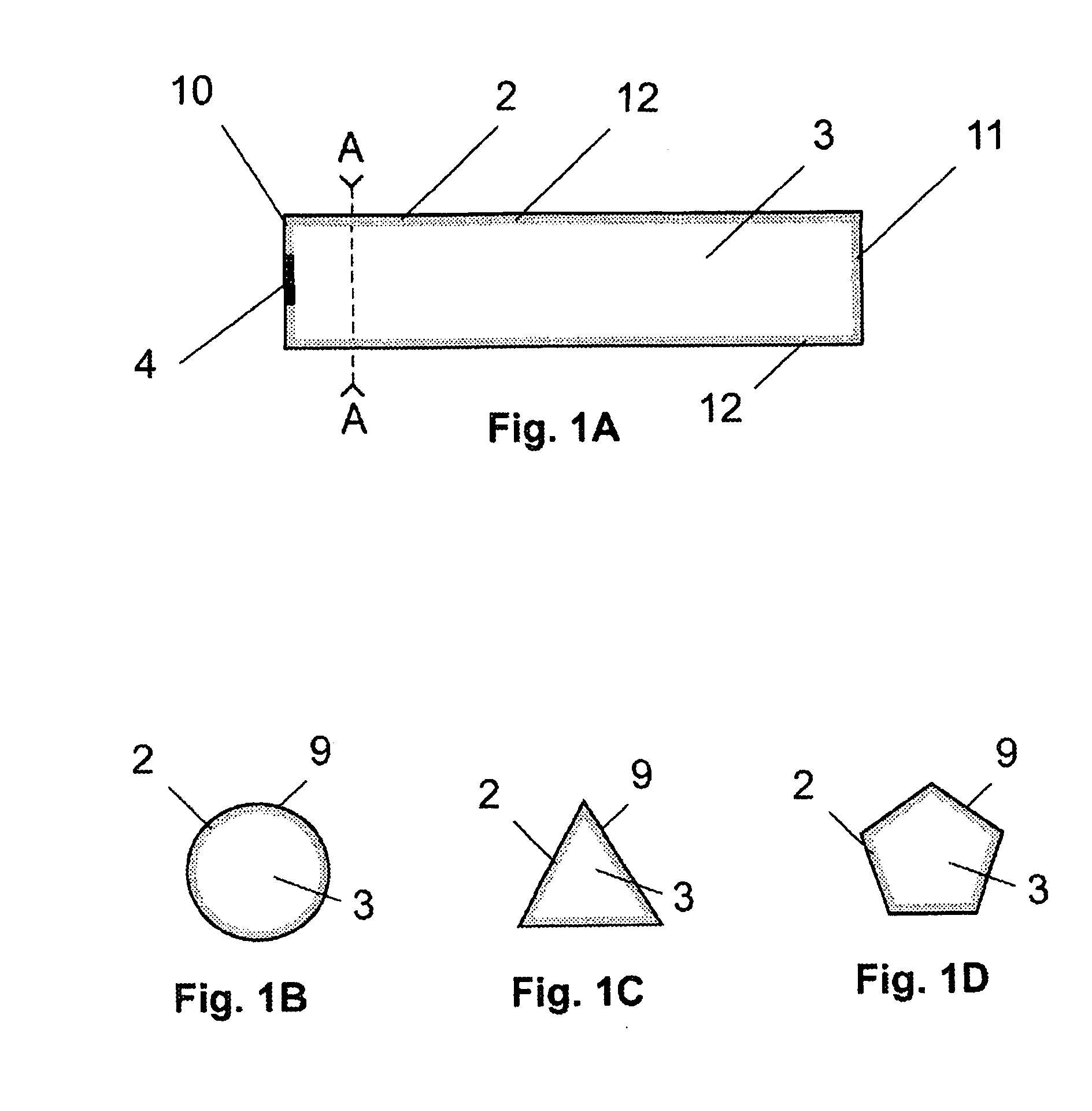
Figure 2 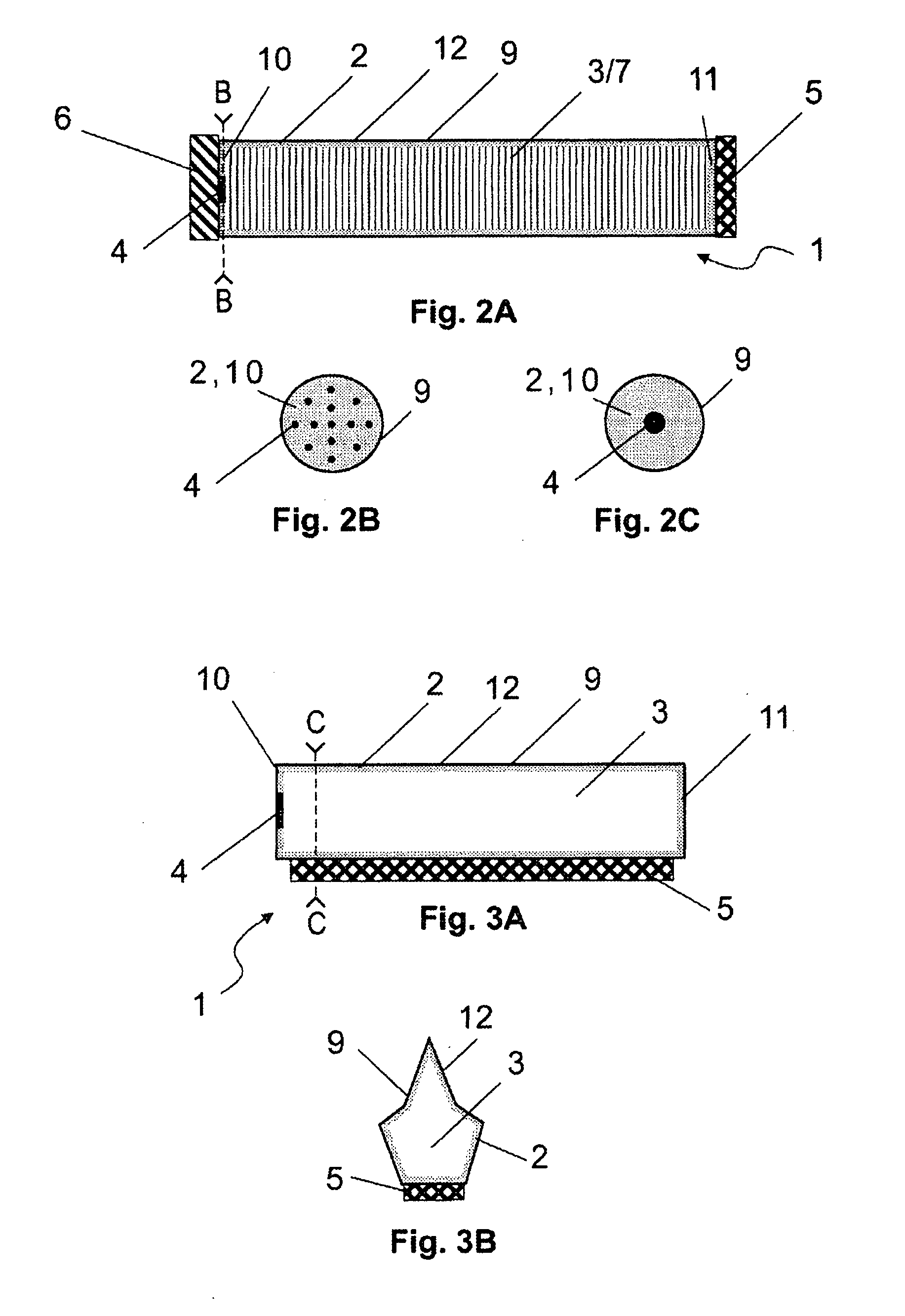
Figure 3
Abstract
Description
BACKGROUND
[0001] This is a Division of application Ser. No. 12 / 309,318 filed Jan. 26, 2009, which in turn is a National Phase of Application No. PCT / EP2007 / 057732, filed Jul. 26, 2007. The disclosures of the prior applications are hereby incorporated by reference herein in their entirety.FIELD OF THE INVENTION
[0002] The invention relates to the field of the application technology for applying and wiping off a liquid on a surface. More particularly the invention relates to a means for applying and wiping off a liquid, comprising a container having a filling chamber and at least one aperture for applying the liquid, characterized in that the container, on the outer side, has at least one porous carrier material for wiping off the liquid.BACKGROUND ART
[0003] Hydrolyzable liquids such as adhesion promoter compositions have long been used for improving adhesion, more particularly that of adhesives and sealants. In particular, silane compounds and titanate compounds have long been known as s...
Examples
examples
[0152]The substrate surface used was the air side of a float glass from the company Rocholl, Schönbrunn, Germany. To pretreat the float glass surface, a means of the invention and a conventional method were employed, and the adhesion of the adhesive to the surface pretreated with the means of the invention was compared with the adhesion of the adhesive to the surface pretreated by a conventional method. The adhesion promoter composition used for application to the float glass surface was Sika® Activator (available commercially from Sika Schweiz AG). Both for application and for wiping off, in both cases, felts of 100% wool were used from Filzfabrik Fulda GmbH, Germany. One test was carried out with hard felt, with a felt density of 0.36 g / cm3, hardness according to DIN 61200: F2, pH 6-8; in other words, a hard felt was used both for application and for wiping off A second test was carried out with a soft felt, having a felt density of 0.18 g / cm3, hardness according to DIN 61200: M1,...