
Improved allocation of radio resources for vehicular communication
a vehicular mobile terminal and radio resource technology, applied in the direction of electrical equipment, wireless communication, network topologies, etc., can solve the problems of not being able to configure a mobile terminal, not being able to meet the new v2x usage scenarios, and not being able to achieve the usual rel. 12 d2d resource allocation, etc., to achieve the effect of improving the allocation of radio resources by the vehicular mobile terminal
Patent Information
- Authority / Receiving Office
- US · United States
- Patent Type
- Applications(United States)
- Current Assignee / Owner
- Publication Date
- 2019-04-18
Smart Images
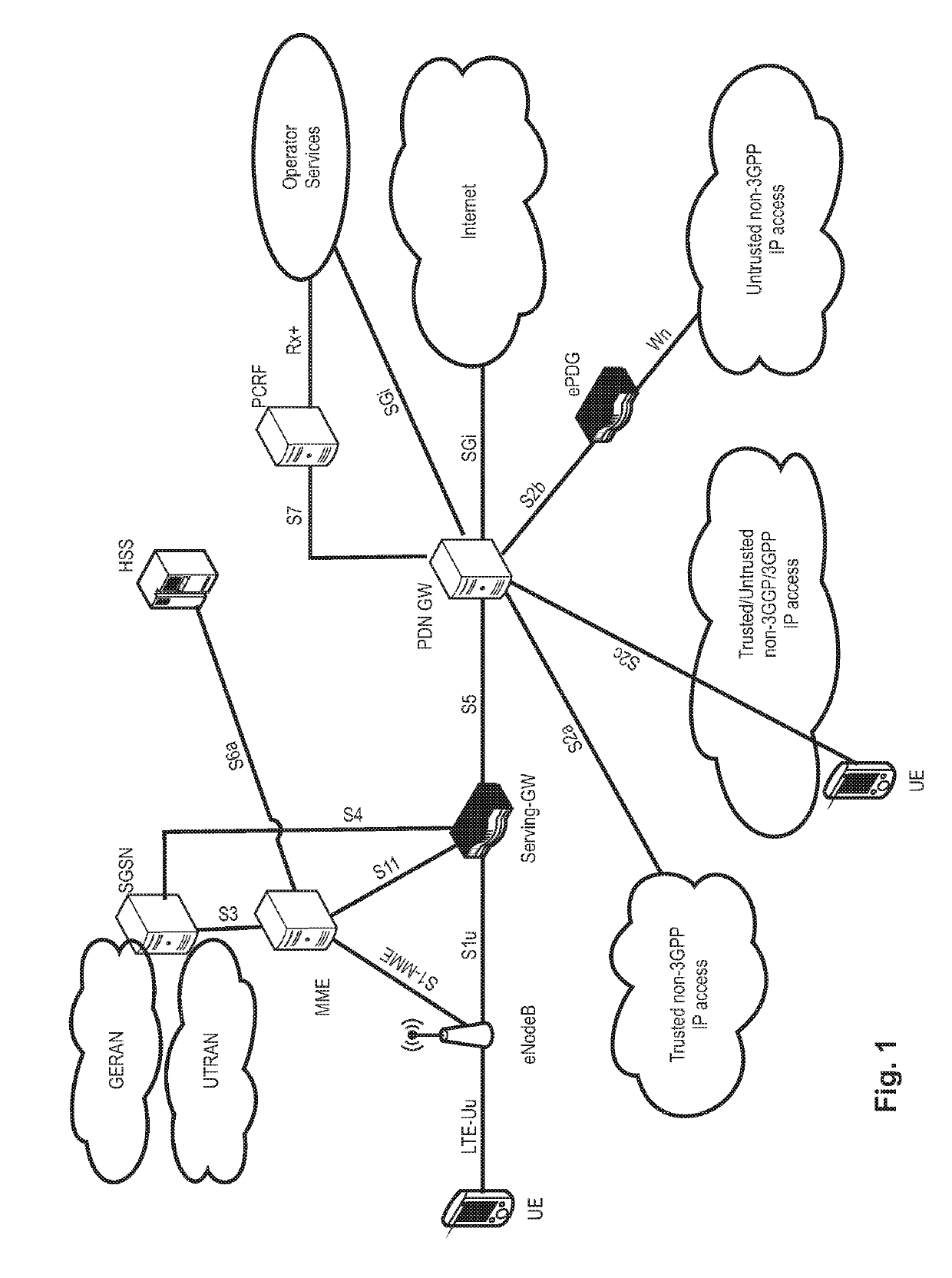
Figure 1 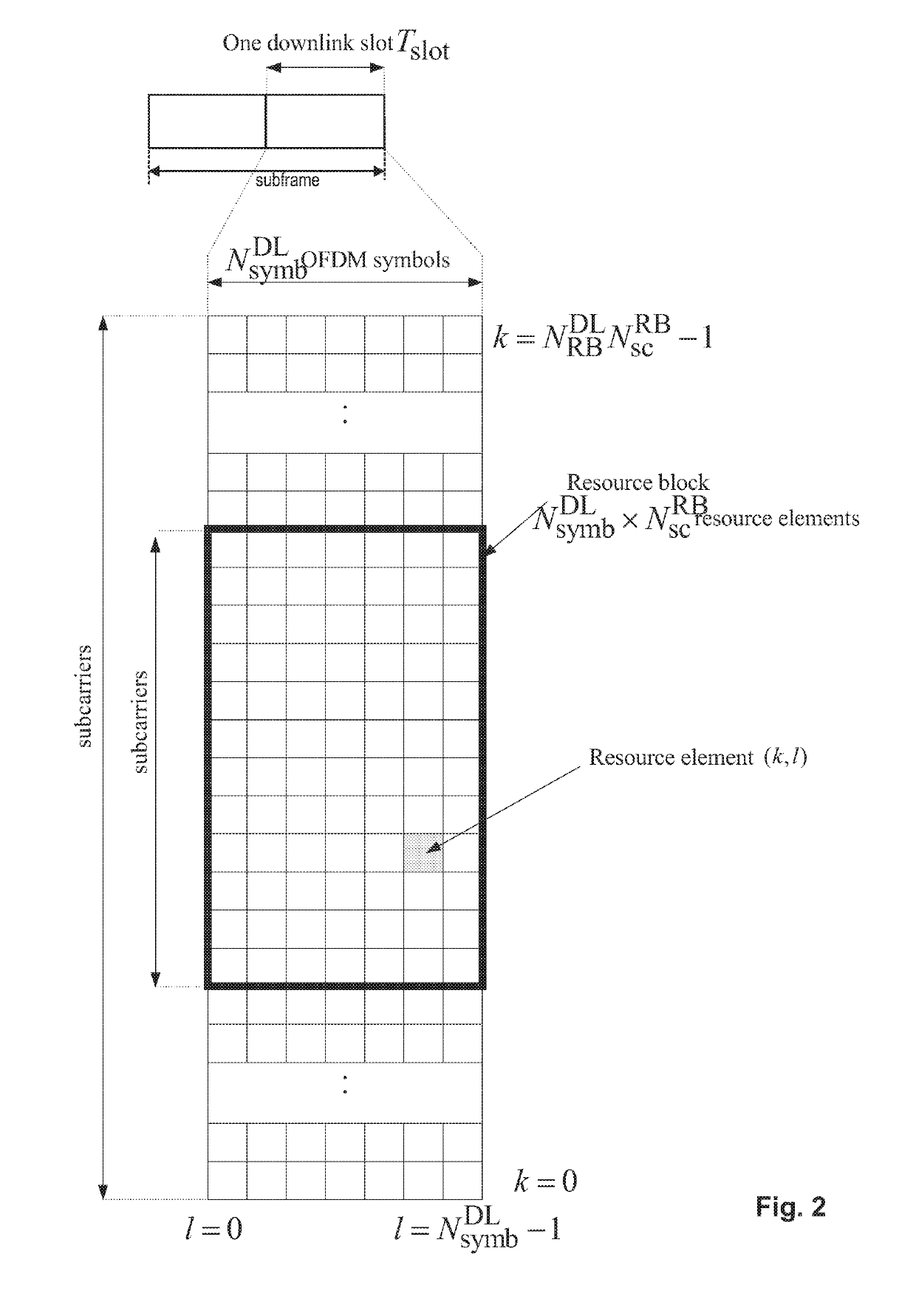
Figure 2 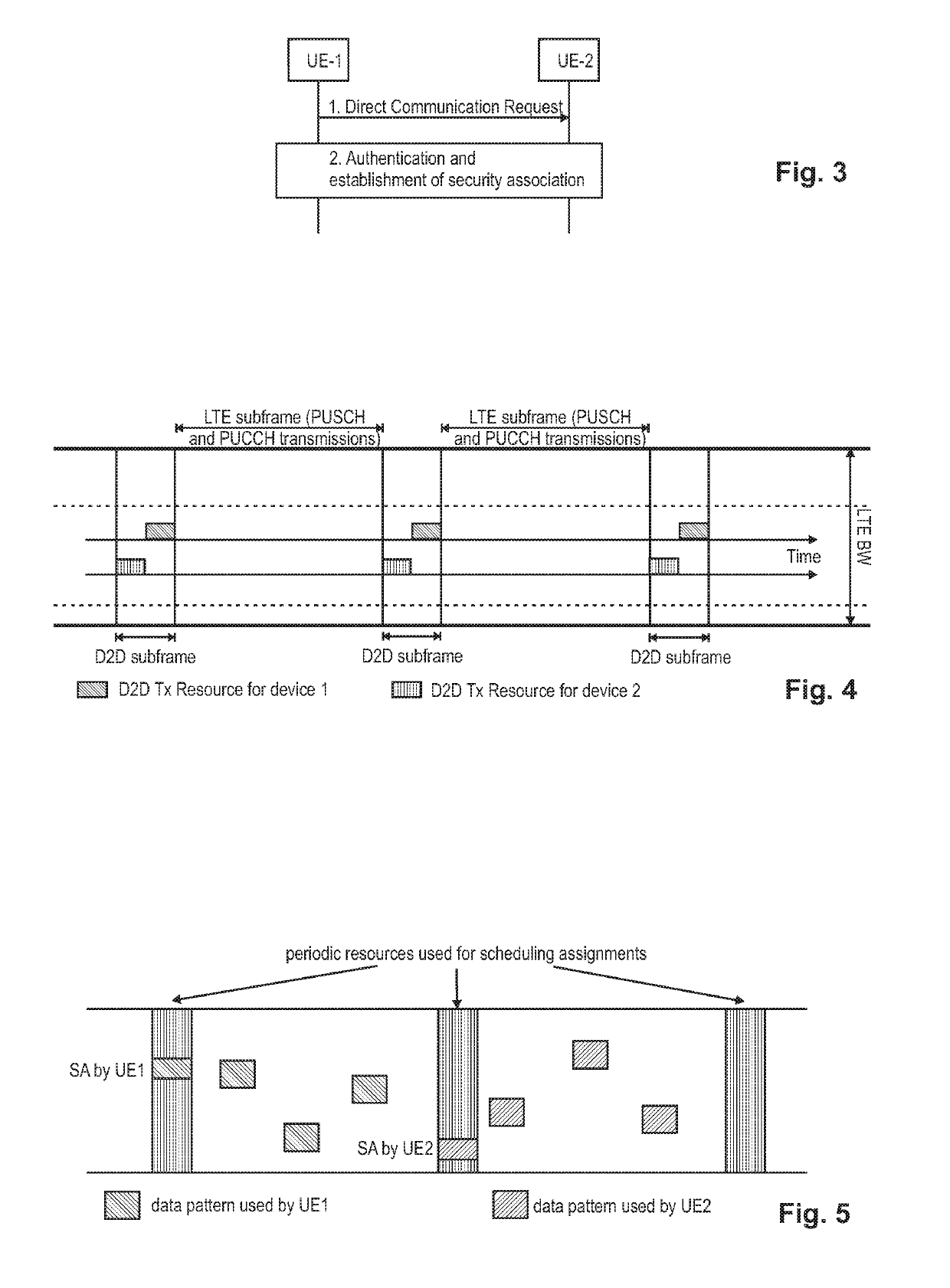
Figure 3
Abstract
Description
BACKGROUNDTechnical Field
[0001] The present disclosure relates to improved allocation of radio resources for a vehicular mobile terminal. The present disclosure is providing the corresponding vehicular mobile terminal, the radio base station, the system, and method.Description of the Related Art
[0002] Long Term Evolution (LTE)
[0003] Third-generation mobile systems (3G) based on WCDMA radio-access technology are being deployed on a broad scale all around the world. A first step in enhancing or evolving this technology entails introducing High-Speed Downlink Packet Access (HSDPA) and an enhanced uplink, also referred to as High Speed Uplink Packet Access (HSUPA), giving a radio access technology that is highly competitive.
[0004] In order to be prepared for further increasing user demands and to be competitive against new radio access technologies, 3GPP introduced a new mobile communication system which is called Long Term Evolution (LTE). LTE is designed to meet the carrier needs for high...
Examples
first embodiment
[0257]In the following a first embodiment for solving the above-mentioned problem(s) will be described in detail. Different implementations and variants of the first embodiment will be explained as well.
[0258]Exemplarily, a vehicular UE is assumed which is installed in a vehicle and is capable of performing vehicular communication based on the D2D framework as explained in the background section of this application. It is further assumed that the vehicular UE shall communicate with other UEs and thus needs to first determine suitable sidelink radio resources to be used for said purpose. The first embodiment focuses on how the sidelink radio resources can be efficiently determined by the vehicular UE so as to then be able to communicate with other (vehicular) UEs in a usual manner using these determined radio resources.
[0259]The radio resource allocation according to the first embodiment is based on the radio resource allocation as already defined for D2D communication, thus generall...
second embodiment
[0314]In the following a second embodiment is presented which deals with the same problem as the one solved by the first embodiment, i.e., the one explained at the beginning of the detailed description namely to improve the radio resource allocation for vehicular communication. The second embodiment is in many aspects similar to the first embodiment and references to the first embodiment will be often used.
[0315]As was explained above for the first embodiment, a central feature was that the first embodiment provided an additional, improved, resource allocation method capable of additionally taking the location of the vehicular UE into account. Furthermore, as a further, optional, improvement to this location-assisted resource allocation, the first embodiment allowed the vehicular UE to perform sensing on the allocated radio resources before actually using them so as to avoid collisions on radio resources that are or will be in use by another UE.
[0316]According to the second embodime...