
Active Alignment in Aerospace: Stability Improvements
APR 15, 20269 MIN READ
Generate Your Research Report Instantly with AI Agent
Patsnap Eureka helps you evaluate technical feasibility & market potential.
Aerospace Active Alignment Background and Objectives
Active alignment technology in aerospace represents a paradigm shift from traditional passive structural approaches to dynamic, real-time positioning systems. This technology emerged from the critical need to maintain precise optical and mechanical alignments in space-based systems, where thermal variations, mechanical vibrations, and gravitational forces continuously threaten system performance. The aerospace industry has witnessed exponential growth in demand for high-precision instruments, satellite constellations, and space telescopes, all requiring unprecedented stability and accuracy levels.
The historical development of aerospace systems has consistently pushed the boundaries of precision engineering. Early spacecraft relied heavily on robust mechanical designs and passive isolation systems to maintain alignment. However, as mission requirements evolved toward higher resolution imaging, more accurate pointing systems, and extended operational lifespans, the limitations of passive approaches became increasingly apparent. The introduction of active alignment systems marked a revolutionary advancement in addressing these challenges.
Modern aerospace applications demand sub-micron positioning accuracy and arc-second pointing precision across extended operational periods. Space telescopes require optical element positioning within nanometer tolerances to achieve diffraction-limited performance. Satellite communication systems need precise antenna alignment to maintain signal quality across orbital variations. Earth observation platforms must compensate for platform vibrations and thermal distortions to deliver consistent imaging quality.
The primary objective of active alignment technology is to provide real-time compensation for disturbances that affect system performance. This encompasses thermal expansion compensation, vibration isolation, pointing accuracy maintenance, and structural deformation correction. Advanced active alignment systems integrate multiple sensor technologies, including laser interferometry, capacitive sensing, and inertial measurement units, to create closed-loop control systems capable of maintaining alignment within specified tolerances.
Contemporary research focuses on developing lightweight, power-efficient active alignment systems suitable for space environments. Key technological goals include achieving higher bandwidth control systems, implementing predictive compensation algorithms, and integrating artificial intelligence for autonomous alignment optimization. The ultimate objective is creating self-calibrating systems that can maintain peak performance throughout extended mission durations while minimizing ground intervention requirements.
The historical development of aerospace systems has consistently pushed the boundaries of precision engineering. Early spacecraft relied heavily on robust mechanical designs and passive isolation systems to maintain alignment. However, as mission requirements evolved toward higher resolution imaging, more accurate pointing systems, and extended operational lifespans, the limitations of passive approaches became increasingly apparent. The introduction of active alignment systems marked a revolutionary advancement in addressing these challenges.
Modern aerospace applications demand sub-micron positioning accuracy and arc-second pointing precision across extended operational periods. Space telescopes require optical element positioning within nanometer tolerances to achieve diffraction-limited performance. Satellite communication systems need precise antenna alignment to maintain signal quality across orbital variations. Earth observation platforms must compensate for platform vibrations and thermal distortions to deliver consistent imaging quality.
The primary objective of active alignment technology is to provide real-time compensation for disturbances that affect system performance. This encompasses thermal expansion compensation, vibration isolation, pointing accuracy maintenance, and structural deformation correction. Advanced active alignment systems integrate multiple sensor technologies, including laser interferometry, capacitive sensing, and inertial measurement units, to create closed-loop control systems capable of maintaining alignment within specified tolerances.
Contemporary research focuses on developing lightweight, power-efficient active alignment systems suitable for space environments. Key technological goals include achieving higher bandwidth control systems, implementing predictive compensation algorithms, and integrating artificial intelligence for autonomous alignment optimization. The ultimate objective is creating self-calibrating systems that can maintain peak performance throughout extended mission durations while minimizing ground intervention requirements.
Market Demand for Enhanced Aerospace Stability Systems
The aerospace industry is experiencing unprecedented demand for enhanced stability systems driven by multiple converging factors across commercial, defense, and emerging space sectors. Traditional passive stability mechanisms are increasingly inadequate for modern aerospace applications that require precise positioning, rapid response capabilities, and adaptive performance under varying operational conditions.
Commercial aviation represents the largest market segment, where airlines are prioritizing fuel efficiency, passenger comfort, and operational reliability. Enhanced stability systems directly contribute to reduced fuel consumption through optimized flight paths and decreased structural stress, while simultaneously improving passenger experience by minimizing turbulence effects and enabling smoother flight operations.
The defense sector demonstrates particularly strong demand for active alignment technologies, especially in unmanned aerial vehicles, precision-guided munitions, and next-generation fighter aircraft. Military applications require stability systems capable of maintaining accuracy under extreme conditions, including high-speed maneuvers, electronic warfare environments, and adverse weather conditions. The growing emphasis on autonomous military platforms further amplifies the need for sophisticated stability control systems.
Space exploration and satellite deployment markets are emerging as significant demand drivers. The increasing frequency of satellite launches, space tourism initiatives, and interplanetary missions creates substantial requirements for precision stability systems. These applications demand exceptional reliability and performance in zero-gravity environments, extreme temperature variations, and extended operational periods without maintenance.
Urban air mobility and electric vertical takeoff and landing aircraft represent rapidly expanding market segments. These emerging platforms require advanced stability systems to ensure safe operation in complex urban environments, where traditional flight control methods prove insufficient. The transition from conventional aircraft designs to innovative configurations necessitates sophisticated active alignment technologies.
Market growth is further accelerated by regulatory pressures for improved safety standards and environmental performance. Aviation authorities worldwide are implementing stricter requirements for aircraft stability and control systems, driving manufacturers to adopt advanced technologies. Additionally, sustainability mandates are pushing the industry toward more efficient systems that reduce environmental impact while maintaining operational excellence.
The integration of artificial intelligence and machine learning capabilities into stability systems creates additional market opportunities. These technologies enable predictive maintenance, adaptive control algorithms, and real-time optimization, significantly enhancing system performance and reducing operational costs for aerospace operators across all sectors.
Commercial aviation represents the largest market segment, where airlines are prioritizing fuel efficiency, passenger comfort, and operational reliability. Enhanced stability systems directly contribute to reduced fuel consumption through optimized flight paths and decreased structural stress, while simultaneously improving passenger experience by minimizing turbulence effects and enabling smoother flight operations.
The defense sector demonstrates particularly strong demand for active alignment technologies, especially in unmanned aerial vehicles, precision-guided munitions, and next-generation fighter aircraft. Military applications require stability systems capable of maintaining accuracy under extreme conditions, including high-speed maneuvers, electronic warfare environments, and adverse weather conditions. The growing emphasis on autonomous military platforms further amplifies the need for sophisticated stability control systems.
Space exploration and satellite deployment markets are emerging as significant demand drivers. The increasing frequency of satellite launches, space tourism initiatives, and interplanetary missions creates substantial requirements for precision stability systems. These applications demand exceptional reliability and performance in zero-gravity environments, extreme temperature variations, and extended operational periods without maintenance.
Urban air mobility and electric vertical takeoff and landing aircraft represent rapidly expanding market segments. These emerging platforms require advanced stability systems to ensure safe operation in complex urban environments, where traditional flight control methods prove insufficient. The transition from conventional aircraft designs to innovative configurations necessitates sophisticated active alignment technologies.
Market growth is further accelerated by regulatory pressures for improved safety standards and environmental performance. Aviation authorities worldwide are implementing stricter requirements for aircraft stability and control systems, driving manufacturers to adopt advanced technologies. Additionally, sustainability mandates are pushing the industry toward more efficient systems that reduce environmental impact while maintaining operational excellence.
The integration of artificial intelligence and machine learning capabilities into stability systems creates additional market opportunities. These technologies enable predictive maintenance, adaptive control algorithms, and real-time optimization, significantly enhancing system performance and reducing operational costs for aerospace operators across all sectors.
Current State and Challenges of Active Alignment Technology
Active alignment technology in aerospace applications has reached a sophisticated level of development, with several operational systems demonstrating remarkable precision capabilities. Current implementations primarily focus on optical systems, including telescope mirrors, satellite communication arrays, and precision pointing mechanisms for space-based instruments. These systems typically achieve alignment accuracies in the sub-arcsecond range, utilizing piezoelectric actuators, voice coil motors, and advanced control algorithms to maintain optimal positioning under dynamic conditions.
The technology landscape is dominated by closed-loop feedback systems that integrate high-resolution sensors with real-time control processors. Modern active alignment systems employ interferometric sensors, capacitive displacement measurements, and optical encoders to detect minute positional deviations. Control algorithms have evolved from simple PID controllers to sophisticated adaptive and predictive control schemes that can anticipate disturbances and preemptively adjust system parameters.
Despite significant technological advances, several critical challenges continue to impede widespread adoption and optimal performance. Thermal stability remains a primary concern, as temperature fluctuations in space environments cause material expansion and contraction that can overwhelm alignment correction capabilities. Current thermal compensation methods often introduce lag times that compromise system responsiveness, particularly during rapid thermal transitions experienced during orbital day-night cycles.
Power consumption presents another substantial challenge, especially for battery-operated spacecraft systems. Active alignment mechanisms require continuous power for sensors and actuators, creating conflicts with mission power budgets. Existing solutions often involve duty-cycle management and selective activation protocols, but these approaches can compromise alignment precision during critical operational phases.
Vibration isolation and disturbance rejection capabilities vary significantly across different implementations. While some systems excel in rejecting high-frequency disturbances, low-frequency drift and structural resonances continue to pose difficulties. The integration of active alignment systems with spacecraft structures often creates coupling effects that can amplify certain disturbance frequencies rather than attenuate them.
Reliability and redundancy considerations add complexity to system design. Space-qualified components must withstand radiation exposure, extreme temperatures, and mechanical stresses while maintaining precision over extended mission durations. Current fault detection and recovery mechanisms are often limited, with many systems lacking graceful degradation capabilities when individual components fail.
Manufacturing tolerances and calibration procedures represent ongoing technical hurdles. Achieving consistent performance across multiple units requires sophisticated calibration protocols and quality control measures. Ground-based testing cannot fully replicate space conditions, leading to uncertainties in on-orbit performance predictions and potential alignment drift over time.
The technology landscape is dominated by closed-loop feedback systems that integrate high-resolution sensors with real-time control processors. Modern active alignment systems employ interferometric sensors, capacitive displacement measurements, and optical encoders to detect minute positional deviations. Control algorithms have evolved from simple PID controllers to sophisticated adaptive and predictive control schemes that can anticipate disturbances and preemptively adjust system parameters.
Despite significant technological advances, several critical challenges continue to impede widespread adoption and optimal performance. Thermal stability remains a primary concern, as temperature fluctuations in space environments cause material expansion and contraction that can overwhelm alignment correction capabilities. Current thermal compensation methods often introduce lag times that compromise system responsiveness, particularly during rapid thermal transitions experienced during orbital day-night cycles.
Power consumption presents another substantial challenge, especially for battery-operated spacecraft systems. Active alignment mechanisms require continuous power for sensors and actuators, creating conflicts with mission power budgets. Existing solutions often involve duty-cycle management and selective activation protocols, but these approaches can compromise alignment precision during critical operational phases.
Vibration isolation and disturbance rejection capabilities vary significantly across different implementations. While some systems excel in rejecting high-frequency disturbances, low-frequency drift and structural resonances continue to pose difficulties. The integration of active alignment systems with spacecraft structures often creates coupling effects that can amplify certain disturbance frequencies rather than attenuate them.
Reliability and redundancy considerations add complexity to system design. Space-qualified components must withstand radiation exposure, extreme temperatures, and mechanical stresses while maintaining precision over extended mission durations. Current fault detection and recovery mechanisms are often limited, with many systems lacking graceful degradation capabilities when individual components fail.
Manufacturing tolerances and calibration procedures represent ongoing technical hurdles. Achieving consistent performance across multiple units requires sophisticated calibration protocols and quality control measures. Ground-based testing cannot fully replicate space conditions, leading to uncertainties in on-orbit performance predictions and potential alignment drift over time.
Existing Active Alignment Solutions for Stability Enhancement
01 Optical fiber alignment mechanisms and structures
Active alignment stability in optical systems can be achieved through specialized mechanical structures and alignment mechanisms for optical fibers. These mechanisms include precision positioning systems, alignment grooves, and mounting structures that maintain stable optical coupling between fibers and optical components. The designs incorporate features to compensate for thermal expansion, mechanical stress, and environmental variations to ensure long-term alignment stability.- Active alignment mechanisms for optical components: Active alignment techniques involve the use of precision adjustment mechanisms to align optical components such as lenses, fibers, and sensors during assembly. These mechanisms enable real-time positioning adjustments to achieve optimal optical coupling and performance. The stability of these alignment systems is critical for maintaining long-term optical performance in devices such as cameras, fiber optic transceivers, and laser systems.
- Adhesive bonding and curing methods for alignment stability: After achieving active alignment, components must be permanently fixed in position using adhesives or bonding materials. The curing process and properties of these adhesives significantly affect alignment stability over time and under environmental stress. Advanced curing techniques and adhesive formulations are employed to minimize shrinkage and maintain the aligned position during and after the bonding process.
- Mechanical fixtures and holding structures for alignment maintenance: Specialized mechanical fixtures, clamps, and holding structures are designed to maintain component positions during and after the active alignment process. These structures must provide sufficient rigidity while accommodating thermal expansion and mechanical stress. The design of these fixtures is crucial for preventing misalignment due to external forces or environmental changes.
- Monitoring and feedback systems for alignment verification: Real-time monitoring systems and feedback mechanisms are integrated into active alignment processes to verify and maintain alignment accuracy. These systems use sensors and measurement devices to detect misalignment and provide corrective feedback. Advanced monitoring techniques enable continuous assessment of alignment stability throughout the manufacturing process and product lifetime.
- Thermal and environmental compensation for alignment stability: Active alignment systems incorporate compensation mechanisms to address thermal expansion, humidity, and other environmental factors that can affect alignment stability. These compensation methods include material selection, structural design modifications, and active control systems that adjust for environmental variations. Such approaches ensure that aligned components maintain their relative positions across operating temperature ranges and environmental conditions.
02 Active alignment methods for optoelectronic devices
Active alignment techniques involve real-time monitoring and adjustment of optical component positions during assembly to optimize optical performance. These methods utilize feedback systems that measure optical power or signal quality while adjusting the position of components such as lenses, lasers, or photodetectors. The alignment process ensures maximum coupling efficiency and stable operation over the device lifetime.Expand Specific Solutions03 Packaging and encapsulation for alignment stability
Specialized packaging and encapsulation techniques are employed to maintain active alignment stability after initial assembly. These approaches include hermetic sealing, stress-relief structures, and materials with matched thermal expansion coefficients. The packaging designs protect aligned components from environmental factors such as temperature fluctuations, humidity, and mechanical shock while preserving the precise alignment achieved during manufacturing.Expand Specific Solutions04 Adhesive and bonding technologies for stable alignment
Advanced adhesive materials and bonding processes are critical for maintaining active alignment stability in optical assemblies. These technologies include UV-curable adhesives, thermally stable epoxies, and low-shrinkage bonding materials that minimize alignment drift during curing. The bonding methods are designed to provide strong mechanical attachment while minimizing stress-induced misalignment and ensuring long-term stability under operational conditions.Expand Specific Solutions05 Monitoring and feedback systems for alignment maintenance
Continuous monitoring and feedback systems are implemented to detect and correct alignment drift in active optical systems. These systems incorporate sensors, control algorithms, and actuators that can dynamically adjust component positions to maintain optimal alignment. The feedback mechanisms enable real-time compensation for environmental changes, aging effects, and operational stresses, ensuring sustained performance throughout the device operational lifetime.Expand Specific Solutions
Key Players in Aerospace Active Alignment Industry
The active alignment technology in aerospace for stability improvements represents a rapidly evolving sector within the mature aerospace industry, which has reached a market valuation exceeding $800 billion globally. The competitive landscape is characterized by established aerospace giants and emerging specialized technology providers operating at varying levels of technological maturity. Industry leaders like Boeing, Airbus Operations, and Sikorsky Aircraft demonstrate advanced implementation capabilities, while defense contractors such as Thales SA and Honeywell International Technologies possess sophisticated control systems expertise. Chinese entities including China Academy of Launch Vehicle Technology and Beihang University are accelerating development through significant R&D investments. Technology integrators like NEC Corp and Nikon Corp contribute precision instrumentation solutions, while specialized firms such as Insitu Inc. and Shanghai Fengfei Aviation Technology focus on unmanned systems applications. The sector exhibits high technological maturity in traditional applications but remains in growth phase for next-generation autonomous and precision-critical implementations.
Airbus Operations SAS
Technical Solution: Airbus has pioneered active alignment technology through their Smart Fixed Wing program, utilizing shape-memory alloys and morphing wing concepts for real-time aerodynamic optimization. Their system employs distributed actuation networks that can modify wing camber and twist distribution during flight to maintain optimal lift-to-drag ratios under varying flight conditions. The technology integrates advanced fiber optic sensing systems with machine learning algorithms to predict and compensate for structural deformations before they impact flight stability. Airbus's active alignment solutions include adaptive winglets and morphing trailing edge devices that automatically adjust based on flight parameters, weather conditions, and structural loading. The system has demonstrated up to 8% fuel savings in flight tests while significantly improving passenger comfort through reduced turbulence effects.
Strengths: Leading research in morphing wing technology with strong European aerospace ecosystem support. Weaknesses: Limited scalability to smaller aircraft platforms and high certification complexity.
The Boeing Co.
Technical Solution: Boeing has developed advanced active alignment systems for aerospace applications focusing on real-time structural adjustment and vibration control. Their technology incorporates smart materials and adaptive control algorithms to maintain optimal aerodynamic surfaces during flight conditions. The system uses distributed sensor networks to monitor structural deformation and automatically adjusts control surfaces to maintain stability. Boeing's active alignment approach includes piezoelectric actuators integrated into wing structures and fuselage components, enabling micro-adjustments that improve overall flight stability and reduce structural fatigue. The technology has been implemented in both commercial and military aircraft platforms, demonstrating significant improvements in fuel efficiency and passenger comfort through enhanced stability control.
Strengths: Extensive flight testing experience and proven commercial implementation across multiple aircraft platforms. Weaknesses: High system complexity and significant integration costs for retrofit applications.
Core Innovations in Aerospace Active Alignment Patents
Method for independent alignment of an inertial unit for an onboard instrument of an aircraft
PatentActiveEP2223047A1
Innovation
- An autonomous alignment method that determines the aircraft's state (flight or ground) and adapts the alignment type accordingly, performing flight, ground, or sea-type alignments to ensure precise initialization of inertial measurement units, regardless of the platform's stability, by distinguishing between stable and unstable conditions and adjusting the alignment procedure.
Active Alignment Using Continuous Motion Sweeps and Temporal Interpolation
PatentActiveUS20130274923A1
Innovation
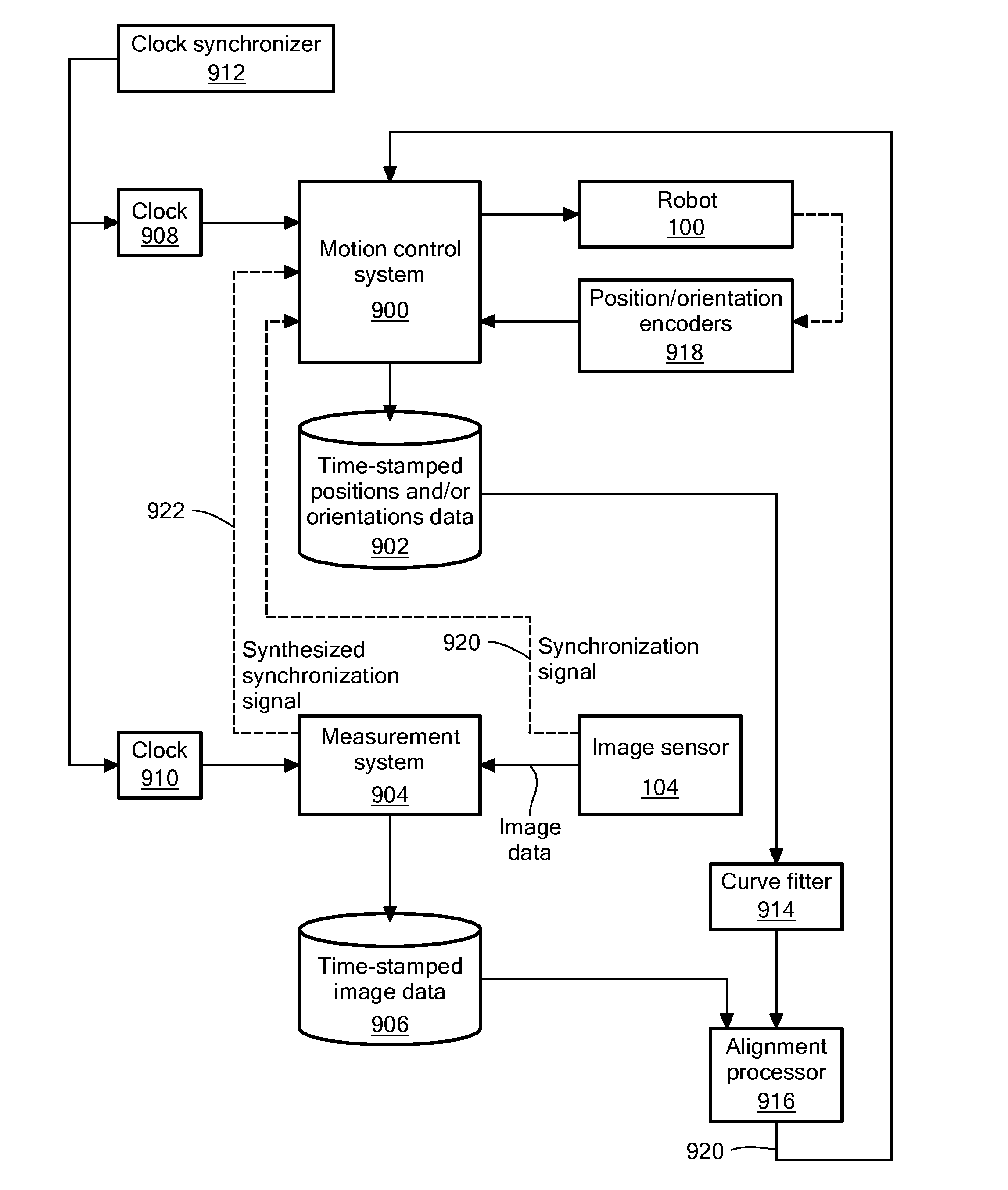
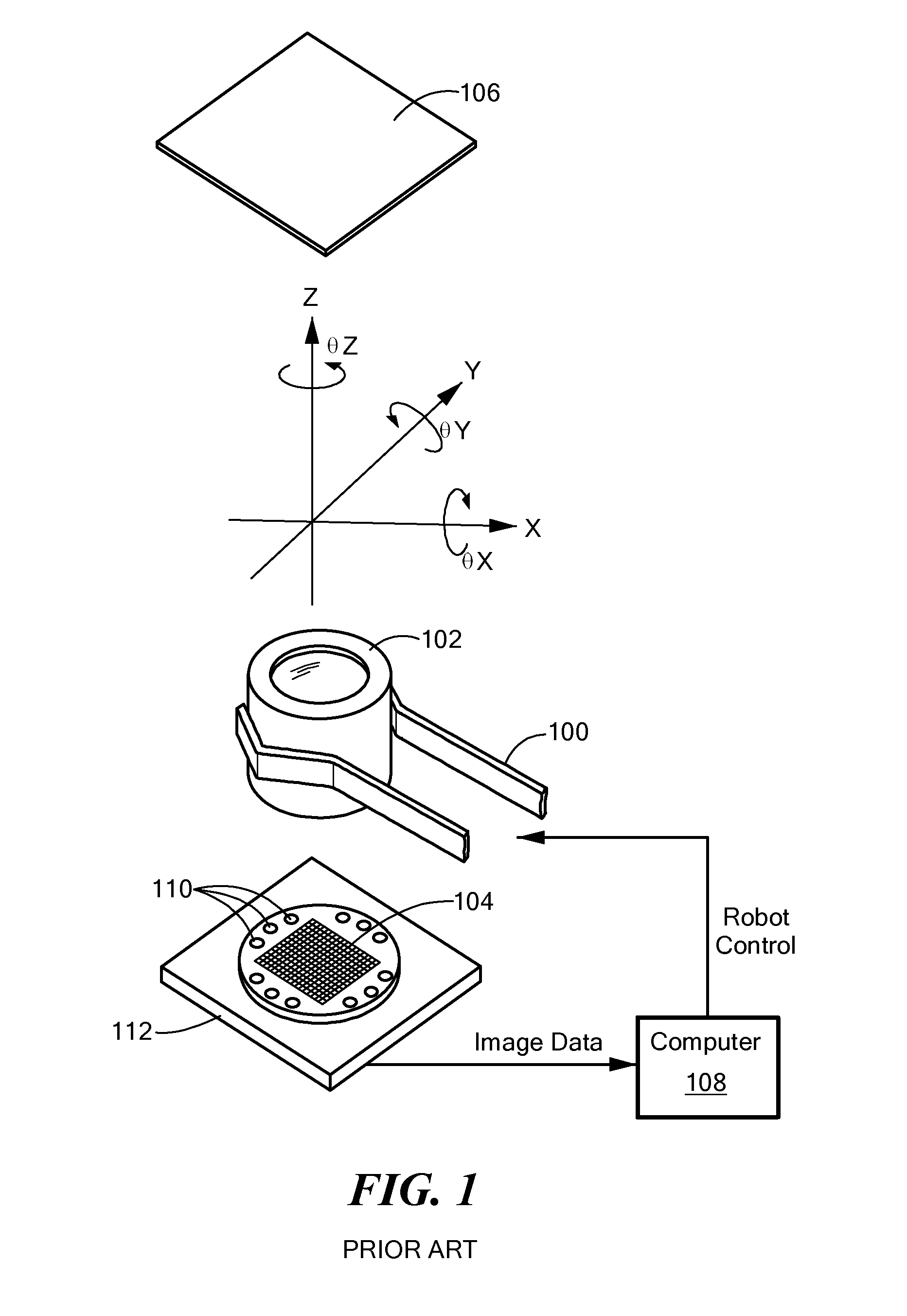
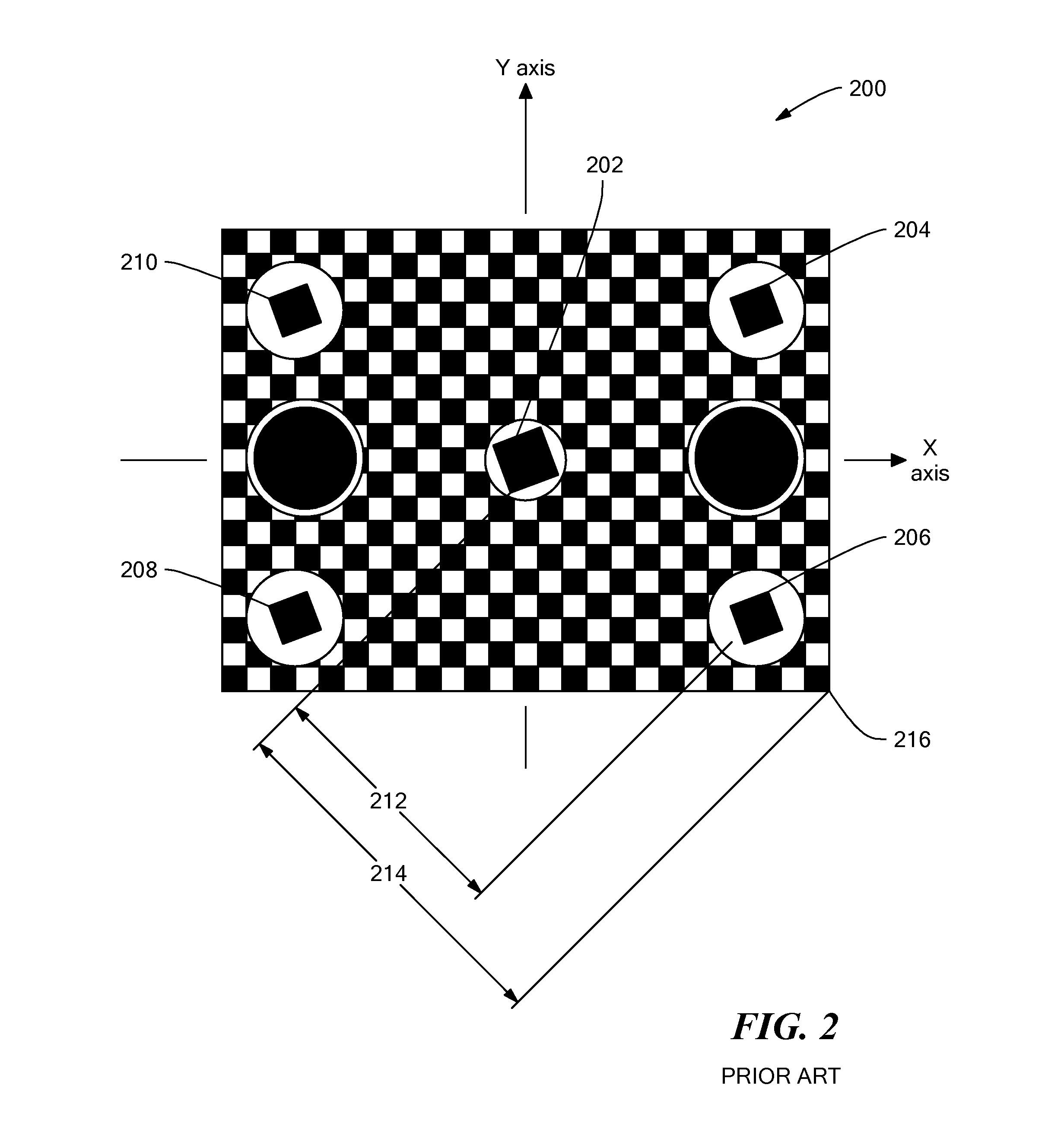
- A computer-implemented method involving continuous motion sweeps of optical elements to collect and analyze alignment data, using a robot to estimate and adjust the position of optical elements based on optical signals and image data from a digital image sensor, allowing for precise alignment across multiple degrees of freedom.

Aerospace Safety Regulations and Certification Requirements
Active alignment systems in aerospace applications must comply with stringent safety regulations and certification requirements established by international aviation authorities. The Federal Aviation Administration (FAA) in the United States, the European Union Aviation Safety Agency (EASA), and other national regulatory bodies have developed comprehensive frameworks governing the implementation of active alignment technologies in aircraft systems.
The certification process for active alignment systems follows established airworthiness standards, particularly DO-178C for software considerations and DO-254 for hardware design assurance. These standards mandate rigorous verification and validation procedures, requiring extensive testing protocols to demonstrate system reliability under various operational conditions. Active alignment systems must achieve failure rates consistent with their assigned Design Assurance Level (DAL), typically ranging from DAL-A to DAL-E based on the severity of potential failure consequences.
Safety-critical active alignment applications, such as those used in flight control surfaces or engine mounting systems, must demonstrate compliance with fail-safe design principles. This includes implementing redundant control loops, independent monitoring systems, and graceful degradation capabilities. The systems must maintain structural integrity and controllability even when primary alignment mechanisms experience failures or malfunctions.
Certification authorities require comprehensive hazard analysis and risk assessment documentation, including Failure Mode and Effects Analysis (FMEA) and Fault Tree Analysis (FTA) for active alignment systems. These analyses must demonstrate that the probability of catastrophic failure remains below acceptable thresholds, typically 10^-9 per flight hour for commercial aviation applications.
Environmental qualification standards, including DO-160 compliance, mandate that active alignment systems withstand extreme temperature variations, vibration, electromagnetic interference, and other harsh aerospace conditions. Testing protocols must validate system performance across the entire operational envelope, from ground operations through high-altitude flight conditions.
The regulatory framework also addresses cybersecurity considerations for digitally-controlled active alignment systems, requiring implementation of secure communication protocols and protection against unauthorized access or malicious interference that could compromise system integrity.
The certification process for active alignment systems follows established airworthiness standards, particularly DO-178C for software considerations and DO-254 for hardware design assurance. These standards mandate rigorous verification and validation procedures, requiring extensive testing protocols to demonstrate system reliability under various operational conditions. Active alignment systems must achieve failure rates consistent with their assigned Design Assurance Level (DAL), typically ranging from DAL-A to DAL-E based on the severity of potential failure consequences.
Safety-critical active alignment applications, such as those used in flight control surfaces or engine mounting systems, must demonstrate compliance with fail-safe design principles. This includes implementing redundant control loops, independent monitoring systems, and graceful degradation capabilities. The systems must maintain structural integrity and controllability even when primary alignment mechanisms experience failures or malfunctions.
Certification authorities require comprehensive hazard analysis and risk assessment documentation, including Failure Mode and Effects Analysis (FMEA) and Fault Tree Analysis (FTA) for active alignment systems. These analyses must demonstrate that the probability of catastrophic failure remains below acceptable thresholds, typically 10^-9 per flight hour for commercial aviation applications.
Environmental qualification standards, including DO-160 compliance, mandate that active alignment systems withstand extreme temperature variations, vibration, electromagnetic interference, and other harsh aerospace conditions. Testing protocols must validate system performance across the entire operational envelope, from ground operations through high-altitude flight conditions.
The regulatory framework also addresses cybersecurity considerations for digitally-controlled active alignment systems, requiring implementation of secure communication protocols and protection against unauthorized access or malicious interference that could compromise system integrity.
Environmental Impact of Active Alignment Systems
Active alignment systems in aerospace applications present both environmental benefits and challenges that require careful consideration throughout their lifecycle. These systems, while enhancing operational efficiency and reducing fuel consumption through improved stability, introduce complex environmental implications that span manufacturing, operation, and end-of-life phases.
The manufacturing phase of active alignment systems typically involves precision components requiring rare earth elements and specialized materials. Production processes often demand high-energy manufacturing techniques, including precision machining and clean room environments, contributing to increased carbon footprint during initial development. However, these environmental costs must be weighed against the long-term operational benefits these systems provide.
During operational phases, active alignment systems demonstrate significant environmental advantages through enhanced fuel efficiency. By maintaining optimal aerodynamic configurations and reducing structural vibrations, these systems can decrease fuel consumption by 3-8% in commercial aircraft applications. This reduction translates to substantial decreases in CO2 emissions over the aircraft's operational lifetime, often offsetting manufacturing environmental costs within the first few years of service.
The energy consumption of active alignment systems themselves presents another environmental consideration. Modern systems typically consume 0.1-0.5% of total aircraft power, representing a minimal direct environmental impact. Advanced power management algorithms and energy harvesting technologies are increasingly being integrated to further reduce this consumption, with some systems achieving near-zero net energy requirements through vibration energy recovery.
Maintenance and replacement cycles significantly influence the environmental profile of active alignment systems. Extended operational lifespans, typically 15-20 years for aerospace applications, minimize replacement frequency and associated environmental impacts. Predictive maintenance capabilities inherent in these systems further reduce unnecessary component replacements and maintenance-related environmental costs.
End-of-life considerations include material recovery and recycling challenges, particularly for rare earth elements and composite materials used in actuators and sensors. Industry initiatives are developing specialized recycling processes to recover valuable materials, though current recycling rates remain below 60% for complex electronic components.
Regulatory frameworks increasingly emphasize lifecycle environmental assessments for aerospace technologies, driving manufacturers to adopt more sustainable design practices and materials selection for active alignment systems.
The manufacturing phase of active alignment systems typically involves precision components requiring rare earth elements and specialized materials. Production processes often demand high-energy manufacturing techniques, including precision machining and clean room environments, contributing to increased carbon footprint during initial development. However, these environmental costs must be weighed against the long-term operational benefits these systems provide.
During operational phases, active alignment systems demonstrate significant environmental advantages through enhanced fuel efficiency. By maintaining optimal aerodynamic configurations and reducing structural vibrations, these systems can decrease fuel consumption by 3-8% in commercial aircraft applications. This reduction translates to substantial decreases in CO2 emissions over the aircraft's operational lifetime, often offsetting manufacturing environmental costs within the first few years of service.
The energy consumption of active alignment systems themselves presents another environmental consideration. Modern systems typically consume 0.1-0.5% of total aircraft power, representing a minimal direct environmental impact. Advanced power management algorithms and energy harvesting technologies are increasingly being integrated to further reduce this consumption, with some systems achieving near-zero net energy requirements through vibration energy recovery.
Maintenance and replacement cycles significantly influence the environmental profile of active alignment systems. Extended operational lifespans, typically 15-20 years for aerospace applications, minimize replacement frequency and associated environmental impacts. Predictive maintenance capabilities inherent in these systems further reduce unnecessary component replacements and maintenance-related environmental costs.
End-of-life considerations include material recovery and recycling challenges, particularly for rare earth elements and composite materials used in actuators and sensors. Industry initiatives are developing specialized recycling processes to recover valuable materials, though current recycling rates remain below 60% for complex electronic components.
Regulatory frameworks increasingly emphasize lifecycle environmental assessments for aerospace technologies, driving manufacturers to adopt more sustainable design practices and materials selection for active alignment systems.
Unlock deeper insights with Patsnap Eureka Quick Research — get a full tech report to explore trends and direct your research. Try now!
Generate Your Research Report Instantly with AI Agent
Supercharge your innovation with Patsnap Eureka AI Agent Platform!